manuals.online logo
Brands
  1. Home
  2. •
  3. Brands
  4. •
  5. CARVIN
  6. •
  7. Guitar
  8. •
  9. CARVIN SH575, SH65, SH275 User manual

CARVIN SH575, SH65, SH275 User manual

Other CARVIN Guitar manuals

CARVIN P-SERIES User manual

CARVIN

CARVIN P-SERIES User manual

CARVIN PICKUP WIRING User manual

CARVIN

CARVIN PICKUP WIRING User manual

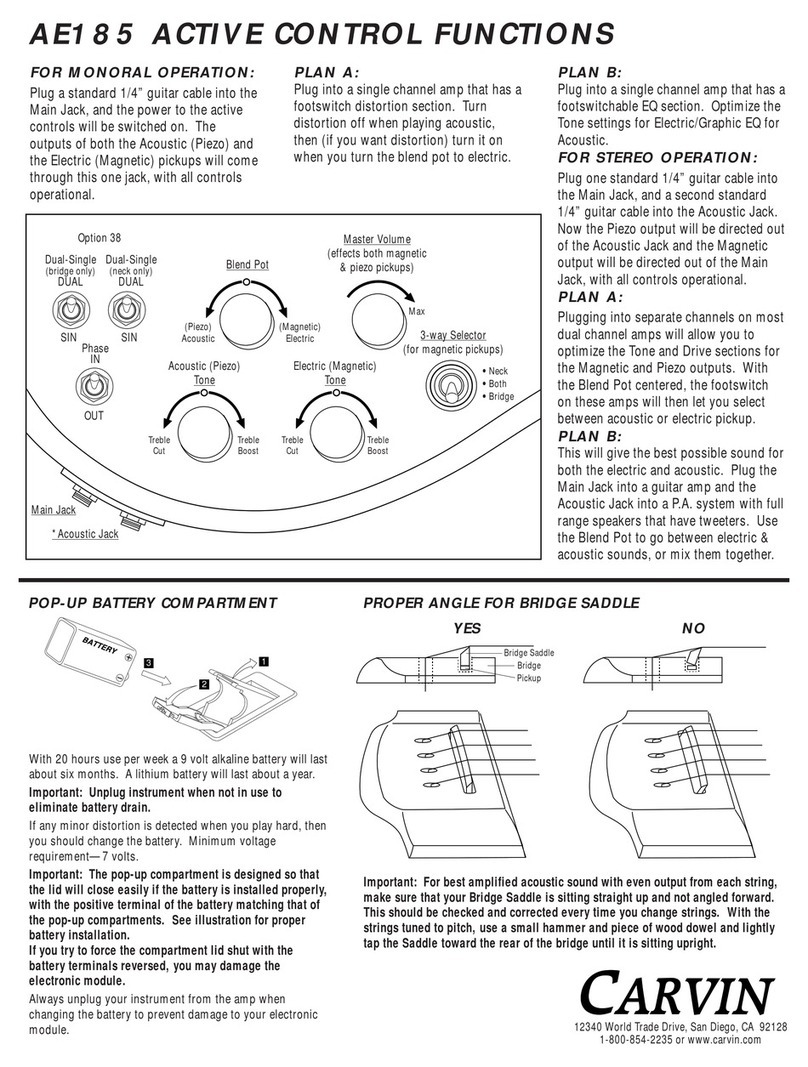
CARVIN AE185 Instruction and safety manual

CARVIN

CARVIN AE185 Instruction and safety manual

CARVIN AE185 FISHMAN User manual

CARVIN

CARVIN AE185 FISHMAN User manual

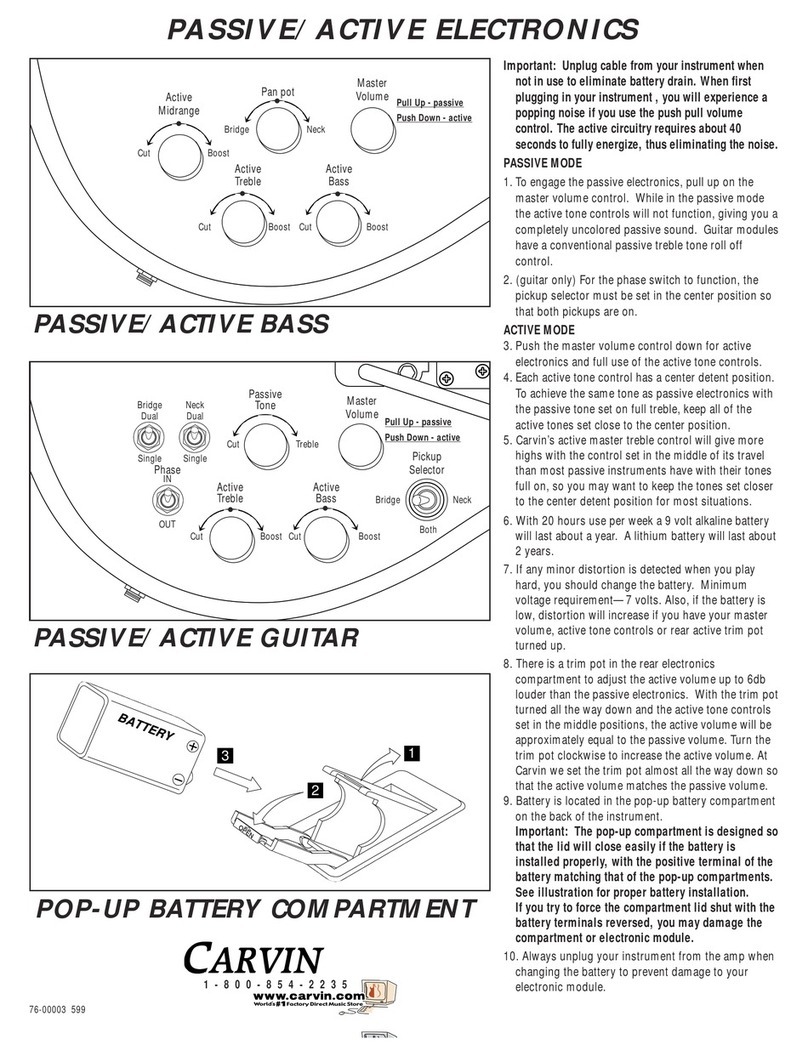
CARVIN ACTIVE PASSIVE GUITARE User manual

CARVIN

CARVIN ACTIVE PASSIVE GUITARE User manual

Popular Guitar manuals by other brands

Squier Affinity Jazz Bass V Specifications

Squier

Squier Affinity Jazz Bass V Specifications

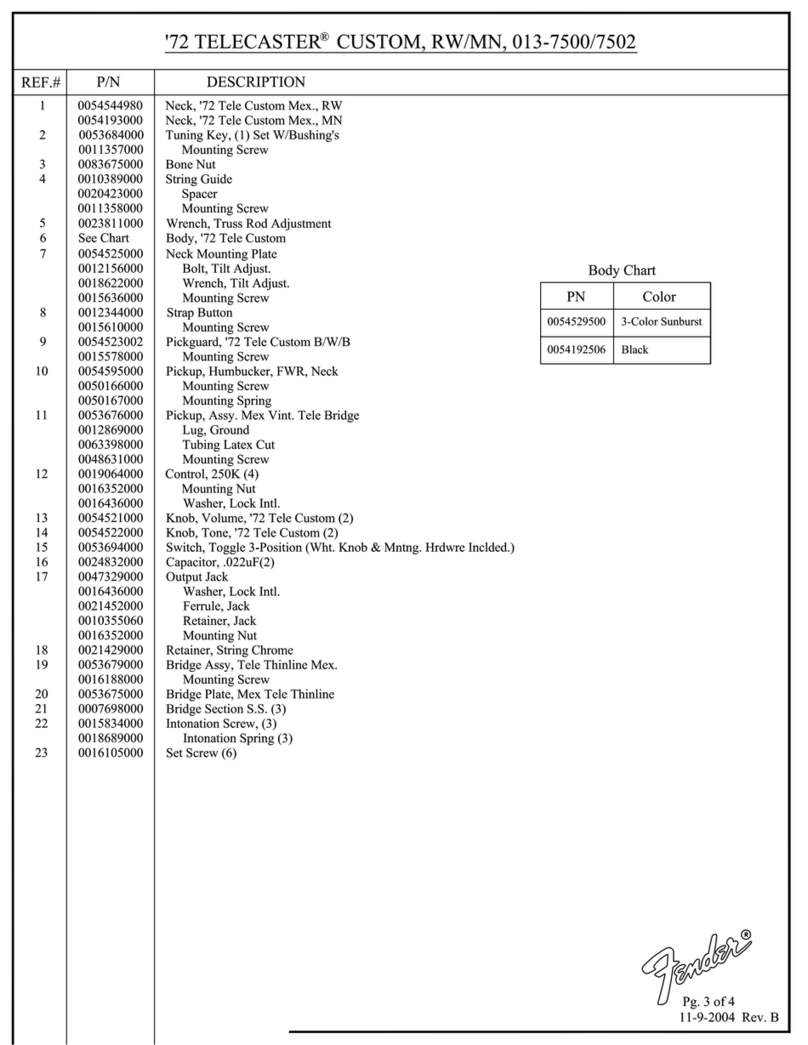
Fender 72 Telecaster Specifications

Fender

Fender 72 Telecaster Specifications

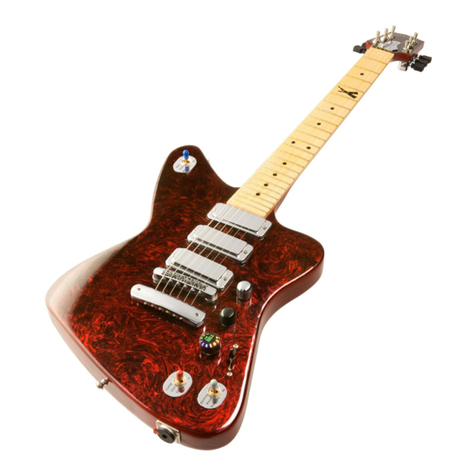
Gibson Firebird X owner's manual

Gibson

Gibson Firebird X owner's manual

Fender HEARTFIELD - FOR GUITARS AND BASSES manual

Fender

Fender HEARTFIELD - FOR GUITARS AND BASSES manual

Peavey Acoustic Guitar Series operating guide

Peavey

Peavey Acoustic Guitar Series operating guide

Fender CY specification

Fender

Fender CY specification

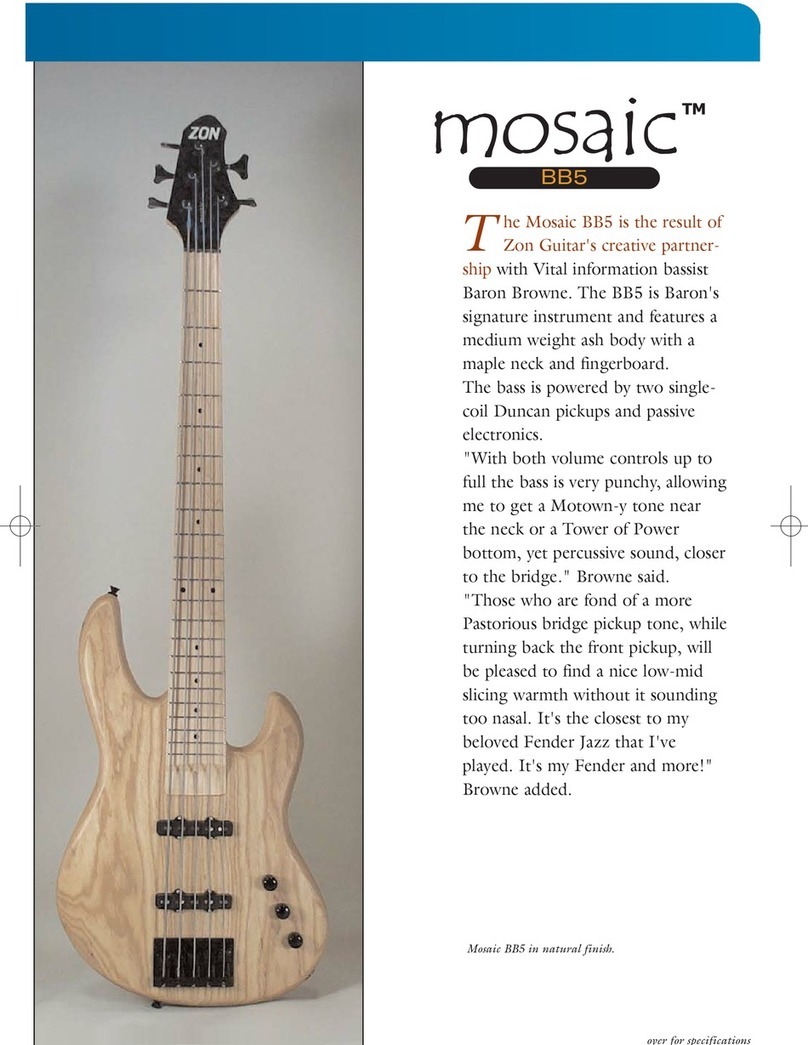
Zon Mosaic BB5 Specifications

Zon

Zon Mosaic BB5 Specifications

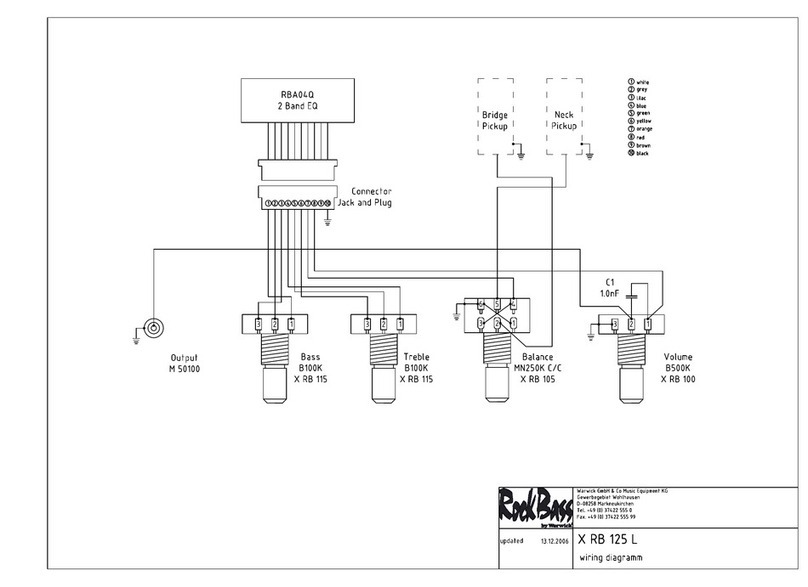
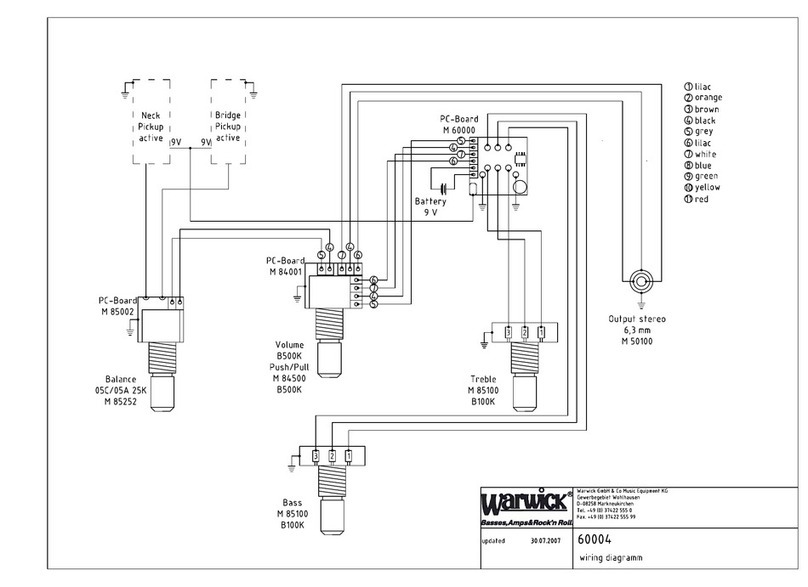
Warwick RockBass Streamer LX Specifications

Warwick

Warwick RockBass Streamer LX Specifications

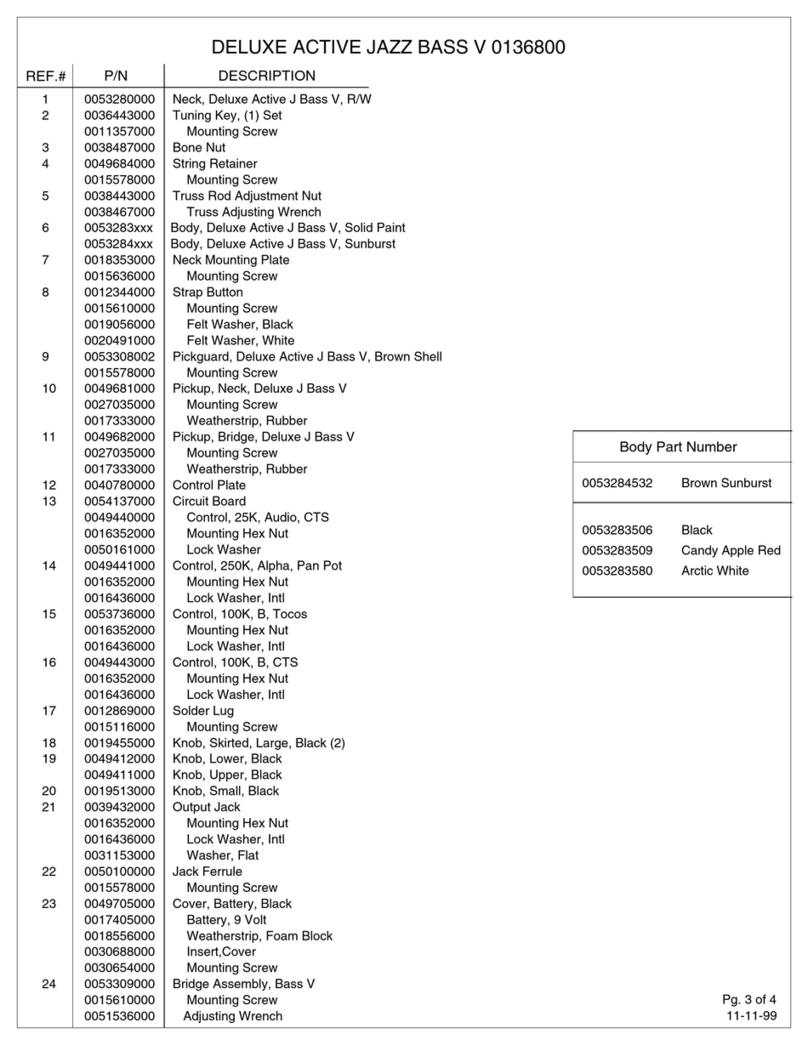
Fender Deluxe Active parts list

Fender

Fender Deluxe Active parts list

Peavey Spectrum Bass owner's manual

Peavey

Peavey Spectrum Bass owner's manual

Warwick Streamer LX Specifications

Warwick

Warwick Streamer LX Specifications

Peavey Nitro I operating guide

Peavey

Peavey Nitro I operating guide

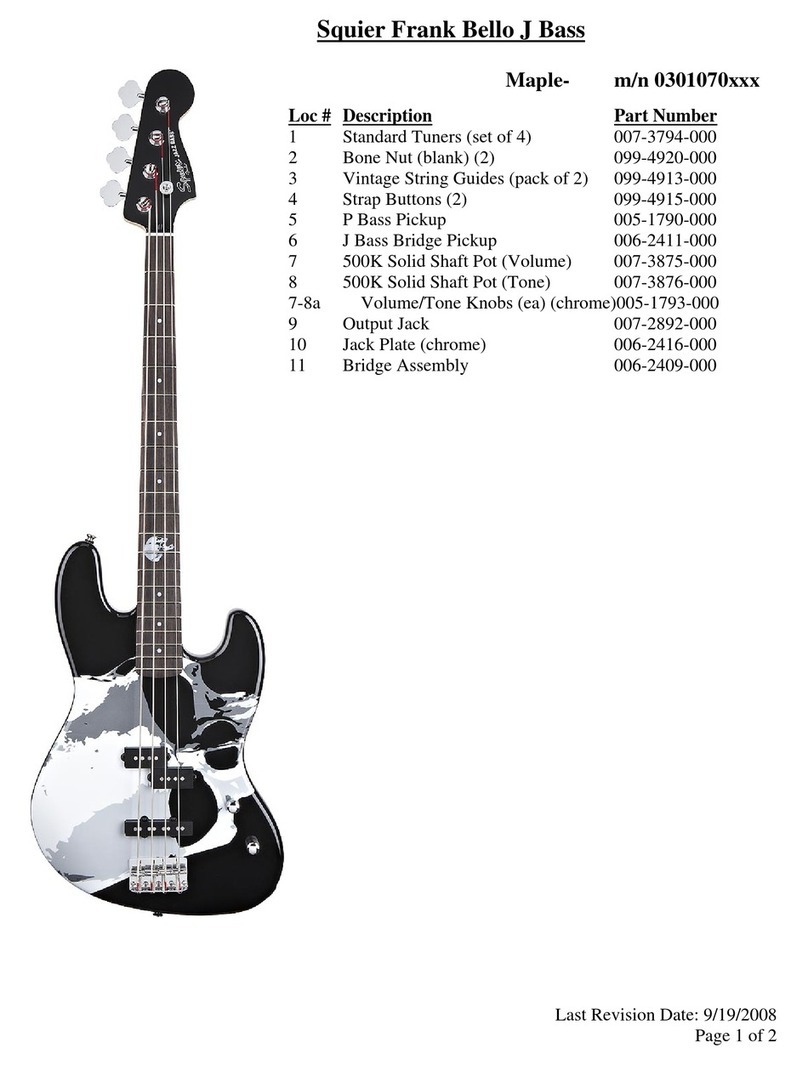
Squier Frank Bello J Bass Specifications

Squier

Squier Frank Bello J Bass Specifications

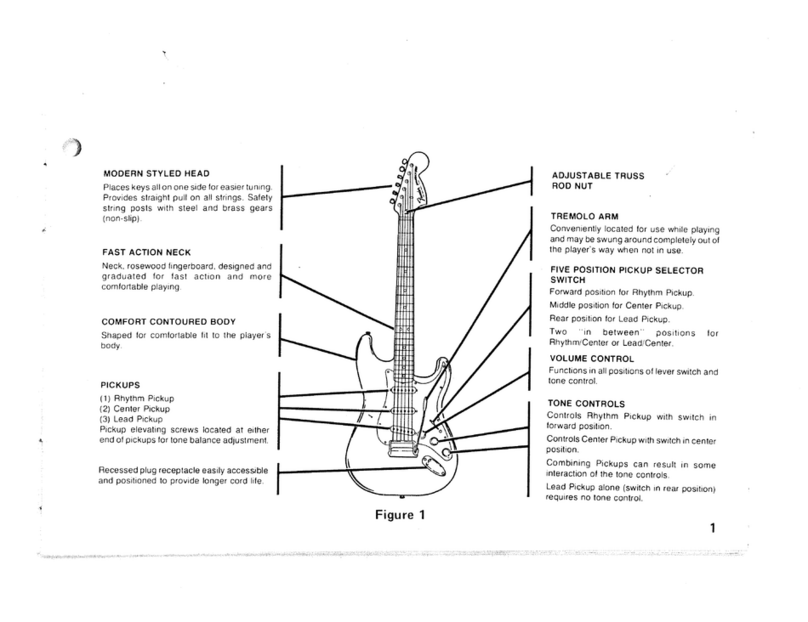
Fender Ritchie Blackmore Stratocaster user guide

Fender

Fender Ritchie Blackmore Stratocaster user guide

Steinberger ZT3 TransTrem Specifications

Steinberger

Steinberger ZT3 TransTrem Specifications

Yamaha Electric Acoustic Guitar owner's manual

Yamaha

Yamaha Electric Acoustic Guitar owner's manual

Peavey T-45 owner's manual

Peavey

Peavey T-45 owner's manual

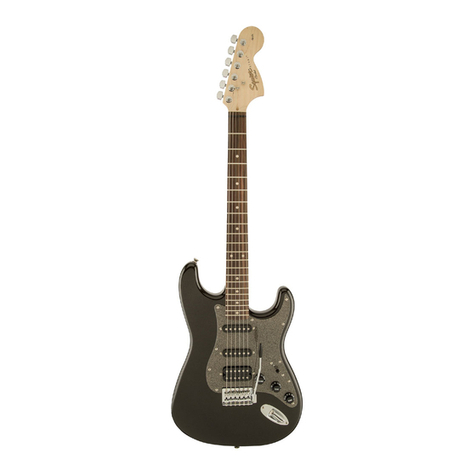
Squier Squier Classic Vibe specification

Squier

Squier Squier Classic Vibe specification

manuals.online logo
manuals.online logoBrands
  • About & Mission
  • Contact us
  • Privacy Policy
  • Terms and Conditions

Copyright 2025 Manuals.Online. All Rights Reserved.

Semi-Hollow Electric Synth Access Guitars
c
MADE IN
USA
MADE IN
USA
Controls
• humbucker volume control
• humbucker tone control
• stacked volumes for synth and acoustic
• stacked mid.cut boost and mid sweep controls
• stacked treble and bass cut/boost controls
• switch scrolls through MIDI patches when connected to synth
13-pin synth access port:
This 13-pin cable can carry
hexaphonic synth access,
piezo acoustic and humbucker
audio when it is the only
cable used.
SH575, SH65, SH275
1/4” Piezo output:
This output is for the
acoustic piezo pickup.
Connect this to an
acoustic amplifier or
PA system.
1/4” Humbucker output:
This output is for the
humbuckers. Connect this
to a guitar amp.
Battery replacement:
Carvin ships the SH575 with a brand new 9v battery. The
battery is required for the active Graph Tech™ acoustic
preamp. Unplug the 1/4” cables when not in use to pre-
serve battery life. Replace the battery if you experience
loss of audio or distorted acoustic sound. A battery is not
needed when the 13-pin cable is used exclusively. Leaving
the 13-pin cable plugged in will not drain the battery.
Changing Strings
When putting on a new set of strings, make sure the strings sit centered
on the saddle as shown above. Improper installation over the saddle
will result in tracking problems with the synth access. You may use
the intonation adjustment screws to move each saddle back and forth
should this be required. NEVER alter or modify the saddle shape or
string slot. These Graph Tech™ saddles are actual pickups for the
acoustic and synth signals. Any attempt to file or alter the saddle will
cause damage resulting in signal loss and will void the warranty.
Plugging In
Carvin’s Synth Access guitars open a whole new world of electric/acoustic/synth
guitar. These guitars are compatible with 13-pin standard (GK) hexaphonic
synth access guitar devices as made by Roland and Axxon. The hexaphonic
signals are converted to MIDI data inside a Roland or Axxon guitar synth, al-
lowing the connection of other MIDI devices to be chained and triggered from
the guitar. See the reverse side of this document for detailed diagrams.
SH275
SH575
SH65
Semi-Hollow Electric Synth Access Guitar
cSH575, SH65, SH275
Synth & acoustic/electric set-up
Steve Oliver’s Roland/Yamaha set-up
Currently, guitarist/vocalist Steve Oliver
uses an all Roland/Boss/Yamaha set-up
by sending all guitar signals through the
13-pin cable. He splits the 13-pin signal
using a Roland splitter A/B box and then
feeds both his GR33 synth and VG88
guitar modeler. This gives him the
ability to trigger synth sounds with the
GR33 and also send both analog guitar
sounds and hexaphonic sounds to the
VG88 guitar modeler. He also con-
nects a Yamaha Motif keyboard to his
GR33 via a standard MIDI cable. This
allows him to trigger even more sounds
from that keyboard. Steve controls the
Yamaha keyboard audio by sending the
output through a stereo volume pedal.
He also incorporates a BOSS Loop Sta-
tion by sending the electric guitar signal
out of the VG88 into the Loop Station.
He can then play guitar or bass riffs and
create loops to build up various parts of
an entire song. Everything is sent into a
mixer for amplifying the audio for both
stage and audience.
13-pin (GK) cable
13-pin (GK) cable
13-pin (GK) cable
1/4” guitar cable
1/4” guitar cable
MIDI cable
13-pin (GK) cable
Acoustic Amp
Guitar Synth
1/4” guitar cable
1/4” guitar cable
Electric Guitar Amp
Acoustic Amp
1/4” guitar cable
1/4” guitar cable
Electric Guitar Amp
Acoustic/electric set-up
If you plan to play only electric guitar and the piezo
acoustic pickup with no synth, then use two standard
1/4” guitar cables. Each cable will carry individual pick-
up signals to your choice of amplifier. The piezo will re-
quire a 9v battery be installed.
To play all 3 pickup systems, you will need to use a 13-pin cable.
The 13-pin will carry all signals to the guitar synth. Most guitar
synths will have a “guitar out” jack. Plug your guitar amplifier
into the “guitar out” jack on the synth. Both acoustic and elec-
tric signals will come through the “guitar out” jack. The level of
each pickup system will be controlled by the guitar’s individual
volume controls.
or
Guitar Out