manuals.online logo
Brands
  1. Home
  2. •
  3. Brands
  4. •
  5. Yard Works
  6. •
  7. Lawn Mower
  8. •
  9. Yard Works CLM48BCU1 User manual

Yard Works CLM48BCU1 User manual

This manual suits for next models

1

Other Yard Works Lawn Mower manuals

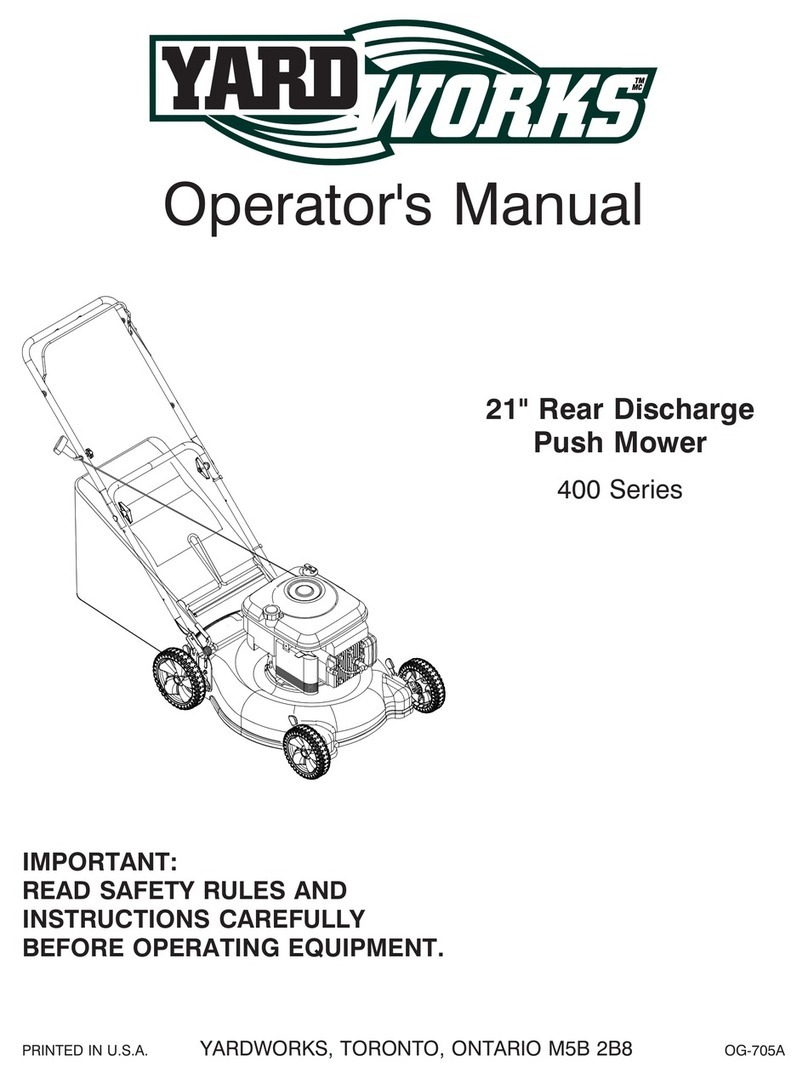
Yard Works 60-1607-8 User manual

Yard Works

Yard Works 60-1607-8 User manual

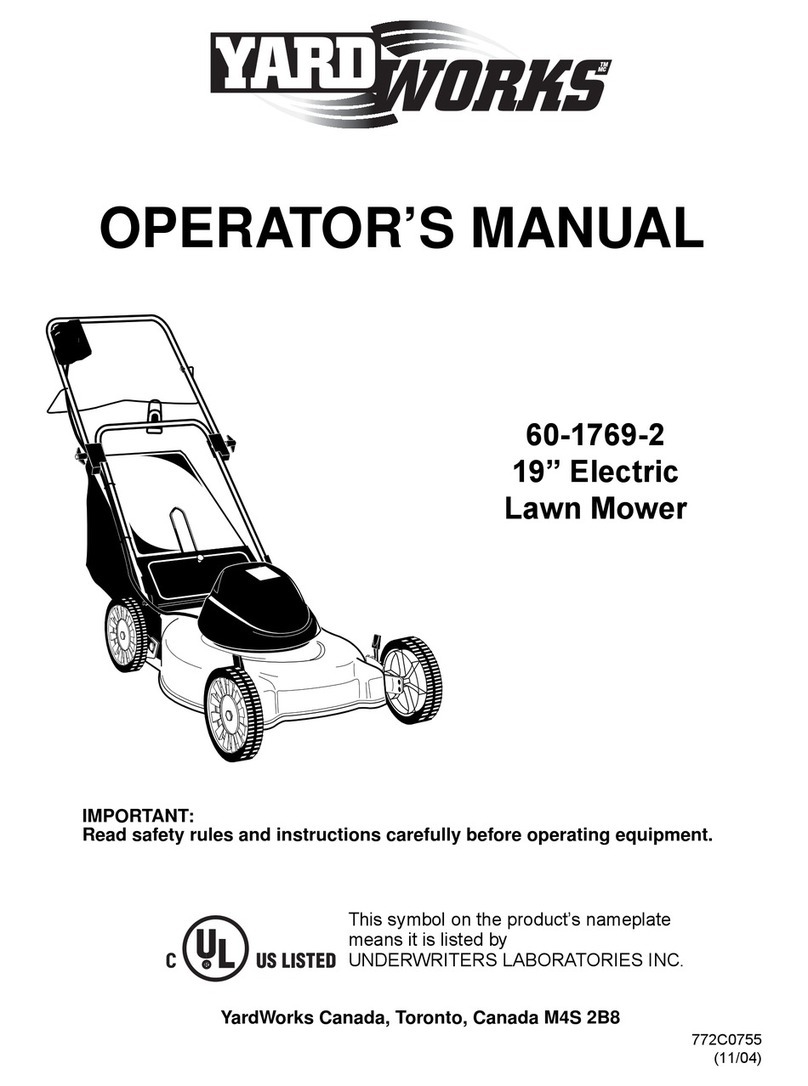
Yard Works 060-1780-2 User manual

Yard Works

Yard Works 060-1780-2 User manual

Yard Works 060-1720-6 User manual

Yard Works

Yard Works 060-1720-6 User manual

Yard Works 060-1662-4 User manual

Yard Works

Yard Works 060-1662-4 User manual

Yard Works 060-1526-0 User manual

Yard Works

Yard Works 060-1526-0 User manual

Yard Works 060-1900-8 User manual

Yard Works

Yard Works 060-1900-8 User manual

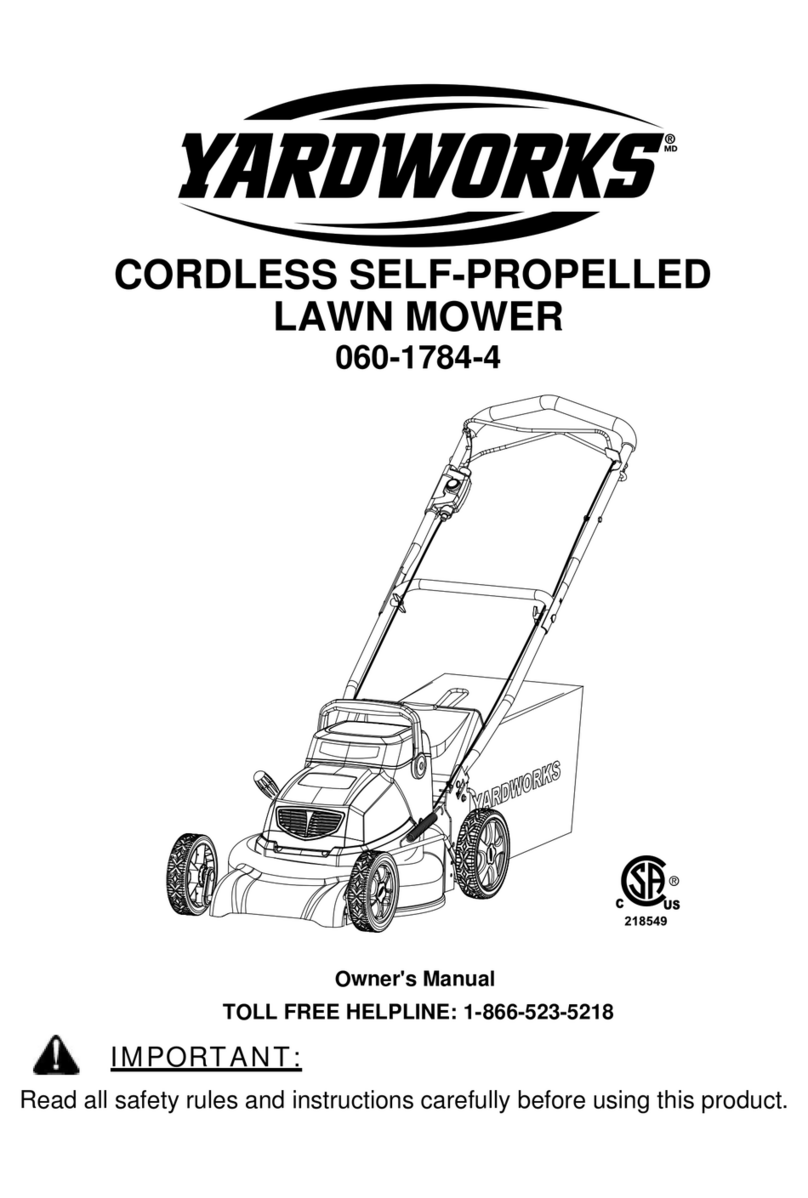
Yard Works 060-1784-4 User manual

Yard Works

Yard Works 060-1784-4 User manual

Yard Works 060-1776-4 User manual

Yard Works

Yard Works 060-1776-4 User manual

Yard Works 060-1500-0 User manual

Yard Works

Yard Works 060-1500-0 User manual

Yard Works 60-1609-4 User manual

Yard Works

Yard Works 60-1609-4 User manual

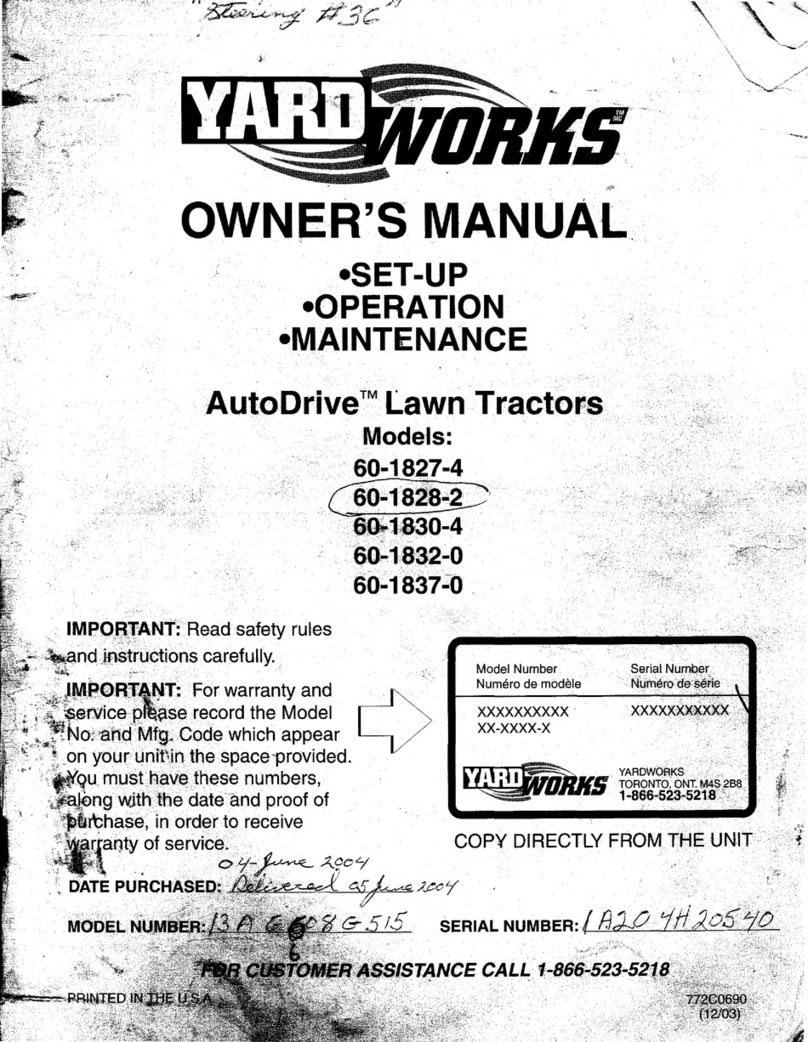
Yard Works AutoDrive 60-1827-4 User manual

Yard Works

Yard Works AutoDrive 60-1827-4 User manual

Yard Works 060-1981-4 User manual

Yard Works

Yard Works 060-1981-4 User manual

Yard Works 60-1752-0 User manual

Yard Works

Yard Works 60-1752-0 User manual

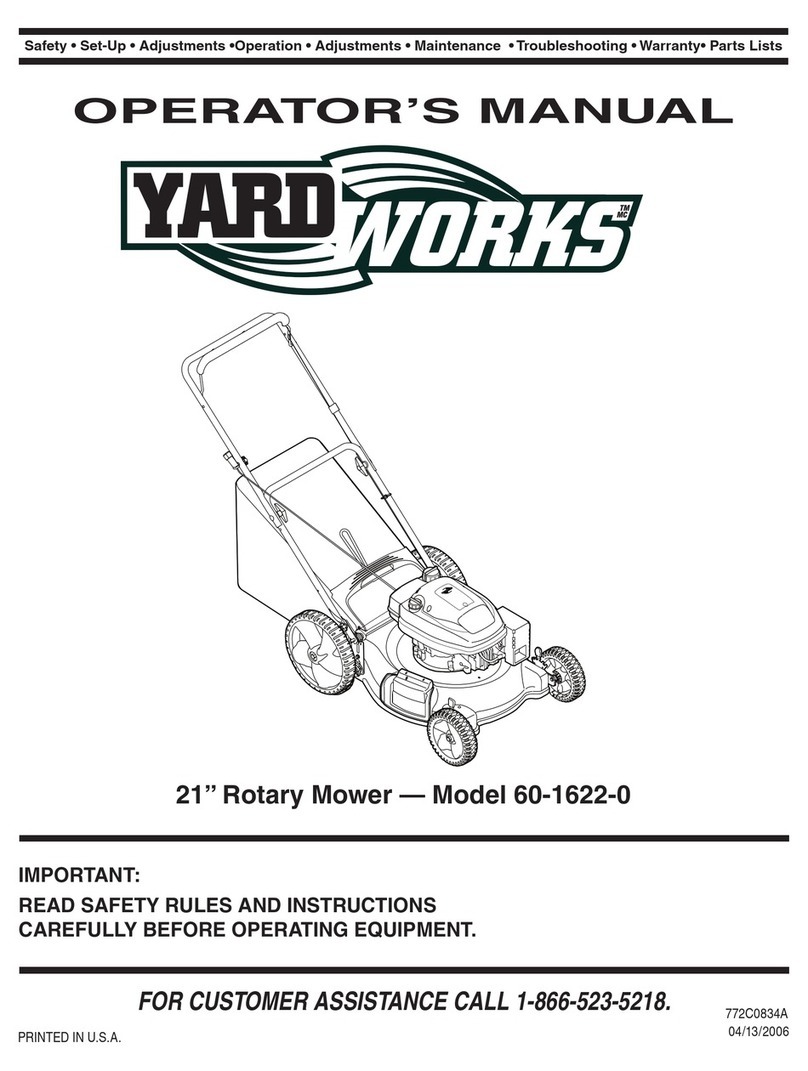
Yard Works 60-1622-0 User manual

Yard Works

Yard Works 60-1622-0 User manual

Yard Works Yardworks 60-1620-4 User manual

Yard Works

Yard Works Yardworks 60-1620-4 User manual

Yard Works 60-1535-8 User manual

Yard Works

Yard Works 60-1535-8 User manual

Yard Works 060-1790-8 User manual

Yard Works

Yard Works 060-1790-8 User manual

Yard Works 060-1753-8 User manual

Yard Works

Yard Works 060-1753-8 User manual

Yard Works 622019-1 User manual

Yard Works

Yard Works 622019-1 User manual

Yard Works 60-1616-6 User manual

Yard Works

Yard Works 60-1616-6 User manual

Yard Works 060-1787-8 User manual

Yard Works

Yard Works 060-1787-8 User manual

Yard Works 60-1750-4 User manual

Yard Works

Yard Works 60-1750-4 User manual

Yard Works 060-1803-0 User manual

Yard Works

Yard Works 060-1803-0 User manual

Yard Works 060-1703-8 User manual

Yard Works

Yard Works 060-1703-8 User manual

Popular Lawn Mower manuals by other brands

Stiga Garden Scoop null

Stiga

Stiga Garden Scoop null

RHINO 1958 parts manual

RHINO

RHINO 1958 parts manual

Wolf Garten Compact plus 40 B instruction manual

Wolf Garten

Wolf Garten Compact plus 40 B instruction manual

Cub Cadet LTX 1045 brochure

Cub Cadet

Cub Cadet LTX 1045 brochure

GGP ITALY SPA CR/CS 434 SERIES Operator's manual

GGP ITALY SPA

GGP ITALY SPA CR/CS 434 SERIES Operator's manual

Challenge CH18V2 Original manual

Challenge

Challenge CH18V2 Original manual

TALEN TOOLS AVR HGM30 manual

TALEN TOOLS

TALEN TOOLS AVR HGM30 manual

DEWEZE ATM-725 Operation and service manual

DEWEZE

DEWEZE ATM-725 Operation and service manual

Weed Eater 180083 owner's manual

Weed Eater

Weed Eater 180083 owner's manual

Husqvarna Poulan Pro PP185A42 Operator's manual

Husqvarna

Husqvarna Poulan Pro PP185A42 Operator's manual

Better Outdoor Products Quick Series Operator's manual

Better Outdoor Products

Better Outdoor Products Quick Series Operator's manual

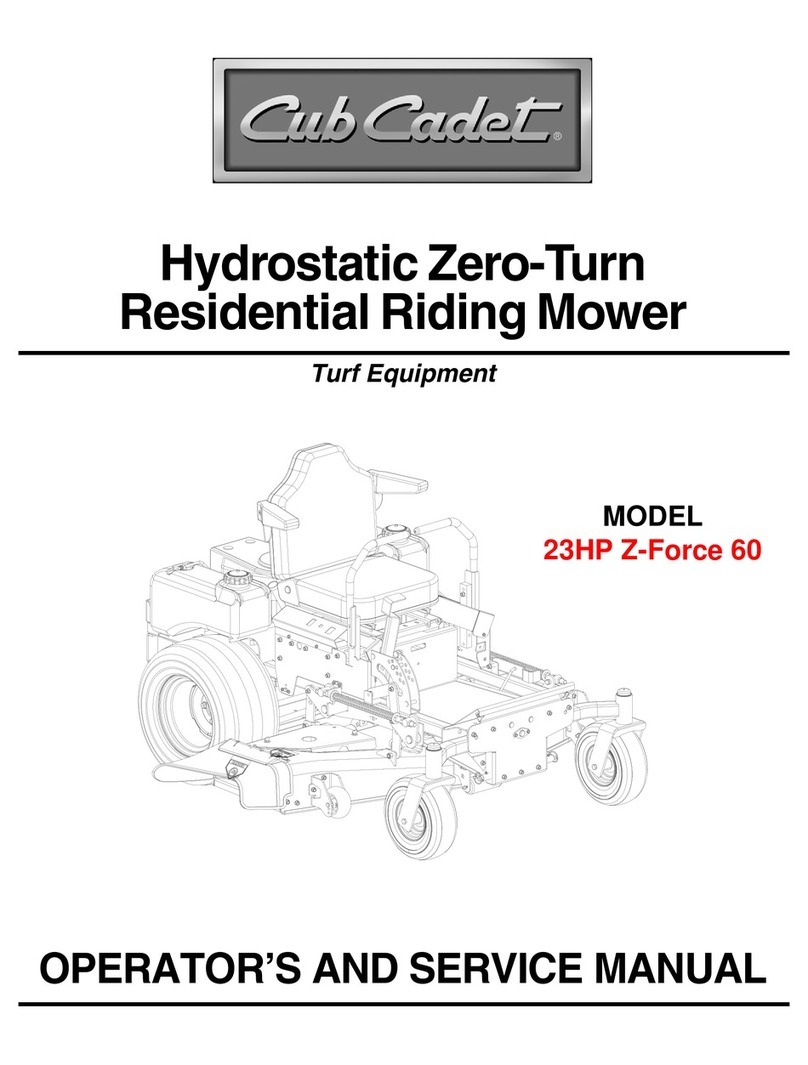
Cub Cadet 23HP Z-Force 60 Operator's and service manual

Cub Cadet

Cub Cadet 23HP Z-Force 60 Operator's and service manual

MTD 795, 792, 791, 790 Operator's manual

MTD

MTD 795, 792, 791, 790 Operator's manual

Toro Groundsmaster 3505-D Service manual

Toro

Toro Groundsmaster 3505-D Service manual

Dennis FT 610 instruction manual

Dennis

Dennis FT 610 instruction manual

MTD 126-220-000 owner's guide

MTD

MTD 126-220-000 owner's guide

Toro 74806 Operator's manual

Toro

Toro 74806 Operator's manual

Stihl RMA 443 PV instruction manual

Stihl

Stihl RMA 443 PV instruction manual

manuals.online logo
manuals.online logoBrands
  • About & Mission
  • Contact us
  • Privacy Policy
  • Terms and Conditions

Copyright 2025 Manuals.Online. All Rights Reserved.

model number 060-1982-2 | contact us: 1.866.523.5218
IMPORTANT:
Read and follow all safety rules and operating
instructions before using this product.
Instruction
Manual
22˝(55.9 CM) BRUSHLESS 3-IN-1 SELF-PROPELLED LAWN MOWER
model no. 060-1982-2 | contact us: 1.866.523.5218model no. 060-1982-2 | contact us: 1.866.523.5218
2
model no. 060-1982-2 | contact us: 1.866.523.5218 model no. 060-1982-2 | contact us: 1.866.523.5218
3
model no. 060-1982-2 | contact us: 1.866.523.5218
Introduction 4
Safety Instructions and Symbols 5
Product Specications 13
Product Diagram 14
Assembly 15
Operation 18
Maintenance 24
Storage 26
Troubleshooting 27
Exploded View 28
Parts List 29
Warranty 30
Table of Contents
model no. 060-1982-2 | contact us: 1.866.523.5218
4
Introduction
INTRODUCTION
Congratulations on your purchase of your new Yardworks®tool. It has been designed, engineered
and manufactured to give you the best possible dependability and performance.
Should you experience any problem you cannot easily remedy, please contact our Yardworks®
customer service line at 1.866.523.5218.
PLEASE READ AND RETAIN THIS INSTRUCTION MANUAL. These instructions will enable you to
assemble and maintain your appliance properly. ALWAYS observe the “SAFETY RULES”.
The instruction manual was designed to conveniently help you get your purchase ready to use so
there’s less risk of damaging it and to provide you with enough information for you to get familiar with
your product’s controls and features so you can operate it safely.
Please do not operate garden equipment near children. This could
lead to severe injury or death.
Model number :
Serial number :
Date of purchase (MM/DD/YYYY) :
Notes :
Please read this manual carefully and make sure you understand the instructions
before using the machine.
SAFETY FIRST
CAUTION: The operation of lawn equipment can
result in foreign objects thrown into the eyes, which
can result in SEVERE EYE INJURY. ALWAYS wear
safety glasses or eye shields while operating your
lawn equipment or performing any adjustments or
repairs. We recommend standard safety glasses or a
wide vision safety mask worn over spectacles.
model no. 060-1982-2 | contact us: 1.866.523.5218 model no. 060-1982-2 | contact us: 1.866.523.5218
5
WARNING: When using electric lawn mowers, basic safety
precautions should always be followed to reduce the risk of re,
electric shock, and personal injury.
WARNING: Risk of injury could occur if the lawn mower is
operated without the catcher assembly attached.
WARNING: The use of any other accessory or attachment might
increase the risk of injury
CAUTION: For battery-operated lawn mowers, use only identical
replacement batteries and battery type specied by the
manufacturer.
READ ALL INSTRUCTIONS
FOR ALL LAWN MOWERS
1) Avoid dangerous environment — Don’t
use lawn mowers in damp or wet
locations.
2) Don’t use in rain.
3) Keep children away — All visitors should
be kept a safe distance from work area.
4) Dress properly — Do not wear loose
clothing or jewellery. They can be caught
in moving parts. Use of rubber gloves
and footwear is recommended when
working outdoors.
5) Use safety glasses — Always use face
or dust mask if operation is dusty.
6) Use right appliance — Do not use lawn
mower for any job except that for which it
is intended.
7) Don’t force the lawn mower — It will do
the job better and safer at the rate for
which it was designed.
8) Don’t overreach — Keep proper footing
and balance at all times.
9) Stay alert — Watch what you are doing.
Use common sense. Do not operate
lawn mower when you are tired.
10) Store idle lawn mower indoors — When
not in use, lawn mower should be stored
in an indoor dry and locked-up place —
out of reach of children.
11) Maintain lawn mower with care — Keep
cutting edges sharp and clean for
best and safest performance. Follow
instructions for lubricating and changing
accessories. Keep handles dry, clean,
and free from oil and grease.
12) Keep guards in place and in working
order.
13) Keep blades sharp.
14) Keep hands and feet away from cutting
area.
15) Objects struck by the lawn mower blade
can cause severe injuries to persons.
The lawn mower should always be
carefully examined and cleared of all
objects prior to each mowing.
16) If lawn mower strikes a foreign object,
follow these steps:
i) Stop lawn mower. Release the switch.
ii) Remove battery pack.
iii) Inspect for damage.
iv) Repair any damage before restarting
and operating the lawn mower.
17) Use identical replacement blades only.
Safety Instructions
model no. 060-1982-2 | contact us: 1.866.523.5218model no. 060-1982-2 | contact us: 1.866.523.5218
6
FOR ALL BATTERY-OPERATED
GARDENING APPLIANCES:
1. Prevent unintentional starting. Ensure
the switch is in the off position before
connecting to battery pack, picking up
or carrying the appliance. Carrying the
appliance with your nger on the switch or
energizing appliance that have the switch on
invites accidents.
2. Disconnect the battery pack from the
appliance before making any adjustments,
changing accessories, or storing appliance.
Such preventive safety measures
reduce the risk of starting the appliance
accidentally.
3. Recharge only with the charger specied by
the manufacturer. A charger that is suitable
for one type of battery pack may create a
risk of re when used with another battery
pack.
4. Use appliances only with specically
designated battery packs. Use of any other
battery packs may create a risk of injury and
re.
5. When battery pack is not in use, keep it
away from other metal objects, like paper
clips, coins, keys, nails, screws or other
small metal objects, that can make a
connection from one terminal to another.
Shorting the battery terminals together may
cause burns or a re.
6. Under abusive conditions, liquid may be
ejected from the battery; avoid contact.
If contact accidentally occurs, ush
with water. If liquid contacts eyes, seek
additional medical help. Liquid ejected from
the battery may cause irritation or burns.
7. Do not use a battery pack or appliance
that is damaged or modied. Damaged or
modied batteries may exhibit unpredictable
behaviour resulting in re, explosion or risk
of injury.
8. Do not expose a battery pack or appliance
to re or excessive temperature. Exposure
to re or temperature above 130
o
C (266
o
F)
may cause an explosion.
9. Follow all charging instructions and do
not charge the battery pack or appliance
outside of the temperature range specied
in the instructions. Charging improperly or at
temperatures outside of the specied range
may damage the battery and increase the
risk of re.
10. Have servicing performed by a qualied
repair person using only identical
replacement parts. This will ensure that the
safety of the product is maintained.
11. Do not modify or attempt to repair the
appliance or the battery pack (as applicable)
except as indicated in the instructions for
use and care.
General Safety Warnings
Safety Warnings for Battery Pack
a) Do not dismantle, open or shred battery
pack.
b) Do not expose battery pack to heat or
re. Avoid storing in direct sunlight.
c) Do not short-circuit a battery pack. Do
not store battery packs haphazardly in
a box or drawer where they may short-
circuit each other or be short-circuited
by other metal objects. When battery
pack is not in use, keep it away from other
metal objects, like paper clips, coins, keys,
nails, screws or other small metal objects,
that can make a connection from one
terminal to another. Shorting the battery
terminals together may cause burns or
re.
WARNING: Read all safety warnings and instructions. Failure to follow
the warnings and instructions may result in electric shock, re and/or
serious injury. Save all warnings and instructions for future reference.
Safety Instructions

model no. 060-1982-2 | contact us: 1.866.523.5218 model no. 060-1982-2 | contact us: 1.866.523.5218
7
model no. 060-1982-2 | contact us: 1.866.523.5218
d) Do not remove battery pack from its
original packaging until required for
use.
e) Do not subject battery pack to
mechanical shock.
f) In the event of battery leaking, do not
allow the liquid to come in contact
with the skin or eyes. If contact has
been made, wash the affected area
with copious amounts of water and
seek medical advice.
g) Observe the plus (+) and minus
(–) marks on the battery back and
equipment and ensure correct use.
h) Do not use any battery pack which
is not designed for use with the
equipment.
i) Keep battery pack out of the reach of
children.
j) Seek medical advice immediately if a
cell or battery has been swallowed.
k) Always purchase the battery pack
recommended by the manufacturer for
the equipment.
l) Keep battery pack clean and dry.
m) Wipe the battery pack terminals with a
clean, dry cloth if they become dirty.
n) Battery pack needs to be charged
before use. Always use the
correct charger and refer to the
manufacturer’s instructions or
equipment manual for proper charging
instructions.
o) Do not leave battery pack on
prolonged charge when not in use.
p) After extended periods of storage,
it may be necessary to charge
and discharge the battery pack
several times to obtain maximum
performance.
q) Battery pack gives its best performance
when it is operated at normal room
temperature: 20
o
C ±5
o
C (68
o
F ± 9
o
F).
r) When disposing of battery packs,
keep battery packs of different
electrochemical systems separate
from each other.
s) Recharge only with the charger
specied by manufacturer. Do not
use any charger other than that
specically provided for use with the
equipment. A charger that is suitable for
one type of battery pack may create a
risk of re when used with another battery
pack.
t) Retain the original product literature
for future reference.
u) Use only the battery pack in the
application for which it was intended.
v) Remove the battery pack from the
equipment when not in use.
w) Dispose of properly.
Safety Instructions For Walk-behind
Mowers
IMPORTANT
Safe Practices for Walk-behind Mowers
I. GENERAL OPERATION
1. Read, understand, and follow all
instructions on the machine and in the
manual(s) before starting.
2. Do not put hands or feet near or
under the machine. Keep clear of the
discharge opening at all times.
3. Only allow responsible adults, who are
familiar with the instructions, to operate
this machine.
4. Clear the area of objects such as rocks,
wire, toys, etc., which could be thrown by
the blade. Stay behind the handle when
the motor is running.
5. Be sure the area is clear of bystanders
before operating. Stop machine if
anyone enters the area.
6. Do not operate machine barefooted or
while wearing sandals. Always wear
proper footwear.
7. Do not pull machine backward unless
Safety Instructions

model no. 060-1982-2 | contact us: 1.866.523.5218
8
absolutely necessary. Always look
down and behind before and while
moving backward.
8. Never direct discharged material toward
anyone. Avoid discharging material
against a wall or obstruction. Material
may ricochet back toward the operator.
Stop the blade when crossing gravel
surfaces.
9. Do not operate machine without the
entire grass catcher, discharge guard,
rear guard, or other safety protective
devices in place and working.
10. Never leave a running machine
unattended.
11. Stop the motor and wait until the blade
comes to a complete stop before
cleaning the machine, removing grass
catcher, or unclogging the discharge
guard.
12. Operate machine only in daylight or
good articial light.
13. Do not operate machine while under the
inuence of alcohol or drugs.
14. Never operate mower in wet grass.
Always be sure of your footing; walk;
never run.
15. Disengage the drive system, if so
equipped, before starting the motor.
16. If the machine should start to vibrate
abnormally, stop the motor and check
for the cause immediately. Vibration is
generally a warning of trouble.
17. Always wear eye protection when
operating machine.
18. See manufacturer’s instructions for
proper operation and installation of
accessories. Only use accessories
approved by the manufacturer.
II. SLOPE OPERATION
Slopes are a major factor related to slip and
fall accidents, which can result in severe
injury. Operation on all slopes requires extra
caution. If you feel uneasy on a slope, do
not mow it.
1. Mow across the face of slopes; never
up and down. Exercise extreme caution
when changing direction on slopes.
2. Watch for holes, ruts, bumps, rocks, or
other hidden objects. Uneven terrain
could cause a slip and fall accident. Tall
grass can hide obstacles.
3. Do not mow on wet grass or excessively
steep slopes. Poor footing could cause a
slip and fall accident.
4. Do not mow near drop-offs, ditches,
or embankments. You could lose your
footing or balance.
III. CHILDREN
Tragic accidents can occur if the operator
is not alert to the presence of children.
Children are often attracted to the machine
and the mowing activity. Never assume that
children will remain where you last saw
them.
1. Keep children out of the mowing
area and under the watchful care of
a responsible adult other than the
operator.
2. Be alert and turn mower off if a child
enters the area.
3. Never allow children to operate the
machine.
4. Use extra care when approaching blind
corners, shrubs, trees, or other objects
that may block your view of a child.
IV. SERVICE
GENERAL SERVICE
1. Keep all nuts and bolts tight to be
sure the equipment is in safe working
condition.
2. Never tamper with safety devices. Check
their proper operation regularly.
3. Keep machine free of grass, leaves, or
other debris build-up.
Safety Instructions
model no. 060-1982-2 | contact us: 1.866.523.5218 model no. 060-1982-2 | contact us: 1.866.523.5218
9
4. If you strike a foreign object, stop
and inspect the machine. Repair, if
necessary, before starting.
5. Never make any adjustments or repairs
with the motor running.
6. Always unplug electric mowers before
adjusting, cleaning, or repairing.
7. Check grass catcher components and the
discharge guard frequently and replace
with manufacturer’s recommended parts,
when necessary.
8. Mower blades are sharp. Wrap the blade
or wear gloves, and use extra caution
when servicing them.
9. Maintain or replace safety and instruction
labels, as necessary.
Safe Operation Practices for Walk-behind
Mowers
1. Safety Instructions
1.1Training
a) Read the operating and service
instruction manual carefully. Be
thoroughly familiar with the controls and
the proper use of the equipment.
b) Never allow children to operate a power
mower.
c) Keep the area of operation clear of all
persons, particularly small children, and
pets.
d) Do not use a mower for any job except
that for which it is intended.
1.2 Preparation
a) Thoroughly inspect the area where the
equipment is to be used and remove all
stones, sticks, wires, bones, and other
foreign objects.
b) Do not operate the equipment when
barefoot or wearing sandals. Always
wear substantial footwear.
c) Disengage the self-propelled mechanism
or drive clutch on units so equipped
before starting the motor.
d) Never attempt to make a wheel height
adjustment while the motor is running.
e) Mow only in daylight or in good articial
light.
f) Never operate the equipment on wet
grass. Always be sure of your footing.
Keep a rm hold on the handle and walk,
never run.
1.3 Operation
a) Do not put hands or feet near or
under rotating parts. Keep clear of the
discharge opening at all times.
b) Stop the blade(s) when crossing gravel
drives, walks, or roads.
c) After striking a foreign object, stop the
motor, unplug, thoroughly inspect the
mower for any damage, and repair the
damage before restarting and operating
the mower.
d) If the equipment should start to vibrate
abnormally, stop the motor and check
immediately for the cause. Vibration is
generally a warning of trouble.
e) Stop the motor and unplug whenever you
leave the equipment, before cleaning the
mower housing, and before making any
repairs or inspections.
f) Shut the motor off and wait until the
blade comes to a complete stop before
removing the grass catcher or before
unclogging the chute.
g) Mow across the face of slopes, never
up and down. Exercise extreme caution
when changing direction on slopes. Do
not mow excessively steep slopes.
h) Never operate the mower without proper
guards, plates, or other safety protective
devices in place.
i) Do not wash with a hose; avoid
getting water in motor and electrical
connections.
Safety Instructions
model no. 060-1982-2 | contact us: 1.866.523.5218model no. 060-1982-2 | contact us: 1.866.523.5218
10
1.4 Maintenance
a) Check the blade and the motor mounting
bolts at frequent intervals for proper
tightness.
b) Keep all nuts, bolts, and screws tight to
be sure the equipment is in safe working
condition.
c) Check bag frequently for deterioration
and wear, and replace worn bags.
Check that replacement bags comply
with the original manufacturer’s
recommendations or specications.
d) Replace the blade if it is bent or cracked.
An unbalanced blade causes vibration
that could damage the motor drive unit or
cause personal injury.
e) Sharpen a dull blade equally at each end
to maintain the balance.
f) Clean the blade thoroughly and check
its balance by supporting it horizontally
on a thin nail through its centre hole.
The nail should also be in a horizontal
position. If either end of the blade rotates
downward, remove some metal from
the heavy or lower end until the blade
is balanced. It is balanced when neither
end drops.
SAVE THESE INSTRUCTIONS
Information for radiated emission
This device complies with Canadian ICES-001.
This device complies with Part 15 of the FCC
Rules.
Operation is subject to the following two
conditions:
(1) This device may not cause harmful
interference, and
(2) This device must accept any interference
received, including interference that may
cause undesired operation.
NOTE: This equipment has been tested
and found to comply with the limits for a
Class B digital device, pursuant to Part 15
of the FCC Rules.
These limits are designed to provide
reasonable protection against harmful
interference in a residential installation. This
equipment generates, uses and can radiate
radio frequency energy and, if not installed
and used in accordance with the instructions,
may cause harmful interference to radio
communications.
However, there is no guarantee that
interference will not occur in a particular
installation. If this equipment does cause
harmful interference to radio or television
reception, which can be determined by
turning the equipment off and on, the user is
encouraged to try to correct the interference
by one or more of the following measures:
• Reorient or relocate the receiving
antenna.
• Increase the separation between the
equipment and receiver.
• Connect the equipment into an outlet on
a circuit different from that to which the
receiver is connected.
• Consult the dealer or an experienced
radio/TV technician for help.
WARNING: Changes or modications to this unit not expressly approved
by the party responsible for compliance could void the user’s authority to
operate the equipment.
Safety Instructions