7
Compressor turns on and off frequently.
The room temperature is hotter than normal.
A large amount of food has been added to the
refrigerator.
The door is opened too often.
The door is not closed completely.
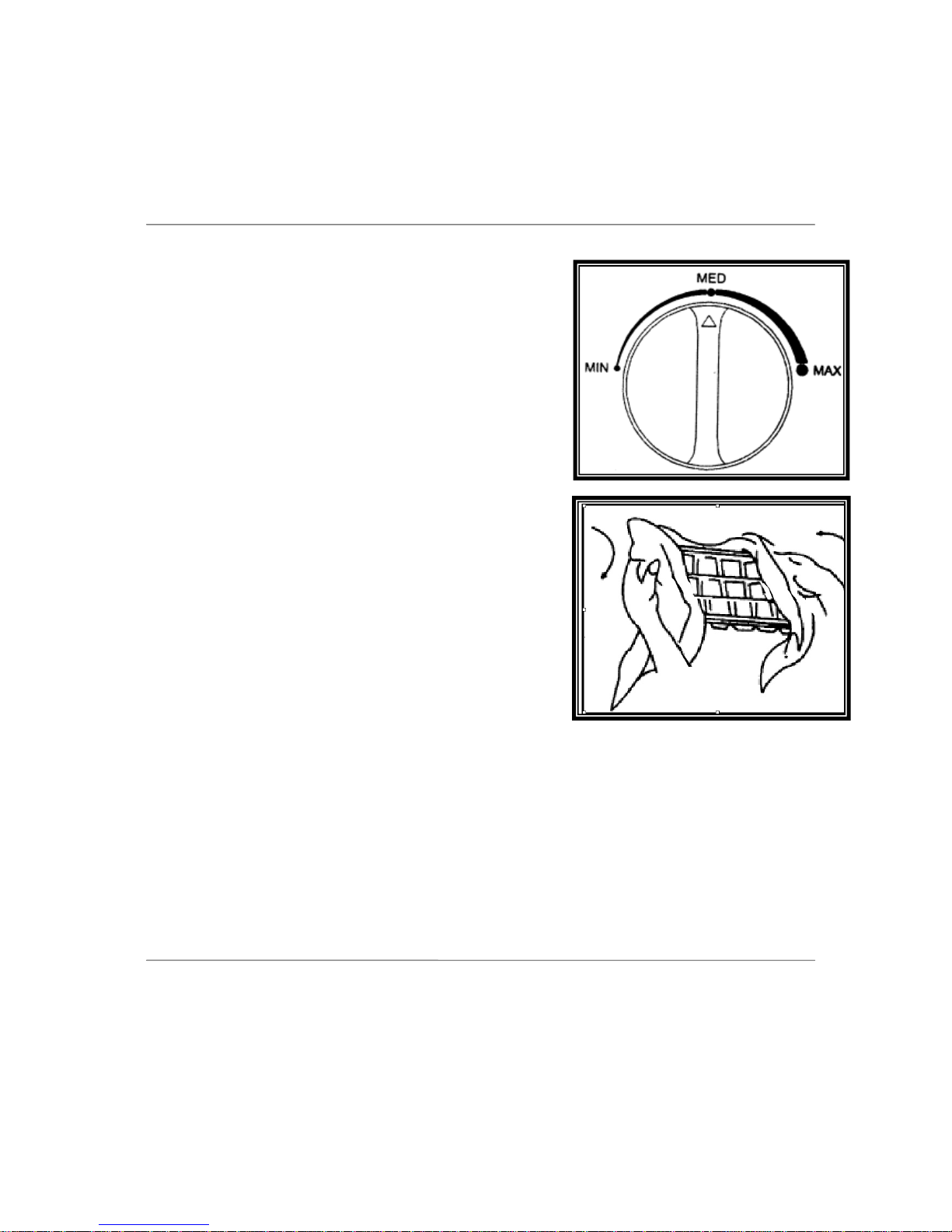
The temperature control is not set correctly.
The door gasket does not seal properly.
The refrigerator does not have the correct
clearances.
The refrigerator has recently been disconnected
for a period of time. 4 hours are required for the
refrigerator to cool down completely.
Temperature inside the refrigerator is too
warm.
Temperature control is set too warm. Turn the
control to a cooler setting and allow several
hours for the temperature to stabilize.
Door is kept open too long or is opened too
frequently. Warm air enters the refrigerator
every time the door is opened. Open the door
less often.
The door is not closed completely.
The door gasket does not seal properly.
A large amount of warm or hot food might have
been stored recently. Wait until the refrigerator
has had a chance to reach its selected
temperature.
The refrigerator has recently been disconnected
for a period of time. 4 hours is required for the
refrigerator to cool down completely.
Temperature inside the refrigerator is too
cold.
Temperature control is set too cold. Turn the control
to a warmer setting and allow several hours for the
temperature to stabilize.
Temperature of external refrigerator
surface is warm.
The exterior refrigerator walls can be as much as
30F warmer than room temperature. This is normal
while the compressor works to transfer heat from
inside the refrigerator cabinet.
Popping or cracking sound when
compressor comes on.
Metal parts undergo expansion and contraction, as
in hot water pipes. This is normal. Sound will level
off or disappear as refrigerator continues to run.
Bubbling or gurgling sound, like water
boiling. Refrigerant (used to cool refrigerator) is circulating
throughout the system. This is normal.
Vibrations.
Check the refrigerator is on a level surface.
Floor is uneven or weak. Refrigerator rocks on
the floor when it is moved slightly. Be sure floor
can adequately support refrigerator.
Level the refrigerator by putting wood or metal
shims under part of the refrigerator.
The refrigerator is touching the wall. Re-level
the refrigerator and move it from the wall. See
“Installation Instructions”.
Moisture forms on inside refrigerator
walls.
Weather is hot and humid, which increases
internal rate of frost build-up. This is normal.
Door is slightly open.
Door is kept open too long, or is opened too
frequently. Open the door less often.
The door is not sealed properly.