manuals.online logo
Brands
  1. Home
  2. •
  3. Brands
  4. •
  5. Kenwood
  6. •
  7. Cassette Player
  8. •
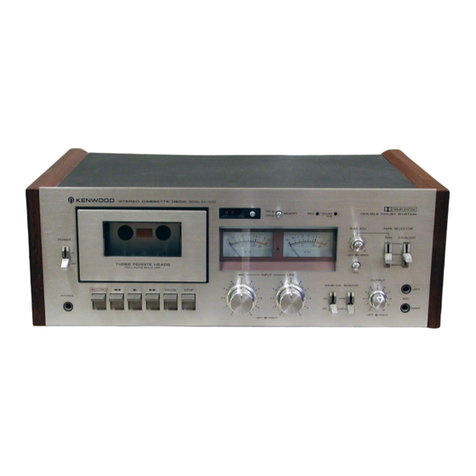
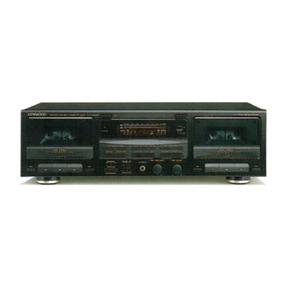
  9. Kenwood KX-4520 User manual

Kenwood KX-4520 User manual

Other Kenwood Cassette Player manuals
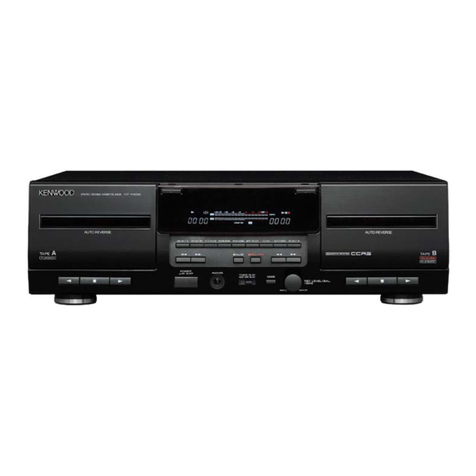
Kenwood KX-W8060 User manual

Kenwood

Kenwood KX-W8060 User manual

Kenwood KX-W6050 User manual

Kenwood

Kenwood KX-W6050 User manual

Kenwood X-SE7 User manual

Kenwood

Kenwood X-SE7 User manual

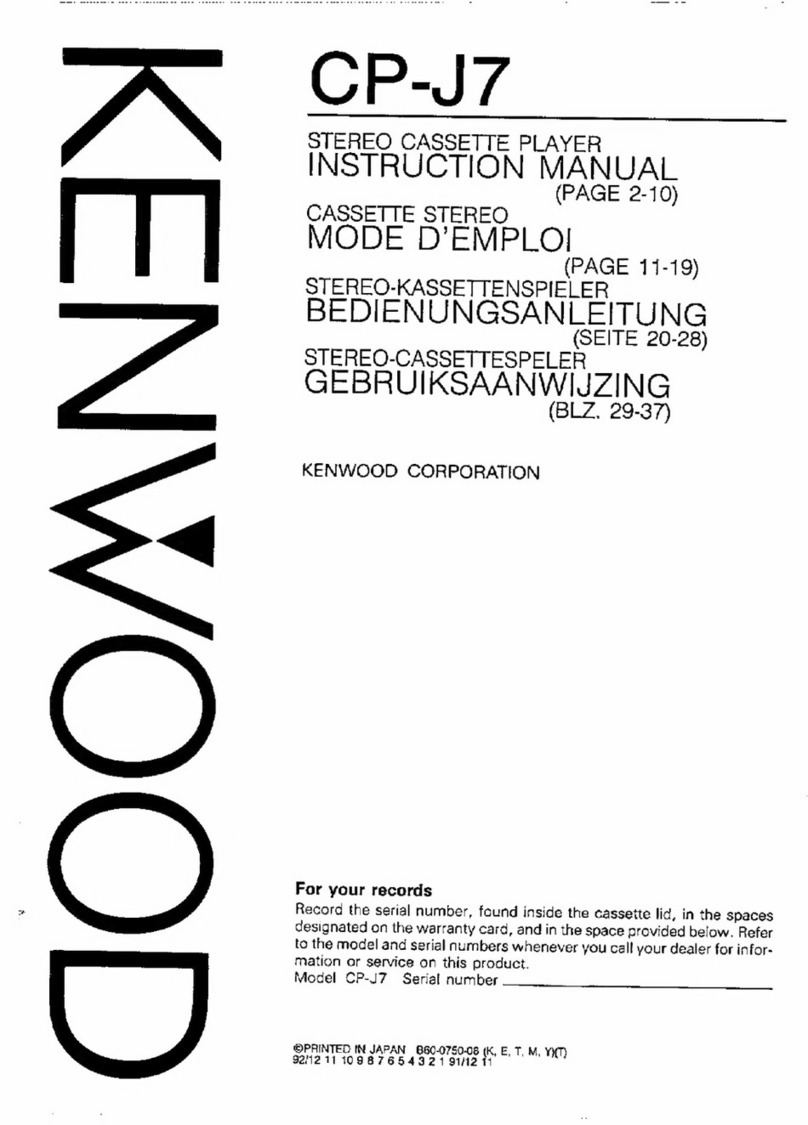
Kenwood CP-J7 User manual

Kenwood

Kenwood CP-J7 User manual

Kenwood KXF-W4030-S User manual

Kenwood

Kenwood KXF-W4030-S User manual
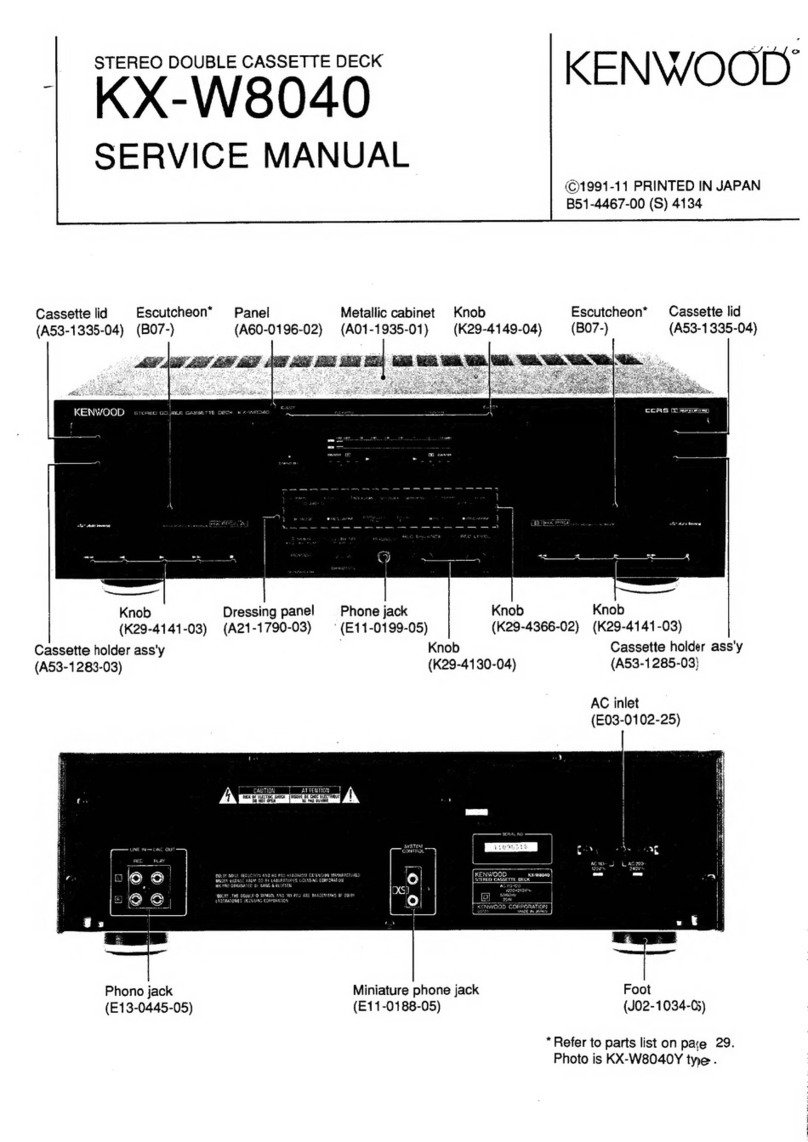
Kenwood CT Series User manual

Kenwood

Kenwood CT Series User manual

Kenwood X-VH7 User manual

Kenwood

Kenwood X-VH7 User manual

Kenwood KX-W4050 User manual

Kenwood

Kenwood KX-W4050 User manual

Kenwood KRC-597 User manual

Kenwood

Kenwood KRC-597 User manual

Kenwood X-SE7 User manual

Kenwood

Kenwood X-SE7 User manual

Kenwood CP-J7 User manual

Kenwood

Kenwood CP-J7 User manual

Kenwood CT/KXF-W User manual

Kenwood

Kenwood CT/KXF-W User manual

Kenwood X-W320 User manual

Kenwood

Kenwood X-W320 User manual

Kenwood KX-830 User manual

Kenwood

Kenwood KX-830 User manual

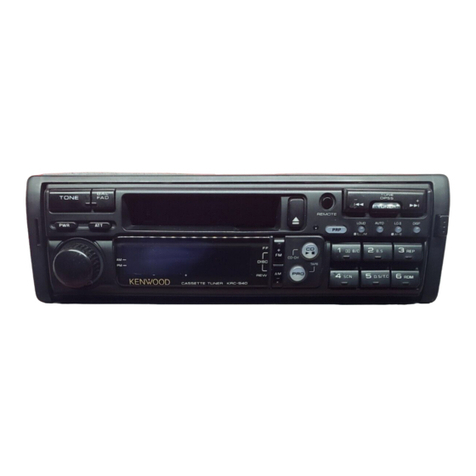
Kenwood KRC-940 User manual

Kenwood

Kenwood KRC-940 User manual

Kenwood X-W320 User manual

Kenwood

Kenwood X-W320 User manual

Kenwood X-SE7 User manual

Kenwood

Kenwood X-SE7 User manual

Kenwood KX-W8040 User manual

Kenwood

Kenwood KX-W8040 User manual
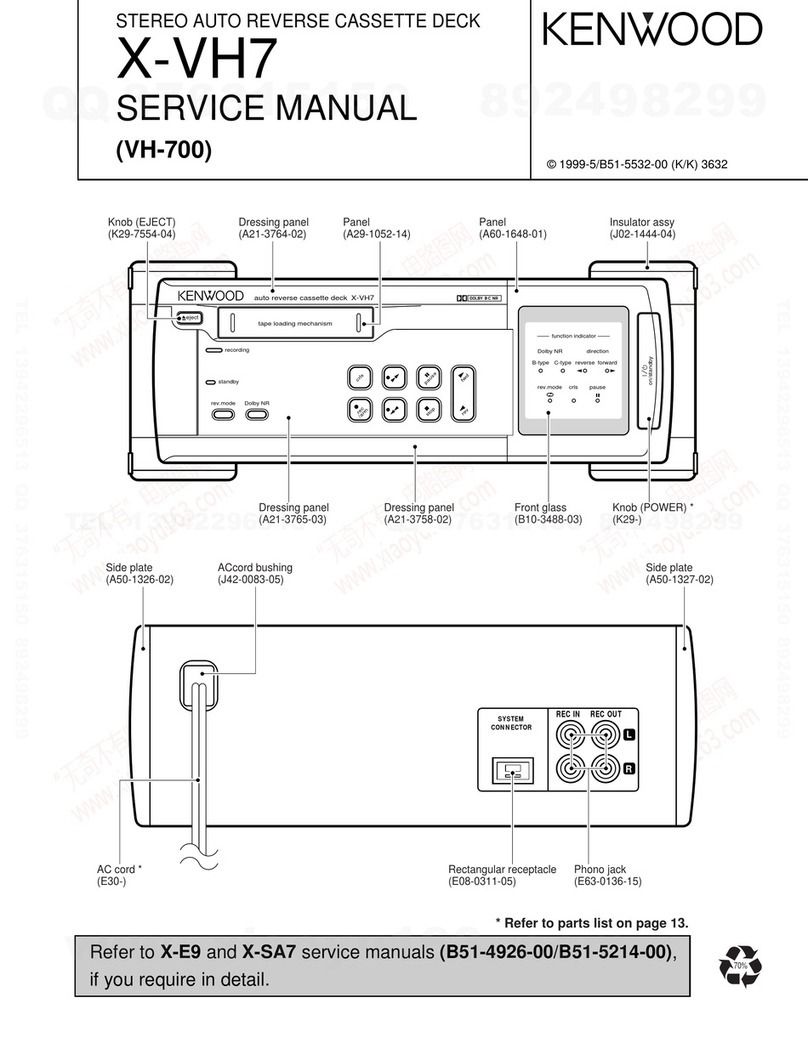
Kenwood CT-401 User manual

Kenwood

Kenwood CT-401 User manual
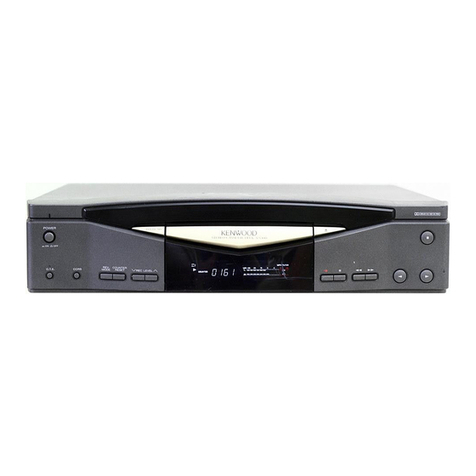
Kenwood CT-203 User manual

Kenwood

Kenwood CT-203 User manual

Kenwood CT-403 User manual

Kenwood

Kenwood CT-403 User manual

Kenwood KX-W8050 User manual

Kenwood

Kenwood KX-W8050 User manual

Kenwood CT-401 User manual

Kenwood

Kenwood CT-401 User manual

Kenwood X92-3770-00 User manual

Kenwood

Kenwood X92-3770-00 User manual

Popular Cassette Player manuals by other brands
Ahuja CPA-360 Operation manual

Ahuja

Ahuja CPA-360 Operation manual

Sony Pressman TCS-60DV Specifications

Sony

Sony Pressman TCS-60DV Specifications

Philips AQ6485/14 Product information

Philips

Philips AQ6485/14 Product information

Sony TCM-200DV - Cassette Recorder operating instructions
Sony

Sony TCM-200DV - Cassette Recorder operating instructions

Nakamichi BX-300 Service manual

Nakamichi

Nakamichi BX-300 Service manual

Panasonic RQ-E25V operating instructions

Panasonic

Panasonic RQ-E25V operating instructions

Aiwa TP-VS535 operating instructions

Aiwa

Aiwa TP-VS535 operating instructions

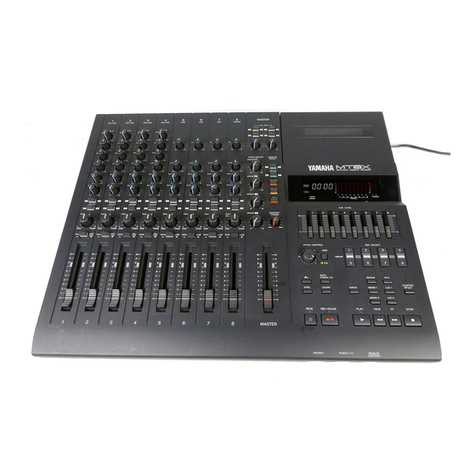
Yamaha MT8X Operation manual

Yamaha

Yamaha MT8X Operation manual

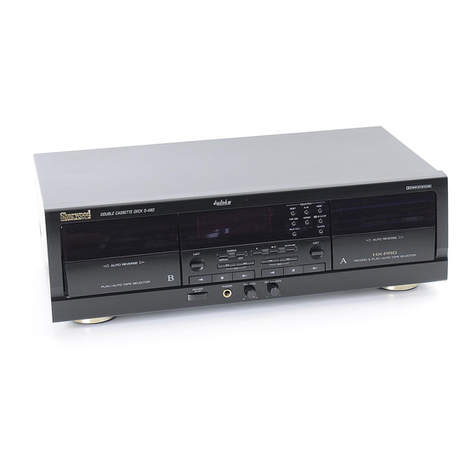
Sherwood Newcastle D-480 operating instructions

Sherwood

Sherwood Newcastle D-480 operating instructions

Manta MA408 user manual

Manta

Manta MA408 user manual

GPO W0162B user guide

GPO

GPO W0162B user guide

Marantz CP230 Service manual

Marantz

Marantz CP230 Service manual

Sony HST-471 Service manual

Sony

Sony HST-471 Service manual

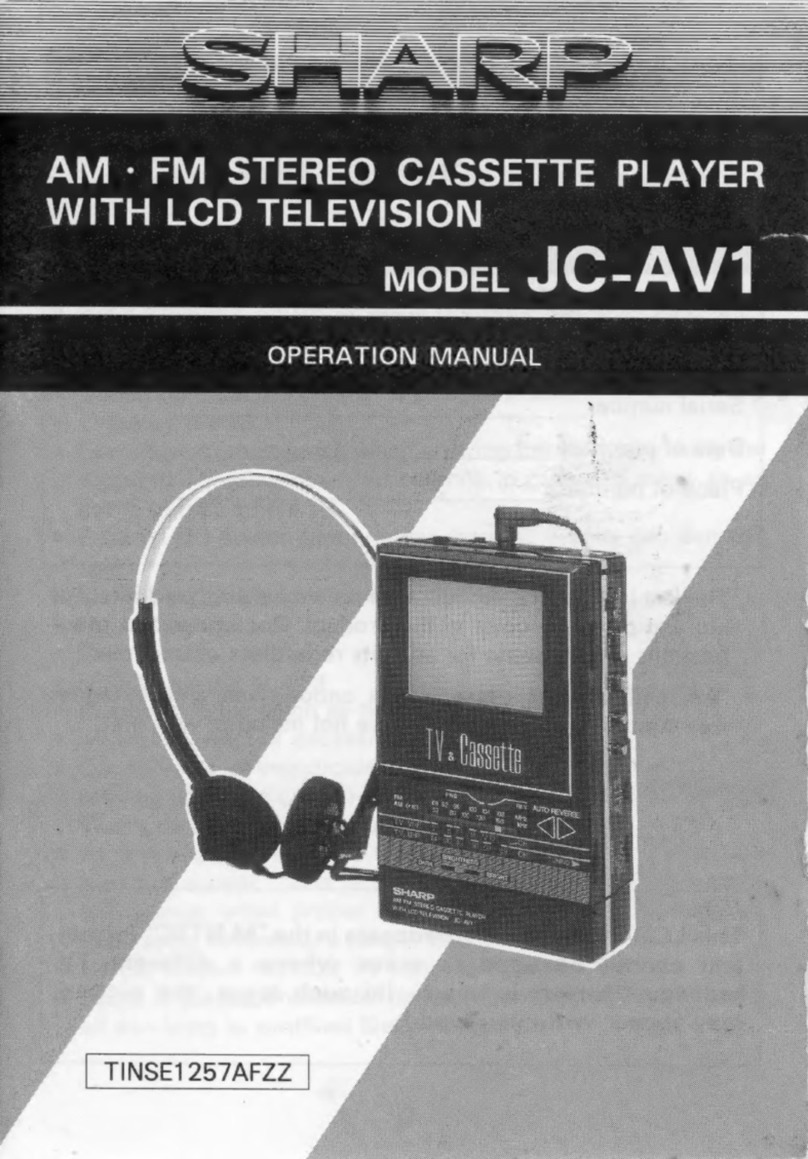
Sharp JC-AV1 Operation manual

Sharp

Sharp JC-AV1 Operation manual

Pioneer CT-W103 Service manual

Pioneer

Pioneer CT-W103 Service manual

Sony CFS-B15 - Am/fm Stereo Cassette Recorder operating instructions

Sony

Sony CFS-B15 - Am/fm Stereo Cassette Recorder operating instructions

Sony WMFS220 - Portable Sports AM/FM Cassette... operating instructions

Sony

Sony WMFS220 - Portable Sports AM/FM Cassette... operating instructions
Aiwa HS-TA21 operating instructions

Aiwa

Aiwa HS-TA21 operating instructions
manuals.online logo
manuals.online logoBrands
  • About & Mission
  • Contact us
  • Privacy Policy
  • Terms and Conditions

Copyright 2025 Manuals.Online. All Rights Reserved.

|
SERV.
29H
YZ
STEREO
CASSETTE
DECK
Knob(EJECT)
(K29-3807-04)
Knob
(POWER)
{K29-3805-04)
Foot
KX-4520
SERVICE
MANUAL
Cassette
lid
ass’y
(A53-)
GTENEG
GASMITTE
DESK
Kx-a5R0
Dressing
plate
(B50-)
(JO2-
1002-05)
x
Phono
jack
(E13-0482-05)
|
04
KENWOOD
©1989-10
PRINTED
IN
JAPAN
B51-3904-00(B)3301
-
Knob
(REC
LEVEL)
(K29-3804-04)
*
Panel
ass’y
(A20-5919-03)
Remote
control
ass’y
is
Knob
(A70-03
17-05)
(K27-2003-04)
x3
*
AC
inlet
(M
type
only)
(E03-0102-25)
cso
ORE
aR
ek
sem
meacseN
Miniature
phone
(SYSTEM
CONTROL)
(E11-0188-05)
*Refer
to
parts
list
on
page
42.
KX-4520
CONTENTS
CONTROL
AND
INDICATORS.........---------+-555
2
PC
BOARD
(Component
Side
View)
DISASSEMBLY
FOR
REPAIR.....-.-.-----++--
+2005
3
PC
BOARD
(Foil
Side
View)
........
BLOCK
LEVEL
DIAGRAM........-.--..-
2-02
e
sree
eee
5
SCHEMATIC
DIAGRAM
........-..--
CIRCUIT
DESCRIPTION
........---.
02.
eee
eee
renee
6
EXPLODED
VIEW
(MECHANISM)...
MECHANISM
DESCRIPTION.........-.----.--
eee
ee
20
EXPLODED
VIEW
(UNIT)
.........-.
ADJUSTMENT
........2
00
e
cece
cece
enter
eens
22
PARTS
LIST
........
002
eee
eee
ee
eee
REGLAGE
225.08
Soe
et
B
ot
eSNG
heme
Lee
Yee
23
SPECIFICATIONS
.......-.--.--005>
ABGLEICH
3.0.5.
ccc.
cc
pet
ese
tine
0a
sede
gat
oe
oe
te
24
CONTROL
AND
INDICATORS
TAPE/SOURCE
indicators
1
‘
AUTO
BIAS
indicator
PEAK
LEVEL
METER
Operation
indicators
SNTERT!
DOLBY
7
ray
GOUNTER
1)
OMBY
|
ip
me
so
2015
10
7
SB
2
1
0
1
FS
7
OB
1
OO
ence,
Tape
position
indicators
DOLBY
NR
indicators
Display
window
MULTLWAY
COUNTER
CCAS
key
—~\
COUNTER
RESET
key
AUTO
BIAS
key
Eject
key
TAPE/SOURCE
selector
(MONITOR)
key
REC/ARM
PAUSE
key
PAUSE
key
fi
REC
LEVEL
control
knob
Remote
contro!
light
receptor
REC
BALANCE
control
knob
PHONES
LEVEL
control
knob
PHONES
jack
Cassette
holder
Rewind
key
Te}
TIMER
switch
Fast
forward
key
[>>)
Play
key
co
POWER
switch
MPX
FILTER
switch
Stop
k
op
ney
DOLBY
NR
switches
ON/OFF
switch
B/C
selector
switch
Note
on
counter’s
preciseness
The
Jinear
tape
counter
used
with
this
unit
is
not
a
clock,
and
there
is
a
certain
error
between
the
displayed
time
and
real
recording
time
{this
is
un-
avoidable
because
this
unit
has
been
designed
to
be
capable
of
displaying
tape
time
also
during
fast
forward
and
rewind
operations
as
well
as
during
recording
and
playback).
The
degree
of
this
error
is
dependent
on
the
type
of
tape.
om
“*
Take
out
the
case
in
advance.
1.
2.
ONOARW
9.
10.
Remove
the
three
screws
@.
11.
Undo
the
four
catches
()
.
and
disconnect
the
board.
KX-4520
BLOCK
LEVEL
DIAGRAM
Remove
the
five
screws
:
Undo
the
three
catches
,
and
detach
the
front
pan-
el.
Remove
the
three
knobs
and
two
nuts
@.
Remove
the
two
screws
@.
Cut
the
two
convexes
eS
:
Disconnect
the
eight
connectors
6)
.
Unground
@.
Undo
the
two
catches
at
the
both
sides,
and
detach
the
sub
panel
©.
Remove
the
two
screws
@
.
and
detach
the
shield
plate.
KX-4520
DISASSEMBLY
FOR
REPAIR
12.
Press
the
eject
button
to
open
the
cassette
holder
@.
13.
Setaside
the
eject
lever
to
the
left
side
®.
(When
detaching,
draw
it
out
in
the
upper
left
direc-
tion)
14.
Remove
the
four
screws
@
.
and
take
out
the
mecha-
nism.
15.
Disconnect
the
board
(X26)
(B/2)
®.
16.
Remove
the
seven
screws
;
17.
Disconnect
the
connector
.
18.
Draw
up
the
board
together
with
the
rear
panel
rear-
wards.
19.
When
detaching
the
knob
of
the
power
switch,
open
slightly
the
portion
indicated
by
arrows
using
a
lead
punch,
etc.
KX-4520
i
i
|
Yy39N3S
Wv>
[QION3
105
|
YOLOW
NvilSd
VD
YOLOW
t
1334
a=
1
Y39NAS
advil
waONSS
O10Hd
[
Si
ol
SAtHG
BLOCK
LEVEL
DIAGRAM
he:
OYHONAS
@—O
MI]
Aen
ss
(Sz2x)
13)
asna’s[’
|
oe
td
(S2x)
vO
O<]
Db.
413S3u
cy!
ZHHOO
voOG
vov
VOE
“oauP(isst)
[ston
|
uxssxfavid
if
“33471
7019
x
at
zu
uy
Oo”
SERS,
tte,
woo-
zi
91
cart!
AVNdS!d0
V4
edoe~l1/V9OS~!
€~Ou
y¥/7
LAANI
3
RO,
i/S-Hd
svia
Binw
934y
.
aLnW
3N14
43S3y
@1S/x19/
VLA
9G~eS0
(
[>o
)
IBEW
/SNOZ
XIULUN
v
KAM
440/NO
487100
g@/>
Ag100
‘MS
SVIG
3LNW
944
31INW
3NI7
Qv'Spo'piat
13534
prisvid
2W
7/197
ON
SOYHNOS
/3dVL
3N1I7/2S0
ZHAO!
/
OOv
v
£
24£~vE0
=e
6e
eco
Ee)
‘Q'd
2plvo
ms
“NIVO
4H9!7
WOVE
Av1dS!iQ
14
13$34
4Y3SN3S
O10Hd
“"WOO-.
JLOWAY
“woo-"
AS+
hy
(VHOAW)
“MS
yY3MOd
YOLOW
NVLSdV9
F
YOLOW
13344
Adl
+
“dWVY
JNOHd
“dwy
907
“dWV
Y3L3W
°03°93a
“O3'8'd
A8@100°
39348
A8100'8'd
gz2‘120
3Lnw’
934
aLnw
aniiPaspK
YAY
(dNV
34d
ASF
“rav
svie
(74s
advi
“13S°03/°MS‘03
ie
‘Bd
49100
“MS
HYOLINOW
>
(d/4)
AB10G
'93y
<<]
JLAW'9SO
NAO/AZS'
$30
“cay
"Ol
y3L3W
}+—_—0_
2-0
YAU
Sd
oso
Ace
key
o
asvu3
(2H4012)
aeesalc]
‘MS
vig
)
S2'p20®,
221
‘nas
|
8501
-ms
3BdVL
svig
99
MW)
gI~E10
zit'io
“3S
62
2LNW
03
3°
94y
om.
ovat
>
oy
o
“O34
‘OA
dv
‘334
svlga
Osd
XH
ol'6o
LOW
9)
7590
Sol
3NIT
Kd
7
[ae
"348"
tz‘oz2o
MSI
610
-|
ddt
31LNW
SNOL
“oso
ASSL
OvOKy
MS
BD
NiVS
felmel]
KJ
<]
‘dwWY
907
“dWv
yaLan
eittem,
YY
oa
€3l
K
aa
(a)
ae
5
Ag100
dvul
‘a'd
Svla
“MS
y¥Oi1
INOW
AO,
KX-4520
CIRCUIT
DESCRIPTION
Description
of
component
Cassette
unit
(X26-1240-00)
Use/function
Operation/condition/compatibility
28C1740S
(Q,
R)
Playback
EQ
time
constant
Selects
between
120
psec
and
70
usec
of
playback
EQ
high-frequency
time
constants!
2SC945
(A)
(Q,
P
selection
switch
nee
i
[tape
_[an.2
|
Tine
constant
|
Normal
3180~120
(psec)
Chrome
3180~
70
(usec)
Metal
3180~
70
(usec)
2SC2878
(B)
Line
mute
switch
For
recording
or
playing
source,
the
pin
10
(LM)
of
microprocessor
1C12
becomes
“H”
2SD1302
(S,
T)
and
044
thereby
turns
OFF
so
that
03
and
Q4
turn
OFF.
REC
-
PLAY
-
SOURCE
OTHER
2SC1740S
(Q,
R)
MPxX
filter
switch
An
“H"
or
“L”
signal
is
output
according
to
the
“ON”
or
“OFF”
operation
of
the
MPX
2SC945
(A)
(Q,
P)
filter
switch
(S1-C/3:
X25-3770
system)
so
that
Q5~Q8
turn
ON
or
OFF.
When
Q5~Q8
turn
ON,
the
MPX
filter
works.
2SC2878
(B)
Recording
mute
switch
For
recording,
the
pin
171
(RM)
of
microprocessor
1C12
becomes
“H”
and
Q43
thereby
2SD1302
(S,
T)
turns
OFF
so
that
Q9~Q12
turn
OFF.
Q13,
14
2SC1740S
(Q,
R)
Recording
EQ
chrome
switch
When
a
chrome
tape
is
loaded,
the
pin
10
(C)
of
extension
IC
1C13
becomes
“L”
and
2SC945
(A)
(Q,
P)
Q32
thereby
turns
ON
so
that
Q13
and
Q14
turn
ON.
Q15,
16
2SC1740S
(Q,
R)
Recording
EQ
metal
switch
2SC945
(A)
(Q,
P)
Q17,
18
2S8C17408S
(Q,
R)
Recording
EQ
peaking
selection
When
a
normal
tape
is
loaded,
the
pin
11
(N)
of
extension
IC
IC13
becomes
“L"
and
2SC945
(A)
(Q,
P}
switch
Q31
thereby
turns
ON,
while
when
a
chrome
tape
is
loaded
Q32
turns
ON
in
the
same
process,
so
that,
either
way,
Q17
and
Q18
turn
ON
through
a
diode
matrix
D5
Q19
2SC1740S
(Q,
R)
Test
signal
mute
switch
For
AUTO
BIAS
operation,
the
pin
5
(O/L)
of
extension
IC
1C13
becomes
"L”
and
Q19
2SC945
(A)
(Q,
P)
thereby
turns
OFF
to
pass
the
test
signal.
i
Except
for
AUTO
BIAS
operation,
Q19
is
ON.
Q20,
21
2SC1740S
(Q,
R)
Test
signal
filter
cutoff
frequency
For
AUTO
BIAS
operation,
selects
between
cutoff
frequencies
in
synchronization
with
2SC945
(A)
(Q,
P)
selection
switch
the
test
signal
frequency.
Fraguenc
400/10k
IC13
Fenuency
pin
6
Except
for
AUTO
BIAS
operation,
Q20
and
Q21
are
OFF.
2SD863
(E,
F)
Erase
head
excitation
For
recording,
a
push-pull
oscillation
is
made
at
f=210
kHz
to
flow
the
erase
current
and
the
bias
current.
28C3246
BIAS+B
ON/OFF
switch
For
recording,
the
pin
25
(BIAS)
of
microprocessor
|C12
becomes
“H”
and
Q30
thereby
;
turns
OFF
and
Q25
OFF
so
that
Q24
turns
ON
to
apply
+B
to
the
erase
oscillator
and
the
HX
excitation
coil.
025
|
ass
|
az24
OFF
|
OFF
ON
ON
ON
OFF
o
DTC124ES
Bias
ON/OFF
switch
For
recording,
Q25
turns
OFF
to
let
the
bias
ON.
aa
Name
DTA124ES
ne
RISER
Orne
TELS
MRO
aE
OREO
SS
SRST
TY
DTC
~KX-4520
CIRCUIT
DESCRIPTION
Use/function
Operation/condition/compatibility
Bias
step
driver
For
AUTO
BIAS
operation,
the
bias
current
is
varied
to
correct
the
tape
recording/playback
frequency
response.
(MAX.
16
steps)
Due
to
the
“H’/"L”
action
of
the
pins
1~4
(B1~B4)}
of
extension
IC
1C13,
transistors
Q26~Q29
turn
OFF/ON
so
that
the
transistor
of
IC8
turn
OFF/ON
to
vary
the
bias
current.
Extension
IC
(1C13)
Driver
ATT
switch
(IC8)
B4
(P4):
H/L
Q29:
OF/ON
INVERTER
1:
OFF/ON
B3
(P3):
H/L
Q28:
OF/ON
INVERTER
2:
OFF/ON
B2
(P2):
H/L
Q27:
OF/ON
"INVERTER
3:
OFF/ON
Bi
(P1):
H/L
Q26:
OF/ON
INVERTER
4:
OFF/ON
Initial
value
B4—"L"
Q29=ON
INVERTER
1=ON
B1~3=—="H"
Q26~28-OFF
INVERTER
2~4—OFF
oe
Q30
2SA733
(A)
(Q,
P)
Bias
ON/OFF
driver
2SA933S
(Q,
R)
Q31~33
034,
36
DTA124ES
DTA124ES
DTA124ES
DTA124ES
Refer
to
the
pertinent
description
under
Q24.
Tape
selector
driver
DOLBY
NR
mode
selection
switch
Tape/source
selection
control
DTC124ES
Extension
IC
(IC12)
N
(pin
11)
|
C
(pin
10)
|
M
(pin
9)
Q31
Normal
H H
ON
Chrome
L
H
OFF
Metal
H
OFF
Due
to
the
“H"/"L"
action
of
pins
11
(N),
10
(C)
or
9
(M)
of
extension
IC
IC13
depending
upon
the
tape
loaded
on
the
deck,
the
tape
selector
driver's
Q31,
Q32
or
Q33
turns
ON
for
a
normal,
chrome
or
metal
tape,
respectively.
To
provide
the
DOLBY
noise
reduction
mode
selected
by
the
DOLBY
NR
ON/OFF
and
B/C
switches
(S1-a/3,
b/3:
X25-3770
system),
due
to
the
“H"/*L"
action
of
the
pin
8
(DOLBY
ON/OFF)
of
extension
IC
IC13,
Q36
and
037
turn
OFF/ON,
while
due
to
the
“H"/“L"
action
of
the
pin
7
(DOLBY
C/B),
Q34
and
Q35
turn
OFF/ON.
Thus,
the
DOLBY
noise
reduction
mode
is
determined
by
"H’/“L”
combination.
poisy
|
powey
on/OFF
|
ooieye7S
[ase
|
axe
[ae
[oar
OFF
L
L
OFF
|
OFF
|
ON
|
ON
B
H
L
OFF
|
OFF
|
OFF
|
OFF
c
H
H
ON
|
ON
|
OFF
|
OFF
Due
to
the
“L"/"H"
action
of
the
pin
9
(T/S)
of
extension
IC
IC13,
Q38
and
Q39
turn
ON/OFF
to
apply
an
“H’/"L”
signal
to
the
control
pin
of
monitor
selection
analog
switch
IC3.
MODE
T/s
038 039
IC3
Pins.12
and
13
of
IC3
TAPE
L
ON
ON
BV
sv
SOURCE
H
OFF
OFF
-8V
BV
Q40
25C1740S
(Q,
R)
Meter
amplifier
gain
selection
switch
{
For
AUTO
BIAS
operation,
Q40
turns
ON
to
raise
the
meter
amplifier
R-ch
gain.
The
AUTO
BIAS
test
signal
(—20
VU)
is
thus
amplified
for
easier
microprocessor
level
discrimination.
Except
for
AUTO
BIAS
operation,
Q40
is
OFF.
2SC945
(A)
(Q,
P)
Q41
DAT124ES
Test
signal/line
signal
selection
driver
For
AUTO
BIAS
operation,
the
pin
5
(O/L)
of
extension
IC
IC13
becomes
“L”
so
that
Q41
goes
ON
to
turn
040
and
042
ON.
on
|
aa
|
aso
|
aaz
AUTO
BIAS
L
ON
ON
ON
OTHER
H
OFF
OFF
OFF
ye?
ee
a
Q43
DTC124ES
Test
signal
selection
switch
To
pass
the
test
signal
in
AUTO
BIAS
operation
for
recording
DOLBY
IC
IC4,
Q42
turns
ON
to
select
an
input
line.
2SA733
(A)
(Q,
P)
2SA933
(Q,
R)
Recording
mute
drive
Controlled
by
the
output
of
the
pin
11
(RM)
of
microprocessor
IC12.
Also
refer
to
the
pertinent
description
under
Q9~Q12.
aaa
————|-284733(A)
(Q,
P)
2SA933
(Q,
R)
Line
mute
drive
Controlled
by
the
output
of
the
pin
10
(LM)
of
microprocessor
IC12.
Also
refer
to
the
pertinent
description
under
Q3
and
Q4.
KX-4520
2SC1740S
(Q,
R)
2SC945
(A)
(Q,
P)
CIRCUIT
DESCRIPTION
Use/function
Operation/condition/compatibility
At
POWER
ON/OFF,
apply
“L”
to
the
pin
27
(RESET)
of
microprocessor
1C12
and
the
pin
16
(RST)
of
extension
IC
IC13
to
reset.
Microprocessor
reset
Right
after
POWER
ON
POWER
OFF
ON
OFF
OFF
after
a
fixed
}
OFF
after
a
fixed
time
of
ON
time
of
ON
Right
after
2SC17408
(Q,
R)
2SC945
(A)
(Q,
P)
Reel
motor
applied
voltage
selection}
Due
to
the
“H’/“L”
action
of
the
pins
14
(RPC1)
and
15
(RPC2)
of
microprocessor
switch
1C12,
Q47
and
Q48
turn
ON/OFF
to
vary
the
voltage
applied
to
the
pin
4
of
reel
motor
driver
JC
1C15
in
such
a
manner
that
it
becomes
8
V
for
assist,
6
V
for
fast
forwarding
or
rewinding
or
3.5
V
for
play
or
recording.
Reel
motor
mode
|
RPC1
RPC2
L
L
H
L
2SC3246
Capstan
motor
ON/OFF
switch
For
recording
or
play,
the
pin
13
(CPM)
of
microprocessor
1C12
becomes
“H”
so
that
Q49
turns
ON
to
rotate
the
capstan
motor.
2SC3246
2SC1740S
(Q,
R)
2SC945
(A)
(Q,
P)
2SC1740S
(Q,
R)
2SC945
(A)
(Q,
P)
2SA933S
(Q,
R)
2SA733
(A)
(Q,
P)
2SB941
(Q,
P)
DTC124ES
REC
+
PLAY
H
ON
OTHER
L
OFF
Due
to
the
“H"/“L”
action
of
the
pin
12
(SOL)
of
microprocessor
IC12,
Q50
turns
ON/OFF
to
realize
each
operation
mode
of
the
mechanism.
Solenoid
ON/OFF
switch
Reel
pulse
detector
For
supply
reel
pulse.
Receiving
the
output
“H"/“L”
pulse
of
the
photoreflector,
Q51
turn
ON/OFF.
Reel
pulse
detector
For
takeup
reel
pulse.
Receiving
the
output
“H"/*L”
pulse
of
the
photoreflector,
052
turns
ON/OFF.
Due
to
the
ON/OFF
operation
of
the
HALF,
REC
INHIBIT,
CHROME
or
METAL
switch
used
with
the
mechanism,
Q53~Q56
turns
ON/OFF
correspondingly.
Microprocessor
1C12
thus
discriminates
the
cassette
tape.
Q53
for
HALF,
054
for
REC
INHIBIT,
Q55
for
CHROME,
O56
for
METAL.
FL
display
circuit
regulated
power
supply.
Key
matrix
switches
—30
V
power
supply
HX
siow
start
switch
For
the
switch
logic
to
slowly
turn
up
the
bias
oscillation
waveform
for
recording,
refer
to
the
pertinent
description
under
024.
M5220P
Playback
EQ
amplifier
CXA1330S
Playback
DOLBY
noise
reduction
MB84066BM
MPD4066BC
Monitor
selection
switch
Selection
between
tape
monitor
and
source
monitor
CXA1330S
Recording
DOLBY
noise
reduction
M5218P
NJM4558D
‘Recording
amplifier
MPC1297CA
HX
PRO
IC
TD62554S
Normal/chrome
tape
bias
setting
Chrome
INVERTER
1:
ON
INVERTER
3:
ON
Normal
INVERTER
2:
ON
INVERTER
4:
ON
Leh
Rech
TD62554S
Bias
step
Refer
to
the
pertinent
description
under
Q26~Q29.
M5218L
M5218P
NJM4558D
Headphone
amplifier
Meter
amplifier
Refer
to
the
pertinent
description
under
Q40.
BA6138
Meter
drive
amplifier
1/2
power
compressor
amplifier
aa
“ag
Sagi
omponent(s)
1C12
Name
M50941-317SP
CXD1067P
CIRCUIT
Use/function
KX-4520
DESCRIPTION
Operation/condition/compatibility
Microprocessor
Extension
IC
M519517ASL
PST529D
Reset
IC
Refer
to
a
separate
section.
Refer
to
a
separate
section.
BA6229
Ree!
motor
drive
IC
AN7908F
MPC7908HF
The
pin
6
of
IC15
is
made
“L"
to
drive
the
reel
motor
in
the
forward
direction,
whereas
the
pin
5
of
IC15
is
made
"L”
to
drive
it
in
the
reverse
direction.
Also
refer
to
the
pertinent
description
under
Q47
and
048.
Signal
system
regulated
power
supply
AN7808F
MPC7898HF
MPC7812H
MPC781
2HF
=
V
power
supply
+8
V
power
supply
Signal
system
regulated
power
supply
+12
V
power
supply
Mechanism
and
microprocessor
system
regulated
power
supply
MPC7805H
MPC7805HF
NJM78L05A
MPC78LO5J
+5
V
power
supply
Microprocessor
system
regulated
power
supply
+5
V
power
supply
Display
unit
(X25-3770-00)
ne
Q2
Q3
Name
2SC17408
(Q,
R)
2SC945
(A)
(Q,
P)
2SC1740S
(Q,
R)
2SC945
(A)
(Q,
P}
2SC17408
(Q,
R)
2SC945
(A)
(Q,
P)
2SC17408S
(Q,
R)
2SC945
(A)
(Q,
P)
MPD7564CS-113
Current
buffer
for
1GA
Current
buffer
for
1GB
Current
buffer
for
2GB
Remote
contro!
reception
microprocessor
Tape
selector
driver
regulated
power
supply
Operation/condition/compatibility
Compatible
if
Vebg
is
more
than
50
V
and
lemax.
is
more
than
100
mA.
Compatible
if
Vepo
is
more
than
50
V
and
Icmax-
More
than
100
mA.
Compatible
if
Voy
is
more
than
50
V
and
!omax-
More
than
100
mA.
At
POWER
ON,
the
port
q
of
IC12
(X26-1240-00
A/21)
becomes
“H”
from
“L"
and
the
output
of
Q4
becomes
“L”
from
“H”
to
reset
IC1.
KX-4520
Key
name
CIRCUIT
DESCRIPTION
Description
PLAY
KEY
>
(I<)
Conditions
of
nonacceptance
When
pressed
singly,
the
play
mode
is
engaged.
@
Play
stops
at
the
tape
end.
When
pressed
simultaneously
with
the
REW
key,
the
tape
is
rewound,
then
played.
®
Concurrently
with
the
pressure,
the
tape
is
rewound.
@
Play
starts
at
the
tape
head.
@
During
CCRS
@
During
AUTO
BIAS
operation
@
Without
cassette
half
Display
>
3.45
Linear
counter
Ad
Flickers
>»
Lights
Linear
counter
STOP
KEY
L
When
pressed,
all
operation
stops.
@
When
pressed
during
CCRS,
the
CD
player
also
stops.
When
pressed
simultaneously
with
the
FF
key,
the
tape
zero-stops
in
the
FF
direction.
®
Concurrently
with
the
pressure,
the
tape
is
fast
forwarded
and
when
the
linear
counter
display
reaches
“0.00”,
stops.
When
pressed
simultaneously
with
the
REW
key,
the
tape
zero-stops
in
the
REW
direction.
©
Concurrently
with
the
pressure,
the
tape
is
rewound
and
when
the
linear
counter
display
reaches
"0.00",
stops.
EJECT
SW
When
pressed,
all
operation
stops
and
the
cassette
half
is
ejected.
@
When
pressed
during
CCRS,
the
CD
player
also
stops.
els
@
During
CCRS
@
During
AUTO
BIAS
operation
@
Without
cassette
half
®
During
play
®
During
recording
Linear
counter
>>
Linear
counter
dd
Linear
counter
Linear
counter
The
tape
selector
display
goes
out.
PAUSE
KEY
REC
KEY
TAPE/SOURCE
KEY
1.
When
pressed
during
play,
the
play
pause
mode
is
engaged.
When
pressed
during
recording,
the
recording
pause
mode
is
engaged.
2.
When
pressed
simultaneously
with
the
REC
key,
the
recording
pause
mode
is
engaged.
1.
When
pressed
during
stop
or
recording
pause,
the
recording
mode
is
entered.
2.
When
pressed
simuitaneously
with
the
PAUSE
key,
the
recording
pause
mode
is
enyaged.
3.
When
pressed
during
recording,
ARM
(auto
recording
mute)
is
performed.
@
The
recording
mute
mode
is
engaged.
4
sec
after,
the
recording
pause
mode
is
entered.
1.
Selection
is
made
between
tape
and
source.
@
At
power
ON,
the
tape
is
engaged.
@
For
play
or
recording,
the
tape
is
automatically
engaged.
@
For
recording
pause,
the
source
is
automatically
engaged.
————__—__—__
®@
During
CCRS
@
During
AUTO
BIAS
operation
@
Without
cassette
half
@
During
CCRS
@
During
AUTO
BIAS
operation
@
Without
cassette
half
@
Without
recording
tab
@
During
CCRS
@
During
AUTO
BIAS
operation
®
Without
cassette
half
@
Without
recording
tab
PLAY
PAUSE
b>
ff]
REC
PAUSE
p>
J]
@
Linear
counter
REC
>
©
>ile
>
@
Lights
Flickers
REC
PAUSE
Linear
counter
@
During
CCRS
@
During
AUTO
BIAS
operation
+————
For
tape
TAPE
SOURCE
For
source
COUNTER
RESET
KEY
AUTO
BIAS
KEY
1.
The
linear
counter
is
reset
to
“0.00”.
@
While
pressed,
“0.00”
is
held.
@
When
pressed
during
zero-stop,
the
stop
mode
is
engaged.
1,
The
AUTO
BIAS
operation
is
performed.
@
The
tape
is
fast
forwarded
(FF)
for
1
second.
@
After
that,
up'from
the
deepest
bias
step,
400
Hz
and
10
kHz
are
recorded
alternately
(300
msec
each)
and
level-checked
repeatedly
(300
msec
each)
up
to
the
fullest
range.
In
this
process,
when
400
Hz
level
<
10
kHz
level,
the
operation
hereat
stops
and
the
tape
is
rewound
to
the
start
point.
@
When
pressed
when
the
auto
bias
setting
is
already
made,
the
setting
is
canceled.
(However,
the
setting
cannot
be
canceled
during
recording.)
©
For
between
tape
and
source,
the
tape
is
automatically
selected.
adams
CCRS
®
During
AUTO
BIAS
operation
@
Except
during
stop
@
Without
cassette
half
@
Without
recording
inhibit
tab
During
setting
AUTO
BIAS
Flickers
Setting
already
made
AUTO
BIAS
Lights
CCRS
KEY
+
10
The
deck
enters
the
CCRS
operation
together
with
the
CD
player.
©
For
operation,
refer
to
a
separate
paper.
an
@
During
CCRS
operation
®
During
AUTO
BIAS
operation
@
Without
cassette
half
®@
Except
during
stop
@
Without
recording
inhibit
tab