manuals.online logo
Brands
  1. Home
  2. •
  3. Brands
  4. •
  5. Kuma Stoves
  6. •
  7. Stove
  8. •
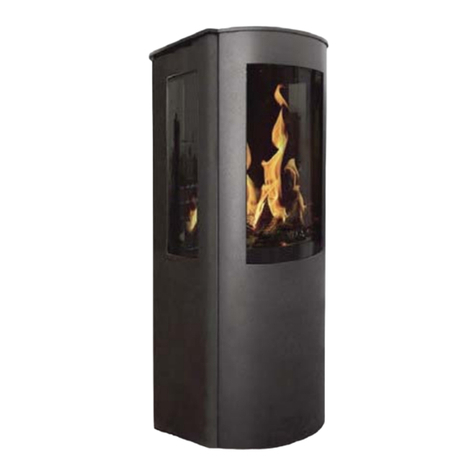
  9. Kuma Stoves K-TAM User manual

Kuma Stoves K-TAM User manual

Other Kuma Stoves Stove manuals

Kuma Stoves K-ASH Ashwood User manual

Kuma Stoves

Kuma Stoves K-ASH Ashwood User manual

Kuma Stoves ARCTIC AR-10 User manual

Kuma Stoves

Kuma Stoves ARCTIC AR-10 User manual

Kuma Stoves OC-7 User manual

Kuma Stoves

Kuma Stoves OC-7 User manual

Kuma Stoves ARCTIC AR-7 User manual

Kuma Stoves

Kuma Stoves ARCTIC AR-7 User manual

Kuma Stoves Wood Classic User manual

Kuma Stoves

Kuma Stoves Wood Classic User manual

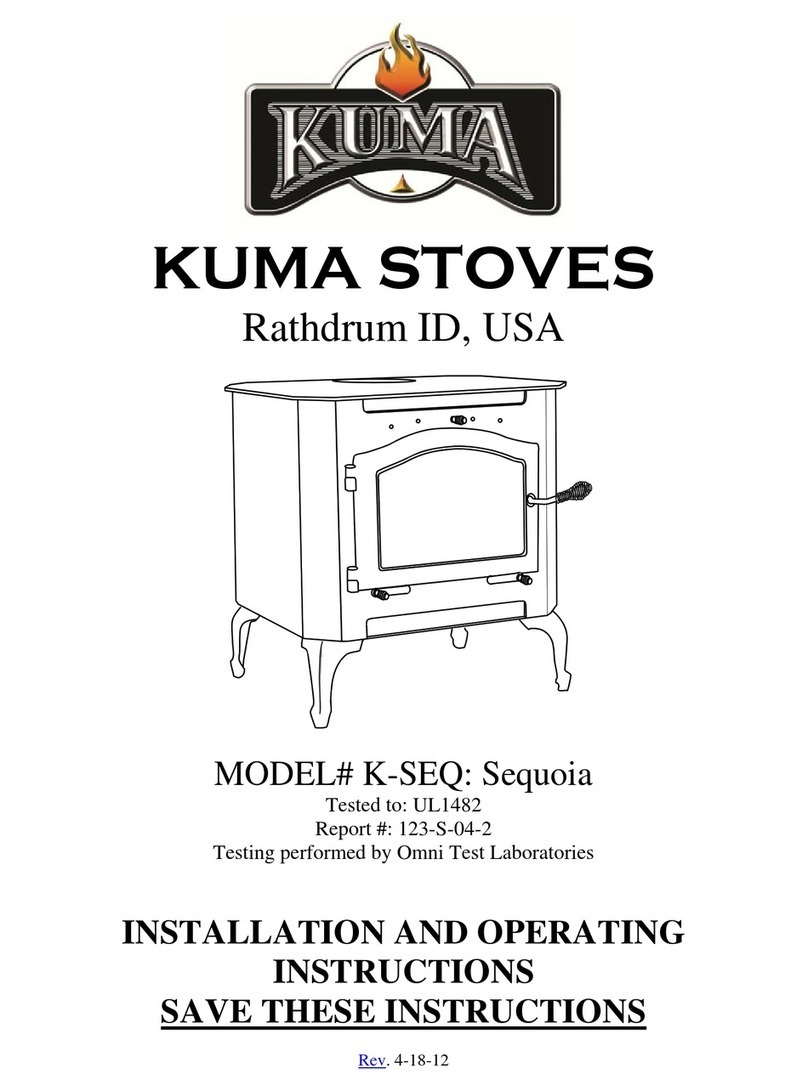
Kuma Stoves K-SEQ Sequoia User manual

Kuma Stoves

Kuma Stoves K-SEQ Sequoia User manual

Kuma Stoves OC-10 User manual

Kuma Stoves

Kuma Stoves OC-10 User manual

Kuma Stoves SHASTA User manual

Kuma Stoves

Kuma Stoves SHASTA User manual

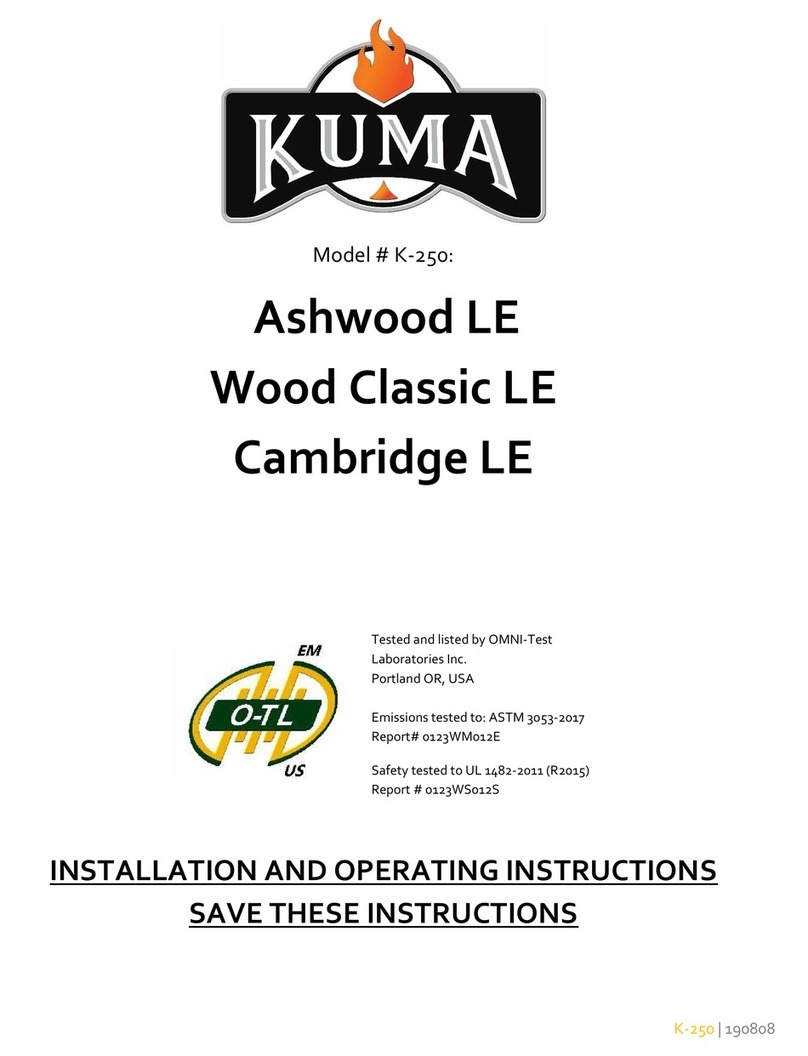
Kuma Stoves K-250 Cambridge LE User manual

Kuma Stoves

Kuma Stoves K-250 Cambridge LE User manual

Popular Stove manuals by other brands

Quadra-Fire Discovery I Wood Appliance installation manual

Quadra-Fire

Quadra-Fire Discovery I Wood Appliance installation manual

Wildfire F-131 2 Series User instructions

Wildfire

Wildfire F-131 2 Series User instructions

Dansons Group Pit Boss PB820FB1 manual

Dansons Group

Dansons Group Pit Boss PB820FB1 manual

Sylvania SO111R-MBK instruction manual

Sylvania

Sylvania SO111R-MBK instruction manual

Breckwell SP6000 Installation & operator's manual

Breckwell

Breckwell SP6000 Installation & operator's manual

Breckwell P24FSA owner's manual

Breckwell

Breckwell P24FSA owner's manual

Bartscher 1509851 instruction manual

Bartscher

Bartscher 1509851 instruction manual

Continental Fireplaces CDVS280-1NSB Installation and operation manual

Continental Fireplaces

Continental Fireplaces CDVS280-1NSB Installation and operation manual

Arada Cassette Stove installation guide

Arada

Arada Cassette Stove installation guide

Astonica 40100008 instruction manual

Astonica

Astonica 40100008 instruction manual

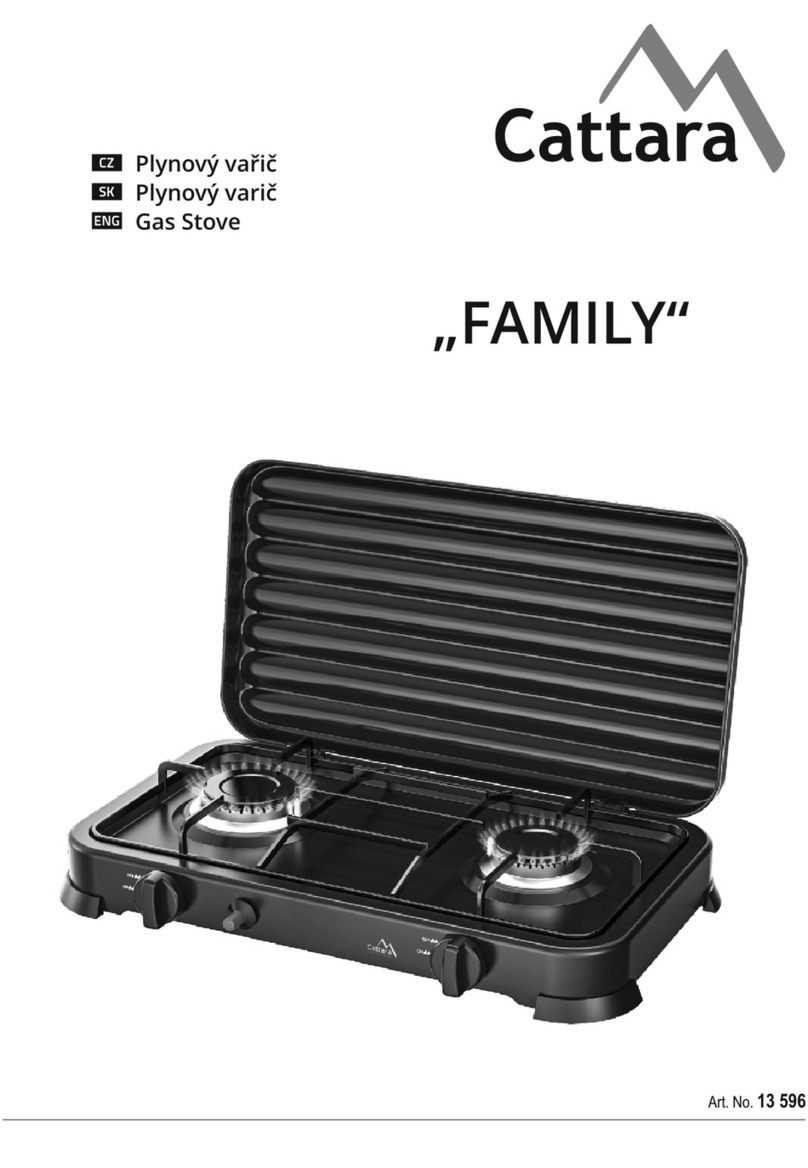
Cattara FAMILY manual

Cattara

Cattara FAMILY manual

Stanley Argon F500 OVAL Installation and operating instructions

Stanley

Stanley Argon F500 OVAL Installation and operating instructions

Nordpeis Vega user manual

Nordpeis

Nordpeis Vega user manual

Exquisit EKC601-5 Instructions for use and installation

Exquisit

Exquisit EKC601-5 Instructions for use and installation

Stanley Oisin Oil MK II Installation and operation instruction

Stanley

Stanley Oisin Oil MK II Installation and operation instruction

HASE delhi operating instructions

HASE

HASE delhi operating instructions

Vermont Castings Intrepid 2 User instructions

Vermont Castings

Vermont Castings Intrepid 2 User instructions

Italiana Camini CLASSICA Installation, use and maintenance

Italiana Camini

Italiana Camini CLASSICA Installation, use and maintenance

manuals.online logo
manuals.online logoBrands
  • About & Mission
  • Contact us
  • Privacy Policy
  • Terms and Conditions

Copyright 2025 Manuals.Online. All Rights Reserved.

KUMA STOVES
Rathdrum ID, USA
MODEL# K-TAM: Tamarack
Tested to: UL1482
Report #: 123-S-05-4
Testing performed by Omni Test Laboratories
INSTALLATION AND OPERATING
INSTRUCTIONS
SAVE THESE INSTRUCTIONS
Rev. 1-10-13
2
Welcome to the Kuma family.
Kuma is a modified version of the Greek word Kauma that means
“a great heat”.
We would like to take the time to say thank you for
purchasing a Kuma stove. If this is your first Kuma stove, you
have joined a long list of family members, some since 1981. We
are a family business that still desires to maintain a good
relationship with each and every one of our customers. Our
mission is to provide you with a quality product that will last a
lifetime. If you ever have a problem with your stove, we will do
what is needed to get it resolved and keep you warm.
You may have noticed a portion of the Bible enclosed in your
owner’s packet. It is a small gift for you. Our faith in Jesus Christ
is very important to us and we have that faith because there is hope
in heaven. That hope comes from the message of truth that is found
in this gospel of John.
Thank you for allowing us the opportunity to warm your
house. May God bless you and we anticipate that you will enjoy
the use of your new Kuma wood stove.
Sincerely,
The Freeman Family
3
Under Specific test conditions, this heater has been shown to meet
the U.S. Environmental Protection Agency and Washington State
emission limits for residential wood stoves.
Please read the safety precautions and the entire installation and
operation instructions carefully. Failure to properly install and
maintain your wood stove can result in an unsafe condition.
Contents
Section 1…..………………...………….Safety Precautions
Section 2………...…Mobile Home Installation Instructions
Section 3………………Residential Installation Instructions
Section 4……………Wood Burning Operation Instructions
Section 5……………………………………....Maintenance
Section 6…………….Installation Clearances and Diagrams
Section 7………………………………..…Troubleshooting
Section 8…………………………...Replacement Parts List
Section 9……………………………………….…Warranty
Section 10……………………………...…EPA Information
4
5
Section 1– Safety Precautions
Install and use in accordance with the manufacturers installation and operation instructions
contained in this manual only.
1. If this stove is not properly installed, a house fire can occur. For your protection, follow the
installation instructions provided. We recommend contacting local building or fire officials
regarding restrictions and installation inspection requirements in your area. We also recommend
that your Kuma model Tamarack stove be installed by a properly trained and licensed
installer, preferably a NFI (National Fireplace Institute) expert.
2. DO NOT CONNECT THIS UNIT TO A CHIMNEY FLUE SERVICING ANOTHER
APPLIANCE.
3. Do not use gasoline, gasoline-type lantern fuel, kerosene, charcoal lighter fluid, or similar liquids
to start or “freshen up” a fire in this heater. Keep all such liquids well away from the heater while
it is in use.
4. Do not burn garbage.
5. DO NOT OVERFIRE. If any part of the stove or chimney glows, the stove is in an over fire
condition. If this happens, shut the air control off immediately.
6. WARNING: DO NOT INSTALL IN A SLEEPING ROOM
7. CAUTION: The structural integrity of the floor, wall and ceiling/roof must be maintained.
8. DO NOT USE SINGLE WALL PIPE FOR ANY CHIMNEY APPLICATION, EXTERIOR
OR THROUGH THE WALL OR CEILING. Single wall pipe may only be used as a
connection between the stove and an approved masonry or stainless steel chimney. Single wall
pipe may not be used as a connector in mobile homes.
9. When installing into an existing masonry or metal chimney, examine the chimney system
carefully. If you have any questions, seek professional advice. We recommend having existing
chimneys cleaned and inspected by a qualified professional prior to the installation of your new
Stove.
10. NOTE ALL MINIMUM CLEARANCE REQUIREMENTS TO COMBUSTIBLES.
Installation must comply with minimum clearances as listed in this manual. (see section 6)
11. Do not operate this stove with the door in an open position.
12. Do not operate this stove with the ash pan open. (pedestal model only.)
13. This stove must be connected to a minimum 6” diameter listed chimney that complies with U.L.
type 103HT factory built chimney or a code approved masonry chimney. If the masonry chimney
does not meet code, a U.L. 1777 approved liner must be installed.
14. When connecting single wall or double wall connector pipe to the stove and chimney, use 3
screws per pipe joint including 3 screws securing the pipe to the stove. Depending on the type of
double wall pipe you are using, it may also be necessary to fasten it at the chimney. Simpson
Duravent’s DVL double wall uses a snap lock connector and does not need screws.
15. When connecting this stove to a masonry chimney, make sure you observe all applicable
clearances including walls, ceilings and other combustible material. A masonry chimney must be
minimum 6” diameter and constructed with a liner according to NFPA code 211. If you have any
questions about the condition or the code compliance of your masonry chimney, please speak
with a qualified professional.
6
16. WHEN PENETRATING A COMBUSTIBLE WALL TO CONNECT TO AN OUTSIDE
MASONRY CHIMNEY YOU MUST BE CERTAIN THAT THE WALL PASS THROUGH
IS A SAFE AND LISTED METHOD. Please refer to NFPA code 211 for details about listed
wall pass through methods. To obtain a copy of the NFPA code 211, you may visit their website
at www.nfpa.org or call them toll free at 1(800)344-3555. Your local building dept. may also
have information regarding NFPA code 211.
EXCERPT FROM NFPA 211
7
Section 2– Mobile home installation
INSTALL AND USE IN ACCORDANCE WITH THE MANUFACTURER’S INSTALLATION
AND OPERATING INSTRUCTIONS ONLY. WHILE MOST ANYONE WITH BASIC
CARPENTRY SKILLS CAN SUCCESSFULLY AND SAFELY INSTALL THEIR KUMA WOOD
STOVE, IT IS HIGHLY RECOMMENDED THAT IT IS INSTALLED BY A QUALIFIED
PROFESSIONAL WHO IS PROPERLY TRAINED AND LICENSED–PREFERABLY AN NFI
CERTIFIED (NATIONAL FIREPLACE INSTITUE) EXPERT.
CAUTION: The Structural integrity of the mobile home floor, walls and ceiling/roof must be maintained.
Use additional bracing if required. Never cut a load bearing wall or engineered truss, use elbows if
necessary to offset the pipe.
CAUTION: NEVER INSTALL A STOVE IN A SLEEPING ROOM.
STEP 1: Collect the proper tools and materials and determine a location for the stove.
Tools:
1. Reciprocating Saw
2. Assorted Screwdrivers
3. Measuring Tape
4. Pencil
5. Plumb Line
6. Electric or Cordless Drill with assorted drill and driver bits
7. Tin shears
8. Utility Knife
9. Pliers
10. Hammer
11. Assorted Wrenches
Materials:
1. 4” Outside air duct with screen. Kuma part# KA OA 1 is available from your dealer. It includes
the screened vent, stove adapter, and 4’ of flex vent to be used for through the wall applications.
2. Caulking to seal roof flashing and storm collar. High temperature silicone is recommended.
3. Assorted nails and screws.
4. Short pieces of 2x4 or 2x6. Two pieces minimum 24” long.
5. Copper wire, 8 gauge, for grounding. Grounding “clamp” “terminal” or “lug”, for attaching
ground wire at stove and mobile home frame.
Determining the stove location:
When choosing a stove location, there are a few things that should be considered.
1. Try to choose a location that is centrally located in the house.
2. Try to choose a location that will be easy to access from your wood storage area.
3. Survey the roof area above and around the location of the chimney exit. Be sure there are no
dormers, roof valleys or any other roof irregularities that could cause difficulty when trying to set
and seal the roof flashing.
4. If possible, survey the attic area above and around the location of the chimney. Be sure there are
no major obstructions such as plumbing, heating ducts, electrical wires, phone cables, etc. Also
check the crawl space below and around the stove location for the same obstructions.
STEP 2: Installing the chimney.
8
IMPORTANT: These instructions are a very basic guideline for the steps to installing your chimney.
For complete instructions, refer to the installation manual that came with your chimney. Chimney
installation instructions are usually located in the box with the chimney cap or chimney support
components. If you have any questions about the installation of your chimney, please contact the
dealer where you purchased your stove.
CAUTION: Inspect all chimney components for damage. Do not use any damaged chimney
components.
1. Familiarize yourself with the clearances of the stove, for the configuration in which you have
chosen to install, i.e. corner installation or straight wall installation (see section 6). Notice the
clearances listed for the chimney, this will help you determine the location of the hole in the
ceiling.
2. Once you’ve determined the hole location for the chimney, use a sheet rock saw or reciprocating
saw to cut the ceiling to the desired hole size. BE SURE TO CHECK FOR OBSTRUCTIONS
BEFORE CUTTING THE HOLE, REFER TO PIPE INSTALLATION INSTRUCTIONS
FOR HOLE SIZE.
3. Use a plumb to transfer the ceiling hole center to the underside of the roof sheeting in the attic.
Once you’ve marked the hole center on the roof sheeting, drill a hole from the inside or poke a
screw or nail through the sheeting so you can find that location once you’re on the roof.
4. Always be careful when using a ladder and working on a roof. Have someone hold the
ladder for you while you are climbing up and down. Use a positioning belt or harness and
safety rope to secure yourself on the roof. Locate the hole or screw/nail on the roof that you
poked through from the attic. Lay the roof flashing down and center over the hole, screw or nail.
Using a pencil, trace the inside of the flashing cone onto the roof. Remove the flashing and use a
reciprocating saw to cut out the hole. Cut the hole out about 1” larger than the mark all the
way around.
5. Use the two pieces of 2x4 or 2x6 to brace across the trusses in the attic. Position the bracing in a
way that you will be able to attach the chimney support with the proper clearance to the bracing
(see chimney installation instructions for proper clearances). Attach the chimney support to the
bracing using screws or nails.
6. Using a flat pry bar, gently lift the shingles off the roof from the middle of the hole up. Slide the
flashing up under the shingles on the top half of the hole and let the flashing sit on top of the
shingles on the bottom half of the hole. Use silicone or roof tar to seal underneath the flashing and
use screws or nails to fasten the flashing to the roof. Be sure to apply a small amount of sealer to
each screw head.
7. Slide the first section of chimney through the flashing and into the chimney support. Chimney
supports vary from one brand of pipe to another, be sure that the first section of pipe is well
secured into the chimney support, again, paying close attention to the chimney manufacturers
installation instructions.
8. Continue to fasten chimney sections above the first one until the correct height is reached (see pipe
installation instructions)
9. Install the chimney cap
10. Install the storm collar above the flashing and use high temp silicone to seal.
11. If necessary, install a roof brace or guy wires to steady the chimney. Bracing is usually required if
the chimney extends more than five feet above the roof.
STEP 3: Installing Hearth and outside air.
1. The hearth must be a non-combustible material and must extend beyond the base of the stove 6” to
the sides and back and 16" to the front (see section 6).
Outside Air – An outside air supply is required in all manufactured/mobile home installations.
9
1. Kuma Stoves does not particularly require that outside air be directly connected to this
stove. However, some state or local building codes may mandate outside air. If your state or
local building code requires an outside air supply use part# KA OA 1. If you are unable to supply
a direct connection to the stove or if you need additional ventilation due to room air starvation, we
suggest the following:
a. Provide a passive air supply to the home. The air vent should be a minimum of 4” in
diameter.
b. The air supply must be provided to the same room that the stove is installed in.
c. The air supply should utilize a barometric damper so that air is only supplied to the room
if the house pressure becomes negative.
Visit www.woodheat.org for more information on the use of outside air.
2. When building a hearth pad on site, be sure to leave an area open for the installation of the
outside air vent. Once the hearth is positioned according to the minimum clearances, locate and
mark out for the 4” outside are vent. On a pedestal model stove, this hole may be anywhere under
the stove base. On a leg model stove, try and locate the hole to line up with the hole in the bottom
of the stove. On a pre-manufactured hearth, use a hole saw or circular saw to cut through just the
backing board then use a hammer and firmly hit the tile or stone on the top side. If the backing
board was cut to the correct depth, the tile or stone will break out very clean. Also using a hole
saw or circular saw cut the hole through the home floor into the crawl space. Be sure to line this
hole up with the one in the hearth.
3. If you are installing your outside air vent through the wall, use a 4” hole saw or reciprocating saw
to cut the hole through the wall. BE SURE TO CHECK FOR OBSTRUCTIONS IN THE WALL.
When using outside air through the wall and a blower, a special adapter is required for pedestal
models, please consult your dealer for this adapter.
STEP 4: Setting the stove and connecting to the chimney
1. If your stove is a leg model, attach the legs before setting the stove on the hearth. Once the legs
are attached, or if the stove is a pedestal model, set it gently on the hearth using cardboard to
protect the hearth.
2. Position the stove on the hearth according to the clearances shown on the diagrams in section 6.
Be sure that the stove is at least minimum clearance from all combustible walls and materials. If
possible it is advisable to set the stove 1-2 inches further away from the combustibles than
required.
3. USING DOUBLE WALL PIPE ONLY, (single wall is not approved for a mobile home) connect
the stove to the chimney. If necessary, use elbows to offset the pipe so that the stove can remain at
the correct clearance and still connect to the chimney. Secure each pipe joint with three screws,
using the screws provided with the pipe.
4. Drill a small hole through the hearth and route the 8 gauge copper wire into the crawl space. Use
a grounding “connector” or “lug” to attach the ground wire to the stove and to the frame of the
mobile home.
5. When required by local code, you will need to fasten the stove to the floor of the mobile home. To
fasten a leg model, simply mark the location of the hole in the bottom of the legs, drill holes and
bolt into the bottom of the leg from the crawl space. To fasten a pedestal model, holes will need
to be drilled in the pedestal base. Once the holes are drilled in the base, mark the location on the
floor and use bolts and nuts or lag screws to fasten.
Your stove is now ready for use. If your stove installation required a permit and requires inspection by the
local building dept. please do not forget to call for inspection. It is important that your permit and
inspection be finalized, as some insurance companies will require the stove to be inspected. It is also a
great idea to give your insurance a call and let them know that you have installed a wood stove.
PLEASE REFER TO SECTION 4-Wood Burning Operation Instructions before lighting your first fire.

10
Section 3– Residential installation
INSTALL AND USE IN ACCORDANCE WITH THE MANUFACTURER’S INSTALLATION
AND OPERATING INSTRUCTIONS ONLY. WHILE MOST ANYONE WITH BASIC
CARPENTRY SKILLS CAN SUCCESSFULLY AND SAFELY INSTALL THEIR KUMA WOOD
STOVE, IT IS HIGHLY RECOMMENDED THAT IT IS INSTALLED BY A QUALIFIED
PROFESSIONAL WHO IS PROPERLY TRAINED AND LICENSED–PREFERABLY AN NFI
CERTIFIED (NATIONAL FIREPLACE INSTITUE) EXPERT.
CAUTION: The Structural integrity of the mobile home floor, walls and ceiling/roof must be maintained.
Use additional bracing if required. Never cut a load bearing wall or engineered truss, use elbows if
necessary to offset the pipe.
CAUTION: NEVER INSTALL A STOVE IN A SLEEPING ROOM.
STEP 1: Collect the proper tools and materials and determine a location for the stove.
Tools:
1. Reciprocating Saw
2. Assorted Screwdrivers
3. Measuring Tape
4. Pencil
5. Plumb Line
6. Electric or Cordless Drill with assorted drill and driver bits
7. Tin shears
8. Utility Knife
9. Pliers
10. Hammer
11. Assorted Wrenches
Materials:
1. 4” Outside air duct with screen. Kuma part# KA OA 1 is available from your dealer, it includes
the screened vent, stove adapter, and 4’ of flex vent to be used for through the wall applications.
2. Caulking to seal roof flashing and storm collar. High temperature silicone is recommended.
3. Assorted nails and screws.
4. Short pieces of 2x4 or 2x6. Two pieces minimum 24” long.
Determining the stove location:
When choosing a stove location, there are a few things that should be considered.
1. Try to choose a location that is centrally located in the house.
2. Try to choose a location that will be easy to access from your wood storage area.
3. Survey the roof area above and around the location of the chimney exit. Be sure there are no
dormers, roof valleys or any other roof irregularities that could cause difficulty when trying to set
and seal the roof flashing.
4. If possible, survey the attic area above and around the location of the chimney. Be sure there are
no major obstructions such as plumbing, heating ducts, electrical wires, phone cables, etc. Also
check the crawl space below and around the stove location for the same obstructions.
STEP 2: Installing the chimney.