EnglishDeutsch
 logo
Brands
  1. Home
  2. •
  3. Brands
  4. •
  5. AEG
  6. •
  7. Dishwasher
  8. •
  9. AEG OKO-FAVORIT 55750 User manual

AEG OKO-FAVORIT 55750 User manual

Other manuals for OKO-FAVORIT 55750

1

Other AEG Dishwasher manuals

AEG OKO-Favorit 6470 User manual

AEG

AEG OKO-Favorit 6470 User manual

AEG FAVORIT 78702 VI0P User manual

AEG

AEG FAVORIT 78702 VI0P User manual

AEG FSK52600P User manual

AEG

AEG FSK52600P User manual

AEG FSB53627P User manual

AEG

AEG FSB53627P User manual

AEG FAVORIT 88072 IM0P User manual

AEG

AEG FAVORIT 88072 IM0P User manual

AEG FAVORIT 99009 MOP User manual

AEG

AEG FAVORIT 99009 MOP User manual

AEG OKO FAVORIT 80850 i User manual

AEG

AEG OKO FAVORIT 80850 i User manual

AEG FAVORIT 144 S User manual

AEG

AEG FAVORIT 144 S User manual

AEG FFE72731PM User manual

AEG

AEG FFE72731PM User manual

AEG FAV55VI1P User manual

AEG

AEG FAV55VI1P User manual

AEG FSS6370XP User manual

AEG

AEG FSS6370XP User manual

AEG FAVORIT 55000 User manual

AEG

AEG FAVORIT 55000 User manual

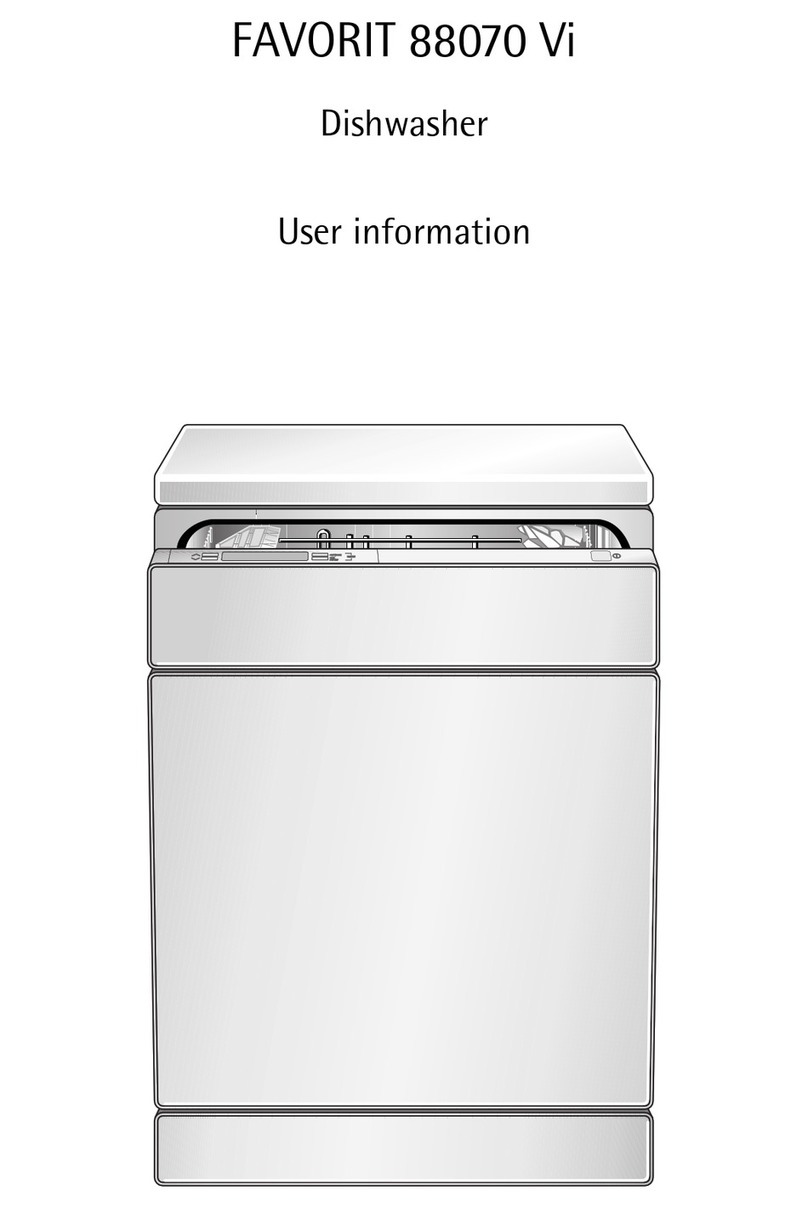
AEG FAVORIT 88070 Vi Operation manual

AEG

AEG FAVORIT 88070 Vi Operation manual

AEG FSK93800P User manual

AEG

AEG FSK93800P User manual

AEG FSK93800P User manual

AEG

AEG FSK93800P User manual

AEG FSE52600P User manual

AEG

AEG FSE52600P User manual

AEG FSK73778P User manual

AEG

AEG FSK73778P User manual

AEG FFB41600ZM User manual

AEG

AEG FFB41600ZM User manual

AEG FAVORIT 34030 VI User manual

AEG

AEG FAVORIT 34030 VI User manual

AEG FAVORIT 448 i User manual

AEG

AEG FAVORIT 448 i User manual

AEG FAVORIT 78000 VI1P User manual

AEG

AEG FAVORIT 78000 VI1P User manual

AEG FSK53600Z User manual

AEG

AEG FSK53600Z User manual

AEG FAVORIT 146 User manual

AEG

AEG FAVORIT 146 User manual

AEG F88722IM0P User manual

AEG

AEG F88722IM0P User manual

Popular Dishwasher manuals by other brands

Electrolux ESI5211LOX user manual

Electrolux

Electrolux ESI5211LOX user manual

KitchenAid KUDB230B Use and care guide

KitchenAid

KitchenAid KUDB230B Use and care guide

Brandt BDJ424DB instruction manual

Brandt

Brandt BDJ424DB instruction manual

Asko DSD767UXXL.AU user manual

Asko

Asko DSD767UXXL.AU user manual

Beko DFN26210W instruction manual

Beko

Beko DFN26210W instruction manual

NEFF S153ITX00E INFORMATION FOR USE

NEFF

NEFF S153ITX00E INFORMATION FOR USE

Midea SV 4.45 wi manual

Midea

Midea SV 4.45 wi manual

LG LDF7932 Specifications

LG

LG LDF7932 Specifications

Gorenje GV63214 instruction manual

Gorenje

Gorenje GV63214 instruction manual

Hotpoint HDA1100ZWH Installation information

Hotpoint

Hotpoint HDA1100ZWH Installation information

Blomberg LDFN2240W instruction manual

Blomberg

Blomberg LDFN2240W instruction manual

Cylinda DM3220RFD user manual

Cylinda

Cylinda DM3220RFD user manual

Atag DW8214MB manual

Atag

Atag DW8214MB manual

GE GLD8000 Series owner's manual

GE

GE GLD8000 Series owner's manual

Siemens SN23HI02KE INFORMATION FOR USE

Siemens

Siemens SN23HI02KE INFORMATION FOR USE

Omega ODW717X instruction manual

Omega

Omega ODW717X instruction manual

BORETTI BVW-683 operating instructions

BORETTI

BORETTI BVW-683 operating instructions

Siemens SN 56N591 operating instructions

Siemens

Siemens SN 56N591 operating instructions

https://manuals.online logo
https://manuals.online logoBrands
  • About & Mission
  • Contact us
  • Privacy Policy
  • Terms and Conditions

Copyright 2026 Manuals.Online. All Rights Reserved.

ÖKO-FAVORIT 55750
Dishwasher
Instructions for Use
2
Dear Customer
Please read these operating instructions carefully.
Please make sure you read the safety instructions on
the first pages of these operating instructions! Keep
the operating instructions for future reference. Pass
them on to any future owners.
With the warning triangle and/or by means of
key words (Warning!, Caution!, Important!),
information is emphasized which is important
for your safety or the correct functioning of
the appliance. It is essential that this informa
tion is observed.
1. This symbol guides you step by step when operating
the appliance.
2. . . .
3. . . .
Next to this symbol you receive additional in
formation and practical tips on using the ap
pliance.
Tips and information about the economical
and environmentally friendly use of the ma
chine are marked with the clover.
These operating instructions contain information ab
out how to independently solve any problems which
may arise. See "What to do if...".
This appliance conforms
with EC-Directive 73/23/EEC, 90/683/EEC,
89/336/EEC, 93/68/EEC
3
Content
Safety Instructions 4. . . . . . . . . . . . . . . . . . . . . . . . . . . . . . . . . . . . . . . . . . . . . . . . . . . . . . . . . .
Description of the Appliance 5. . . . . . . . . . . . . . . . . . . . . . . . . . . . . . . . . . . . . . . . . . . . . . . . . .
General Hints & Tips 6. . . . . . . . . . . . . . . . . . . . . . . . . . . . . . . . . . . . . . . . . . . . . . . . . . . . . . . . .
Prior to Using for the First Time 7. . . . . . . . . . . . . . . . . . . . . . . . . . . . . . . . . . . . . . . . . . . . . . .
Filling with Rinse Aid 7. . . . . . . . . . . . . . . . . . . . . . . . . . . . . . . . . . . . . . . . . . . . . . . . . . . . . . . . . . . . .
Setting the rinse aid dosage 7. . . . . . . . . . . . . . . . . . . . . . . . . . . . . . . . . . . . . . . . . . . . . . . . . . . . . . . .
Filling the salt dispenser 7. . . . . . . . . . . . . . . . . . . . . . . . . . . . . . . . . . . . . . . . . . . . . . . . . . . . . . . . . . .
Setting the Water Softener 8. . . . . . . . . . . . . . . . . . . . . . . . . . . . . . . . . . . . . . . . . . . . . . . . . . . . . . . .
The first wash cycle 8. . . . . . . . . . . . . . . . . . . . . . . . . . . . . . . . . . . . . . . . . . . . . . . . . . . . . . . . . . . . . .
The Crockery Basket 9. . . . . . . . . . . . . . . . . . . . . . . . . . . . . . . . . . . . . . . . . . . . . . . . . . . . . . . . .
Cutlery basket 9. . . . . . . . . . . . . . . . . . . . . . . . . . . . . . . . . . . . . . . . . . . . . . . . . . . . . . . . . . . . . . . . . . .
Lower basket 10. . . . . . . . . . . . . . . . . . . . . . . . . . . . . . . . . . . . . . . . . . . . . . . . . . . . . . . . . . . . . . . . . . . .
Upper basket 11. . . . . . . . . . . . . . . . . . . . . . . . . . . . . . . . . . . . . . . . . . . . . . . . . . . . . . . . . . . . . . . . . . . .
Filling with detergent 13. . . . . . . . . . . . . . . . . . . . . . . . . . . . . . . . . . . . . . . . . . . . . . . . . . . . . . . .
Selecting and starting the program 13. . . . . . . . . . . . . . . . . . . . . . . . . . . . . . . . . . . . . . . . . . . .
Program display 14. . . . . . . . . . . . . . . . . . . . . . . . . . . . . . . . . . . . . . . . . . . . . . . . . . . . . . . . . . . . . . . . .
Remaining running time 14. . . . . . . . . . . . . . . . . . . . . . . . . . . . . . . . . . . . . . . . . . . . . . . . . . . . . . . . . . .
End of the program 14. . . . . . . . . . . . . . . . . . . . . . . . . . . . . . . . . . . . . . . . . . . . . . . . . . . . . . . . . . . . . .
Safety lock 14. . . . . . . . . . . . . . . . . . . . . . . . . . . . . . . . . . . . . . . . . . . . . . . . . . . . . . . . . . . . . . . . . . . . .
Delay start 14. . . . . . . . . . . . . . . . . . . . . . . . . . . . . . . . . . . . . . . . . . . . . . . . . . . . . . . . . . . . . . . . . . . . .
Correcting or Deleting the Program Selection / Pre-selected Start Time 15. . . . . . . . . . . . . . . . . . . . . .
ECO button 15. . . . . . . . . . . . . . . . . . . . . . . . . . . . . . . . . . . . . . . . . . . . . . . . . . . . . . . . . . . . . . . . . . . . .
Program Chart 16. . . . . . . . . . . . . . . . . . . . . . . . . . . . . . . . . . . . . . . . . . . . . . . . . . . . . . . . . . . . . .
Mains power loss 17. . . . . . . . . . . . . . . . . . . . . . . . . . . . . . . . . . . . . . . . . . . . . . . . . . . . . . . . . . . . . . . .
Error message 17. . . . . . . . . . . . . . . . . . . . . . . . . . . . . . . . . . . . . . . . . . . . . . . . . . . . . . . . . . . . . . . . . . .
Unloading the crockery basket 17. . . . . . . . . . . . . . . . . . . . . . . . . . . . . . . . . . . . . . . . . . . . . . . .
Cleaning and care 18. . . . . . . . . . . . . . . . . . . . . . . . . . . . . . . . . . . . . . . . . . . . . . . . . . . . . . . . . . .
Internal Cleaning 18. . . . . . . . . . . . . . . . . . . . . . . . . . . . . . . . . . . . . . . . . . . . . . . . . . . . . . . . . . . . . . . .
Re-filling the salt dispenser 18. . . . . . . . . . . . . . . . . . . . . . . . . . . . . . . . . . . . . . . . . . . . . . . . . . . . . . . .
Refilling the rinse aid 18. . . . . . . . . . . . . . . . . . . . . . . . . . . . . . . . . . . . . . . . . . . . . . . . . . . . . . . . . . . . .
Cleaning the large strainer 18. . . . . . . . . . . . . . . . . . . . . . . . . . . . . . . . . . . . . . . . . . . . . . . . . . . . . . . . .
Cleaning the fine strainer 19. . . . . . . . . . . . . . . . . . . . . . . . . . . . . . . . . . . . . . . . . . . . . . . . . . . . . . . . . .
Cleaning the spray arm nozzles 19. . . . . . . . . . . . . . . . . . . . . . . . . . . . . . . . . . . . . . . . . . . . . . . . . . . . .
Cleaning the appliance 20. . . . . . . . . . . . . . . . . . . . . . . . . . . . . . . . . . . . . . . . . . . . . . . . . . . . . . . . . . . .
Appliances with stainless steel outer surfaces 20. . . . . . . . . . . . . . . . . . . . . . . . . . . . . . . . . . . . . . . . . .
Remedying faults 21. . . . . . . . . . . . . . . . . . . . . . . . . . . . . . . . . . . . . . . . . . . . . . . . . . . . . . . . . . .
Service &Spare Parts 22. . . . . . . . . . . . . . . . . . . . . . . . . . . . . . . . . . . . . . . . . . . . . . . . . . . . . . . .
Customer Care 22. . . . . . . . . . . . . . . . . . . . . . . . . . . . . . . . . . . . . . . . . . . . . . . . . . . . . . . . . . . . . . . . . .
Technical Data 23. . . . . . . . . . . . . . . . . . . . . . . . . . . . . . . . . . . . . . . . . . . . . . . . . . . . . . . . . . . . . .
Information for Test Institutes 24. . . . . . . . . . . . . . . . . . . . . . . . . . . . . . . . . . . . . . . . . . . . . . . .
Keep this instruction book for
future reference and ensure it is
passed on to any new owner.
4
Safety Instructions
The safety aspects of this appliance comply with the accepted technical standards and the applicable safety regula
tions. Nevertheless, we consider it our obligation to make you aware of the following safety information:
Installation
•Any electrical work required to install this appliance
should be carried out by a qualified electrician or
competent person.
•Any plumbing work required to install this ap
pliance should be carried out by a qualified plumber
or competent person.
•This appliance is heavy. Care should be taken when
moving it.
•It is dangerous to alter the specifications or attempt
to modify this product in any way.
•Care must be taken to ensure that the appliance
does not stand on the electrical supply cable.
Child Safety
•This appliance is designed to be operated by adults.
Children should not be allowed to tamper with the
controls or play with the product.
•Keep all packaging well away from children.
•Keep all detergents in a safe place out of children's
reach.
•Keep children away from the appliance when the
door is open, and take care when closing the door
not to trap childrens fingers.
Before Use
•Check your dishwasher for any transport damage.
Never connect a damaged appliance. If your ap
pliance is damaged contact your retailer.
•Before using your dishwasher for the first time, en
sure the voltage and current rating in your home is
the same as indicated on the rating plate.
During use
•Items that are contaminated by petrol paint, steel
or iron debris, corrosive, acidic or alkaline chemicals
must not be washed in this dishwasher.
•Under no circumstances should you open the door
whilst the appliance is in operation. Always turn off
the appliance before opening the door.
•Only use detergent specifically designed for use in
dishwashers.
•Long bladed knives stored in an upright position are
a potential hazard.
•Long and/or sharp items of cutlery such as carving
knives must be positioned horizontally in the upper
basket.
•When finished loading or unloading close the door,
as an open door can be a hazard.
•Isolate the appliance from the power supply and
turn off the water supply after use.
•Care should be taken when cleaning the bottom
door seal and hinge area as any exposed metal ed
ges may cut if care is not taken.
•This product should be serviced by an authorised
Service Engineer, and only genuine spare parts
should be used.
•Under no circumstances should you attempt to re
pair the machine yourself. Repairs carried out by in
experienced persons may cause injury or serious
malfunctioning. Contact your local Service Force
Centre.
•In the case of a fault, turn off the appliance, discon
nect the appliance from the water supply and con
tact your local Service Force Centre.
•Never sit or stand on the open door.
•If the power supply cable of your dishwasher is da
maged, it must be replaced by a cable available from
your local Service Force Centre.
•The water protection system prevents any water da
maged providing:
- The dishwasher is connected to the mains sup
ply.
- The dishwasher is correctly installed.
Environmental Information
Packaging: All packing materials used are environmen
tally friendly and reusable. The cardboard parts are
made from recycled paper, and the wood parts are un
treated. The plastics are marked as follows:
"PE" for polyethylene - e.g. packaging foil
"PS" for polystyrene
"POM" for polyoxymenthylene
Old appliances: When disposing of an old appliance,
cut off the power supply cable and remove any door
catches, to prevent young children being trapped in
side.
Contact your local Council or Environmental Health
Office to see if there are cycling facilities in your area.

5
Description of the Appliance
Dishwasher
Control Panel
Rinse aid container
Upper dish basket
(height-adjustable)
Setting switch for water softener
Lower spray arm
Salt container
Lower basket
Display window for rinse aid
Rating plate
Detergent container
Cutlery basket top
Coarse strainer
Centre spray arm
Fine strainer with
micro-strainer
Cover for spray arm
Programme guide
Curtlery basket
Water inlet valve: do not open,
do not fill with water
Mains switch
Half load
Delay start button
Program button Gentle, with control lamp
Program button Normal,
with control lamp
Start time / Remaining time display
Programme sequence display
Regenerating salt
control lamp
Clear rinse agen
t
control lamp
Program button Intensive,
with control lamp
Stop
Program button Quick,
with control lamp
Program button Pre-rinse,
with control lamp
Economy
Pre-rinse
Clean
Rinse
Dry
Programme end
6
General Hints &Tips
To save energy:
•Do not prewash dishes under running water.
•Wait until the dishwasher is full before washing a
load. If necessary use the rinse and hold button.
•If washing a reduced quantity of dishes up to maxi
mum of 50% of the capacity, use the half load but
ton (1/2).
•Always select a wash programme suitable for the
type of crockery being washed and to the level of
soiling (See Programme Chart).
•Follow the detergent dosage recommendations in
this instruction book and the detergent manufac
turers instructions. Never over dose or under dose.
•Ensure the water softener is correctly set.
For best washing and drying results
•Before loading remove all scraps of food and soak
very heavily soiled pots and pans.
•Arrange saucepans, cups and glasses etc. upside
down.
•Tilt items with convex or concave surfaces so the
water drains off easily.
•Avoid contact between the dishes as far as possible.
•Wait a few minutes before removing the dishes; in
this way they will be cooler and the drying will be
improved.
•Empty the lower basket first and then the upper
basket; this will avoid water dripping from the up
per basket onto the dishes in the lower one.
•You will improve drying results by leaving the dish
washer door ajar for at least 15-30 minutes as soon
as the programme finishes.
Items not suitable for dishwashers.
The following items should not be washed in the
dishwasher (unless they are sold as dishwasher
proof).
•Cutlery with wooden or horn handles or glued parts
•Bronze cutlery
•Saucepans with wooden handles
•Aluminium ware
•Crystal ware
•Leaded glass
•Plastic items
•Antique or fine decorated china
•Tin and copper items
•Artistic objects
•Wooden board
Crockery that may be suitable:
•Earthenware crockery can be washed in the dish
washer if the manufacturer has indicated that it is
suitable.
•Some glazed finishes may fade after frequent ma
chine washing.
•Silver and aluminium parts tend to discolour during
machine washing.
•Copper, pewter and brass tend to stain.
•A chemical reaction can occur between silver cut
lery and stainless steel cutlery. As a precaution do
not wash together.
•Iron and cast iron objects can rust and stain other
items.
•Certain types of decoration can discolour when
washed in a dishwasher.
If in doubt check with the manufacturer of the item.
When buying new dishes, ensure that they are dishwas
her proof.
For best results we recommend the use of Finish detergents, rinse aid and salt.
7
Prior to Using for the First Time
Carry out the following steps before using your dish
washer for the first time.
Filling with Rinse Aid
Rinse aid is automatically added during the last rinse,
ensuring thorough rinsing, spot and streak free drying.
AIf the rinse aid display light is lit on the control
panel, open the dispenser by turning the sealing
cap to the left.
BFill with rinse aid up to the "max" mark. Do not ex
ceed the maximum container mark of 150 ml.
- Close the dispenser.
- Remove any spillage to prevent foaming.
The rinse aid display light on the control panel will go
out.
Setting the rinse aid dosage
According to the finish and drying results obtained, the
rinse aid dosage can be adjusted. Position 1 minimum
dosage, position 6 maximum dosage.
The factory setting is level 3.
Gradually increase the dosage if there are drops of wa
ter or lime spots on the dishes after washing. Reduce
it if there are sticky whitish streaks on the dishes.
Filling the salt dispenser
Warning! Only use special salt for dishwashers.
Other types of salt (e.g., cooking salt) often
contain water-insoluble components which
can block the water softener and may render
it unserviceable.
Salt and detergent packages often look very
similar. Detergent accidentally poured into the
salt dispenser will damage the water softener.
Each time you fill with special salt, ensure that
you are really holding a salt package in your
hand.
Fill with salt as follows:
AOpen the cap of the salt dispenser.
BFill the dispenser with water
A
B
A
B
8
CFill with 1 kg of special salt. As a result, approx. 1
litre of water will be displaced.
- Remove salt from around the opening of the dis
penser.
- Close the salt dispenser by turning the cap until
the stop is reached.
-Immediately run the "Pre-rinse"program to
wash away any salt residues.
Never fill the salt dispenser with rinse aid or
detergent!
The salt display will go out after 1 or 2 rinse cycles.
Do not remove the water feed valve, and do not
fill with detergent for any reason.
Setting the Water Softener
The dishwasher is equipped with a water softener de
signed to remove minerals and salts from the water
supply, which would have a detrimental or adverse ef
fect on the operation of the appliance.
The higher the content of these salts, the harder your
water is.
The softener should be adjusted according to the hard
ness of the water in your area. Your local Water author
ity can advise you on the hardness of the water in your
area.
Adjust the dosage as follows:
Turn the setting button using a coin or a screwdriver
until the arrow on the knob points to the desired num
ber.
The arrow must point to a number and the po
sition must be engaged positively.
Clarke
degrees
French degrees
(°TH) PPM (Parts
per Million) Level
0 - 9 0 - 12,5 0 - 125 1
9 - 18 12,5 - 25 125 - 250 2
18 - 26 25 - 37,5 250 - 375 3
26 - 35 37,5 - 50 375 - 500 4
> 35 > 50 > 500 5
The first wash cycle
- When using for the first time, use the Intensive pro
gram.
A
B
C
1
4
3
2
5
9
The Crockery Basket
Before loading, remove any food scraps. Do not
rinse with warm water or use a manual deter
gent.
The illustration gives you some tips for the op
timal loading of your dishwasher.
Lower basket
Heavily soiled, large pieces of crockery will be tho
roughly cleaned in the lower basket.
- Pull out the lower basket to its full extent.
- Arrange large and heavy pieces of crockery, such as
plates, bowls, pots etc., in the lower basket.
Cutlery basket
- Place cutlery in the cutlery basket with the handles
downward, except for cutlery very narrow handles,
which could penetrate through the cutlery basket
and could block the spray arm.
- With the top fitted to the cutlery basket, the cutlery
no longer touches. All parts are accessible for the
water jet. In this way, cleaning and drying of the
cutlery is improved.
Important:
Long bladed knives stored in an upright posi
tion are a potential hazard.
Long and / or sharp items of cutlery such as
carving knives must be positioned horizontally
in the upper basket.
Take care when loading or unloading sharp
items such as knives.
Removing the cutlery basket top
- Press in the clips slightly (A) and remove the cutlery
basket top upwards (B).
without cutlery basket top
with cutlery basket top
10
Lower basket
Adjustable plate rail, right, 10 piece
In order to make optimal use of the space in the lower
basket, the plate rails can be set in two positions, in the
longitudinal and transverse directions.
- To take out the plate rails, the plate rail grip must
be pulled away upwards (A).
- The plate rails are then put into the transverse posi
tion by fitting them into the longitudinal struts (D)
on the lower basket, and then pressing down the
plate rail (B) until it snaps into place.
The plate rail can be varied sideways (C). Positioning as
described above.
Adjustable plate rail insert, 5 piece
For deep plates or bowls, a part of the left plate rail can
be removed.
- To remove the plate rail insert, the plate rail grip is
pulled away upwards (A).
- The plate rail insert can also be used instead of the
10-piece plate rail, right (B).
A
B
D
C
A
B
D
B