manuals.online logo
Brands
  1. Home
  2. •
  3. Brands
  4. •
  5. Frigidaire
  6. •
  7. Dishwasher
  8. •
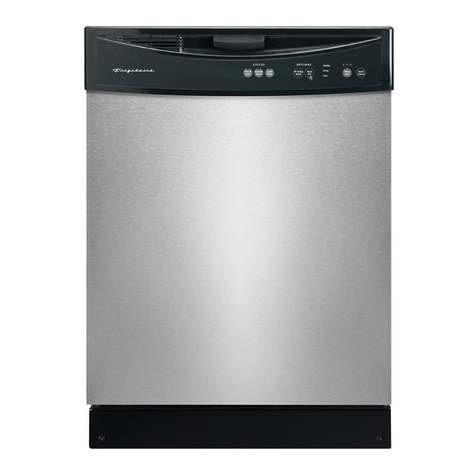
  9. Frigidaire FDB345LFS0 User manual

Frigidaire FDB345LFS0 User manual

Other manuals for FDB345LFS0

1

This manual suits for next models

1

Other Frigidaire Dishwasher manuals

Frigidaire GLD3450RD User manual

Frigidaire

Frigidaire GLD3450RD User manual

Frigidaire FGHD2455LW0 Owner's manual

Frigidaire

Frigidaire FGHD2455LW0 Owner's manual

Frigidaire FDB1504RG Instruction Manual

Frigidaire

Frigidaire FDB1504RG Instruction Manual

Frigidaire GLD2250RDC - Gallery Series 24 Inch... User manual

Frigidaire

Frigidaire GLD2250RDC - Gallery Series 24 Inch... User manual

Frigidaire FPID2495qf User manual

Frigidaire

Frigidaire FPID2495qf User manual

Frigidaire FDB898RB User manual

Frigidaire

Frigidaire FDB898RB User manual

Frigidaire MDB122LBS1 User manual

Frigidaire

Frigidaire MDB122LBS1 User manual

Frigidaire FDBB2040FS1 User guide

Frigidaire

Frigidaire FDBB2040FS1 User guide

Frigidaire PLDB999AC0 User manual

Frigidaire

Frigidaire PLDB999AC0 User manual

Frigidaire FPHD2491KF User guide

Frigidaire

Frigidaire FPHD2491KF User guide

Frigidaire PLD3465REC User manual

Frigidaire

Frigidaire PLD3465REC User manual

Frigidaire FBD2400K W User manual

Frigidaire

Frigidaire FBD2400K W User manual

Frigidaire FGHD2491LB0 User manual

Frigidaire

Frigidaire FGHD2491LB0 User manual

Frigidaire Gallery PLDB998AC0 User manual

Frigidaire

Frigidaire Gallery PLDB998AC0 User manual

Frigidaire FMB330RG Operating and safety instructions

Frigidaire

Frigidaire FMB330RG Operating and safety instructions

Frigidaire FDB657RJC1 User manual

Frigidaire

Frigidaire FDB657RJC1 User manual

Frigidaire FDB765RC User manual

Frigidaire

Frigidaire FDB765RC User manual

Frigidaire FDBL960BS1 User manual

Frigidaire

Frigidaire FDBL960BS1 User manual

Frigidaire Gallery Premier FGHD2471K User manual

Frigidaire

Frigidaire Gallery Premier FGHD2471K User manual

Frigidaire FDB14GGCWD User manual

Frigidaire

Frigidaire FDB14GGCWD User manual

Frigidaire FFBD2408NS User manual

Frigidaire

Frigidaire FFBD2408NS User manual

Frigidaire FDB1250RE User manual

Frigidaire

Frigidaire FDB1250RE User manual

Frigidaire 100 series User manual

Frigidaire

Frigidaire 100 series User manual

Frigidaire FDB1100RHQ2 User manual

Frigidaire

Frigidaire FDB1100RHQ2 User manual

Popular Dishwasher manuals by other brands

Samsung DW-FN320T user manual

Samsung

Samsung DW-FN320T user manual

LG LDS 5811WW Service manual

LG

LG LDS 5811WW Service manual

Elba EDW-B1462D owner's manual

Elba

Elba EDW-B1462D owner's manual

VESTEL NOVUS Series Service manual

VESTEL

VESTEL NOVUS Series Service manual

Bosch SMS4EMW00E Instructions for use

Bosch

Bosch SMS4EMW00E Instructions for use

Global-Tek GT-CR 2 manual

Global-Tek

Global-Tek GT-CR 2 manual

Smeg Dishwasher 85028 Instructions for installation and use

Smeg

Smeg Dishwasher 85028 Instructions for installation and use

LG LD-4080W Service manual

LG

LG LD-4080W Service manual

Bauknecht GCF 625 operating instructions

Bauknecht

Bauknecht GCF 625 operating instructions

Sharp QW-HX13F47EI-EU user manual

Sharp

Sharp QW-HX13F47EI-EU user manual

Asko D5536XLFI operating instructions

Asko

Asko D5536XLFI operating instructions

Modena WP 7134 WVM User manual book

Modena

Modena WP 7134 WVM User manual book

Beko DFN39340X instruction manual

Beko

Beko DFN39340X instruction manual

AEG FAVORIT 65050 VI1P user manual

AEG

AEG FAVORIT 65050 VI1P user manual

Siemens SN23HI37VE user manual

Siemens

Siemens SN23HI37VE user manual

Maytag MDB4651AWB - Tall Tub Dishwasher User instructions

Maytag

Maytag MDB4651AWB - Tall Tub Dishwasher User instructions

Hotpoint Ariston LL 42 Instruction book

Hotpoint Ariston

Hotpoint Ariston LL 42 Instruction book

Siemens SN45ZW56CS user manual

Siemens

Siemens SN45ZW56CS user manual

manuals.online logo
manuals.online logoBrands
  • About & Mission
  • Contact us
  • Privacy Policy
  • Terms and Conditions

Copyright 2025 Manuals.Online. All Rights Reserved.

Product Registration Card
Please fill in completely, sign and return promptly!
Safety
Instructions ............................2
Features .................................3
Normal Operating
Sounds ................................... 4
Operating
Instructions ......................... 4-5
Preparing and
Loading Dishes ................... 6-7
Dishwasher Dispenser
and Detergents .................. 8-9
Factors Affecting
Performance .......................... 9
Care and
Cleaning ............................... 10
Changing
Color Panels......................... 11
Solutions to Common
Dishwashing Problems .... 12-14
Consumer Services
Warranty & Service ............................... 15
Versión en español ................................. 15
READ AND SAVE THESE INSTRUCTIONS P/N 154334202 (9903)
Record All Information
For Future Reference
Brand: Purchase Date:
Model #:
Serial #:
(see Features page for location)
Questions? 1-800-444-4944
Dishwasher
Use & Care Manual
300 Series
Visit Frigidaire Company's
Web Site at
http://www.frigidaire.com
1-800-444-4944
Dishwasher
Use & Care Manual
1-800-444-4944
Dishwasher
Use & Care Manual
2
Important Safety Instructions
©1999 White Consolidated Industries, Inc.
All rights reserved.
 Read all instructions before using your
dishwasher.
 Use your dishwasher only as instructed in
this Use and Care Manual.
 This Manual does not cover every possible
condition and situation that may occur. Use
common sense and caution when installing,
operating and maintaining any appliance.
 DISHWASHER MUST BE ELECTRICALLY
GROUNDED. Read the Installation
Instructions for details.
 This dishwasher is designed to operate on
regular house current (120 V, 60 Hz). Use a
circuit equipped with a 15 ampere fuse or
circuit breaker. Use a 20 ampere fuse if
dishwasher is connected with a food waste
disposer.
 Do not operate dishwasher unless all
enclosure panels are in their proper place.
 Dispose of discarded appliance and
shipping or packing material properly.
 To avoid entrapment and/or suffocation,
remove door or door latch mechanism from
any dishwasher that is discarded or not in
use.
 Keep young children and infants away from
dishwasher when it is operating.
 Do not let children abuse, sit, stand or play
on door or racks of a dishwasher.
 Use only detergents and rinse agents
recommended for use in a dishwasher.
Printed in U.S.A.
SAVE THESE
INSTRUCTIONS
 Store dishwasher detergent and rinse agents
out of the reach of children.
 Do not wash plastic items unless marked
dishwasher safe or the equivalent. Check
with manufacturer for recommendations, if
not marked. Items that are not dishwasher
safe may melt and create a potential fire
hazard.
 If the dishwasher drains into a food disposer,
make sure disposer is completely empty
before running dishwasher.
 Disconnect electrical power to dishwasher
before servicing.
 Repairs should be done by a qualified
technician.
 Do not tamper with controls.
 Do not touch the heating element during or
immediately after use.
 When loading items to be washed:
- Locate sharp items and knives so that they
are not likely to damage the door seal or
tub.
- Load sharp items and knives with the
handles up to reduce the risk of cut-type
injuries.
 Under certain conditions, hydrogen gas may
be produced in a hot water system that has
not been used for 2 weeks or more.
HYDROGEN GAS IS EXPLOSIVE. If hot water
system has not been used for such a period,
before using dishwasher, turn on all hot
water faucets and let water flow from each
for several minutes. This will release any
accumulated hydrogen gas. HYDROGEN
GAS IS FLAMMABLE. Do not smoke or use
an open flame during this time.
 Do not store or use combustible materials,
gasoline or other flammable vapors and
liquids in the vicinity of this or any other
appliance.
To reduce the risk of fire, electrical shock, or
injury when using your dishwasher, follow
basic precautions including the following:
This symbol will help alert you to such
dangers as personal injury, burns, fire and
electrical shock.

3
Your dishwasher cleans by spraying a mixture of hot water and detergent through the spray arms
against soiled surfaces. Each cycle begins with a pre-drain. Next, the dishwasher fills with water
covering the filter area. Water is then pumped through the filter and spray arms. Soil particles go
down the drain as the water is pumped out and replaced with clean water. The number of water fills
will vary with the cycle being used.
Dishwasher Features
Serial Label
(located on right
side of tub)
Bottom Rack
page 7
Heating
Element
page 10
Glass Trap
page 10
Self-Cleaning Filter
page 10
Tub Gasket
page 10
Lower Spray Arm
pages 7,12
Overfill Protector
page 10
Vent
pages
4,5,13
Top Rack
page 6
Funnel
pages 6,12
Middle Spray Arm
pages 6,7,12
Detergent Dispenser
page 8
Prewash Detergent
Cup
page 8
Rinse Aid
Dispenser
page 9
Nozzle and Upper Spray
4
Operating Instructions
Very Important
InformationRead Before
Operating Your Dishwasher!
Normal Operating
Sounds
This dishwasher does not sound like most
dishwashersITS QUIETER.
The new Precision Wash System uses
energy efficient motors for the wash and
drain portions of the cycle you select. Each
cycle has a series of water fills and drains
for washing and rinsing dishes. As each
cycle begins, you mayor may nothear the
drain motor.
The next sound you will hear is the
splashing water as it enters the tub. Then
the lower arm rotates and circulates water.
This is followed by a pause and a slightly
different sound as the middle arm sprays
water. If you listen closely, you will hear the
change in sound as the wash action
switches from one arm to the other.
PLEASE BE ADVISED: If you compare
this dishwasher to previous models,
you may be surprised at what you
DONT hear!
Latch
Model FDB345
Getting Started
1. Load dishwasher (See Preparing and
Loading Dishes).
2. Add detergent (See Dishwasher Dispenser
& Detergents).
3. Add rinse aid, if needed (See Rinse Aid).
4. Select desired cycle (See Cycle Chart).
5. Turn dial clockwise to select cycle or
number of hours for delay start.
6. Select desired energy OPTIONS (See Energy
Options).
7. If using DELAY START, go to step number 9.
8. Run hot water faucet nearest dishwasher
until water is hot. Turn water off.
9. To start, close door to latch.
Delay Start
Allows you to delay starting the POTS & PANS
cycle up to 6 hours.
 Turn dial to select number of hours.
 Press POTS & PANS button.
 Select HI-TEMP WASH option and other
desired OPTIONS.
Vent
5
Operating Instructions (continued)
Energy Options
When HI-TEMP WASH option is selected, the
dishwasher heats the water in the main wash
to approximately 140°F (60°C). Wash action
will continue but timer will not advance until
proper temperature is reached. The hotter
water provided by this option helps activate
dishwasher detergents to clean food grease
and soil from dishes. HI-TEMP WASH option
can be used with any cycle except
RINSE/HOLD.
To turn off option, press RESET OPTIONS
button.
Selecting the COOL DRY option will save
electricity since the heating element is off
during the drying portion of the cycle. To
speed drying process, open the door slightly
after the cycle is complete. Some water
droplets may remain on door and tub and in
areas where dishes touch silverware basket
and rack.
To turn off option and select heat dry, press
RESET OPTIONS button. This provides faster
drying since the heating element is on during
the drying portion of the cycle.
With either option, you may see water vapor
coming from vent during drying portion of
cycle. The vent is closed during washing to
hold moisture and sound inside and then
opens for drying.
The drying option may be changed at any time
during the cycle and affects only the drying
period.
*Includes dry time.
 DO NOT USE detergent.
 Turn dial to RINSE/HOLD.
 Press NORMAL & OTHER button.
 Turn dial to CHINA.
 Select desired OPTIONS.
 Press NORMAL & OTHER button.
 Turn dial to NORMAL WASH.
 Select desired OPTIONS.
 Press NORMAL & OTHER button.
 Turn dial to POTS & PANS/HEAVY
WASH.
 Select desired OPTIONS.
gal.
liters
2 washes
4 rinses
81 min.*7.2
27.3
2 washes
3 rinses
75 min.*6.0
22.7
For heavily soiled
dishes and
silverware.
For regularly
soiled dishes and
silverware.
gal.
liters
1 wash
3 rinses
67 min.*4.8
18.2
For lightly soiled or
pre-rinsed dishes
and silverware.
For rinsing dishes
that will be washed
later.
1 rinse4 min.gal.
liters
1.2
4.5
 Press POTS & PANS button.
 Turn dial to POTS & PANS/HEAVY
WASH.
 Select HI-TEMP WASH option and
other desired OPTIONS.
gal.
liters
2 washes
4 rinses
81 min.*7.2
27.3
For pots, pans,
casseroles, and
dinnerware with
dried-on or baked-
on soils.
Cycle Chart
Description Time
(approx.)
Washes/
Rinses
Water
(approx.)
To Select CycleCycle
Pots &
Pans
Normal
Wash
China
Heavy
Wash
Rinse/
Hold
gal.
liters
Note: Cycle times are approximate and will vary with options selected.
6
Preparing and Loading Dishes
Dish Preparation
Scrape away large pieces of food, bones, pits,
toothpicks, etc. The continuous filtered wash
system will remove remaining food particles.
Burned-on foods should be loosened before
loading. Empty liquids from glasses and cups.
Foods such as mustard, mayonnaise, vinegar,
lemon juice and tomato based products may
cause discoloration of stainless steel and
plastics if allowed to sit for a long period of
time. Unless the dishwasher is to be operated
at once, it is best to rinse off these food soils.
 Load racks so that large items do not
prevent the detergent dispenser from
opening.
 Check manufacturers recommendations
before washing items in question.
 If the dishwasher drains into a food
disposer, be sure disposer is completely
empty before starting dishwasher.
Loading the Top Rack
Important: Do not cover the funnel when
loading.
The top rack is designed for cups, glasses
small plates, saucers and bowls.
Load glasses in top rack. Damage may occur if
placed in bottom rack.
Load plastic items in top rack only. Melting
may occur if placed in bottom rack.
Load items with open ends facing down for
better cleaning and draining.
Damage may occur if delicate items touch each
other during dishwasher operation.
Long-handled knives and utensils can be
placed in top rack.
Be sure nothing protrudes through the bottom
of the rack to block rotation of middle spray
arm.
Do not cover funnel
7
Preparing and Loading Dishes (continued)
Loading the Bottom Rack
Make sure tall items do not block spray arm
rotation.
Place plates and platters so that they do not
touch.
Place bowls, casseroles and sauce pans with
the soiled surface facing down or toward the
center. Tilt slightly for better drainage.
Be sure pan handles do not protrude through
the bottom of the rack and block the spray arm
rotation.
Loading the Silverware Basket
Mix spoons, forks and knives to prevent
nesting. Mixing items gives better cleaning and
drying.
For safety, load sharp knives and forks with
handles up.
Be sure nothing protrudes through bottom of
basket or rack to block the spray arm.
Do not mix silver and stainless to avoid
damaging the silver finish.
Adding a Dish
To add or remove items after wash cycle starts:
 Unlatch door and wait a few seconds until
wash action stops before opening.
 Add the item and wait a few seconds to
allow cold air to slowly expand inside
dishwasher.
 Close door firmly to latch and resume cycle.
8
Dishwasher Dispenser & Detergents
 Use only fresh automatic dishwashing
detergent. Other types will cause
oversudsing.
 Add detergent just before starting cycle.
 Store detergent in a cool, dry location. Moist
or caked detergent will not dissolve
properly.
Filling the Detergent Dispenser
The detergent dispenser has one covered and
one uncovered cup. Detergent in the
uncovered cup falls into the dishwasher when
the door is closed. The covered cup opens
automatically in the main wash.
Detergent Chart
Amount per Cup
2 Teaspoons
5 Teaspoons
10 Teaspoons
(fill level with top)
Water Hardness
Soft (0-3 grains)
Medium (4-8 grains)
Hard (9+ grains*)
* 12 grains and higher is extremely hard water.
Detergent alone may not be enough. A water
softener is recommended to improve water
quality and dishwashing performance.
How much Detergent to use
The amount of detergent to use depends on
the water hardness. Water hardness is
measured in grains per gallon. Using too little
detergent can result in poor cleaning and hard
water filming or spotting. Using too much
detergent in soft water can cause permanent
etching on glassware. Your local water
company, water softener company or county
extension agent can tell you the water
hardness in your area.
More detergent may be needed if the
phosphorus content is 8.7% or less.
The phosphorus content is shown on the
detergent label.
Cover
Fill to second line
when using standard
dishwashing
detergent.
Fill to first line
when using ultra
or concentrated
detergent.
Fill covered cup
only for China.
Fill both cups
for Pots & Pans,
Heavy and Normal.