Leadtek TC-200 User manual

User Manual
TC-200

Introduction TC-200
Product Description
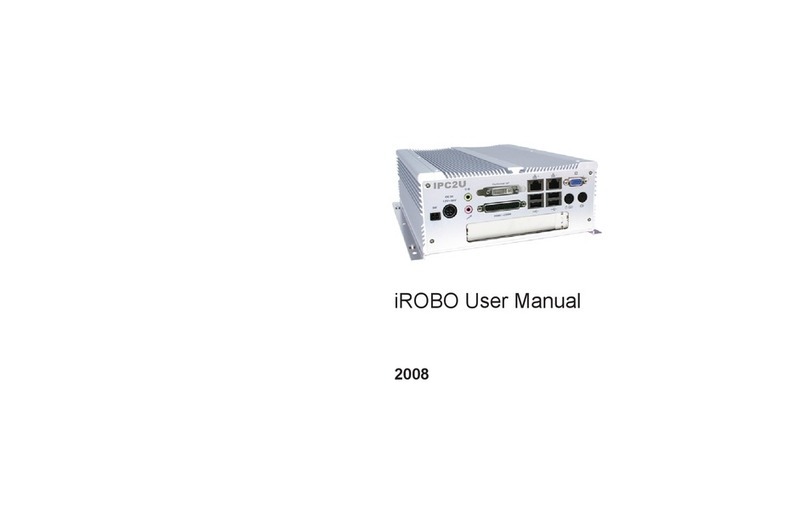
The TC-200 provides the fastest Thin Client performance on the market, It runs embedded Linux, swing
user interface, Citrix 6.3, Microsoft RDP 5.1 and XDMCP connections all at unparalleled speed, TC-200
is a Thin Client designed for use as a local workstation in Microsoft Windows, Citrix and UNIX / Linux
terminal server environments. Current user guide applies for TC-200 software version.
The TC-200 connects through a local area network (LAN) to a terminal server running Microsoft
Windows NT 4.0 Terminal Server Edition, Microsoft Windows 2000 Application Server, Windows 2003
Terminal Server or Citrix MetaFrame XP and WinFrame software.
Now you have the ability to add value and power to your IT infrastructure and at the same time deliver a
consistent computing environment through out your business.
Licenses Notice
TC-200 allows instant connection to Windows NT Terminal Edition, Windows 2000 server and Windows
2003 server using Remote Desktop Protocol service. Some software is licensed for use on a single
computer while other software may be licensed for single or multiple users. It is the responsibility of the
purchaser/user to read and comply with the licensing agreements of any software that may be used on
the RDP devices.
Terminal Service Client license may be required for each RDP device connected to Windows NT
Terminal server, Windows 2000 Server or Windows 2003 Server.

Hardware
TC-200 has
•x86 CPU at 200 MHz
•128Mb of SDRAM memory (8Mb dedicated for graphics controller)
•integrated accelerated 2D graphics controller
•32 MB of “Flash Disk” for storing embedded Linux image and settings
•10/100 BaseT Fast Ethernet connector
•PXE Boot ROM Agent
•2 PS/2 ports for PS2 Keyboard and Mouse
•USB ports for USB printer or storage device
•Headphone and microphone connectorsSVGA monitor port
•No moving parts
Additional Features:
•External power adapter
Physical Features:
•Modeling plastics housing
•Dimensions: 133 mm x 63 mm x 111 mm
•Weight: 850 g with power supply
•The best video resolution is 1024 X 768 pixels @ 85 Hz and 16 bit colors. At lower resolutions also the
true-color setting is possible.
•TC-200 is powered by an external, agency approved power supply and the total power consumption is
under 10 watts.
Software
TC-200 was designed using the embedded Linux operating system, customized to the TC-200 hardware and
operational requirements. The complete software image resides in 32 MB of on-board flash disk. The functions
included in the TC-200 software are:
•Client supporting Microsoft RDP 5.1 (enables audio and true color forwarding from/to server)
•Citrix ICA Client version 6.3
•XDMCP viewer (enables audio forwarding from server)
•VNC server and view Samba service
•Desktop Terminal Shell for managing connections (enables multiple simultaneous connections and
switching between them)
•Setup utilities (Control panels, flash programmer etc.) Linux base components and drivers
•The TC-200 is able to boot Linux from on-board Flash Disk, or even boot from Diskless node by
build-in PXE (Pre-Execution Environment) boot agent this way creative users can build a very custom
TC-200 device, which can do more than just be a dumb terminal.
When TC-200 is running, it automatically connects to the network and tries to get an IP-address using the
Dynamic Host Configuration Protocol (DHCP). If a DHCP server is not available on the network, TC-200 can be
configured to use a fixed IP address and associated network settings. These are supplied by the user and
configured via the TC-200 setup utility along with other environment setup.

1. Connection Manager
Connection manager is the utility where you create all your connections in TC-200. You can create multiple
connections in connection manager and use whichever one you want at any time. There are different types of
connection you can create such as RDP, ICA, VNC viewer or XDMCP.
To begin creating your connection you need to click on the configuration tab. Here you will find the button to
add, edit, delete and startup connections.
By pressing the “Startup” button you can select if the selected connection in the list will be the default one or if
it will be automatically started at terminal startup.
Under the terminal tab, you can switch between each connection. Each connection is running under individual
virtual terminal. By default, desktop is running under virtual terminal 1(vt1) listed below. Or you can switch
between each Virtual terminal using hot key.
For vt1, its hot-key is “Ctrl-Alt-F1 so, at any moment, you can switch back to desktop using this hot-key.
For each additional connection session, the hot-key will add on progressively. This means the next session will
be “Ctrl-Alt-F2 respectively and adds up.

Under the terminal tab, you can also end a virtual terminal simply be highlighting the session and click on the
“End” button.
1.1 Defining RDP Connection
In order to connect to your Windows Server, you must make sure your Windows server is enabled with
Terminal service and Terminal service licensing.
First, you must create a RDP 5.1 connection by clicking the add button under the configuration tab of the
Connection manager as shown below.
After you have click on the “Add” button, you will be asking with a pop-up dialog to select your connection type.
Please select RDP 5.1 to connect to a Windows Server.

Select the RDP connection and a dialog box will pop-up as shown below.
1.1.1 General Setting
Entry Item Description
Please enter a connection name for the RDP connection under the name entry box.
Example: “Server1”.
Name
Type in the IP address of the windows server in the computer entry box it could be IP
address or DNS name. You can also use the browse button to have automatically
located your Windows Terminal Server within a network.
Computer
You can type in your username here. This will eliminate keying username again
during Windows login
Username
You can type in your user password here. This will eliminate keying password during
Windows login.
Password
Domain You can type in your network domain name here.
1.1.2 Keyboard Setting
Once this is done you can proceed to the keyboard tab to select the appropriate keyboard for your connection
1.1.3 Sound Setting

Select sound enabled if you are using RDP 5.1 and connecting to a Windows 2003 Server. Windows NT TSE
and 2000 server do NOT support sound redirection.
1.1.4 Local Resource Setting
Local storage is only supported when connecting to a Windows 2003 Server such as USB CD-ROM, Pen
Driver devices.
By default, it is disabling when setting up a RDP connection.
To setup this support, you must enable Storage support under the device tab in the Terminal property shown
below.

Once this is enabled RDP 5.1 connection will be able to select local storage support when connecting to
Windows 2003 server.
For local printer thru LPT or COM port, you must also enable it in the Terminal client property shown above for
RDP connection to select it.
Enable each setting accordingly for your TC-200 to use local peripheral devices.
1.1.5 Program Setting
After you have specified your Windows server and local device support. Each connection can also be defined
to run a specific application from the server when connected.
This is especially helpful for POS or dedicated station where specific application is only needed to launch when
the unit is turned on.
By default, this feature is disabled during RDP setting.
1.1.6 Experience Setting

Depending on your network speed you can disable menu and windows animation to enhance the remote
desktop refresh rate.
By default, all options are enabled for best remote desktop experience.
Click “OK” to finish the RDP creation process. Now you are ready to connect to Windows
Server. Simply highlight the connection from the connection name list and click on “Connect”
button.
1.2 Defining Citrix ICA connection
Defining the Citrix ICA Client connection is similar to defining RDP connection.
After you have click on the “Add” button, you will be asking with a pop-up dialog to select your connection type.
Please select “Citrix ICA 6.3 client” to connect to a Windows Server.

Select the ICA connection and a dialog box will pop-up as shown below.
1.2.1 General Setting 1.2.2 Keyboard Setting
Entry Item Description
Please enter a connection name for the RDP connection under the name entry
box. Example: “Server1”.
Name
Type in the IP address of the windows server in the computer entry box it could be
IP address or DNS name. You can also use the browse button to have
automatically located your Windows Terminal Server within a network.
Computer
You can type in your username here. This will eliminate keying username again
during Windows login.
Username
You can type in your user password here. This will eliminate keying password
during Windows login.
Password
Domain You can type in your network domain name here.
Once this is done you can proceed to the keyboard tab to select the appropriate keyboard for your connection
Table of contents