manuals.online logo
Brands
  1. Home
  2. •
  3. Brands
  4. •
  5. Redifon
  6. •
  7. Dj Equipment
  8. •
  9. Redifon R499 User manual

Redifon R499 User manual

Popular Dj Equipment manuals by other brands

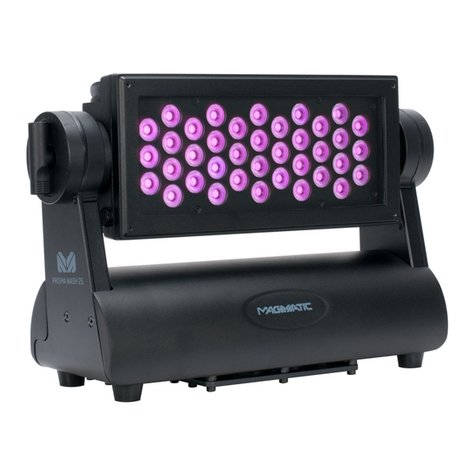
MAGMATIC Prisma Wash 25 user manual

MAGMATIC

MAGMATIC Prisma Wash 25 user manual

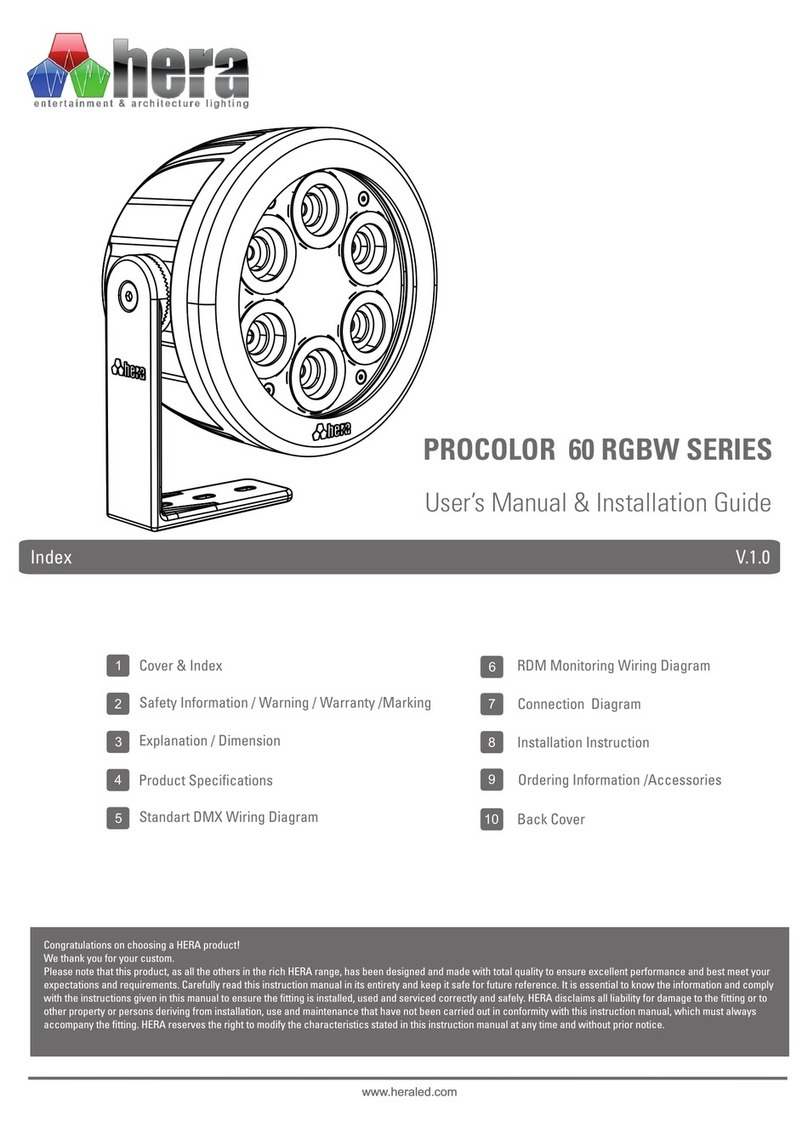
HERA PROCOLOR 60 RGBW SERIES User manual & installation guide

HERA

HERA PROCOLOR 60 RGBW SERIES User manual & installation guide

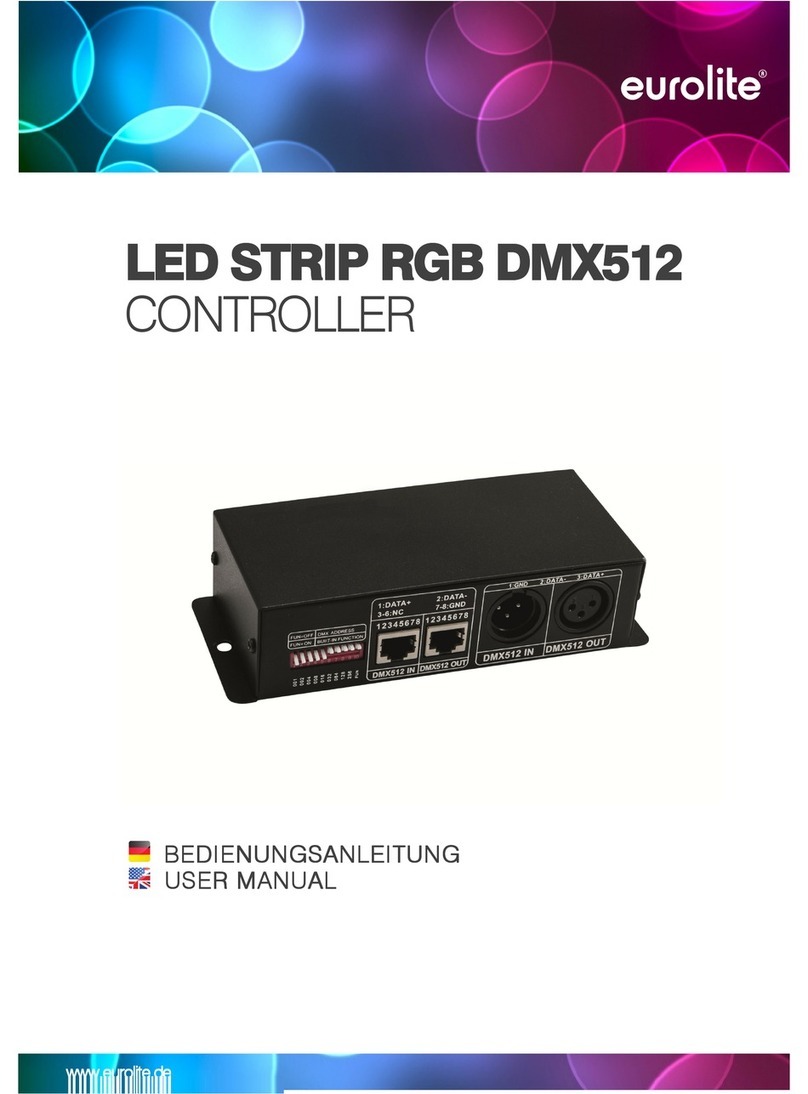
EuroLite LED TSL-600 SCAN COB user manual

EuroLite

EuroLite LED TSL-600 SCAN COB user manual

Ledj Slimline 12HEX12 user manual

Ledj

Ledj Slimline 12HEX12 user manual

Laserworld Garden GS-50RG Xmas manual

Laserworld

Laserworld Garden GS-50RG Xmas manual

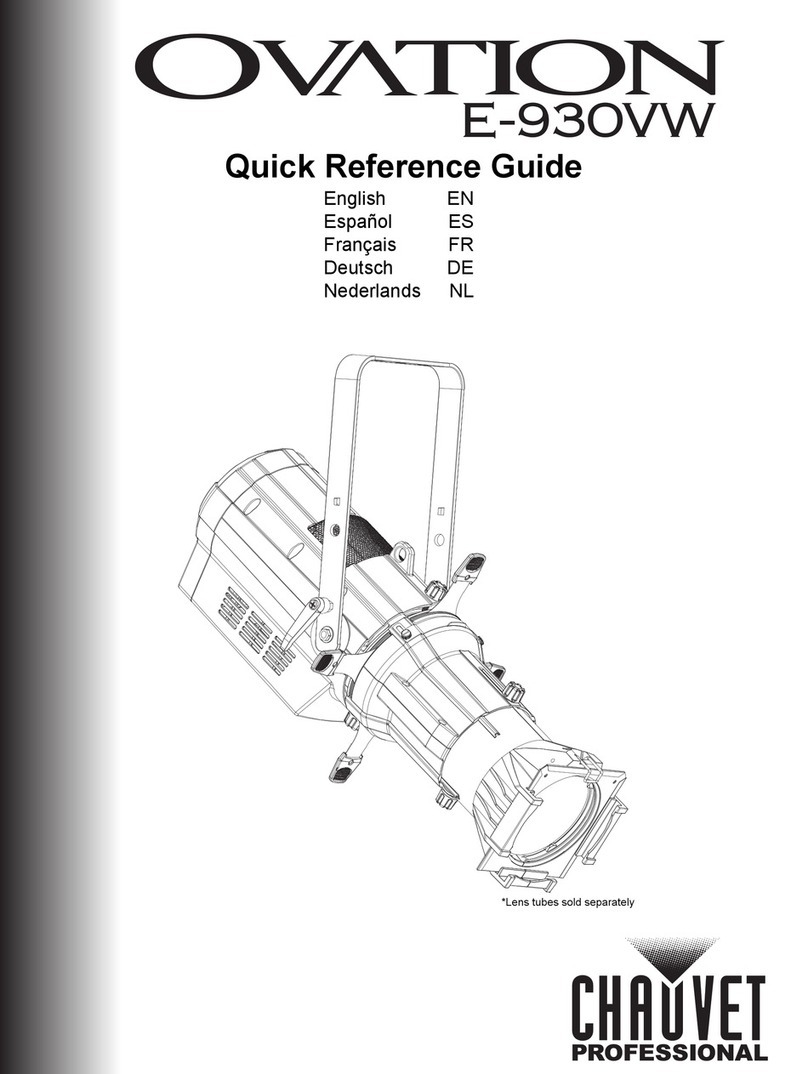
Chauvet OVATION E-930VW Quick reference guide

Chauvet

Chauvet OVATION E-930VW Quick reference guide

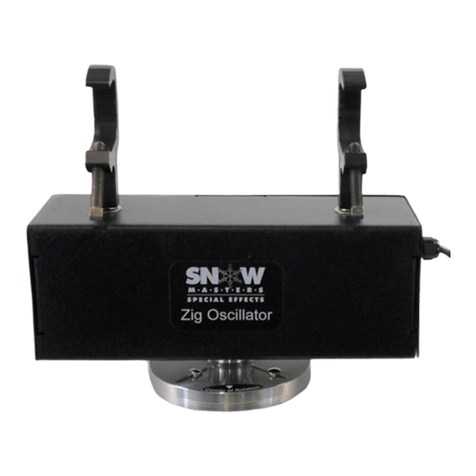
Snow Masters Zig Oscillator user manual

Snow Masters

Snow Masters Zig Oscillator user manual

EuroLite 50530554 user manual

EuroLite

EuroLite 50530554 user manual

Beamz BUV243 user manual

Beamz

Beamz BUV243 user manual

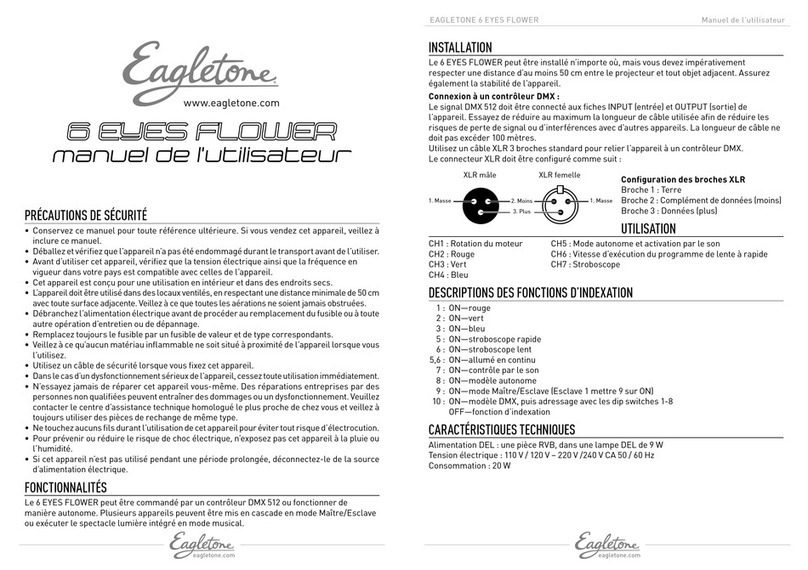
Eagletone 6 Eyes Flower user manual

Eagletone

Eagletone 6 Eyes Flower user manual

EuroLite FLD-1508 user manual

EuroLite

EuroLite FLD-1508 user manual

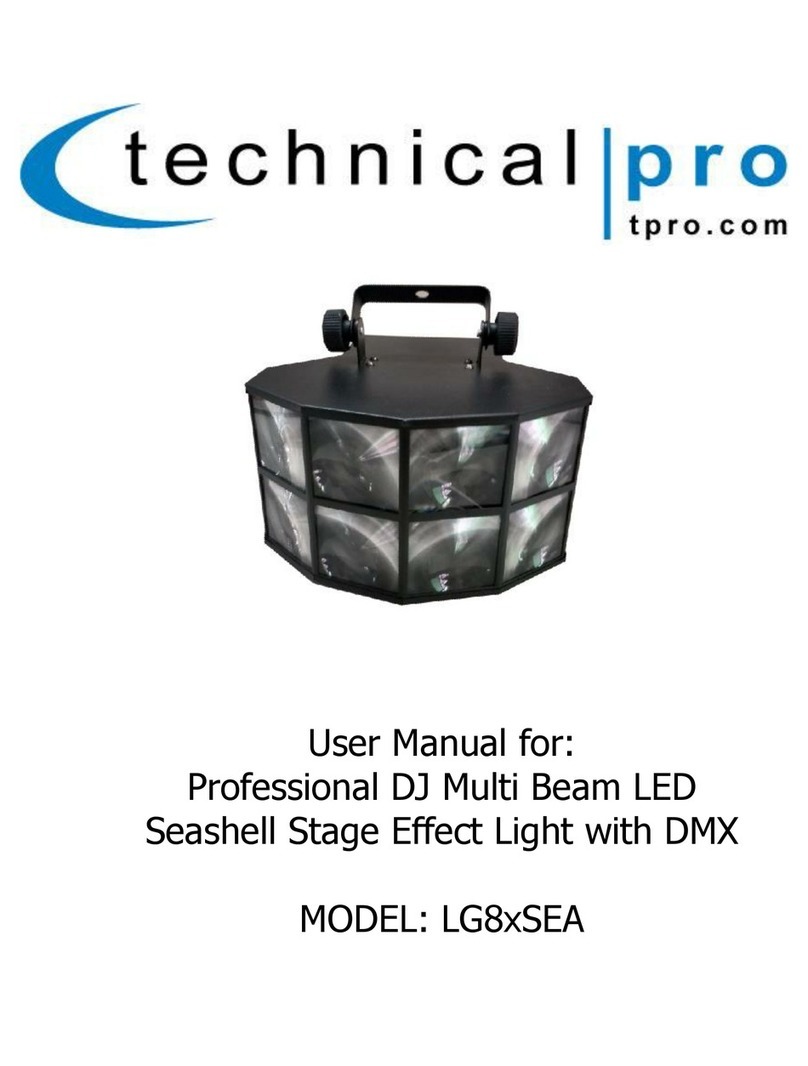
Technical Pro LG8xSEA user manual

Technical Pro

Technical Pro LG8xSEA user manual

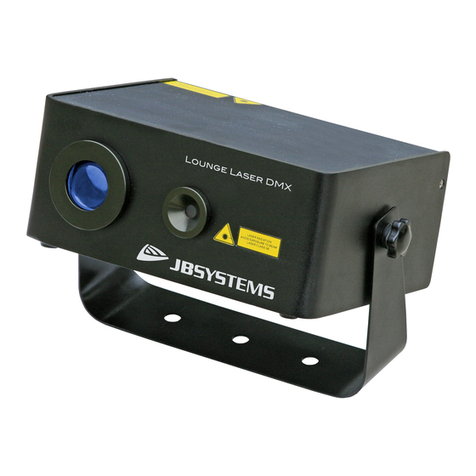
JB Systems Lounge Laser DMX Operation manual

JB Systems

JB Systems Lounge Laser DMX Operation manual

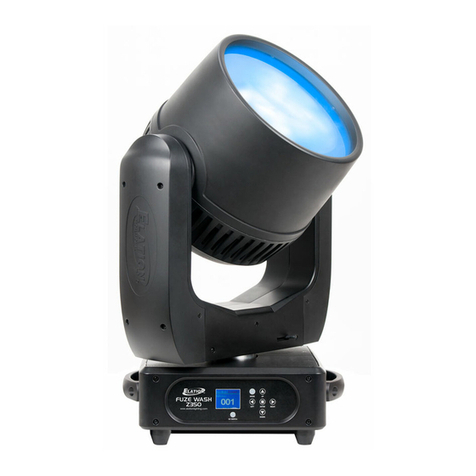
Elation FUZE WASH Z350 user manual

Elation

Elation FUZE WASH Z350 user manual

Maverick MK3 WASH Quick reference guide

Maverick

Maverick MK3 WASH Quick reference guide

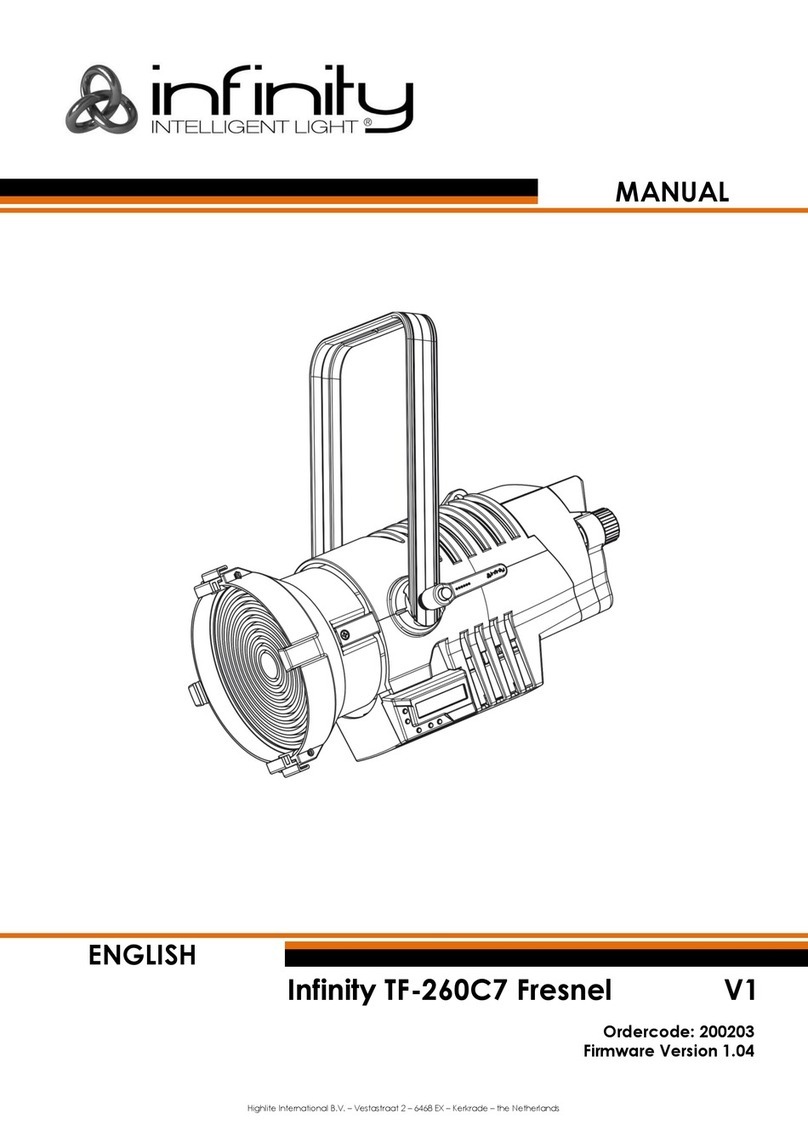
Infinity TF-260C7 Fresnel manual

Infinity

Infinity TF-260C7 Fresnel manual

Chauvet EVE E-50Z Quick reference guide

Chauvet

Chauvet EVE E-50Z Quick reference guide

Eliminator Lighting E 138 manual

Eliminator Lighting

Eliminator Lighting E 138 manual

manuals.online logo
manuals.online logoBrands
  • About & Mission
  • Contact us
  • Privacy Policy
  • Terms and Conditions

Copyright 2025 Manuals.Online. All Rights Reserved.

I
J
J
1
j
887-1
CONTENTS
1 INTRODUCTION AND SPECIFICATION
2 INSTALLATION
3 SYSTEM DESCRIPTION
4 SELECTION
OF
OPTIONS
5 OPERATING INSTRUCTIONS
6 CIRCUIT DESCRIPTION
OF
RECEIVER
7 CIRCUIT DESCRIPTION
OF
REMOTE CONTROL SYSTEM
8 FAULT FINDING
9 REALIGNMENT
10 ILLUSTRATIONS
11
COMPONENT
LISTS
1
I
I
I
I
I
I
I
I
-I
I
887-1
1 INTRODUCTION AND SPECIFICATION
Fig.
1.1
R499A RECEIVER
GENERAL
FREQUENCY COVERAGE
RECEPTION MODES
AGC
IF AND
AF
GAIN
SQUELCH
OPTIMUM
CONTROL SETTINGS
ADDITIONAL FACILITIES
SPECIFICATION
1-0
-I
I
I
I
I
I -
-I
I
-l
I
-I
I
-l
Fig.
1.1
R499A RECEIVER
887-1
1 INTRODUCTION AND SPECIFICATION
GENERAL
This handbook
describes:-
(1) the standard R499A receiver and the remote
control system (comprising motor switching unit
and RC116A control unit)
(2) the ISB version
of
the receiver (designated
R499/ISB) and remote control system (comprising
motor
switching unit and RC116/ISB control unit)
The ISB version
of
the receiver is intended for use
with the ARUIOA ISB Adaptor which
is
described in a
separate handbook entitled ISB
ADAPTOR
Type
ARUIOA.
The R499A
is
a solid state receiver designed for a
variety
of
applications in point-to-point communications.
It
is
especially adaptable to the requirements
of
individual
systems. The receiver employs single frequency conversion
and a nominal
IF
of
1.4
MHz,
with
an
AM detector and
a separate product detector for reception
of
SSB
signals.
The basic version
is
for
SSB
service,
but
by appropriate
specification
of
optional filters and BFO as internal
sub-units, full
CW
and DSB modes
of
reception are
possible. When used in conjunction with the type
ARUIOA ISB Adaptor unit, the receiver can
be
used for
the reception
of
ISB transmissions.
FREQUENCY COVERAGE
The basic frequency coverage
is
1.5
MHzto
30
MHz,
but filters can be fitted to give additional coverage
of
the
255
kHz to
525
kHz
band. Pre-aligned
HF
filter sets are
available for fitting after the receiver has been installed,
if
desired.
RECEPTION
MODES
Crystal filters are fitted according to the services
required, and are available for CW, SSB, DSB and ISB
modes
of
operation. The CW filter
is
optional for all
versions
of
the R499, as
is
also the BFO module.
The
CW filter and two other filters can be fitted.
By
suitable choice
of
local oscillator crystals, to
translate the wanted signal to
an
IF
signal within the
3 kHz passband
of
the
SSB
filter, and by selecting the
frequency
of
the re-insertion oscillator (two frequencies
are available, selected as required by the Channel switch),
the
SSB
filter may be used for the reception
of
the modes
of
transmission detailed in the specification.
For
optimum reception
of
AI however, use
of
the
CW filter with a 200 Hz bandwidth,
is
recommended.
For
A3, optimum performance
is
achieved by use
of
the
DSB filter which has a
~
kHz bandwidth.
AGC
Comprehensive distributed
AGC
is
employed with
different decay and attack times for various modes
of
operation. The full decay time
is
dependent
upon
accumulation
of
signal for
200
msec
or
more, which pre-
vents short bursts
of
noise from paralysing the receiver.
887-l
The decay time is automatically selected by a front-panel
Service switch,
but
an
additional switch enables the decay
time-constant to be divided by three, and
is
of
use during
rapid fading. The
AGC
can be switched off when
not
required.
Two
AGC
systems are incorporated. One
is
operated
by the output from the
RF
amplifier and controls an
attenuator
at
the front end. The other is fed from
the
last
IF
stage and
is
applied in sequence over three
IF
stages, as well as supplementing the front-end
AGC
action. Thus the aerial circuit is capable
of
withstanding
an
input
of
30V e.m.f. from a
50
ohm
source.
IF
AND AF GAIN
In
addition to selecting the bandwidth and
AGC
constants appropriate to the required service, the Service
switch also adjusts
IF
and
AF
gain so
that:
(1) All services give virtually the same
AF
output
level
(provided only
that
the signal is above
AGC
threshold).
(2) Any signal which
is
large enough to provide approxi-
mately
14
dB signal-to-noise ratio also provides full
AF
output
e.g. for a given signal-to-noise ratio, a
much
smaller signal
is
required in
CW
mode
than
in, for
example,
AM
mode; this
is
because
of
the narrower
bandwidth
of
CW
filters. Thus, the
IF
gain
is
increased
for
CW
reception so
that
a small
CW
signal can be heard.
SQUELCH
A squelch system
is
incorporated. To guard against
incorrect setting
of
the squelch control and consequent
loss
of
wanted signals, the squelch does not completely
cut off all output,
but
reduces it by approximately 30 dB
so as to keep the audio noise
output
below annoyance
level. This serves as an indication
that
the receiver is still
operative and allows wanted signals to be heard even
if
the squelch has been set
at
too
high a level.
OPTIMUM
CONTROL
SETTINGS
To assist operators unfamiliar with the receiver,
typical
or
normal settings
of
controls are indicated by
red spots. Once the controls are set to the indicated
positions, relatively
few
adjustments to the controls need
be
made.
As
a built-in check, the Service switch
has
a
TEST setting
at
which an
output
from the carrier rein-
sertion oscillator
is
injected into the first
IF
stage. Correct
operation
of
the IF stages
at
this setting
is
indicated
by
a
'test' reading
on
the front panel S-meter.
ADDITIONAL FACILITIES
For
ISB reception, the ARUIOA Adaptor
is
em-
ployed. One sideband filter
is
fitted in the R499A and the
other in the ARUlOA. Sideband filters for this purpose
are available with bandwidths
of
2.75kHz
or
5.75 kHz.
The R499A and the ARUlOA have separate
AGC
sys-
tems and line outputs with associated level adjustments.
In
addition, each unit has its own meter for monitoring
of
incoming signals and line levels. The internal loud-
speaker in the R499A can be switched to monitor the
output
from either unit. ·
1-1

The R499A accepts sidetone, aerial muting and AGC
desensitising inputs from an associated transmitter, with
provision for 'listening through'.
A remote control system type RC116A
is
available for
use
with the R499A. Remote facilities include channel
selection, service and on-off switching,
fine
tuning,
AF
monitoring (by loudspeaker or headset) and channel-in-
use
indication.
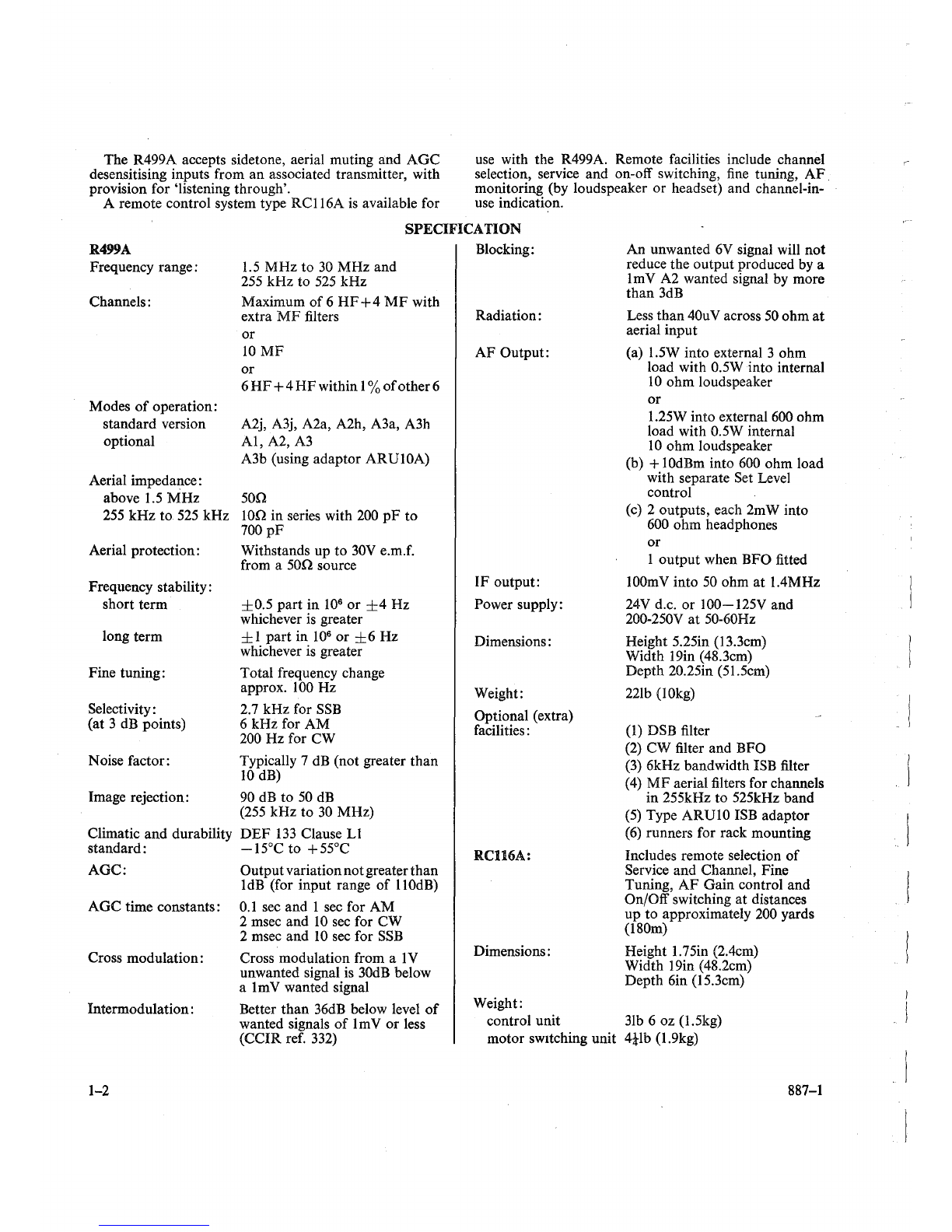
SPECIFICATION
R499A Blocking: An unwanted
6V
signal will not
Frequency range:
1.5
MHz to
30
MHz and reduce the output produced
by
a
255
kHz to
525
kHz lmV
A2
wanted signal by more
Channels: Maximum
of
6
HF
+4
MF
with than
3dB
extra
MF
filters Radiation: Less than 40uV across
50
ohm
at
or aerial input
10
MF
AF Output: (a)
1.5W
into external 3 ohm
or load with 0.5W into internal
6
HF
+ 4
HF
within 1%
of
other6
10
ohm loudspeaker
Modes
of
operation: or
1.25W into external
600
ohm
standard version A2j, A3j, A2a, A2h, A3a, A3h load with 0.5W internal
optional
AI,
A2,
A3
10
ohm loudspeaker
A3b (using adaptor ARU10A) (b) + 10dBm into
600
ohm load
Aerial impedance: with separate Set Level
above
1.5
MHz
500
control
255
kHz to
525
kHz
100
in series with
200
pF
to
(c)
2 outputs, each 2mW into
700
pF
600
ohm headphones
Aerial protection: Withstands up to
30V
e.m.f. or
from a
500
source 1 output when BFO fitted
Frequency stability: IF output:
IOOmV
into
50
ohm at 1.4MHz
short term
±0.5
part in
10
6 or
±4
Hz Power supply:
24V
d.c. or
100-125V
and
whichever
is
greater 200-250V at 50-60Hz
long term
±I
part
in
10
6
or
±6Hz
Dimensions: Height 5.25in (13.3cm)
whichever
is
greater Width 19in (48.3cm)
Fine tuning: Total frequency change Depth 20.25in (51.5cm)
approx.
100
Hz Weight: 22lb (lOkg)
Selectivity:
2.7
kHz for
SSB
Optional (extra)
(at 3
dB
points)
6kHz
for AM facilities: (1) DSB filter
200Hz
for CW (2) CW filter and BFO
Noise factor: Typically 7
dB
(not greater than
(3)
6kHz bandwidth ISB filter
10
dB)
(4)
MF
aerial filters for channels
Image rejection:
90
dB
to
50
dB
in 255kHz to 525kHz band
(255
kHz to
30
MHz)
(5)
Type ARUIO
ISB
adaptor
Climatic and durability
DEF
133
Clause
L1
(6)
runners for rack mounting
standard:
-l5°C
to +55°C RC116A: Includes remote selection
of
AGC: Outputvariationnotgreaterthan Service and Channel, Fine
ldB (for input range
of
110dB) Tuning,
AF
Gain control and
AGC time constants:
0.1
sec
and 1
sec
for AM On/Off switching at distances
2 msec and
10
sec
for CW up to approximately
200
yards
2 msec and
10
sec
for
SSB
(180m)
Cross modulation: Cross modulation from a 1V Dimensions: Height 1.75in (2.4cm)
unwanted signal
is
30dB below Width 19in (48.2cm)
a lmV wanted signal Depth 6in (15.3cm)
Intermodulation: Better than
36dB
below level
of
Weight:
wanted signals
of
1m
V or less control unit 3lb 6 oz (1.5kg)
(CCIR ref.
332)
motor switching unit
4tlb
(1.9kg)
1-2 887-1
- t
887-1
2 INSTALLATION
UNPACKING
INSPECTION
OF
EQUIPMENT
MOUNTING
OF
EQUIPMENT
PLUG AND SOCKET CONNECTIONS
EARTHING ARRANGEMENTS
POWER SUPPLIES
INTERCONNECTIONS
Receiver (only)
Receiver+ISB Adaptor
Receiver+ISB Adaptor+Remote Control
Syste~J~
Table
2.1
Inter-unit Connections
Table
2.2
18-core Cable, maximum circuit resistance
Table
2.3
18-core Cable, conductor coding
CHECKS BEFORE OPERATION
Receiver (only)
Receiver+ISB Adaptor
Receiver+ISB
Adaptor+
Remote Control System
2-0
l
l
l
!