manuals.online logo
Brands
  1. Home
  2. •
  3. Brands
  4. •
  5. Applied Logic Engineering
  6. •
  7. Adapter
  8. •
  9. Applied Logic Engineering GH1 User manual

Applied Logic Engineering GH1 User manual

This manual suits for next models

2

Other Applied Logic Engineering Adapter manuals

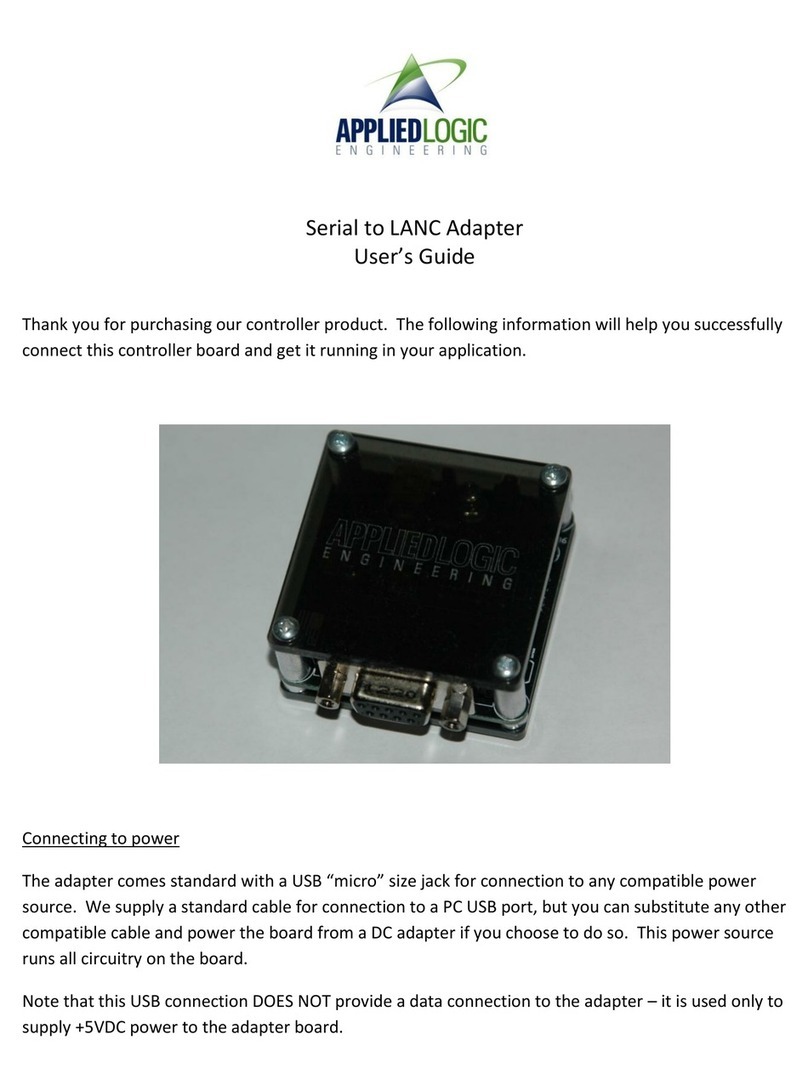
Applied Logic Engineering Serial to LANC Adapter User manual

Applied Logic Engineering

Applied Logic Engineering Serial to LANC Adapter User manual

Popular Adapter manuals by other brands

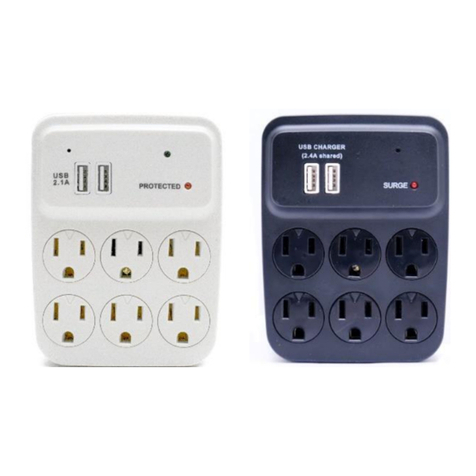
Mini Gadgets BB2Outlet user manual

Mini Gadgets

Mini Gadgets BB2Outlet user manual

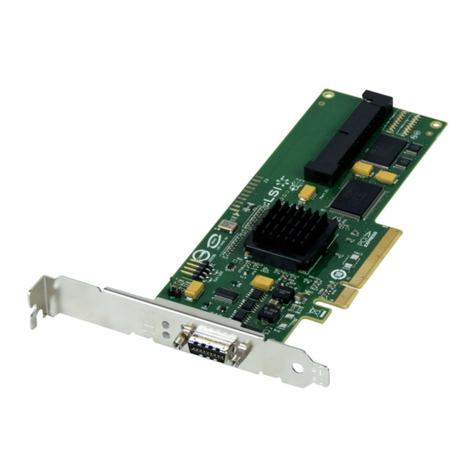
LSI LSISAS3442E-R Quick installation guide

LSI

LSI LSISAS3442E-R Quick installation guide

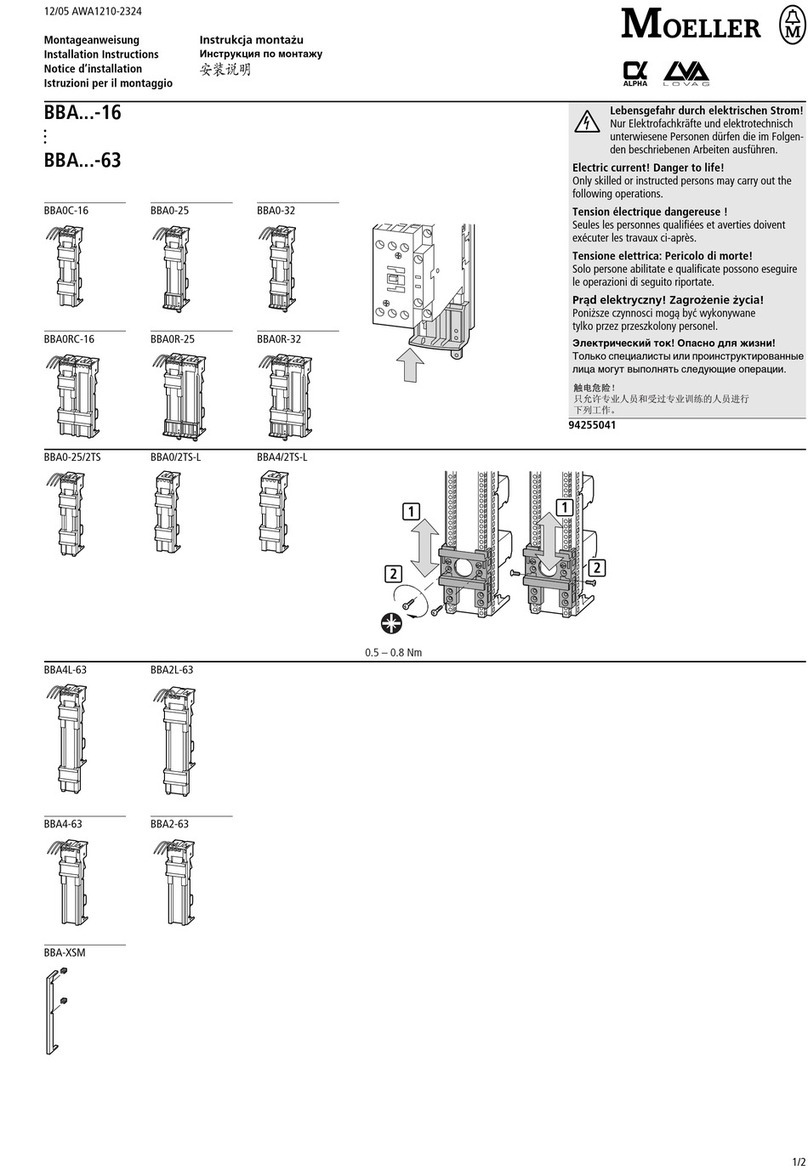
Moeller BBA -16 Series installation instructions

Moeller

Moeller BBA -16 Series installation instructions

Acer MWA3 quick start guide

Acer

Acer MWA3 quick start guide

Connect Tech ADG095 user guide

Connect Tech

Connect Tech ADG095 user guide

cable matters 604002 user manual

cable matters

cable matters 604002 user manual

Solwise PL-85PEW Easy start

Solwise

Solwise PL-85PEW Easy start

HP Photosmart 7100 user guide

HP

HP Photosmart 7100 user guide

HP E2494A installation guide

HP

HP E2494A installation guide

StarTech.com USB150WN1X1 quick start guide

StarTech.com

StarTech.com USB150WN1X1 quick start guide

Lindy 43198 user manual

Lindy

Lindy 43198 user manual

A&D AD-8527 instruction manual

A&D

A&D AD-8527 instruction manual

Motorola WU830G user guide

Motorola

Motorola WU830G user guide

Hawking HUF2 Specifications

Hawking

Hawking HUF2 Specifications

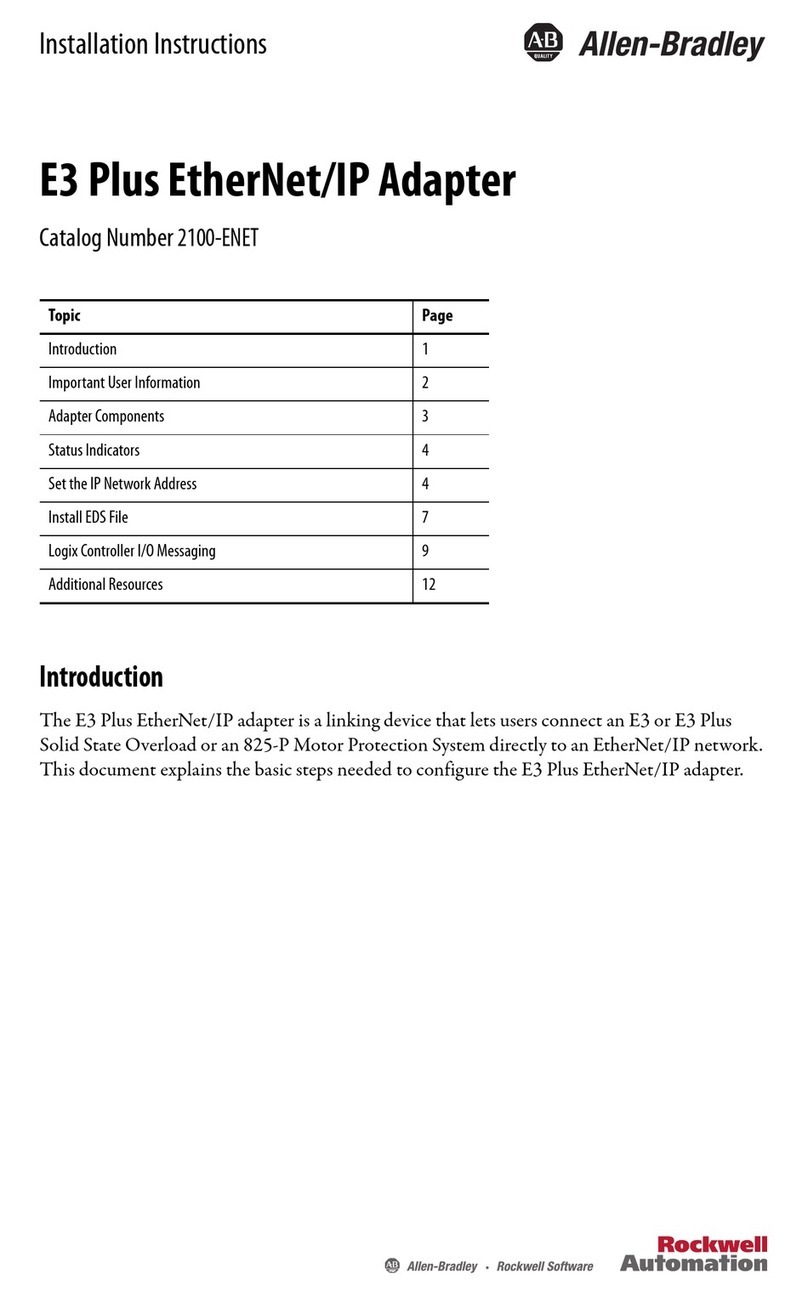
Allen-Bradley E3 Plus installation instructions

Allen-Bradley

Allen-Bradley E3 Plus installation instructions

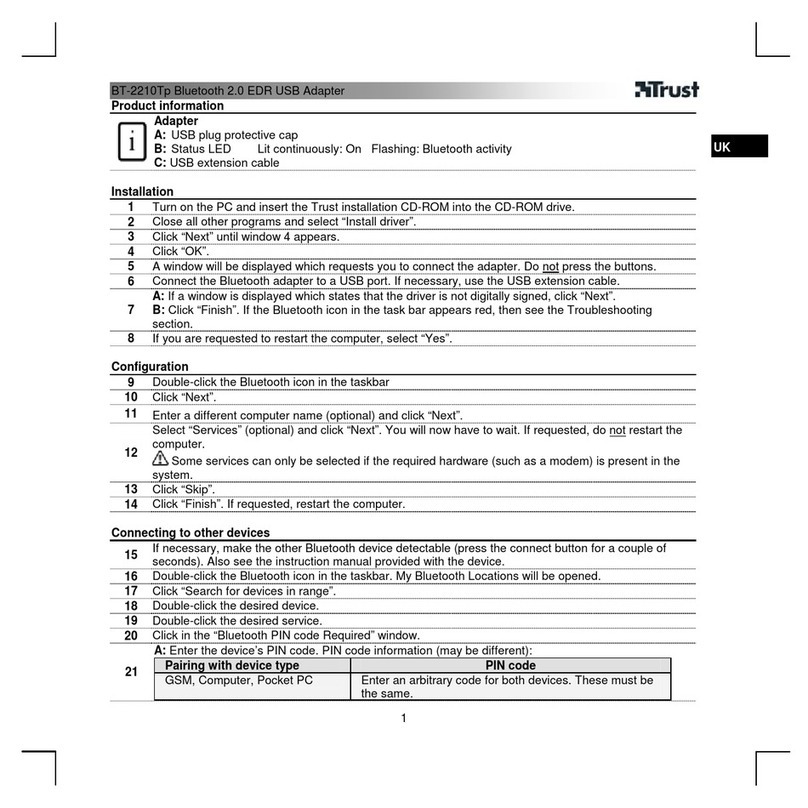
Trust BT-2210Tp manual

Trust

Trust BT-2210Tp manual

HP NC7170 overview

HP

HP NC7170 overview

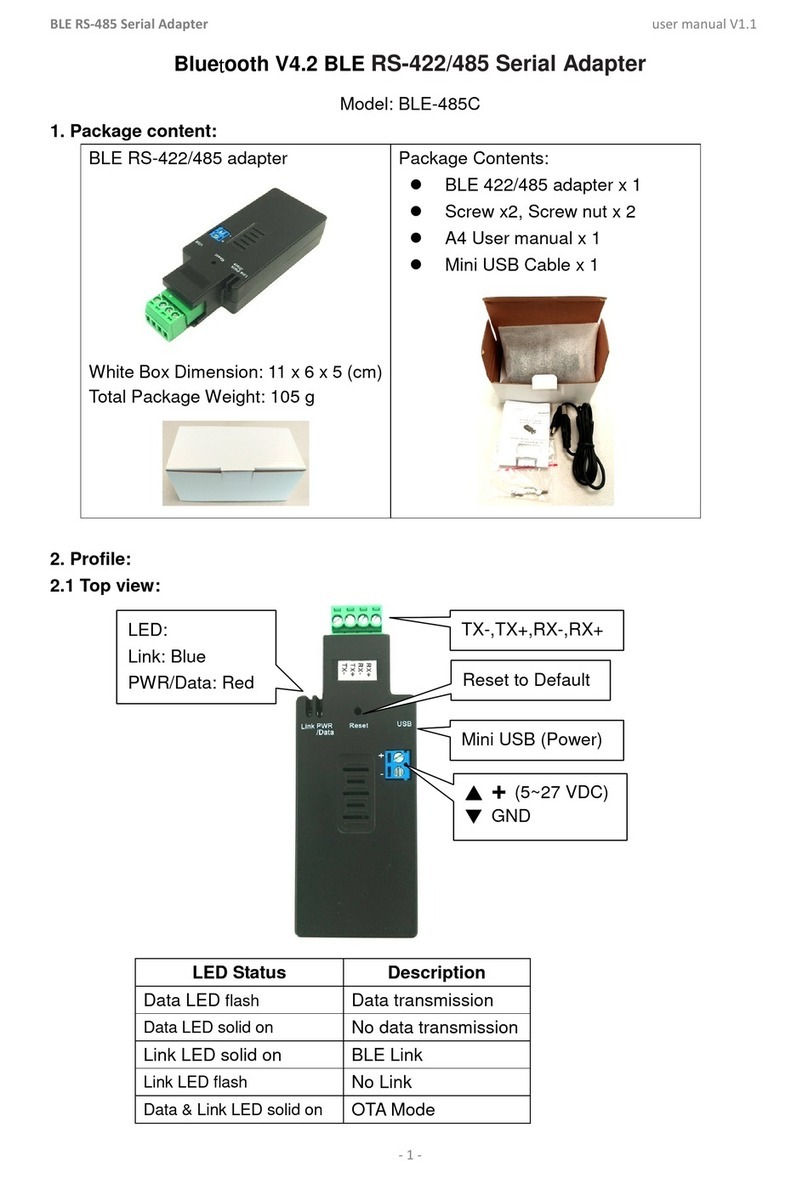
Uconnect BLE-485C user manual

Uconnect

Uconnect BLE-485C user manual

manuals.online logo
manuals.online logoBrands
  • About & Mission
  • Contact us
  • Privacy Policy
  • Terms and Conditions

Copyright 2025 Manuals.Online. All Rights Reserved.

GH1/GH2/GH3 Dual Camera Controller Adapter
User’s Guide
Thank you for purchasing our controller product. The following information will help you successfully
connect this controller board to your cameras and get it running in your application.
Overview.
This controller board allows the user to simultaneously control two Panasonic Lumix GH1/GH2/GH3
cameras. The user can simply press the on-board buttons to control the cameras connected to the
board. In addition, the controller contains a time lapse feature to allow unattended recording on a
specific time schedule.
Page 2
Using the Controller in Embedded Applications
Setting Up
Using the required cables, connect the controller board to the cameras that are to be controlled. The
controller requires three separate connections for each camera –Power Control, Remote Control, and
Video Input. These connections are described below:
Power Control to Cameras
This jack should be connected to each camera’s DC power supply. The controller board simultaneously
controls the power to both cameras when the Power Control button is pressed on the controller board.
Two separate cables are required to connect both cameras. The “block” end goes into the battery
compartment on the GH1 and the “plug” end plugs into the right or left power output jack on the
controller board.
Page 3
Remote Control to Cameras
This jack should be connected to each camera’s remote control jack. This connection is used to
simultaneously control the focus and shutter functions in the both cameras connected to the controller.
Two cables are required –one for each camera.
Page 4
Video In from Cameras
The Video In jack is connected to the composite video output on each camera. This allows the controller
to monitor and display the difference in the video sync signals between the two cameras connected.
The black plug end connects to the camera’s composite video out connection. On the other end of the
cable, connect the yellow plug to the video in jack on the controller board. Two cables are required for
connection of both cameras.
Connecting to External Power
The controller board comes with a power adapter cable that connects to the camera’s DC power supply
to the controller board. Plug this cable into the camera’s power adapter and then into the controller
board in the Board Power In.
Optional : Connecting to buttons mounted off the controller board
To facilitate a wide range of board mounting options, we have includes a header on the board that can
be used to connect remote momentary button switches mounted off the controller board for camera
control. This allows the user to optimally position these control buttons (Power, Focus, Shutter) in the
product housing, enclosure, or other type of case being configured.

Page 5
The button header is located in the lower right hand edge of the controller board (see the photo on
page 1) and is designated as:
POWER FOCUS SHUTTER GND
Pin 1 Pin 2 Pin 3 Pin 4
To connect to this header, solder a wire from the function desired (i.e. POWER) to a momentary contact
switch. The solder the other side of the switch to the GND pin on the header. Repeat the process for
any or all of the function pins.
Pressing the switch will activate the desired function in the same way that the button mounted to the
board works.
Page 6
Power On and Initial Display
Before powering the controller board on, make sure that the cameras being controlled are connected
via the necessary cables and that the DC power source is also properly connected to the controller
board.
Power is applied to the board by sliding the Power switch down (see below):
When power is applied to the controller board, the LCD will display something similar to the following:
Power On/Off Switch
Page 7
On the top line of the LCD, the video sync disparity between the two cameras is displayed. This is the
amount of time (in microseconds) between the video sync signals that are being monitored by the
controller board. If the LCD is showing Disparity: ----- , make sure you press the POWER button to turn
the cameras on. Also, it may be that one or both of the cameras are not properly configured to output
its video sync signal. This can be corrected by pressing and holding the “trashcan” icon button on each
camera for >5 seconds, which commands the camera to output the video signal.
On the second line of the LCD, the time lapse function status is shown.
Also on the second line of the display, the current voltage level of the DC input is displayed. This is
useful information if you are powering the controller board and cameras from a battery supply.
Page 8
Operating the Function Buttons
Pressing the function buttons on the controller board will simultaneously send the designated command
to the cameras connected to the controller.
The buttons on the board are defined as follows:
Power
When the cameras are properly connected and the board is powered on, pressing the Power button will
simultaneously turn power on to both cameras. If the cameras are on when this button is pressed, the
controller will simultaneously turn power off to both cameras.
Focus
When the Focus button is pressed, the controller will simultaneously activate the autofocus function on
both cameras.
Shutter
When the Shutter button is pressed, the shutter function is activated on both cameras simultaneously.
This will either cause a photo to be taken or for a video to be recorded, depending on the configuration
of the camera.
Page 9
Time Lapse Operation
The GH1 controller board can be used perform time lapse photography in an unattended mode.
Setting the time lapse interval
To set the time lapse interval (the amount of time between photos), press the RIGHT cursor control
button (on the left side of the controller board). The LCD will then display:
On the bottom line of the LCD, the controller will display the time lapse interval in seconds. Press the
RIGHT cursor button until you position the cursor over the time value digits. Each digit can be increased
(by pressing the UP cursor button) or decreased (by pressing the DOWN cursor button). For example,
the display above shows a 10 second time lapse interval.
Activating the time lapse function
To activate the time lapse function, press the left or right cursor keys to position the cursor to the left of
the ON indication on the LCD. Press the ENTER cursor key (the center key) to activate the time lapse
function. The LCD will then display an asterisk (*) to the left of the ON indicator.
Page 10
Monitoring the Time Lapse function
After activating the time lapse function, press the LEFT cursor key to return to the main display on the
LCD.
While the time lapse operation is active, the LCD will display the count down time (in seconds) until the
shutter will trigger (see below):
[]
When the time counts down to zero, the controller board will trigger the shutter on both cameras. It
will also restart the time lapse interval and the process will repeat. This continues until the controller is
either powered off or the time lapse function is manually deactivated (see below).
Disabling the Time Lapse function
To disable the time lapse function, press the LEFT cursor key to display the time lapse function. Position
the cursor to the left of the OFF indicator and press the ENTER cursor key (see below):