Diffusion Dryer Model 250
The Diffusion Dryer Components
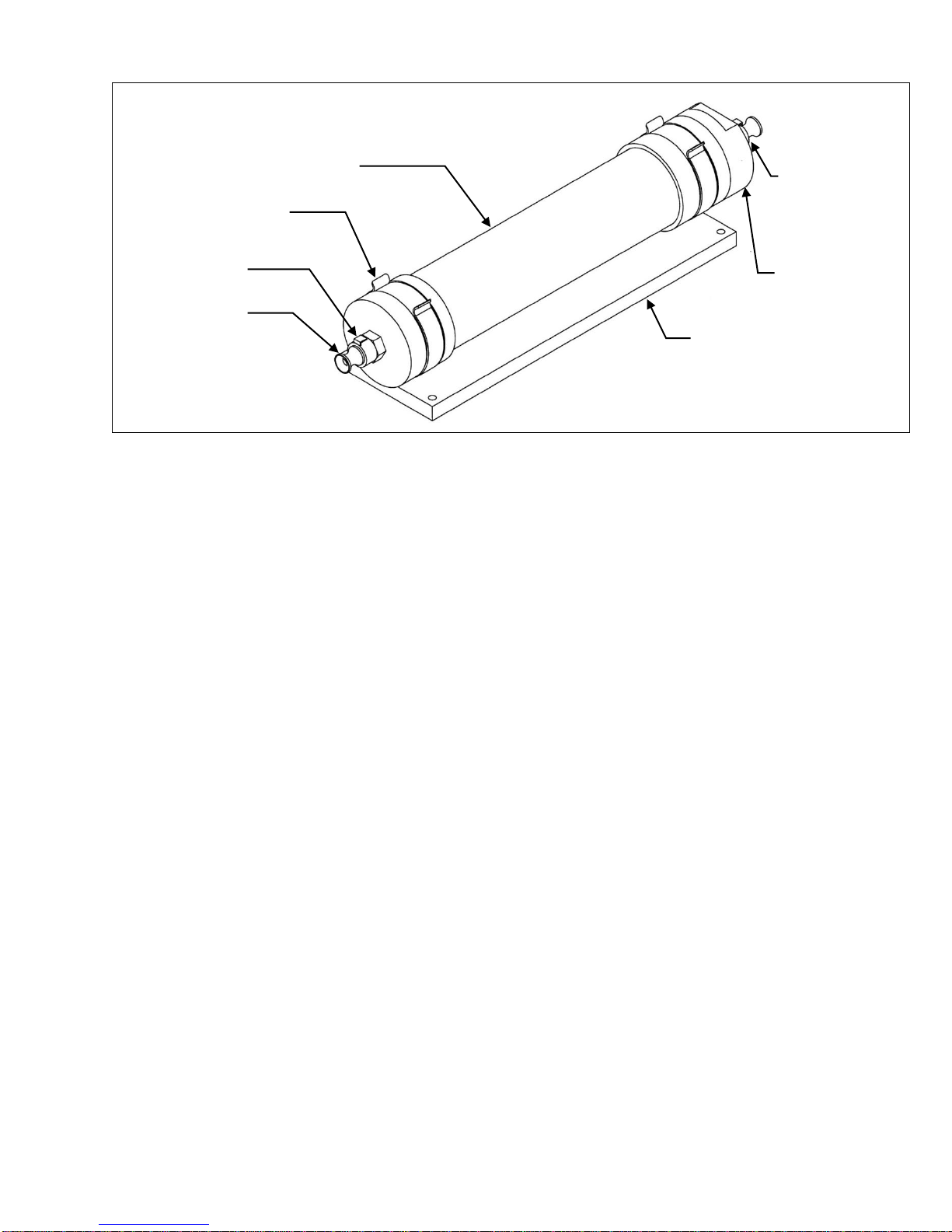
Inlet and Outlet Connectors
The inlet and outlet connectors are CPCquick coupling
connectors with 1/8” nominal flow path. A matching set of quick
coupling insert is provided that connect to ¼” ID tubing. A set of
sealing plugs is also provided to prevent moisture from entering
the dryer while not in use.
Desiccant Dryer
The Diffusion Dryer is a general-purpose aerosol dryer consisting
of a Plexiglas cylinder terminated by two Delrin® end caps. The
inlet end cap has a removable cover allowing the desiccant
cartridge to be easily replaced.
The silica gel in the desiccant cartridge maintains a dry
atmosphere within the dryer. Passing the aerosol through this
tube dries the aerosol particles without substantial particle loss.
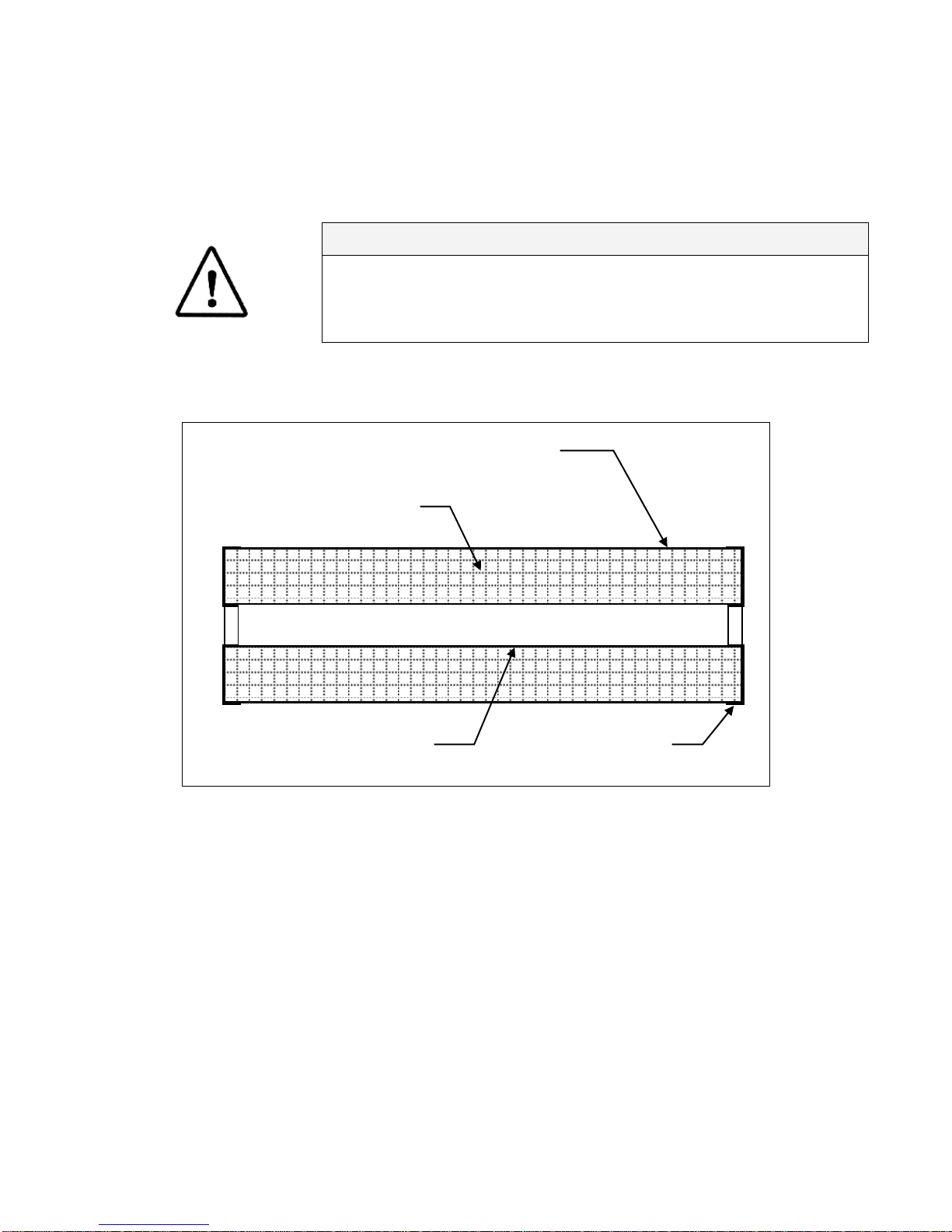
The silica gel cartridge
The desiccant cartridge is made of two perforated end caps
joined together by two wire mesh cylinders. The inner cylinder is
made of very fine wire mesh screen allowing moisture to diffuse in
the silica. The outer cylinder is made of a much larger wire mesh
screen allowing the user to view the silica gel while still retaining it
inside the cartridge. The annular space between the two wire
mesh and the end caps is filled with yellow silica gel. This silica
gel turns from a yellow color when dry to a dark green color when
fully saturated.
Why not use regular blue indicating silica gel?
ATI is taking the safety of its customer very seriously. Standard
blue indicating silica gel contains Cobalt Chloride in small
concentrations (0.5 to 1.0% by weight). As of July 1, 2000, British
Chemical Regulations have required that indicating silica gel be
labeled and disposed of as a hazardous material. While cobalt
chloride has not yet been listed on any U.S.-based hazardous
materials registries, its change in status suggests that this
material should be treated with the same level of protection as is
required elsewhere. Cobalt is a skin and respiratory system
sensitizer. The cancer status varies on Material Safety Data
Sheet (MSDS) reports provided by manufacturers and suppliers
from “no reports” to “Cobalt and its compounds have been shown
to cause cancer in laboratory animals.” The threshold limit value
(TLV) is 0.01 mg/m3