GRT Avionics, Inc. April 2021
3 INSTALLATION
Installation consists of the followin steps:
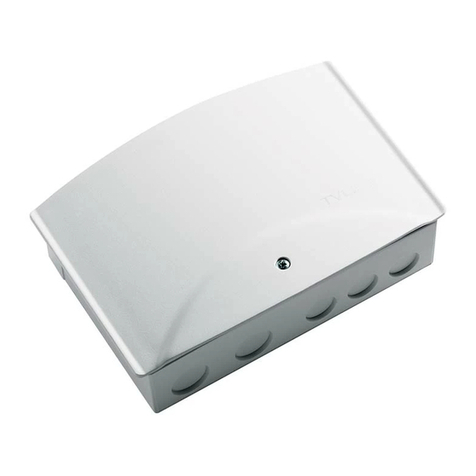
Mount the Receiver
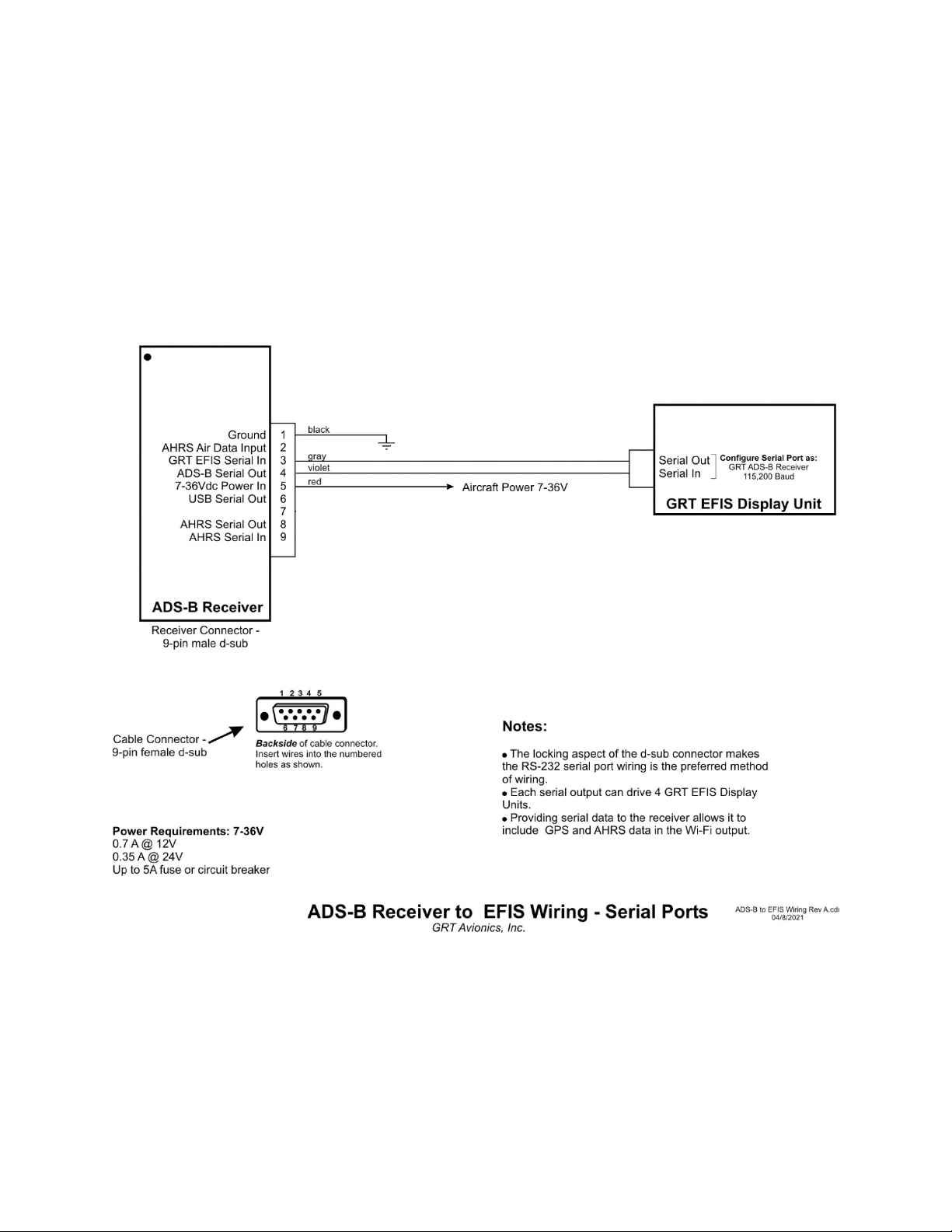
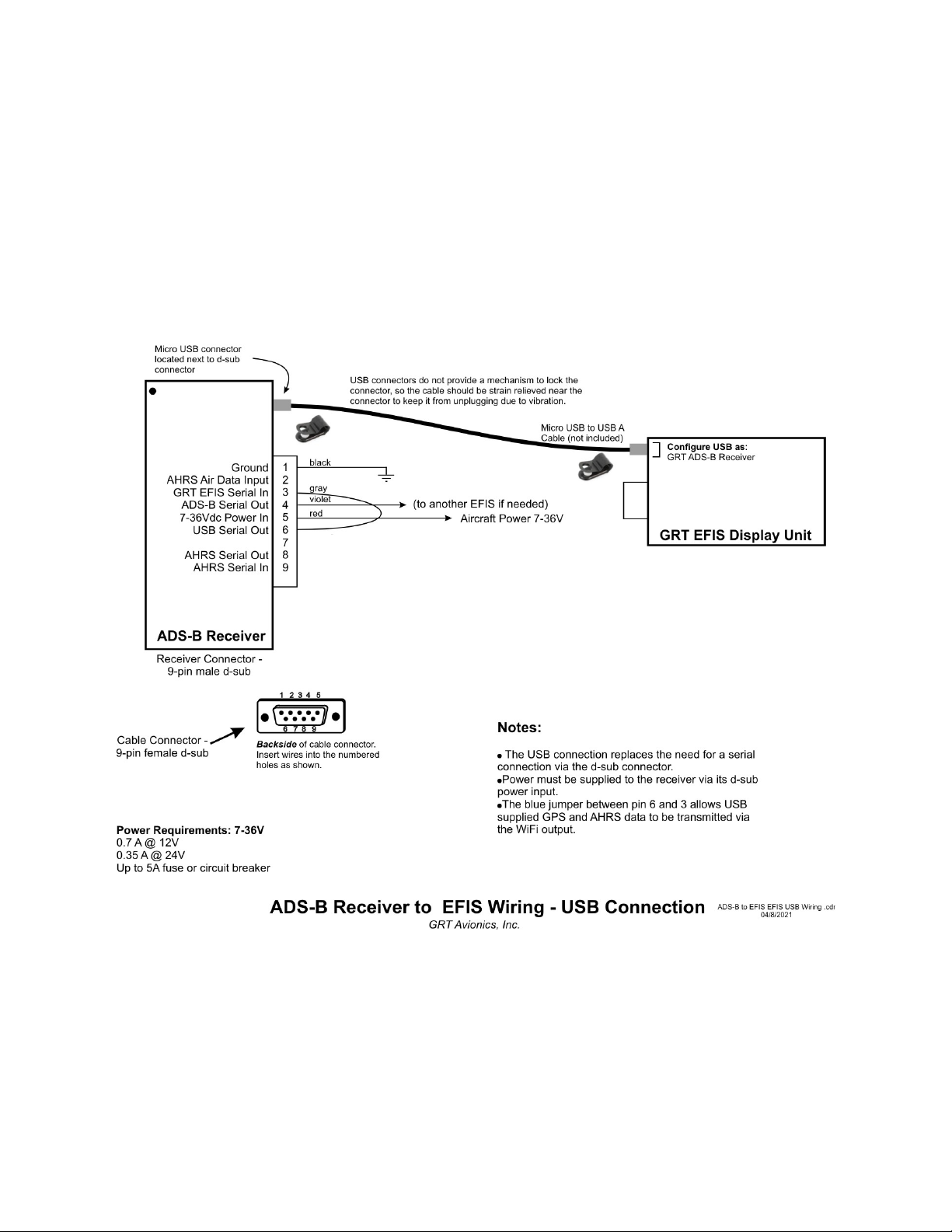
Connect Power and Data Wirin
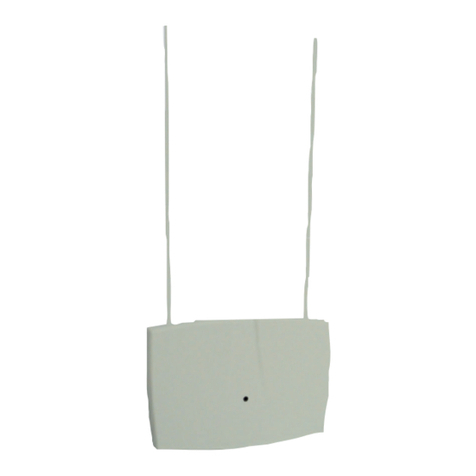
Install and Wire the Antenna
Confi ure the EFIS and Apps to Use the Data
The location of the antenna often dictates the location of the receiver.
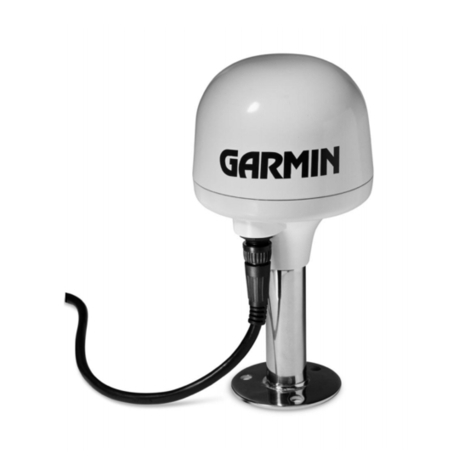
3.1 Choosin an Antenna Location
The main considerations for the location of the antenna are:
3’ away from the transponder, ADS-B OUT (if equipped), and VHF communication
antennae.
6’ away from other transmittin antennae, such as DME.
Preferably within 6’ of the receiver location (this can be extended to 12’ or more
by supplyin your own RG-58 coax cable).
Mountin the antenna on the bottom side of the airplane reduces the probability
of water intrusion.
A round plane is required. For an aluminum airplane, the skin of the airplane
functions as a round plane. For a composite (or tube and fabric) airplane, a
round plane should be incorporated. The round plane can be a sheet of
aluminum, at least 5” in width and len th. The thickness of the aluminum is not
important. Increasin the size of the round plane, up to 25” on each side,
improves the sensitivity of the receiver. Minimal improvement can be expected
beyond this size. The antenna should mount throu h the round plane, so that
its mountin hardware makes electrical connection with the round plane.
The antenna must be mounted vertically.
The antenna must be mounted away from major protrusions, such as en ine
nacelles, landin ear le s, etc.
Typically, the transponder and its antenna are located near the front of the airplane (to
minimize the cable len th between the two). In order to achieve the 3’ spacin required,
it is common to locate the ADS-B receiver antenna aft of the transponder antenna, on
Discovery ADS-B Receiver User Manual 5 Rev. A