Dual XGPS170 ADS-B Receiver Supplement GRT Avionics
Dual-6 Revision A
Section 2: Installation & Wiring
2.1 Suggested Connections
USB only. Serial is not supported by Dual XGPS170. See Section 1 of this manual, Data Port and
Hardware Requirements, for more information.
NOTE: Even though the Dual XGPS170 can communicate via Bluetooth, the EFIS can only
communicate with it through USB. The EFIS Bluetooth currently only uses the GRT REMOTE app
for Android.
Using Android & Apple Tablets
The Dual XGPS170 can communicate via Bluetooth to two tablets of either the Apple or Android
operating system. It has a switch that allows transmission of either Apple or Android Bluetooth
protocol. NOTE: Most Android tablets can only be paired to one Bluetooth device at a time;
therefore, if the Android tablet is used for the GRT REMOTE app, it will not be able to simultaneously
communicate with the XGPS170.
The XGPS170 displays ADS-B information on tablets running Electronic Flight Bag (EFB) apps such
as WingX Pro7, Avare, Naviator, FlightPro, and AOPA FlyQ. See www.gps.dualav.com or the XGPS170
user manual for more information.
2.2 Mechanical Installation
Placement of the Receiver
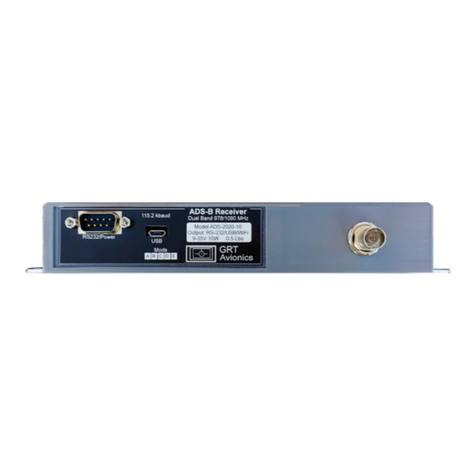
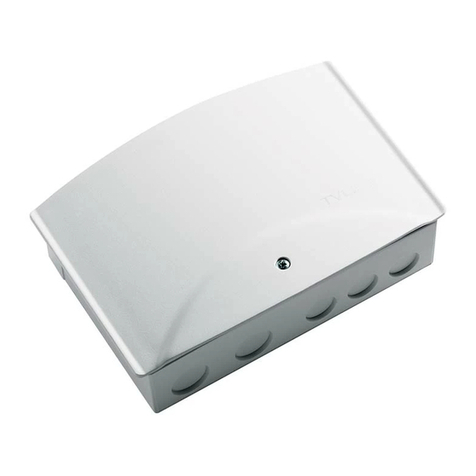
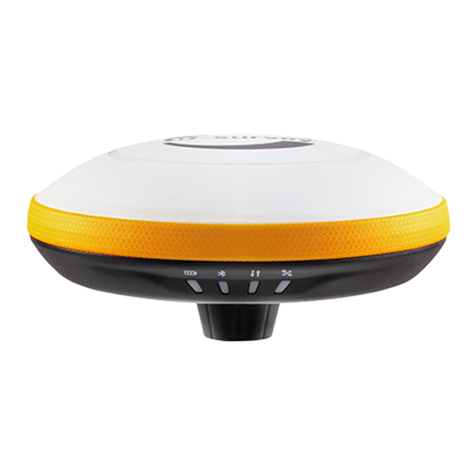
The receiver should be installed within view of the sky. It is designed to be placed on top of the
instrument panel, but it can be mounted to a bracket in the baggage compartment or other area
behind the firewall that is not covered by metal.
Receiver GPS Antenna
The XGPS170 has an internal WAAS GPS receiver for locating its own position. Place the unit in a
location that has a clear view of the sky at all times.
Placement of the USB Hub
The USB hub is usually mounted near the instrument panel and avionics bus for convenient
connection to the aircraft’s electrical system and GRT display unit. A USB cable is then run from
the hub to the Dual unit, which requres a mini-USB connector.
Placement of External Antennas
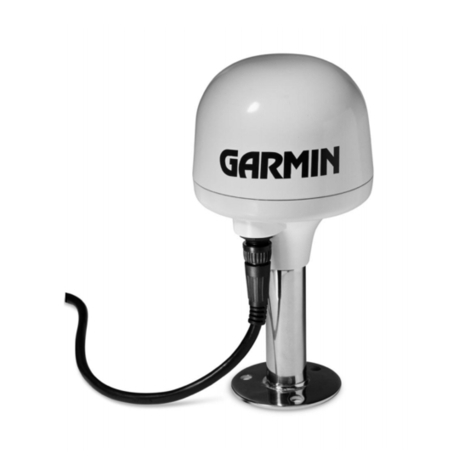
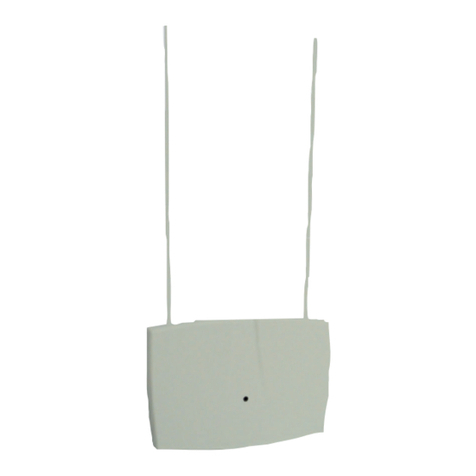
External transponder-type antenna should ideally be at least 4 feet from the dedicated transponder
antenna, but not on multiples of 4 feet (due to wavelength). Place on the bottom of the aircraft
for the best angle to receive ADS-B ground signals.