manuals.online logo
Brands
  1. Home
  2. •
  3. Brands
  4. •
  5. Hotpoint
  6. •
  7. Dishwasher
  8. •
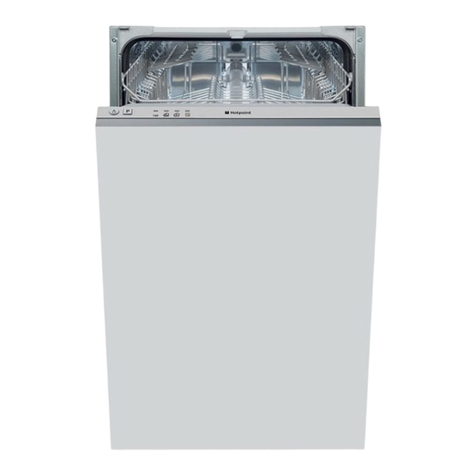
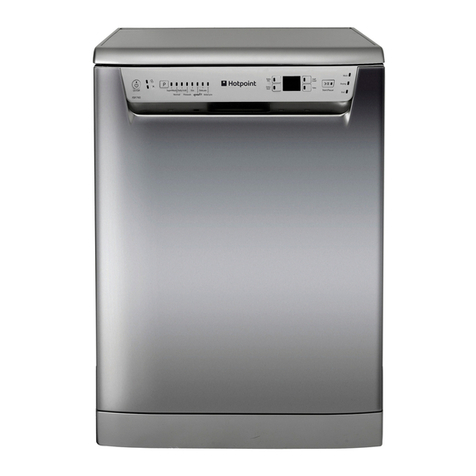
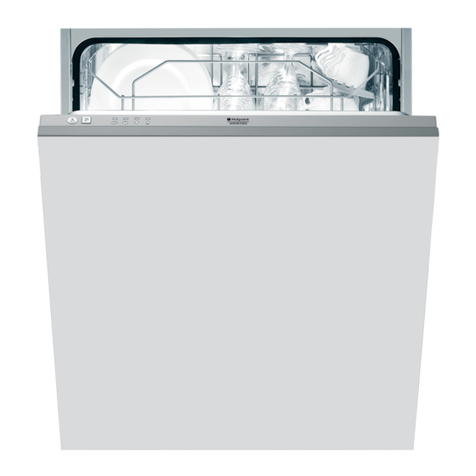
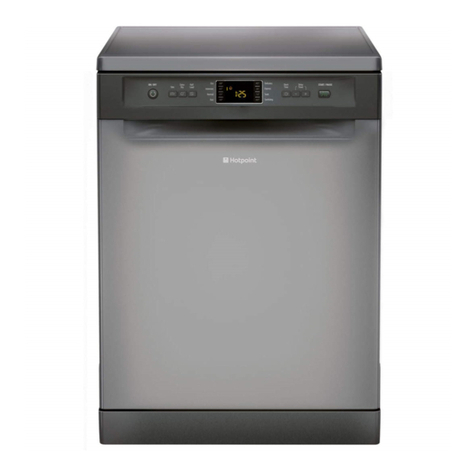
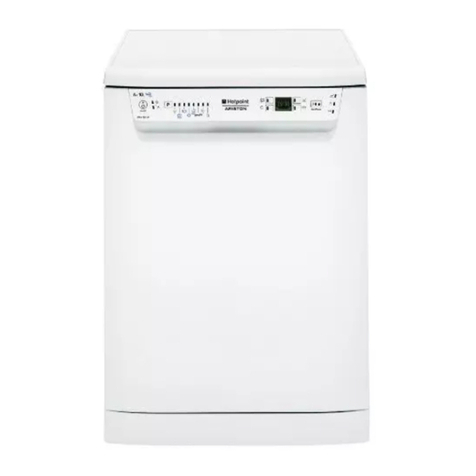
  9. Hotpoint FDW 70 User manual

Hotpoint FDW 70 User manual

Other manuals for FDW 70

1

This manual suits for next models

1

Other Hotpoint Dishwasher manuals

Hotpoint LFFA++ 8H14 User manual

Hotpoint

Hotpoint LFFA++ 8H14 User manual

Hotpoint HDA2000FBB Service manual

Hotpoint

Hotpoint HDA2000FBB Service manual

Hotpoint HDA3700G Manual

Hotpoint

Hotpoint HDA3700G Manual

Hotpoint LSFA+ 935 User manual

Hotpoint

Hotpoint LSFA+ 935 User manual

Hotpoint FDYF 11011 STYLE User manual

Hotpoint

Hotpoint FDYF 11011 STYLE User manual

Hotpoint HDA850G Installation instructions

Hotpoint

Hotpoint HDA850G Installation instructions

Hotpoint DC 28 User manual

Hotpoint

Hotpoint DC 28 User manual

Hotpoint LFF 8314E User manual

Hotpoint

Hotpoint LFF 8314E User manual

Hotpoint LSTB 6M19 User manual

Hotpoint

Hotpoint LSTB 6M19 User manual

Hotpoint HSM 507G Specification sheet

Hotpoint

Hotpoint HSM 507G Specification sheet

Hotpoint Ultima SDW80 User manual

Hotpoint

Hotpoint Ultima SDW80 User manual

Hotpoint HDA3520 User manual

Hotpoint

Hotpoint HDA3520 User manual

Hotpoint LTF 11M113 7 User manual

Hotpoint

Hotpoint LTF 11M113 7 User manual

Hotpoint FDFSM 31011 Smart Tech User manual

Hotpoint

Hotpoint FDFSM 31011 Smart Tech User manual

Hotpoint HDA130S Installation instructions

Hotpoint

Hotpoint HDA130S Installation instructions

Hotpoint HDA400 Installation instructions

Hotpoint

Hotpoint HDA400 Installation instructions

Hotpoint BF41 User manual

Hotpoint

Hotpoint BF41 User manual

Hotpoint HDA787K Installation instructions

Hotpoint

Hotpoint HDA787K Installation instructions

Hotpoint LFT 2284 User manual

Hotpoint

Hotpoint LFT 2284 User manual

Hotpoint 7850 User manual

Hotpoint

Hotpoint 7850 User manual

Hotpoint LTB 4M116 User manual

Hotpoint

Hotpoint LTB 4M116 User manual

Hotpoint LFF 8M113 7 User manual

Hotpoint

Hotpoint LFF 8M113 7 User manual

Hotpoint LFK 7M121 User manual

Hotpoint

Hotpoint LFK 7M121 User manual

Hotpoint Aquarius FDW20 User manual

Hotpoint

Hotpoint Aquarius FDW20 User manual

Popular Dishwasher manuals by other brands

Electrolux ESI5211LOX user manual

Electrolux

Electrolux ESI5211LOX user manual

KitchenAid KUDB230B Use and care guide

KitchenAid

KitchenAid KUDB230B Use and care guide

Brandt BDJ424DB instruction manual

Brandt

Brandt BDJ424DB instruction manual

Asko DSD767UXXL.AU user manual

Asko

Asko DSD767UXXL.AU user manual

Beko DFN26210W instruction manual

Beko

Beko DFN26210W instruction manual

NEFF S153ITX00E INFORMATION FOR USE

NEFF

NEFF S153ITX00E INFORMATION FOR USE

Midea SV 4.45 wi manual

Midea

Midea SV 4.45 wi manual

LG LDF7932 Specifications

LG

LG LDF7932 Specifications

Gorenje GV63214 instruction manual

Gorenje

Gorenje GV63214 instruction manual

Blomberg LDFN2240W instruction manual

Blomberg

Blomberg LDFN2240W instruction manual

AEG FFB83836PM user manual

AEG

AEG FFB83836PM user manual

Cylinda DM3220RFD user manual

Cylinda

Cylinda DM3220RFD user manual

Atag DW8214MB manual

Atag

Atag DW8214MB manual

GE GLD8000 Series owner's manual

GE

GE GLD8000 Series owner's manual

Siemens SN23HI02KE INFORMATION FOR USE

Siemens

Siemens SN23HI02KE INFORMATION FOR USE

Omega ODW717X instruction manual

Omega

Omega ODW717X instruction manual

BORETTI BVW-683 operating instructions

BORETTI

BORETTI BVW-683 operating instructions

Siemens SN 56N591 operating instructions

Siemens

Siemens SN 56N591 operating instructions

manuals.online logo
manuals.online logoBrands
  • About & Mission
  • Contact us
  • Privacy Policy
  • Terms and Conditions

Copyright 2025 Manuals.Online. All Rights Reserved.

Instruction booklet
DISHWASHER
English, 1
Contents
Installation, 2-6
Positioning and levelling
Technical data
Electrical connection
Connecting the water supply
To install in fully-fitted kitchens
Description of the appliance, 7
Overall view
Control panel
Loading the racks, 8
Lower rack
Cutlery basket
Upper rack
Start-up and use, 9
Starting the dishwasher
Loading the detergent
Washing options
Wash cycles, 10
Wash cycle table
Rinse aid and refined salt, 11
Loading the rinse aid
Loading the refined salt
Care and maintenance, 12
Shutting off the water and electricity supplies
Cleaning the dishwasher
Preventing unpleasant odours
Cleaning the sprayer arms
Cleaning the filters
Leaving the machine unused for extended periods
Precautions and advice, 13-14
General safety
Disposal
Saving energy and respecting the environment
Troubleshooting, 15
Information for Test Labs, 16
After Sales Service, 17
After Sales Service
Essential Contact Information
Parts and Accessories
Appliance Registration
Hotpoint Guarantee, 18
FDW 70
FDW 75
EN EN
2
EN
Positioning and levelling
1. Remove the appliance from all packaging and
check that it has not been damaged during
transportation.
If it has been damaged, contact the retailer and do not
proceed any further with the installation process.
2. Check the dishwasher by placing it so that its sides
or back panel are in contact with the adjacent
cabinets or even with the wall. This appliance can also
be recessed under a single worktop (
see the
Assembly instruction sheet
).
3. Position the dishwasher on a level and sturdy floor. If
the floor is uneven, the front feet of the appliance may
be adjusted until it reaches a horizontal position (the
angle of inclination must not exceed 2 degrees). If the
appliance is levelled correctly, it will be more stable
and much less likely to move or cause vibrations and
noise while it is operating.
!Keep this instruction manual in a safe place for
future reference. If the appliance is sold, given away
or moved, please ensure the manual is kept with the
machine, so that the new owner may benefit from the
advice contained within it.
!Please read this instruction manual carefully: it
contains important information regarding the safe
installation, use and maintenance of the appliance.
!If the appliance must be moved at any time, keep it
in an upright position; if absolutely necessary, it may
be tilted onto its back.
Connecting the water outlet hose
Connect the outlet hose
(without bending it) to a
drain duct with a minimum
diameter of 4 cm.
Alternatively, rest it over a
sink or tub; the free end of
the hose should not
remain immersed in water.
The special plastic elbow*
makes it easier to find the best layout: fix the elbow to
the wall securely in order to prevent the outlet hose
from moving and spilling the dirty water.
The part of the hose marked with the letter A should
be between 40 and 100 cm above the ground (
see
figure
).
!We advise against the use of hose extensions.
A
Advice regarding the first wash cycle
After the appliance has been installed, immediately
before running the first wash cycle, completely fill the
salt dispenser with water and add approximately 2 kg
of salt (
see Rinse aid and refined salt
). The water may
overflow: this is normal and is not a cause for
concern. It is also normal that the LOW SALT*
indicator light continues to flash for a few cycles after
the salt has been loaded.
* Only available in selected models.
7HFKQLFDOGDWD
'LPHQVLRQV width 60 cm
height 85 cm
depth 60 cm
&DSDFLW\ 12 standard place-settings
:DWHUVXSSO\
SUHVVXUH 30 KPa ÷ 1 MPa (0,3 ÷ 10 bar)
3RZHUVXSSO\
YROWDJH See appliance data plate
7RWDO
DEVRUEHG
SRZHU See appliance data plate
)XVH See appliance data plate
This dishwasher conforms to
the following European
Community Directives:
-73/23/EEC dated 19/02/73
(Low Voltage) and subsequent
modifications
-89/336/EEC dated 03/05/89
(Electromagnetic Compatibility)
and subsequent modifications)
-97/17/EC (Labelling)
- 2002/96/EC(WEEE)
Installation
3
EN
!The dishwasher meets the requirements set out by
the regulations in force concerning safety and
electrical equipment.
!Any technical checks should be conducted
exclusively by a trained and authorised technician:
Repairs carried out by unaithorised persons will
invalidate the guarantee, as well as posing a potential
hazard to the user.
!The manufacturer declines all responsibility for
damage to persons or property resulting from failure to
observe the above precautions, from tampering with
even a single component or from the use of non-
original spare parts.
Electrical Connection
Before inserting the plug into the electrical socket,
make sure that:
• the socket is earthed and complies with current
regulations;
• the socket can withstand the maximum load of the
appliance, which is indicated on the data plate
located on the inside of the door (
see Description
of the appliance
);
• the power supply voltage falls within the values
indicated on the data plate on the inside of the
door;
• the socket is compatible with the plug of the
appliance. If this is not the case, ask an authorised
technician to replace the plug (
see Assistance
); do
not use extension cables or multiple sockets.
!Once the appliance has been installed, the power
supply cable and the electrical socket should be
easily accessible.
!The cable should not be bent or compressed.
!The cable should be checked regularly and replaced
by authorised technicians only (
see Assistance
).
This appliance must be earthed.
Fuses:your appliance comes fitted with a plug and a
13A fuse. If you need to replace the fuse, only those
rated at 13A and ASTA approved to BS1362 should be
used. If you lose the fuse cover, a replacement may
be obtained from your local authorised Service Centre
or Electrical company. Correct replacement is
identified by colour coding or the marking on base of
plug.
!DO NOT use the plug unless the fuse cover is fitted.
Changing the Plug
Cut off and dispose of the supplied plug if it does not
fit your socket.
!To avoid a shock hazard DO NOT insert the
discarded plug into a socket anywhere else.
!Wires in the mains lead are coloured accordance
with the following code:
Green/Yellow - Earth
Blue - Neutral
Brown - Live
If you change the plug, the colour of the wires in the
mains lead may not correspond with the terminal
markings in the plug, which if not coloured, could be:
EARTH ‘E’ or
NEUTRAL ‘N’
LIVE ‘L’
Changing the Mains Lead
A lead can be ordered from Hotpoint Service
UK: 08709 066 066 or
Republic of Ireland: 1850 302 220
- If you have damaged the existing lead or require a
longer one a charge will be made. It is strongly
advised that this work is carried out by a qualified
electrician.
- If the domestic wiring includes a residual current-
operated circuit breaker, ensure that it conforms to the
latest regulations.
!The dishwasher must not be connected to the
electricity supply while installation is being carried out.
- This appliance should only be connected to a 230/
240V AC source, via a properly installed earthed
socket.
- Use the dishwasher solely in a domestic
environment.
- DO NOT stand or place heavy objects on the door
when it is open, this could damage the door or cause
the appliance to tipforward.
4
EN Connecting the water supplies
!Connection to the water and electricity supplies
should only be performed by a qualified technician.
!The dishwasher should not stand on top of the water
hoses or the electricity supply cable.
Connecting the water inlet hose
The water inlet (A) and outlet (B) hoses and the
electricity supply cable may be positioned towards the
right or the left in order to achieve the best possible
installation (
see figure
).
• To a suitable cold water connection point: before
attaching the hose, run the water until it is perfectly
clear so that any impurities that may be present in
the water do not clog the appliance; after
performing this operation, screw the inlet hose
tightly onto a tap with a ¾ gas threaded
connection.
• To a suitable hot water connection point: your
dishwasher may be provided with hot water from
the mains supply (if you have a central heating
system with radiators) provided that it does not
exceed a temperature of 60°C.
Screw the hose to the tap as described for
connection to a cold water supply.
!If the inlet hose is not long enough, contact a
specialist store or an authorised technician (
see
Assistance
).
!The water pressure must be within the values
indicated in the Technical data table (
see Installation
).
!The hose should not be bent or compressed.
148
12083
121168
100
60
A
B
!Ensure that the new hose supplied is connected and
the old hose is disposed of safely.
!Ensure the fill hose is only fitted to the cold water
supply. DO NOT overtighten the hose connector, hand
tight is sufficient.
!Ensure the fill hose is not kinked.
!Tap connections*: A range of adaptors are available
to suit your tap.
!DO NOT connect the dishwasher to a single outlet
instantaneous water heater or an electric heater.
Standpipe
Ensure that the hose is not pushed too
far down the standpipe.
If the end of your drain hose is fitted with
‘retaining flaps*’, ensure they are
inserted fully into the standpipe. This
will prevent the pipe from jumping out
during installation and use.
!DO NOT position the standpipe near an electrical
outlet.
!ENSURE that the drain hose is not kinked and it is
routed as shown in the diagram.
The standpipe should have a bore of at least 38mm
(11/2”). It should be installed as shown, have a trap
fitted and must discharge into the same drain system
as your household sink.
!It MUST NOT be connected to a surface water drain.
* Only available in selected models.
5
EN
Anti-flooding protection*
To ensure floods do not occur, the dishwasher:
- is provided with a special system which blocks the
water supply in the event of anomalies or leaks from
inside the appliance.
- is provided with a
Water Stop
* safety device, in other
words it has a water inlet hose that consists of a
transparent hose on the outside and a red hose on the
inside: both the hoses can withstand extremely high
pressure. If the internal hose breaks, the external hose
becomes a bright red colour and carries the water
instead, thus avoiding any leakage.
!It is very important to check the external hose
regularly: if it is a bright red colour, it must be replaced
by an authorised technician as soon as possible (
see
Assistance
).
* Only available in selected models.
Sink Waste System
For under sink drainage:
• before connecting the drain hose, remove any
internal restrictions; this will prevent a build up of
debris which could cause a blockage
• remove any restrictions from the waste spigot and
ensure that the sealing bung is removed
• the hose should be routed, such that it is raised
to a minimum height of 800mm (31/2”).
!Ensure the sink outlet pipe has a minimum diamtere
of 32mm.
• Untie the end of the
GREY drainage hose from
the rear of the appliance.
• Reposition the ‘Hooked
End Support’ as required
along the GREY drainage
hose.
• If fitting an under sink waste disposal unit, cut out
the membrane, bung or blanking plug.
!Ensure the drain hose is securely attached, to
prevent it coming away while the machine is in use
and causing a flood.
6
EN
• to stand next to furniture units or other electric
household appliances (
See Electrical
Connection
)
• to insert or built-in under the one worktop.
Should it be necessary to remove the top shelf of
the dishwasher, proceed as follows:
1. unscrew the 2 rear
screws and then, with
a light push forward,
let it slide out and
remove it (
see figure
);
2. discard the
polystyrene rectangle;
3. open the door and,
after unscrewing the
fixing screws, remove
the 3 plastic plugs
used to hook the shelf
on (
see figure);
To install the dishwasher in fully-fitted
kitchens.
Your free standing dishwasher can be installed in
modern kitchens as follows:
4. glue on the small
soundproofing
adhesive spongy strip
onto the top
crosspiece (
see
figure
);
5. tilt the appliance and glue on another one
underneath the base.
6. Straighten up the appliance and adjust the front
and back feet by unscrewing them in an anti-
clockwise direction to raise the dishwasher to the
required height.
7. Insert the appliance underneath the worktop (
see
figure
), checking that the inlet and outlet pipes do
not get bent or squashed (
See Connecting the water
inlet hose
).
8. Open the dishwasher door and glue on the two
equal-sized adhesive spongy strips on the front
edge of the appliance cabinet. Begin from the top
without leaving out any spaces and make sure the
strips adhere all along the length of the edge. A
small part of the spongy strip protruding onto the
outside will block any light left between the
dishwasher and adjacent cabinets, thus improving
the soundproofing.
!The dishwasher plug must be within access once
the appliance has been built in, in order to allow for
maintenance to be carried out safely.
!The structure of your dishwasher makes it
impossible to fit it under a hob.
600
600
min.820
600
7
EN
Overall view
1. Upper rack
2. Upper sprayer arm
3. Tip-up compartments
4. Rack height adjuster
5. Lower rack
6. Lower sprayer arm
7. Cutlery basket
8. Washing filter
9. Salt dispenser
10. Detergent and rinse aid dispensers
11. Data plate
* Only available in selected models.
3
WASH CYCLE
SELECT button
START/RESET
button
DELAY START
button*
1
PRE-WASH
WASH
DRYING
RINSE
4IN1 button
DISPLAY
4IN1 indicator light
HALF LOAD indicator light
DELAY START indicator light*
WASH CYCLE
indicator light
Control panel
LOW SALT indicator
light*
LOW RINSE AID
indicator light*
WASH CYCLE PHASE indicator lights
Display
Description of the appliance
4
6
9
11
2
7
8
10
5
HALF LOAD button
ON/OFF
Button
8
EN stops (
see figure
).
If the rack is equipped with the
click clack handles* (
see figure
),
pull them upwards or downwards
to adjust the height.
Loading examples for the upper rack
Loading examples for the lower rack
Baby Tip-up
compartments**
For dishwasher models with a
Baby Cycle, tip-up
compartments suitable for
washing bottles, rings and
teats are provided.
Items that should not be washed in the dishwasher
• Wooden items, objects with wooden or horn
handles or glued-on parts.
• Items made from aluminium, copper, brass, pewter
or tin.
• Items made from plastic that is not heat-resistant.
• Antique or hand-painted porcelain.
• Antique silver. Silver that is not antique may,
however, be washed in the dishwasher using a
delicate wash cycle, provided that it does not
come into contact with other metals.
!When buying crockery and cutlery we recommend that you
check whether it can be washed using the dishwasher.
Washing the handles*
To wash the upper and lower rack handles: remove the two
fastening plugs, lift out the handles and rinse them under
running water, then fasten them to the rack using the same
plugs.
* Only available in selected models.
** The number and position may vary.
!Before loading the rack, remove all food residue from the
crockery, leave saucepans and frying pans with burnt-on
residue to soak and empty all remaining liquid from cups
and glasses. After loading the appliance, check that the
sprayer arms can rotate freely.
Lower rack
Arrange the more difficult items to wash using the
Loading
examples
as a guide and use the collapsible supports*
where needed.
• Serving dishes and lids: place these at the sides of
the rack.
• Saucepans and salad bowls: always turn these
upside down.
• Very deep dishes: position these at an angle.
In order to guarantee the best washing and drying
performance, the surface of the lower rack is more uneven
than that of the upper rack.
Cutlery basket
The type of cutlery basket may vary according to the
dishwasher model.
!Knives and other sharp utensils should be placed in the
cutlery basket with the point facing downwards.
To divide the central basket* into two separate pieces: pull
out the handle. The two detachable side compartments*
may be hooked onto the upper or lower rack.
The two grids* may be positioned in the basket to separate
the cutlery: place the pieces of cutlery into the appropriate
compartments with the handles at the bottom.
Upper rack
Load this rack with delicate and lightweight crockery:
glasses, tea and coffee cups, saucers, small salad bowls,
saucepans and small saucepans that are not too soiled,
using the
Loading examples
as a guide.
• Lightweight crockery: position these dishes so that
they will not be moved by the jets of water.
• Mugs and cups: place these on the tip-up
compartments**.
• Long sharp knives and serving utensils: place
these on the tip-up compartments**.
Adjusting the height of the
upper rack
In order to make it easier to
arrange the crockery, the upper
rack may be moved to a higher or
lower level.
Open the left and right guide rail
stops and pull out the rack;
position it higher or lower as required, slide it along the
guide rails until the front wheels are in place and close the
12
3
4
Loading the racks
9
EN
Starting the dishwasher
1. Turn on the water tap.
2. Press the STANDBY button: the display will light up.
3. Open the door and pour in a suitable amount of detergent
(
see below
).
4. Load the racks (
see Loading the racks
) and shut the door.
5. Select a wash cycle by pressing the SELECT WASH
CYCLE button repeatedly until the number corresponding to
the cycle required appears.
6. Select the wash options (
see below
).
7. Start the cycle by pressing the START/RESET button: the
machine will emit a confirmation beep. The WASH CYCLE
PHASE indicator lights display the status of the cycle: Pre-
wash, Wash, Rinse, or Drying.
8. At the end of the cycle three short beeps will sound and
END will appear on the display. Switch off the appliance by
pressing the STANDBY button and turn off the water tap.
9. Open the door and wait for a few minutes before removing
the crockery, in order to avoid burns. Unload the racks,
beginning with the lower level.
Demo*
If dON appears on the display, this means that the appliance
is in demonstration mode. To deactivate it, press the START/
RESET and STANDBY buttons simultaneously: dOF should
appear on the display.
Modifying a wash cycle in progress
If a mistake was made during the wash cycle selection
process it is possible to change the cycle, provided that it
has only just begun: press and hold the START/RESET
button for 4 seconds. After one long beep and three short
beeps, the WASH CYCLE PHASE indicator light will switch
off. Select the new cycle and switch the machine back on by
pressing the START/RESET button.
Adding extra crockery
Press the STANDBY button and open the door, taking care to
avoid the escaping steam, and place the crockery inside the
dishwasher. Press the STANDBY button again: the cycle
starts from the point at which it was interrupted.
Accidental interruptions
If the door is opened during the wash cycle, or if there is a
power cut, the cycle stops. It starts again from the point at
which it was interrupted once the door has been shut or the
electricity supply is restored.
Loading the detergent
A successful wash also depends on the correct amount of
detergent being used, as recommended by the
manufacturer. Exceeding the recommended amount does
not result in a more effective wash and pollutes the
environment.
compartment A: Washing detergent
compartment B: Pre-wash detergent
1. Open cover C by pressing
button D.
2. Pour in the detergent after
consulting the
Wash cycle table
:
• for powder detergent use
compartments A and B
• for tablets, use compartment
A and the bottom of the
appliance, i.e. when the cycle
requires 1 tablet, place it in compartment A and close the
cover; when it requires 2, place the second tablet at the
bottom of the appliance.
3. Remove detergent residues from the edges of the
compartment and close the cover until it clicks.
Washing options
Delayed start
It is possible to delay the start time of the cycle for a period
of time between 1 and 24 hours.
1. Press the DELAYED START button: every time the button
is pressed, the time selected appears on the display and the
delayed start indicator light illuminates.
2. Select the wash cycle and press the START/RESET button:
after the beep sounds, the timer begins counting down.
3. Once this time is up, the indicator light switches off and
the wash cycle begins.
To adjust the delay time and select a lower period of time,
press the DELAYED START button. To cancel it, press the
button repeatedly until the wash cycle begins and the WASH
CYCLE PHASE indicator light corresponding to the start of
the cycle in progress illuminates.
Half load using the upper rack
If there are not many dishes to be washed, a half load cycle
may be used in order to save water, energy and detergent.
Before selecting the wash cycle press the HALF LOAD
button: the indicator light will illuminate and the wash cycle
will take place only in the upper rack.
Remember to load the upper rack only, and to reduce the
amount of detergent accordingly.
!It is better to use powder detergent in this case.
!This button cannot be used with the Fast wash, or Baby
Care wash cycles.
4in1
When using multi-functional tablets (2-in-1, 3-in-1, 4-in-1),
press the 4in1 button. By using this function the overall time
of the wash cycle increases by approximately 10 minutes.
!This button cannot be used with the quick wash, soaking or
baby wash cycles.
AB
D
C
Start-up and use
* Only available in selected models.

10
EN Wash cycle table
Note
To make it easier to measure out the detergent, it is worth remembering that:
1 tablespoon = 15 grams of powder = approximately 15 ml of liquid
1 teaspoon = 5 grams of powder = approximately 5 ml of liquid
!Ariston dishwashers are fitted with an automatic filter cleaning system that may increase the cycle duration.
Wash cycles
'HWHUJHQW
$ FRPSDUWPHQW$
% FRPSDUWPHQW%
:DVKF\FOH
VHOHFWLRQ
LQVWUXFWLRQV
:DVKF\FOH
3RZGHU /LTXLG 7DEOHWV
3UHZDVK 'U\LQJ
:DVKF\FOH
GXUDWLRQ
WROHUDQFH
Normally soiled pans
and dishes. Standard
daily wash cycle. 2. Normal 30 g (A) 30 ml (A) 1 (A) •88'
Environmentally-friendly
wash cycle with low
energy consumption
levels, suitable for pans
and dishes.
3. Eco 25 g (A)
5 g (B) 25 ml (A)
5 ml (B) 1 (A) • • 145'
Extremely soiled dishes
and pans (not to be
used for delicate items). 1. Intensive 30 g (A)
5 g (B) 30 ml (A)
5 ml (B)
1 (A)
1 (bottom of
the
appliance)
• • 120'
Economic and fast
wash cycle to be used
for lightly soiled dishes.
(Run cycle immediately
after use.)
4. Fast 25 g (A) 25 ml (A

24'
Economic and fast
wash cycle to be used
for more delicate items
which are sensitive to
high temperatures. (Run
cycle immediately after
use.)
5. Delicate 25 g (A) 25 ml (A) 1 (A) • 96'
Disinfecting wash cycle
suitable for washing
bottles, rings and teats
together with plates,
cups, glasses and
cutlery. This option is
only available on the
upper rack.
6. Bab
y
Care 20 g (A) 20 ml (A) 60'
Preliminary wash cycle
for dishes while the load
is awaiting completion
with the dishes from the
next meal.
7. Prewash 12'