manuals.online logo
Brands
  1. Home
  2. •
  3. Brands
  4. •
  5. Kicker
  6. •
  7. Subwoofer
  8. •
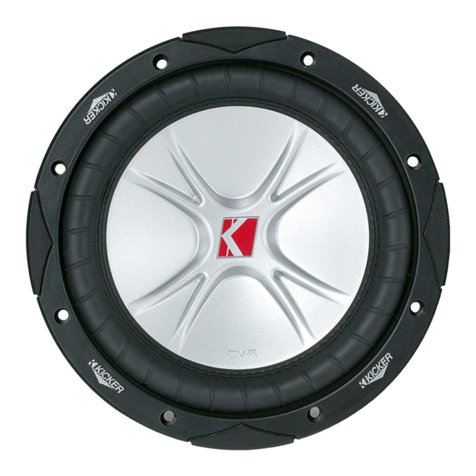
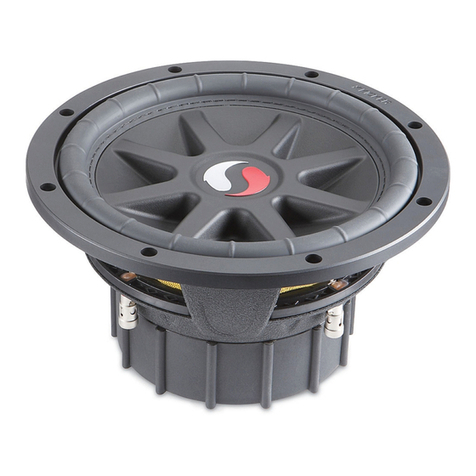
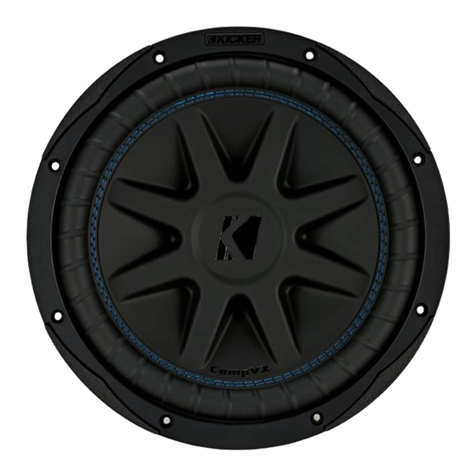
  9. Kicker CompVR CVR10 User manual

Kicker CompVR CVR10 User manual

Other manuals for CompVR CVR10

2

This manual suits for next models

2

Other Kicker Subwoofer manuals

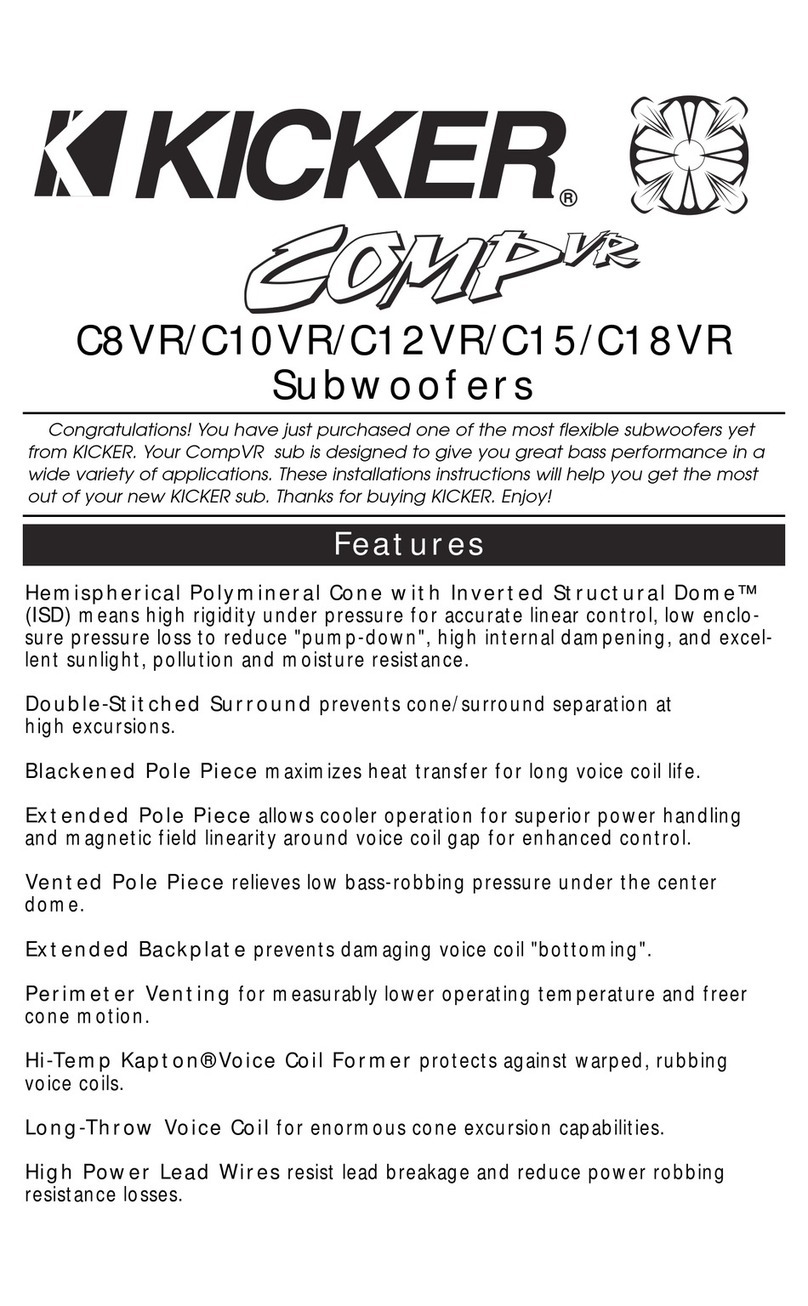
Kicker CompVR C8vr User manual

Kicker

Kicker CompVR C8vr User manual

Kicker KM10 User manual

Kicker

Kicker KM10 User manual

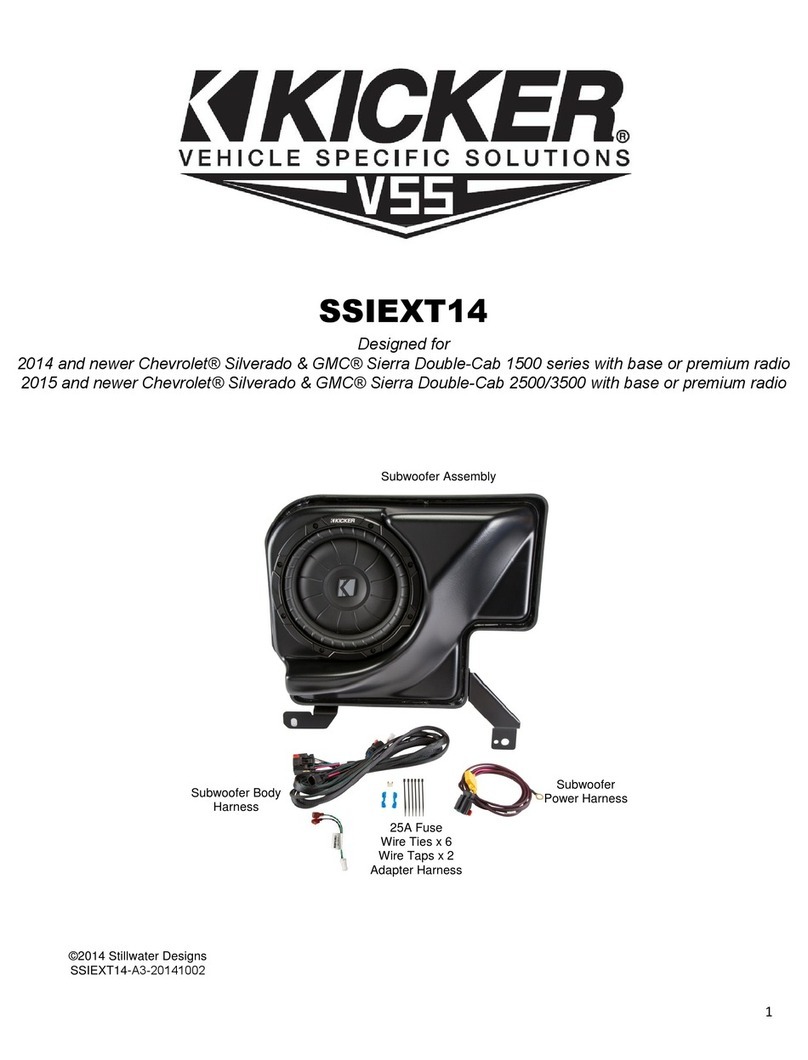
Kicker SSIEXT14 User manual

Kicker

Kicker SSIEXT14 User manual

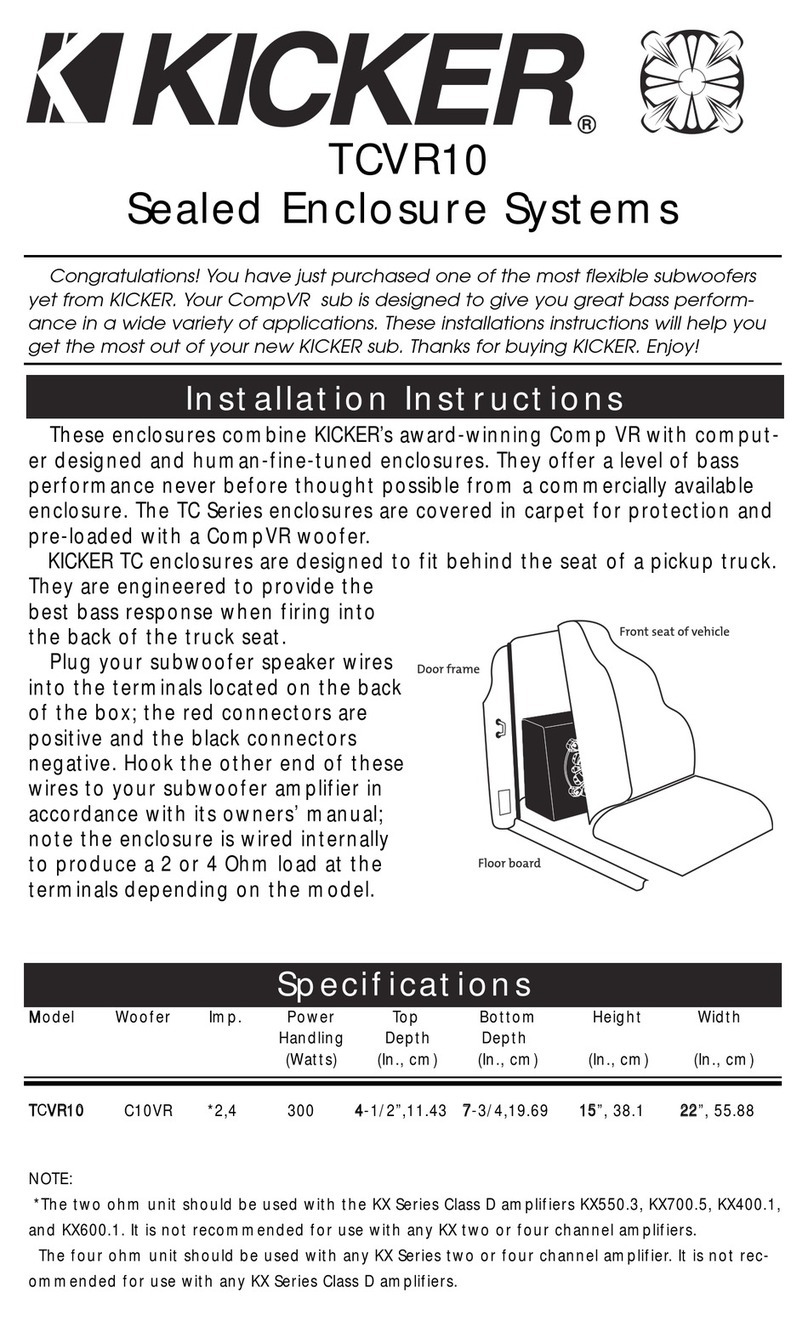
Kicker TCVR10 User manual

Kicker

Kicker TCVR10 User manual

Kicker Solo-Baric S15L5 User manual

Kicker

Kicker Solo-Baric S15L5 User manual

Kicker SOLO-BARIC S15L7 User manual

Kicker

Kicker SOLO-BARIC S15L7 User manual

Kicker CompVT CVT12 User manual

Kicker

Kicker CompVT CVT12 User manual

Kicker ZX350.2 User manual

Kicker

Kicker ZX350.2 User manual

Kicker CompVR CVR12 User manual

Kicker

Kicker CompVR CVR12 User manual

Kicker PSUTA15 User manual

Kicker

Kicker PSUTA15 User manual

Kicker COMPVT10 User manual

Kicker

Kicker COMPVT10 User manual

Kicker DL7S12 User manual

Kicker

Kicker DL7S12 User manual

Kicker Solo-Baric S1L7 User manual

Kicker

Kicker Solo-Baric S1L7 User manual

Kicker KICKER CompVT CVT10 User manual

Kicker

Kicker KICKER CompVT CVT10 User manual

Kicker Solo-Baric S8L7 User manual

Kicker

Kicker Solo-Baric S8L7 User manual

Kicker CompVR CVR10 User manual

Kicker

Kicker CompVR CVR10 User manual

Kicker SOLO CLASSIC S8C User manual

Kicker

Kicker SOLO CLASSIC S8C User manual

Kicker SF150S09 User manual

Kicker

Kicker SF150S09 User manual

Kicker SoloX S10XSP User manual

Kicker

Kicker SoloX S10XSP User manual

Kicker Comp C10 User manual

Kicker

Kicker Comp C10 User manual

Kicker CompVT CVT12 User manual

Kicker

Kicker CompVT CVT12 User manual

Kicker Comp C10 User manual

Kicker

Kicker Comp C10 User manual

Kicker SOLO-BARIC S15L7 User manual

Kicker

Kicker SOLO-BARIC S15L7 User manual

Kicker CVX COMPVX10 User manual

Kicker

Kicker CVX COMPVX10 User manual

Popular Subwoofer manuals by other brands

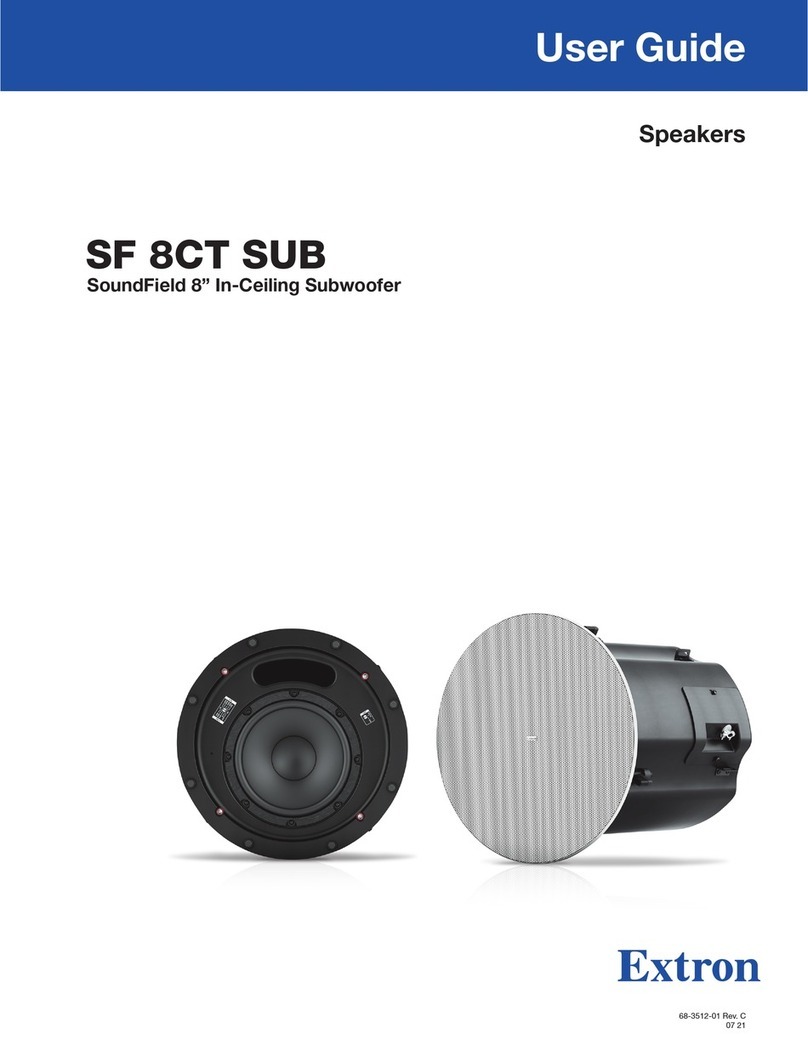
Extron electronics SF 8CT SUB user guide

Extron electronics

Extron electronics SF 8CT SUB user guide

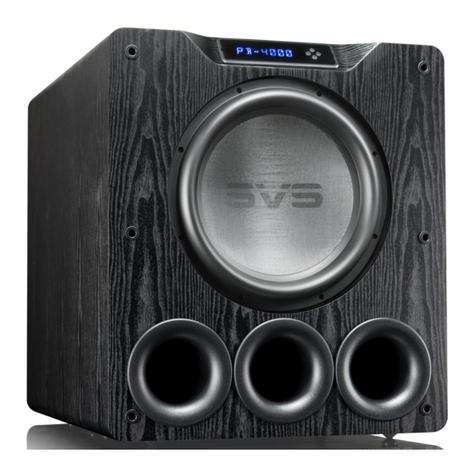
SVS PB-4000 quick start guide

SVS

SVS PB-4000 quick start guide

Pioneer S-DVR9SW Service manual

Pioneer

Pioneer S-DVR9SW Service manual

Yamaha YST-SW515 Service manual

Yamaha

Yamaha YST-SW515 Service manual

Velodyne SPL-800 ULTRA - REV B datasheet

Velodyne

Velodyne SPL-800 ULTRA - REV B datasheet

Teufel US 2110/1 SW operating instructions

Teufel

Teufel US 2110/1 SW operating instructions

Wet Sounds SS-65 user manual

Wet Sounds

Wet Sounds SS-65 user manual

Pyle PLQB10 Specifications

Pyle

Pyle PLQB10 Specifications

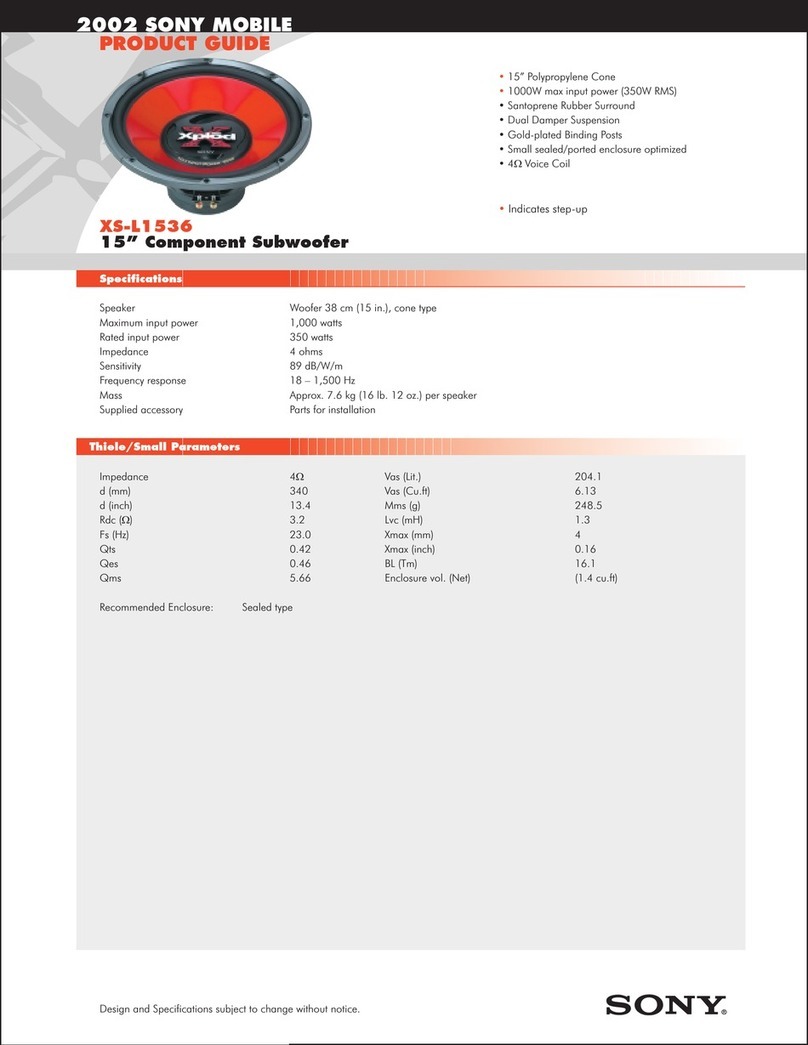
Sony XS-L1536 Product guide

Sony

Sony XS-L1536 Product guide

Sony XS-AW8 operating instructions

Sony

Sony XS-AW8 operating instructions

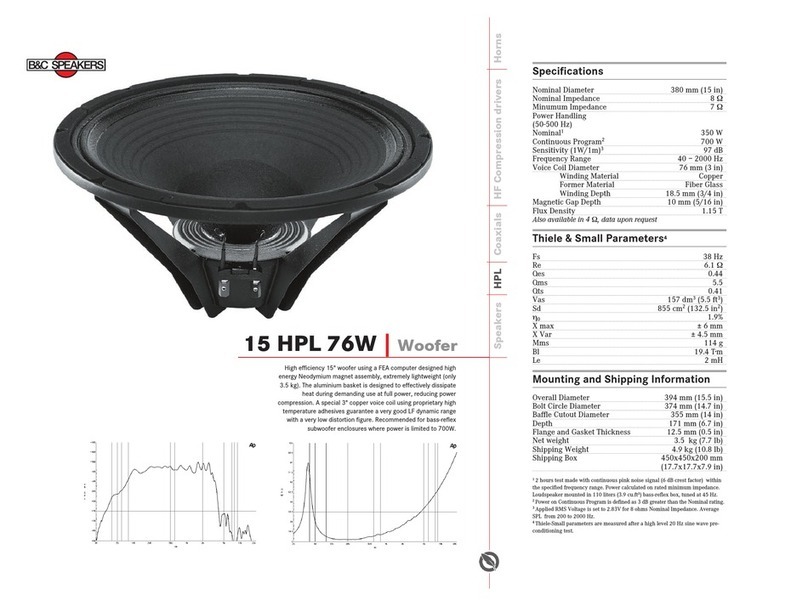
B&C Speakers 15 HPL 76W Specifications

B&C Speakers

B&C Speakers 15 HPL 76W Specifications

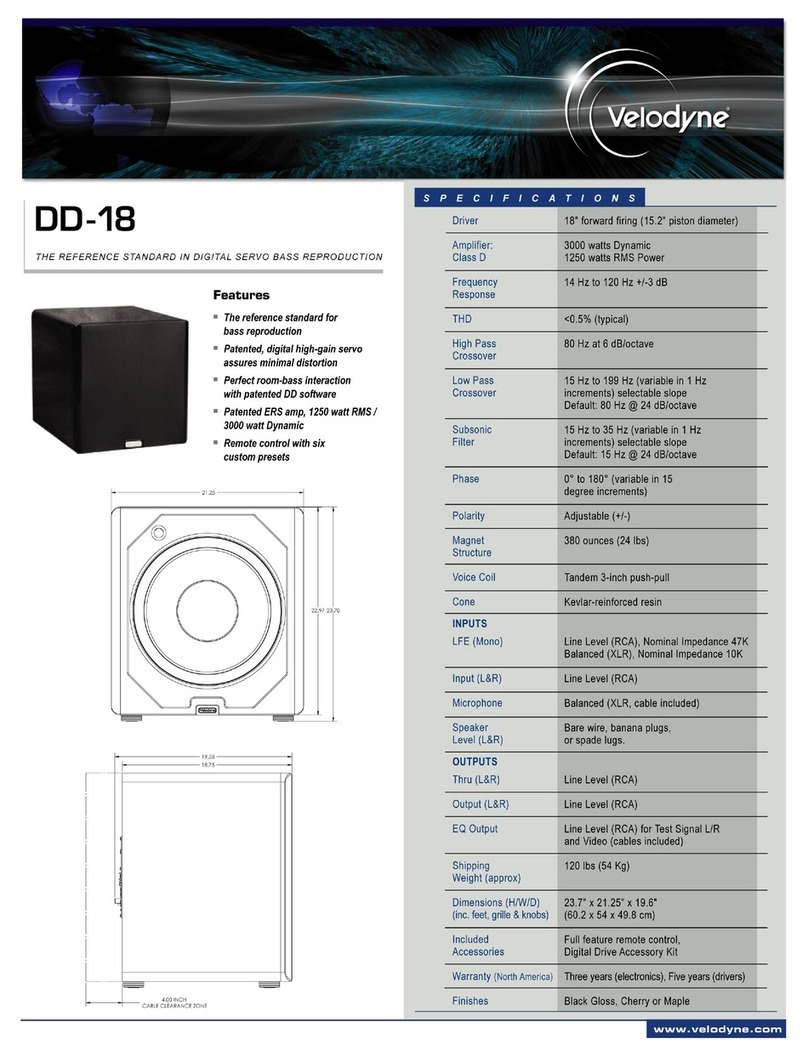
Velodyne DD-18+ Specifications

Velodyne

Velodyne DD-18+ Specifications

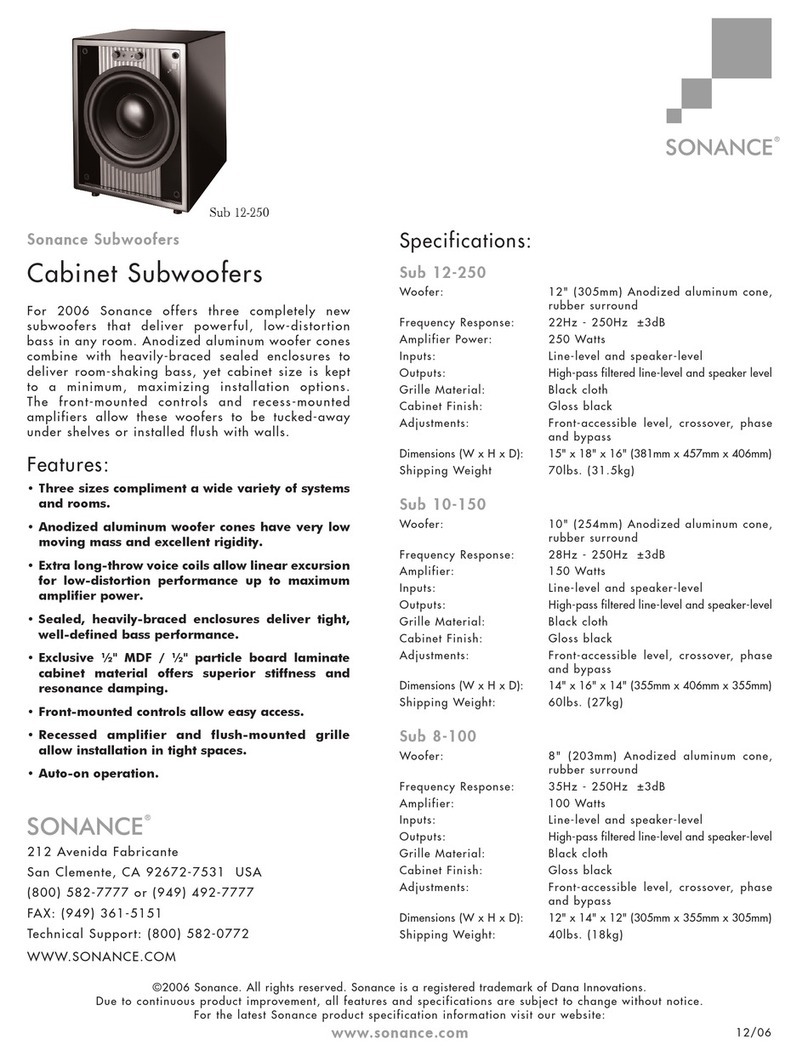
Sonance Cinema Series SUB 10-150 Specifications

Sonance

Sonance Cinema Series SUB 10-150 Specifications

Hifonics HW-12 Owners & installation manual

Hifonics

Hifonics HW-12 Owners & installation manual

Yamaha 64263 owner's manual

Yamaha

Yamaha 64263 owner's manual

Magnat Audio ADR 130 BP user manual

Magnat Audio

Magnat Audio ADR 130 BP user manual

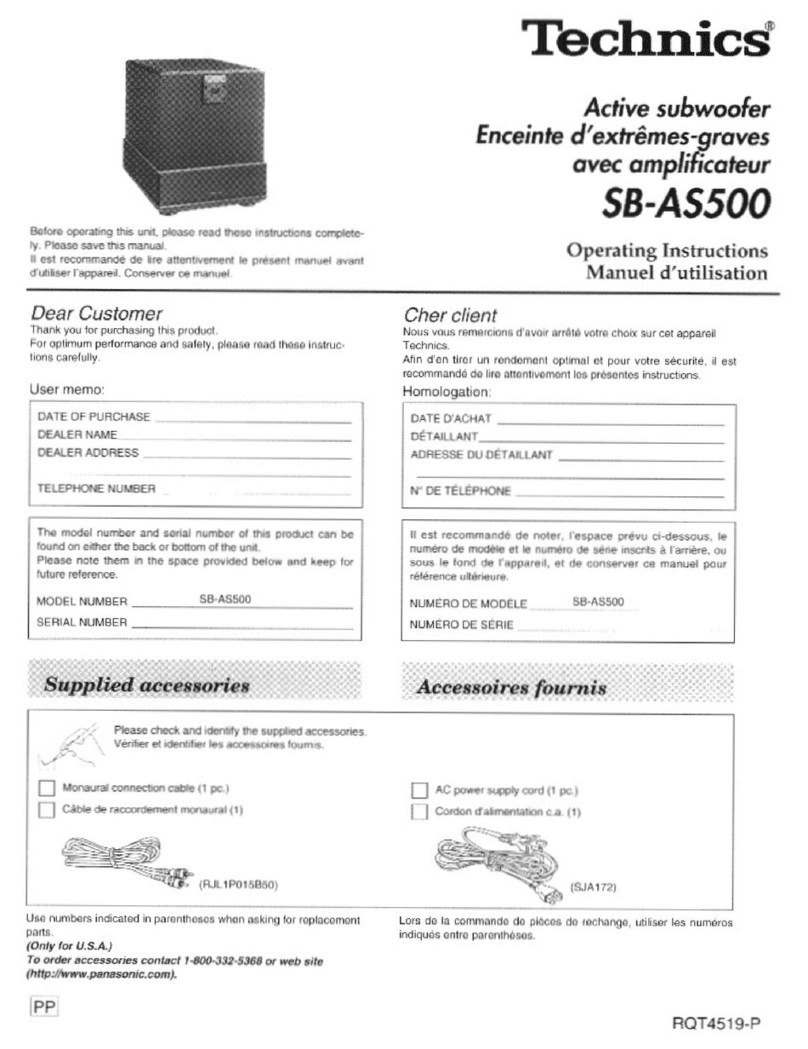
Technics SB-AS500 Operaing instructions

Technics

Technics SB-AS500 Operaing instructions

Lyngdorf BW-2 owner's manual

Lyngdorf

Lyngdorf BW-2 owner's manual

manuals.online logo
manuals.online logoBrands
  • About & Mission
  • Contact us
  • Privacy Policy
  • Terms and Conditions

Copyright 2025 Manuals.Online. All Rights Reserved.

CVR10 | CVR12 | CVR15
COMPVR
SUBWOOFERS
Owner’s Manual
®
2
SPECIFICATIONS
CompVR Subwoofer Owner’s Manual
Model CVR10 CVR12 CVR15
Rated Impedance [Ω] 2 or 4 2 or 4 2 or 4
Fs [Hz] 43.8 32.6 24.6
Continuous Power Handling [Watts RMS] 350 400 500
Sensitivity [1W, 1m] 83.6 86.9 89.2
Qts .838 .648 .381
Qms 10.03 8.166 9.138
Qes .914 .703 .398
Re [Ω] 3.7 3.5 3.7
Vas [ft³, L] .570 [16.159] 2.3 [65.294] 5 [143.82]
Xmax (Linear Excursion) [mm] 14 14 15
Outer Frame Dimension [in, cm] 10-11/16 [27.1] 12-5/8 [32] 15-1/2 [39.3]
Mounting Depth [in, cm] 5-1/2 [14] 6-1/4 [15.9] 8-3/16 [20.7]
Mounting Cutout [in, cm] 9-3/16 [23.3] 11 [27.8] 13-11/16 [34.7]
Frequency Response [Hz] 30–500 25–500 25–500
CVR10 | CVR12 | CVR15Models:
Figure 1
Series WiringParallel Wiring
WIRING
Dual 2 Voice Coils = 4 Load
Dual 4 Voice Coils = 8 Load
Dual 2 Voice Coils = 1 Load
Dual 4 Voice Coils = 2 Load
3
SEALED ENCLOSURE APPLICATIONS
These sealed enclosure designs give the smoothest response with increased energy at the lowest
frequencies, 20Hz–30Hz. These designs deliver highly-accurate bass and can be driven with large levels
of amplifier power. This maximum enclosure volume application is ideal for ultra sound quality installations.
The maximum enclosure generates a very flat response curve and superbly extends the sub-bass
response.
CompVR woofers perform well in any size sealed enclosure between the minimum and maximum
volume recommendations. These systems will exhibit benefits of both designs: Minimum produces
high-impact bass, and maximum generates low bass frequency protraction. Overall, the system will
sound more like the recommended enclosure design it is closest to in enclosure volume. These
enclosure recommendations have been calculated with the airspace inside the enclosure and include the
displacement of the woofer. All sealed-enclosure airspace should be filled to 50% loose poly-fil (polyester
fiberfill) stuffing. Do not make the airspace greater than the maximum enclosure volume recommendation.
Model Volume ft3[L] Panel A in. [cm] Panel B in. [cm] Panel C in. [cm]
CVR10 .8 [22.7] 13.5X13.5 [34.3X34.3] 13.5X10.125 [34.3X25.7] 12X10.125 [30.5X25.7]
CVR12 1 [28.32] 14.5X14.5 [36.8X36.8] 14.5X11 [36.8X27.9] 13X11 [33X27.9]
CVR15 1.8 [51] 17.25X17.25 [43.8X43.8] 17.25X13.5 [43.8X34.3] 15.75X13.5 [40X34.3]
Model Volume ft3[L] Power Handling
CVR10 .8 [22.7] 350W RMS
CVR12 1 [28.3] 400W RMS
CVR15 1.8 [51] 500W RMS
Model Volume ft3[L] Power Handling
CVR10 3 [85] 300W RMS
CVR12 4.6 [130] 300W RMS
CVR15 5.2 [147] 500W RMS
Panel Dimensions for Sealed Compact enclosures using 3/4” (1.9cm) thick MDF (See Figure 2)
Sealed Minimum Sealed Maximum
A
B
C
Figure 2
4
VENTED ENCLOSURE APPLICATIONS
CompVR subwoofers will handle massive amounts of power in any of the recommended enclosures,
minimum or maximum. The smaller enclosures are best for use in limited-space applications. The larger
recommended enclosures will yield slightly more bass at the lowest frequencies.
The vented minimum design increases bass efficiency and fits in many space-limited applications.
Although it is the smallest recommended vented enclosure, the output from 30Hz–80Hz will be
considerably higher than that of a sealed box. The maximum vented design has even more output in this
frequency band. The maximum vented enclosure is the largest and most efficient design.
BOX BUILDING NOTES
Use 3/4” (1.9cm) or thicker MDF (medium density
fiberboard) and seal the joints with silicone. Use the
“template” inside your CompVR’s shipping carton to mark
the mounting hole, then cut directly on the line. These
designs need internal bracing. Add triangular bracing
between each of the larger unsupported panels. See
Figure 3.
All the cubic feet (L) measurements in this manual
include the displacement of the woofer. For the vented
enclosures the displacement of the port must be
calculated and added to the internal volume of the final
design.
Use the outer dimensions of the port and multiply
“X xY xZ”, then convert to cubic feet. For example,
the CVR12 Vented Compact design’s external port
dimensions are, using 3/4” (1.9cm) MDF:
(12.5” +1.5” total MDF wall thickness) x(2.5” +1.5” total MDF wall thickness) x(20”) x(1 ft3/ 1728 in3)
=.65 ft3,
Then, add this number to the internal volume of the enclosure. 1.75 ft3+.65 ft3= 2.4 ft3. See Figure 4.
Due to the necessary length of these ports, you may want to fold the port along the bottom and back
walls. It will be impractical to use round ports for these designs.
D
D
D
Figure 3
D = 3” x 3” for CVR15, CVR12
D = 2” x 2” for CVR10
Vented Minimum CVR10 CVR12 CVR15
Box Volume, ft3[L] 1.25 [35.4] 1.75 [49.6] 3 [85]
Port Opening, in x in [cm x cm] 2X10.5 [5.1X26.7] 2.5X12.5 [6.4X31.8] 2.75X15.5 [7X39.4]
Port Length, in [cm] 20 [50.8] 20 [50.8] 25.75 [65.4]
Power Handling, RMS 300 300 500
Vented Maximum CVR10 CVR12 CVR15
Box Volume, ft3[L] 1.75 [49.6] 2.25 [63.7] 5 [142]
Port Opening, in x in [cm x cm] 2.5X10.5 [6.4X26.7] 3X12.5 [7.6X31.8] 3X15.5 [7.6X39.4]
Port Length, in [cm] 20 [50.8] 20.5 [52.1] 22 [55.9]
Power Handling, RMS 300 300 500

Do not install a port opening against a solid surface, such as an internal brace, back-panel or trunk wall,
seat or interior panel of your vehicle. The port opening must remain unobstructed. Use the smallest
dimension of the rectangular port as the minimum amount of space between the port opening and any
solid surface to insure unrestricted airflow.
If you prefer an ultra-smooth bass response, you should loosely fill your CompVR enclosure with poly-fil
stuffing. Vented designs will require covering the end of the port (located inside the box) with grill cloth,
chicken wire, or expanded metal to prevent the poly-fil from exiting the port. The use of poly-fil will slightly
decrease efficiency, but will deepen and extend the low frequency output.
Sound Check: Poor bass response? Check the system phasing by reversing the positive and negative
speaker connections on the subwoofer. If the bass improves, then the subwoofer was out of phase in
reference to the rest of the audio system.
Y
X
Z
Figure 4
If mounting in trunk space or other compartments of the vehicle, pay attention to cable lines, trunk
springs, hinges and seat mechanisms that could cause problems with the operation of the vehicle or
stereo system. Carefully lay the stereo system cables; pay attention to seat fasteners and other items that
could harm the cables.
WARNING: KICKER products are capable of producing sound levels that can permanently damage your
hearing! Turning up a system to a level that has audible distortion is more damaging to your ears than listening
to an undistorted system at the same volume level. The threshold of pain is always an indicator that the sound
level is too loud and may permanently damage your hearing. Please use common sense when controlling
volume.
Rely only on high-grade subwoofers & boxes offered on our virtual shelves.