manuals.online logo
Brands
  1. Home
  2. •
  3. Brands
  4. •
  5. LG
  6. •
  7. Refrigerator
  8. •
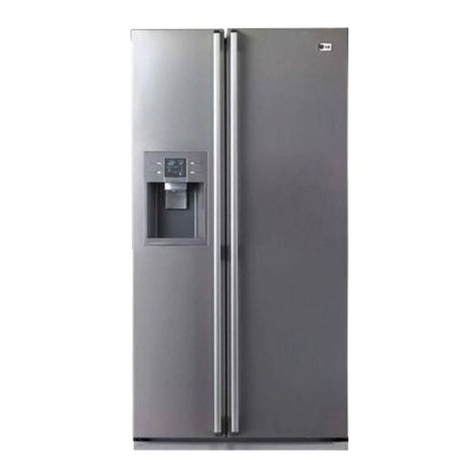
  9. LG GM-589 Series User manual

LG GM-589 Series User manual

Other LG Refrigerator manuals

LG LM78SXT User manual

LG

LG LM78SXT User manual

LG MFL68083701 User manual

LG

LG MFL68083701 User manual

LG LSC26905 Series Manual

LG

LG LSC26905 Series Manual

LG LBC20514SW User manual

LG

LG LBC20514SW User manual

LG GRL2187EP User manual

LG

LG GRL2187EP User manual

LG GR-B24FWSHL User manual

LG

LG GR-B24FWSHL User manual

LG GM-L277J HP Series User manual

LG

LG GM-L277J HP Series User manual

LG GR-C331SLZB User manual

LG

LG GR-C331SLZB User manual

LG MFL62184416 User manual

LG

LG MFL62184416 User manual

LG LRYDS3106 Series User manual

LG

LG LRYDS3106 Series User manual

LG LFC21776ST User manual

LG

LG LFC21776ST User manual

LG LFX21970 Series User manual

LG

LG LFX21970 Series User manual

LG GRD-324PS User manual

LG

LG GRD-324PS User manual

LG GR-B772GSPN User manual

LG

LG GR-B772GSPN User manual

LG LSSB2691ST User manual

LG

LG LSSB2691ST User manual

LG LRFD22850TT User manual

LG

LG LRFD22850TT User manual

LG LSC27931SB Instruction Manual

LG

LG LSC27931SB Instruction Manual

LG LFXC24726 Series User manual

LG

LG LFXC24726 Series User manual

LG GR-409 User manual

LG

LG GR-409 User manual

LG LMX25964 Series User manual

LG

LG LMX25964 Series User manual

LG GR-M592GLHC User manual

LG

LG GR-M592GLHC User manual

LG LBC22520SB User manual

LG

LG LBC22520SB User manual

LG LRFC22750ST User manual

LG

LG LRFC22750ST User manual

LG GF-D613PL User manual

LG

LG GF-D613PL User manual

Popular Refrigerator manuals by other brands

Haier HRF-369NAA null

Haier

Haier HRF-369NAA null

Haier HRF-688FR null

Haier

Haier HRF-688FR null

Haier HRF-416KAASS null

Haier

Haier HRF-416KAASS null

Haier HRF-348E null

Haier

Haier HRF-348E null

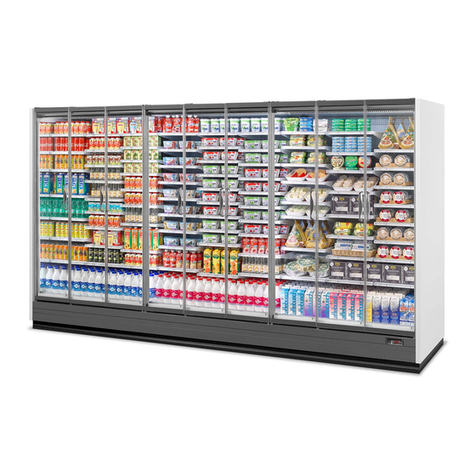
Bonnet Neve SKYVIEW PLUS User instructions

Bonnet Neve

Bonnet Neve SKYVIEW PLUS User instructions

Zanussi Electrolux ZERB 8441 Instruction book

Zanussi Electrolux

Zanussi Electrolux ZERB 8441 Instruction book

Sharp SJ-BA31IEXW2-EU user manual

Sharp

Sharp SJ-BA31IEXW2-EU user manual

CORBERO CC2300MCW Instruction booklet

CORBERO

CORBERO CC2300MCW Instruction booklet

KitchenAid 2205264 Use and care guide

KitchenAid

KitchenAid 2205264 Use and care guide

NEFF KI181 Series user manual

NEFF

NEFF KI181 Series user manual

Hoshizaki Reach-In instruction manual

Hoshizaki

Hoshizaki Reach-In instruction manual

Amana ASD2524VES00 User instructions

Amana

Amana ASD2524VES00 User instructions

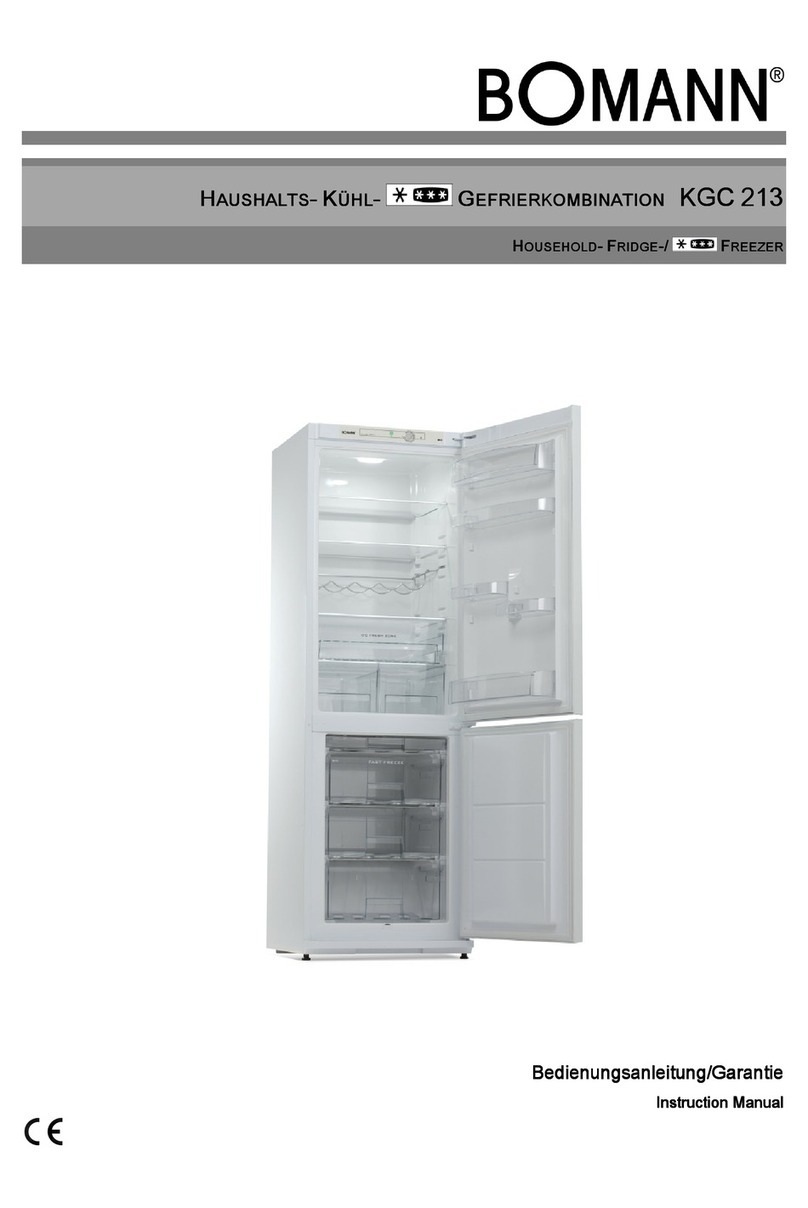
BOMANN KGC 213 instruction manual

BOMANN

BOMANN KGC 213 instruction manual

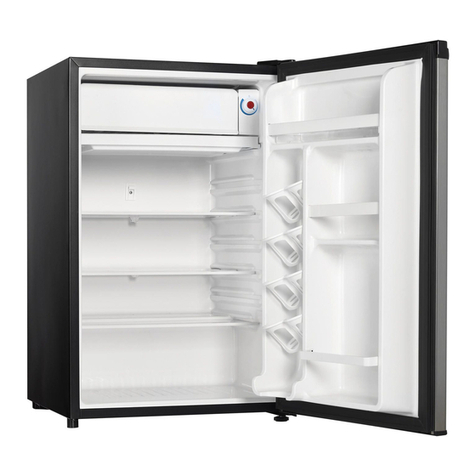
Danby DAR044A1SLDD Owner's use and care guide

Danby

Danby DAR044A1SLDD Owner's use and care guide

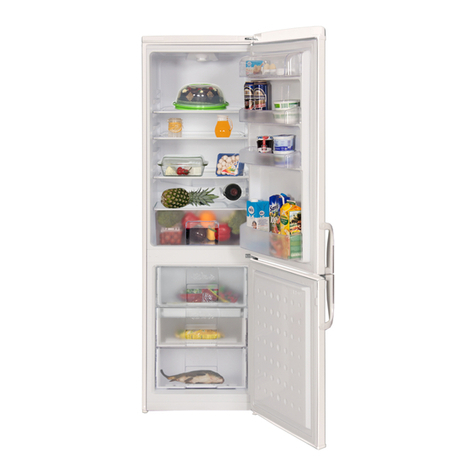
Beko CSA31022 Instructions for use

Beko

Beko CSA31022 Instructions for use

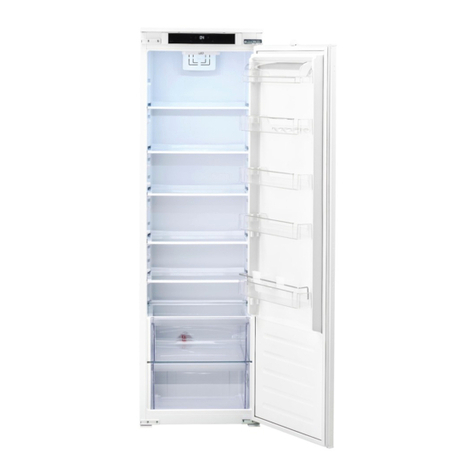
IKEA FROSTIG C 185 E manual

IKEA

IKEA FROSTIG C 185 E manual

Electrolux ER 6821 D Instruction book

Electrolux

Electrolux ER 6821 D Instruction book

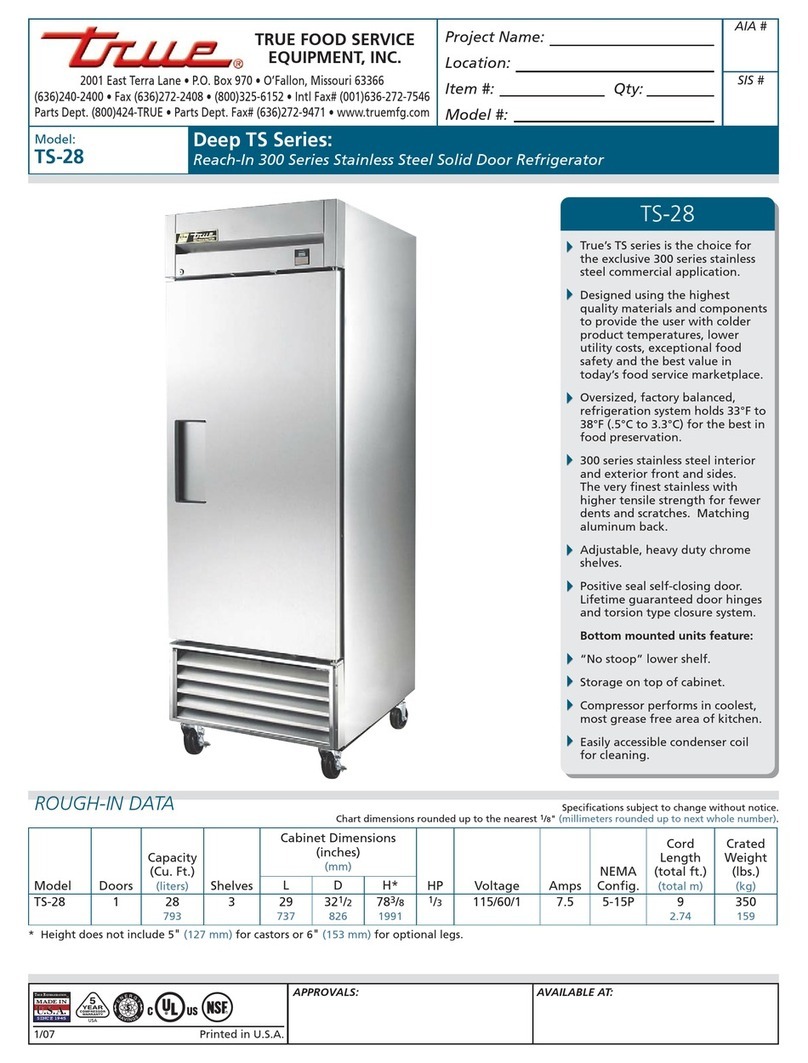
True TS-28 Specifications

True

True TS-28 Specifications

manuals.online logo
manuals.online logoBrands
  • About & Mission
  • Contact us
  • Privacy Policy
  • Terms and Conditions

Copyright 2025 Manuals.Online. All Rights Reserved.

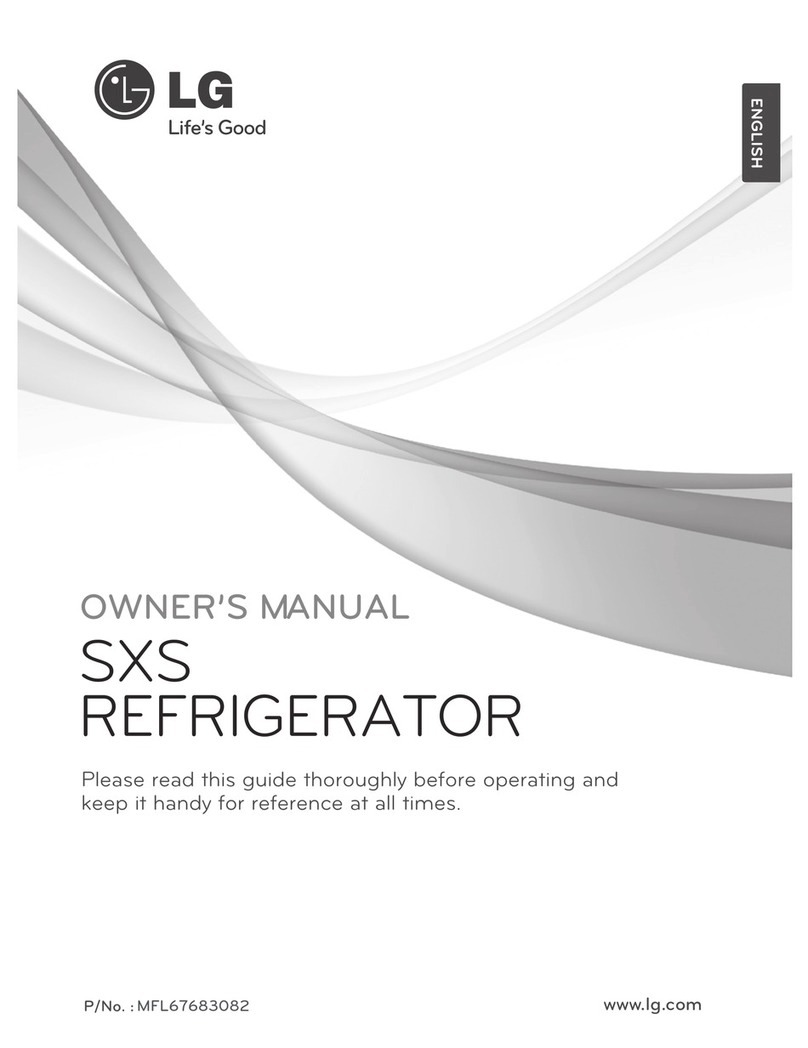
BOTTOM FREEZER
REFRIGERATOR
User’s Guide
Please read this guide thoroughly
before operating and keep it handy for
reference at all times.
Models
GM-589**
P/No. 3828JL8025B
2
TABLE OF CONTENTS
Safety Instructions 3 -4
Grounding Requirements 5
Parts and Features 6 - 7
Refrigerator Installation 8-16
Unpacking Your Refrigerator 8
Installation 8
Base Grille 8
Removing, Reversing and Replacing
Your Refrigerator Doors 9 -15
Pull out Drawer 12
Door Closing and Alignment 16
Using Your Refrigerator 17 - 26
Ensuring Proper Air Circulation 17
Multi Flow 17
Setting the Controls 17 -18
Adjusting Control Settings 18
Food Storage Guide 19
Storing Frozen Food 19
Refrigerator Shelves 20
Deli Fresh / Snack Pan 21
Crisper Humidity Control 21
Optibin Crisper 21
Crisper cover with lattice on inner surface 22
Dairy Bin 23
Freezer Wire Door Racks 23
Ice Bin 23
DuraBase 23
Tilting Door 24
Pull out Drawer Basket 24
DuraBase Divider 24
Can Dispenser 25
T
Freezer Shelf
riple Twist Ice Tray 25
25
Filter 26
Care and Cleaning 27 - 28
General Cleaning Tips 27
Outside 27
Inside Walls 27
Door Liner and Gaskets 27
Plastic Parts 27
Condenser Coils 27
Light Bulb Replacement 27 -28
Power Interruptions 28
When you go on vacation 28
About the Custom Cube Icemaker 29
Connecting the Water Line 30 -32
Troubleshooting Guide 33 -36
Drawer Tray 24
Door Racks 22
Design-A-Door 22
DANGER: RISK OF CHILD ENTRAPMENT
BEFORE YOU THROW AWAY
YOUR OLD REFRIGERATOR
OR FREEZER
Take off the doors.
Leave the shelves in place so that
children may not easily climb inside.
CFC & HCFC DISPOSAL
Child entrapment and suffocation are not problems of
the past. Junked or abandoned refrigerators are still
dangerous... even if they will sit for “just a few days”. If
you are getting rid of your old refrigerator, please follow
the instructions at right to help prevent accidents.
IF YOU WANT TO THROW AWAY YOUR LG REFRIGERATOR
3
IMPORTANT SAFETY INSTRUCTIONS
Ensure that none of the pipes on the back of the appliances
are damaged prior to disposal.
Your old refrigerator may have a cooling system that used
CFCs (chlorofluorocarbons). CFCs are believed to harm
stratospheric ozone.
If you are throwing away your old refrigerator, make sure
the CFC refrigerant is removed for proper disposal by a
qualified servicer. If you intentionally release this CFC
refrigerant, you can be subject to fines and imprisonment
under provisions of enviromental legislation.
Ensure that none of the pipes on the back of the appliances
are damaged prior to disposal.
Refrigeration from late nineties have a cooling system that
used HCFC's (Hydrochloroflurocarbons). (134a) These
gases must be reclaimed.
If you are throwing away your old refrigerator, make sure
the HCFC's refrigerant is removed for proper disposal by a
qualified servicer. If you intentionally release this HCFC's
refrigerant, you can be subject to fines and imprisonment
under provisions of enviromental legislation.
Ensure that none of the pipes on the back of the appliances
are damaged prior to disposal.
This guide contains many important safety messages. Always read and obey all safety messages.
This is the safety alert symbol. It alerts you to safety messages that inform you
of hazards that can kill or hurt you or others, or cause damage to the product.
All safety messages will be preceded by the safety alert symbol and the hazard
signal word DANGER, WARNING, CAUTION. These words mean:
WARNING
CAUTION
You can be killed or seriously injured if you don’t follow instructions.
Indicates an imminently hazardous situation which, if not avoided,
may result in minor or moderate injury, or product damage only.
All safety messages will identify the hazard, tell you how to reduce the chance of injury and tell you what can happen if
the instructions are not followed.
SAFETY MESSAGES
WARNING
To reduce the risk of fire, electric shock, or injury
to persons when using your product, basic safety
precautions should be followed, including the following:
NEVER unplug your refrigerator by pulling on the power cord.
Always grip the plug firmly and pull it straight out from the
outlet. After switching off at power point.
Repair or replace immediately all electric service cords that
have become frayed or otherwise damaged. Do not use a cord
that shows cracks or abrasion damage along its length or at
either the plug or connector end.
When moving your refrigerator away from the wall,
be careful not to roll over or damage the power cord.
DO NOT store or use gasoline or other flammable vapors and
liquids in the vicinity of this or any other appliance.
DO NOT allow children to climb, stand or hang on the
refrigerator doors or shelves in the refrigerator. They could
damage the refrigerator and seriously injure themselves.
Keep fingers out of “pinch point” areas; clearances between
Unplug your refrigerator before cleaning or making any repairs.
NOTE: We strongly recommend that any servicing be
performed by a qualified individual.
Before replacing a burned-out light bulb, unplug the
refrigerator or turn off power at the circuit breaker or fuse box
in order to avoid contact with a live wire filament. (A burned-
out light bulb may break when being replaced.) NOTE: Setting
either or both controls to the OFF position does not remove
power to the light circuit.
Read all instructions before using this appliance.
Use this appliance only for its intended purpose as described
in this use and care guide.
After your refrigerator is in operation, do not touch the cold
surfaces in the freezer compartment when hands are damp or
wet. Skin may adhere to the extremely cold surfaces.
In refrigerators with automatic icemakers, avoid contact with
the moving parts of the ejector mechanism, or with the heating
element that releases the cubes. DO NOT place fingers or
hands on the automatic icemaking mechanism while the
refrigerator is plugged in.
IMPORTANT SAFETY INSTRUCTIONS
SAVE THESE INSTRUCTIONS
4
the doors and cabinet are necessarily small. Be careful
when you open the doors when children are in the area.
For personal safety, this appliance must be properly grounded.
Have the wall outlet and the circuit checked by a qualified
electrician to make sure the outlet is properly grounded.
The appliance is not intended for use by young children or
infirm persons without supervision.
Young children should be supervised to ensure that they do not
play with the appliance.
Do not store bottles in the freezer compartment - they may
break when frozen, causing damage.

Ensure proper
ground exists
before use.
3-pins
grounding
plug
3-pins
grounding type
wall receptacle
IMPORTANT: Please read carefully.
TO CONNECT ELECTRICITY
Do not, under any circumstances, cut or remove the
third (pin) prong from the power cord.
NOTE: Before performing any type of installation,
cleaning, or removing a light bulb, turn the control
(Thermostat, Refrigerator Control or Freezer Control,
depending on the model) to OFF and then disconnect the
refrigerator from the electrical source. When you are
finished, reconnect the refrigerator to the electrical source
and reset the control (Thermostat, Refrigerator Control or
Freezer Control, depending on the model) to the desired
setting.
DO NOT USE EXTENSION CORDS
Because of potential safety hazards under certain
conditions, we strongly recommend against the use of
an extension cord.
WARNING
Electrical Shock Hazard
GROUNDING REQUIREMENTS
POWER CORD REPLACEMENT
iIf the supply cord is damaged, it must be replaced by
the manufacturer or its service agent or similary
qualified person in order to avoid a hazard.I
The refrigerator should always be plugged into its own
individual properly grounded electrical outlet rated for
230-240 Volts, 50 Hz, AC only, and fused at 10 amperes.
This provides the best performance and also prevents
overloading house wiring circuits which could case a fire
hazard from overheated wires.
5
When you decide the placement of your refrigerator,
as a stationary appliance, it should have its plug accesible
at all times.
Where a standard two-prong wall outlet is encountered,
it is your personal responsability and obligation to have it
replaced with a properly grounded three-ping wall outlet.
Ensure proper
ground exists
before use.
3-pins
grounding
plug
3-pins
grounding type
wall receptacle
RECOMMENDED GROUNDING METHODS
(Plug type depending on region)
It is recommended that a separate circuit serving only
this appliance be provided.
Use a receptacle which can not be turned off with a
switch or pull chain. Do not use an extension cord.
ACCESSIBILITY OF SUPPLY CORD
FOR PERSONAL SAFETY, this appliance must be
properly grounded (earthed). Have the wall outlet and
the circuit checked by a qualified electrician to make
sure the outlet is properly grounded.
A
B
C
D
E
F
H
I
K
L
M
N
O
P
Q
R
Digital Sensor Control
Refrigerator Light
Shelves
Deli Fresh / Snack Pan*
Can Dispenser*
Optibin Crisper
Keeps fruits and vegetable fresh and crisper
Triple Twist Ice Tray
Ice Bin
Durabase
Divider
Filter (inside)*
Dairy Bin
Design-A-Door
Egg Box
Refrigerator Door Rack
Freezer Light
Wire Basket
Freezer Door Rack (Tilting)
*on some models
6
B
C
D
A
F
E
Use this section to become more familiar with the parts and features.
NOTE: This guide covers several different models. The refrigerator you have purchased may have some
or all of the items listed below. The locations of the features shown below may not match your model.
PARTS AND FEATURES
G
H
I
J
K
M
N
L
O
P
Q
R
G
J
Use this section to become more familiar with the parts and features.
NOTE: This guide covers several different models. The refrigerator you have purchased may have some
or all of the items listed below. The locations of the features shown below may not match your model.
PARTS AND FEATURES
Digital Sensor Control
Refrigerator Light
Shelves
Snack Pan
Optibin Crisper
Keeps fruits and vegetable fresh and crisp
Ice Trays
Ice Bin
Wire Durabase
Dairy Bin
Design-A-Door
Wire Freezer Shelf
Refrigerator Door Rack
Freezer Light
Freezer Door Rack
B
C
D
A
F
E
G
H
I
J
L
M
K
N
A
B
C
D
E
F
G
H
I
J
M
N
L
K
7
UNPACKING YOUR REFRIGERATOR
Remove tape and any temporary labels from your
refrigerator before using. Do not remove any warning-
type labels, the model and serial number label, or the
TechSheet that is attached to back wall of the refrigerator.
To remove any remaining tape or glue, rub the area
briskly with your thumb. Tape or glue residue can also be
easily removed by rubbing a small amount of liquid
detergent over the adhesive with your fingers. Wipe with
warm water and dry.
Do not use sharp instruments, rubbing alcohol, flammable
fluids or abrasive cleaners to remove tape or glue. These
products can damage the surface of your refrigerator. For
more information, see the Important Safety Instructions
section.
Refrigerator shelves are installed in the shipping position.
Please reinstall shelves according to your individual
storage needs.
When Moving Your Refrigerator:
Your refrigerator is heavy. When moving the
refrigerator for cleaning or service, be sure to protect
the floor. Always pull the refrigerator straight out when
moving it. Do not wiggle or walk the refrigerator when
trying to move it, as floor damage could occur.
INSTALLATION
1. Avoid placing the unit near heat sources, direct sunlight,
or moisture.
2. To avoid vibration, the unit must be level. If required,
adjust the leveling screws to compensate for
unevenness of the floor. The front should be slightly
higher than the rear to aid in door closing. Leveling
screws can be turned easily by tipping the cabinet
slightly. Turn the leveling screws clockwise ( ) to
raise the unit, counterclockwise ( ) to lower it.
3. Install this appliance in an area where the temperature
is between 46°F (8°C) and 110°F (43°C.) If the
temperature around the appliance is too low or high,
cooling ability may be adversely affected.
NEXT
1. Clean your refrigerator thoroughly and wipe off all dust
accumulated during shipping.
2. Install accessories such as ice cube bin, drawers,
shelves, etc., in their proper places. They are packed
together to prevent possible damage during shipment.
3. Let your refrigerator run for 2 or 3 hours before putting
food in it. Check the flow of cold air in the freezer
compartment to ensure proper cooling. Your refrigerator
is now ready for use.
CAUTION:
Be careful when you work with hinge, base grille,
stopper etc. You may be injured.
Do not put hands or metal objects into air vents, base
grille or bottom of refrigerator. You may be injured or
receive an electrical shock.
BASE GRILLE
To remove the base grille:
1. Grasp the grille with both hands.
2. Pull the grille toward yourself.
To install the base grille:
1. Place clips in openings in the metal panel.
2. Push the grille toward the refrigerator until it snaps
into place.
REFRIGERATOR INSTALLATION
WARNING
Excessive Weight Hazard
Use two or more people to move and install
refrigerator.
Failure to do so can result in back or other injury.
WARNING
Explosion Hazard
Keep flammable materials and vapors, such as
gasoline, away from refrigerator.
Failure to do so can result in death, explosion or fire.
8
REMOVING, REVERSING AND REPLACING
REFRIGERATOR DOORS (OPTIONAL)
TOOLS NEEDED: 10mm hex-head socket wrench,
No. 2 Phillips screwdriver, flat-head screwdriver,10mm
open-end wrench, flat 2-inch putty knife.
IMPORTANT: Before you begin, turn the refrigerator OFF
and unplug it. Remove food and any adjustable door or
utility bins from doors.
HOW TO REVERSE DOOR OPENING DIRECTION
(when converting from the left-opening type to right-
opening type)
1. Removing Refrigerator Door
Remove the top hinge cover (1).
Remove the 3 screws and lift off the top hinge (2).
Lift the Refrigerator door (3) slightly and remove it.
Pry off the cover (4) using a putty knife and
attach it on the right.
Loosen the screw (5), remove the stoppers (6), and
attach them on the left (on the opposite side).
Loosen the pin (8) and remove it.
Loosen the 2 screws (9) and the 2 screws (10), and
lift off the middle hinge (11).
REFRIGERATOR INSTALLATION
9
Pry off the cover (7) using a putty knife and
attach it on the right.
NOTE: See the Parts and Features section on pages 6-7
to match your model.
NOTE: Replacing refrigerator doors option not apply on
water dispenser models.
To move refrigerator through a house door, it maybe necessary to remove the refrigerator door handles.
NOTE: Handle appearance may vary from
illustrations on this page.
3. Removing Refrigerator Handle
4. Replacing Refrigerator Door Handle
Grasp the handle tightly with both
hands and slide the handle up (1)(this
may require some force).
The keyhole slots (2) on the back of the
handle allow the handle to separate
from the mounting screws (3).
CAUTION: It could be damaged and
broken when you hit with hammer
while you remove and attach the
handle.
CAUTION: When you assemble or
disassemble handle, you must push
and pull with moment force.
Screws
mounted
on door
1
1
32Keyhole slots
on back of
handle
!
!
REFRIGERATOR INSTALLATION
NOTE: Handle appearance may vary from
illustrations on this page.
Align keyhole slots (1) on the top and
bottom of the back of the handle with
the screws (2) mounted on the front of
the door.
Press the handle against the door
front, making sure that the screws (2)
go into the keyhole slots (1).
Holding the handle with both hands,
press it firmly against the front of the
door and slide the handle down (3).
2
Screws
mounted
on door
3
1
1
10