manuals.online logo
Brands
  1. Home
  2. •
  3. Brands
  4. •
  5. MORLEY
  6. •
  7. Music Pedal
  8. •
  9. MORLEY Accu-Tuner User manual

MORLEY Accu-Tuner User manual

This manual suits for next models

1

Other MORLEY Music Pedal manuals

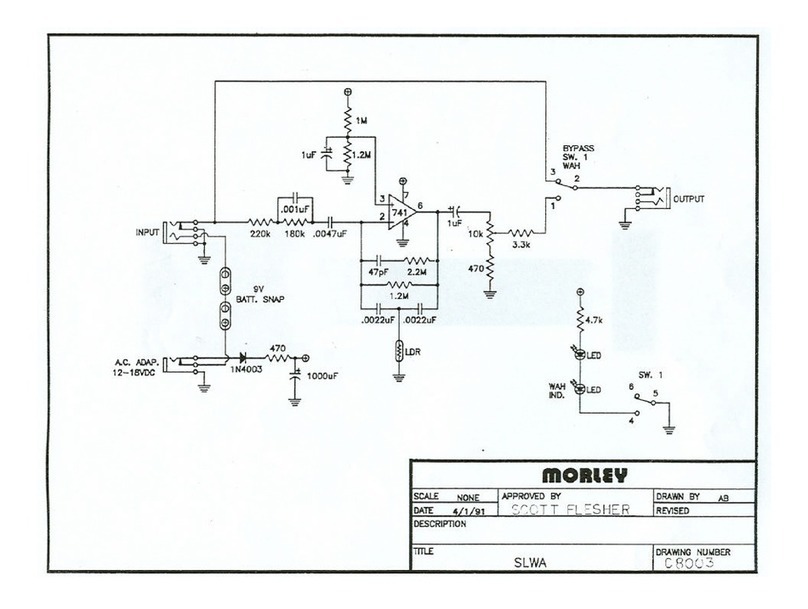
MORLEY SLWAES User manual

MORLEY

MORLEY SLWAES User manual

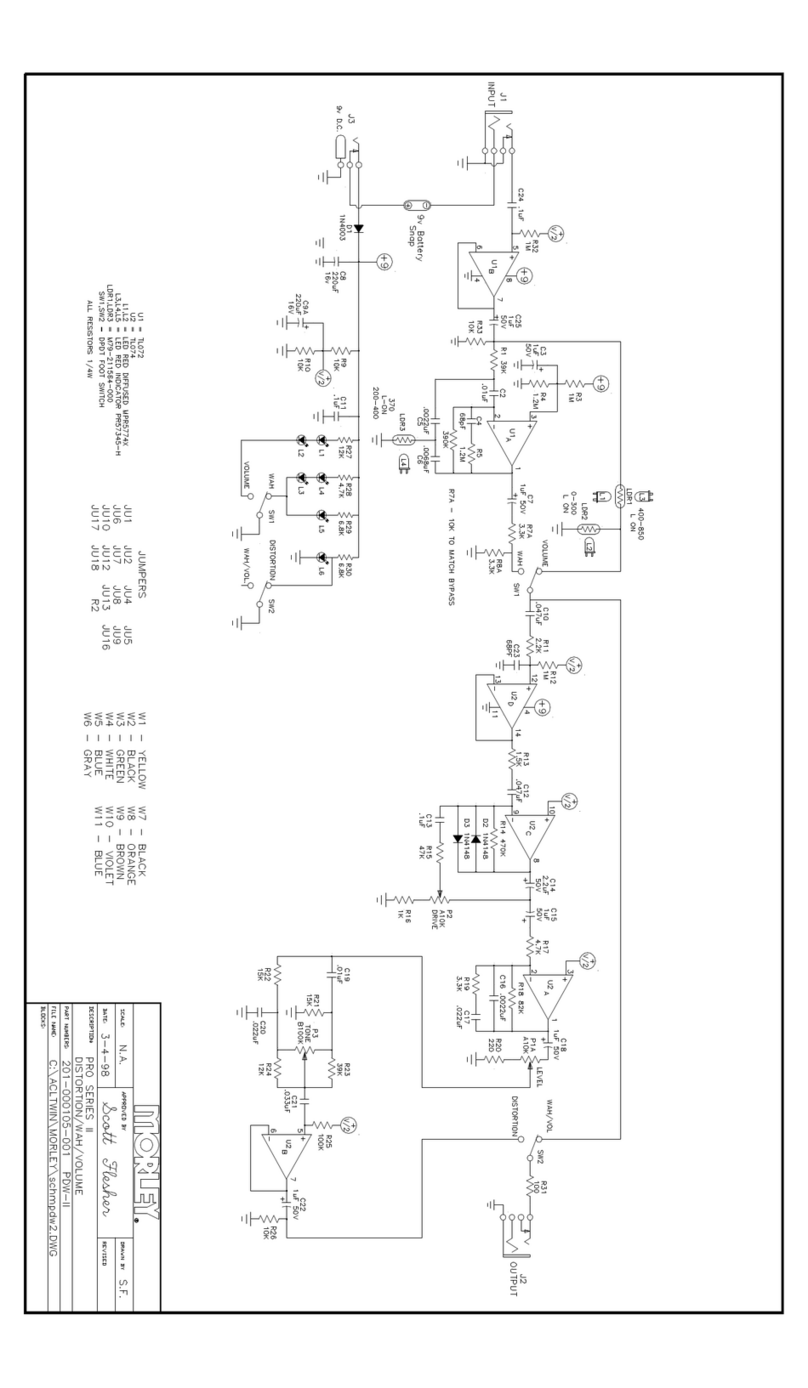
MORLEY PDW-IIES User manual

MORLEY

MORLEY PDW-IIES User manual

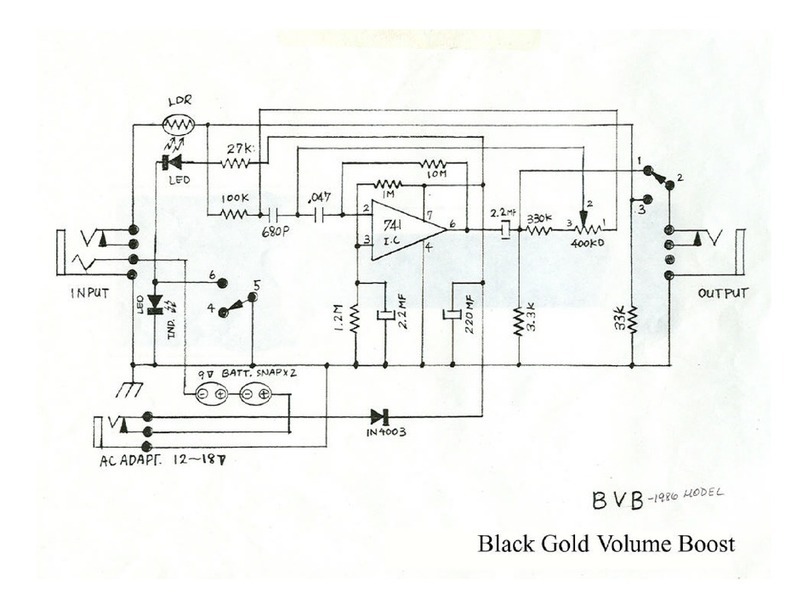
MORLEY BVBES User manual

MORLEY

MORLEY BVBES User manual

MORLEY DDB1 User manual

MORLEY

MORLEY DDB1 User manual

MORLEY CSVES User manual

MORLEY

MORLEY CSVES User manual

MORLEY ECVNEW User manual

MORLEY

MORLEY ECVNEW User manual

MORLEY PARTLIST User manual

MORLEY

MORLEY PARTLIST User manual

MORLEY SLSV2 User manual

MORLEY

MORLEY SLSV2 User manual

MORLEY SLDW2 User manual

MORLEY

MORLEY SLDW2 User manual

MORLEY CFWES User manual

MORLEY

MORLEY CFWES User manual

MORLEY SLVO2 User manual

MORLEY

MORLEY SLVO2 User manual

MORLEY SPRINGCOILED User manual

MORLEY

MORLEY SPRINGCOILED User manual

MORLEY DDBES User manual

MORLEY

MORLEY DDBES User manual

MORLEY AER2 Configuration guide

MORLEY

MORLEY AER2 Configuration guide

MORLEY EP-12 User manual

MORLEY

MORLEY EP-12 User manual

MORLEY D1B1 User manual

MORLEY

MORLEY D1B1 User manual

MORLEY CCBES User manual

MORLEY

MORLEY CCBES User manual

MORLEY BCV-STES User manual

MORLEY

MORLEY BCV-STES User manual

MORLEY ECVNEWES User manual

MORLEY

MORLEY ECVNEWES User manual

MORLEY SLVOES User manual

MORLEY

MORLEY SLVOES User manual

MORLEY PWV-IIES User manual

MORLEY

MORLEY PWV-IIES User manual

MORLEY PCB2 User manual

MORLEY

MORLEY PCB2 User manual

MORLEY PSVES User manual

MORLEY

MORLEY PSVES User manual

MORLEY PWASS User manual

MORLEY

MORLEY PWASS User manual

Popular Music Pedal manuals by other brands

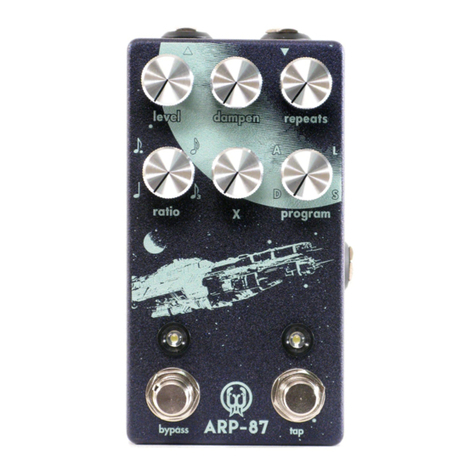
Walrus Audio ARP-87 instruction manual

Walrus Audio

Walrus Audio ARP-87 instruction manual

Ibanez Phaser Mini owner's manual

Ibanez

Ibanez Phaser Mini owner's manual

Ashdown GEEZER BUTLER PEDAL OF DOOM user guide

Ashdown

Ashdown GEEZER BUTLER PEDAL OF DOOM user guide

TC Electronic G-Natural user manual

TC Electronic

TC Electronic G-Natural user manual

Pro-MIDI G25 user manual

Pro-MIDI

Pro-MIDI G25 user manual

Whirlwind oc-bass quick start guide

Whirlwind

Whirlwind oc-bass quick start guide

Strymon Lex-rotary user manual

Strymon

Strymon Lex-rotary user manual

Behringer PB600 manual

Behringer

Behringer PB600 manual

Lexicon MX200 user guide

Lexicon

Lexicon MX200 user guide

Dunlop Hendrix 68 Shrine Octavio Fuzz Series quick start guide

Dunlop

Dunlop Hendrix 68 Shrine Octavio Fuzz Series quick start guide

Matthews Effects Whaler V2 manual

Matthews Effects

Matthews Effects Whaler V2 manual

Grid 1 Pedal Jeanie user manual

Grid 1

Grid 1 Pedal Jeanie user manual

Amptweaker tightboost user manual

Amptweaker

Amptweaker tightboost user manual

Ibanez TS-808 Tube Screamer Overdrive Pro owner's manual

Ibanez

Ibanez TS-808 Tube Screamer Overdrive Pro owner's manual

DW 7000 owner's manual

DW

DW 7000 owner's manual

FAMC Liquid-Foot Jr. Series user manual

FAMC

FAMC Liquid-Foot Jr. Series user manual

Dimavery EPVP-50 manual

Dimavery

Dimavery EPVP-50 manual

Tefi Vintage Lab GEGÈ operating manual

Tefi Vintage Lab

Tefi Vintage Lab GEGÈ operating manual

manuals.online logo
manuals.online logoBrands
  • About & Mission
  • Contact us
  • Privacy Policy
  • Terms and Conditions

Copyright 2025 Manuals.Online. All Rights Reserved.

Calibrate Tuner
Switch
Choose Note
Feature
Calibrate Tuner
Status LEDs
Rugged Die Cast
Housing
Directional or Rotating
LEDs for Tuning
Large Segment
LED Display
Chromatic
or Strobe
Tuner Select
Tuner On/Off Stomp
Switch (True Bypass)
Instrument
Input
9V Adapter Jack
(Center Negative)
Output
Signal Always On
Output (Mute)
Mutes Signal
When Tuning
Easy Access
Battery Door
Non-Skid
Rubber Feet
Accu-Tuner
User Instructions Page 1
# Note Indicator
Section 1: Features
Section 2: Power & Hooking Things Up
The Accu-Tuner requires one 9V battery (use a good quality Alkaline battery for best results). The battery is
installed by unscrewing the battery door (you can use a coin if you don't have a screwdriver handy). Install a
battery, replace battery door and tighten battery door screw until secure. If using battery power, make sure to
unplug cable from INPUT when not in use to avoid wasting battery power.
You can also power the Accu-Tuner with a Morley 9V 300mA Regulated Power Adapter (center polarity
negative). Using another brand / specification of adapter may damage the tuner and void your warranty.
The Accu-Tuner is true bypass and can be placed anywhere in your effects chain. It can also be connected to
a "Tuner Out" jack from another floor effect or hooked up to the Send and Return (FX Loop) if your amplifier is
equipped with one.
INPUT: Plug your guitar into this jack using a standard guitar cable or plug into this jack coming from the OUTPUT
of a previous effect pedal.
OUTPUT: Using a standard guitar cable, plug from this jack out to the amplifier. The guitar signal will always be
present when tuner is engaged or bypassed.
OUTPUT (Mute): Using this output jack will allow you to mute your signal when the tuner is engaged with the
foot switch. You can tune in silence. When done, simply hit the foot switch again and the tuner will be off and
guitar signal turned back on.
For warranty service, tech support or customer service
1-800-284-5172 ext 15 or [email protected]
Diagram #1
Chromatic Mode Tuning
LED to left
means string
is flat
LED to right
means string
is sharp
In tune
Accu-Tuner
User Instructions Page 2
Section 3: Using the tuner
The Accu-Tuner has two tuning modes: Chromatic or Strobe. The Chromatic mode is quicker but tends to not be as
precise. The Strobe mode is very precise but takes longer to use as a result. The Chromatic or Strobe Selection switch is
located at the upper right hand corner of the tuner. The Accu-Tuner remembers the last mode it was in and stays there
until switched (even when unplugged and turned off).
CHROMATIC MODE TUNING: Simply pluck a string and let it ring; the Accu-Tuner automatically senses which string and
tells you what note it is and whether you are flat (LED lights on the left side of center), sharp (LED lights on right side of
center) or in tune (center LED lit). See diagram #1.
STROBE MODE TUNING: Again, pluck a string and let ring. In strobe mode, the LEDS rotate indicating flat (LEDs rotating
counter-clockwise), sharp (LEDs rotating clockwise) or in tune (LEDs stop rotating and stay still). See diagram #2.
Diagram #2
Strobe Mode Tuning
LEDs
rotating
counter-
clockwise
means
string
is flat
LEDs
rotating
clockwise
means
string
is sharp
In tune
when LEDs
stop rotating
Section 4: Special Features
The Accu-Tuner is equipped with two special features that will come in handy for detuning or open tunings or when
you need to tune with another instrument (like an old piano that is slightly out of tune).
CHOOSE NOTE: This features allows you to select the note you would like to tune to. Each time you press the Choose Note
button, the note selection goes up a half step starting at A. (A, A#, B, C, C#, D, D#. E, F, F# & G). Let's say you wanted to
detune your low E to Eb (same as D#), you simply engage the tuner and press the Choose Note button 8 times). The
readout shows D#, the readout will blink three time and now you can tune your string to this note. Holding the CHOOSE
NOTE button for 3 seconds will read 0 and reset the tuner to standard tuning mode. See diagram #3.
IMPORTANT: When tuning guitar to an open tuning, you must repeat the above procedure for each string.
CALIBRATE: This feature allows you to calibrate the Accu-Tuner sharp or flat. This can be useful when tuning to an
instrument that is slightly out of tune. readings higher than 440 are slightly sharp and readings lower than 440 are slightly
flat. See diagram #4.
RETURNING TO STANDARD TUNING MODE: When using either CHOOSE NOTE or CALIBRATE modes, to RESET to standard
default tuning you can either:
1) Press footswitch twice to turn tuner off and on again or
2) Press and hold CHOOSE NOTE button for 3 seconds.
Diagram #3
Choose Note
# indicator
Chose
D# Note
(same as Eb)
by pressing
Calibrate
Button
Diagram #4
Calibrate
Press
Calibrate
button
to advance
tuning
calibration
LED shows
calibration
setting