•If you have been diagnosed with Hepatitis B, Hepatitis C or Human
Immunodeficiency Virus (HIV), pumping breast milk will not reduce or remove the
risk of transmitting the virus to your baby through your breast milk.
•Before each use, visually inspect the individual components of your breast pump for
cracks, chips, tears, discoloration or deterioration. In the event that damage to the
device is observed, please discontinue use until the parts have been replaced.
•If you feel pain in your breast or nipple, turn the pump off or slide a finger between
the breastshield and your breast to break the suction.
•You might experience some discomfort in the early stages of pumping. If discomfort
is persistent or injury or bleeding around the nipple occurs, contact a healthcare
professional or Lactation Consultant immediately.
•While expressing breast milk, make yourself comfortable and do not incline the
bottle.
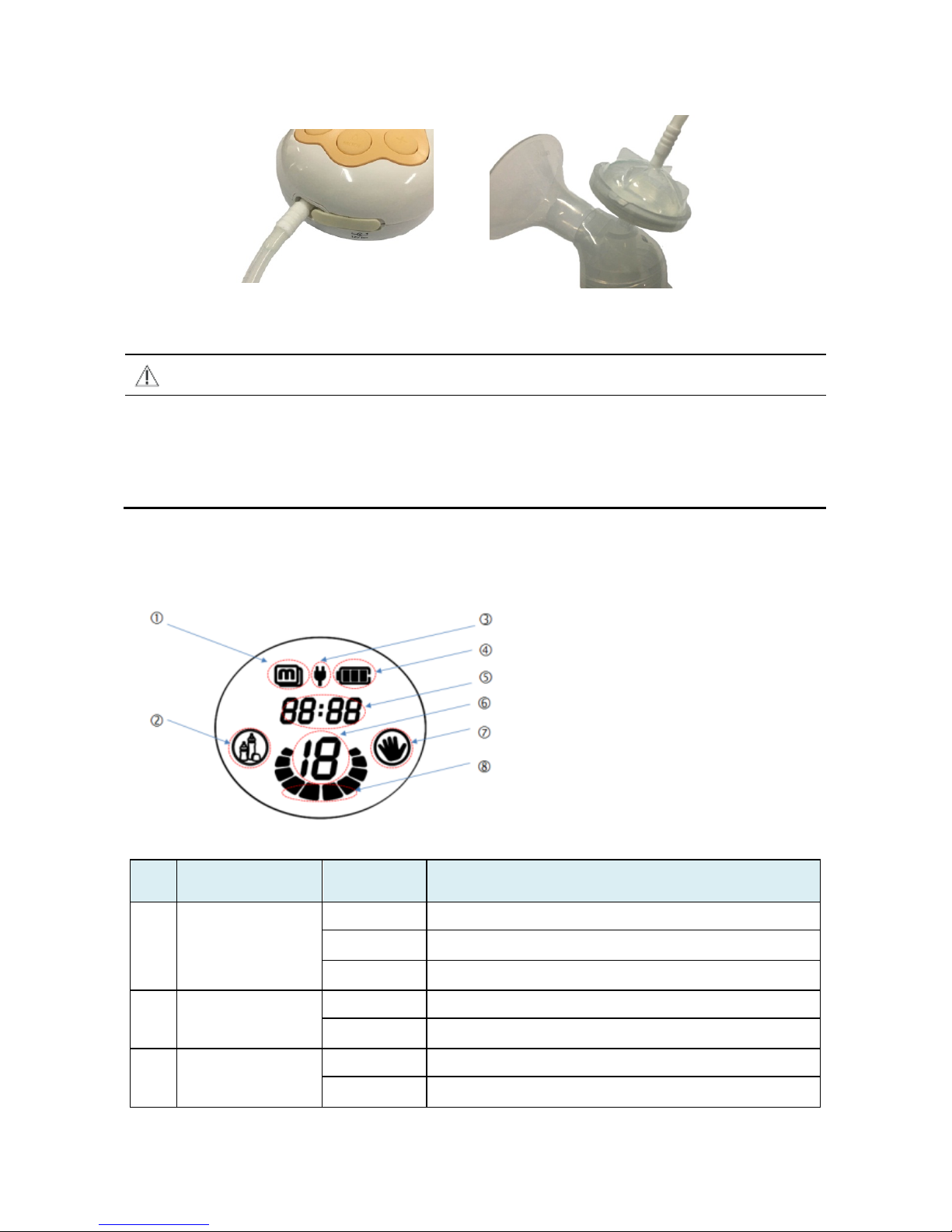
•While operating the breast pump, firmly connect the diaphragm to prevent milk flow
into the main body of the pump or the tubing.
•Clean and sanitize all components that come into contact with breast milk before first
use and after every use.Air-dry all pump components after cleaning.
•Be sure that expressed milk does not flow into the main body by checking the tubing
during and after each use. If milk flows into the tubing, turn the power off, remove
the milk from air tube or diaphragm, and replace or clean the tubing as instructed in
this manual.
•Do not fill the bottle past the recommended capacity.
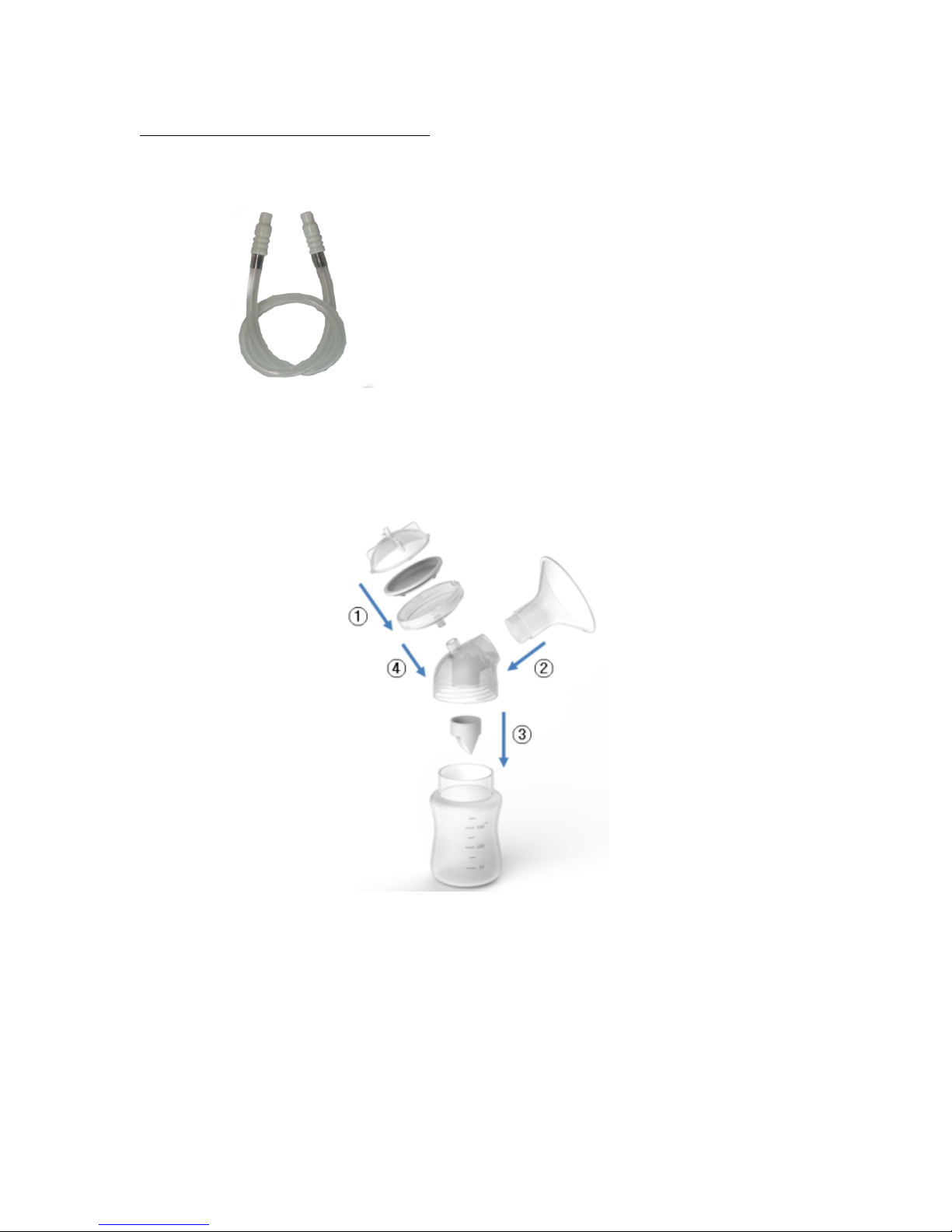
•Make sure that the tubing does not get tangled while double pumping.
•When single pumping, cover the auxiliary tubing port with the port cover to prevent
airflow into the breast pump.
•Unplug the power adapter from the breast pump immediately after you are finished
charging your device.
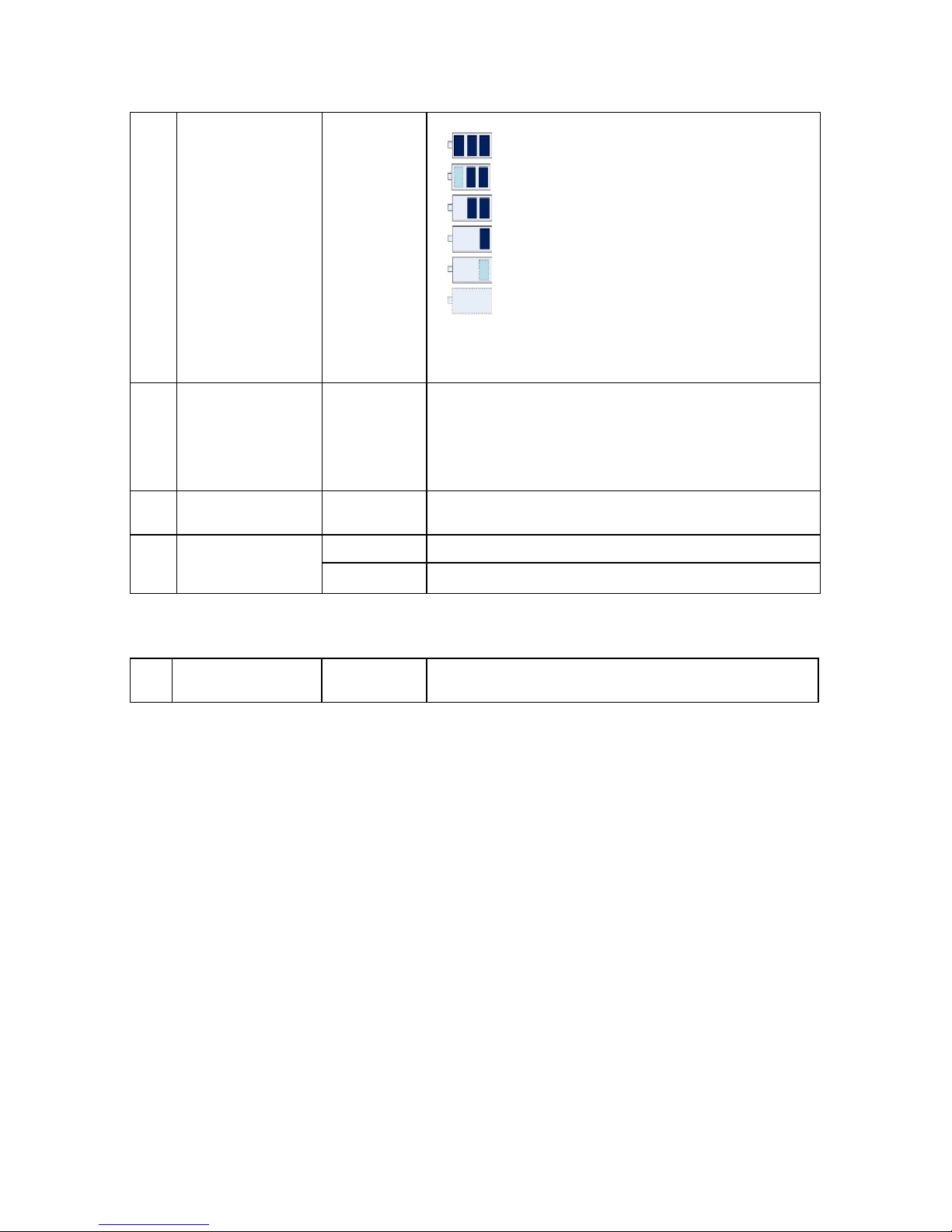
•The battery charge level displayed on the LCD screen can differ from the actual
battery capacity. Use your breast pump with a fully charged battery whenever
possible.
•Charge the battery immediately when [Lo Bt] is displayed on the LCD screen.
•If the breast pump remains unused for a long period of time, make sure that the
battery is fully charged before use.
•Only authorized service personnel should repair or replace this device.
•Never use a damaged device. Inspect all appropriate components before each use.
•Do not use this pump outdoors, anywhere that aerosol products are being used, or
where oxygen is being administered.
•If pump tubing becomes moldy, discontinue use and replace the tubing before
resuming pumping sessions.
•Mobile and portable radio frequency communication equipment can affect the
operation of this breast pump.
•The breast pump, plastic bottles, and component parts may break when dropped. Use
caution when transporting your device.
•Do not pump while bathing or showering.
•Do not thaw frozen breast milk in a microwave or in a pan of boiling water (this can