manuals.online logo
Brands
  1. Home
  2. •
  3. Brands
  4. •
  5. RS PRO
  6. •
  7. Transducer
  8. •
  9. RS PRO ICA32N User manual

RS PRO ICA32N User manual

Other RS PRO Transducer manuals

RS PRO ICA 31 User manual

RS PRO

RS PRO ICA 31 User manual

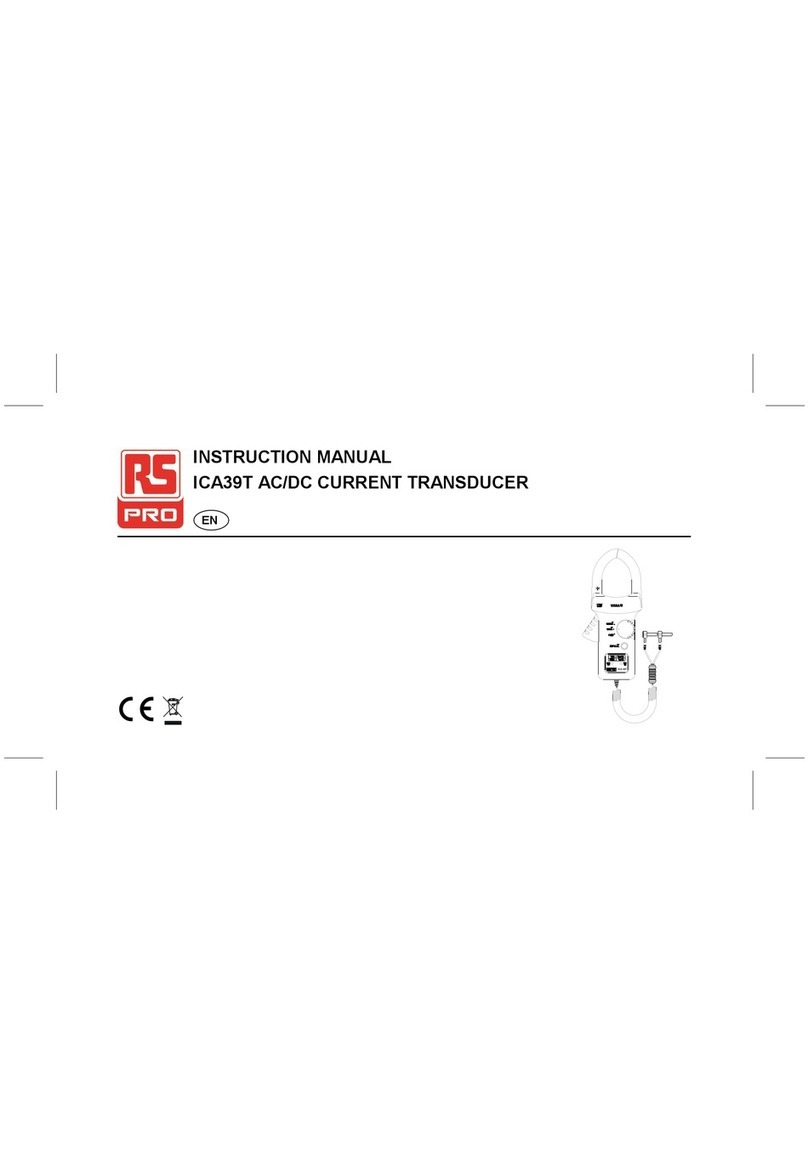
RS PRO ICA39T User manual

RS PRO

RS PRO ICA39T User manual

Popular Transducer manuals by other brands

LEM DK series installation guide

LEM

LEM DK series installation guide

HBM AD101B quick start guide

HBM

HBM AD101B quick start guide

Camille Bauer SINEAX F534 operating instructions

Camille Bauer

Camille Bauer SINEAX F534 operating instructions

Trane KIT 16724 Installer's guide

Trane

Trane KIT 16724 Installer's guide

Lumel P18 user manual

Lumel

Lumel P18 user manual

B&C Speakers DE75PTN datasheet

B&C Speakers

B&C Speakers DE75PTN datasheet

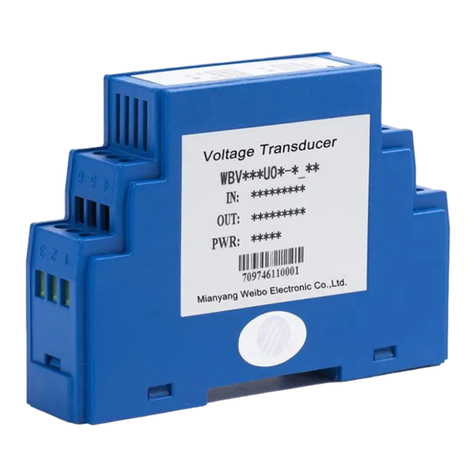
Mianyang Weibo Electronic WB Series user manual

Mianyang Weibo Electronic

Mianyang Weibo Electronic WB Series user manual

ProMinent Dulcometer DMT operating instructions

ProMinent

ProMinent Dulcometer DMT operating instructions

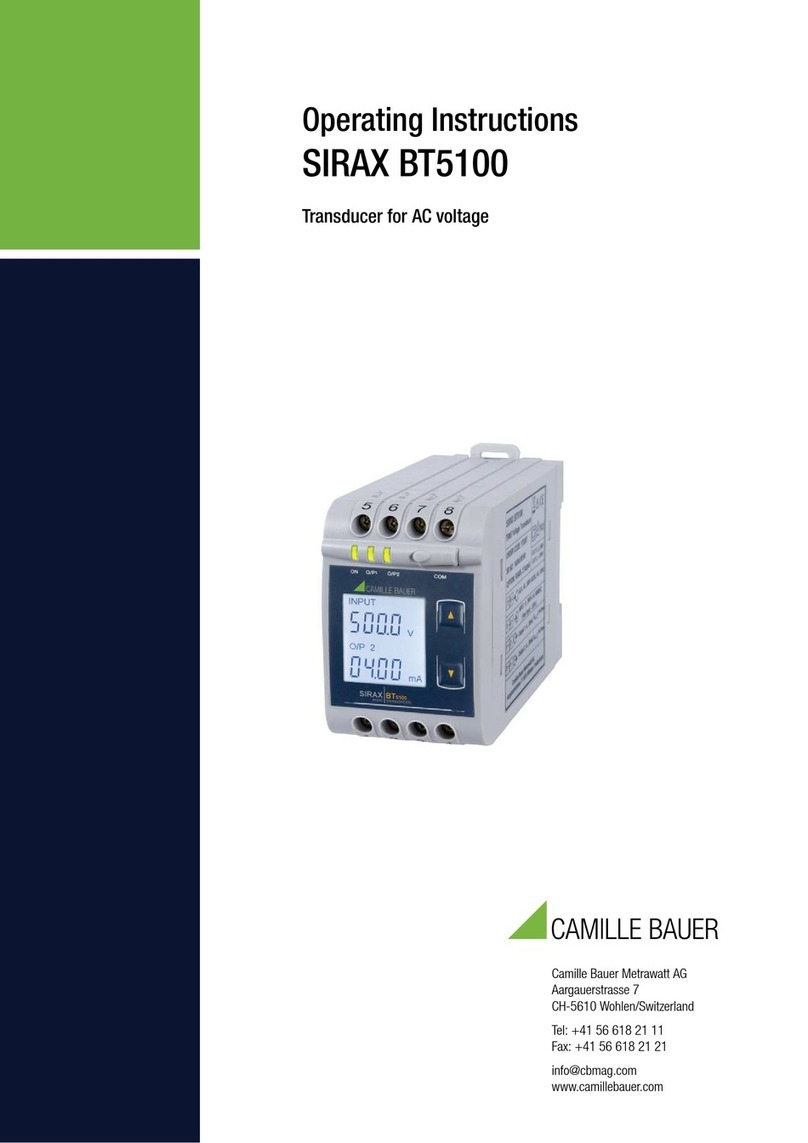
Camille Bauer SIRAX CH-5610 operating instructions

Camille Bauer

Camille Bauer SIRAX CH-5610 operating instructions

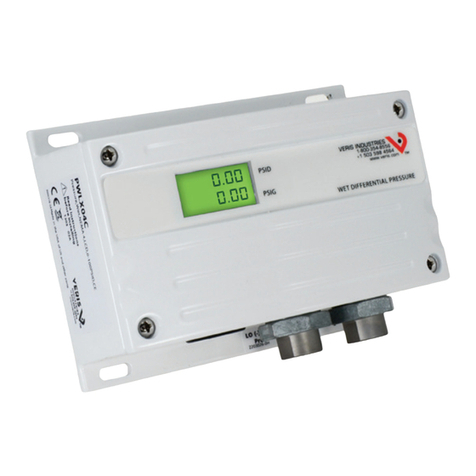
Veris Industries PW Series installation guide

Veris Industries

Veris Industries PW Series installation guide

HBM TJ1-S6 installation manual

HBM

HBM TJ1-S6 installation manual

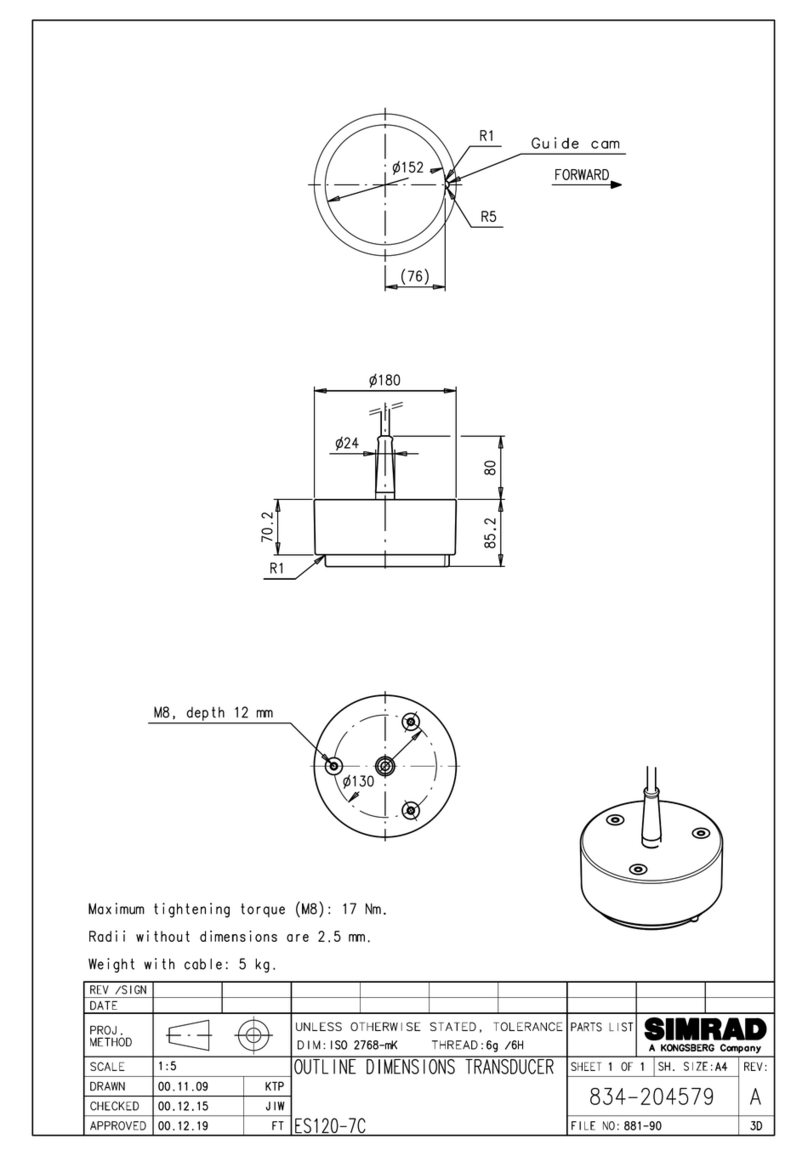
Simrad ES120-7C -  REV D Dimensions

Simrad

Simrad ES120-7C - REV D Dimensions

HBM C18 Mounting instructions

HBM

HBM C18 Mounting instructions

Spirax Sarco ITV1030 Installation and maintenance instructions

Spirax Sarco

Spirax Sarco ITV1030 Installation and maintenance instructions

MAMAC SYSTEMS PR-243 technical information

MAMAC SYSTEMS

MAMAC SYSTEMS PR-243 technical information

Balluff BTL5-P user guide

Balluff

Balluff BTL5-P user guide

MKS MicroPirani 925 Series Short form manual

MKS

MKS MicroPirani 925 Series Short form manual

WIKA WU-20 operating instructions

WIKA

WIKA WU-20 operating instructions

manuals.online logo
manuals.online logoBrands
  • About & Mission
  • Contact us
  • Privacy Policy
  • Terms and Conditions

Copyright 2025 Manuals.Online. All Rights Reserved.


INSTRUCTION MANUAL
ICA32N AC/DC CURRENT TRANSDUCER
EN IT DEFR
ICA32N
1
ICA 32N
CURRENT ADAPTOR
INSTRUCTION MANUAL
2
3
(1) Introduction
1.1 Unpacking and checking
When you unpack your new current adaptor, these are the items you should have:
1. Current adaptor for digital meters, complete with coiled output cable fitted with connectors
2. Carrying case
3. Operating manual
Markings on the unit
Attention —Follow the operating instructions
Symbol for double insulation
Indoor use only
Maximum Altitude 2000m
Installation category IEC1010 300V category III
600V category II
Pollution degree 2
4
1.2 Adaptor front face
Fig.1 and the numbered list below identify the items fitted at the front of the adaptor. Before you use the adaptor,
familiarize yourself with the indicators and controls at the front and the connectors.
1. Red LED - Battery voltage low.
2. Green LED - Power on.
3. Coiled output cable - Voltage output signal.
4. On/off and function switch - Slide switch for selecting measuring function.
5. Zeroing potentiometer - For zeroing d.c. ranges.
6. Jaw lever - Pressing this lever opens one jaw. Relax the pressure and the jaw will close again.
7. Current clamp - This senses the a.c. or d.c. current flowing in a conductor within the clamp.
5
Fig. 1
6
(2) Technical specification
The figures given are for 23°C ±5°C, <75% RH.
Ranges : 0 to 100/600A 
0 to 100/600A 
Accuracy : A.c. currents at 45 to 65Hz
100A range (0 to 100A / ) ±(2% + 2A)
600A range (100 to 400A / ) ±(2% + 2A)
600A range (400 to 600A / ) ±(2.5% + 2A)
Output voltage
100A range (a.c./d.c.) 10mV/A
600A range (a.c./d.c.) 1mV/A
Output impedance : 100kΩmin. (a.c./d.c.)
Jaw position error : ±1% of reading
Method of sensing : Hall effect for a.c. and d.c.
7
Automatic power off : Approx. 15 minutes after power on.
Low battery voltage indication : Red LED.
Power-on indication : Green LED, flashing.
Operating temperature : 0 to +50°C, <75% RH.
Storage temperature : –20 to +60°C, <80% RH.
Temperature coefficient : 0.2 x specified accuracy/°C, <18°C or >28°C.
Power supply : One 9V battery (NEDA 1604, IEC6F22).
Battery life (alkaline) : 45 hours (typical).
Max. conductor dimensions : 34mm Ø or 20 x 40mm busbar
Size (L x B x H) : 203 x 60 x 27 mm.
Weight : 380g.
Accessories : Coiled output cable with prefitted connectors, operating manual and carrying case.
8
Precautions and preparing for measurements
1. Never apply voltage to the output connectors.
2. Do not use the current clamp for voltages of more than 600V a.c.
3. Make sure the battery is correctly inserted.
4. Only use the adaptor at temperatures from 0 to +50°C and at relative humidifies of less than 75%.
5. Do not store or use the adaptor at high temperatures or high relative humidifies or expose it to direct sunlight.
6. Before changing the battery, switch the adaptor off and unplug the output connectors from the meter.
7. Take the battery out if you are not going to be using the adaptor for any length of time.
8. Switch the adaptor off after use.
(3) Using the adaptor
3.1 Measuring a.c. currents
1. Use the slide switch to set the adaptor to the highest range you will need (600A or 100A).
2. Plug the output connectors (red and black) into the input sockets of a digital multimeter and set the multimeter to
an a.c. voltage range of 200mV or 2V.

9
3. Press the lever to open the jaw and place the jaws round the conductor whose current you wish to measure.
Release the lever and make sure the jaws are properly closed. Then read off the measurement from the
multimeter display.
3.2 Measuring d.c. currents
1. Use the slide switch to set the adaptor to the highest range you will need (600A or 100A).
2. Plug the output connectors (red and black) into the input sockets of a digital multimeter and set the multimeter to
an d.c. voltage range of 200mV or 2V.
3. Adjust the zeroing potentiometer to give a reading of "0" on the multimeter display.
4. When measuring d.c. currents, you will get a positive measurement when the current in the conductor enclosed by
the jaws is flowing upwards, as shown in Fig.2.
5. Press the lever to open the jaw and place the jaws round the conductor whose current you wish to measure.
Release the lever and make sure that the jaws are properly closed. Then read off the measurement from the
multimeter display.