manuals.online logo
Brands
  1. Home
  2. •
  3. Brands
  4. •
  5. Yard-Man
  6. •
  7. Snow Blower
  8. •
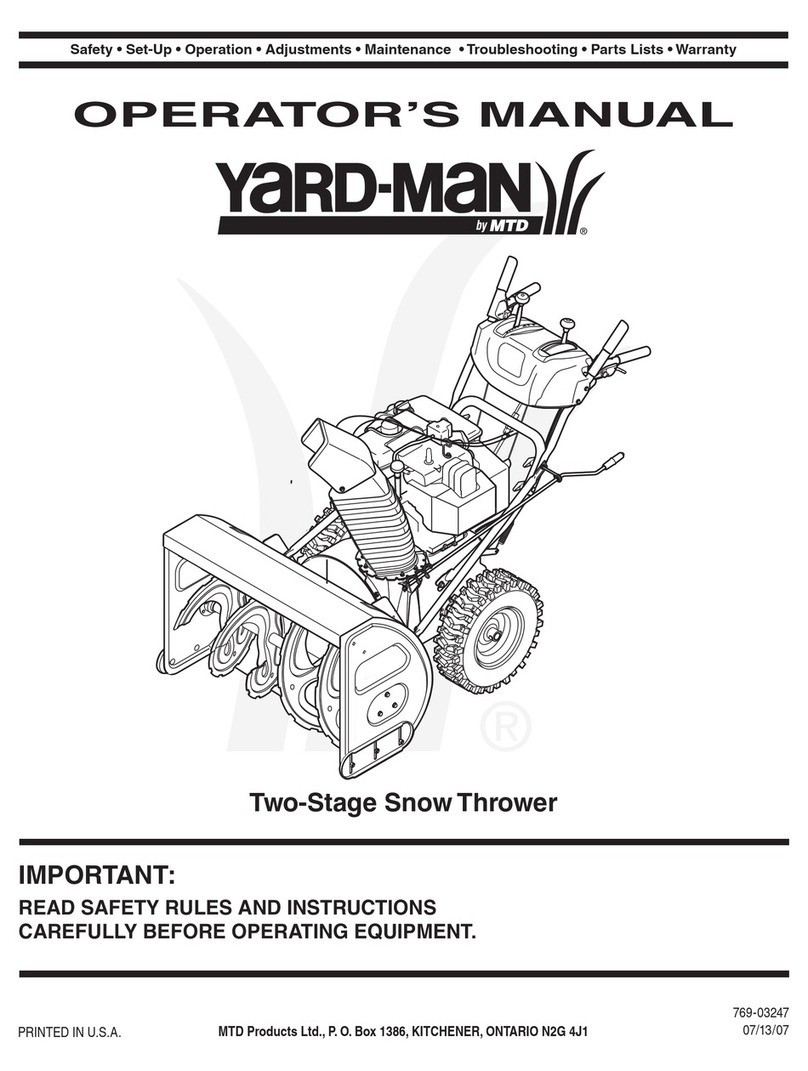
  9. Yard-Man 295 User manual

Yard-Man 295 User manual

This manual suits for next models

3

Other Yard-Man Snow Blower manuals

Yard-Man 31340-8 User manual

Yard-Man

Yard-Man 31340-8 User manual

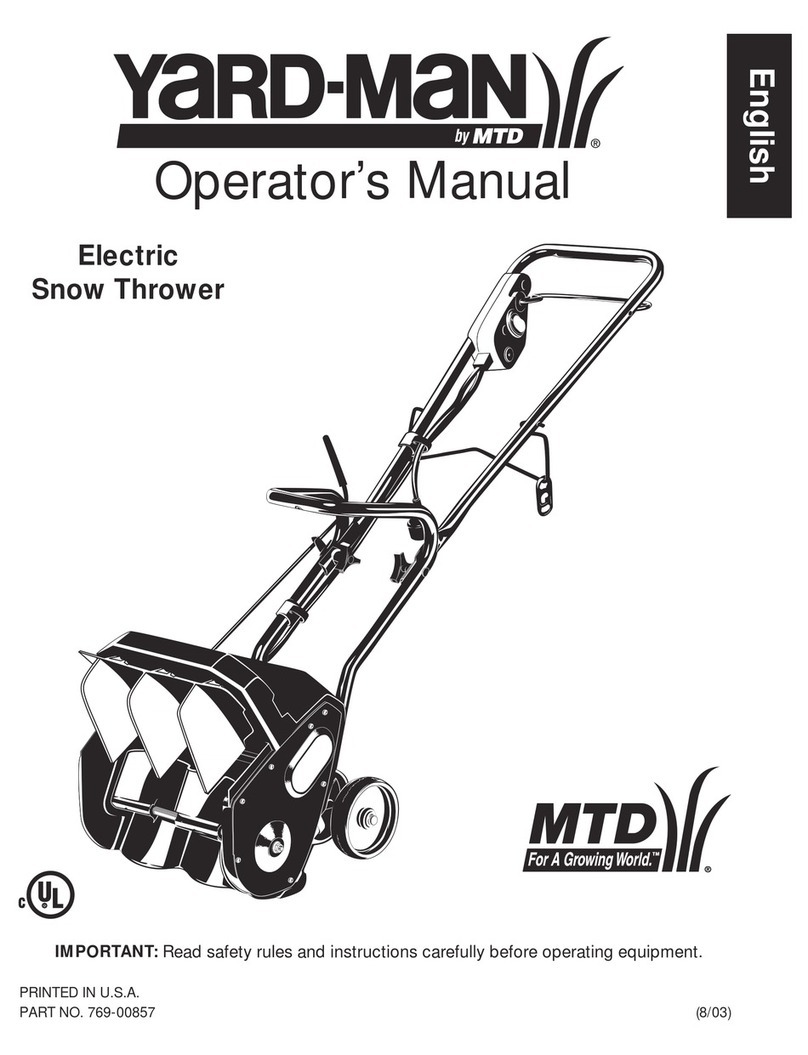
Yard-Man 769-00857 User manual

Yard-Man

Yard-Man 769-00857 User manual

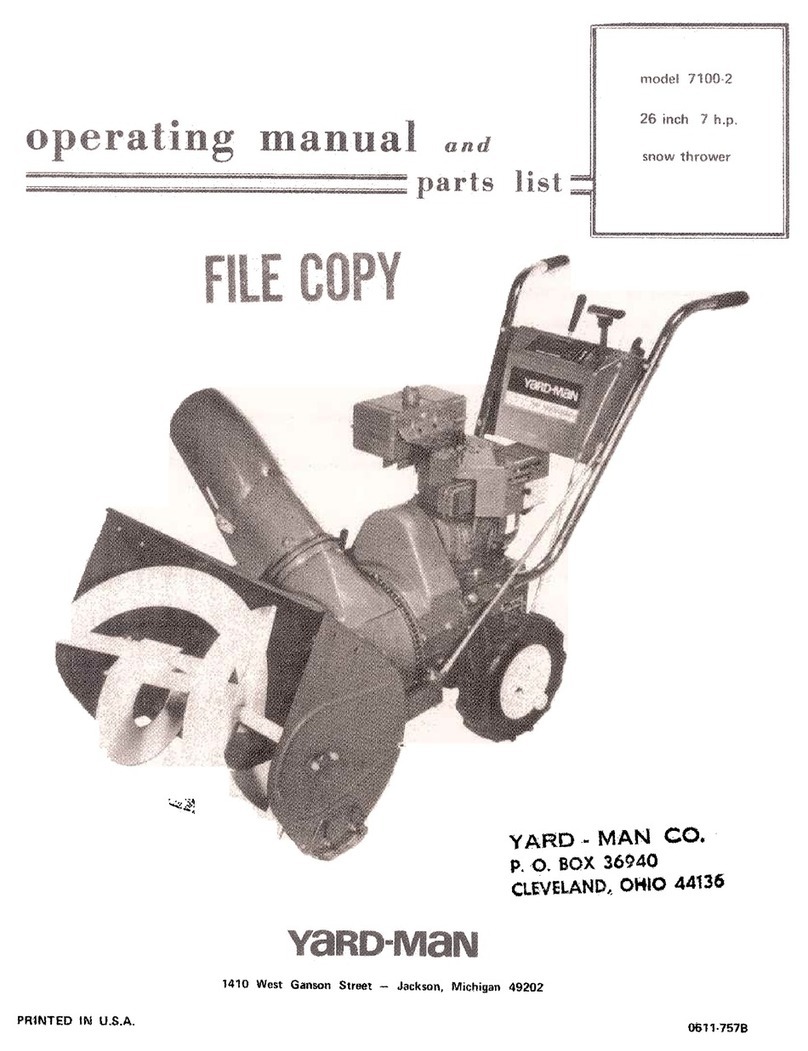
Yard-Man 7100-2 User manual

Yard-Man

Yard-Man 7100-2 User manual

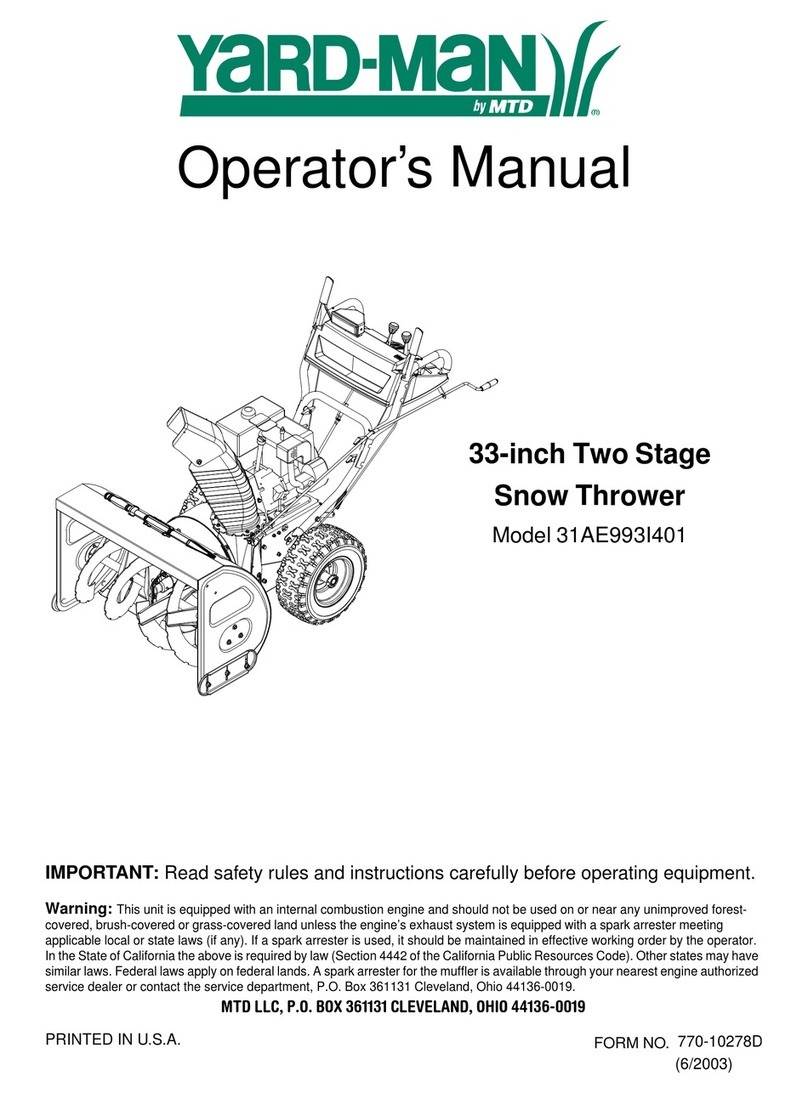
Yard-Man 31AE993J401 User manual

Yard-Man

Yard-Man 31AE993J401 User manual

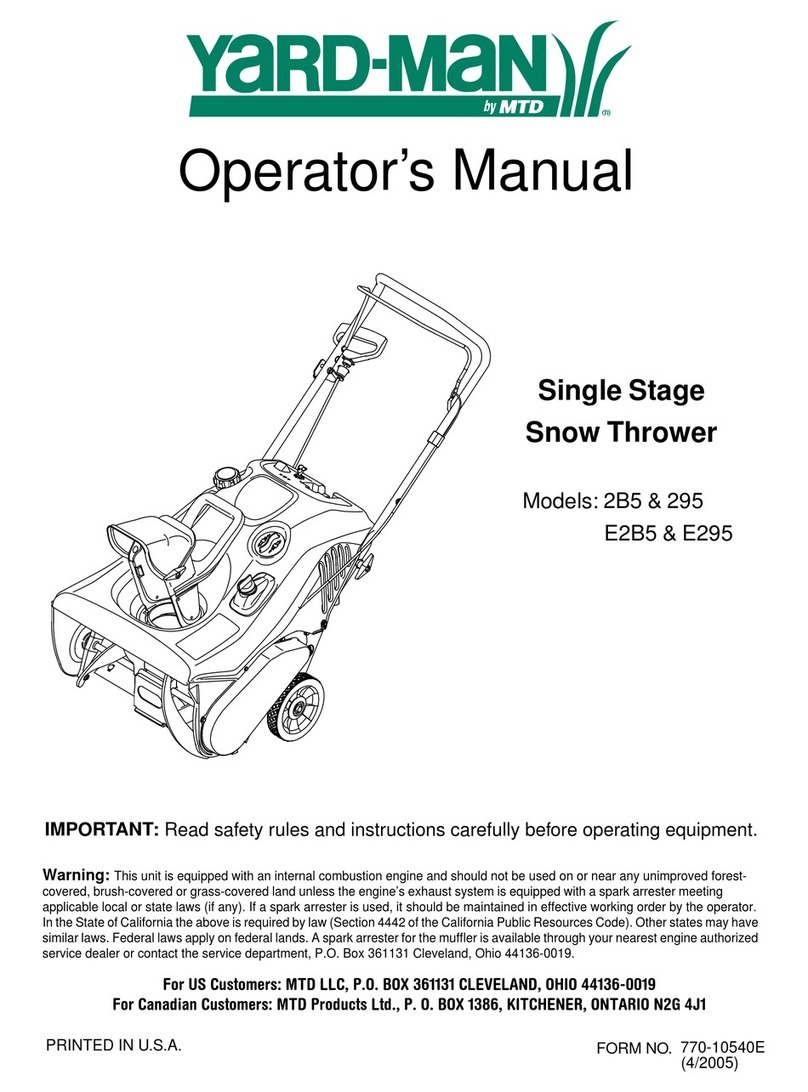
Yard-Man 2B5 & 295 User manual

Yard-Man

Yard-Man 2B5 & 295 User manual

Yard-Man 500 Series User manual

Yard-Man

Yard-Man 500 Series User manual

Yard-Man 772C0710 600 User manual

Yard-Man

Yard-Man 772C0710 600 User manual

Yard-Man 31220-9 User manual

Yard-Man

Yard-Man 31220-9 User manual

Yard-Man 31AE6GKF500 User manual

Yard-Man

Yard-Man 31AE6GKF500 User manual

Yard-Man 7020-0 Snow-Bird Operation manual

Yard-Man

Yard-Man 7020-0 Snow-Bird Operation manual

Yard-Man 31AE5KLF801 User manual

Yard-Man

Yard-Man 31AE5KLF801 User manual

Yard-Man 7100-1 User manual

Yard-Man

Yard-Man 7100-1 User manual

Yard-Man 31AH553G401 User manual

Yard-Man

Yard-Man 31AH553G401 User manual

Yard-Man 31AE993I401 User manual

Yard-Man

Yard-Man 31AE993I401 User manual

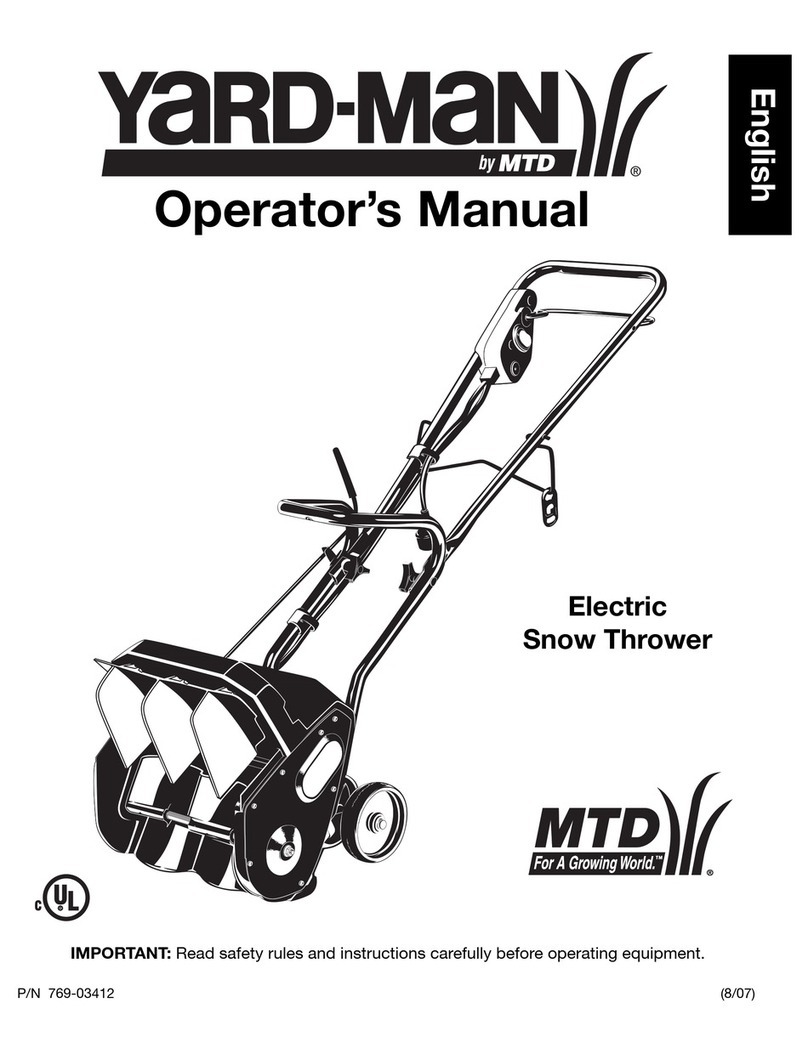
Yard-Man 769-03412 User manual

Yard-Man

Yard-Man 769-03412 User manual

Yard-Man 7200-0 User manual

Yard-Man

Yard-Man 7200-0 User manual

Yard-Man 5KL User manual

Yard-Man

Yard-Man 5KL User manual

Yard-Man 31AE553F401 User manual

Yard-Man

Yard-Man 31AE553F401 User manual

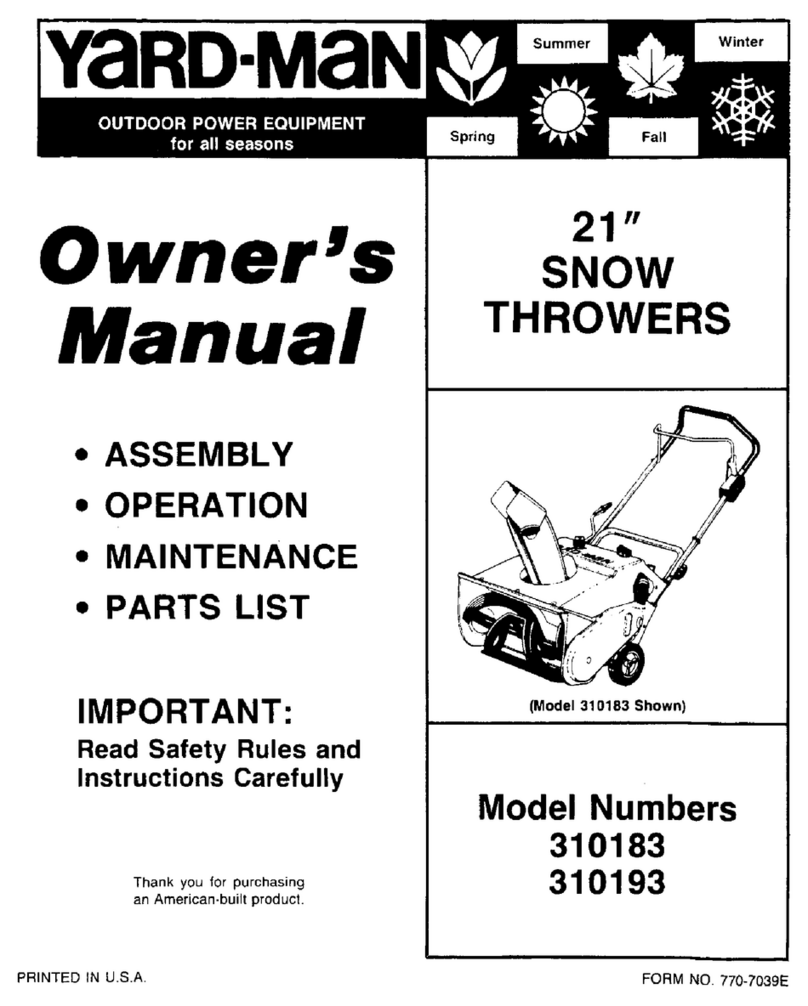
Yard-Man 310183 User manual

Yard-Man

Yard-Man 310183 User manual

Yard-Man E2B5 User manual

Yard-Man

Yard-Man E2B5 User manual

Yard-Man 247.880870 User manual

Yard-Man

Yard-Man 247.880870 User manual

Yard-Man 31AH553G401 User manual

Yard-Man

Yard-Man 31AH553G401 User manual

Yard-Man 285 User manual

Yard-Man

Yard-Man 285 User manual

Yard-Man E663H User manual

Yard-Man

Yard-Man E663H User manual

Popular Snow Blower manuals by other brands

Wen 20720BT instruction manual

Wen

Wen 20720BT instruction manual

Poulan Pro 420904 owner's manual

Poulan Pro

Poulan Pro 420904 owner's manual

Poulan Pro 421602 owner's manual

Poulan Pro

Poulan Pro 421602 owner's manual

Murray 624504X4A Instruction book

Murray

Murray 624504X4A Instruction book

Blizzard POWER PLOW 8100PP owner's manual

Blizzard

Blizzard POWER PLOW 8100PP owner's manual

Craftsman 486.24837 Operator's manual

Craftsman

Craftsman 486.24837 Operator's manual

ST ST 526 A Operator's manual

ST

ST ST 526 A Operator's manual

MTD 3AA Operator's manual

MTD

MTD 3AA Operator's manual

Toro Power TRX 1428 OHXE Operator's manual

Toro

Toro Power TRX 1428 OHXE Operator's manual

Poulan Pro 416829 owner's manual

Poulan Pro

Poulan Pro 416829 owner's manual

MTD 319-180-00 owner's guide

MTD

MTD 319-180-00 owner's guide

Poulan Pro 437986 owner's manual

Poulan Pro

Poulan Pro 437986 owner's manual

Brute 1695565 Operator's manual

Brute

Brute 1695565 Operator's manual

Poulan Pro 420915 owner's manual

Poulan Pro

Poulan Pro 420915 owner's manual

GreenWorks SNF402 Operator's manual

GreenWorks

GreenWorks SNF402 Operator's manual

LOFTNESS 601D1 Operator's manual

LOFTNESS

LOFTNESS 601D1 Operator's manual

LOFTNESS 1082I Operator's manual

LOFTNESS

LOFTNESS 1082I Operator's manual

LOFTNESS 481EL Operator's manual

LOFTNESS

LOFTNESS 481EL Operator's manual

manuals.online logo
manuals.online logoBrands
  • About & Mission
  • Contact us
  • Privacy Policy
  • Terms and Conditions

Copyright 2025 Manuals.Online. All Rights Reserved.

@
Operator's Manu I
Single Stage
Snow Thrower
Models 285 & 295
Models E285 &E295
IMPORTANT: Read safety rules and instructions carefully before operating equipment.
Warning: This unit is equipped with an internal combustion engine and should not be used on or near any unimproved forest-
covered, brush-covered or grass-covered land unless the engine's exhaust system is equipped with a spark arrester meeting
applicable local or state laws (if any). If a spark arrester is used, itshould be maintained in effective working order by the operator.
In the State of California the above is required by law (Section 4442 of the California Public Resources Code). Other states may have
similar laws. Federal laws apply on federal lands. A spark arrester for the muffler is available through your nearest engine authorized
service dealer or contact the service department, P.O. Box 361131 Cleveland, Ohio 44136-0019.
MTD LLC, P.O. BOX 361131 CLEVELAND, OHIO 44136-0019
PRINTED IN U.S.A. FORM NO. 770-10540C
(7/2003)
TABLEOFCONTENTS
Content Page
Important Safe Operation Practices .................................................................................. 3
Assembling Your Snow Thrower ....................................................................................... 5
Know Your Snow Thrower ................................................................................................. 6
Operating Your Snow Thrower .......................................................................................... 7
Making Adjustments .......................................................................................................... 9
Maintaining Your Snow Thrower ....................................................................................... 10
Off-Season Storage .......................................................................................................... 10
Troubleshooting ................................................................................................................ 11
Parts List .......................................................................................................................... 12
FINDINGMODELNUMBER
This Operator's Manual is an important part of your new snow thrower. It will help you to assemble, prepare and
maintain the unit for best performance. Please read and understand what it says.
Before you start assembling your new snow thrower, please locate the model plate on the
equipment and copy the informationfrom itin the space provided below. The information on the
model plate is very important if you need help from our Customer Support Department or an
authorized dealer.
You can locate the model number by standing behind the unit in the operating position and looking down at
the dash panel. A sample model plate is explained below. For future reference, please copy the model
number and the serial number of the equipment in the space below.
Model Number
Serial Number
MTD LLC
_lm_f[ P.O. BOX361131
CLEVELAND,OH 44136
www.yardman.corn 330-220-4683
_, 800-800-731 O,
Copy the model number here:
Copy the serial number here:
ENGINEINFORMATION
The engine manufacturer is responsible for all engine-related issues with regards to performance, power-rating,
specifications, warranty and service. Please refer to the engine manufacturer's Owner's/Operator's Manual packed
separately with your unit for more information.
CALLINGCUSTOMERSUPPORT
PleasedoNOTreturntheunittotheretailer from whichit waspurchased,withoutfirstcontactingCustomerSupport.
If you have difficulty assembling this product or have any questions regarding the controls, operation or
maintenance of this unit, please call 1- (330) 220-4MTD (4683) or 1- (800)-800-7310 to reach a
Customer Support representative. Please have your unit's model number and serial number ready when
you call. See previous section to locate this information. You will be asked to enter the serial number in
order to process your call.
SECTION1: IMPORTANTSAFEOPERATIONPRACTICES
,_ WARNING: This symbol points out important safety instructions which, if not followed, could endanger
the personal safety and/or property of yourself and others. Read and follow all instructions in this manual
before attempting to operate this machine. Failure to comply with these instructions may result in personal
injury. When you see this symbol--heed its warning.
,_ WARNING: Engine Exhaust, some of its constituents, and certain vehicle components contain or emit
chemicals known to State of California to cause cancer and birth defects or other reproductive harm.
DANGER: This machine was built to be operated according to the rules for safe operation in this manual. As with any type
of power equipment, carelessness or error on the part of the operator can result in serious injury. This machine is capable
of amputating hands and feet and throwing objects. Failure to observe the following safety instructions could result in
serious injury or death.
Training
1. Read, understand, and follow all instructions on the
machine and in the manual(s) before attempting to
assemble and operate. Keep this manual in a safe place
for future and regular reference and for ordering
replacement parts.
2. Be familiar with all controls and their proper operation.
Know how to stop the machine and disengage them
quickly.
3. Never allow children under 14 years old to operate this
machine. Children 14years old and over should read and
understand the operation instructions and safety rules in
this manual and should be trained and supervised by a
parent.
4. Never allow adults to operate this machine without
proper instruction.
5. Thrown objects can cause serious personal injury. Plan
your snow throwing pattern to avoid discharge of material
toward roads, bystanders and the like.
6. Keep bystanders, helpers, pets and children at least 75
feet from the machine while it is in operation. Stop
machine if anyone enters the area.
7. Exercise caution to avoid slipping or falling, especially
when operating in reverse.
Preparation
1. Thoroughly inspect the area where the equipment is to
be used. Remove all door mats, newspapers, sleds,
boards, wires and other objects which could be tripped
over or thrown by the auger.
2. Always wear safety glasses or eye shields during
operation and while performing an adjustment or repair to
protect your eyes. Thrown objects which ricochet can
cause serious injury to the eyes.
3. Do not operate without wearing adequate winter outer
garments. Do not wear jewelry, long scarves or other
loose clothing which could become entangled in moving
parts. Wear footwear which will improve footing on
slippery surfaces.
4. Use agrounded three wire extension cord and receptacle
for all units with electric start engines.
5. Adjust collector housing height to clear gravel or crushed
rock surfaces.
6. Disengage the auger control bail before starting the
engine.
7.
8.
9.
Never attempt to make any adjustments while engine is
running, except where specifically recommended in the
operator's manual.
Let engine and machine adjust to outdoor temperature
before starting to clear snow.
To avoid personal injury or property damage use extreme
care in handling gasoline. Gasoline is extremely
flammable and the vapors are explosive. Serious
personal injury can occur when gasoline is spilled on
yourself or your clothes which can ignite. Wash your skin
and change clothes immediately.
a. Use only an approved gasoline container.
b. Extinguish all cigarettes, cigars, pipes and other
sources of ignition.
c. Never fuel machine indoors.
d. Never remove gas cap or add fuel while the
engine is hot or running.
e. Allow engine to cool at least two minutes before
refueling.
f. Never over fill fuel tank. Fill tank to no more than
½ inch below bottom of filler neck to provide space
for fuel expansion.
g. Replace gasoline cap and tighten securely.
h. If gasoline is spilled, wipe it off the engine and
equipment. Move machine to another area. Wait 5
minutes before starting the engine.
i. Never store the machine or fuel container inside
where there is an open flame, spark or pilot light
(e.g. furnace, water heater, space heater, clothes
dryer etc.).
j. Allow machine to cool at least 5 minutes before
storing.
Operation
1. Do not put hands or feet near rotating parts, in the auger
housing or discharge chute. Contact with rotating parts
can amputate hands and feet.
2. The auger control bail is a safety device. Never bypass
its operation. Doing so, makes the machine unsafe and
may cause personal injury.
3. The auger control bail must operate easily in both
directions and automatically return to the disengaged
position when released.
4. Never operate with a missing or damaged discharge
chute. Keep all safety devices in place and working.

5. Neverrunanengineindoorsorinapoorlyventilated
area.Engineexhaustcontainscarbonmonoxide,an
odorlessanddeadlygas.
6. Donotoperatemachinewhileundertheinfluenceof
alcoholordrugs.
7. Mufflerandenginebecomehotandcancauseaburn.Do
nottouch.
8. Exerciseextremecautionwhenoperatingonorcrossing
gravelsurfaces.Stayalertforhiddenhazardsortraffic.
9. Exercisecautionwhenchangingdirectionandwhile
operatingonslopes.
10.Planyoursnowthrowingpatterntoavoiddischarge
towardswindows,walls,carsetc.Toavoidproperty
damageorpersonalinjurycausedbyaricochet.
11.Neverdirectdischargeatchildren,bystandersandpets
orallowanyoneinfrontofthemachine.
12.Donotoverloadmachinecapacitybyattemptingtoclear
snowattoofastofarate.
13.Neveroperatethismachinewithoutgoodvisibilityor
light.Alwaysbesureofyourfootingandkeepafirmhold
onthehandles.Walk,neverrun.
14.Disengagepowertotheaugerwhentransportingornot
inuse.
15.Neveroperatemachineathightransportspeedson
slipperysurfaces.Lookdownandbehindandusecare
wheninreverse.
16.Ifthemachineshouldstarttovibrateabnormally,stopthe
engine,disconnectthesparkplugandgrounditagainst
theengine.Inspectthoroughlyfordamage.Repairany
damagebeforestartingandoperating.
17.Disengagetheaugercontrolbailandstopenginebefore
youleavetheoperatingposition(behindthehandles).
Waituntiltheaugercomestoacompletestopbefore
uncloggingthedischargechute,makingany
adjustments,orinspections.
18.Neverputyourhandinthedischargeorcollector
openings.Alwaysuseaclearingtooltounclogthe
dischargeopening.
19.Useonlyattachmentsandaccessoriesapprovedbythe
manufacturer.
20.Ifsituationsoccurwhicharenotcoveredinthismanual,
usecareand good judgment. Contact your dealer or
telephone 1-800-800-7310 for assistance and the name
of your nearest servicing dealer.
Maintenance& Storage
1. Never tamper with safety devices. Check their proper
operation regularly.
2. Disengage the auger control bail and stop engine. Wait
until the auger comes to a complete stop. Disconnect the
spark plug wire and ground against the engine to prevent
unintended starting before cleaning, repairing, or
inspecting.

3. Check bolts, and screws for proper tightness at frequent
intervals to keep the machine in safe working condition.
Also, visually inspect machine for any damage.
4. Do not change the engine governor setting or over-speed
the engine. The governor controls the maximum safe
operating speed of the engine.
5. Snow thrower shave plates and skid shoes are subject to
wear and damage. For your safety protection, frequently
check all components and replace with original
equipment manufacturer's (O.EM.) parts only. "Use of
parts which do not meet the original equipment
specifications may lead to improper performance and
compromise safety!"
6. Check the auger control bail periodically to verify they
engage and disengage properly and adjust, if necessary.
Refer to the adjustment section in this operator's manual
for instructions.
7. Maintain or replace safety and instruction labels, as
necessary.
8. Observe proper disposal laws and regulations for gas,
oil, etc. to protect the environment.
9. Prior to storing, run machine afew minutes to clear snow
from machine and prevent freeze up of auger.
10. Never store the machine or fuel container inside where
there is an open flame, spark or pilot light such as a water
heater, furnace ,clothes dryer etc.
11. Always refer to the operator's manual for proper
instructions on off-season storage.
YourResponsibility:
Restrict the use of this power machine to persons
who read, understand and follow the warnings and
instructions in this manual and on the machine.
SECTION2: ASSEMBLINGYOURSNOWTHROWER
UnpackingFromCarton
Cut along comers of the carton and lay it down flat.
Remove packing material.
Remove any loose parts included with unit (i.e.,
operator's manual, etc.).
Roll unit out of carton. Check carton thoroughly for
any remaining loose part.
ItemsRequiredForAssembly
1. Engine oil
2. Fresh gasoline
NOTE: All references to left or right side of the snow
thrower is from the operating position only.
BeforeAssembly
,_ WARNING: Disconnect the spark plug wire
and ground it against the engine to prevent
unintended starting. See Figure 1.
RaisingUpperHandle
Loosen the hand knob on each side of the handle.
Remove packing matedal, if any.
Raise the upper handle in the direction shown in
Figure 1 until it clicks into the operating position.
Make sure not to pinch or crimp the cable.
Tighten the hand knobs.
AssemblingtheDischargeChute
For shipping reasons, the snow thrower has been
packaged with the upper chute pivoted all the way
down. To pivot it upward, proceed as follows:
Turn the chute until the chute opening is facing
straight ahead.
Remove the wing knob, flat washer and carriage
bolt from the lower chute. See Figure 2.
Pivot the upper chute upward over the lip on the
lower chute so that there is NO gap between the
upper chute and the lower chute. See Figure 2.
Re-secure with the hardware just removed.
CAUTION:Do not use the Chute
Handle to lift the machine.
Carriage Bolt
and Flat Washer
\
g Knob
Figure 1
Access Figure 2
SECTION3: KNOWYOURSNOWTHROWER
,_ WARNING: Be familiar with all the controls on the snow thrower and their proper operation. Know how to
stop the machine and disengage them quickly.
Recoil Starter
Gasoline Cap_
Fuel Plug -_._,__If Equipped)
Access
Chute
Shave Plat_
Choke
Lever
Figure 3
AugerControlHandle
Located on the upper handle, the auger control handle
is used to engage and disengage the auger. The snow
thrower is designed to propel bythe rotation of the
auger. Pull the auger control handle back against the
upper handle to engage the auger; release to
disengage.
DischargeChute
The angle of the discharge chute controls the distance
that the snow is thrown. Tilt the discharge chute up for
greater distance; tilt down for less distance. Loosen the
hand knob on the side of the discharge chute to adjust.
Tilt the chute to the desired position, and tighten the
knob.
ChokeLever
The location of the choke lever is indicated in Figure 3
inset. You will have to use this lever to start the engine.
Push the lever all the way up to the FULL/ON position,
or all the way down to the OFF position as desired.
Fuel Plug
Discard the fuel plug, before filling the fuel tank. It is
only used during assembly to keep dirt and debris out of
fuel tank.
PrimerButton
Used to inject fuel directly into the carburetor to insure
fast starts in cold weather. Follow engine manual to
prime engine.
IgnitionKey
Used to start engine. Put key in "ON" position to start
for both electric and recoil start engines. Follow starting
instructions given in the next section.
RecoilStarter
Used to manually start the engine.
ElectricStarter (If Equipped)
Used to start engine with a 120V power source
Plugfor ElectricStart
Requires use of a three-prong outdoor extension cord
and a 120V power source
SparkPlugAccess
Spark plug located under the access cover.
SECTION4: OPERATINGYOURSNOWTHROWER
BeforeStarting
_b WARNING: Read, understand, and follow all
instructions and warnings on the machine and
in this manual before operating.
The spark plug wire was disconnected for safety.
Attach spark plug wire to spark plug before starting.
GasandOilFill-Up
Check oil and gasoline level and add if necessary.
Follow related instructions in the separate engine
manual packed with your snow thrower.
_lb WARNING: Use extreme care when
handling gasoline. Gasoline is extremely
flammable and the vapors are explosive. Never
fuel the machine indoors or while the engine is
hot or running. Extinguish cigarettes, cigars,
pipes and other sources of ignition.
ToStartEngine
Insert ignition key into slot. Turn key to ON position.
Now follow the instructions below as it pertains to
your unit. See Figure 4 for location of controls.
ElectricStarter(IfEquipped)
,d_ WARNING: The electric starter must be
used with a properly grounded three-prong
receptacle at all times to avoid the possibility of
electric shock. Follow all instructions carefully
prior to operating the electric starter.
controlhandk
to engage
auger
Starter
Starter
Lever (If Equipped)
Access
Figure 4
The electric starter is equipped with a grounded
three-wire power cord and plug, and is designed to
operate on 120 volt AC household current.
Determine that your house wiring is a three-wire
grounded system. Ask a licensed electrician if you
are not certain.
If your home wiring system is not a three-wire
grounded system, do not use this electric starter
under any conditions.
If your home electrical system is grounded, but
a three-hole receptacle is not available, one should
be installed by a licensed electrician before using
the electric starter.
If you have a grounded three-prong receptacle,
proceed as follows.
Move Choke Control to "Full" position.
Push Primer three (3) times, making sure to cover
vent hole when pushing.Connect power cord to
switch box on clash panel. Plug the other end of
power cord into a three-prong 120-volt, grounded,
AC receptacle.
Push starter button to crank engine. As you crank
the engine, move choke lever to FULL choke
position.
When engine starts, release starter button, and
move choke gradually to OFF. If engine falters,
move choke immediately to FULL and then
gradually to OFF.
When disconnecting the power cord, always unplug
from the three-prong receptacle first, and then from
the snow thrower.
RecoilStarter
Move choke lever to FULL choke position (cold
engine start).
If engine is warm, place choke in OFF position
instead of FULL.
Push primer button two or three times for cold
engine start.
If engine is warm, push primer button only once.
NOTE: Always cover vent hole in primer button when
pushing. Additional priming may be necessary for first
start if temperature is below 15 degrees Fahrenheit.
Grasp starter handle and pull rope out slowly, until
it pulls slightly harder. Let rope rewind slowly.
Pull starter handle rapidly. Do not allow handle to
snap back. Allow it to rewind slowly while keeping a
firm hold on the starter handle.
As engine warms up and begins to operate evenly,
rotate choke lever slowly to OFF position. If engine
falters, return to FULL choke, then slowly move to
OFF position.
ToStopEngine
To stop engine, turn ignition key counter-clockwise.
Disconnect the spark plug wire from the spark plug
to prevent accidental starting while equipment is
unattended.
To help prevent possible freeze-up of starter,
proceed as follows:
Run engine for a few minutes before stopping to
help dry off any moisture on the engine.
Electric Starter (If Equipped): Connect power
cord toswitch box on engine, then to 120 volt AC
receptacle. With the engine running, push starter
button and spin the starter for several seconds. The
unusual sound made by spinning the starter will not
harm engine or starter. Disconnect the power cord
from receptacle first, and then from switch box.
Recoil Starter: With engine running, pull starter
rope with a rapid, continuous full arm stroke three
or four times. Pulling the starter rope will produce a
loud clattering sound, which is not harmful to the
engine or starter.
Wipe all snow and moisture from the carburetor
cover in the area of the control levers. Also, move
control levers back and forth several times. Leave
throttle control lever in the STOP or OFF position.
Leave choke control in the FULL choke position.
Remove ignition key and disconnect spark plug
wire toprevent accidental starting.
OperatingtheSnowThrower
The pitch of the discharge chute controls the angle at
which the snow is thrown.
Loosen the wing knob found on the left side of the
discharge chute and pivot the upper chute upward
or downward to the desired pitch. Retighten the
wing knob before operating the snow thrower.
Position the discharge chute opening by using the
Chute Handle to throw the snow in the desired
direction. See Figure 5.
Wine
Handle
Figure 5
OperatingTips
Discharge snow downwind whenever possible.
Slightly overlap each previously cleared path.
Lifting up on the handle will allow the rubber on the
augers to propel the snow thrower forward. Pushing
downward on the handle will raise the augers off
the ground and stop forward motion.
NOTE: Excessive upward pressure on the handle will
result in premature wear on the rubber auger blades
which would not be covered by warranty.
Run the engine for a few minutes before stopping to
help dry any moisture on the engine.
Clean the snow thrower thoroughly after each use.
WARNING: Muffler, engine and surrounding
areas become hot and can cause a burn. Do
not touch.
SECTION5: MAKINGADJUSTMENTS
_WARNING: NEVER attempt to make any
_ adjustments while the engine is running
except where specified in the operator's
manual.
ShavePlate
To check the adjustment of the shave plate_ place
the unit on a level surface. See Figure 6. The
wheels, shave plate and augers should all contact
level surface. Note that if the shave piate is
adjusted toe high, snow may blow under the
housing. If the shave plate wears out excessively,
or the unit does not self-propel, the shave plate
may be too low and needs to be adjusted.
NOTE: On new units or units with a new shave plate
installed, the augers may be slightly off the ground.
Augers Shave Plate
Figure 6
To adjust, tip the snow thrower back so that it rests
on the handle. Loosen the four lock nuts and bolts
which secure the shave plate to the housing. See
Figure 7. Move the shave piate to desired position
and retighten the nuts and bolts securely.
Lock Nut & Carriage Bolt
Figure 7
ControlCable
As a result of both the control cable and the drive belt
stretching due to wear, periodic adjustments may be
necessary.
If the auger seems to hesitate when rotating while the
engine maintains a constant speed, an adjustment is
necessary. Proceed as follows:
The upper hole inthe control handle provides an
adjustment in cable tension. To adjust, disconnect the
end of control cable from the bottom hole in the control
handle and reinsert it in the upper hole. Test the snow
thrower to see if there is a noticeable difference.
Carburetor
::WARNING: If any adjustments need to be
made to the engine while the engine is running
(e.g. carburetor), keep clear ofall moving parts.
Be careful of muffler, engine and other
surrounding heated surfaces.
Refer to the separate engine manual, packed with
your unit, for carburetor adjustment information.
SECTION6: MAINTAININGYOURSNOWTHROWER
_WARNING: Before servicing, repairing, or
inspecting, disengage the auger control bail
and stop eng he. Wa t unt at racy ng paris
have come to a complete stop. Disconnect
spark plug wire and ground it against the
engine to prevent unintended starting.
ReplacingBelt
Remove the belt cover by removing five hex
screws. See Figure 8.
\Hex
Belt Cover
Figure 8
Pull up on the idler pulley and slip the boll off the
engine and auger pulley. See Figure 9.
Pulley
Pulley Belt
Figure 9
ReplacingShavePlate
The shave plate is attached to the bottom of the auger
housing and is subject to wear. Itshould be checked
periodically. There are two wearing edges and the
shave plate can be reversed. Refer to Figure 6.
Remove the four carriage boils and hex lock nuts
which attach it to the snow thrower housing.
Install new shave plate, making sure the heads of
the carriage bolts are on the inside of the housing.
Adjust the shave plate according to instructions on
page 9. Tighten securely.
Engine
Refer to the separate engine manual for all engine
maintenance procedures.
Check engine and snow thrower frequently for
loose hardware, and tighten as needed.
Lubrication
Lubricate pivot points on the auger control handle and
the extension spring at the end of the control cable with
a light oil once every season and before storage of the
snow thrower at the end of the season.
ReplacingtheAuger'sRubberPaddles
The snow thrower auger's rubber paddles are subject
to wear and should be replaced if any signs of
excessive wear is present.
NOTE: Call t-800-800-73t0 for information regarding
the price and availability of Auger Kit 753-04472 or
contact an authorized MTD Service Dealer in your
area),
To change the rubber paddles, proceed as follows:
Remove the existing rubber paddles by
unthreading the self-tapping screws which secure
them to the auger.
Secure the replacement rubber paddles to the
auger using the hardware removed earlier.
Reassemble new belt. Reinstall the belt cover.
SECTION7: OFF-SEASONSTORAGE
::::WARNING: Never store engine with fuel in
tank indoors or in enclosed, poorly ventilated
areas where fuel fumes may reach an open
flame, spark or pilot light as on a furnace, water
heater, clothes dryer, or other gas appliance.
Clean snow thrower thoroughly.
Lubricate as instructed above with a light oil.
Follow "Storage" instructions in the Engine Manual.
Store in a clean, dry area. Block the snow thrower
up so it is not resting on the rubber auger blades.
NOTE: When storing in a metal storage shed, rustproof
the equipment, especially springs, cables and all
moving parts.When storing any type of power
equipment in a poorly ventilated or metal storage shed,
care should be taken to rustproof the equipment,
especially springs, cables and all moving parts.
10