EnglishDeutsch
 logo
Brands
  1. Home
  2. •
  3. Brands
  4. •
  5. Zanussi
  6. •
  7. Refrigerator
  8. •
  9. Zanussi ZT 154 BO User manual

Zanussi ZT 154 BO User manual

This manual suits for next models

1

Other Zanussi Refrigerator manuals

Zanussi ZBA7224A User manual

Zanussi

Zanussi ZBA7224A User manual

Zanussi DF62/21 Assembly instructions

Zanussi

Zanussi DF62/21 Assembly instructions

Zanussi ZT 25 User manual

Zanussi

Zanussi ZT 25 User manual

Zanussi ZX97/5 User manual

Zanussi

Zanussi ZX97/5 User manual

Zanussi ZXC 78/27 FF User manual

Zanussi

Zanussi ZXC 78/27 FF User manual

Zanussi ZT 75 User manual

Zanussi

Zanussi ZT 75 User manual

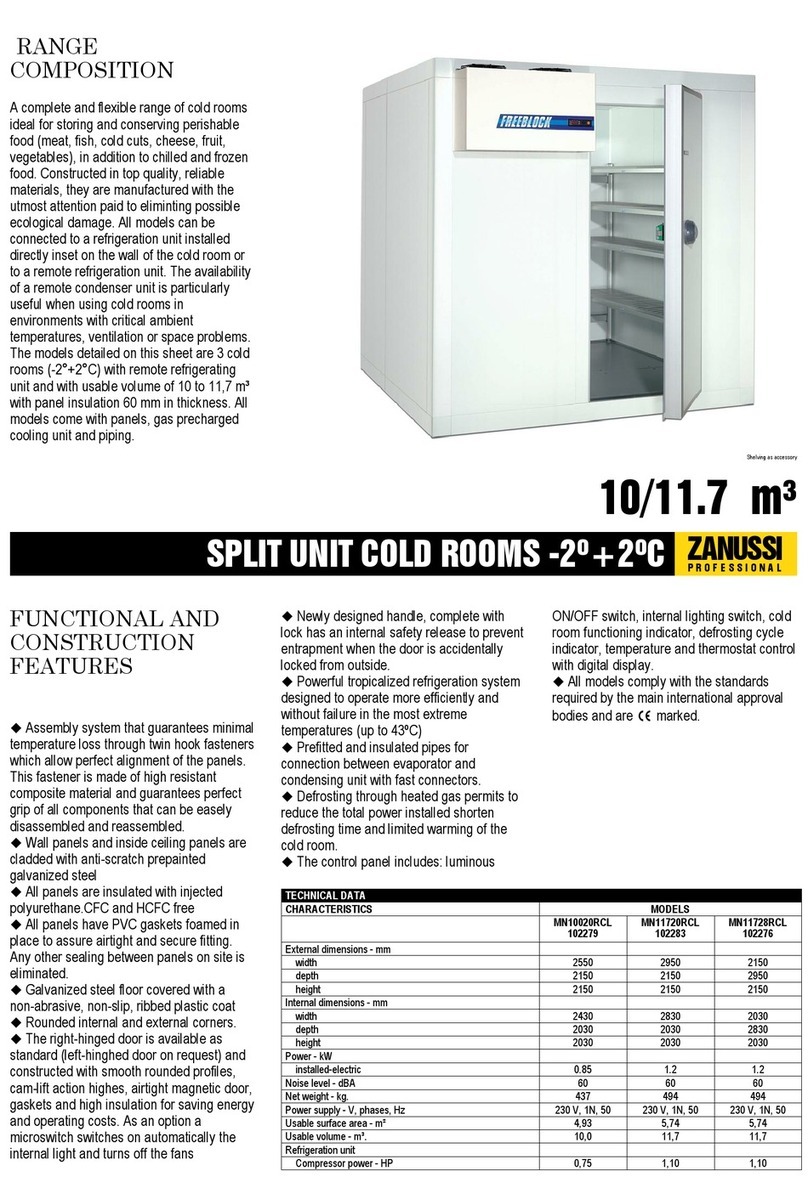
Zanussi 102276 User manual

Zanussi

Zanussi 102276 User manual

Zanussi ZU 9155 User manual

Zanussi

Zanussi ZU 9155 User manual

Zanussi ZI 422 User manual

Zanussi

Zanussi ZI 422 User manual

Zanussi ZR60/3W User manual

Zanussi

Zanussi ZR60/3W User manual

Zanussi Z1163 TR User manual

Zanussi

Zanussi Z1163 TR User manual

Zanussi ZX 56/4 W User manual

Zanussi

Zanussi ZX 56/4 W User manual

Zanussi ZD29/7ATT User manual

Zanussi

Zanussi ZD29/7ATT User manual

Zanussi ZD50/17RN User manual

Zanussi

Zanussi ZD50/17RN User manual

Zanussi ZRT48201WA User manual

Zanussi

Zanussi ZRT48201WA User manual

Zanussi ZKC 54 L User manual

Zanussi

Zanussi ZKC 54 L User manual

Zanussi ZFC 40/36FF User manual

Zanussi

Zanussi ZFC 40/36FF User manual

Zanussi ZRME38FU2 User manual

Zanussi

Zanussi ZRME38FU2 User manual

Zanussi ZBB 7266 User manual

Zanussi

Zanussi ZBB 7266 User manual

Zanussi ZRD 23 SC User manual

Zanussi

Zanussi ZRD 23 SC User manual

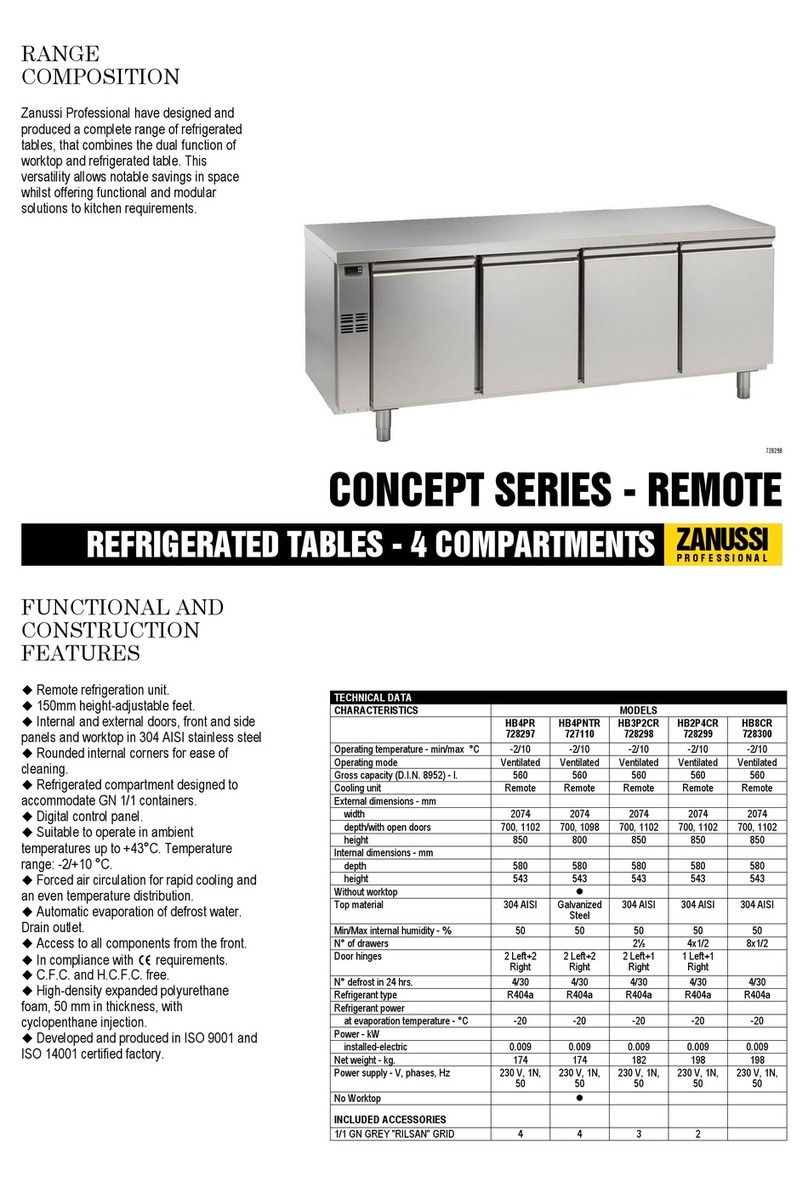
Zanussi Concept 727110 User manual

Zanussi

Zanussi Concept 727110 User manual

Zanussi DRi 45 L User manual

Zanussi

Zanussi DRi 45 L User manual

Zanussi ZT 52 RL User manual

Zanussi

Zanussi ZT 52 RL User manual

Zanussi DF 89/3T User manual

Zanussi

Zanussi DF 89/3T User manual

Popular Refrigerator manuals by other brands

Haier HRF-369NAA null

Haier

Haier HRF-369NAA null

Haier HRF-688FR null

Haier

Haier HRF-688FR null

Haier HRF-416KAASS null

Haier

Haier HRF-416KAASS null

Haier HRF-348E null

Haier

Haier HRF-348E null

Bonnet Neve SKYVIEW PLUS User instructions

Bonnet Neve

Bonnet Neve SKYVIEW PLUS User instructions

Zanussi Electrolux ZERB 8441 Instruction book

Zanussi Electrolux

Zanussi Electrolux ZERB 8441 Instruction book

Sharp SJ-BA31IEXW2-EU user manual

Sharp

Sharp SJ-BA31IEXW2-EU user manual

CORBERO CC2300MCW Instruction booklet

CORBERO

CORBERO CC2300MCW Instruction booklet

KitchenAid 2205264 Use and care guide

KitchenAid

KitchenAid 2205264 Use and care guide

NEFF KI181 Series user manual

NEFF

NEFF KI181 Series user manual

Hoshizaki Reach-In instruction manual

Hoshizaki

Hoshizaki Reach-In instruction manual

Amana ASD2524VES00 User instructions

Amana

Amana ASD2524VES00 User instructions

BOMANN KGC 213 instruction manual

BOMANN

BOMANN KGC 213 instruction manual

Danby DAR044A1SLDD Owner's use and care guide

Danby

Danby DAR044A1SLDD Owner's use and care guide

Beko CSA31022 Instructions for use

Beko

Beko CSA31022 Instructions for use

IKEA FROSTIG C 185 E manual

IKEA

IKEA FROSTIG C 185 E manual

Electrolux ER 6821 D Instruction book

Electrolux

Electrolux ER 6821 D Instruction book

True TS-28 Specifications

True

True TS-28 Specifications

https://manuals.online logo
https://manuals.online logoBrands
  • About & Mission
  • Contact us
  • Privacy Policy
  • Terms and Conditions

Copyright 2026 Manuals.Online. All Rights Reserved.

SV/Za/4-1. (03.)200362501
GEBRAUCHSANLEITUNG
MODE D`EMPLOI
LIBRETTO D'ISTRUZIONI
INSRUCTION BOOK
FR
DE
IT
GB
KÜHLSCHRANK
REFRIGERATEUR
FRIG RIFER
REFRIGERAT R
ZT 154 B (
TT
I 150 ****)
ZANUSSI
52
Before inst lling nd using the ppli nce re d this user's instruction book c refully. It cont ins s fety
prec utions, hints, inform tion nd ide s. If the refriger tor is used in compli nce with the
instructions written, it will oper te properly nd provide you with gre test s tisf ction.
The symbols below help you to find things more easily:
S fety prec utions
Warnings and information at this symbol serve safety for you and your appliance.
Hints, useful inform tion
Environment l inform tion
Symbol for ide s
At this symbol ideas can be found according to food and its storing.
GB
From the Electrolux Group. The worlds No.1 choice.
The Electrolux Group is the world's largest producer of powered appliances for kitchen, cleaning and outdoor use. More than 55 illion Electrolux
Group products (such as refrigerators, cookers, washing achines, vacuu cleaners, chain saws and lawn owers) are sold each year to a value of
approx. USD 14 billion in ore than 150 countries around the world.
53
GB
Cont
Contents
ents
Import nt s fety inform tion ..................................................................................................54
General safety precautions....................................................................................................54
Precautions for child safety....................................................................................................54
Safety precautions for installation ...........................................................................................54
Safety precautions for isobutane ............................................................................................54
Instructions for the User.........................................................................................................55
General information..............................................................................................................55
Description of the appliance, main parts..................................................................................55
Instructions for the Inst ller....................................................................................................56
Technical data .....................................................................................................................56
Transportation, unpacking.................................................................................................56
Cleaning ........................................................................................................................56
Placement ......................................................................................................................57
Putting it into use.............................................................................................................58
Controlling the temperature, setting....................................................................................58
Hints for storage..............................................................................................................58
Storage time and temperature of foods ..............................................................................59
How to use the four-star frozen food compartment................................................................59
How to use the fresh food compartment..............................................................................59
How to make ice cubes ....................................................................................................59
Some useful information and advice........................................................................................59
Hints and ideas ...................................................................................................................59
How to save energy .........................................................................................................59
The appliance and environment .........................................................................................60
Maintenance .......................................................................................................................60
Defrosting ......................................................................................................................60
Regular cleaning .............................................................................................................61
When the refrigerator is not in use ......................................................................................61
Trouble shooting ..................................................................................................................61
How to change the bulb....................................................................................................61
If something does not work ...............................................................................................61
Change of door opening direction ......................................................................................62
Change of door opening direction of frozen food compartment ...............................................64
Electrical connection........................................................................................................64
Stor ge time ch rt (1) ...........................................................................................................65
Stor ge time ch rt (2) ...........................................................................................................66
W rr nty nd service .............................................................................................................67
Guarantee conditions ...........................................................................................................67
Service and spare parts ........................................................................................................67
54
GB
Im
Impor
port
tnt s f
nt s fe
et
ty inf
y infor
orm tion
m tion
Prec utions for child s fety
Do not allow children to play with the packaging
of the appliance. Plastic foil can cause
suffocation.
Adults must handle the appliance. Do not allow
children to play with it or its controlling parts.
If you are discarding the appliance pull the plug
out of the socket, cut the connection cable (as
close to the appliance as you can) and remove
the door to prevent playing children to suffer
electric shock or to close themselves into it.
S fety prec utions for
inst ll tion
Put the appliance to the wall to avoid touching or
catching warm parts (compressor, condenser)
to prevent possible burn.
When moving the appliance take care of the plug
not to be in the socket.
When placing the appliance take care not to
stand it on the power cord.
Adequate air circulation should be around the
appliance, lacking this leads to overheating. To
achieve sufficient ventilation follow the
instructions relevant to installation.
For the s fety of life nd property keep
the prec utions of these user's
instructions s the m nuf cturer is not
responsible for d m ges c used by omission.
Gener l s fety prec utions
Keep these instructions and they should remain at
the appliance when moving away or changing
owner.
This appliance is designed for storing food,
domestic use and being used according to these
instructions only.
Speci lised comp nies th t re qu lified to do
so by the m nuf cturer must c rry out service
nd rep irs including rep iring nd ch nging
the power cord. Accessory parts supplied by
them should be used only for repairing. therwise
the appliance can be damaged or can cause other
damage or injury.
The appliance is out of circuit only in that case if the
plug is removed from the socket. Before cleaning
and maintenance always unplug it (do not get it by
the cable). If the socket is difficult to reach, switch
off the appliance by cutting off the current.
Power cord must not be lengthened.
Without the lamp cover of interior lighting you must
not operate the appliance.
When cleaning, defrosting, taking out frozen food
or ice tray do not use sharp, pointed or hard
devices, as they can cause damage to the
appliance.
Be careful not to allow liquids to the temperature
control and lighting box.
Ice and ice-cream can cause hurt if they are eaten
immediately after removal from the frozen food
compartment.
After dissolving frozen food must not be refrozen, it
must be used up as soon as possible.
Store pre-packed frozen food in accordance with
the frozen food manufacturer's instructions.
You must not make defrosting faster with any
electric heating appliance or chemicals.
Do not put hot pot to the plastic parts.
Do not store flammable gas and liquid in the
appliance, because they may explode.
Do not store carbonated drinks, bottled drinks and
bottled fruits in the frozen food compartment.
Check and clean the outlet of melting water coming
during defrosting regularly - a label inside the
appliance warns you for this. If it is clogged the
melting water gathered can cause earlier failure.
S fety prec utions for
isobut ne
W rning
The refrigerant of the appliance is isobutane
(R 600a) that is inflammable and explosive to a
greater extent.
Keep ventilation openings, in the appliance
enclosure or in the built-in structure, clear of
obstruction.
Do not use mechanical devices or other means
to accelerate the defrosting process, other than
those recommended by the manufacturer.
Do not damage the refrigerant circuit.
Do not use electrical appliances inside the food
storage compartments of the appliance, unless
they are of the type recommended by the
manufacturer.

55
GB
Ins
Instr
tructions f
uctions for the User
or the User
Gener l inform tion
The official designation of the appliance is home
refrigerator with a four-star frozen food compartment.
According to this the appliance is suitable for storing
frozen and deep-frozen food, freezing products in
limited quantity at home and making ice.
The appliance can meet the requirements of
standards between different temperature limits
according to the climate class.
The letter symbol for class of climate can be found
on the data label.
Description of the ppli nce, m in p rts
1. Frozen food compartment
2. Wire shelf
3. Defrost water outlet
4. Glass shelf
5. Vegetable box
6. Data label
7. Adjustable feet
8. Ice tray
9. Butter compartment
10. Lighting box
11. Door shelf
12. Gasket
13. Bottle shelf
14. Egg tray
15. Air circulation
16. Air grid
17. Condenser
18. Evaporative tray
19. Compressor
15
17
18
19
16
1
2
3
4
6
7
14
8
9
11
13
12
10
5
56
GB
Ins
Instr
tructions f
uctions for the Ins
or the Inst
tller
ller
Technic l d t
Tr nsport tion, unp cking
It is recommended to deliver the appliance in original
packaging, in vertical position considering the
protective warning on packaging.
After each transportation the appliance must not
be switched on for approx. 2 hours.
Unpack the appliance and check if there are damages
on it. Report possible damages immediately to the
place you bought it. In that case retain packaging.
Cle ning
Remove every adhesive tape, which ensure the parts
not to move in the appliance.
Wash the inside of the appliance using lukewarm
water and mild detergent. Use soft cloth.
After cleaning wipe out the inside of the appliance.
ZT 154 BO (T T I150 ****)
Frozen food comp.: 18
Fresh food comp.: 128
Frozen food comp.: 18
Fresh food comp.: 122
550
850
600
0,65
237
B
****
2
11
80
37
Model/Type
Gross capacity (l)
Net capacity (l)
Width (mm)
Height (mm)
Depth (mm)
Energy consumption (kWh/24h)
(kWh/year)
Energy class, according to EU
standards
Star rating of frozen food
compartment
Freezing capacity (kg/24h)
Rising time (h)
Rated power (W)
Weight (kg)
57
GB
Pl cement
The ambient temperature has an effect on the energy
consumption and proper operation of the appliance.
When placing, take into consideration that it is
practical to operate the appliance between ambient
temperature limits according to the climate class that
is given in the chart below and can be found in the
data label.
Cl ss of clim te Ambient temper ture
SN +10 ... +32 °C
N +16 ... +32 °C
ST +18 ... + 38 °C
If the ambient temperature goes below the lower data
the temperature of the cooling compartment can go
beyond the prescribed temperature.
If the ambient temperature goes beyond the upper
data this means longer operating time of the
compressor, breakdown in the automatic defrosting
increasing temperature in the cooling compartment or
increasing energy consumption.
When placing the appliance ensure that it stands level.
This can be achieved by two adjustable feet (1) at the
bottom in front. 1-1 piece of distance washer (2) are
accessories of the adjustable feet. If levelling the
appliance requires, these washers can be removed.
Do not stand the appliance on a sunny place or close
to a radiator or cooker.
If it is unavoidable because of furnishing and the
appliance has to be stood near a cooker take these
minimum distances into consideration:
In case of gas or electric cooker 3 cm must be left,
when it is less put a 0,5-1 cm non-flam insulation
between the two appliances.
In case of oil or coal-fired stove the distance must
be 30 cms since they give off more heat.
The refrigerator is designed to operate when it is
totally pushed to the wall.
When placing the refrigerator keep minimal
distances recommended in figure.
A : placing it under a wall-cupboard
B : placing it freely
58
GB
Putting it into use
Place the accessories into the refrigerator then plug to
the mains socket. To start cooling turn the control dial
on the right-hand side of the fresh food compartment
from 0 clockwise according to the figure. In 0
position the appliance is out of operation.
The next paragraph will give instructions for setting.
Controlling the temper ture, setting
The thermostatic controller interrupts the operation of
the appliance automatically for more or less time
depending on the setting then restarts it assuring the
required temperature.
Turning the control button towards the bigger numbers
cooling becomes more and more intensive.
In the frozen food compartment -18 °C or lower
temperature can be reached if the knob of the
thermostatic control is set to 3. In this case the
temperature starting automatically in the fresh food
compartment is about +5 °C or below. The 3
position generally meets the requirements of everyday
cooling.
The temperature coming about in the refrigerator is
effected by not only the position of the thermostatic
control but the ambient temperature, frequency of
door openings and the quantity of food put into it
newly, etc.
In the maximum i.e. 5 position - in case of
increased demand e.g. during heatwaves -
without disconnecting continuous operation can
occur. This does not cause damages to the appliance.
Hints for stor ge
When placing the different kinds of food take into
consideration the sketch below in figure:
1. Storing frozen foods, making ice and ice-cream.
Freezing fresh foods.
2. Confectionery, ready-cooked foods
3. Foods in dishes
4. pened cans
5. Milk, dairy products
6. Fresh meat, cold cuts, sausages, etc.
7. Fruits, vegetables, salads
8. Cheese, butter
9. Eggs
10. Yoghurt, sour cream
11. Small bottles, soft drinks
12. Big bottles, drinks
59
GB
Stor ge time nd temper ture of
foods
The enclosed charts at the end of the user's
instructions give information about storage time in the
frozen and the fresh food compartment.
The storage time can not be determined exactly in
advance, as it depends on the freshness and handling
of the cooled food. That is why the storage time made
known is only informative.
It is safe to store quick-frozen food only that way if they
were not dissolved even for a short time until placing
them into the frozen food compartment.
How to use the four-st r frozen food
comp rtment
Depending on the position of the thermostatic control
-18 °C or lower can be kept here.
At this temperature for a certain time deep-frozen
products available on the market can be stored. It is
also suitable for freezing and storing smaller quantity
of fresh food.
In 24 hours' time approximately 2 kgs of food can be
frozen.
Pack the foods tightly in plastic or aluminium foil, cool
them in the fresh food compartment and then place to
the frozen food compartment.
It is recommended to write the date on it when it was
placed in.
You can put the next product to be frozen into the
frozen food compartment if the previous one has
already been frozen thoroughly.
How to use the fresh food
comp rtment
For adequate cooling developing interior air
circulation is necessary. For this reason you are
asked not to cover the whole surface of the wire
shelves with paper, trays, etc.
Do not put hot food into the refriger tor.
Allow it to re ch room temper ture n tur lly.
In this w y the unnecess ry frost building up c n
be voided.
Foods c n t ke over odours from e ch
other. So it is essenti l to put foods in
closed dishes or wr p them in celloph ne,
luminium foil, gre se-proof p per or cling film
before pl cing them into the refriger tor. This w y
foods will keep their moisture e.g. veget bles will
not dry out fter some d ys.
How to m ke ice cubes
To make ice cubes fill the enclosed ice cube tray
with water and put it to the frozen food
compartment. Wetting the bottom of the tray and
setting thermostatic control knob to maximum
stage can shorten preparing time. After finishing do
not forget to reset the thermostatic control to the
suitable stage.
Ready ice cubes can be taken out of the tray under
running water then twist or hit it.
Some useful inform tion nd
dvice
The variable shelves are worth paying
attention to, which increases the usefulness
of the fresh food compartment considerably.
Rearranging the shelves is also possible when the
door is open at an angle of 90°.
The inside configuration of the door makes
rearranging the door shelves as required possible.
Hints nd ide s
In this chapter practical hints and ideas are given
about how to use the appliance to reach maximum
energy saving and there is environmental
information about the appliance as well.
How to s ve energy
The colder the ambient temperature of the
appliance is the less energy it uses.
Avoid putting the appliance in a sunny place and
near anything that gives off heat.
Be sure that the condenser and the compressor
are well ventilated. Do not cover the sections
where ventilation is.
Wrap products in tightly closing dishes or cling
film to avoid building up unnecessary frost.
Do not leave the door open longer than
necessary and avoid unnecessary openings.
60
GB
When closing the door of the frozen food
compartment take care to move its bolt in the
direction of the arrow to fit it to the lock properly.
Put foods into the appliance only in a closed dish.
Put warm foods into the appliance only when they
are at room temperature.
Keep the condenser clean at the back of the
appliance.
The ppli nce nd environment
This appliance does not contain gasses which could
damage the ozone layer, in either its refrigerant circuit
or insulation materials. The appliance shall not be
discarded together with the urban refuse and rubbish.
Avoid damaging the cooling unit, especially at the rear
near the heat exchanger. Information on your local
disposal sites may be obtained from your municipal
authorities.
The materials used on this appliance marked with the
sympol are recyclable.
M inten nce
Defrosting
Bleeding part of the moisture of cooling chamber in
form of frost and ice goes with the operation of the
refrigerator.
Thick frost and ice has an insulating effect, so it
reduces cooling efficiency as the temperature
increases, it needs more energy, at a certain
thickness it does not allow the door of the frozen food
compartment to open, possibly the door can be
broken.
At this type of appliance defrosting fresh food
compartment is automatic without any external
intervention.
The thermostatic control interrupts the operation of
compressor at regular intervals for more or less time -
during this cooling is interrupted - temperature of the
fresh food compartment increases and defrosting
occurs. After defrosting the thermostatic control
restarts operation of the system.
Melting water flows through defrost water outlet into
the evaporative tray maintained on the top of
compressor and evaporates due to warmth of it.
Check nd cle n the outlet of melting
w ter coming during defrosting regul rly. If
it is clogged the melting w ter g thered c n
c use e rlier f ilure s it c n go to the insul ting
of the ppli nce.
Clean the melting water outlet with the supplied pipe
scraper that can be seen in the figure. The pipe
scraper has to be stored in the outlet.
ccasionally check defrost water outlet not to be
clogged up.