5
Electrolarynx Speech Aid Information
Intended Use:
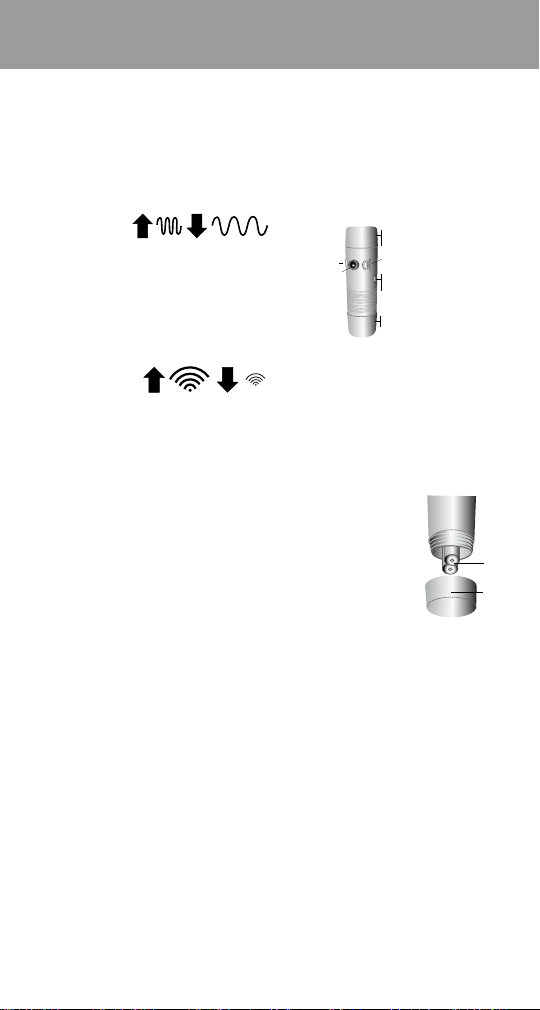
applied and intended for use in the absence of the larynx to produce sound. When held
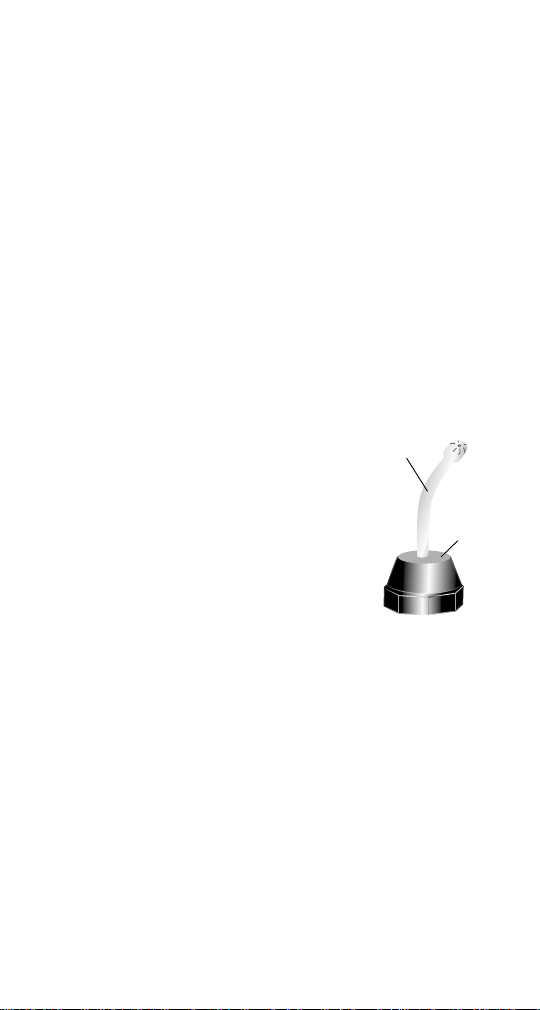
against the skin in the area of the voicebox, or by insertion of a tube in the oral cavity
(with an oral adapter), the device generates mechanical vibrations which resonate in
the oral and nasal cavities and can be modulated by the tongue and lips in a normal
manner, thereby allowing the production of speech.
Intended operator: The patient is the intended operator.
Applied Part:The entire device is considered a Type BF Applied Part
Environmental Conditions for Operation:
Environmental Conditions for Transportation and Storage: To maintain optimal
Mode of Operation:
Power Source: Internally powered. See your devices user manual for full details.
Expected Service life:
on the model.
•
(2) this device must accept any interference received, including interference that
may cause undesired operation.
• Note: This equipment has been tested and found to comply with the limits
are designed to provide reasonable protection against harmful interference in
a residential installation. This equipment generates, uses and can radiate radio
frequency energy and, if not installed and used in accordance with the instructions,
may cause harmful interference to radio communications. However, there is
no guarantee that interference will not occur in a particular installation. If this
equipment does cause harmful interference to radio or television reception, which
try to correct the interference by one or more of the following measures:
Reorient or relocate the receiving antenna.
Increase the separation between the equipment and receiver.
receiver is connected.
•
For Assistance With Your Electrolarynx Speech Aid:
•
assistance is required in using or maintaining your electrolarynx, or to report any
issues with your electrolarynx.
Warnings:
• Do not insert any part of the electrolarynx or any accessories into the stoma.
• Do not burn or physically damage the battery.
• Do not charge non-rechargeable batteries.
• Devices and batteries may become warm (up to 45°C) during charging. Allow
the device to cool before use if it becomes too warm.
• Do not short-circuit a cell or battery. Do not store cells or batteries haphazardly
in a pocket, purse, box or drawer where they may short-circuit each other or be
short-circuited by conductive materials such as coins or keys.
• Use caution when replacing the battery. Incorrect installation of the battery may