To clean the valve casings you should use a valve casing brush that is soft enough to
avoid marring the casing wall. The mouthpiece is cleaned with a mouthpiece brush, but
cotton or foam swab works well inside the cup.
As for the soap, Lemon Joy works best, but Palmolive liquid dish soap can also be used.
Or you can buy Dr. Dan’s Horn Soap.
DO NOT use toothpaste, abrasive soaps, Brasso, Tarnex, chemicals or any soap that
makes the water turn milky. Do not use soaps that leave behind an odor, or claim to
contain a skin softening lotion. Cleaners such as Fantastic, Pinesol, Mr. Clean and Citrus
cleaners are powerful cleaners, but they contain solvents that might soften and blush
some lacquer finishes. Some are also alkaline enough to increase any red rot already
forming on the instrument
Procedure
Begin by removing all of the slides. Use soft paper toweling to remove all traces of
tuning slide grease from the slides and the instrument. A little grease goes a long way in
slowing down your valves, and this step will keep grease from transferring to the valves
and casing during cleaning. Silicone based slide grease is uniquely tough to remove. If
you have silicone based slide grease on your slides, remove it with a paper towel
saturated in mineral spirits. Place the slides somewhere safe until the soapy water is
ready.
The valves are also best cleaned separately. First, soak them in individual plastic cups
containing enough lukewarm soapy water to just cover the top of the piston, but not the
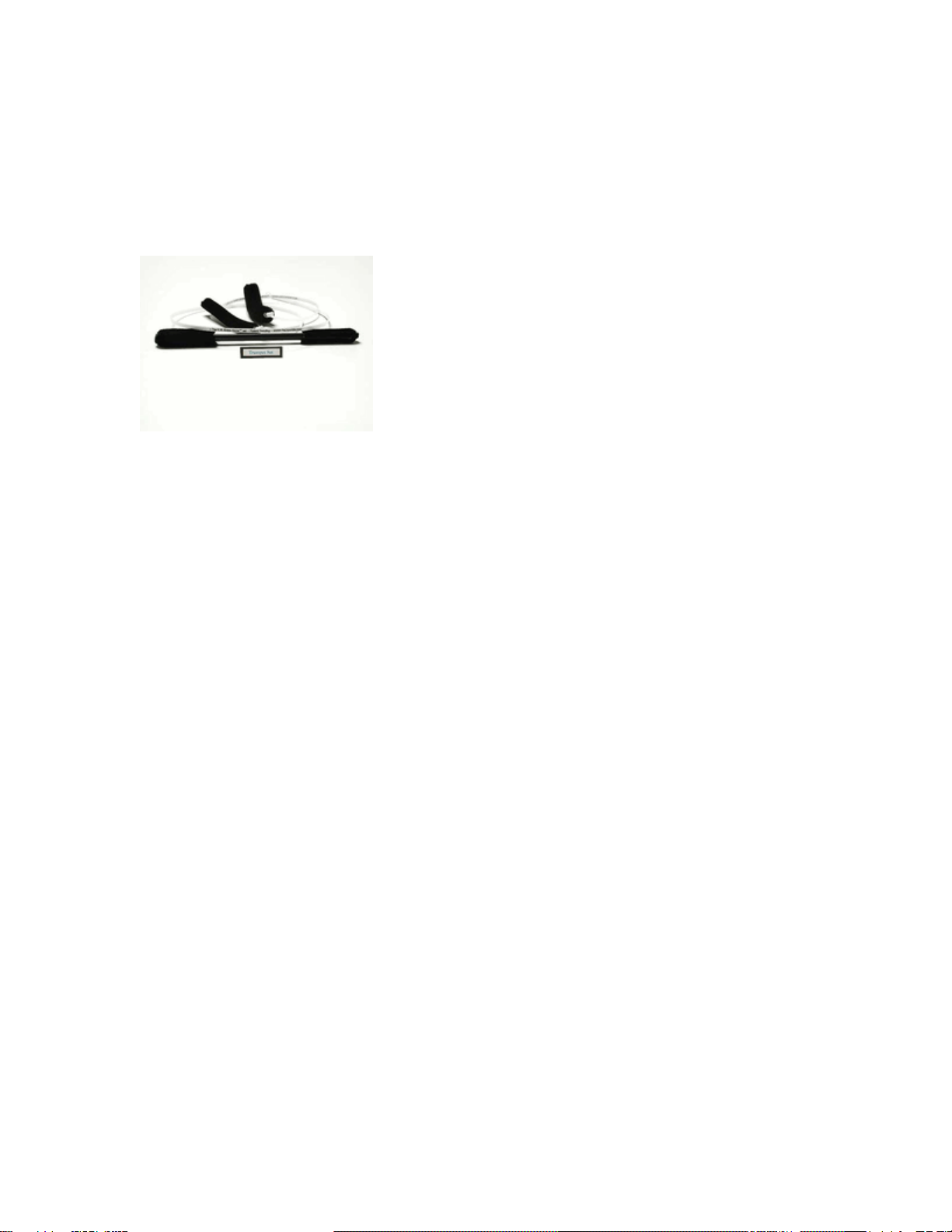
felts. Use your snake to gently clean the ports of each piston, and a soft soapy wash cloth
to clean the outside of each piston. Again, let the soaking do most of the cleaning.
The most effective technique for cleaning the rest of the instrument is to work in a
bathtub or large basin. Obviously do not use an automatic dishwasher; it will not clean
the instrument interior and it will permanently damage your instrument. Fill the tub with
lukewarm water (not hot) and mix in a healthy amount (about a tablespoon) of the liquid
dish soap.
Place a large cloth towel in the bottom of your tub or basin to help prevent scratching the
instrument during cleaning. Put the disassembled instrument, slides and mouthpiece (but
not the valves) onto the towel in the bathtub and let the parts soak for about 30 minutes to
loosen any debris. Use a soft cloth to wash the external parts of the instrument. Dip the
snake's brush in some dish soap and gently run the snake inside every tube and slide. Do
not try to force the snake all the way around the curves of the small slides.
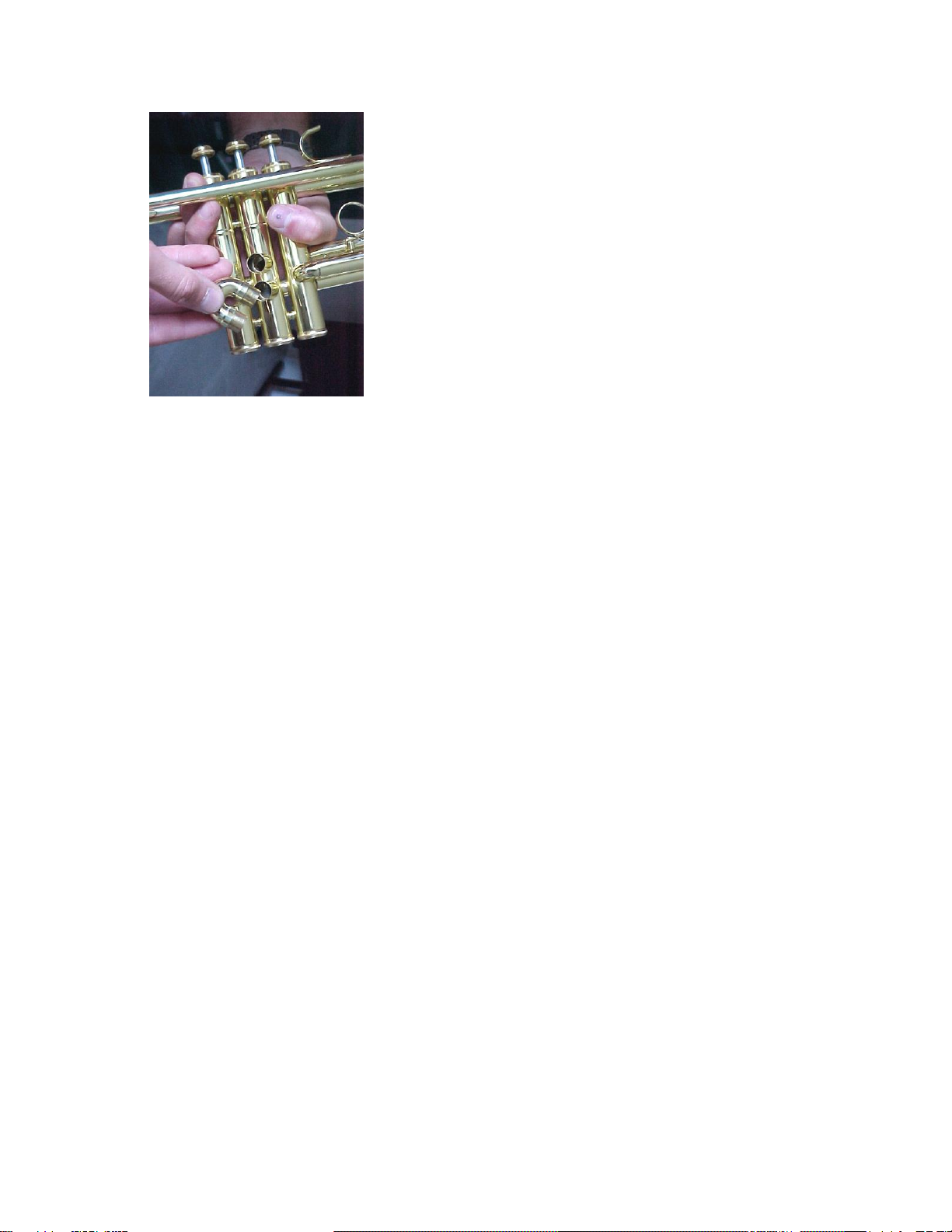
Remove the valve caps on the bottom of the valve casing. Use your soft valve casing
brush to GENTLY brush out the valve casing. Remember, this is a delicate part of your
instrument, so be gentle. Use the same technique with the mouthpiece, but use a
mouthpiece brush. If the instrument is exceptionally dirty, let it soak longer. Again, do
not use abrasives, scouring pads or metal brushes; the soapy water will work if you are
patient.