Tips for a Safe BBQ
Before Using Propane and Natural Gas Fired Barbecues
•
Purchase only approved barbecues--check for the label.
•
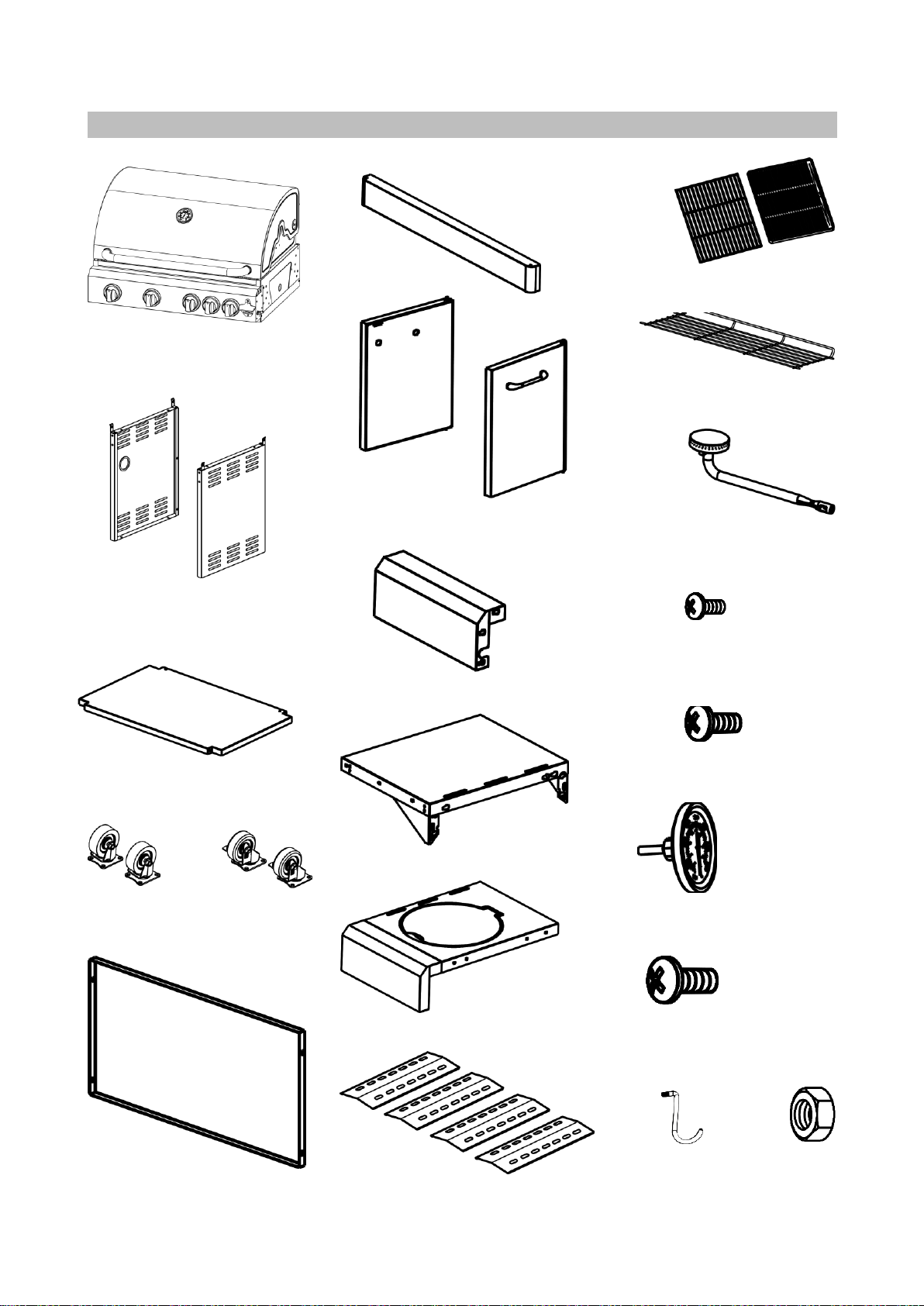
Carefully follow the manufacturer's instructions when assembling a newly-purchased barbecue. If
you have difficulty with the assembly, contact a qualified service person. Many stores which sell
barbecues offer a free assembly service. Ask.
•
Store the instruction manual for the barbecue in a safe place to have on hand forfuture reference.
•
If the barbecue has not been used in a while or whenever the propane tank is changed or refilled,
remove the sear plates to check that the burner holes and tubes connected to the burners are rust
and debris free (orange does not mean rust on a burner, we are talking about missing pieces of
metal). If it looks fine, fire up the barbecue and check for an even flame throughout the burner. If
the flame is not even, replace the burner.
•
Periodically, check all your barbecue connections and supply lines for leaks. Using ordinary
dishwashing liquid mixed with water, spread the solution over all fittings. This means the cylinder
valve on the hose, too. There is a leak if bubbles appear. NEVER use an open flame to test for leaks.
After tightening or replacing the leaking hose or valve, retest forleaks.
Lighting A Propane Barbecue.
•
Open the lid BEFORE lighting the barbecue as a leaking or open valve may cause the accumulation
of propane under the lid or in the basin. This could cause an explosion whenlit.
•
Have a match or barbecue lighter ready before the propane is turned on. If the barbecue does not
ignite, turn the control valves off, then wait five minutes before trying again. KEEP THE LIGHTER
AND MATCHES OUT OF THE REACH OF CHILDREN!
Using the Barbecue.
•
Never leave a lit barbecue unattended.
•
Never move a lit barbecue.
•
Use long-handled utensils and fire-resistant ovenmitts.
•
Wear short sleeves or tight-fitting clothing as loose clothing could catch fire. Never bbq with atie.
•
The barbecue should rest on a solid surface and be located away from shrubbery, foot traffic and
overhangs. Remember, the barbecue stays hot even after being turned off and can burn someone if
they bump into it. Stay by the bbq until it is cool.
•
Ideally, the barbecue should be 3 meters (10 feet) away from the house or anything else that could
catch fire. The area surrounding the barbecue needs to be free of any obstructions that could block
airflow for ventilation and combustion.
•
Never use the barbecue indoors or in a garage.
•
Only open the propane tank a quarter to a one-half turn--the necessary gas required to operate the
barbecue. This also makes it much easier to shut off should a problem arise. This doesn’t apply
when using a clip-on regulator.
•
A certain amount of fat does drip onto the heat source while cooking, causing flaring. Some flaring
is fine as it adds to the barbecue flavor. Excessive flaring, however, is not acceptable. Food should
be moved to another spot on the grill and/or the heat turned off. Trim fat from meat cuts to avoid
excessive flaring and, every so often clean the fat tray and sear plates, fat fires are dangerous and
can ruin the appliance