manuals.online logo
Brands
  1. Home
  2. •
  3. Brands
  4. •
  5. Kellfri
  6. •
  7. Lawn Mower
  8. •
  9. Kellfri 35-XKH145 User manual

Kellfri 35-XKH145 User manual

This manual suits for next models

1

Other Kellfri Lawn Mower manuals

Kellfri 35-XKE200 User manual

Kellfri

Kellfri 35-XKE200 User manual

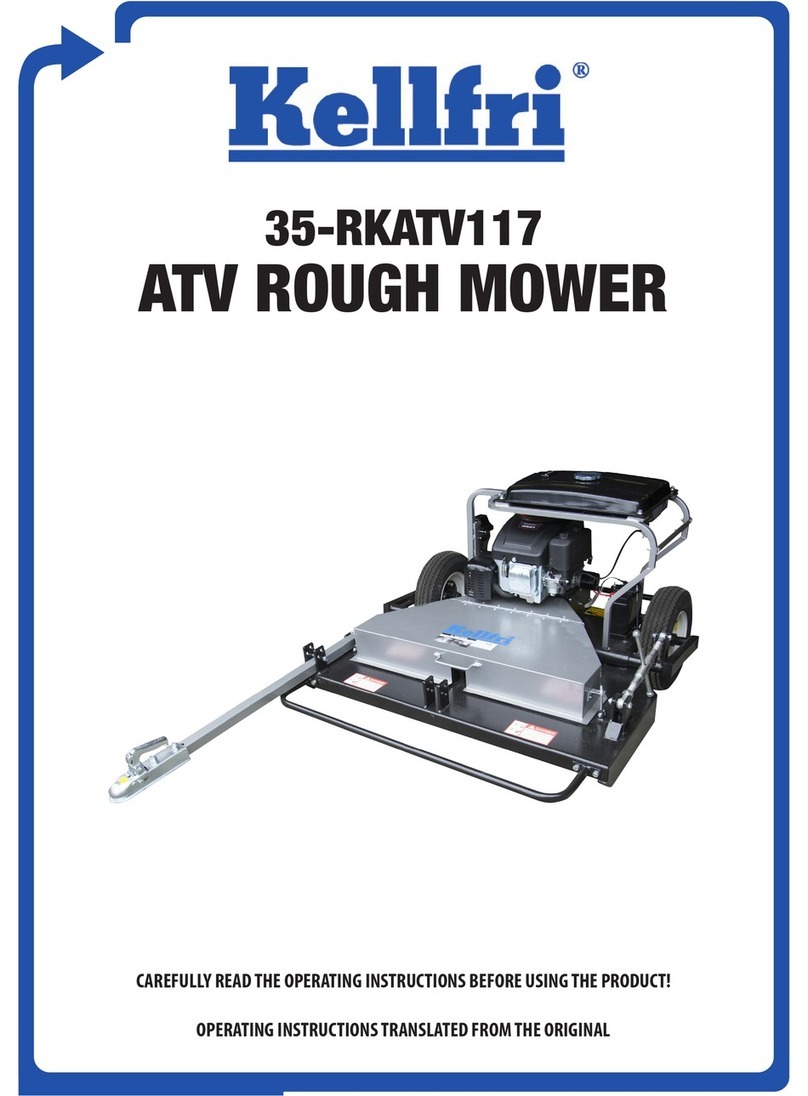
Kellfri 35-RKATV117 User manual

Kellfri

Kellfri 35-RKATV117 User manual

Kellfri 35-FM180 User manual

Kellfri

Kellfri 35-FM180 User manual

Kellfri 35-VKMATV120H User manual

Kellfri

Kellfri 35-VKMATV120H User manual

Kellfri 35-VKMATVF User manual

Kellfri

Kellfri 35-VKMATVF User manual

Kellfri 35-VKMATV150HXL User manual

Kellfri

Kellfri 35-VKMATV150HXL User manual

Kellfri 35-WKH195 User manual

Kellfri

Kellfri 35-WKH195 User manual

Kellfri 35-WKM125 User manual

Kellfri

Kellfri 35-WKM125 User manual

Popular Lawn Mower manuals by other brands

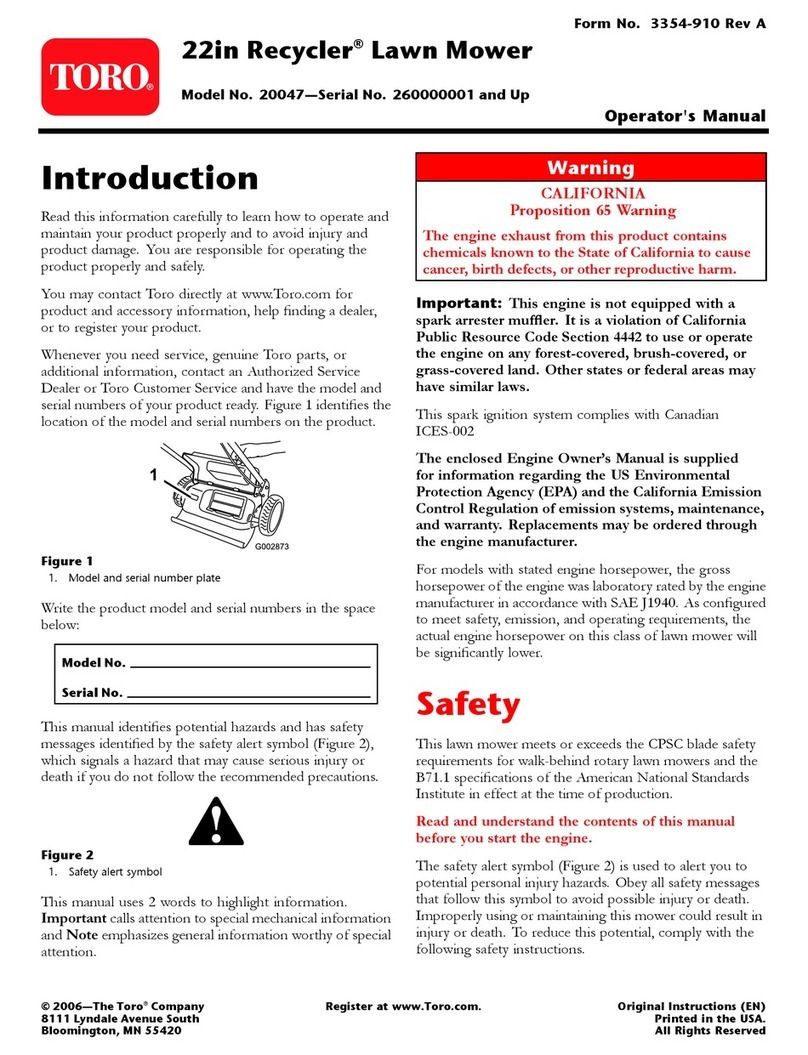
Toro 20047 Operator's manual

Toro

Toro 20047 Operator's manual

Toro Greensmaster TriFlex 3300 Operator's manual

Toro

Toro Greensmaster TriFlex 3300 Operator's manual

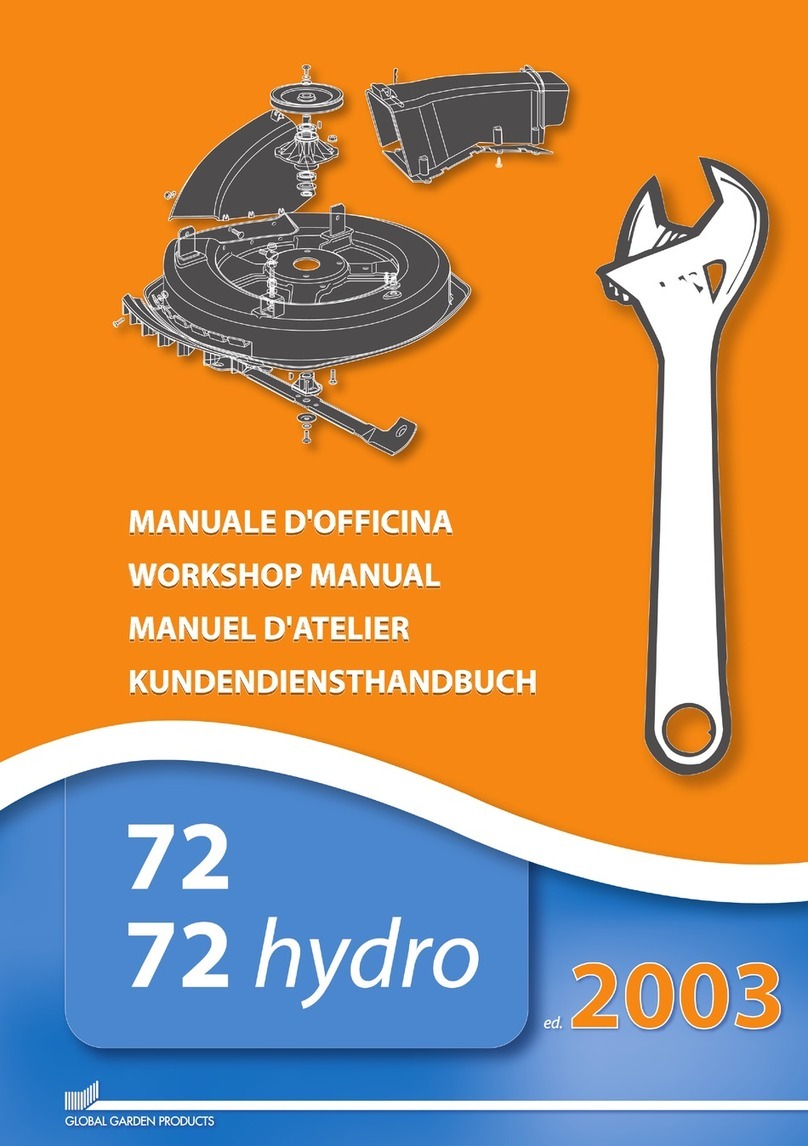
Global garden products 72 Workshop manual

Global garden products

Global garden products 72 Workshop manual

EINHELL 01045 operating instructions

EINHELL

EINHELL 01045 operating instructions

Toro Greensmaster 3120 Operator's manual

Toro

Toro Greensmaster 3120 Operator's manual

Baroness LM315GC Owner's operating manual

Baroness

Baroness LM315GC Owner's operating manual

GreenWorks Tools 25157 user manual

GreenWorks Tools

GreenWorks Tools 25157 user manual

Etesia MVEHH user manual

Etesia

Etesia MVEHH user manual

Husqvarna LTH125 owner's manual

Husqvarna

Husqvarna LTH125 owner's manual

Gravely 915034 - ZT1640 Owner's/operator's manual

Gravely

Gravely 915034 - ZT1640 Owner's/operator's manual

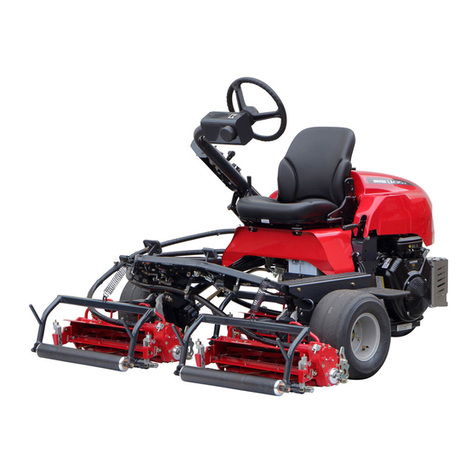
Jacobsen 63281 Technical manual

Jacobsen

Jacobsen 63281 Technical manual

GreenWorks Pro MO802524 Operator's manual

GreenWorks Pro

GreenWorks Pro MO802524 Operator's manual

Toro TimeMaster 20976 Operator's manual

Toro

Toro TimeMaster 20976 Operator's manual

Deutz-Allis 3000 Series parts manual

Deutz-Allis

Deutz-Allis 3000 Series parts manual

Craftsman 917.9998C owner's manual

Craftsman

Craftsman 917.9998C owner's manual

jobmate YT9108 user manual

jobmate

jobmate YT9108 user manual

Yard force GM R40A instructions

Yard force

Yard force GM R40A instructions

Husqvarna R 419TsX AWD Operator's manual

Husqvarna

Husqvarna R 419TsX AWD Operator's manual

manuals.online logo
manuals.online logoBrands
  • About & Mission
  • Contact us
  • Privacy Policy
  • Terms and Conditions

Copyright 2025 Manuals.Online. All Rights Reserved.

Carefully read the operating instructions
before using the product!
Operating instructions translated from Swedish
35-XKH145
35-XKH185
FLAIL MOWERS
Kellfri designs and supplies ecient, aordable machinery and components for forestry,
agriculture, construction and gardening in Sweden, the rest of the Nordic region and Europe.
Please note that the information in this document is general and may not pertain to your
particular machine. We therefore recommend that you always read and follow the safety
instructions and the instructions in the machine's operating manual.
Kellfri is not liable for any errors in this document.
TABLE OF CONTENTS
Introduction 3
Product information 3
Safety instructions 4
Instructions for emergency situations 4
Personal protection 4
Surroundings 5
Before use 5
Environment 5
Use 6
After use 6
Maintenance and service 7
Transportation and set-up 7
Recycling 7
Risks and hazards associated with the use of grassland machinery 8 - 9
Machines/equipment connected to hydraulics 10
PTO shaft 10
Chemicals 11
Warning decals 12
Before operation 13
Connecting the equipment 13
Cutting 13 - 14
Service 15
Parts 16
Installation 16 - 17
Movement pattern 35-XKH145 18
Movement pattern 35-XKH185 19
Grease points 20
Gearbox 21
Adjustment of belt 22 - 23
Exploded diagrams and materials list 24 - 33
Notes 34
Deviation form 35
Warranty terms and conditions 36


Table of Contents >>
INTRODUCTION
Thank you for choosing a product from Kellfri AB. Compliance with the safety instructions, operating
manual and sound common sense will guarantee many years of enjoyment using the product.
Kellfri's equipment and products are aimed at self-employed farmers, horse enthusiasts and other
country-dwellers who have stringent performance demands.
PRODUCT INFORMATION
The XKH145/185 ail mower is a powerful machine for those of you who have high performance
demands but are looking for a smaller and more versatile machine. The working width
is 1.45 m/1.85 m, making it practical for ailing, topping or cutting small or medium-sized grasslands
and grassed areas. The ail mower has a coarse-toothed welded counter bar in the chassis to break
up the grass more eectively.
The cutting height is adjusted by the support roller and skids. The adjustable support roller
guarantees a correct cutting height on uneven ground.The cutting height can be adjusted between
0-80 mm, enabling you to cut the grass close to the ground and thus achieve a more level result.The
grass is evened out and the remnants moulder away faster. The support roller has a scraping iron to
keep the roller free from cut material.
The front of the ail mower is tted with steel plates that adapt to the substrate and protect both
the tractor and the surroundings from stone chipping and grass spray.
The ail mower is tted as standard with hammer ails. The ail mower is also adapted for Y-ails,
which can be purchased additionally (not included).
This ail mower is equipped as standard with hydraulic side shift adjustment, which enables you to
shift the machine to the left or right. The side shift adjustment means that you can cut at the side of
your tractor and thereby reach areas that would otherwise be dicult to reach.
The hydraulic side shift adjustment enables you to drive with just one pair of wheels in the uncut
area and cut closer to ditches, fences, etc.
The mower has an openable ap. You open the ap when you know you are cutting or topping
ground that generates a higher ow of material. This enables you to drive freely under the same
conditions as with a closed ap and a normal ow of material. You save on fuel and reduce wear on
the belts, and you can also operate at a higher speed, as the grass does not become twisted around
the roller. The grass is also spread more evenly.
TECHNICAL DATA 35-XKH145 35-XKH185
Length x width x height 1620 x 820 x 630 mm 2020 x 820 x 630 mm
Working width 1450 mm 1850 mm
Operating height 0 - 80 mm 0 - 80 mm
Weight 355 kg 392 kg
PTO shaft Standard Standard
Power requirement 25-60 hp 35-65 hp
Flails, hammer 18 pcs 22 pcs
Openable ap Yes Yes
Side shift adjustment Hydraulic Hydraulic
RPM 540 540
3-point linkage Cat. 1 & 2 Cat. 1 & 2
Gearbox - transmission oil 80W-90 1.2 L 1.2 L

Table of Contents >>
SAFETY INSTRUCTIONS
Before using the equipment or product, and for the safety of yourself and others, you must read
the safety instructions and instruction manual and understand their contents. Always keep the
safety instructions and operating manual handy for users of the equipment or product.
For the safety of both yourself and others,itmaybea good idea to read through the safety instructions
every now and then. If the safety instructions or the operating manual are damaged, or become
unusable for any other reason, new copies may be ordered from: Kellfri AB, Munkatorpsgatan 6,
SE-532 37 SKARA, Sweden. Tel.: +46 511 242 50
The safety instructions can also be downloaded from Kellfri's website: www.kellfri.co.uk
Do not use the equipment or product if you feel ill, tired or are under the inuence of alcohol.
Do not use the equipment or product if you are taking prescribed medication or drugs, or suer-
ing from severe depression or mental illness. Always comply with general rules of the road and
applicable rules stipulated by animal welfare legislation. People under the age of 15 are not allowed
to use the equipment.
INSTRUCTIONS FOR EMERGENCY SITUATIONS
In case of emergency, call 112.
Always have a mobile phone or emergency phone available when working alone.
A rst-aid kit and re extinguisher must be kept in an easily accessible location when carrying
out any work, maintenance or service.
Warning!
The original design of the machine must not, under any circumstances, be modied
without the approval of the manufacturer. Unauthorised modications and/or accessories
may cause life-threatening injuries or death to users and others.
PERSONAL PROTECTION
Always use suitable protection equipment. Do not wear loose clothing or jewellery
while working with the equipment. Long hair should be tied up when working with
equipment that has moving parts. Use protective gloves to avoid the risk of burns if hot
surfaces such as exhaust pipes are touched, and to avoid oil and petrol getting in contact with
the skin. Ear defenders must be worn whilst the engine is running.
Kellfri is not liable for any modications, changes or rebuilds carried out by customers.
Where the machine is used professionally, employers are responsible for ensuring that users
of the machine have theoretical and practical knowledge of the machine and that work is
performed in a safe manner. Stay informed by complying with work environment legislation;
contact your local work environment authority.

Table of Contents >>
SURROUNDINGS
Check that the work area is free from bystanders and objects before hitching or using
the equipment. Otherwise, there is a risk of serious injury. Be extra careful if there are children
in the vicinity of the area where the equipment or product is used or stored. Check that
there are no low-hanging electrical cables within the work area. Exercise caution when
working on slopes and close to ditches.
Always work alone with equipment or products that are made for working alone. Never leave
rubbish in the work area, and keep work areas clean. Always respect the equipment's risk zone.
BEFORE USE
Carefully read the safety instructions and the operating manual. Make sure that you
understand the safety instructions, the operating manual and warning decals. Use common
sense and suitable personal protective equipment when using the product. Always check the
performance of the machine combination to be used. It is important that these are compatible
and work satisfactorily together. This is to ensure that the equipment or product works as
expected, and to guarantee the safety of yourself and others. Carry out a visual inspection
of the equipment or product before use. Repair or replace damaged or worn parts to reduce
the risk of injury. Grease moving parts and check that all nuts and bolts are tightened.
Repair if necessary. Learn and remember the correct working method. Beginners must work
slowly until they have learned how the machine or product works.
Users/customers are responsible for ensuring users can handle the situation. If a user
feels that the machine is dangerous to use, they should not use it until they have received
thorough training.
WARNING!
Never use equipment or products with defective safety components.
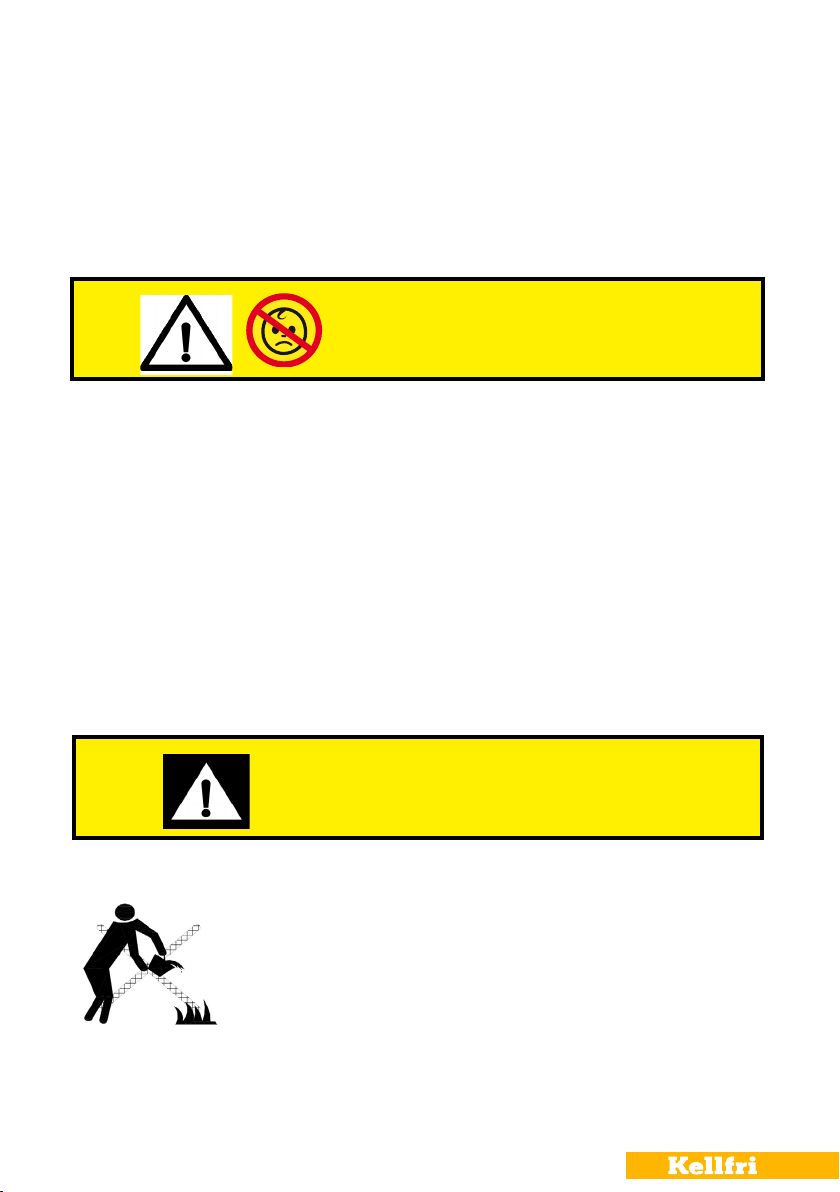
Children must not be left unsupervised in the area!
Warning!
ENVIRONMENT
• Disposal of oil and other waste
• Improper disposal of oil or other waste may be hazardous
to the environment.
• When oil is emptied from the machine, it must be poured into
a leak-proof container suitable for oil. It is not permissible to
store oil in a container used for food or drink, in order to avoid
the oil being consumed by mistake and causing serious injury.
• It is prohibited to spill oil on the ground, or pour it into a drain
or anywhere leading to a water source.
• Discarded oil, fuel, coolant, brake uid, lters and batteries
must not be thrown away or emptied in just any manner.
Contact your local authority for further information.
Table of Contents >>
USE
Only those who understand the safety instructions and the operating manual may use the
equipment or product. Exercise caution and care when working with the equipment or prod-
uct and only use it in the way described in the instruction manual.
There is a risk of crushing when working with equipment that has moving parts. Exercise cau-
tion when working with equipment with hydraulic hoses, as oil under pressure can penetrate
the skin. Immediately seek medical attention if this should occur. Always work alone with
equipment that is made for working alone.
Respect the equipment's risk zone.
For further information about your machine, read the machine's operating manual.
DANGER!
CAUTION!
NOTE:
Warning symbols identify important safety aspects in this manual in order to help you and others avoid dangers
and accidents. When using the machine: Be extremely careful!
Warning!
This symbol indicates that a serious accident will occur if the directions in the operating manual
are not followed. The accident will lead to serious injury, possibly death, or serious damage.
This symbol indicates that an accident will occur if the directions in the manual are not followed.
The accident will lead to serious injury or damage.
This symbol indicates that an accident may occur if the directions are not followed.
The accident will lead to injury or damage.
NOTE indicates the risk of a breakdown if the directions are not followed.
Where the machine is used professionally, employers are responsible for ensuring that users
of the machine have theoretical and practical knowledge of the machine and that work is
performed in a safe manner. Stay informed by complying with work environment legislation;
contact your local work environment authority.
AFTER USE
• Ensure that the equipment/product is standing on level ground when it is disconnected.
Use stabilisers, if included with the product/tool.
• Wash, rinse with water and dry if necessary.
• Re-lubricate if necessary.

Table of Contents >>
MAINTENANCE AND SERVICE
• Make sure that the equipment is stable and cannot tip over when carrying out mainte-
nance and service work.
• Replace damaged or worn parts to reduce the risk of injuries.
• Carry out maintenance, service and checks in line with recommendations.
• Only use spare parts with equal performance to reduce the risk of injuries and breakdowns.
• All electrical repairs and electrical connections must be carried out by a qualied person.
Check that all nuts and bolts are tightened after maintenance and service work.
Always test the machine before starting work.
IMPORTANT! Check the oil level (gearbox) and lubricate grease points regularly!
IMPORTANT! Avoid over-lubricating. Dirt collects easily on exposed grease and causes increased wear. After lubrication,
wipe excess grease o from couplings.
DANGER!
WARNING: Pressurised oil and fuel leaks can penetrate skin and cause serious
injuries. Do not use your hands to locate leaks. Use a piece of paper or cardboard
to search for leaks.
Kellfri AB has a policy of continuous product development and therefore reserves the right
to make modications, e.g. to the design and appearance of the product, without prior notice.
TRANSPORTATION AND SETUP
• Check that the work area is free from bystanders, children and objects before driving o.
• Always observe additional caution during transport and moving.
• Ensure that the equipment or product is well anchored and that available transport
lashings are tted.
• Always position the load as low as possible. All protruding loads should be well anchored.
• Respect the risk zones even during transport and moving.
• Do not permit anyone to walk under suspended loads when carrying out lifts.
• Trailers used for transport should have brakes that work.
• An SMV sign must be attached when travelling on public roads.
• Check tyre pressure - see information on tyre pages. Do not exceed the maximum pressure!
• Always store the equipment or product in a dry place, preferably under a roof, when not
in use.
• Ensure that the equipment or product is stable and cannot tip over.
• Never permit children to play at the storage site.
• Be aware of the tipping risk!
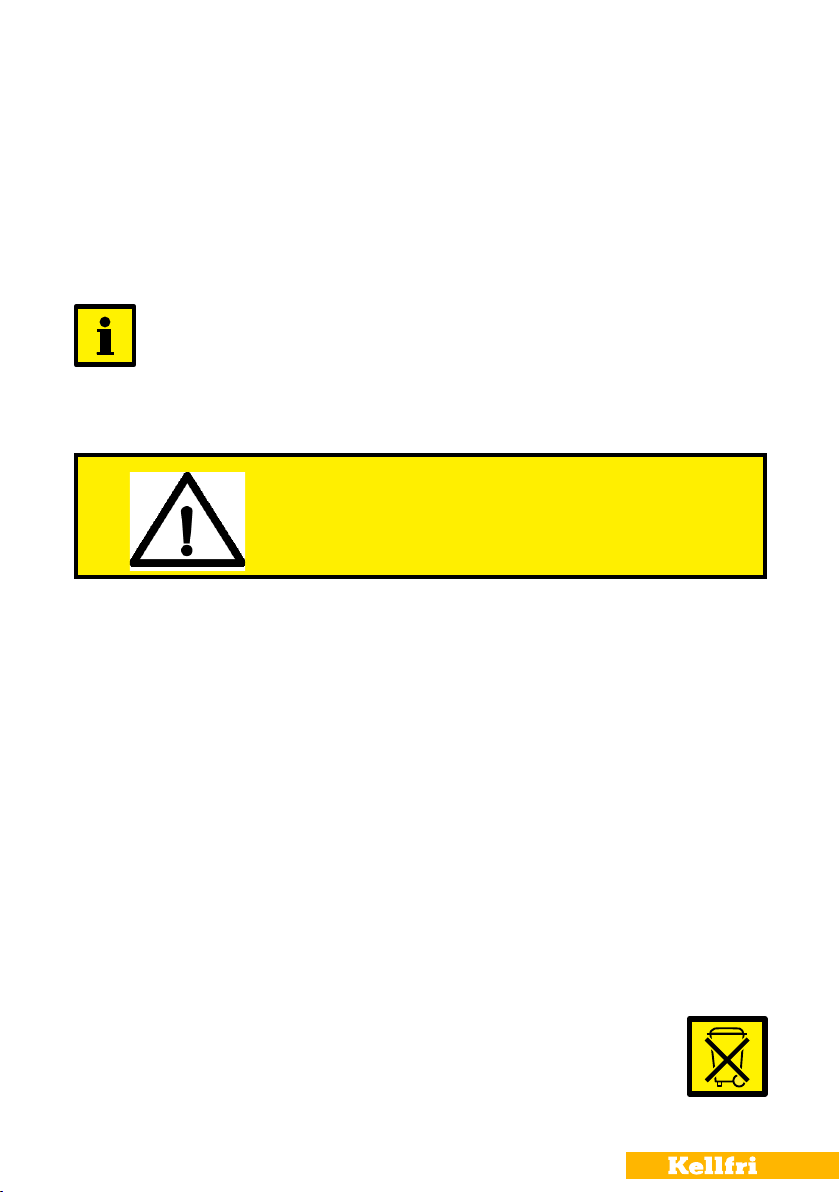
RECYCLING
For scrapping, the equipment/product must be dismantled and transported
to a recycling station designated by your local authority. Any liquids should
be collected and transported to a recycling station designated by your local
authority. Contact your local authority for further information.
Table of Contents >>
RISKS AND HAZARDS ASSOCIATED WITH THE USE OF GRASSLAND MACHINERY
Risk of crushing
Observers can be injured when the machine is lowered in the cutting position. Pasture toppers
have crushing points around the hinge areas and between the 3-point linkage and the main
body. Respect the risk zone of 15 m!
Rotating blades
WARNING! Any person can risk injury by putting their hands or feet under the machine when
it is lifted from the ground and the blades are still rotating. Nobody is allowed in the vicinity
during operation or when the machine is running.
Risk of crushing
This risk is common in mechanical transmission devices such as belt drives, bevel gears and rollers.
Ensure that all guards are correctly tted.
Rotating blades
Risk when disengaging machine
The heavier a rotating part is, the longer it will continue to rotate after the wheel drive
has been disconnected. This property is called free-wheeling. Rotating blades and other
components such as drive shafts etc. will continue to spin round after the wheel drive has been
disconnected. Injuries occur:
• When the operator disconnects the equipment and attempts to clean or adjust the
machine before the components have stopped rotating.
• When the shear bolt in the protective device in the power outlet disintegrates and the
rotors continue to spin while the power outlet has stopped. The operator's awareness
is of key importance for safety around rotating parts. Never raise the machine while
the blades are still rotating!
Risk of ejected objects
Machines that cut grass eject material during operation. Foreign objects such as stones,
sticks and other debris can nd their way under the machine and be ejected at great speed.
Metal guards at the sides and front prevent these objects being ejected, but this is no
guarantee that they will always capture everything.
Observers or animals standing in the way of an ejected object can suer
serious injury. Never operate the machine when there are observers nearby.
Respect the equipment's risk zone of 15-25 m!
Noise
Note that the machine is intended for outdoor use and that the operator's position is the
driver's seat of the tractor. It is advisable to read the directions given in the tractor manual
and maintenance instructions. The sound pressure level during operation exceeds 70 dB.
Hearing protection must therefore be worn during operation.
Accidents involving slipping and falling are often a result of:
• Slippery surface
• Uneven steps and work platforms.
The risk of slips and falls can be reduced considerably by exercising good judgement.

Table of Contents >>
All unprotected rotating machine parts increase the risk of accidents. Accidents usually
occur when loose-tting clothing or long hair is caught and wrapped around rotating parts,
such as PTO shafts or drive shafts on the machine. Ensure that all guards are correctly tted.
Drive safely on public roads
• Always follow trac safety rules on public roads, and following the regulations applying
to driving a tractor with towed equipment on a public road.
• Check that reectors, warning signals and/or warning ags indicating protruding
equipment are tted to the machine or tractor. These indicators must be correctly
mounted, and must be visible and easy for drivers of other vehicles to see.
• Observers must not lean against or climb onto the machine during transport or during
work. NEVER allow anyone to travel on the machine!
• The maximum transportation speed must not exceed 20 km/h
• Brake regulations: If the gross weight of the trailer exceeds the gross weight of the towing
vehicle, the trailer must be equipped with a brake. For further information, contact the
trac authorities.
• IMPORTANT! Mark protruding equipment clearly with additional lights or suitable reectors.
It is important that the equipment is visible! If you are driving on a public road, any load or
equipment protruding in front of or behind the tractor must be marked. In darkness, at dusk
or dawn or in weather with poor visibility, the load must be marked with a white reector and
lantern at the front and a red reector and lantern at the rear. In daylight you can mark the
load with a ag or a piece of fabric in colours which are easy to notice, such as red and yellow.
• Think about front-loaded equipment. As well as marking front-loaded equipment clearly,
you can also try to make front-loaded equipment such as a bucket, bale spike or pallet
forks less aggressive if another driver should collide with it.
• Before going out onto public roads, it is also always advisable to look over your vehicle
and check that the brake system on the following vehicle is working, and that your tow
bar eyes are not too worn. A worn-out towing eye can break if subjected to a heavy load,
and you can lose the cart.
• It is also advisable to check that the SMV sign is clearly visible from behind. If it is
obscured by any equipment or load behind, you must hang an additional one at the rear
of the vehicle train.
 Table of Contents >>
MACHINERY/EQUIPMENT CONNECTED TO HYDRAULICS
Be careful when you connect your machine or equipment to a hydraulic hose.
DANGER!
Pressurised oil and fuel leaks can penetrate skin and cause serious injuries. Do not use your
hands to locate leaks. Use a piece of paper or cardboard to search for leaks.
• Warning of high pressure, risk of penetration injury.
• Before repairs or maintenance are carried out, the system must be relieved of any
remaining pressure.
• Turn o the tractor and move the hydraulic levers back and forth to release any pressure
that may still be in the oil hoses and pipes before starting any work on them or the
hydraulic cylinders.
• Clean the lter in the suction pipe after 10 hours' work.
• Immediately replace hydraulic hoses if cracks or wear are detected.
• Do not adjust the valve settings. Incorrect adjustment can result in damage to the
machine and/or injury.
• The hydraulic system must only be operated using hydraulic oil intended for the purpose.
Check the oil level before you start the machine!
• When commissioning a new machine, it is recommended that the hydraulic oil is changed
after the rst 10 hours of operation, in order to remove any dirt or metal chips which may
have got into the hydraulic system.
POWER TAKEOFF SHAFT
PTO SHAFT
Things to remember when operating equipment with a PTO shaft
The transmission to the gearbox is protected both by the PTO drive shaft and by the shear bolt.
All guards should be correctly assembled and in good condition. If the guards are in poor
condition or worn out, they should be replaced before the equipment is used.
DANGER!
If the PTO shaft is not correctly protected, it can result in death, as it can trap parts
of the body or clothing and cause life-threatening injury.
Ensure that the safety chain is correctly anchored to the PTO drive shaft and that the PTO
shaft is protected along its entire length. Ensure that the PTO shaft spins easily inside
the protective tubular pipe. Keep the spline grooves clean and well lubricated so that the PTO
drive shaft can be connected easily.
For adjustment and use of the PTO shaft, see the PTO shaft operating manual.
Never overload the PTO shaft! Never exceed the PTO shaft's maximum speed.
NOTE: The oil becomes hot when it ows through the hydraulic system. Check the oil temperature at regular inter-
vals in order to avoid overheating. Stop the machine if the oil becomes overheated and allow the oil to cool down.
Warning! Rotating power take-o
Warning! Risk of crushing!