HOW TO USE
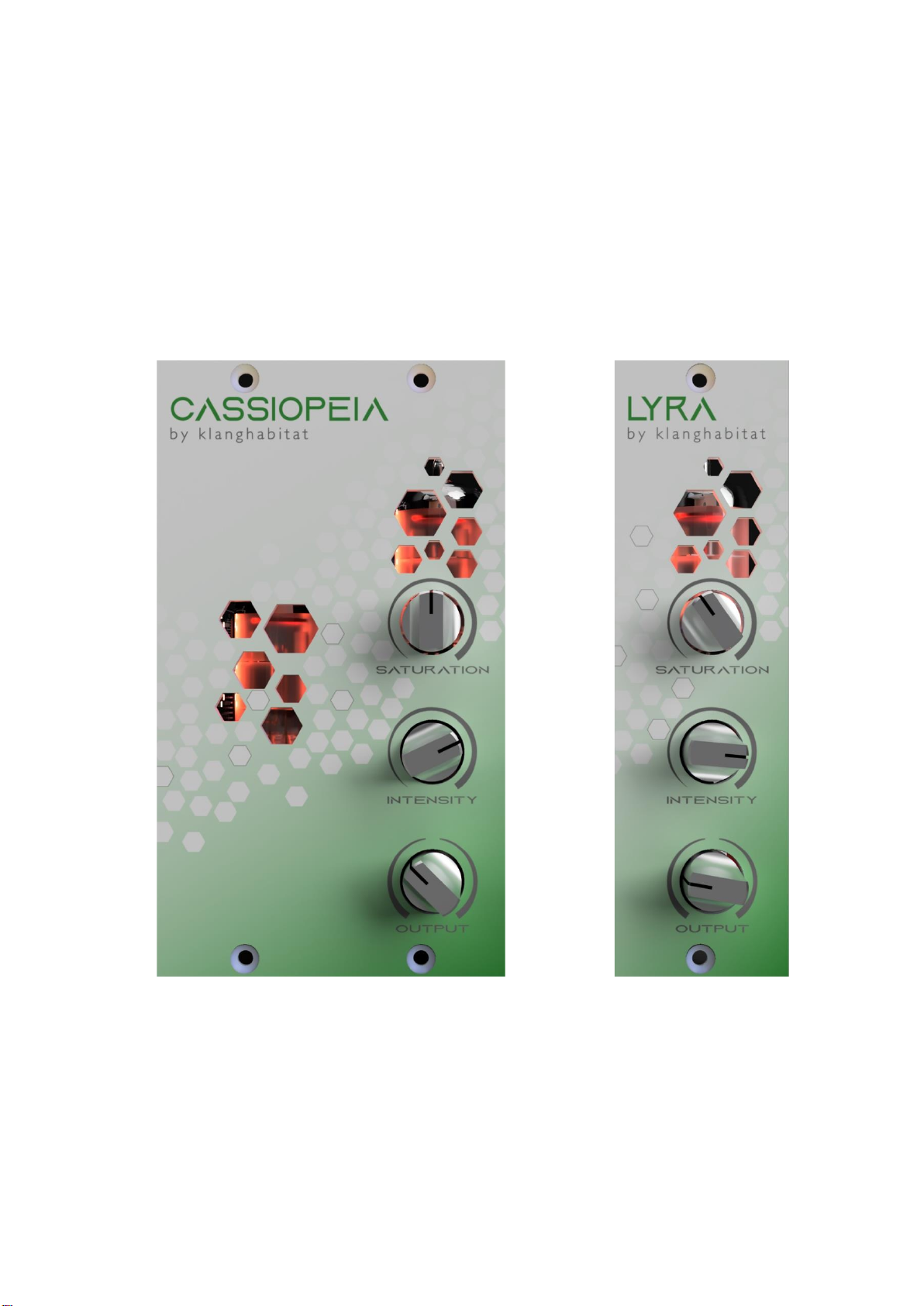
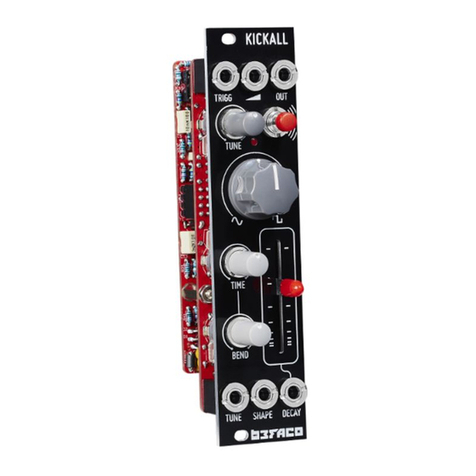
To use cassiopeiea/lyra all you need to do is run some awesome audio through it. Depending on
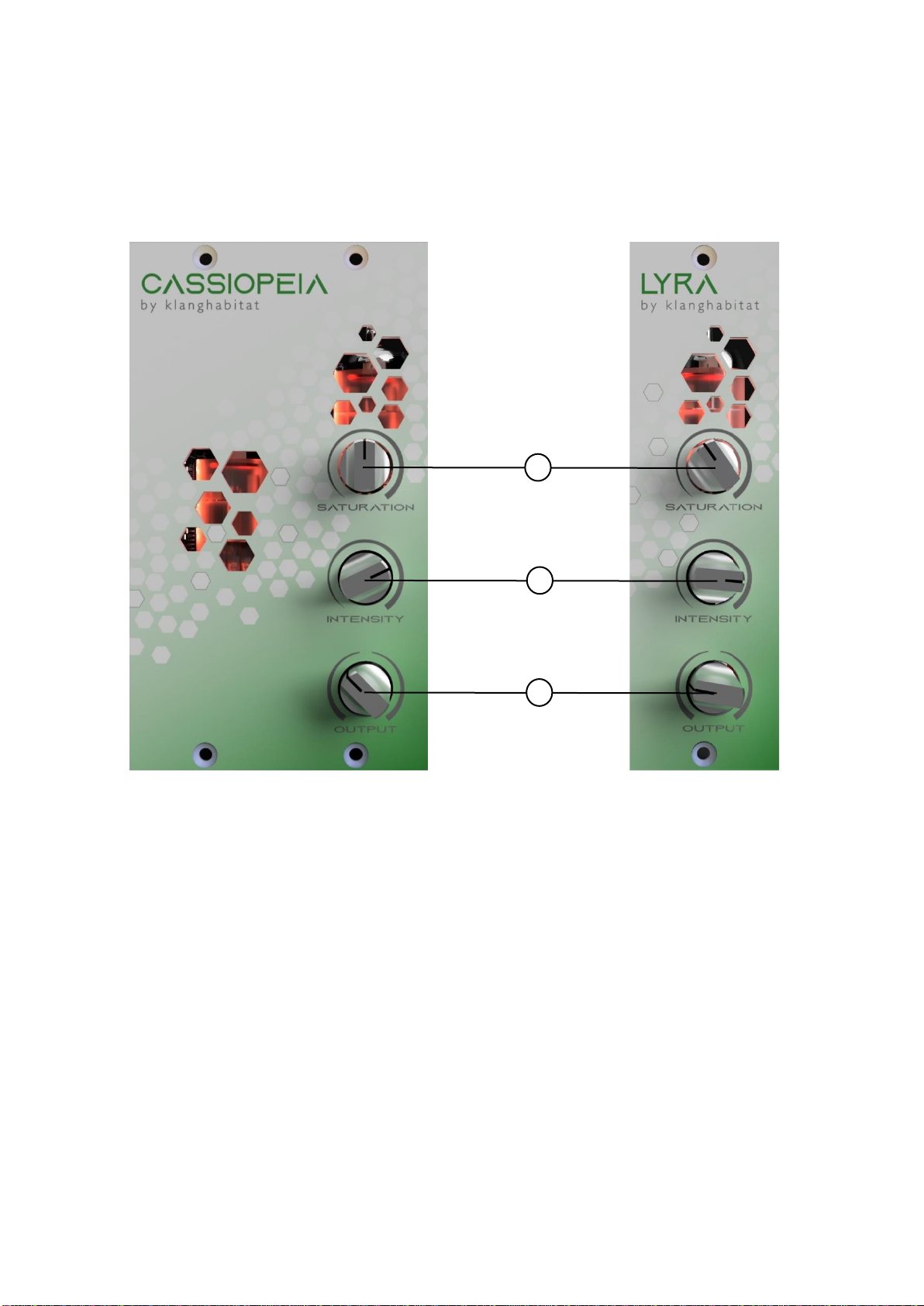
the intended result, the most important control is SATURATION control. This control will deter-
mine how the vacuum tube is reacting to the incoming audio signal. The more this dial is turned
clockwise, the more the signal is processed. The tube's backlight will give feedback on how
much the tube reacts during processing.
The outgoing signal depends on the position of the SENSETIVITY dial. The more this dial is
turned clockwise, the more of the processed signal will be forwarded to the output. In case the
dial is fully clockwise, the output will present 100 % of the process path. In most cases, this dial
will be used to dial in the exact amount of processed signal to the output.
Last, the OUTPUT control is used to gain match with devices in the signal chain to operate all
elements at their best performing signal levels.
HOW IT WORKS
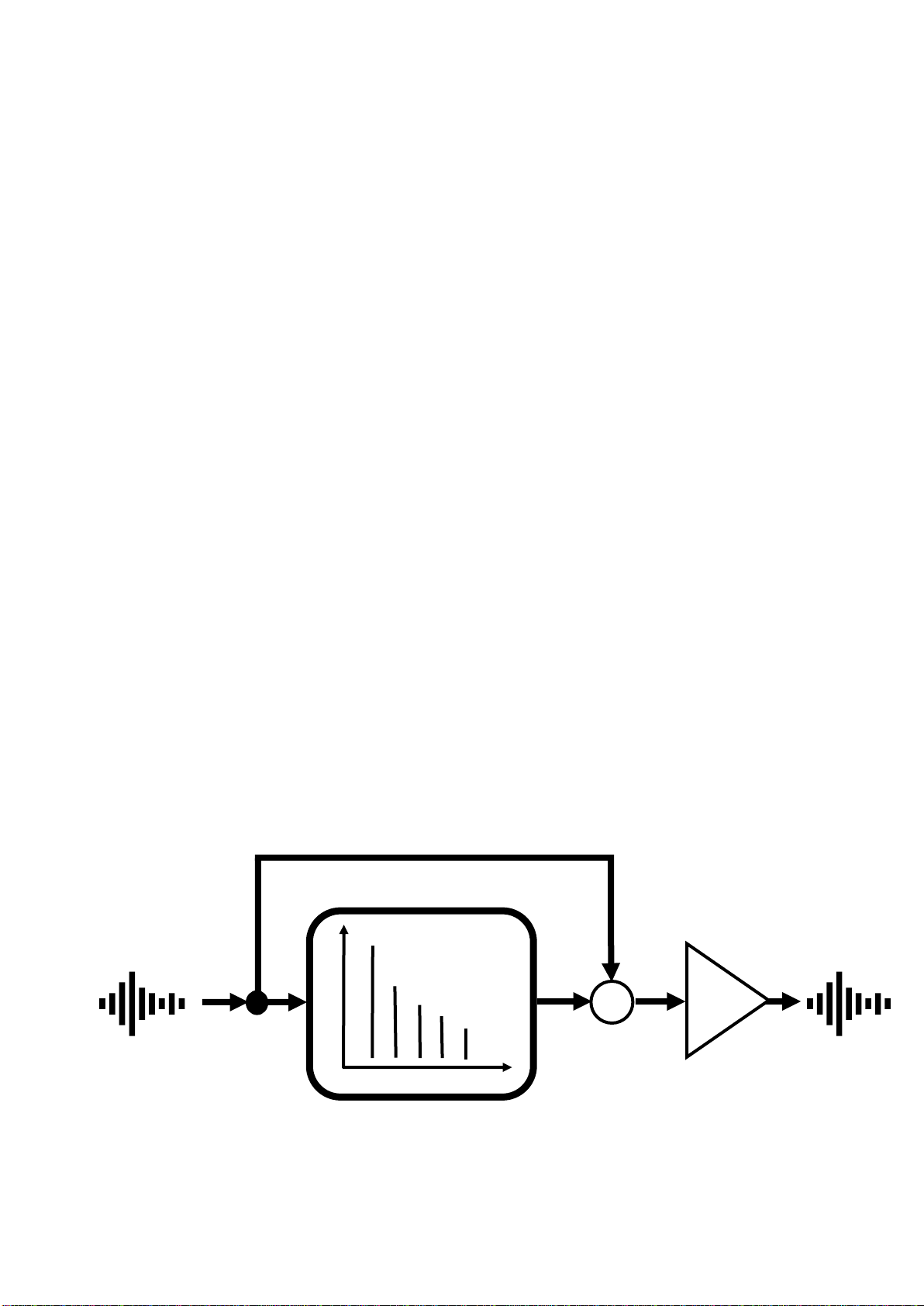
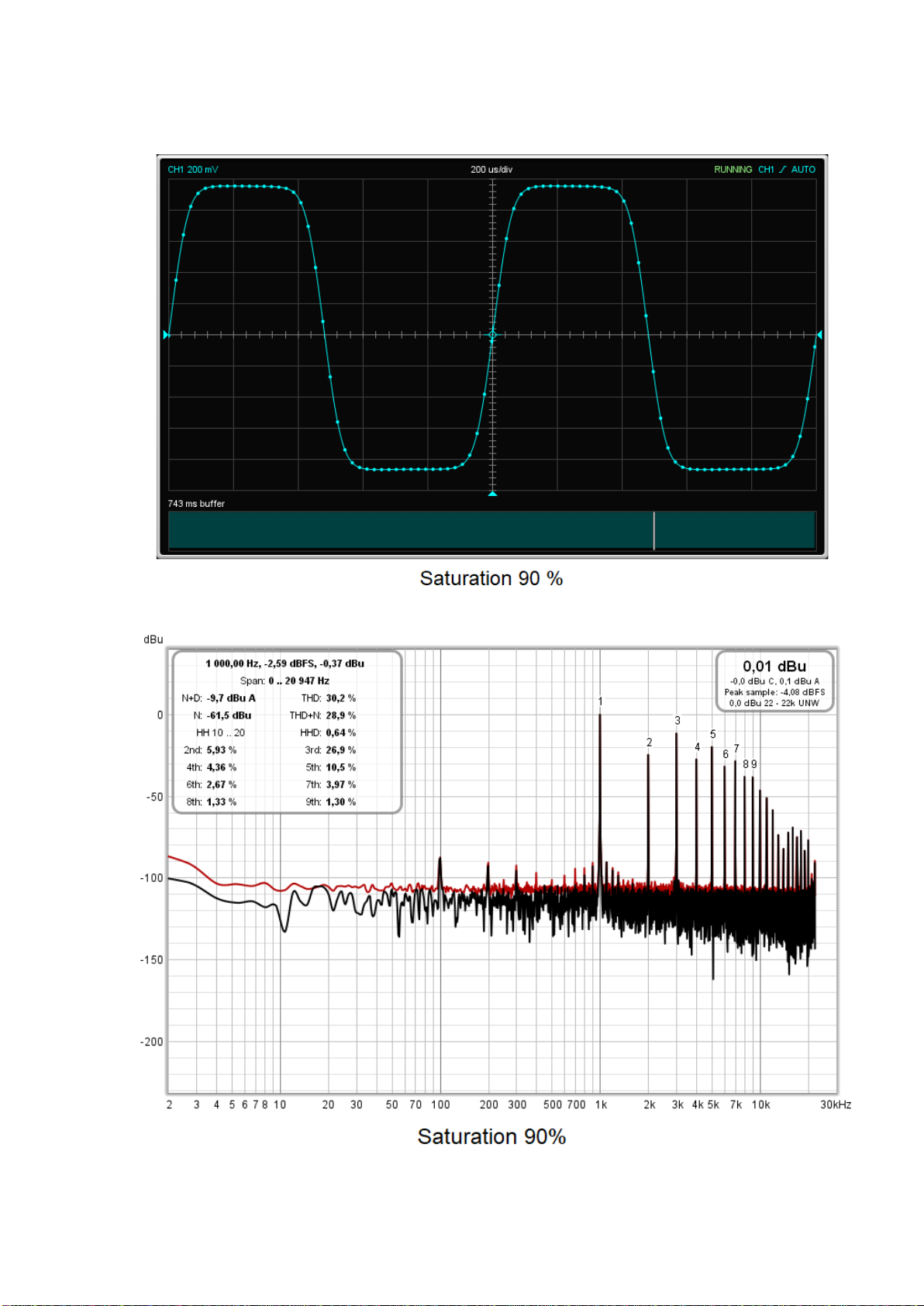
Cassiopeiea & lyra make use of the “natural” characteristics of vacuum tubes operated in satura-
tion. In other words, these tubes are operated outside their originally designed specifications.
This is achieved by using the SATURATION potentiometer for the incoming signal. The more this
control is turned clockwise, the less the vacuum tube can operate inside spec. The resulting effect
is beneficial because it creates overtones. The beautiful thing about using tubes in this context is
the reason that clipping occurs in a soft way.
The INTENSITY control gives the option to blend in the saturated signal with the original unpro-
cessed signal. This is very handy in cases where the SATURATION control is cranked up but just
a small amount of the wet signal is beneficial to the output.
The last element needed is the OUTPUT control, which allows the user to give the correct level to
the following device in the entire signal chain.