manuals.online logo
Brands
  1. Home
  2. •
  3. Brands
  4. •
  5. Lenoxx Sound
  6. •
  7. Cassette Player
  8. •
  9. Lenoxx Sound CT-99 User manual

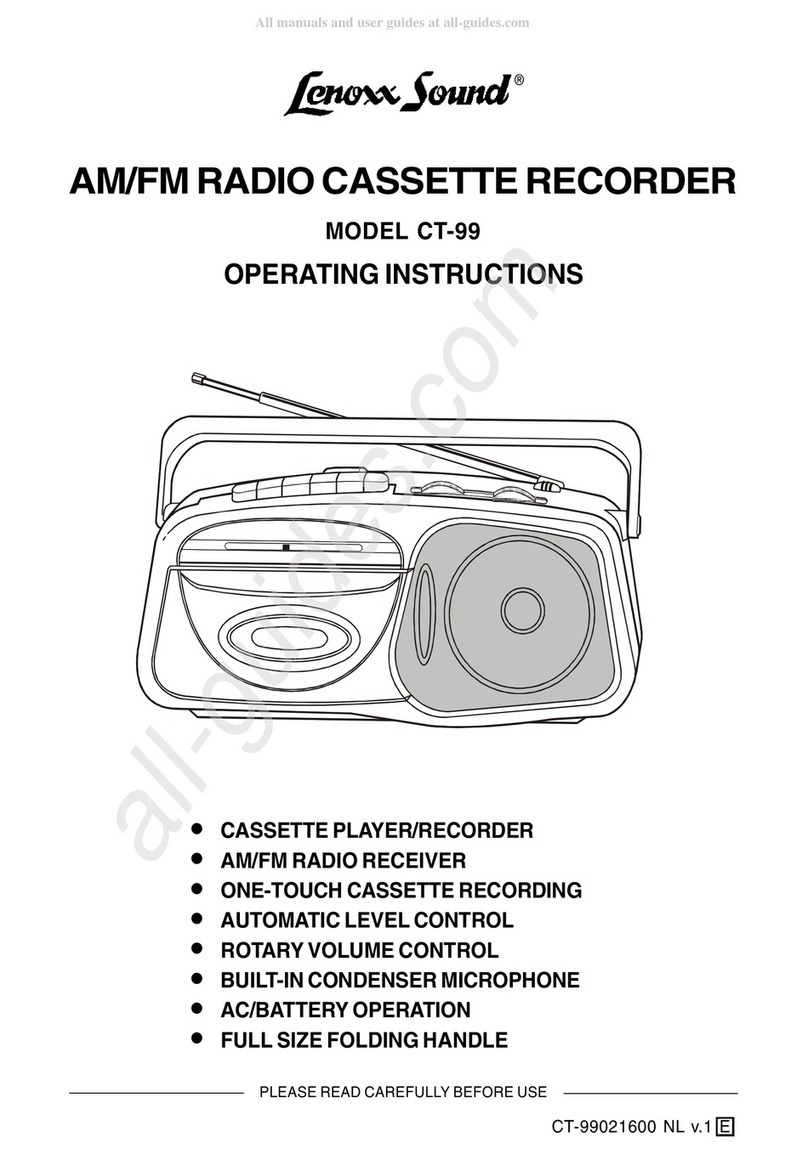
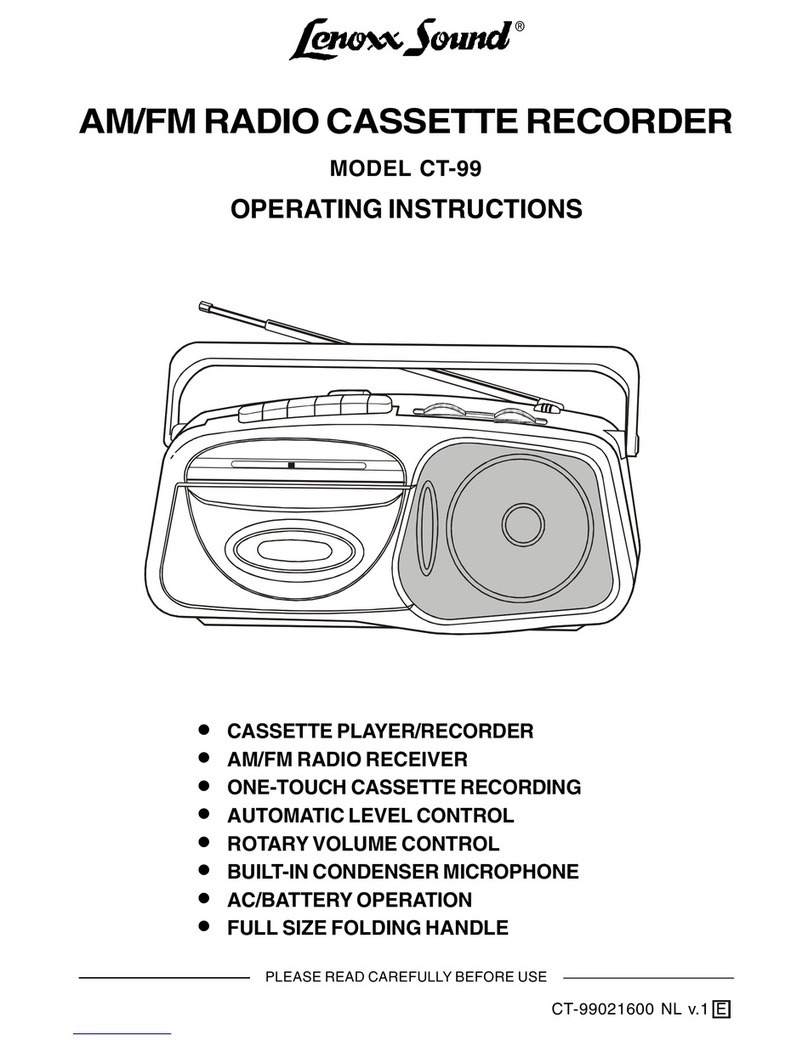
Lenoxx Sound CT-99 User manual

Other manuals for CT-99

3

Other Lenoxx Sound Cassette Player manuals

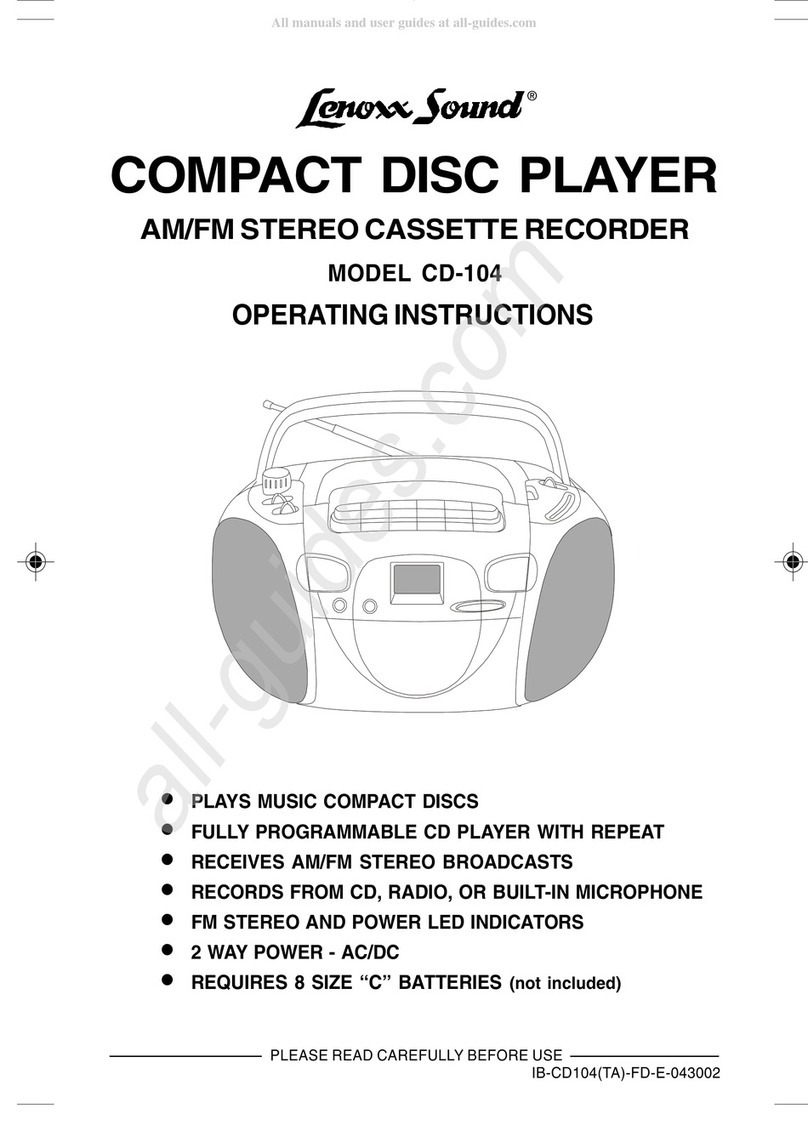
Lenoxx Sound CD-104 User manual

Lenoxx Sound

Lenoxx Sound CD-104 User manual

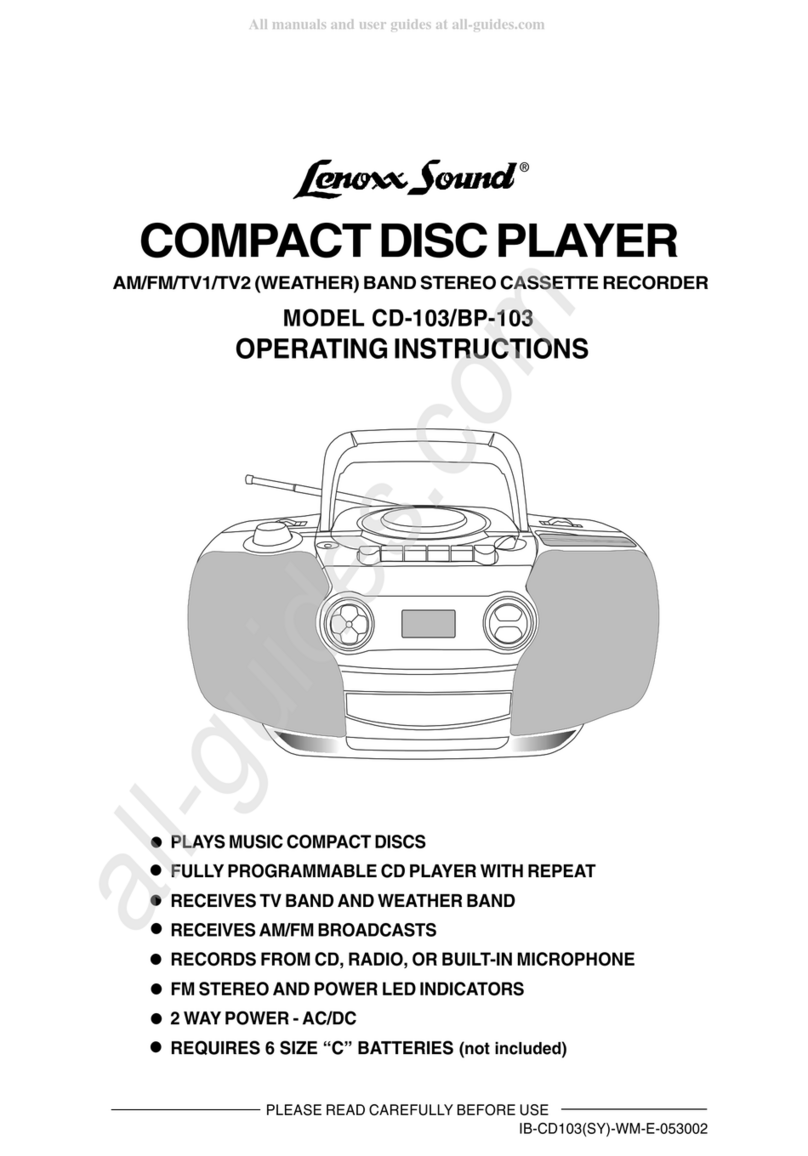
Lenoxx Sound CD-103 User manual

Lenoxx Sound

Lenoxx Sound CD-103 User manual

Lenoxx Sound 1135 User manual

Lenoxx Sound

Lenoxx Sound 1135 User manual

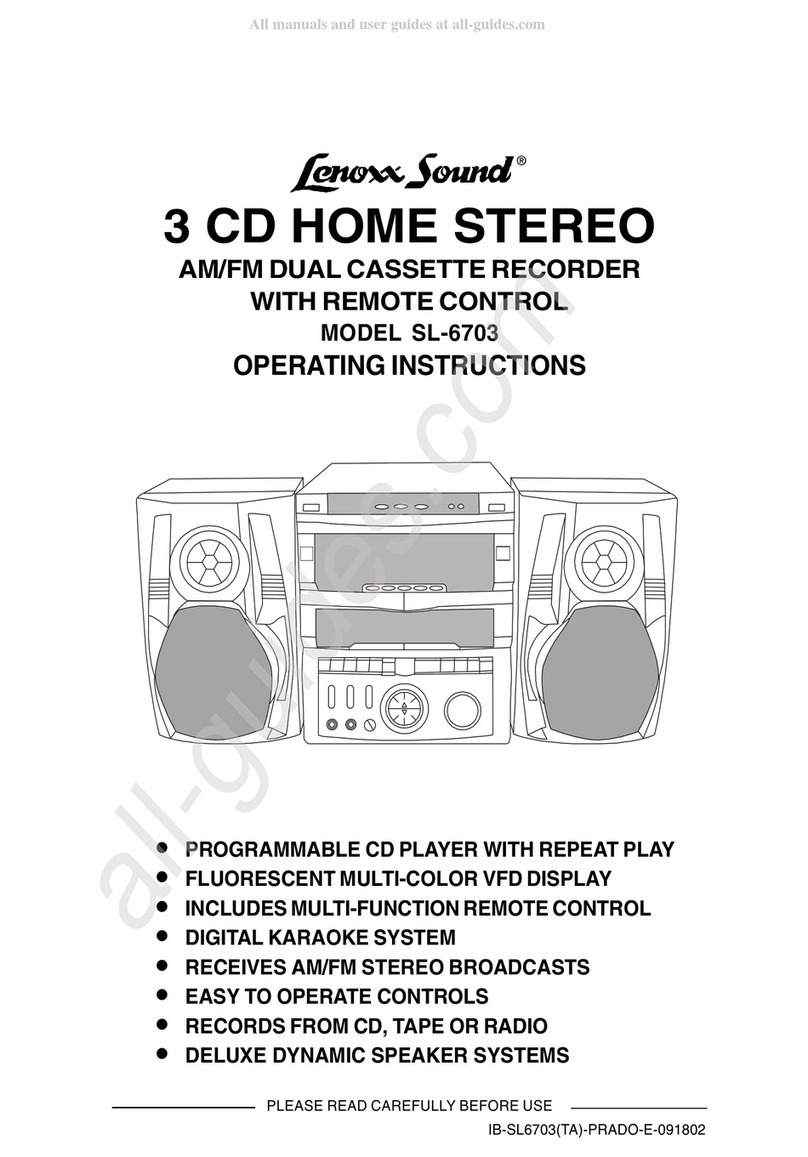
Lenoxx Sound SL-6703 User manual

Lenoxx Sound

Lenoxx Sound SL-6703 User manual

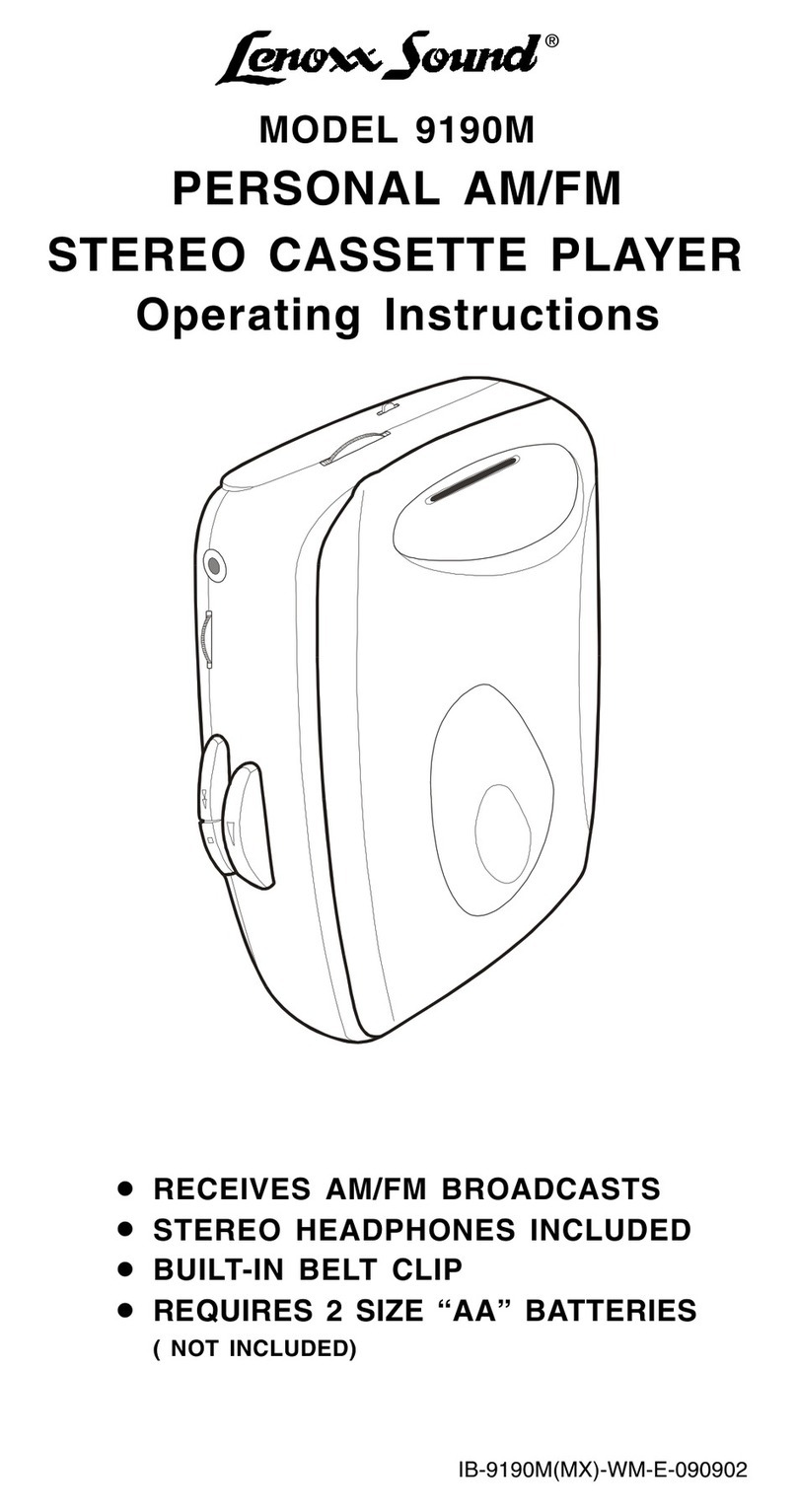
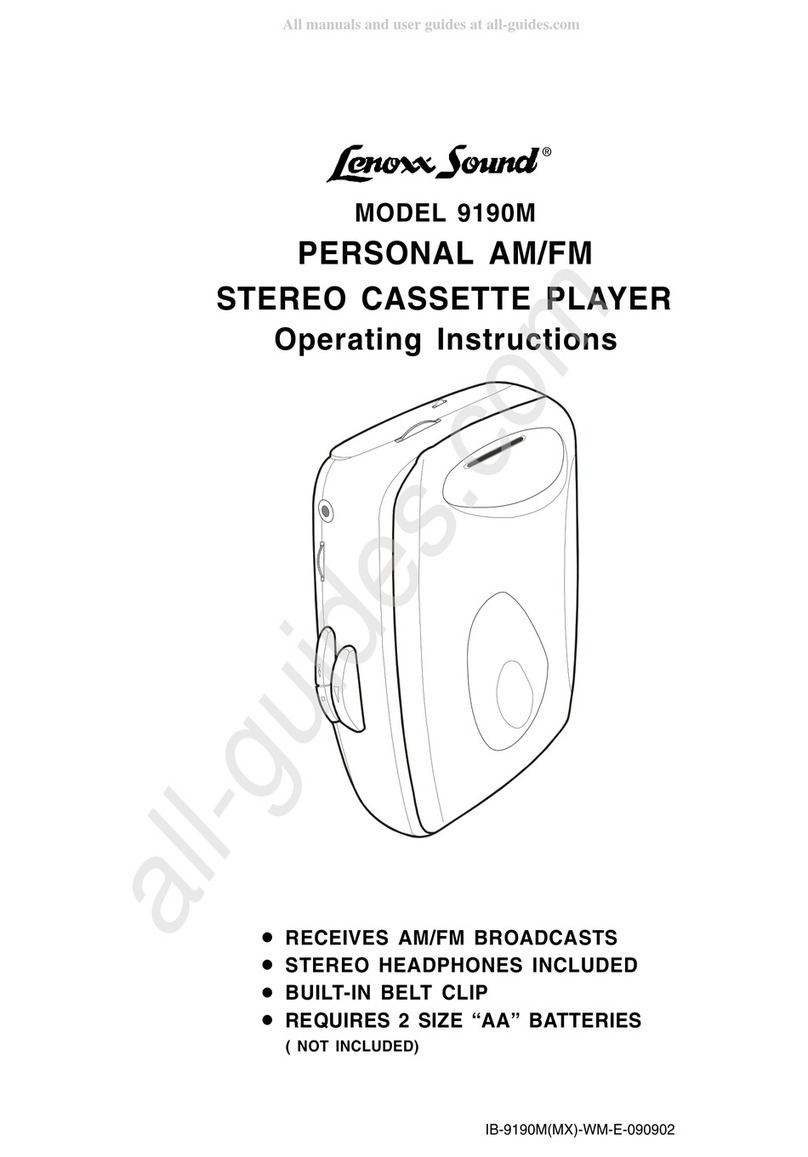
Lenoxx Sound 9190M User manual

Lenoxx Sound

Lenoxx Sound 9190M User manual

Lenoxx Sound CT-99 User manual

Lenoxx Sound

Lenoxx Sound CT-99 User manual

Lenoxx Sound 9190M User manual

Lenoxx Sound

Lenoxx Sound 9190M User manual

Lenoxx Sound CR-186 User manual

Lenoxx Sound

Lenoxx Sound CR-186 User manual

Lenoxx Sound CT-99 User manual

Lenoxx Sound

Lenoxx Sound CT-99 User manual

Lenoxx Sound CR-186 User manual

Lenoxx Sound

Lenoxx Sound CR-186 User manual

Lenoxx Sound CT-99 User manual

Lenoxx Sound

Lenoxx Sound CT-99 User manual

Popular Cassette Player manuals by other brands

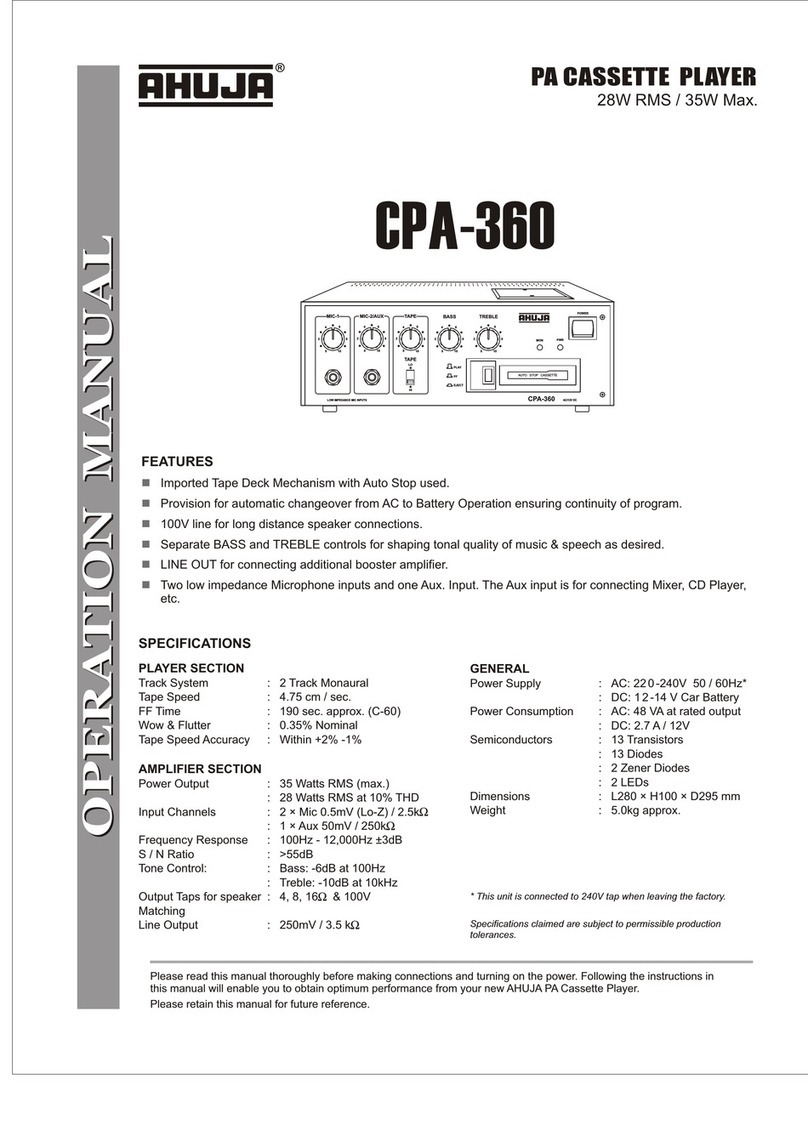
Ahuja CPA-360 Operation manual

Ahuja

Ahuja CPA-360 Operation manual

Sony Pressman TCS-60DV Specifications

Sony

Sony Pressman TCS-60DV Specifications

Philips AQ6485/14 Product information

Philips

Philips AQ6485/14 Product information

Sony TCM-200DV - Cassette Recorder operating instructions

Sony

Sony TCM-200DV - Cassette Recorder operating instructions

Nakamichi BX-300 Service manual

Nakamichi

Nakamichi BX-300 Service manual

Panasonic RQ-E25V operating instructions

Panasonic

Panasonic RQ-E25V operating instructions

Aiwa TP-VS535 operating instructions

Aiwa

Aiwa TP-VS535 operating instructions

Yamaha MT8X Operation manual

Yamaha

Yamaha MT8X Operation manual

Sherwood Newcastle D-480 operating instructions

Sherwood

Sherwood Newcastle D-480 operating instructions

Manta MA408 user manual

Manta

Manta MA408 user manual

GPO W0162B user guide

GPO

GPO W0162B user guide

Marantz CP230 Service manual

Marantz

Marantz CP230 Service manual

Sony HST-471 Service manual

Sony

Sony HST-471 Service manual

Sharp JC-AV1 Operation manual

Sharp

Sharp JC-AV1 Operation manual

Pioneer CT-W103 Service manual

Pioneer

Pioneer CT-W103 Service manual

Sony CFS-B15 - Am/fm Stereo Cassette Recorder operating instructions

Sony

Sony CFS-B15 - Am/fm Stereo Cassette Recorder operating instructions

Sony WMFS220 - Portable Sports AM/FM Cassette... operating instructions

Sony

Sony WMFS220 - Portable Sports AM/FM Cassette... operating instructions

Aiwa HS-TA21 operating instructions

Aiwa

Aiwa HS-TA21 operating instructions

manuals.online logo
manuals.online logoBrands
  • About & Mission
  • Contact us
  • Privacy Policy
  • Terms and Conditions

Copyright 2025 Manuals.Online. All Rights Reserved.

®
AM/FM RADIO CASSETTE RECORDER
MODEL CT-99
OPERATING INSTRUCTIONS
CASSETTE PLAYER/RECORDER
AM/FM RADIO RECEIVER
ONE-TOUCH CASSETTE RECORDING
AUTOMATIC LEVEL CONTROL
ROTARY VOLUME CONTROL
BUILT-IN CONDENSER MICROPHONE
AC/BATTERY OPERATION
FULL SIZE FOLDING HANDLE
CT-99021600 NL v.1 E
PLEASE READ CAREFULLY BEFORE USE
SAFETY INSTRUCTIONS
The lightning flash and
arrow head within the
triangle is a warning
sign alerting you of
dangerous voltage
inside the product.
CAUTION
RISK OF ELECTRIC
SHOCK
DO NOT OPEN
CAUTION: TO REDUCE THE
RISK OF ELECTRIC SHOCK,
DO NOT REMOVE COVER (OR
BACK). NO USER SERVICEABLE
PARTS INSIDE. REFER
SERVICING TO QUALIFIED
SERVICE PERSONNEL.
The exclamation point
within the triangle is a
warning sign alerting you of
important instructions
accompanying the product.
WARNING: TO REDUCE THE RISK OF FIRE OR ELECTRIC SHOCK, DO NOT
EXPOSE THIS APPLIANCE TO RAIN OR MOISTURE.
THESE IMPORTANT SAFETY INSTRUCTIONS ARE INCLUDED, AS APPLICABLE TO THE
APPLIANCE, CONVEYING TO THE USER THE INFORMATION ITEMIZED BELOW:
1.Read Instructions - All the safety and operating instructions should be read before
the appliance is operated.
2.Retain Instructions - The safety and operating instructions should be retained for
future reference.
3.Heed Warnings - All warnings on the appliance and in the operating instructions
should be adhered to.
4.Follow Instructions - All operating and use instructions should be followed.
5.Water and Moisture - The appliance should not be used near water - for example near
a bathtub, washbowl, kitchen sink, laundry tub, in a wet basement, or near a swimming
pool, and the like.
6.Wall or Ceiling Mounting - The appliance should not be mounted to a wall or ceiling.
7.Ventilation - The appliance should be situated so that its location or position does not
interfere with its proper ventilation. For example, the appliance should not be situated
on a bed, sofa, rug, or similar surface that may block the ventilation openings; or,
placed in a built-in installation, such as a bookcase or cabinet that impede the flow of
air through the ventilation openings.
8.Heat - The appliance should be situated away from heat sources such as radiators,
heat registers, stoves, or other appliances (including amplifiers) that produce heat.
9.Power Sources - The appliance should be connected to a power supply only of the
type described in the operating instructions or as marked on the appliance.
10.Grounding or Polarization - Precautions should be taken so that the grounding or
polarization means of an appliance is not defeated.
11. Power Cord Protection - Power supply cords should be routed so that they are not
likely to be walked on or pinched by items placed upon or against them, paying
particular attention to cords at plugs, convenient receptacles, and the point where
they exit from the appliance.
12.Cleaning - The appliance should be cleaned only as recommended by the manufacturer.
13.Nonuse periods - The power cord of the appliance should be unplugged from the
outlet when left unused for a long period of time.
1
SAFETY INSTRUCTIONS
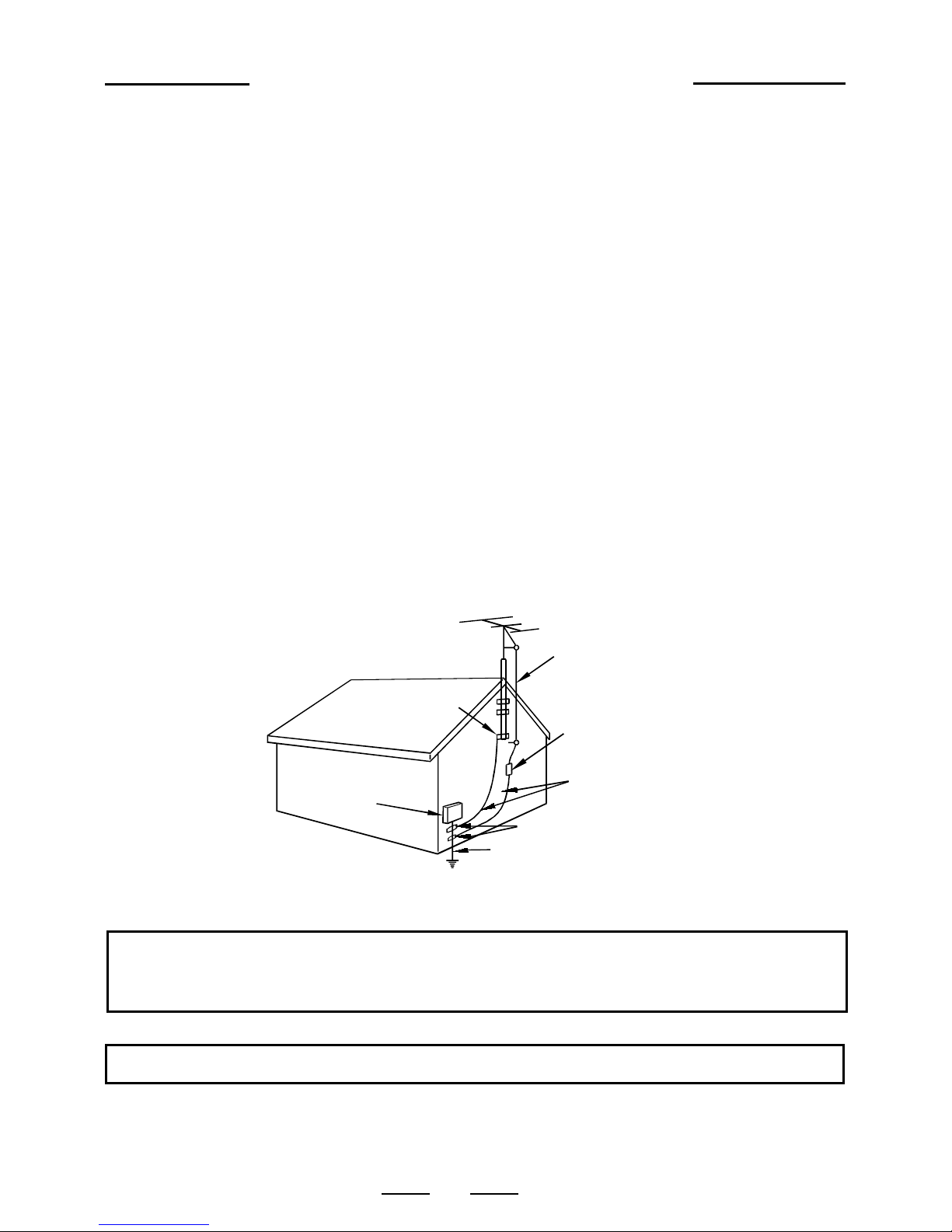
EXAMPLE OF ANTENNA GROUNDING AS PER
NEC - NATIONAL ELECTRICAL CODE
It is the intent of Lenoxx that this product be used in full compliance with the copyright
laws of the United States and that prior permission be obtained from copyright owners
whenever recording songs from the radio.
Do not apply oil or petroleum products or solvents to any part of this set.
14. Object and Liquid Entry - Care should be taken so that objects do not fall and liquids
are not spilled into the enclosure through openings.
15. Damage Requiring Service - The appliance should be serviced by qualified service
personnel when:
A. The power supply cord or the plug has been damaged; or
B. Objects have fallen, or liquid has been spilled into the appliance; or
C. The appliance has been exposed to rain; or
D. The appliance does not appear to operate normally or exhibits a marked change in
performance; or
E. The appliance has been dropped, or the enclosure damaged.
16. Servicing - The user should not attempt to service the appliance beyond that described
in the operating instructions. All other servicing should be referred to qualified service
personnel.
17. Power lines - An outdoor antenna should be located away from power lines.
18. Outdoor Antenna Grounding - If an outside antenna is connected to the receiver, be
sure the antenna system is grounded so as to provide some protection against voltage
surges and built up static charges. Section 810 of the National Electrical Code, ANSI/
NFPA 70 provides information with respect to proper grounding of the mast and supporting
structure, grounding of the lead-in wire to an antenna discharge unit, size of grounding
conductors, location of antenna-discharge unit, connection to grounding electrodes,
and requirements for the grounding electrode. See Figure.
ANTENNA
LEAD IN WIRE
ANTENNA DISCHARGE UNIT (NEC
SECTION 810-20)
GROUNDING CONDUCTORS
(NEC SECTION 810-21)
POWER SERVICE GROUNDING
ELECTRODE SYSTEM
(NEC ART 250, PART H)
ELECTRIC
SERVICE
EQUIPMENT
GROUND
CLAMP
GROUND CLAMPS
2
1. Use only the type and size of batteries mentioned in the operating instructions
booklet (batteries are not included with this set, please buy the proper batteries).
2. Do not dispose the batteries into a fire. The cells may explode. Check with local
codes for possible special disposal instructions.
3. Do not open or mutilate the batteries. Released electrolyte is corrosive and may
cause damage to the eyes or skin. It may be toxic if swallowed.
4. Be careful when handling batteries in order not to short the battery with conducting
materials such as rings, bracelets and keys. The battery or conductor may over
heat and cause burns.
5. Do not attempt to recharge non-rechargeable batteries. The batteries may leak
corrosive electrolyte or explode.
6. Do not attempt to rejuvenate the batteries identified for use with this product by
heating them. Sudden release of the battery electrolyte may cause burns or
irritation to eyes or skin.
7. All batteries should be replaced at the same time. Mixing fresh and discharged
batteries could increase internal cell pressure and rupture the batteries.
8. When inserting batteries into this product, the proper polarity ( and ) or
direction must be observed. Reverse insertion of some or all of the batteries may
result in battery eletrolyte leakage or explosion.
9. Remove the batteries from this product if the product will not be used for a long
period of time (several months or more) since during the period the batteries could
leak, damaging the product.
10. Discard weak or dead batteries as soon as possible since they are more likely to
leak in the product. Batteries should be replaced (depending on the product) when
the display gets dim or if the Low Battery Indicator shows or if the sound gets
distorted.
11. Do not store this product in high temperature areas. Batteries that are stored in a
freezer or refrigerator for the purpose of extending shelf life should be protected
from condensation during storage and defrosting. Batteries should be stabilized at
room temperature prior to use after cold storage.
12. If this product does not operate normally, see TROUBLE SHOOTING in this manual.
If you cant resolve the problem, or if the product is damaged, refer to the LENOXX
WARRANTY INFORMATION. Opening or removing covers may expose you to
dangerous voltages or other risks. Incorrect reassembly can cause electric shock
when the appliance is subsequently used.
13. If liquid leaks from the batteries, carefully wipe this liquid. Do not allow it to touch
your skin, and discard the leaking batteries.
14. Do not mix batteries (OLD and NEW or CARBON and ALKALINE, etc.).
15. The use of rechargeable batteries is not recommended for this set because their
voltage and life is lower than standard batteries.
16. Installation of batteries should be done by an adult only.
SAVE THESE INSTRUCTIONS
CAUTION: TO REDUCE THE RISK OF FIRE OR PERSONAL INJURY OR DAMAGE TO YOUR
SET, READ AND FOLLOW THESE INSTRUCTIONS.
BATTERY SAFETY INSTRUCTIONS
3

CHOOSING THE POWER SOURCES
You can use the AC power or batteries as a power source.
TIP
The plug of the AC power
cord is polarized and only
fits one way into the wall
outlet.
If this plug does not
match your outlet, do not
force it.
Reverse it and try again.
1. Connecting the AC Power
Cord
Open the BATTERY COMPARTMENT DOOR, stretch the
AC power cord out, and insert the AC PLUG into the wall
outlet.
2. Operate the Set on Batteries
Insert 4 size D batteries (not included) into the battery
compartment.
4
2. Battery compartment
1. To a wall outlet
D D D D
NOTE: One blade of plug &
outlet is wider.
BACK OF SET
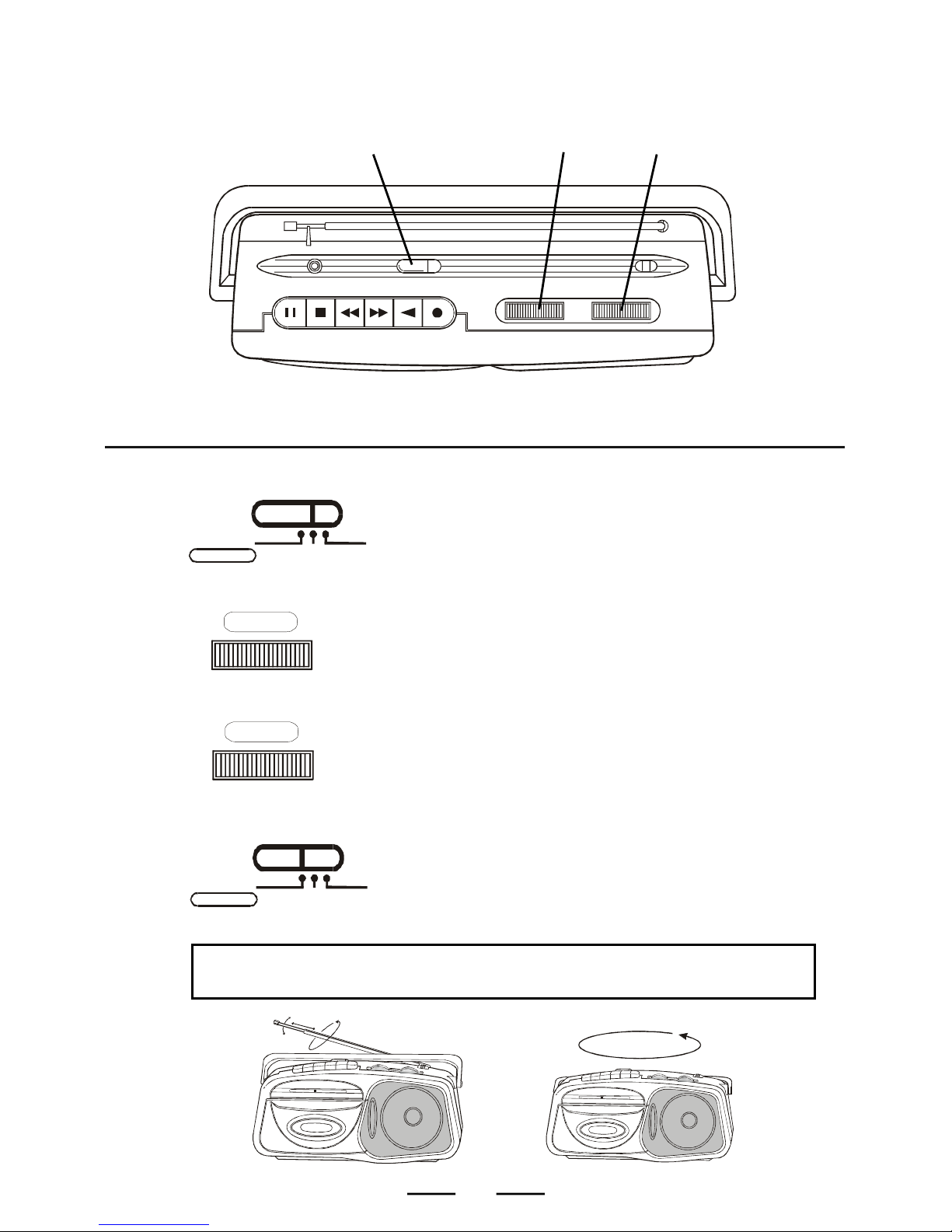
LISTENING TO THE RADIO
Connect the supplied AC power cord or batteries (see page 4).
Slide the FUNCTION SWITCH to AM
or FM position.
1&4 2
3
1
2Tune into the station you prefer using
the TUNING control. Adjust for the
clearest sound.
5
TAPE
RADIO OFF AM
FM
3Adjust the volume level by rotating the
VOLUME control.
To turn off the Radio, slide the
FUNCTION switch to TAPE (RADIO
OFF) position.
4
MIN MAX
VOLUME
TUNING
TAPE
RADIO OFF AM
FM
TIP: To improve broadcast reception, change position of the
antenna for FM and rotate the player itself for AM.
PLAYING A TAPE
Connect the supplied AC power cord or batteries (see page 9).
Press the STOP/EJECT
button to open the tape
compartment and insert
a recorded tape. Close
the door.
3
2
2
3Press the PLAY button.
The player turns on and
starts playing.
STOP/EJ.
PLAY
Slide the FUNCTION
switch to TAPE (POWER
OFF) position.
1
6
FULL
REEL
EMPTY
REEL
INSERT TAPE THIS WAY
FULL REEL ON RIGHT
1
TAPE
RADIO OFF AM
FM
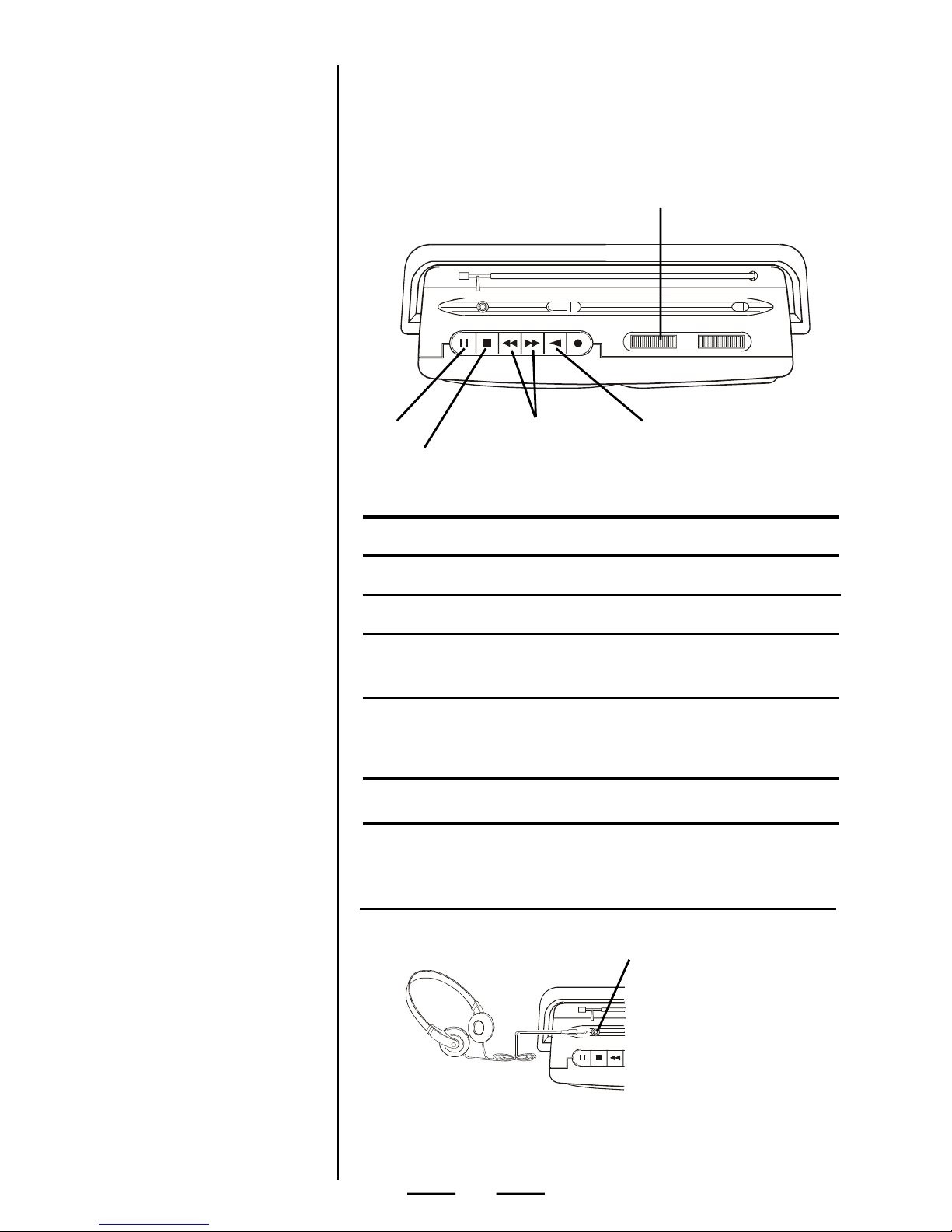
USE THESE BUTTONS FOR
ADDITIONAL OPERATIONS
To
Stop playback
Eject the cassette
TIP Press or Adjust
Adjust the volume VOLUME control
Fast forward or rewind
the tape
FAST FORWARD button
or REWIND button
Pause playback PAUSE button
Press again to resume
play after pause.
STOP/EJECT button
STOP/EJECT button
7
VOLUME
CONTROL
STOP/EJ.
FAST FORWARD
& REWIND
PLAY
To enjoy the music without
disturbing others
Insert your headphone
plug into the mono
EARPHONE jack
When the tape finishes
playing that side of the
tape, the set will stop and
the PLAY button will pop
up. To hear the other
side, flip the tape over,
then insert and press
PLAY, or press REWIND
then PLAY to hear the
same song again.
PAUSE
L
MONO EARPHONE JACK
NOTE: If you use stereo headphones, you will only hear
sound from one side of the headphones because
this jack is mono.
STOP/EJ.
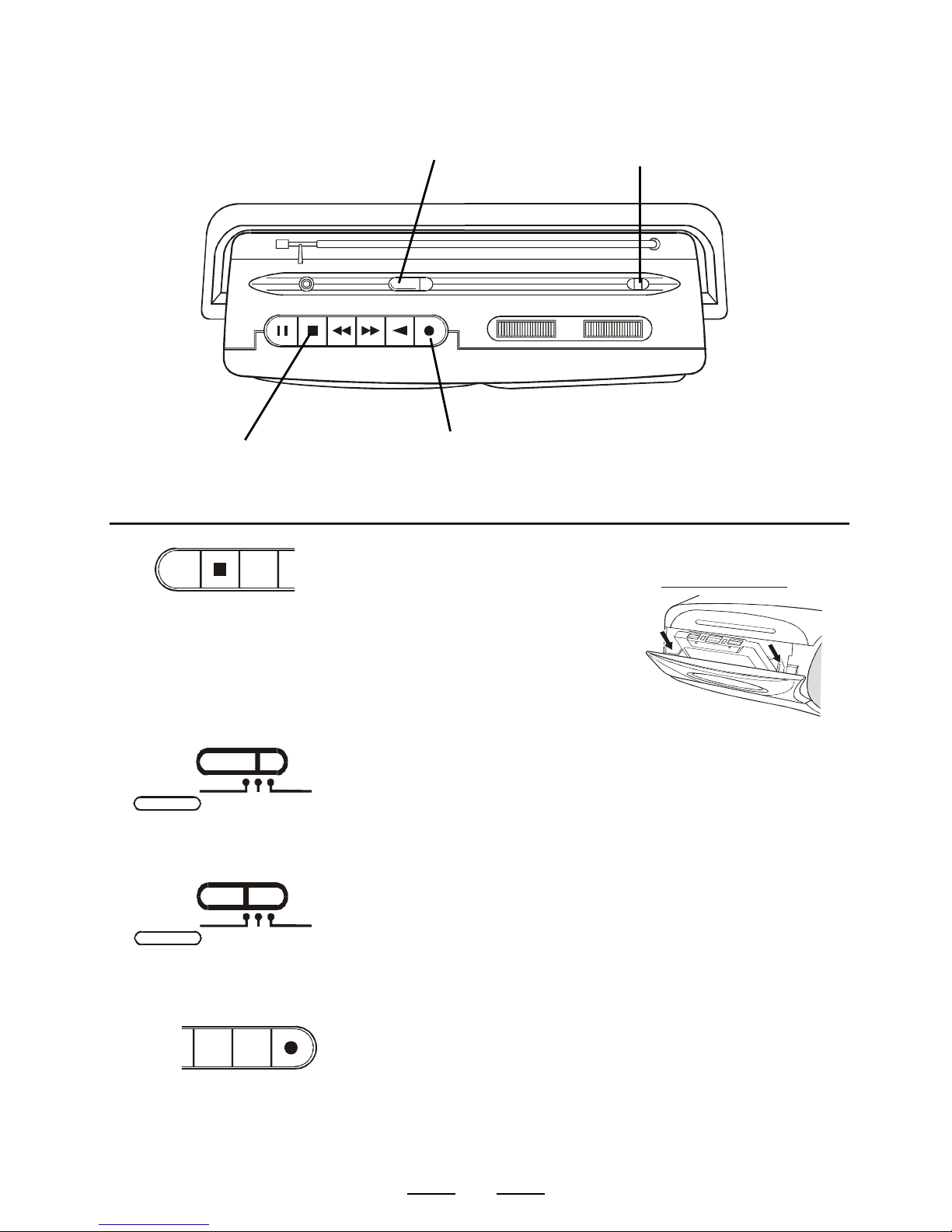
RECORDING ON A TAPE
Connect the supplied AC power cord or batteries (see page 4).
Press the STOP/EJECT button
to open the tape compartment
and insert a blank tape. Select
the program source (AM, FM
or built-in microphone) you
want to record.
13
1
2
To record from radio, slide the
FUNCTION switch to AM or FM
position, and tune into the station
you want (see page 5).
To record from the built-in
microphone, leave the FUNCTION
switch at TAPE position, and speak
in front of the set.
3
8
Press the RECORD button to start
recording. (The PLAY button is
depressed automatically.)
2
TAPE
RADIO OFF AM
FM
RECORD
INSERT TAPE THIS WAY
FULL REEL ON RIGHT
MICROPHONE
TAPE
RADIO OFF AM
FM
USE THESE BUTTONS FOR
ADDITIONAL OPERATIONS
To
Turn off the power Press the STOP/EJECT button
and slide the FUNCTION
switch to TAPE (RADIO OFF)
position.
TIP
•Adjusting the
VOLUME control
will not affect the
recording level.
Press or Adjust
Stop recording STOP/EJECT button
PAUSE button
Press the button again to
resume recording.
Pause recording
•For best recording
effect, use AC power
instead of batteries.
•To erase a recording,
just start a new one,
and the old recording
is automatically
replaced.
9
FUNCTION
SWITCH
PAUSE STOP/EJECT