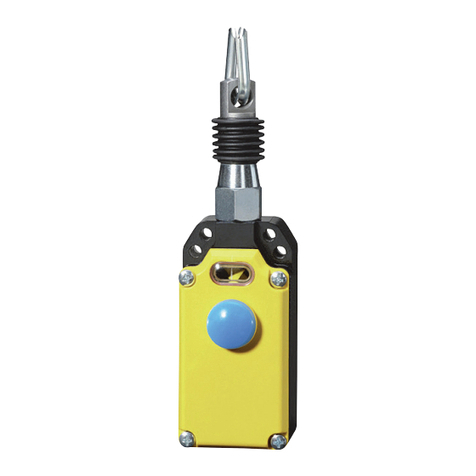
Lewmar SX switch Instruction ref 66300105 iss.5| 3
Warnings and Good Practice
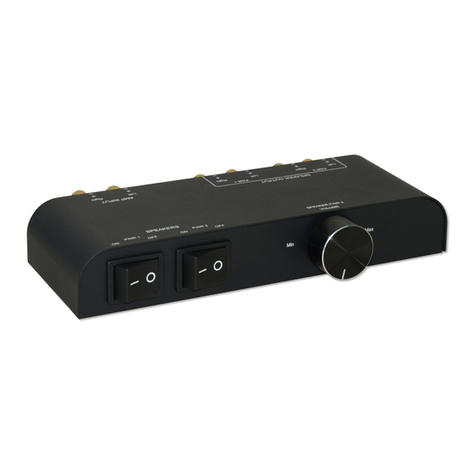
Electric deck switches operate in a hostile environment and are subject to salt water, extremes of
temperature, direct sunlight and UV effect. They are also susceptible to wear and tear following repeated
use and can in some instances suffer accidental damage during boat operations. It is therefore recom-
mended that regular visual and functional inspection of the switch, the circuitry and the equipment being
controlled is carried out by a competent qualified person on a regular basis.
If any defects are noted on the switch (see point 2.0 below), replacement is mandatory so as to avoid the
possibility of a malfunction. It is further recommended that an item of this nature is not intended to re-
main in service forever. The lifespan will depend upon the weather and UV conditions to which the switch
is exposed as well as the amount of use. Therefore, a service lifespan of 3 to 5 years from date of pur-
chase can be expected, aer which time it should be replaced. Shorter lifespans could be experienced and
the following inspection recommendations are therefore important in ensuring continuing safe operation.
Inspection
1.0 - The deck switch and the system it controls should be fully tested in a ‘No Load’ condition prior to
full functional operation as per it’s design purpose, before every trip, activity or task. Only aer the
skipper has satisfied themselves of the safe and functional operations should the equipment be
used.
2.0 - The deck switch should be inspected pre-departure or use paying particular attention
to the following:
2.1 Ensure there is no visible damage to the switch
2.2 Ensure there is no noticeable wear to the switch, housing, button or fixings
2.3 Ensure the rubber membrane over the switch is not sticky or has any deposits or residue from
cleaning fluids or other prohibited materials
2.4 Ensure the rubber membrane over the switch does not show any signs of cracks, splits or signs
of degradation.
2.5 The main switch housing should not have any visible chips or cracks
2.6 The switch should have a smooth positive feel with a distinct click that can be felt at the point of
operation
2.7 There should be no signs of water ingress on any part of the switch assembly
2.8 Ensure that the fixings screws and seal to the deck bulkhead or coach roof are secure, and
remain effective in both securing the switch and preventing water ingress
2.9 The switch should not feel spongy and should not make a squelch or bubbling noise due to water
ingress when depressed and operated
Maintenance
If any of the points highlighted in 2.0 through to 2.9 are detected during inspection, the deck switches
should not be used and should be replaced.
3.0 - On an annual basis the deck switch should be removed by a qualified electrical technician to carry
out the following:
3.1 All the checks detailed in 2.0 – 2.9 above
3.2 Inspect the underside of the deck switch for signs of corrosion, damage or water ingress
3.3 Inspect the wiring for signs of loose connections or corrosion