7
www.linarie.com.au
8. STORAGE OF FOOD
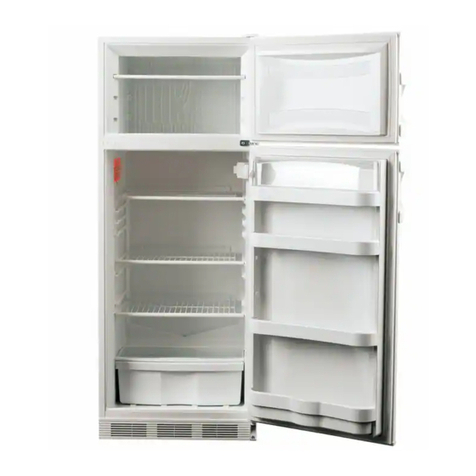
Yourappliance has the accessories asthe
“Structure illustration” showed in general,
with this part instruction you can have the
right way to storageyour food.
The glass shelves and crisper can be removed
to store food if needed.
Note:
Food is not allowed to touch directly all
surfaces inside the appliance. It has to be
wrapped separately in aluminum sheet or in
cellophane sheet or in airtight plastic boxes.
Store foodsthat are very fresh and ofgood quality.
Ensure that food is well wrapped or covered before
it is stored. This will prevent food from dehydrating,
deteriorating in colouror losing taste and will help
maintain freshness. It will also prevent odourtransfer.
Vegetables and fruit need not bewrapped if they are
stored in the vegetable container
of the fridge compartment.
Make sure that strong smelling foodsare wrapped or
covered and stored away from foods such asbutter,
milk and cream which can betainted by strong odours.
Cool hot foodsdownbefore placing them in the fridge
compartment.
Storing food in the refrigerator compartment
The fridge freezer compartment helps to extend the
storagetimes of fresh perishable foods.
Fresh food care for best results:
Most pre-packed dairy foods have a recommended 'use
by /best before/best by/ date stamped onthem.
Store them in the fridge compartment and use within the
recommended time.
Butter can become tainted by strong smelling foods so
it is best stored in a sealed container.
Eggs should be stored in the fridge compartment.
Dairy foods and eggs
Place fresh red meat ona plateand loosely cover with
waxed paper, plastic wrap or foil.
Store cooked and raw meat on separateplates.
This will prevent any juice lost from the raw meat from
contaminating the cooked product.
Red meat
Packaging must not bedamaged.
Use by the 'use by /best before/best by/' date.
If possible, transport deep-frozen food in an insulated
bag and place quickly in the freezer compartment.
Purchasing frozen food
Freeze fresh and undamaged food only.
To retain the best possible nutritional value, flavourand
colour, vegetables should beblanched before freezing.
Aubergines, peppers, zucchini and asparagusdo not
require blanching.
Note:
Keep food to be frozen away from food which is already
frozen.
The following foods are suitable for freezing:
Cakes and pastries, fish and seafood, meat, game,
poultry, vegetables, fruit, herbs, eggswithout shells,
dairy products such as cheese and butter, ready meals
and leftovers such as soups, stews, cooked meat and fish,
potato dishes, soufflés and desserts.
The following foods are NOT suitable for freezing:
Types of vegetables, which are usually consumed raw,
such as lettuce or radishes, eggs in shells, grapes,
whole apples, pears and peaches, hard-boiled eggs,
yoghurt, soured milk, sour cream, and mayonnaise.
Freezing fresh food
Store at -18°C or colder. Avoid opening the freezer
compartment doorunnecessarily.
Storing frozen food
Fresh whole birds should be rinsed inside and out with
cold running water, dried and placed ona plate.
Cover loosely with plastic wrap or foil.
Poultry pieces should also be stored this way.
Whole poultry should never be stuffed until just before
cooking, otherwise food poisoning may result.
Poultry
These should be stored in suitable covered containers
so that the food will not dry out.
Keep for only 1-2 days.
Reheat leftovers only once and until steaming hot.
Precooked foods and leftovers
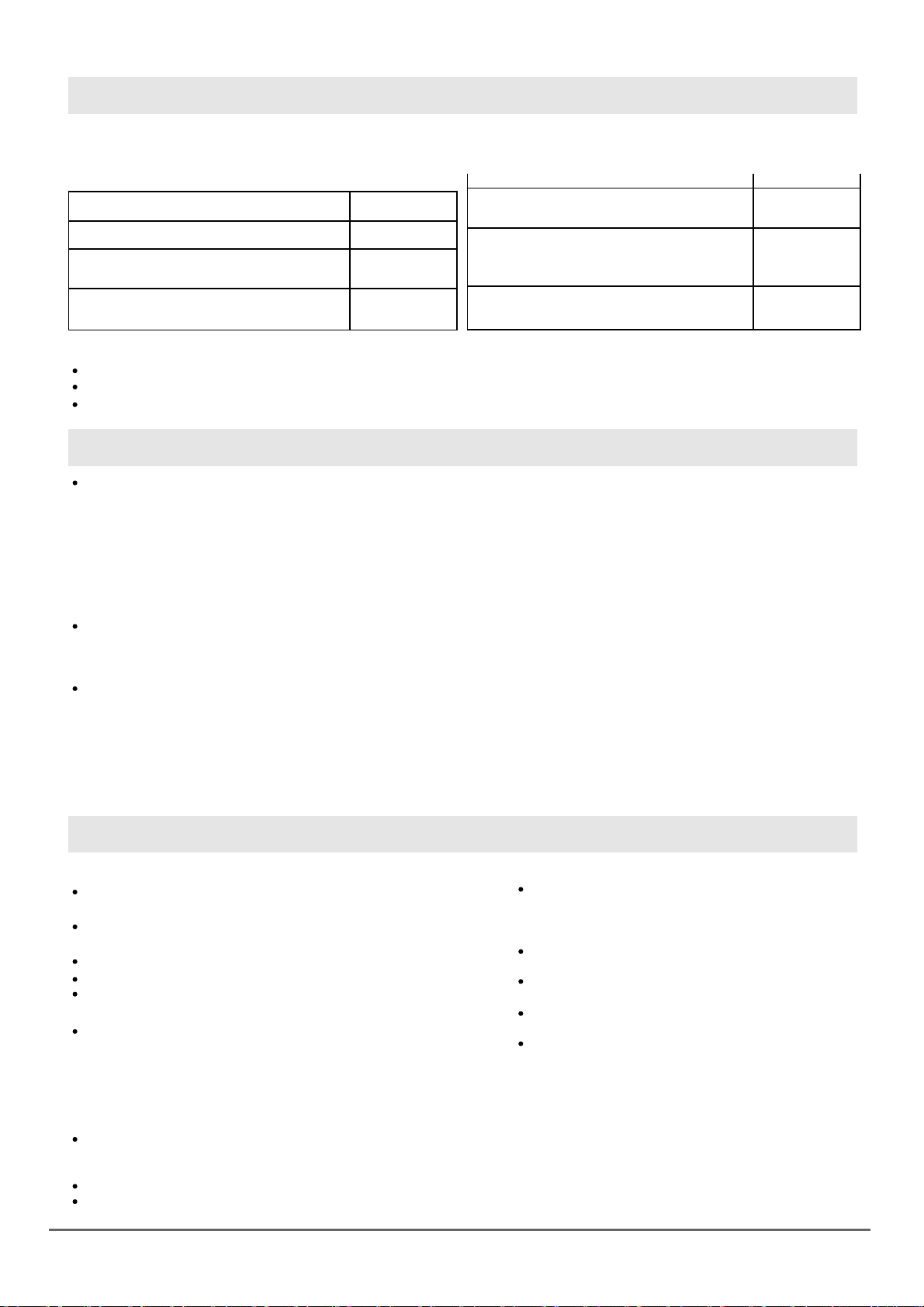
Food Location
The vegetable container is the optimum storage location
for fresh fruit and vegetables.
Take care not to store the following at temperatures of
less than 7°C for long periods: Citrus fruit, melons,
aborigines, pineapple, papaya, curettes, passion fruit,
cucumber, peppers, tomatoes.
Undesirable changes will occur at low temperatures
such as softening ofthe flesh, browning and/or
accelerated decaying.
Do not refrigerateavocados (until they are ripe),
bananas and mangoes.
Butter, cheese
Vegetable container
To store deep-frozen food.
To make ice cubes.
To freeze food.
Note:
Ensure that the freezer compartment door has been
closed properly.
Freezing and storing food in the freezer
compartment
To prevent food from losing its flavor ordrying out,
place food in airtight packaging.
1. Place food in packaging.
2. Remove air.
3. Seal the wrapping.
4. Label packaging with contents and dates of freezing.
Suitable packaging:
Plastic film, tubular film madeofpolyethylene, aluminum
foil. These products are available from specialist outlets.
Packing frozen food
Eggs
Fruit, vegetables, salad
Meat, sausage, cheese, milk
Dairy products, canned food, cans
Drinks, bottles, tubes
Upper door rack
Door rack
Crisper
Lower area (lowest
shelf / crisper cover)
Upper area/ door rack
Door rack