6
RECOMMENDED WING FOIL PRACTICE
• Wing foiling is a HAZARDOUS activity and the use of this equipment involves
the risk of serious personal injury to any part of the user’s body or death.
• Injuries are an INHERENT RISK of wing foiling and the participation in this
sport implies the user’s express assumption of those risks.
• Do NOT use the wing out of the wind ranges that they were specified for.
Always check the weather forecast to ensure that the wind range is apropriate.
• Do NOT exceed the recommended pressure indicated for each part of the
wing and do NOT leave the wing in the sun when not in use.
• Injuries are an INHERENT RISK of foiling and the participation in foiling implies
the user’s acceptance of those risks.
• Wear a helmet when appropriate.
• Children should always be under adult supervision.
• It is strongly recommended that beginners take lessons from a licensed or
certified instructor.
• Always inspect your equipment for signs of wear and tear each time before
riding.
• IF any products are found to show signs of wear and tear these should be
repaired or replaced immediately and before further use. If in doubt about
any signs of wear and tear, please contact your local NeilPryde ONE-DESIGN
vendor. Contact details are available from www.neilpryde.com.
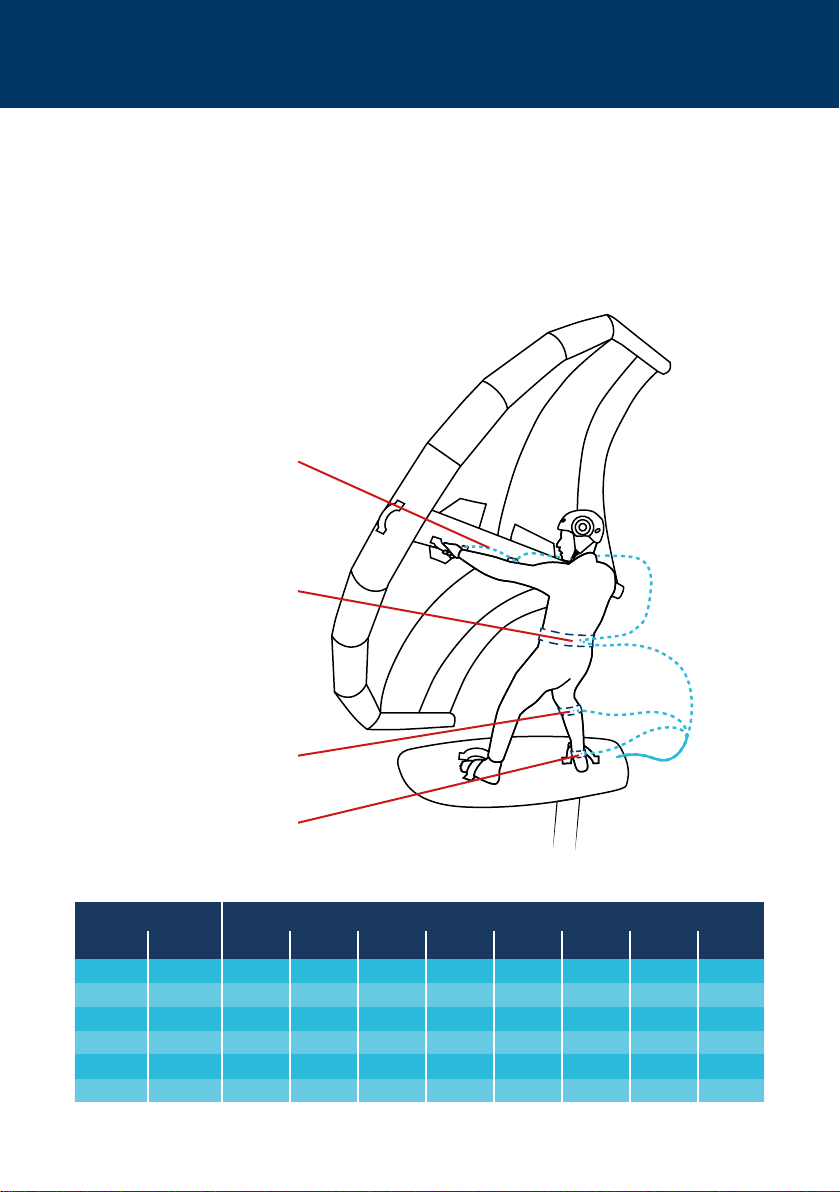
• Make sure that your wing is connected with a leash to your body (wrist or
waist) when in use.
• NEVER place yourself in a situation where breakage of any one of the various
components would pose a risk to yourself or others, or make it impossible to
return to the shore safely and unassisted.
• Take time to study the conditions including sea state, tides, currents and
weather forecasts before you decide to go sailing. Beware of sailing in offshore
winds.
• Familiarize yourself with any new location before venturing onto the water.
Ask the locals to tell you about any hazards.
• Watch out for other beach users, especially swimmers, divers and small
children. Make sure you keep your board and wing under control at all times and
that they don’t get blown about on the beach or in the water.
•
Always use appropriate safety and floatation devices. Wear the correct
protective clothing for the conditions such as a wetsuit or a UV top. Cold water
and cold weather can result in hypothermia. Always carry identification.
• Make sure someone knows where you’ve gone & when you are expected
back – never sail alone.
• Be aware of the conditions as they change. Always return to the beach if
there is a significant change in the conditions, i.e. wind dropping or wind and
waves increasing.
Tips for a safe use