manuals.online logo
Brands
  1. Home
  2. •
  3. Brands
  4. •
  5. Panasonic
  6. •
  7. Camera Accessories
  8. •
  9. Panasonic H-FSQ 14045 User manual

Panasonic H-FSQ 14045 User manual

This manual suits for next models

1

Other Panasonic Camera Accessories manuals
Panasonic AW-PB302 User manual

Panasonic

Panasonic AW-PB302 User manual

Panasonic WV-QCL500-S User manual

Panasonic

Panasonic WV-QCL500-S User manual

Panasonic BB-HGW700A - Network Camera Router User manual

Panasonic

Panasonic BB-HGW700A - Network Camera Router User manual

Panasonic BQ-BS2E/2E User manual

Panasonic

Panasonic BQ-BS2E/2E User manual

Panasonic DMW-DCC13 User manual

Panasonic

Panasonic DMW-DCC13 User manual

Panasonic LJ-SK56A User manual

Panasonic

Panasonic LJ-SK56A User manual

Panasonic LC-XC1228AP User manual

Panasonic

Panasonic LC-XC1228AP User manual

Panasonic HHR300CH User manual

Panasonic

Panasonic HHR300CH User manual

Panasonic WV-NS202 - i-Pro Network Camera User manual

Panasonic

Panasonic WV-NS202 - i-Pro Network Camera User manual

Panasonic DMW-DCC6 User manual

Panasonic

Panasonic DMW-DCC6 User manual

Panasonic VIDEOALARM PODV7CPNS User manual

Panasonic

Panasonic VIDEOALARM PODV7CPNS User manual

Panasonic HHR450A User manual

Panasonic

Panasonic HHR450A User manual

Panasonic LUMIX DMW-MCTZ3E User manual

Panasonic

Panasonic LUMIX DMW-MCTZ3E User manual

Panasonic AJ-CVF50G User manual

Panasonic

Panasonic AJ-CVF50G User manual

Panasonic WV-CS4SA User manual

Panasonic

Panasonic WV-CS4SA User manual

Panasonic WV-VF42 User manual

Panasonic

Panasonic WV-VF42 User manual

Panasonic WV-Q122AS User manual

Panasonic

Panasonic WV-Q122AS User manual

Panasonic AWPH360N - PAN/TILT HEAD User manual

Panasonic

Panasonic AWPH360N - PAN/TILT HEAD User manual

Panasonic WVRM70 - ACCESSORY User manual

Panasonic

Panasonic WVRM70 - ACCESSORY User manual

Panasonic AS09A51 Instruction Manual

Panasonic

Panasonic AS09A51 Instruction Manual

Panasonic AK-UHD12G User manual

Panasonic

Panasonic AK-UHD12G User manual

Panasonic LC-R063R4P User manual

Panasonic

Panasonic LC-R063R4P User manual

Panasonic POH1000 Operating and installation instructions

Panasonic

Panasonic POH1000 Operating and installation instructions

Panasonic CGR18650CG User manual

Panasonic

Panasonic CGR18650CG User manual

Popular Camera Accessories manuals by other brands
CamRanger CamRanger user manual

CamRanger

CamRanger CamRanger user manual

Custom Brackets HDV CAGE KIT Instructions for use

Custom Brackets

Custom Brackets HDV CAGE KIT Instructions for use

Aegis ABL052010P user manual

Aegis

Aegis ABL052010P user manual

Saft SRA Series Installation and operating instructions

Saft

Saft SRA Series Installation and operating instructions

Kodak TIB5200 technical information

Kodak

Kodak TIB5200 technical information

Videotec HEG instruction manual

Videotec

Videotec HEG instruction manual

Ikelite 6171.11 manual

Ikelite

Ikelite 6171.11 manual

Pentax Auto Bellows Slide Copier K user manual

Pentax

Pentax Auto Bellows Slide Copier K user manual

Nikon UT-1 user manual

Nikon

Nikon UT-1 user manual

dji RONIN 4D quick start guide

dji

dji RONIN 4D quick start guide

SLIK ABLE 300DX user manual

SLIK

SLIK ABLE 300DX user manual

Rebelcell 36V70 user manual

Rebelcell

Rebelcell 36V70 user manual

Trojan GC2 48V quick start guide

Trojan

Trojan GC2 48V quick start guide

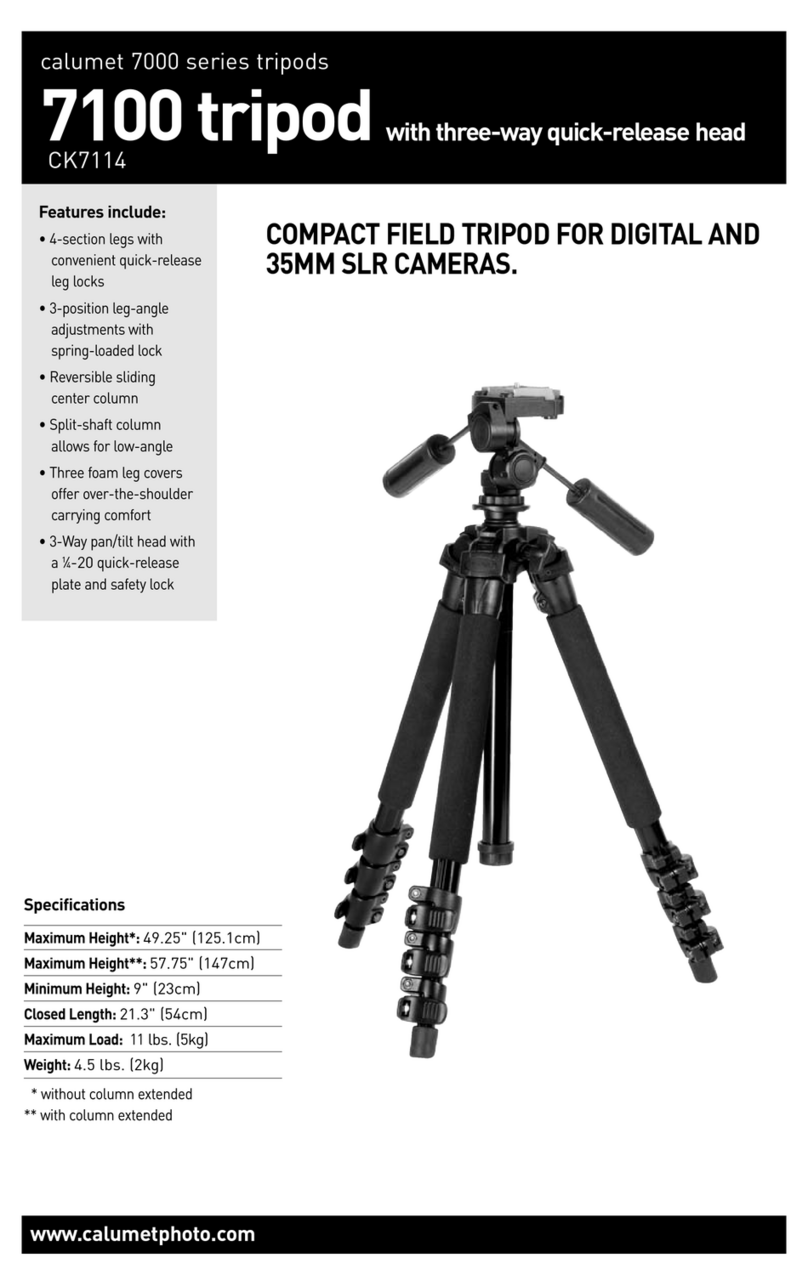
Calumet 7100 Series CK7114 operating instructions
Calumet

Calumet 7100 Series CK7114 operating instructions

Ropox 4Single Series User manual and installation instructions
Ropox

Ropox 4Single Series User manual and installation instructions

Cambo Wide DS Digital Series Main operating instructions

Cambo

Cambo Wide DS Digital Series Main operating instructions

Samsung SHG-120 Specification sheet

Samsung

Samsung SHG-120 Specification sheet

Ryobi BPL-1820 Owner's operating manual
Ryobi

Ryobi BPL-1820 Owner's operating manual
manuals.online logo
manuals.online logoBrands
  • About & Mission
  • Contact us
  • Privacy Policy
  • Terms and Conditions

Copyright 2025 Manuals.Online. All Rights Reserved.

PanasoniC
Operating Instructions
INTERCHANGEABLE LENS FOR DIGITAL CAMERA
Model No.
H-FSQ
14045
Before connecting, operating or adjusting this
product, please read the instructions completely.
MEGA
0.1.
s.
G Wi
IPPI
For
USA
and
Puerto
Rico
assistance,
please
call:
1-800-211-PANA(7262)
or,
contact
us
via
the
web
at:
http://www
.
panasonic.com/contactinfo
For Canadian assistance, please call: 1-800-99-LUMIX (1-800-995-8649) or
send e-mail to: [email protected].com
MICRO
VQT2A12
Contents
Information for Your Safety..................................... 2
Precautions........................................................... 5
Supplied Accessories ............................................. 6
Attaching/Detaching the Lens................................. 6
Names and Functions
of
Components ................... 8
Cautions for Use..................................................... 9
Troubleshooting .................................................. 10
Specifications........................................................
11
Limited Warranty................................................... 12
-If
you
see
this
symbol-
Information
on
Disposal
in
other
Countries
outside
the
European
Union
2
VQT2A12
This symbol
is
only valid
in
the
European Union.
If you wish
to
discard this
product, please contact your
local authorities or dealer and
ask for the correct method of
disposal.
THE FOLLOWING APPLIES ONLY
IN
CANADA.
This Class B digital apparatus complies with
Canadian ICES-003.
Information
for
Your
Safety
Keep
the
unit
as
far
away as
possible
from
electromagnetic
equipment
(such as
microwave
ovens, TVs,
video
games, radio
transmitters,
high-voltage
lines
etc.).
• Do not use the camera near cell phones because
doing so may result
in
noise adversely affecting
the pictures and sound.
• Ifthe camera
is
adversely affected
by
electromagnetic
equipment
and
stops functioning properly, turn the
camera off
and
remove the battery and/or the
connected
AC
adaptor.
Then
reinsert
the
battery and/
or reconnect
the
AC
adaptor
and
turn the camera
on.
The lens can be used with a digital camera
compatible with the lens mount standard for the
"Micro Four Thirds System".
•
It
cannot be mounted
on
the Four Thirds™ mount
specification camera.
• The digital camera illustrations
in
these operating
instructions show DMC-G1 as an example.
• The appearance and specifications
of
products
described
in
this manual may differfrom the actual
products you have purchased due to later
enhancements.
• Four Thirds
TM
is
a trademark.
• Micro Four Thirds is a trademark.
• Other names, company names, and product
names printed
in
these instructions are
trademarks or registered trademarks of the
companies concerned.
ENGLISH
3
VQT2A12
THE FOLLOWING APPLIES ONLY IN THE U.S.A.
4
FCC Note:
This equipment has been tested and found to comply with the limits for a Class B digital device, pursuant to Part 15
of
the FCC Rules.
These limits are designed to provide reasonable protection against harmful interference
in
a residential installation.
This equipment generates, uses and can radiate radio frequency energy and, if not installed and used
in
accordance
with the instructions, may cause harmful interference to radio communications. However, there is no guarantee that
interference will not occur
in
a particular installation. If this equipment does cause harmful interference to radio or
television reception, which can be determined by turning the equipment off and on, the user
is
encouraged to try to
correct the interference by one or more ofthe following measures:
• Reorient or relocate the receiving antenna.
• Increase the separation between the equipment and receiver.
• Connect the equipment into an outlet on a circuit different from that to which the receiver
is
connected.
• Consult the dealer or an experienced radio/TV technician for help.
Any unauthorized changes or modifications to this equipment would void the user's authority to operate this device.
This device complies with Part 15
of
the FCC Rules. Operation
is
subject to the following two conditions: (1) This
device may not cause harmful interference, and (2) this device must accept any interference received, including
interference that may cause undesired operation.
Responsible Party:
Panasonic Corporation of North America
One Panasonic Way
Secaucus, NJ 07094
Support Contact:
Panasonic Consumer Electronics Company
Telephone No.: 1-800-211-PANA (7262)
VQT2A12
•Lens
Care
• Sand and dust can damage the lens. Make
sure that no sand or dust gets inside the lens
or the terminals when using the lens
on
a
beach, etc.
• This lens
is
not waterproof. If drops of water
get onto the lens, wipe the lens with a dry
cloth.
•
Do
not press the lens with excessive force.
• When there
is
dirt (water, oil, and fingerprints, etc.)
on
the surface ofthe lens, the picture may
be
affected. Lightly wipe the surface ofthe lens with a
soft, dry cloth before and after taking pictures.
•
Do
not place the lens mount facing downwards.
Do
not allow the lens contact point
CD
to become
dirty.
• About Condensation (Fogging of the
Lens)
• Condensation occurs when there are differences
in
temperature and humidity as described below.
Condensation can cause the lens to become dirty
and lead to mold and malfunctioning, so exercise
caution
in
the following situations:
-When
the camera is brought indoors from outside
during cold weather
-When
the camera
is
brought into
an
air-
conditioned car
-When
cold air from
an
air conditioner
is
directly
blown onto the lens
-In
humid places
• Put the camera into a plastic bag to allow it to
acclimatize to the surrounding temperature
in
order to prevent condensation. If condensation
occurs, turn the power off and leave it for about
two hours. Once the camera acclimatizes to the
surrounding temperature the condensation will go
away naturally.
5
VQT2A12
Supplied
Accessories
::::
:~:~=~:~~~~~~;~~~;;:~~~::~~fl~l;;~;
;:gir:=====~==J~··=======~=:=:=::::
:
=:=::::::J:\;:====·=·=·
=~=======~=============
====~========
.•........
·.·
·=·
...
-.··=·=·=·
=-
-:.~==:=:=.-::::~==r===;=;=:::=t~===::=~~t:=···:=t===:;:;t~:~m===t====t===·=======<==·===·======
·
=~=
;;r;r;:;~t~
:f~
::~ttt:::;;:;:;);~~
:tl~r·:::(t\
[Inspection to be performed when you unpack
the unit]
When removing the unit from its packing box, check
that the main unit and the supplied accessories are
there and also check their external appearance and
functions to verify that they have not sustained any
damage during distribution and transportation.
If you discover any trouble, contact your vendor
before using the product.
3 4
VFC4357 I VYC0981 I VYF3201 IVFC4315
1 Lens Storage Bag
2 Lens Hood
3 Lens Cap
4 Lens Rear Cap
6
(The lens cap and lens rear cap are attached to
the interchangeable lens at the time
of
purchase.)
VQT2A12
Attaching/Detaching the Lens
·
===::t==:~ttt!t?~Irt:~::ttt~ttmtt~:;~ttJmttt:::t:t::~:::::tt:::t::::::;::~
::::ttittt:tt~tttwttt::mt:??ttt:tt
::::;:::;:;:~::::::::;:~::::::::tn?:::ttm::::tt::::t::?tt;:;:;~:~:~~l~tt:}tt~
~
• Refer also to the camera's operating instructions
for attaching and detaching the lens.
•Attaching
the Lens
• Check that the camera
is
turned off.
1 Turn the lens rear
cap to detach
it.
@: Lens Rear Cap
2 Align the lens fitting
marks@
(red marks)
on
the camera body and the
lens and then rotate the
lens
in
the direction of
the arrow until it clicks.
•Do not press the lens release
button when you attach a lens.
·Do
not try to attach the lens when holding it at an
angle to the camera body as the lens mount may
get scratched.
•Check that the lens
is
attached correctly.
• Detaching the Lens
• Check that the camera is turned off. •
Attaching
the
Lens Hood
{Supplied
Accessory)
.
;.·.;.:-:.:·:·:..:·:·:~·=·~~---.
•·•·•·
·.;.;.;.;.;.;.;.;.;.·-·
.•
-
.........
;.
;.;.;
• •
;.;.-.;.;.;.;.;~
-
.-.-
.....
~:-:-:-
••
-.-
.
-.-.-
.·.-.;.;.;.;.;
.·.-...-.;.
;
.·.;.·.·.;-:-:-:
-:
-~···-·..
....
.......
~:.
:
-:-:-:~~:.:-~:-:-:.;
............
-.;.·.·~
.
-
.•
•
-~=~~:-:
-:-:
:-·-:-·-:-·.;-
.-.-.·.·.;.;.;.;
••
·.;.;.;.
~:
-:•
:
.:-:-~:-:-:-:-:
-:·:-:-:-
: -·-
••..
·-·.;-:.;-:-:-:-·-·
-· -. -.
·
.-
·.-.-.-
--:---:-:·:·:·:·
:·:·:•:·:·:·:-x.:···
··
···:···:-:·~:-:···
-·-·-
·
-.-
:---:-·-:·:·:·:·:·:·
:-:-;.:·:-
·
·:
:•:-:·:·:·
··
···
···
·:-;-:-.-:.;
:·:·:···
:·
··
:·:
·
z-:··-
·:-··:··-:··-;.:-~:<·:·
.-.-.·.;·:·:
-;-:-:·:·:·:···:-;-;-:·.·:-:
.·:·:•:•:•:.;-:-.·:-:·
:·:
·:-:
:·:·:·.·:·:
·:-:-;-:·····
·
·
·:
•:·:·~:
:·
·
·:-··:·:~·=·
:
· ·
·
Press
the
lens release
button
©
while
turning
the lens as
far
as
possible
in
the
direction
of
the
arrow
to
detach it.
•Attach the lens rear cap so
that the lens contact point does not get
scratched.
•Attach the body cap to the camera so no dirt or
dust will get inside the main unit.
•
Attaching
and Detaching
the
Lens Cap
•
Be
careful not to lose
the lens cap.
Insert
the
lens
hood
into
the
lens
with
the
short
sides
at
the
top
and
bottom,
and
turn
in
the
direction
of
the
arrow
until
it
stops.
@:
Fit to the mark
• Temporarily
Storing
the Lens Hood
1 Turn
the
lens
hood
in the
direction
of
the
arrow
to
detach it.
7
VQT2A12
2 Reverse the lens hood and then attach it
in the same way as shown previously.
•When taking pictures with
the flash with the lens hood
attached, the lower portion
of the screen may turn dark
(vignetting effect) and the
control
of
the flash may be
disabled because the photo
flash may
be
obscured by the lens hood. We
recommend detaching the lens hood.
•When using the AF assist lamp
in
the dark,
detach the lens hood.
• Attaching Filters
• Edges
of
pictures may be cut off if more than one
PL
filter (optional) or MC protector (optional) is
used or if thick filters and/or protectors are used.
8
VQT2A12
Names and Functions
of
Components
·
tr:
~
;t~rt~~~=~=;:;:;
;:
::t=~~==·==============================~==========·=·=·
===
=
====
====
~
~~;
~
~
f;;~~ili~~~:~
===~===
=
=======·=·=··=··
· ·
·=·
·
·=·=·===·==========
====
==
====
=================:;:::;:::;:::;:~:;:~::::::::::
:
:::
=~~
==:
~::~::~
===:=:
=
:~~:ffg~~tt:::=~=
·tt:=:=:=·=·=·
·
··
··
•Lens
1 2 3
1 Lens surface
2 Focus ring
4 5 6
Rotate to focus when taking pictures with manual
focus.
3
Zoom ring
Rotate the zoom ring when you wish to take large
(tele) or wide (wide angle) pictures. (35 mm film
camera equivalent: 28 mm to 90 mm)
4 [O.I.S.] switch
When the lens
is
attached to the camera the
stabilizer function is set to activate ifthe [O.I.S.]
switch is set to [ON].
• We recommend setting the [O.I.S.] switch to [OFF]
when using a tripod.
• The stabilizer function may not be effective
in
the
following cases.
-When
there
is
a lot
of
jitter.
-When
the zoom magnification is high.
-When
using the digital zoom.
-When
taking pictures while following a moving
subject.
-When
the shutter speed becomes slower to take
pictures indoors or
in
dark places.
5
Contact point
6 Lens fitting mark
Cautions for Use
:============================================================~)~ttt~
::~:::
...
:::::::~:~:~:~:~:~:~:~:~:~t;:;:::;:;:=~
r:t.~~~:~
;~t~~;;.:i=====
~=:=~=:===:=:=:=:=:::::::t:::t:=~::mmw~::::::t
===================~==~;=~==~==~===~=~
::w~~::: ~
ttt:fttr(:
?t:~:~:~
:t:;~
;::~:=·=:::;:;:;:::::r:=:===~
:::tl::n::
•
About
the Lens
Take care not to drop or knock the lens. Also
take care not to put a lot of pressure on the lens.
•
Take
care not to drop the
bag
that
you
inserted the
lens
in
as it may damage the lens. The camera may
stop operating normally
and
pictures may
no
longer
be
recorded.
When using pesticides and other volatile
substances around the camera make sure that
they do not get onto the lens.
• Ifsuch substances get onto the lens they can
damage the exterior case or cause the paint to peel.
Do not carry the unit when it is still attached to
the camera body.
• Under no circumstances should the unit
be
stored
in
any
of
the following locations since doing so may
cause problems
in
operation or malfunctioning.
-In
direct sunlight or
on
a beach
in
summer
-In
locations with high temperatures and humidity
levels or where the changes
in
temperature and
humidity are acute
-In
locations with high concentrations
of
sand,
dust or dirt
-Where
there
is
fire
9
VQT2A12
-Near
heaters, air conditioners or humidifiers
-Where
water may make the unit wet
-Where
there is vibration
-Inside
a vehicle
• Refer also
to
the operating instructions
of
the
digital camera.
• When the unit
is
not going to be used for a
prolonged period, mold and other problems may
cause performance failure. It is recommended that
you check the unit's operation prior to use.
•
Do
not leave the lens
in
contact with rubber or
plastic products for extended periods
of
time.
•
Do
not touch the lens contact point. Doing so can
cause failure
of
the unit.
•
Do
not disassemble or alter the unit. Ifthe internal
parts require inspection or repair, take the unit to
the vendor.
Do
not
use benzine, thinner,
alcohol
or
other
similar
cleaning agents
to
clean
the
lens
glass
or
exterior
cabinet.
• Using solvents can damage the lens or cause the
paint to peel.
• Wipe off any dust
or
fingerprints with a soft, dry
cloth.
• Use a dry, dust cloth to remove dirt and dust
on
the zoom ring and the focus ring.
•
Do
not use a household detergent or a chemically
treated cloth.
10
VQT2A12
A
sound
is
heard
when
the camera
is
turned
on
or
off.
• This is the sound of lens or aperture movement
and is not a malfunction.