manuals.online logo
Brands
  1. Home
  2. •
  3. Brands
  4. •
  5. Penman Collection
  6. •
  7. Stove
  8. •
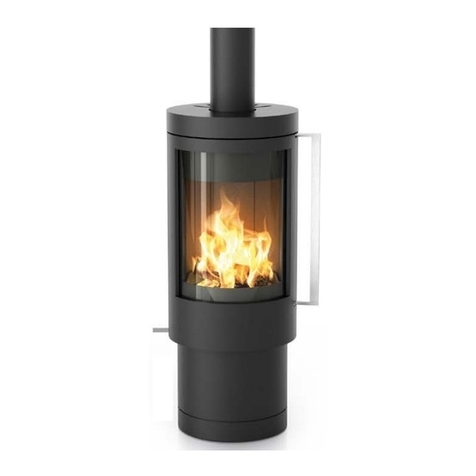
  9. Penman Collection Helios 8 User manual

Penman Collection Helios 8 User manual

Other Penman Collection Stove manuals

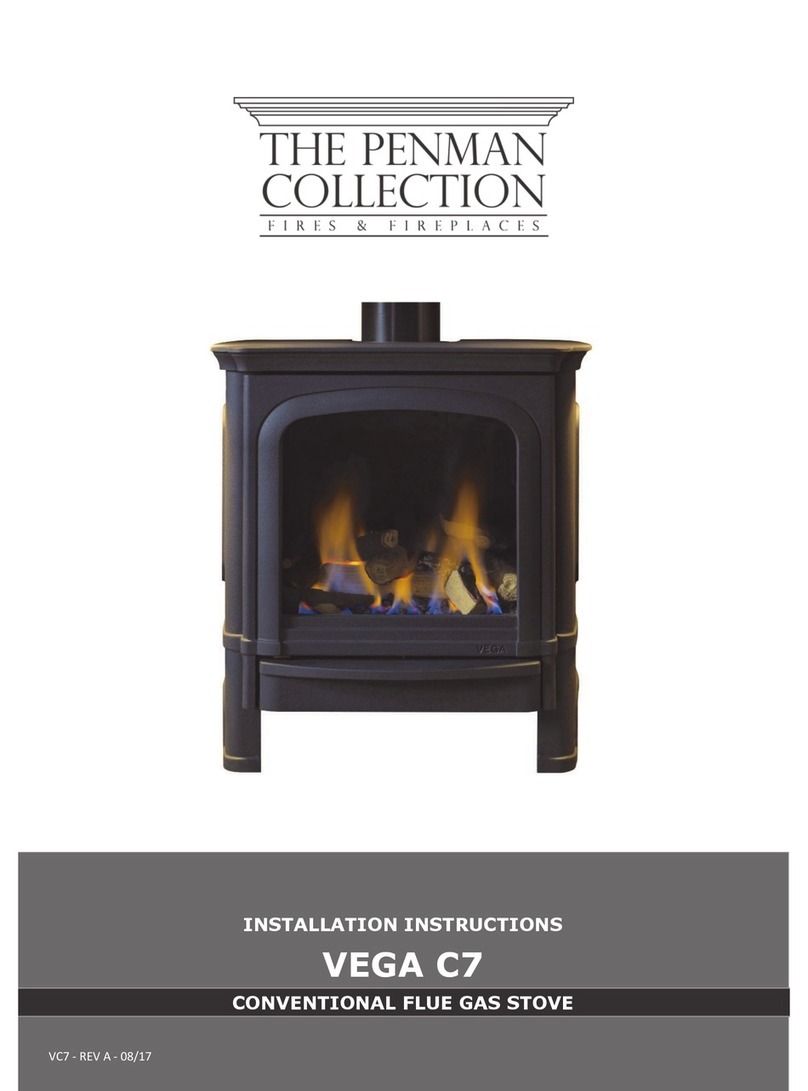
Penman Collection VEGA C7 User manual

Penman Collection

Penman Collection VEGA C7 User manual

Penman Collection 100M User manual

Penman Collection

Penman Collection 100M User manual

Penman Collection VEGA 100 User manual

Penman Collection

Penman Collection VEGA 100 User manual

Popular Stove manuals by other brands

Quadra-Fire Discovery I Wood Appliance installation manual

Quadra-Fire

Quadra-Fire Discovery I Wood Appliance installation manual

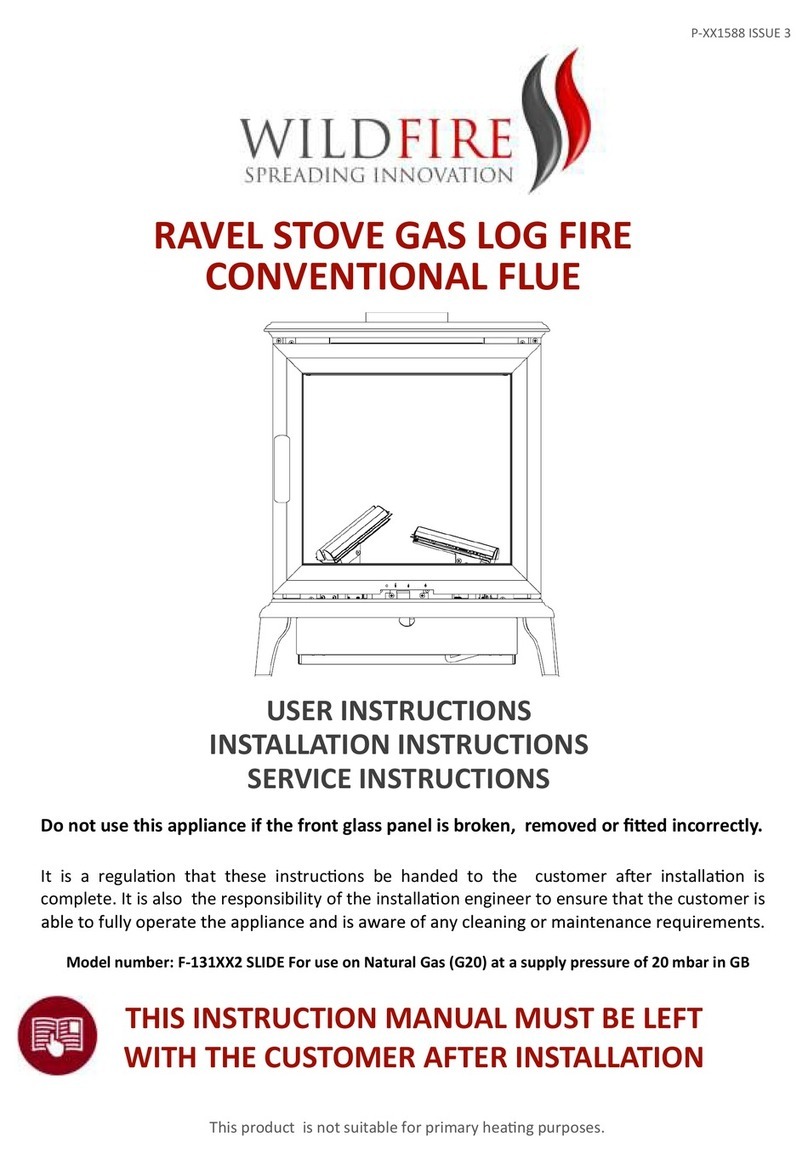
Wildfire F-131 2 Series User instructions

Wildfire

Wildfire F-131 2 Series User instructions

Dansons Group Pit Boss PB820FB1 manual

Dansons Group

Dansons Group Pit Boss PB820FB1 manual

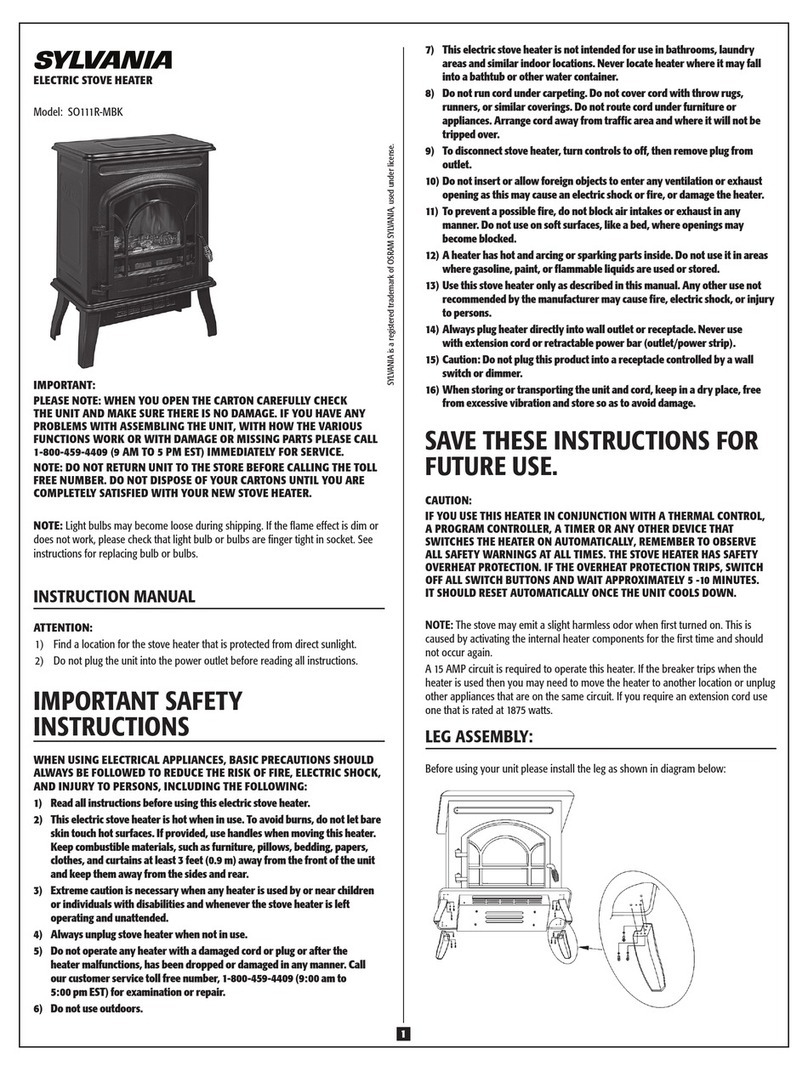
Sylvania SO111R-MBK instruction manual

Sylvania

Sylvania SO111R-MBK instruction manual

Breckwell SP6000 Installation & operator's manual

Breckwell

Breckwell SP6000 Installation & operator's manual

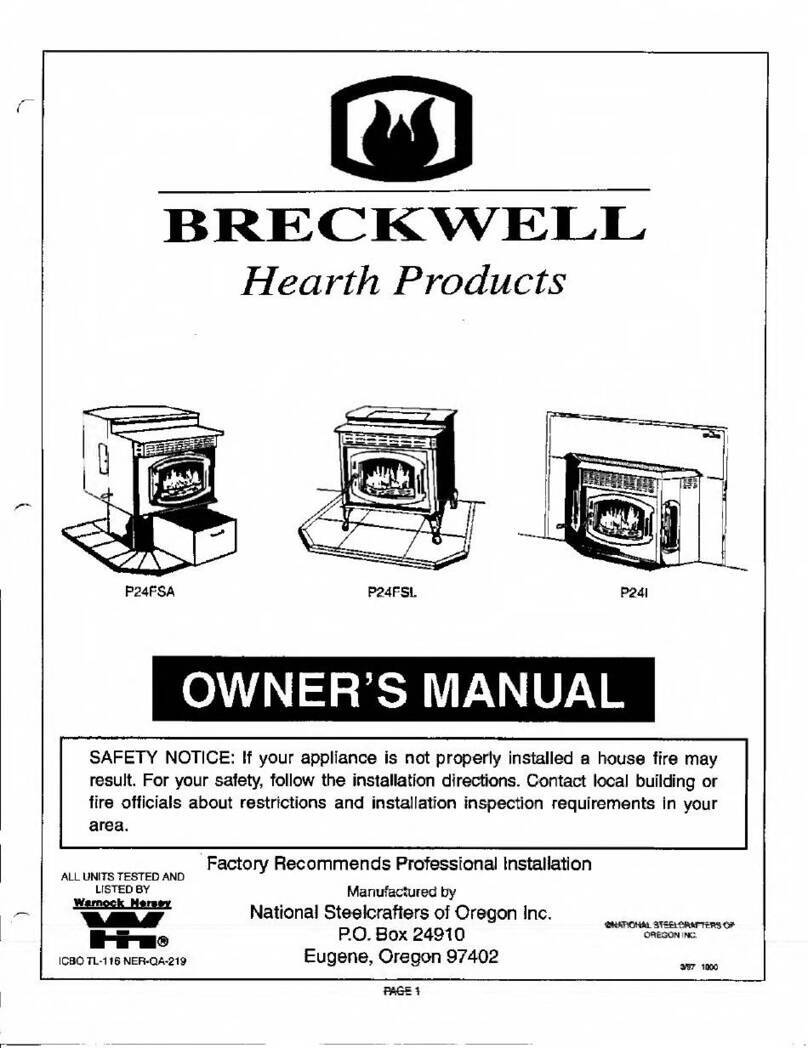
Breckwell P24FSA owner's manual

Breckwell

Breckwell P24FSA owner's manual

Bartscher 1509851 instruction manual

Bartscher

Bartscher 1509851 instruction manual

Continental Fireplaces CDVS280-1NSB Installation and operation manual

Continental Fireplaces

Continental Fireplaces CDVS280-1NSB Installation and operation manual

Arada Cassette Stove installation guide

Arada

Arada Cassette Stove installation guide

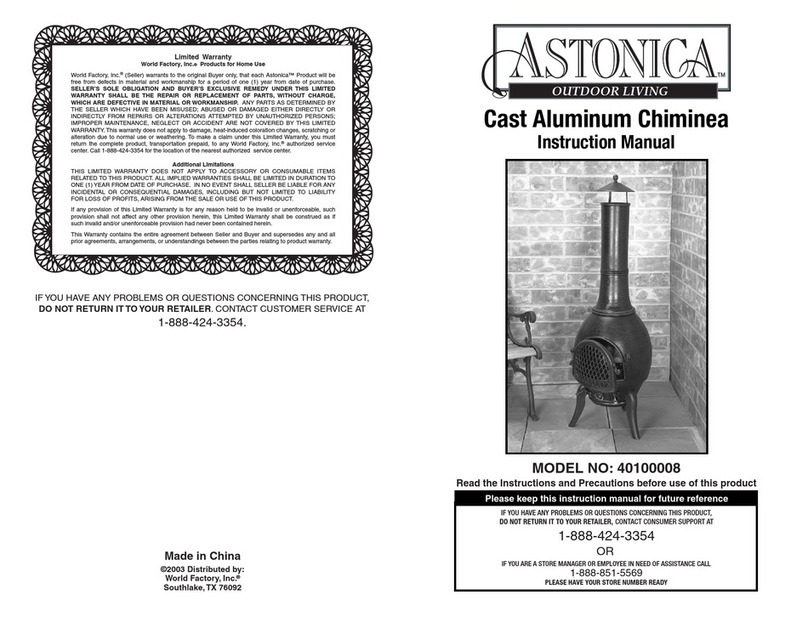
Astonica 40100008 instruction manual

Astonica

Astonica 40100008 instruction manual

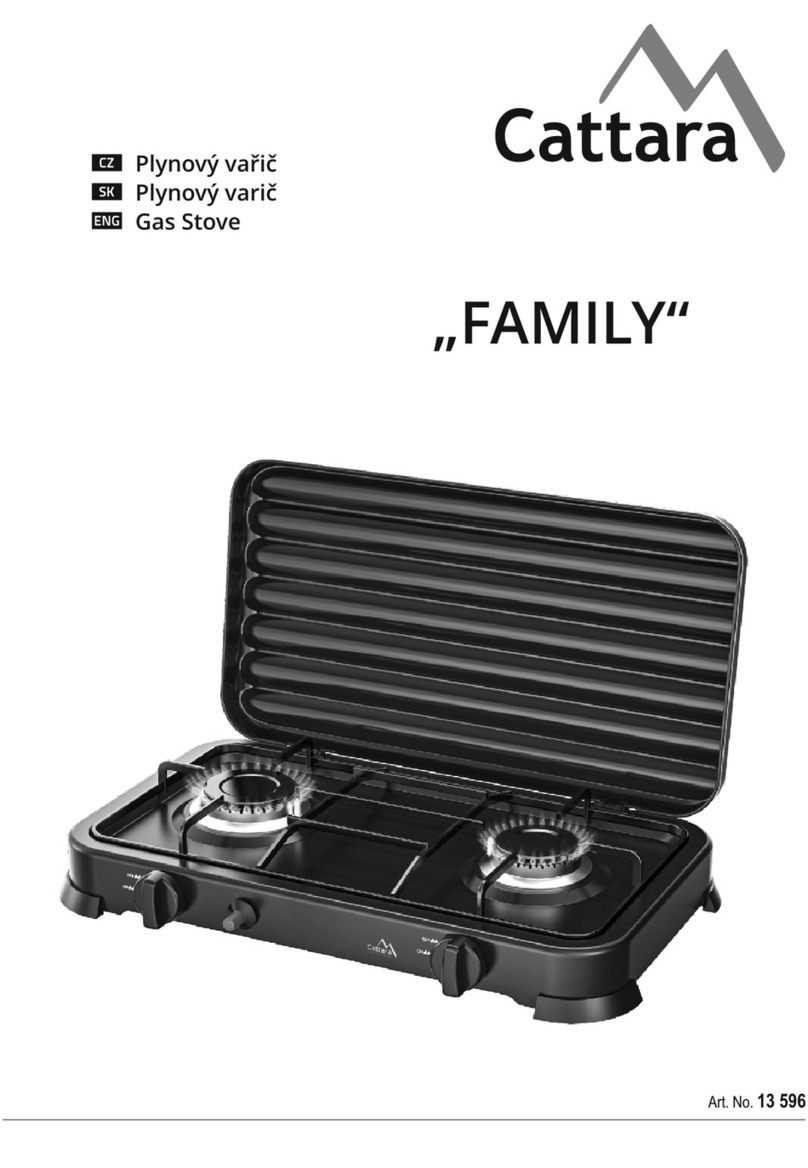
Cattara FAMILY manual

Cattara

Cattara FAMILY manual

Stanley Argon F500 OVAL Installation and operating instructions

Stanley

Stanley Argon F500 OVAL Installation and operating instructions

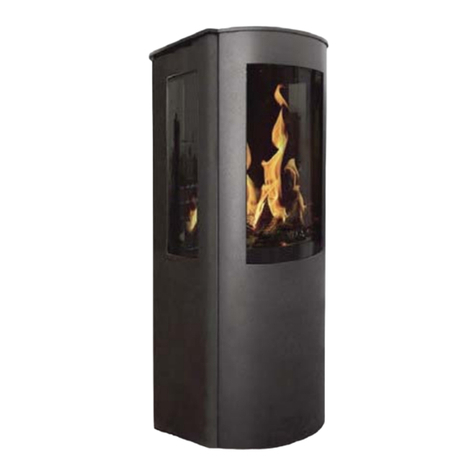
Nordpeis Vega user manual

Nordpeis

Nordpeis Vega user manual

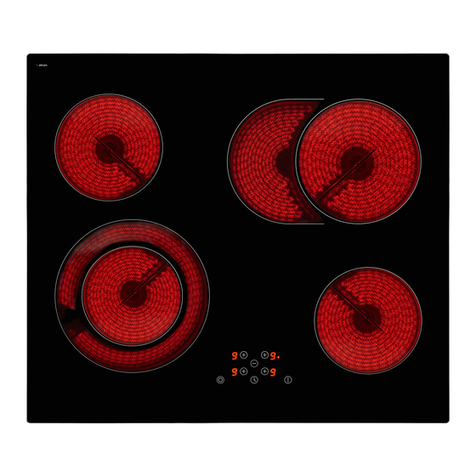
Exquisit EKC601-5 Instructions for use and installation

Exquisit

Exquisit EKC601-5 Instructions for use and installation

Stanley Oisin Oil MK II Installation and operation instruction

Stanley

Stanley Oisin Oil MK II Installation and operation instruction

HASE delhi operating instructions

HASE

HASE delhi operating instructions

Vermont Castings Intrepid 2 User instructions

Vermont Castings

Vermont Castings Intrepid 2 User instructions

Italiana Camini CLASSICA Installation, use and maintenance

Italiana Camini

Italiana Camini CLASSICA Installation, use and maintenance

manuals.online logo
manuals.online logoBrands
  • About & Mission
  • Contact us
  • Privacy Policy
  • Terms and Conditions

Copyright 2025 Manuals.Online. All Rights Reserved.

1
HELIOS 8
MULTI FUEL STOVE
APPROVED
-
CONFORMING TO EN13240:2001 and
EN13240 A2:2004
INSTALLATION AND OPERATING INSTRUCTIONS
STOVES MUST BE FITTED BY APPROVED, QUA IFIED AND
COMPETENT INSTA ERS
PLEASE LEAVE THIS BOOKLET WITH THE HOUSEHOLDER
Penman Stoves o erate at very high tem eratures. All ersons
including children and the infirm should be warned of this and not
allowed to touch any surfaces whilst in use. The o erator must use
the glove rovided.
www.penmancollection.com
HE IOS 8 INSTRUCTIONS – REV. 0 – JU Y 2016
2
CONTENTS
STOVE CONTRO S, OUTPUT & EFFICIENCY PAGE 03
COMPONENT PARTS PAGE 04
INSTA ATION PAGE 05
OPERATION PAGE 10
GENRA MAINTENANCE PAGE 16
SAFETY NOTES & TROUB ESHOOTING PAGE 18
STOVE ACCESSORIES PAGE 21
3
YOUR STOVE: OPERATING CONTROLS, OUTPUT AND EFFICIENCY
Outputs stated are under ideal test conditions carried out at SGS Environmental Services in the
Netherlands. Variations may occur due to installation, atmospheric conditions and fuel quality.
HE IOS 8
FUE
WOOD ANTHRACITE
EFFICIENCY 80% 81.2%
F UE GAS TEMPERATURE 309 ˚C 287˚C
EMISSION OF CO @ 13% O2 0.33% 0.08%
RATED OUTPUT 8.3kW
WEIGHT 70kg
Secondary
Air Control
Primary Air Control
Tertiary Air Holes
4
COMPONENT PARTS
Many s are arts are stocked – lease refer to your retailer or su lier if you
require any re lacement arts.
Please only use com onents made s ecifically for your stove.
ITEM DESCRIPTION ITEM DESCRIPTION
1 Stove body 8 Flue blanking plate
2 Hinge set 9 Primary air slide assembly
3 Door casting 10 Fuel retaining bar
4 Side brick 11 Baffle plate
5 Rear brick 12 Ash Pan
6 Grate 13 Handle/latch assembly
7 Flue collar 14 Door glass retaining clip
15 Door glass 16 Bottom brick
17 Heat shield
5
INSTALLATION, OPERATION AND MAINTENANCE
IMPORTANT: THIS APPLIANCE MUST BE INSTALLED BY A COMPETENT PERSON AND THE
INSTALLATION MUST COMPLY WITH BS8303 – CODE OF PRACTICE FOR INSTALLATION OF
DOMESTIC HEATING AND COOKING APPLIANCES BURNING SOLID MINERAL FUEL, NATIONAL
BUILDING REGULATIONS, LOCAL BY-LAWS AND STANDARDS AND THE REQUIREMENTS OF THE
HEALTH AND SAFETY AT WORK ACT - IN PARTICULAR:
HANDLING – ADEQUATE FACI ITIES MUST BE AVAI AB E FOR OADING, UN OADING AND SITE
HAND ING.
FIRE CEMENT – SOME TYPES ARE CAUSTIC AND SHOU D NOT BE A OWED TO COME INTO
CONTACT WITH THE SKIN. IN CASE OF CONTACT WASH IMMEDIATE Y WITH P ENTY OF WATER.
ASBESTOS – THESE STOVES CONTAIN NO ASBESTOS. IF THERE IS A POSSIBI ITY OF DISTURBING
ANY ASBESTOS IN THE COURSE OF INSTA ATION THEN P EASE SEEK THE GUIDANCE OF A
SPECIA IST AND USE APPROPRIATE PROTECTIVE EQUIPMENT.
METAL PARTS – WHEN INSTA ING OR SERVICING THIS STOVE CARE SHOU D BE TAKEN TO AVOID
THE POSSIBI ITY OF PERSONA INJURY
UNLESS THE INSTALLER IS QUALIFIED TO APPROVE INSTALLATION THEN APPROVAL MUST BE
SOUGHT FROM YOUR LOCAL BUILDING CONTROL DEPARTMENT. THE SUPPLIERS ACCEPT NO
RESPONSIBILITY IF THIS ADVICE IS NOT FOLLOWED. THIS APPLIANCE HAS BEEN EXTENSIVELY
TESTED FOR SAFETY AND EFFICIENCY, DO NOT ATTEMPT TO MODIFY IT. ALWAYS USE GENUINE
REPLACEMENT PARTS AS RECOMMENDED BY YOUR SUPPLIER. FAILURE TO ADHERE TO THIS
ADVICE WILL INVALIDATE YOUR GUARANTEE.
TRY TO AVOID FITTING AN EXTRACTOR FAN IN THE SAME ROOM AS THIS STOVE. IF THIS IS
UNAVOIDABLE THEN SEEK SPECIALIST ADVICE TO ENSURE THAT THE INSTALLATION IS TESTED
FOR SAFETY. A SUITABLE TEST COMPRISES CHECKING FOR SPILLAGE IF THE ROOM WHERE THE
APPLIANCE IS FITTED IS SUBJECTED TO THE GREATEST POSSIBLE DEPRESSURISATION. THIS
MEANS FIRING THE APPLIANCE WITH ALL THE EXTRACT FANS IN THE BUILDING OPERATING AT
THEIR MAXIMUM AND WITH ALL DOORS, ADJUSTABLE VENTILATORS AND WINDOWS CLOSED.
IF SPILLAGE OCCURS THEN ADDITIONAL PERMANENT VENTILATION DIRECT FROM OUTSIDE WILL
BE REQUIRED. ONCE THE ADDITIONAL VENTILATION IS FITTED, RETEST AS NOTED ABOVE,
IT IS ESSENTIAL AND REQUIRED BY BUILDING REGULATIONS THAT A CARBON MONOXIDE (CO)
ALARM IS INSTALLED IN THE SAME ROOM AS THIS STOVE.
THIS STOVE MUST HAVE ITS OWN CHIMNEY AND MUST NOT SHARE A CHIMNEY WITH ANOTHER
APPLIANCE.
THIS STOVE IS FOR INTERMITTENT USE ONLY AND SHOULD BE SHUT DOWN OVERNIGHT.
VENTILATION MAY BE REQUIRED INTO YOUR ROOM, PLEASE SEE PAGE 9.

6
INSTALLATION
Once the installation is complete, the installer must advise the householder on
the correct use of the stove and warn them to use only the recommended fuels
listed in this document. The installer must also advise the householder on the
actions to be taken should smoke or fumes be emitted from the stove.
Your Penman stove must not share a chimney with any other appliance
Where the chimney is believed to have previously served an open fire
installation it is possible that the higher flue gas temperature from a closed
appliance may loosen deposits that were previously firmly adhered, with the
consequent risk of flue blockage. It is therefore recommended that the chimney
be swept a second time within a month of regular use after installation.
Check the chimney is in good condition, dry, and free of cracks, leaks and
obstructions. The diameter of the flue should not be less than 150mm and not
more than 230mm. If any of these requirements are not met, the chimney
should be lined by a suitable method.
When installing your Helios stove, a 150mm flue liner may be used in
accordance with the Building Regulations. The chimney and connecting flue pipe
should not be less than the size of the outlet socket (collar) of the stove at any
point.
The chimney height and the position of the chimney terminal must conform to
Building Regulations and the latest edition of BS EN 15287-1:2007, Design,
Installation and Commissioning of Chimneys should be followed.
A flue draught of 12-15 Pascals is ideal for good appliance performance. The
flue draught should be checked under fire at high output. A flue draught
exceeding 15Pa will result in an over-firing stove with excessive fuel
consumption and could cause a chimney fire. A draught stabiliser may be
required so that the rate of burning can be controlled. Over-firing can cause
irreversible damage to your stove.
If you have any doubts about the suitability of your chimney, consult your local
dealer/stockist. They will also be able to provide advice about the possible need
for a specialist cowl.
7
The chimney must be swept before connection to the stove and it is
recommended that it should be swept every twelve months thereafter. If used
regularly, it is recommended that your chimney is swept every six months.
An existing fireplace opening can be modified to accommodate the stove. The
following pages identify some typical installation scenarios and provides the
necessary specific installation information for your new stove. Always consult
your stove supplier for a detailed survey of your particular circumstances.
To make it easier to handle the stove on installation, remove the baffle plates,
bricks and door. Place in a secure place to avoid damage. Refit after
installation.
Upon completion of installation, the appliance should be checked under fire for
soundness of joints and seals, and also that all smoke and fumes are taken from
the appliance, up the chimney and emitted safely by measuring and noting the
flue draught value in Pascals.
Ty ical Installation for Inglenook Fire laces – to flue
Inglenook fireplaces can have very
large bore chimneys. Check with
your installer – you are likely to
require a stainless steel flexible liner
for solid fuel if your chimney is
larger than 230mm x 230mm. A
closure plate with access for
cleaning may also be required
together with a short length of flue
pipe of the same diameter as the
stove flue collar.
8
Ty ical Installation for Inglenook Ty ical Installation Into In-filled
Fire laces – rear flue – Side View Masonry Fire laces
SPECIFIC INSTALLATION INFORMATION
Clearances
If the stoves are to be installed adjacent to materials that can catch fire like
wood then the following clearances must be adhered to:
STOVE TOP/BACK (mm) SIDES (mm)
Helios 550 550
The stove can be recessed into a suitably sized fireplace built from non-
combustible materials, but a permanent free air gap of at least 100mm should
be left around the sides and top to obtain maximum heat output and for access
to the rear of the stove.
It is possible to fit the stove with less clearance around it – down to 50mm, but
the non-combustible material around it must be at least 150mm thick. This is
normally achieved when installing into a standard brick-built chimney breast
with double thickness walls to the rear and sides of the builder’s opening. Take
care that the wall finish is suitable to withstand temperatures of up to 200
o
C.
9
Hearths
Allow an apron of at least 225mm at the front of the stove and 150mm on either
side. Care should be taken to level the stove and secure the hearth. If existing
floors do not have adequate load bearing capacity then suitable modifications
must be adopted. All other standard thickness hearths are suitable too.
When the stove is in the desired position, fix the brackets provided to the back
feet and level the stove using the levelling screws, then mark the hearth through
the holes, remove the stove, and drill and plug the hearth for securing the stove.
Ventilation into a Room for Combustion Air is an Essential Requirement.
Any a ertures rovided for this ur ose must not be restricted or blocked.
Flues Without a Flue Draft Stabiliser
When installing without a flue draft stabiliser into houses built before 2008, at
least 2200mm
2
additional means of permanent ventilation direct-to-outside is
required. For houses built after 2008, at least 4950mm
2
additional means of
permanent ventilation direct-to-outside is required. Penman Vents should be
used for this.
Flues With a Flue Draft Stabiliser
When installing with a flue draft stabiliser into houses built before 2008, at least
4900mm
2
additional means of permanent ventilation direct-to-outside is
required. For houses built after 2008, at least 7650mm
2
additional means of
permanent ventilation direct-to-outside is required. Penman Vents should be
used for this.
To or Rear Flue
Remove the collar and accessory pack from the stove.
The stove will arrive with the blanking plate fitted to the
rear. This can be removed if required allowing the collar
to be fitted for rear flue installations.
Remove the circular cut out for rear flue installations.
10
Remember to fit the blanking plate to the unused flue position if it has been
removed.
OPERATION
ALWAYS OPEN THE STOVE DOOR SLOWLY AND ALWAYS USE THE GLOVE
Primary Air - controllable
Primary air is controlled via the sliding vent in the bottom of the door. This
provides an air draught through the grate to the bed of the fire. Slide right to
open and left to close. Open this when you start a fire, and to regulate solid fuels
other than wood. It should be closed when a wood fire is established for the
best efficiency but can be used to give a wood fire a boost when it is dying out.
Secondary Air - controllable
Secondary air is controlled via the sliding vent above the door, it is this ‘airwash’
that keeps a clean and uninterrupted view of the fire, and also aids good
secondary combustion of fuel; thus reducing emissions in the chimney and out
to the environment. Slide to the right to open and to the left to close. Use this
to control wood fires. It should be closed when burning solid fuels other than
wood for the best efficiency after the fire is established.
Tertiary Air – not controlled (fixed su ly)
The Tertiary Air Supply is bled into the stove from the rear panel. Its function is
to ignite unburned gasses helping provide a clean burn. It is advisable to clear
these holes from time to time with a brush, especially when the stove is being
serviced or after long periods of burning.
ON Y CARRY OUT THIS AND A SERVICING PROCEDURES WHEN THE STOVE IS
CO D. This tertiary air supply is permanently open and allows a small amount of
air into the stove. Operation with air controls open can cause excess smoke.
These stoves must not be operated with air controls left open except as directed
in these instructions.
Lighting the Stove
It is essential that you have three or four small fires before you operate the
stove to its maximum heat output. This is to allow the paint to cure and to