EnglishDeutsch
 logo
Brands
  1. Home
  2. •
  3. Brands
  4. •
  5. Philips
  6. •
  7. DVD Player
  8. •
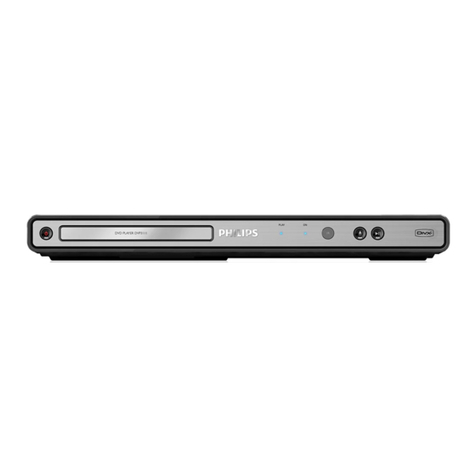
  9. Philips DVP3136/94 User manual

Philips DVP3136/94 User manual

Other manuals for DVP3136/94

2

Other Philips DVD Player manuals

Philips DVP3180K User manual

Philips

Philips DVP3180K User manual

Philips DVP5140K/98 User manual

Philips

Philips DVP5140K/98 User manual

Philips DVD795SA User manual

Philips

Philips DVD795SA User manual

Philips DVP3860/58 User manual

Philips

Philips DVP3860/58 User manual

Philips DVDR3380/78 User manual

Philips

Philips DVDR3380/78 User manual

Philips DVP9000S User manual

Philips

Philips DVP9000S User manual

Philips DVD733K/P01 User manual

Philips

Philips DVD733K/P01 User manual

Philips DVP3320/94 User manual

Philips

Philips DVP3320/94 User manual

Philips DVP3680/F7 User manual

Philips

Philips DVP3680/F7 User manual

Philips DVP5996K/93 User manual

Philips

Philips DVP5996K/93 User manual

Philips DVP3570 User manual

Philips

Philips DVP3570 User manual

Philips DVD-703 User manual

Philips

Philips DVD-703 User manual

Philips DVP3111/12 User manual

Philips

Philips DVP3111/12 User manual

Philips DVP5990K User manual

Philips

Philips DVP5990K User manual

Philips BDP2100 User manual

Philips

Philips BDP2100 User manual

Philips HTS5510C/75 User manual

Philips

Philips HTS5510C/75 User manual

Philips MDV434 User manual

Philips

Philips MDV434 User manual

Philips Dvd 733 User manual

Philips

Philips Dvd 733 User manual

Philips DVP3015K/03 User manual

Philips

Philips DVP3015K/03 User manual

Philips DVD972CH User manual

Philips

Philips DVD972CH User manual

Philips DVP3010/04 User manual

Philips

Philips DVP3010/04 User manual

Philips DVD590M User manual

Philips

Philips DVD590M User manual

Philips DVP3700 User manual

Philips

Philips DVP3700 User manual

Philips DVP3560K/51 User manual

Philips

Philips DVP3560K/51 User manual

Popular DVD Player manuals by other brands

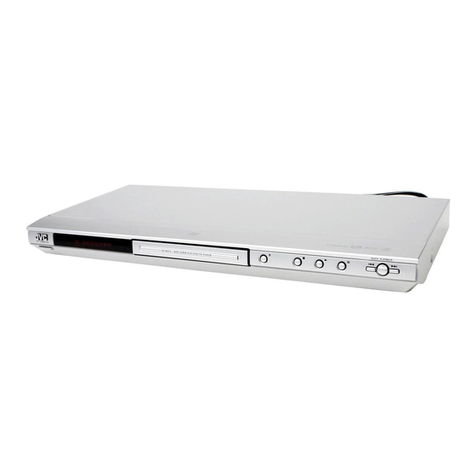
JVC XV-S300BK null

JVC

JVC XV-S300BK null

JVC XV-N312S null

JVC

JVC XV-N312S null

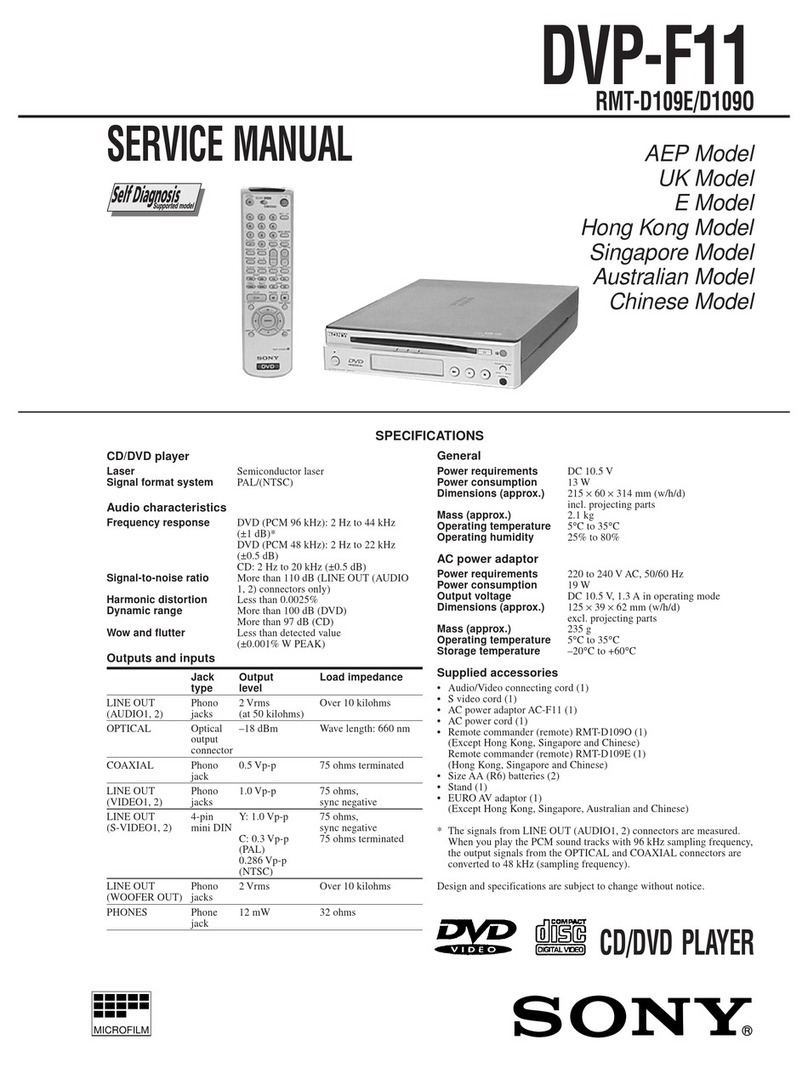
Sony DVP-F11 Service manual

Sony

Sony DVP-F11 Service manual

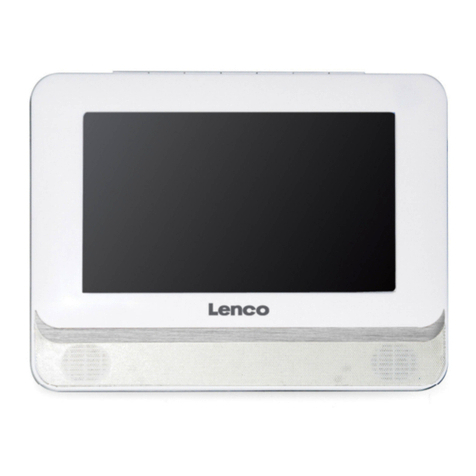
LENCO DVP-740 X2 user manual

LENCO

LENCO DVP-740 X2 user manual

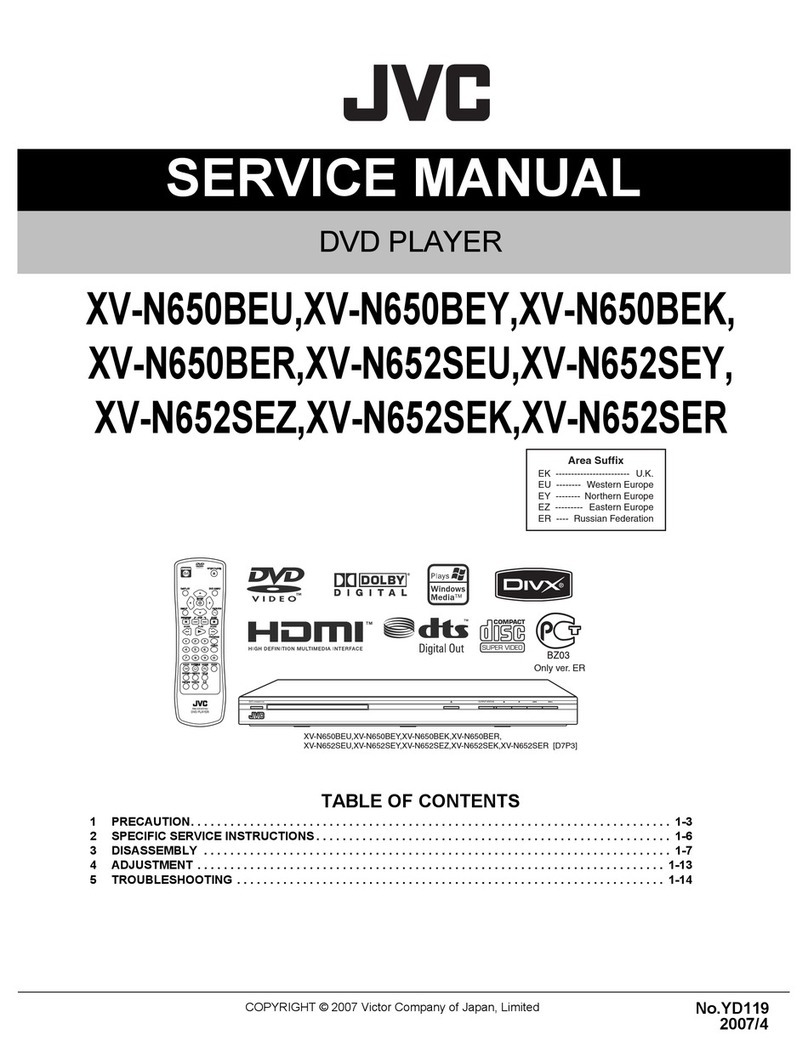
JVC XV-N650BEU Service manual

JVC

JVC XV-N650BEU Service manual

Aiwa XD-DV370 operating instructions

Aiwa

Aiwa XD-DV370 operating instructions

MedeaWiz Sprite 4K DV-S4 user manual

MedeaWiz

MedeaWiz Sprite 4K DV-S4 user manual

Denon DVM-1805 - DVD Changer operating instructions

Denon

Denon DVM-1805 - DVD Changer operating instructions

Toshiba SD-3815 owner's manual

Toshiba

Toshiba SD-3815 owner's manual

Tevion 44330 user guide

Tevion

Tevion 44330 user guide

Samsung DVD-HD860 manual

Samsung

Samsung DVD-HD860 manual

Sylvania DP170SL8 Service manual

Sylvania

Sylvania DP170SL8 Service manual

Toshiba SD-P1200 Service manual

Toshiba

Toshiba SD-P1200 Service manual

Dolby Laboratories CP650 user manual

Dolby Laboratories

Dolby Laboratories CP650 user manual

Denon DVD-5900 Service manual

Denon

Denon DVD-5900 Service manual

Sony DVP-SR201P reference guide

Sony

Sony DVP-SR201P reference guide

Toshiba SD-V394SU owner's manual

Toshiba

Toshiba SD-V394SU owner's manual

Toshiba SD5300KC owner's manual

Toshiba

Toshiba SD5300KC owner's manual

https://manuals.online logo
https://manuals.online logoBrands
  • About & Mission
  • Contact us
  • Privacy Policy
  • Terms and Conditions

Copyright 2026 Manuals.Online. All Rights Reserved.

. Technical Specifications……………………………………...................1-2
. Safety Instruction, Warning & Notes….……………………….....….....1-3
. Mechanical and Dismantling Instructions………….............................2-1
. Region Code, Software Version& Upgrades…………….....................3-1
. Trouble Shooting Chart………………………………………….……….4-1
. Wiring Diagram………………………………………..…....….…..….….5-1
. Electrical Diagrams and Print-layouts..….……………..…….......….…6-1
. Set Mechanical Exploded View & Electrical Part list.……….....….….7-1
. Revision List……………………...........……………………....….....…...8-1
TABLE OF CONTENTS
Page
3139 785 32840
Version 1.0
DVP3136/94
Service Manual
PHILIPS
GB
©Copyright 2007 Philips Consumer Electronics B.V. Eindhoven, The Netherlands
All rights reserved. No part of this publication may be reproduced, stored in aretrieval system or
transmitted, in any form or by any means, electronic, mechanical, photocopying, or otherwise
without the prior permission of Philips.
CLASS 1
LASER PRODUCT
Published by TCL-HY 0707 Service Audio Printed in The Netherlands Subject to modification
DVP3136/94
Service
DVD Player
All manuals and user guides at all-guides.com
all-guides.com
Technical Specifications
TV standard (PAL/50Hz) (NTSC/60Hz)
Number of lines 625 525
Playback Multistandard (PAL/NTSC)
Video performance
Video DAC 14 bit
YPbPr 0.7Vpp ---- 75 ohm
Video output 1Vpp ----- 75 ohm
Video format
Digital Compression MPEG 2 for DVD,SVCD
MPEG1forVCD
DVD 50Hz 60Hz
Horizresolution 720pixels 720pixels
Vertical resolution 576lines 480 lines
VCD 50Hz 60Hz
Horiz.resolution 352pixels 352pixels
Vertical resolution 288lines 240 lines
Audio format
Digital MPEG/AC-3/ Compressed
PCM Digital
16, 20, 24bits
fs, 44.1, 48, 96kHz
MP3(ISO 9660) 96,112,128,256kbps
& variable bit rate fs,32,
44.1,48 kHz
Analogue Sound Stereo
Dolby surround compatible downmix from Dolby Digital multi-channel
sound
Audio performance
DA converter 24bits, 192KHz
DVD fs96kHz 4Hz----44kHz
fs48kHz 4Hz----22kHz
SVCD fs48kHz 4Hz----22kHz
fs44.1kHz 4Hz----20kHz
CD/ VCD fs 44.1kHz 4Hz----20kHz
Line Output
Signal-Noise(1kHz) >70dB
DynamicRange(1kHz) >60dB
Crosstalk(1kHz) >70dB
Distortion/Noise (1kHz) >65dB
Spearker Output
Signal-Noise(1KHz) >70dB
Dynamic range(1KHz) >60dB
Crosstalk(1KHz) >60dB
Distortlon/noise(1KHz) >-62dB
Speaker Power Output
@10%THD 6¡<=10Wrms/ch
(2channels)
Frequency Response 20Hz-20kHz
MPEGMP3 MPEGAudioL3
Connections
YPbProutput Cinch3x
Video output Cinch( yellow)
Audio output (L+R ) Cinch (white/red)
Digitaloutput 1coaxial
IEC60958 for CDDA/ LPCM
IEC61937forMPEG1/2
6 channal analog output
Audio Front L/R Clinch (white/red)
Audio Rear L/R Clinch (white/red)
AudioCenter Clinch(blue)
Audio Subwoofer Clinch (black)
2 channel speaker output
Audio+RCH-Clip (red/black)
Audio+LCH-Clip (red/black)
Cabinet
Dimensions (w X h X d) 360 x 37 x 237mm
Weight Approximately 2kg
Power consumption
Power supply Rating 110V -240V;
50/60HZ
Powerconsumption <12W
Power consumption in standby mode <2W
Standby mode
Specifications subject to change without prior notice.
1-2
All manuals and user guides at all-guides.com
Safety instruction
1. General safety
Safety regulations require that during a repair:
. Connect the unit to the mains via an isolation transformer.
. Replace safety components indicated by the symbol ,
only by components identical to the original ones. Any
other component substitution (other than original type)
may increase risk of fire or electrical shock hazard.
Safety regulations require that after a repair, you must
return the unit in its original condition. Pay, in particular,
attention to the following points:
. Route the wires/cables correctly, and fix them with the
mounted cable clamps.
. Check the insulation of the mains lead for external
damage.
. Check the electrical DC resistance between the mains
plug and the secondary side:
1) Unplug the mains cord, and connect a wire between
the two pins of the mains plug.
2) Set the mains switch the “on” position (keep the
mains cord unplug).
3) Measure the resistance value between the mains
plug and the front panel, controls, and chassis
bottom.
4) Repair or correct unit when the resistance
measurement is less than 1M¡.
5) Verify this, before you return the unit to the
customer/user (ref. UL-standard no. 1492).
6) Switch the unit “off”, and remove the wire between
the two pins of the mains plug.
2.Laser safety
This unit employs a laser. Only qualified service personnel
may remove the cover, or attempt to service this device
(due to possible eye injury).
Laser device unit
Type :SemiconductorlaserGaAlAs
Wavelength : 650nm (DVD)
: 780nm (VCD/CD)
Output power : 7mW (DVD)
:10mW(DVD/CD)
Beam divergence: 60 degree
Note: Use of controls or adjustments or performance of
procedure other than those specified herein, may result in
hazardous radiation exposure. Avoid direct exposure to
beam.
Safet
y
instruction, Warnin
g
& Notes
1-3
All manuals and user guides at all-guides.com
Warning
1.General
. All ICs and many other semiconductors are susceptible to
electrostatic discharges (ESD). Careless handing during
repair can reduce life drastically. Make sure that, during
repair, you are at the same potential as the mass of the
set by a wristband with resistance. Keep components and
tools at this same potential. Available ESD protection
equipment:
1) Complete kit ESD3 (small tablemat, wristband,
connection box, extension cable and earth cable)
4822 310 10671.
2) Wristband tester 4822 344 13999.
. Be careful during measurements in the live voltage
section. The primary side of the power supply , including
the heat sink, carries live mains voltage when you
connect the player to the mains (even when the player is
“off”!). It is possible to touch copper tracks and/or
components in this unshielded primary area, when you
service the player. Service personnel must take
precautions to prevent touching this area or components
in this area. A “lighting stroke” and a stripe-marked
printing on the printed wiring board, indicate the primary
side of the power supply.
. Never replace modules, or components, while the unit is
“on”.
2. Laser
. The use of optical instruments with this product, will
increase eye hazard.
. Only qualified service personnel may remove the cover
or attempt to service this device, due to possible eye
injury.
. Repair handing should take place as much as possible
with a disc loaded inside the player.
. Text below is placed inside the unit, on the laser cover
shield:
Notes: Manufactured under licence from Dolby
Laboratories. The double-D symbol is trademarks of Dolby
Laboratories, Inc. All rights reserved.
CAUTION: VISIBLE AND INVISIBLE LASER
RADIATION WHEN OPEN, AVOID EXPOSURE
TO BEAM.
1-4
All manuals and user guides at all-guides.com
Lead-Free requirement for service
INDENTIFICATION:
Regardless of special logo (not always indicated)
One must treat all sets from 1.1.2005 onwards, according
next rules.
Important note: In fact also products a little older can also
be treated in this way as long as you avoid mixing
solder-alloys (leaded/ lead-free). So best to always use
SAC305 and the higher temperatures belong to this.
Due to lead-free technology some rules have to be
respected by the workshop during a repair:
xUse only lead-free solder alloy Philips SAC305 with
order code 0622 149 00106. If lead-free solder-paste is
required, please contact the manufacturer of your
solder-equipment. In general use of solder-paste within
workshops should be avoided because paste is not easy
to store and to handle.
xUse only adequate solder tools applicable for lead-free
solder alloy. The solder tool must be able
oTo reach at least a solder-temperature of 400°C,
oTo stabilize the adjusted temperature at the
solder-tip
oTo exchange solder-tips for different applications.
xAdjust your solder tool so that a temperature around
360°C – 380°C is reached and stabilized at the solder
joint. Heating-time of the solder-joint should not exceed
~ 4 sec. Avoid temperatures above 400°C otherwise
wear-out of tips will rise drastically and flux-fluid will be
destroyed. To avoid wear-out of tips switch off un-used
equipment, or reduce heat.
xMix of lead-free solder alloy / parts with leaded solder
alloy / parts is possible but PHILIPS recommends
strongly to avoid mixed
solder alloy types (leaded and lead-free). If one cannot
avoid, clean carefully the
solder-joint from old solder alloy and re-solder with new
solder alloy (SAC305).
xUse only original spare-parts listed in the
Service-Manuals. Not listed standard-material
(commodities) has to be purchased at external
companies.
xSpecial information for BGA-ICs:
- always use the 12nc-recognizable soldering
temperature profile of the specific BGA (for
de-soldering always use highest lead-free
temperature profile, in case of doubt)
- lead free BGA-ICs will be delivered in so-called
‘dry-packaging’ (sealed pack including a silica gel
pack) to protect the IC against moisture. After
opening, dependent of MSL-level seen on
indicator-label in the bag, the BGA-IC possibly
still has to be baked dry. This will be
communicated via AYS-website.
Do not re-use BGAs at all.
xFor sets produced before 1.1.2005, containing
leaded soldering-tin and components, all needed
spare-parts will be available till the end of the
service-period. For repair of such sets nothing
changes.
xOn our website:
www.atyourservice.ce.Philips.com
You find more information to:
BGA-de-/soldering (+ baking instructions)
Heating-profiles of BGAs and other ICs used in
Philips-sets
You will find this and more technical information
within the “magazine”, chapter “workshop news”.
For additional questions please contact your local
repair-helpdesk.
Notes
1-5

All manuals and user guides at all-guides.com
Mechanical and Dismantling Instructions
Dismantling Instruction
The following guideline is a general instruction for how to dismantle the player, Detailed operation done according the set unit.
Step1: Remove 5 screws around the Top Cover, then remove the Top Cover (Figure 1).
Step2: If it is necessary to dismantle Loader or Front Panel, It should be remove the Front door assembly first. (Figure 2)
Note: Make sure to operate gently otherwise the guider would be damaged.
2-1
Please kindly note that dismantle
the front door assembly carefully
to avoid damage tray and the front
door assembly.
Figure 1
Figure 2
All manuals and user guides at all-guides.com
all-guides.com
Mechanical and Dismantling Instructions
Dismantling Instruction
Step3: If the tray can’t open in normal way, you can make it through the instruction as below (Figure 3).
Note: Make sure to operate gently otherwise the guider would be damaged.
Step4: Dismantling Loader, disconnect the 3 connectors aiming in the below figure, and remove screw around the
Loader. (Figure 4)
2-2
CON1
CON2
CON3
Figure 4
Figure 3
Push the guider until the tray out.
Make sure to operate gently to
avoid damage happening.
All manuals and user guides at all-guides.com
Mechanical and Dismantling Instructions
Dismantling Instruction
Step5: Dismantling Front Panel, disconnect the 1 connector, then release the snaps on the both sides of Front Panel and bottom
cabinet , then gently pull the Panel out from the set. (Figure 5 & 6 & 7)
2-3
Snap 2
Figure 7
CON4
Figure 5
Snap1
Figure 6
All manuals and user guides at all-guides.com
Mechanical and Dismantling Instructions
Dismantling Instruction
Step6: Dismantling Amplifier Board, first disconnect the 3 connector, then remove 1 screw. (Figure 8)
Step7: Dismantling Main Board, first disconnect the 1 connector, then remove 5 screws to remove the Main board. (Figure 9)
2-4
Figure 8
Figure 8
CON5
CON6
CON7
CON8
Figure 9
All manuals and user guides at all-guides.com
Mechanical and Dismantling Instructions
Dismantling Instruction
Step8: Remove the 2 screws on Power Board to dismantle the Power Board. (Figure 10)
ATTENTION OF REPAIRING
Make sure adding silicon glue to fix the capacitor C4 after repairing, ( Avoid the hazard of C4 touching the Top Cover.)
嗻
Figure11
嗼
2-5
Figure 10
Figure 11
Add Silicon glue or Heat glue to fix
C4 to keep this status
All manuals and user guides at all-guides.com