manuals.online logo
Brands
  1. Home
  2. •
  3. Brands
  4. •
  5. Prime
  6. •
  7. Amplifier
  8. •
  9. Prime R150X2 Guide

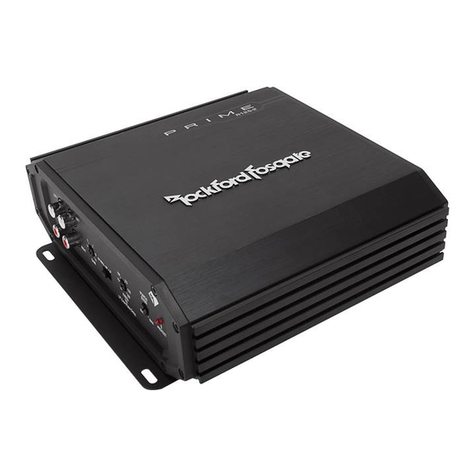
Prime R150X2 Guide

Other manuals for R150X2

1

This manual suits for next models

9

Other Prime Amplifier manuals

Prime QSM-624ET User manual

Prime

Prime QSM-624ET User manual

Prime R125-2 Guide

Prime

Prime R125-2 Guide

Prime R150X2 Guide

Prime

Prime R150X2 Guide

Popular Amplifier manuals by other brands

Magnat Audio EDITION FOUR Owner's manual/warranty document

Magnat Audio

Magnat Audio EDITION FOUR Owner's manual/warranty document

Inter-m PA-2000A Operation manual

Inter-m

Inter-m PA-2000A Operation manual

Yamaha TX6n owner's manual

Yamaha

Yamaha TX6n owner's manual

Peavey TNT 150 user guide

Peavey

Peavey TNT 150 user guide

Bosch LBB 1903/10 Installation and user instructions

Bosch

Bosch LBB 1903/10 Installation and user instructions

Avocent Emerge DA1200D Installer/user guide

Avocent

Avocent Emerge DA1200D Installer/user guide

Redgum RGi35 operating instructions

Redgum

Redgum RGi35 operating instructions

Cambridge Audio AXA25 user manual

Cambridge Audio

Cambridge Audio AXA25 user manual

Alpine MRP-M200 owner's manual

Alpine

Alpine MRP-M200 owner's manual

Technical Pro H1502UrBT user manual

Technical Pro

Technical Pro H1502UrBT user manual

FMS EMGZ307 operating manual

FMS

FMS EMGZ307 operating manual

Racal Instruments 5601 user manual

Racal Instruments

Racal Instruments 5601 user manual

Valcom V-1094A Technical specifications

Valcom

Valcom V-1094A Technical specifications

Cambridge Audio 851D user manual

Cambridge Audio

Cambridge Audio 851D user manual

QSC 3800 Specifications

QSC

QSC 3800 Specifications

NAD C300 owner's manual

NAD

NAD C300 owner's manual

Rotel RMB-1077 owner's manual

Rotel

Rotel RMB-1077 owner's manual

Peavey Monitor 300 Series operating guide

Peavey

Peavey Monitor 300 Series operating guide

manuals.online logo
manuals.online logoBrands
  • About & Mission
  • Contact us
  • Privacy Policy
  • Terms and Conditions

Copyright 2025 Manuals.Online. All Rights Reserved.

AMPLIFIERS
R150X2 R250X1
R250X4 R300X4 R400-4D
R500X1D R600-4D R600X5
R750-1D R1200-1D
Installation & Operation
32
Dear Customer,
Congratulations on your purchase of the world’s finest brand of car audio
products. At Rockford Fosgate we are fanatics about musical reproduc-
tion at its best, and we are pleased you chose our product. Through
years of engineering expertise, hand craftsmanship and critical testing
procedures, we have created a wide range of products that reproduce
music with all the clarity and richness you deserve.
For maximum performance we recommend you have your new Rockford
Fosgate product installed by an Authorized Rockford Fosgate Dealer,
as we provide specialized training through Rockford Technical Training
Institute (RTTI). Please read your warranty and retain your receipt and
original carton for possible future use.
Great product and competent installations are only a piece of the puzzle
when it comes to your system. Make sure that your installer is using
100% authentic installation accessories from Rockford Fosgate in your
installation. Rockford Fosgate has everything from RCA cables and
speaker wire to power wire and battery connectors. Insist on it! After all,
your new system deserves nothing but the best.
To add the finishing touch to your new Rockford Fosgate image order
your Rockford accessories, which include everything from T-shirts to
jackets.
Visit our web site for the latest information on all Rockford products;
www.rockfordfosgate.com
or, in the U.S. call 1-800-669-9899 or FAX 1-800-398-3985. For all other
countries, call +001-480-967-3565 or FAX +001-480-966-3983.
Table of Content
If, after reading your manual, you still have questions regarding this prod-
uct, we recommend that you see your Rockford Fosgate dealer. If you need
further assistance, you can call us direct at 1-800-669-9899. Be sure to
have your serial number, model number and date of purchase available
when you call.
Safety
This symbol with “WARNING” is intended to
alert the user to the presence of important in-
structions. Failure to heed the instructions will
result in severe injury or death.
This symbol with “CAUTION” is intended to
alert the user to the presence of important in-
structions. Failure to heed the instructions can
result in injury or unit damage.
sTo prevent injury and damage to the unit, please read and follow the
instructions in this manual. We want you to enjoy this system, not get
a headache.
sIf you feel unsure about installing this system yourself, have it installed
by a qualified Rockford Fosgate technician.
sBefore installation, disconnect the battery negative (-) terminal to
prevent damage to the unit, fire and/or possible injury.
Introduction :WLJPÄJH[PVUZ
©2013 Rockford Corporation. All Rights Reserved. ROCKFORD FOSGATE, PUNCH, and associated logos where applicable are registered trademarks of Rockford
Corporation in the United States and/or other countries. All other trademarks are the property of their respective owners. Specifications subject to change without notice.
PRACTICE SAFE SOUND
Continuous exposure to sound pressure levels over 100dB may cause
permanent hearing loss. High powered auto sound systems may
produce sound pressure levels well over 130dB. Use common sense
and practice safe sound.
PRATIQUEZ UNE ÉCOUTE SANS RISQUES
Une exposition continue à des niveaux de pression acoustique upérieurs à
100 dB peut causer une perte d’acuité auditive permanente. Les systèmes
audio de forte puissance pour auto peuvent produire des niveaux de
pression acoustique bien au-delà de 130 dB. Faites preuve de bon sens et
pratiquez une écoute sans risques
PRACTIQUE EL SONIDO SEGURO
El contacto continuo con niveles de presión de sonido superiores a 100
dB puede causar la pérdida permanente de la audición. Los sistemas de
sonido de alta potencia para automóviles pueden producir niveles de
presión de sonido superiores a los 130 dB. Aplique el sentido común y
practique el sonido seguro.
PRAKTIZIEREN SIE SICHEREN SOUND
Fortgesetzte Geräuschdruckpegel von über 100 dB können beim
Menschen zu permanentem Hörverlust führen. Leistungsstarke
Autosoundsysteme können Geräuschdruckpegel erzeugen, die weit über
130 dB liegen. Bitte wenden Sie gesunden Menschenverstand an und
praktizieren Sie sicheren Sound.
OSSERVATE LE REGOLE DEL SUONO SENZA PERICOLI
La costante esposizione a livelli di pressione acustica al di sopra dei
100dB possono causare la perdita permanente dell’udito. I sistemi
audio ad alta potenza possono produrre livelli di pressione acustica ben
superiori ai 130dB. Si consiglia il buon senso e l’osservanza delle regole
del suono senza pericoli
2 Introduction
3 Specifications
4-5 Design Features
6-16 Installation
Installation Considerations
Mounting Locations
Battery and Charging
Wiring the System
17 Operation
Adjusting Gain
Adjusting Crossover Frequency
Input Switch
Variable Phase
Punch EQ (Variable & Selectable)
Remote Punch Level Control
18 Troubleshooting
19-26 Additional Languages
French
Spanish
German
Italian
28 Limited Warranty Information
CEA 2006
Power ratings on Rockford Fosgate amplifiers conform to CEA-2006 industry standards. These guidelines
mean your amplifier’s output power ratings are REAL POWER numbers, not inflated marketing ratings.
Mode R150X2 R250X4 R300X4 R400-4D R600-4D R600X5 R250X1 R500X1D R750-1D R1200-1D
Rated Power -
Continuous
Power Rating
(RMS) Measured
@ 14.4V
50x2 @ 4 ohms
75x2 @ 2 ohms
150x1 @ 4 ohms*
40x4 @ 4 ohms
60x4 @ 2 ohms
125x2 @ 4 ohms*
50x4 @ 4 ohms
75x4 @ 2 ohms
150x2 @ 4 ohms*
75x4 @ 4 ohms
100x4 @ 2 ohms
200x2 @ 4 ohms*
100x4 @ 4 ohms
150x4 @ 2 ohms
300x2 @ 4 ohms*
50x4 @ 4 ohms
75x4 @ 2 ohms
150x2 @ 4 ohms*
Sub: 200x1 @ 4 ohms
Sub: 300x1 @ 2 ohms
150x1 @ 4 ohms
250x1 @ 2 ohms
300x1 @ 4 ohms
500x1 @ 2 ohms
250x1 @ 4 ohms
500x1 @ 2 ohms
750x1 @ 1 ohm
400x1 @ 4 ohms
800x1 @ 2 ohms
1200x1 @ 1 ohm
Crossover
Slope
12 dB/Oct 12 dB/Oct 12 dB/Oct 12 dB/Oct 12 dB/Oct 12 dB/Oct 12 dB/Oct 12 dB/Oct 12 dB/Oct 12 dB/Oct
Crossover
Frequency
Variable 50Hz-250Hz Variable 50Hz-250Hz Variable 50Hz-250Hz Variable 50Hz-250Hz Variable 50Hz-250Hz Variable 50Hz-250Hz Variable 50Hz-250Hz Variable 50Hz-250Hz Variable 50Hz-250Hz
SS: 15Hz-40Hz
Variable 50Hz-250Hz
SS: 15Hz-40Hz
Punch EQ Variable 0 -+12dB @
45Hz
Selectable 0/+6dB/+12dB
@ 45Hz
Selectable 0/+6dB/+12dB
@ 45Hz
Variable 0 -+18dB @
45Hz
Variable 0 -+18dB @
45Hz
Selectable 0/+6dB/+12dB
@ 45Hz
Sub: Variable 0 -+12dB
@ 45Hz
Variable 0 -+12dB @
45Hz
Variable 0 -+12dB @
45Hz
Variable 0 -+18dB @
45Hz
Variable 0 -+18dB @
45Hz
Operating
Voltage
9-16VDC 9-16VDC 9-16VDC 9-16VDC 9-16VDC 9-16VDC 9-16VDC 9-16VDC 9-16VDC 9-16VDC
Frequency
Response
20Hz-20kHz 20Hz-20kHz 20Hz-20kHz 20Hz-20kHz 20Hz-20kHz 20Hz-20kHz 20Hz-250Hz 20Hz-250Hz 20Hz-250Hz 20Hz-250Hz
Battery Fuse
Rating (not
supplied)
20A 50A 50A 50A 100A 80A 30A 50A 100A 150A
THD+N @
Rated Power
<1.0% @ 4 ohms
<1.0% @ 2 ohms
<1.0% @ 4 ohms
<1.0% @ 2 ohms
<1.0% @ 4 ohms
<1.0% @ 2 ohms
<1.0% @ 4 ohms
<1.0% @ 2 ohms
<1.0% @ 4 ohms
<1.0% @ 2 ohms
F/R:
<1.0% @ 4 ohms
<1.0% @ 2 ohms
Sub:
<1.0% @ 4 ohms
<1.0% @ 2 ohms
<1.0% @ 4 ohms
<1.0% @ 2 ohms
<1.0% @ 4 ohms
<1.0% @ 2 ohms
<1.0% @ 4 ohms
<1.0% @ 2 ohms
<1.0% @ 1 ohm
<1.0% @ 4 ohms
<1.0% @ 2 ohms
<1.0% @ 1 ohm
Input Sensitivity 150mV-4V Low Level
450mV-12V High Level
150mV-4V Low Level
450mV-12V High Level
150mV-4V Low Level
450mV-12V High Level
150mV-4V 150mV-4V 150mV-4V Low Level
450mV-12V High Level
150mV-4V Low Level
450mV-12V High Level
150mV-4V Low Level
450mV-12V High Level
150mV-4V 150mV-4V
Input Imped-
ance
20k 20k 20k 20k 20k 20k 20k 20k 20k 20k
S/N Ratio CEA
2006
>80dB >80dB >80dB >70dB >70dB F/R: > 80dB
Sub: >80dB
>80dB >80dB >75dB >75dB
S/N Ratio @
Rated Power
>100dB >100dB >100dB >90dB >90dB F/R: >100dB
Sub: >100dB
>100dB >100dB >100dB >100dB
Channel
Separation
>50dB >50dB >50dB >50dB >50dB >50dB N/A N/A N/A N/A
Common Mode
Rejection Ratio
>40dB >55dB >40dB >55dB >55dB >55dB >40dB >55dB >55dB >55dB
Damping Factor >200dB >200dB >200dB >200dB >200dB F/R: >200dB
Sub: >200dB
>200dB >200dB >200dB >200dB
Dimensions
(LxWxH)
11.2”x6.8”x2”
(28.5cm x 17.2cm x 5.1 cm)
11.2”x6.8”x2”
(28.5cm x 17.2cm x 5.1 cm)
13.2”x6.8”x2”
(33.5cm x 17.2cm x 5.1 cm)
9.1”x6.8”x2”
(23.1cm x 17.2cm x 5.1 cm)
11.1”x6.8”x2”
(28.2cm x 17.2cm x 5.1 cm)
13.2”x6.8”x2”
(33.5cm x 17.2cm x 5.1 cm)
11.2”x6.8”x2”
(28.5cm x 17.2cm x 5.1 cm)
8.5”x6.8”x2”
(21.6cm x 17.2cm x 5.1 cm)
9.1”x6.8”x2”
(23.1cm x 17.2cm x 5.1 cm)
11.1”x6.8”x2”
(28.2cm x 17.2cm x 5.1 cm)
* Rated power when amplifier is wired in a bridged configuration.
54
REMGND B+
BRIDGEDBRIDGED
+–+–
RIGHTLEFT
FRONT
+–+–
RIGHTLEFT
REAR
L
R
FRONT
HIGH LEVEL
INPUT
FRONTREAR
REARSUB
REMOTE PUNCH LEVEL
SUB
+–
L+R+
L-
R-
50 250
FREQ. Hz GAIN
1
39
11
57
X-OVER
LP -AP - HP
PUNCH EQ.
2/4/5 CH.
SWITCH
PWR /
PRT
FRONT
50 250
FREQ. Hz GAIN
1
39
11
57
X-OVER
LP -AP - HP
PUNCH EQ.
0dB +6dB +12dB 0dB +6dB +12dB
REAR
50 250
FREQ. Hz GAIN
1
39
11
57
SUB
PUNCH EQ.
MIN MAX
PHASE
ÜÜ 2 CH. - 4 CH. - 5 CH.
+LZPNU-LH[\YLZ +LZPNU-LH[\YLZ
illus.-1.1
Gain Control
The gain control is used to match the output of the
audio source.
Punch EQ - Selectable
This selectable control works along with the
crossover switch on the amplifier, boosting the
bass frequencies.
Variable Phase
The variable 0-180˚ phase control allows the listener
to change the arrival time of the subwoofer sound
waves relative to the same frequencies from the main
speakers.
Power/Protect LED
Power LED illuminates blue when the unit is turned on. Protect/
Thermal LED illuminates red when amplifier overheats or short
circuits. The amplifier will automatically shut down if this occurs.
Speaker Terminals
The Speaker Terminals are nickel-plated
set-screw wire connectors (+ and -) will
accommodate 8 AWG.
RCA Input/Pass-Thru Jacks
The RCA Inputs/Pass-Thru Jacks are nickel-plated to resist the signal degradation
caused by corrosion. The Pass-Thru provides a convenient source for daisy-chaining
an additional amplifier without running an extra set of RCA cables from the front of the
vehicle to the rear amplifier location.
Punch EQ - Variable
This variable control works along with the crossover
switch on the amplifier, boosting the bass frequencies.
Power/REM Terminals
The Power and Ground Terminals are nickel-plat-
ed set-screw wire connectors and will accommo-
date 4 AWG. The REM Terminal is a nickel-plated
set-screw wire connector and will accommodate
8 AWG.
Input Switch
Setting this switch to the connected inputs aligns the
output signal accordingly or can supplement signal to
additional channels when not connected.
Crossover Switch
Selectable switch for Low-Pass (LP) or
All Pass (AP) or High-Pass (HP)
Variable Crossover
A built-in 12dB/octave Butterworth filter with a crossover
point variable from 50Hz to 250Hz. (R750-1D & R1200-1D
have an additional 12dB/octave Infrasonic filter with a cross-
over point variable from 15Hz to 40Hz SS)
Remote Punch Level Control
Remotely control the subwoofer output
level of the amplifier.
High Level Inputs - Optional Inputs
Accepts High Level speaker signal when utilizing
the 4-pin Molex harness provided.
76
Contents
Installation Considerations
The following is a list of tools needed for installation:
This section focuses on some of the vehicle considerations for install-
ing your new amplifier. Pre-planning your system layout and best wiring
routes will save installation time. When deciding on the layout of your new
system, be sure that each component will be easily accessible for making
adjustments.
If you feel unsure about installing this system yourself, have it installed by
a qualified technician.
Before installation, disconnect the battery neg-
ative (-) terminal to prevent damage to the unit,
fire and/or possible injury.
Before beginning any installation, follow these
simple rules:
1. Be sure to carefully read and understand the instructions before
attempting to install the unit.
2. For safety, disconnect the negative lead from the battery prior to
beginning the installation.
3. For easier assembly, we suggest you run all wires prior to mounting
your unit in place.
4. Route all of the RCA cables close together and away from any high
current wires.
5. Use high quality connectors for a reliable installation and to minimize
signal or power loss.
sFuse-holder and fuse. (See
specifications for fuse rating)
sVolt/Ohm Meter
sWire strippers
sWire crimpers
sWire cutters
s#2 Phillips screwdriver
sBattery post wrench
sHand held drill w/assorted bits
sAssorted connectors
sAdequate Length—Red
PowerWire
sAdequate Length—Remote
Turn-onWire
sAdequate Length—Black
GroundingWire
6. Think before you drill! Be careful not to cut or drill into gas tanks, fuel
lines, brake or hydraulic lines, vacuum lines or electrical wiring when
working on any vehicle.
7. Never run wires underneath the vehicle. Running the wires inside the
vehicle provides the best protection.
8. Avoid running wires over or through sharp edges. Use rubber or
plastic grommets to protect any wires routed through metal, especially
the firewall.
9. ALWAYS protect the battery and electrical system from damage with
proper fusing. Install the appropriate fuse holder and fuse on the +12V
power wire within 18” (45.7 cm) of the battery terminal.
10. When grounding to the chassis of the vehicle, scrape all paint from
the metal to ensure a good, clean ground connection. Grounding
connections should be as short as possible and always be connected
to metal that is welded to the main body, or chassis, of the vehicle.
Seatbelt bolts should never be used for connecting to ground.
Mounting Locations
To ensure optimal performance, mount the amplifier with at least
1” (2.54cm) of air gap around the amplifier’s heat sink to provide
proper cooling.
Trunk Mounting
Mounting the amplifier vertically or inverted will provide adequate cool-
ing of the amplifier. Mounting the amplifier on the floor of the trunk will
provide the best cooling of the amplifier.
Passenger Compartment Mounting
Mounting the amplifier in the passenger compartment will work as long as
you provide a sufficient amount of air for the amplifier to cool itself. If you
are going to mount the amplifier under the seat of the vehicle, you must
have at least 1” (2.54cm) of air gap around the amplifier’s heatsink.
Never mount this unit in the engine compart-
ment. Mounting the unit in the engine com-
partment will void your warranty.
Battery and Charging
Amplifiers will put an increased load on the vehicle’s battery and charging
system. We recommend checking your alternator and battery condition
to ensure that the electrical system has enough capacity to handle the
increased load of your stereo system. Stock electrical systems which are
in good condition should be able to handle the extra load of any Prime
Series amplifier without problems, although battery and alternator life can
be reduced slightly. To maximize the performance of your amplifier, we
suggest the use of a heavy duty battery and an energy storage capacitor.
0UZ[HSSH[PVU 0UZ[HSSH[PVU
Wiring the System
If you do not feel comfortable with wiring your
new unit, please see your local Authorized
Rockford Fosgate Dealer for installation.
Before installation, disconnect the battery neg-
ative (-) terminal to prevent damage to the unit,
fire and/or possible injury.
Avoid running power wires near the low level
input cables, antenna, power leads, sensitive
equipment or harnesses. The power wires car-
ry substantial current and could induce noise
into the audio system.
1. Plan the wire routing. Keep RCA cables close together but isolated
fromthe amplifier’spower cables and anyhigh power auto accessories,
especially electric motors. This is done to prevent coupling the noise
from radiated electrical fields into the audio signal. When feeding
the wires through the firewall or any metal barrier, protect them with
plastic or rubber grommets to prevent short circuits. Leave the wires
long at this point to adjust for a precise fit at a later time.
2. Prepare the RED wire (power cable) for attachment to the amplifier by
stripping 1/2” of insulation from the end of the wire. Insert the bared
wire into the B+ terminal and tighten the set screw to secure the cable
in place.
NOTE: The B+ cable MUST be fused 18” or less from the vehicle’s battery.
Install the fuseholder under the hood and ensure connections are water
tight.
3. Trim the RED wire (power cable) within 18” of the battery and splice in
a inline fuse holder (not supplied). See Specifications for the rating of
the fuse to be used. DO NOT install the fuse at this time.
4. Strip 1/2” from the battery end of the power cable and crimp an
appropriate size ring terminal to the cable. Use the ring terminal to
connect to the battery positive terminal.
5. Prepare the BLACK wire (Ground cable) for attachment to the amplifier
by stripping 1/2” of insulation from the end of the wire. Insert the bare
wire into the GROUND terminal and tighten the set screw to secure the
cable in place. Prepare the chassis ground by scraping any paint from
the metal surface and thoroughly clean the area of all dirt and grease.
Strip the other end of the wire and attach a ring connector. Fasten the
cable to the chassis using a non-anodized screw and a star washer.
NOTE: Keep the length of the BLACK wire (Ground) as short as possible.
Always less than 30”.
6. Prepare the Remote turn-on wire for attachment to the amplifier by
stripping 1/2” of insulation from the end of the wire. Insert the bared
wire into the REMOTE terminal and tighten the set screw to secure the
wire in place. Connect the other end of the Remote wire to a switched
12 volt positive source. The switched voltage is usually taken from the
source unit’s remote amp on lead. If the source unit does not have this
output available, the recommended solution is to wire a mechanical
switch in line with a 12 volt source to activate the amplifier.
7. Securely mount the amplifier to the vehicle or amp rack. Be careful not
to mount the amplifier on cardboard or plastic panels. Doing so may
enable the screws to pull out from the panel due to road vibration or
sudden vehicle stops.
8. Connect from source signal by plugging the RCA cables into the input
jacks at the amplifier.
NOTE: All “ACTIVE” inputs must have RCA jacks connected. Switch in
2CH. position,“ACTIVE” - Front channel inputs only. Switch in 4CH.
position,“ACTIVE” - All Front and Rear channel inputs. Switch in 5CH
position,“ACTIVE” - Sub inputs for sub output. When connecting to the
5-Channel inputs, be sure to route front, rear and sub RCA cables tightly
together.
Always ensure power is off or disconnected at
the amplifier before connecting RCA cables.
Failure to do so may cause damage to the am-
plifier and/or connected components.
Note: When the installation requires a High Level (Speaker) input, use the
4-pin Molex connector to tie into your vehicles speaker wiring.
9. Connect the speakers. Strip the speaker wires 1/2” and insert into the
speaker terminal and tighten the set screw to secure into place. Be
sure to maintain proper speaker polarity. DO NOT chassis ground any
of the speaker leads as unstable operation may result.
10. Perform a final check of the completed system wiring to ensure that all
connections are accurate. Check all power and ground connections
for frayed wires and loose connections which could cause problems.
Install inline fuse near battery connection.
NOTE: Follow the diagrams for proper signal polarity.
This amplifier is not recommended for im-
pedance loads below 2-Ohm stereo/4-Ohm
bridged for the front/rear channels and 2-ohm
for the sub channel. Models R750-1D and
R1200-1D are not recommended for imped-
ance loads below 1-Ohm.
sPrime Amplifier
sMounting Hardware
sAllen Wrench
sPunch Level Control
s4-pin Molex Connector (if
equipped)
sInstallation & Operation
Manual
98
0UZ[HSSH[PVU 0UZ[HSSH[PVU
2-Channel (Stereo)
R150X2
2-Channel (Mono)
R150X2
illus.-2.1 illus.-2.2
PASS-THRU
Connect to inputs
of 2nd amplifier
*Installation option for
multi-amp install
B+REMGND
L
R
INPUT
+–+–
RIGHTLEFT
BRIDGED
SPEAKERS
HIGH LEVEL
INPUT
L+R+
L-
R-
PASS-THRU
PASS-THRU
Connect to inputs
of 2nd amplifier
*Installation option for
multi-amp install
B+REMGND
L
R
INPUT
+–+–
RIGHTLEFT
BRIDGED
SPEAKERS
HIGH LEVEL
INPUT
L+R+
L-
R-
PASS-THRU
1110
0UZ[HSSH[PVU 0UZ[HSSH[PVU
illus.-2.3 illus.-2.4
4-Channel (Stereo)
R250X4, R300X4, R400-4D & R600-4D
4-Channel (2ch Stereo & 1ch Mono-Bridged)
R250X4, R300X4, R400-4D & R600-4D
REMGND
L
R
FRONT
B+
HIGH LEVEL
INPUT
FRONTREAR
REAR
+–+–
RIGHTLEFT
BRIDGED
REAR
+–+–
RIGHTLEFT
BRIDGED
FRONT
L+R+
L-
R-
REMGND
L
R
FRONT
B+
HIGH LEVEL
INPUT
FRONTREAR
REAR
+–+–
RIGHTLEFT
BRIDGED
REAR
+–+–
RIGHTLEFT
BRIDGED
FRONT
L+R+
L-
R-
1312
0UZ[HSSH[PVU 0UZ[HSSH[PVU
illus.-2.5 illus.-2.6
4-Channel (2ch Mono-Bridged)
R250X4, R300X4, R400-4D & R600-4D
3-Channel (2ch Bridged & 1ch Parallel)
R600X5
REMGND
L
R
FRONT
B+
HIGH LEVEL
INPUT
FRONTREAR
REAR
+–+–
RIGHTLEFT
BRIDGED
REAR
+–+–
RIGHTLEFT
BRIDGED
FRONT
L+R+
L-
R-
REMGND B+
BRIDGEDBRIDGED
+–+–
RIGHTLEFT
FRONT
+–+–
RIGHTLEFT
REAR
L
R
FRONT
HIGH LEVEL
INPUT
FRONTREAR
REARSUB
REMOTE PUNCH LEVEL
SUB
+–
L+R+
L-
R-
1514
0UZ[HSSH[PVU 0UZ[HSSH[PVU
5-Channel (4ch Stereo & 1ch Mono)
R600X5
Mono Wiring
R250X1 & R500X1D
*Positive(+) and Negative(–) outputs
are wired in parallel internally.
REMGND B+
BRIDGEDBRIDGED
+–+–
RIGHTLEFT
FRONT
+–+–
RIGHTLEFT
REAR
L
R
FRONT
HIGH LEVEL
INPUT
FRONTREAR
REARSUB
REMOTE PUNCH LEVEL
SUB
+–
L+R+
L-
R-
REMGND
L
R
INPUT
+–
B+
SPEAKERS HIGH LEVEL INPUT
REMOTE PUNCH LEVEL
L+R+
L-
R-
PASS-THRU
PASS-THRU
Connect to inputs
of 2nd amplifier
*Installation option for
multi-amp install
illus.-2.7 illus.-2.8
1716
Adjusting Gain
1. Turn amplifier gains to minimum (counter-clockwise).
2. Turn the source unit volume up to 7/8 maximum (or when
distortion is just inaudible).
3. Slowly increase amplifier gain control until adequate volume is
achieved.
NOTE: Best signal to noise and dynamic range are realized with gain set
to minimum. For a more in depth setting procedure, contact Rockford
Technical Support.
Avoid setting amplifier gain high as noise and
distortion will greatly increase.
Adjusting Crossover Frequency
Do the following individually for each channel.
Placing the crossover switch in the HP posi-
tion sets the amplifier to the High Pass mode,
enabling frequencies above the cut-off point to
pass, adjustable between 50-250Hz.
Placing the crossover switch in the AP position sets the amplifier to the All
Pass mode, preventing any crossover adjustment, allowing all frequencies
to pass.
Placing the crossover switch in the LP position sets the amplifier to the
Low Pass mode, enabling frequencies below the cut-off point to pass,
adjustable between 50-250Hz.
Turn the crossover adjustment knob all the way down. With the system
playing, turn the crossover adjustment knob up slowly until the desired
crossover point is achieved.
Input Switch
Setting this switch to the 2CH. position, switches the
inputs to a 2-channel mode, allowing connection to only
the front inputs with a 4-channel output.
Output controls function the same as if the amplifier was in 4-channel
mode.
All “ACTIVE” inputs must have RCA jacks connected.
Switch in 2CH. position,“ACTIVE” - Front channel inputs only.
Switch in 4CH. position,“ACTIVE” - All Front and Rear channel inputs.
Switch in 5CH. position,“ACTIVE” - All Front, Rear and Sub channel
inputs.
NOTE: When connecting to the 4-Channel inputs, be sure to route both
front and rear RCA cables tightly together.
Variable Phase
Allows you to conveniently switch the output phase of the
amplifier between 0° and 180°. This has the same effect as
physically reversing the Positive (+) and Negative (-) speaker wires.
High Level Input
High Level Inputs are used when you want to connect an amplifier to your
factory radio or an aftermarket radio that does not have low-level (RCA)
inputs. It allows you to use the signal coming from the speaker outputs as
an input source for the amplifier.
Punch EQ
This works along with the crossover switch on the amplifier. When set to
Low-Pass (LP) operation, this is a variable Bass Boost. When set to High-
Pass (HP) operation, this is a variable Mid-Bass and Treble Boost. When
set to All-Pass (AP) operation, both the Bass and Treble frequencies are
boosted. Set this to your personal preference while listening to the system.
Variable 0-+18dB @ 45Hz (R400-4D, R600-4D, R750-1D & R1200-1D)
Variable 0-+12dB @ 45Hz (R150X2, R250X1, R500X1D & R600X5)
Selectable: 0/+6dB/+12dB @ 45Hz (R250X4, R300X4 & R600X5)
Over excursion and subsequent damage may
occur at high levels of boost.
Remote Punch Level Control (Option)
Quick Install:
1. Using the screws supplied, install the mounting clip.
2. Slip the remote onto the mounting clip until it snaps into place.
3. Route and connect the cable to the remote and amplifier.
Operation:
4. When connected, the “Level Control” is linked and allows you to
remotely control the output level of the amplifier from the dash or
center console.
6WLYH[PVU
illus.-3.1
illus.-3.3
illus.-3.2
illus.-3.4
illus.-3.5
illus.-3.6
illus.-3.7
illus.-3.8
0UZ[HSSH[PVU
Parrallel Wiring*
R750-1D & R1200-1D
B+REMGND
+–+–
PASS-THRU
Connect to inputs
of 2nd amplifier
*Installation option for
multi-amp install
*Paralleled internally for 1 þmin. load.
illus.-2.9
1918
Troubleshooting
NOTE: If you are having problems after installation follow the Trouble-
shooting procedures below.
Check Amplifier for proper connections. Verify that POWER light
is on. If POWER light is on skip to Step 3, if not continue.
1. Check in-line fuse on battery positive cable. Replace if necessary.
2. Check fuse(s) on amplifier. Replace if necessary.
3. Verify that Ground connection is connected to clean metal on the
vehicle’s chassis. Repair/replace if necessary.
4. Verify there is 9 to 14.4 Volts present at the positive battery and
remote turn-on cable. Verify quality connections for both cables at
amplifier, stereo, and battery/fuseholder. Repair/replace if necessary.
Protect light is on.
1. If the Protect light is on, this is a sign of a possible short in the
speaker connections. Check for proper speaker connections and use
a volt/ohm meter to check for possible shorts in the speaker wiring.
Too low of a speaker impedance may also cause Protect to light.
Check Amplifier for audio output.
1. Verify good RCA input connections at stereo and amplifier. Check
entire length of cables for kinks, splices, etc. Test RCA inputs for AC
volts with stereo on. Repair/replace if necessary.
2. Disconnect RCA input from amplifier. Connect RCA input from test
stereo directly to amplifier input.
Check Amplifier if you experience Turn-on Pop.
1. Disconnect input signal to amplifier and turn amplifier on and off.
2. If the noise is eliminated, connect the REMOTE lead of amplifier to
source unit with a delay turn-on module.
OR
1. Use a different 12 Volt source for REMOTE lead of amplifier.
Check Amplifier if you experience excess Engine Noise.
1. Route all signal carrying wires (RCA, Speaker cables) away from
power and ground wires.
OR
1. Bypass any and all electrical components between the stereo and the
amplifier(s). Connect stereo directly to input of amplifier. If noise goes
away the unit being bypassed is the cause of the noise.
OR
1. Remove existing ground wires for all electrical components. Reground
wires to different locations. Verify that grounding location is clean,
shiny metal free of paint, rust etc.
OR
1. Add secondary ground cable from negative battery terminal to the
chassis metal or engine block of vehicle.
OR
1. Have alternator and battery load tested by your mechanic. Verify good
working order of vehicle electrical system including distributor, spark
plugs, spark plug wires, voltage regulator etc.
;YV\ISLZOVV[PUN -YHUsHPZ
Caractéristiques de conception (illus. 1.1)
Phase variable
Le contrôle de phase variable 0-180˚ permet à l’auditeur de modifier le temps d’arrivée des ondes sonores du
subwoofer par rapport aux mêmes fréquences à partir des enceintes principales.
Répartiteur variable
Filtre incorporé 12 dB/octave Butterworth avec point de première convergence variable de 50 Hz à 250 Hz. (R750-
1D et R1200-1D ont un filtre infrasonique 12 dB/octave additionnel avec un point de première convergence variable
de 15 Hz à 40 Hz SS)
DEL alimentation/protection
La DEL alimentation s’allume en bleu lorsque l’unité est activée. La DEL protection/thermique s’allume en rouge
lorsque l’ampli surchauffe ou en présence de courts-circuits. Si cela se produit, l’ampli s’arrêtera automatiquement.
EQ Punch - Variable
Ce contrôle de variable fonctionne avec l’Interrupteur de répartiteur sur l’amplificateur, en stimulant les graves.
Bornes d’alimentation/REM
Les bornes d’alimentation et de terre sont des connecteurs câblés nickelés à vis de blocage et accepteront un
calibre 4 AWG. Les bornes d’alimentation et de terre sont des connecteurs câblés nickelés à vis de blocage et qui
accepteront un calibre 8 AWG.
Bornes d’enceinte
Les bornes d’enceinte sont des connecteurs câblés nickelés à vis de blocage (+ et -) et qui accepteront un calibre
8 AWG.
Interrupteur de répartiteur
Commutateur sélectionnable pour High-Pass (HP) ou All Pass (AP) ou Low-Pass (LP)
Phase variable
Le contrôle de phase variable 0-180˚ permet à l’auditeur de modifier le temps d’arrivée des ondes sonores du
subwoofer par rapport aux mêmes fréquences à partir des enceintes principales.
Répartiteur variable
Filtre incorporé 12 dB/octave Butterworth avec point de première convergence variable de 50 Hz à 250 Hz. (R750-
1D et R1200-1D ont un filtre infrasonique 12 dB/octave additionnel avec un point de première convergence variable
de 15 Hz à 40 Hz SS)
DEL alimentation/protection
La DEL alimentation s’allume en bleu lorsque l’unité est activée. La DEL protection/thermique s’allume en rouge
lorsque l’ampli surchauffe ou en présence de courts-circuits. Si cela se produit, l’ampli s’arrêtera automatiquement.
EQ Punch - Variable
Ce contrôle de variable fonctionne avec l’Interrupteur de répartiteur sur l’amplificateur, en stimulant les graves.
Bornes d’alimentation/REM
Les bornes d’alimentation et de terre sont des connecteurs câblés nickelés à vis de blocage et accepteront un
calibre 4 AWG. Les bornes d’alimentation et de terre sont des connecteurs câblés nickelés à vis de blocage et qui
accepteront un calibre 8 AWG.
Bornes d’enceinte
Les bornes d’enceinte sont des connecteurs câblés nickelés à vis de blocage (+ et -) et qui accepteront un calibre
8 AWG.
Installation
Contenu
Considérations d’installation
Voici une liste d’outils nécessaires pour l’installation:
Cette section traite de points concernant le véhicule dont il faut tenir compte pour l’installation de votre nouvel
ampli. Planifier à l’avance la disposition du système et les meilleurs acheminements de câblage permettra de
gagner du temps pour l’installation. Lors de l’aménagement de votre nouveau système, assurez-vous que chaque
composant est facilement accessible pour les réglages.
En cas de doute sur l’installation de ce système vous-même, faites-le installer par un technicien qualifié.
Attention: Avant l’installation, déconnectez la borne négative (-) de batterie pour prévenir tout dommage matériel,
tout incendie et/ou toute blessure éventuelle.
Attention: Avant de commencer toute installation, suivez ces simples règles :
1. Prenez soin de lire attentivement et de comprendre les instructions avant d’essayer d’installer l’appareil.
2. Par mesure de sécurité, déconnectez le fil négatif de la batterie avant de commencer l’installation.
3. Pour faciliter l’assemblage, il est recommandé d’acheminer tous les fils avant de monter l’appareil en place.
4. Acheminez tous les câbles RCA de façon groupée et à l’écart des fils à courant élevé.
5. Utilisez des connecteurs de haute qualité pour une installation fiable et pour minimiser la perte de signal
ou de puissance.
6. Réfléchissez avant de percer ! Faites attention de ne pas couper ou percer dans les réservoirs d’essence, les
conduites de carburant, les conduites de frein ou hydrauliques, les lignes de vide ou le câblage électrique
lors de tout travail sur un véhicule.
7. Ne faites jamais passer les fils sous le véhicule. Il vaut mieux les installer à l’intérieur du véhicule pour
assurer une meilleure protection.
8. Évitez d’acheminer les fils sur ou à travers des chants coupants. Utilisez des passe-câbles en caoutchouc ou
en plastique pour protéger tout fil acheminé à travers le métal, en particulier le pare-feu.
9. Protégez TOUJOURS la batterie et le circuit électrique des dommages potentiels à l’aide de fusibles ap-
propriés. Installez les porte-fusible et fusible appropriés sur le câble d’alimentation de +12 V à moins de 45
cm de la borne de batterie.
10. Lors de la mise à la masse au châssis du véhicule, grattez toute trace de peinture de la surface métallique
pour assurer une bonne connexion à la terre propre. Les connexions de masse doivent être aussi courtes que
possible et toujours connectées à du métal soudé à la carrosserie ou au châssis du véhicule. Les boulons de
ceinture de sécurité ne doivent jamais être utilisés pour la mise à la masse.
Emplacements de montage
Pour assurer une performance optimale, montez l’ampli avec un espace d’air d’au moins 2,5 cm autour du dis-
sipateur thermique de l’ampli et ce, pour fournir un refroidissement satisfaisant.
Montage dans le coffre
Un montage vertical ou à l’envers de l’ampli assure un refroidissement adéquat. Le montage de l’ampli sur le
plancher du coffre fournira le meilleur refroidissement de l’ampli.
Montage dans l’habitacle
Le montage de l’ampli dans l’habitacle est acceptable à condition qu’il reçoive suffisamment d’air pour se refroidir.
Si vous comptez installer l’ampli sous le siège du véhicule, prévoyez un écartement d’air d’au moins 2,5 cm autour
du dissipateur thermique de l’ampli.
Attention: Ne montez jamais cet appareil dans le compartiment moteur. Cela entraînerait l’annulation de la garantie.
Batterie et charge
Les amplificateurs exercent une charge accrue sur la batterie et le système de charge du véhicule. Nous vous con-
seillons de vérifier l’état de l’alternateur et de la batterie pour vous assurer que le circuit électrique peut supporter la
charge accrue de votre système stéréo. Les systèmes électriques ordinaires en bon état sont normalement capables
de fournir sans problème la charge supplémentaire requise par un ampli de série. Toutefois, la durée de vie de la
batterie et de l’alternateur peut s’en trouver légèrement diminuée. Pour maximiser la performance de votre ampli,
nous vous suggérons d’utiliser une batterie à usage intensif et un condensateur de stockage d’énergie.
Câblage du système
Attention: Si vous ne vous sentez pas à l’aise pour effectuer vous-même le câblage de votre nouvel appareil,
veuillez confier son installation à votre distributeur local agréé Rockford Fosgate.
Attention: Avant l’installation, déconnectez la borne négative (-) de batterie pour prévenir tout dommage matériel,
tout incendie et/ou toute blessure éventuelle.
Attention: Évitez de faire passer les fils d’alimentation à proximité des câbles d’entrée de niveau bas, de l’antenne,
des câbles d’alimentation, des équipements ou faisceaux sensibles. Les fils d’alimentation transportent un courant
élevé et peuvent produire du bruit dans le système audio.
1. Planifiez l’acheminement des fils. Gardez les câbles RCA ensemble mais en les isolant des câbles
d’alimentation de l’ampli et des autres accessoires automobiles de forte puissance, en particulier les moteurs
électriques et ce, pour éviter que le signal audio ne subisse d’interférence de bruit provenant des champs
de rayonnement électriques. Si vous faites passer les fils par un pare-feu ou toute autre barrière métallique,

protégez-les à l’aide de bagues en plastique ou en caoutchouc pour éviter les courts-circuits. Conservez
toute la longueur des fils pour l’instant. Vous l’ajusterez plus tard.
2. Préparez le fil ROUGE (câble d’alimentation) qui devra être relié à l’ampli en dénudant 1 cm d’isolant de son
extrémité. Insérez la partie dénudée dans la borne B+, puis fixez le fil en vissant la vis sans tête.
REMARQUE : Le câble B+ DOIT comporter un fusible à 45 cm ou moins de la batterie du véhicule. Installez le porte-
fusible sous le capot et assurez-vous que les connexions sont étanches.
3. Coupez le fil ROUGE (câble d’alimentation) à moins de 45 cm de la batterie et épissez un porte-fusible en
ligne (non fourni). Voir les Spécifications en ce qui concerne la capacité du fusible à utiliser. N’installez pas
le fusible pour le moment.
4. Dénudez 1 cm de l’extrémité de batterie du câble d’alimentation et sertissez une cosse à anneau de taille
appropriée sur le câble. Connectez la cosse à borne positive de la batterie.
5. Préparez le fil NOIR (câble de mise à la masse) qui devra être relié à l’ampli en dénudant 1 cm d’isolant de
son extrémité. Insérez la partie dénudée dans la borne GROUND [masse], puis fixez le fil en vissant la vis
sans tête. Préparez la masse du châssis en grattant toute trace de peinture de la surface métallique et en net-
toyant soigneusement la surface pour éliminer tout dépôt de saleté et de graisse. Dénudez l’autre extrémité
du fil et fixez un connecteur en anneau. Fixez le câble au châssis à l’aide d’une vis non anodisée et d’une
rondelle en étoile.
REMARQUE : Gardez le fil NOIR (masse) aussi court que possible. Toujours inférieur à 75 cm.
6. Préparez le fil d’allumage à distance qui devra être relié à l’ampli en dénudant 1 cm d’isolant de son extrémité.
Insérez la partie dénudée dans la borne REMOTE [à distance], puis fixez le fil en vissant la vis sans tête.
Connectez l’autre extrémité du fil à distance à une source positive commutée de 12 volts. La tension com-
mutée provient généralement du câble d’ampli à distance de l’unité source. Si l’unité source ne dispose pas
de cette sortie, il est recommandé de raccorder un interrupteur mécanique en ligne avec une source de 12
volts pour activer l’ampli.
REMARQUE : Lors de l’utilisation du haut niveau pour signal d’entrée, la fonction d’allumage automatique est ac-
tive. Une fois l’allumage automatique activé, la REM devient une sortie pour allumer/éteindre jusqu’à deux amplis
additionnels ou autres accessoires.
7. Montez solidement l’ampli sir le véhicule ou le rack d’ampli. Prenez soin de ne pas fixer l’ampli sur des
panneaux en carton ou en plastique. Les vis pourraient en effet se décoller des panneaux sous l’effet des
vibrations de la route ou des arrêts soudains du véhicule.
8. Connectez le signal source en branchant dans les prises d’entrée RCA au niveau de l’ampli. Les plages de
sensibilité d’entrée vont de 150 mV - 12 V sont capables d’accepter un signal du haut niveau (enceinte) à
bas niveau (RCA).
REMARQUE : Toutes les entrées « ACTIVES » doivent avoir des prises RCA connectées. Commutateur en position
2CH., « ACTIVE » - Entrées de canal avant uniquement. Commutateur en position 4CH., « ACTIVE » - Toutes les
entrées de canaux avant et arrière. Commutateur en position 5CH, « ACTIVE » - Entrées de subwoofer pour sortie
de subwoofer. Lors de la connexion aux entrées 5 canaux, prenez soin d’acheminer les câbles RCA avant, arrière
et sub bien groupés.
s Porte-fusible et fusible. (Voir spécifications
pour calibre de fusible)
s Voltmètre/Ohmmètre
s Pince à dénuder
s Pince à sertir
s Coupe-fils
s Tournevis cruciforme n° 2
s Clé de bornes de batterie
s Perceuse à main avec mèches assorties
s Connecteurs assortis
s Longueur adéquate — Fil d’alimentation rouge
s Longueur adéquate — Fil d’allumage à dis-
tance
s Longueur adéquate — Fil de masse noir
s Amplificateur principal
s Visserie de montage
s Clé Allen
s Contrôle de niveau Punch
s Connecteur à 4 broches Molex (le cas échéant)
s Manuel d’installation et de fonctionnement