·In case of skin or eye contact, follow the instructions below.
Immediately rinse with water. Neutralize with a mild acid such as lemon juice or
vinegar. In case of eye contact, rinse abundantly with clean water for at least 10
minutes. If necessary, consult a physician.
·NOTE: The batteries in your battery pack are the lithium-ion type. Lithium is considered to
be a non-toxic material by the Environmental Protection Agency. Before disposing of
damaged or worn out Lithium-Ion battery packs, check with your local Environmental
Protection Agency to find out about any restrictions on the disposal of these battery packs.
Chargers:
·The adapter’s plug must match the power outlet. Never modify the plug in any way to reduce
risk of electric shock.
·Use your adapter only to charge batteries of the type supplied with your tool. Other
batteries could burst and damage the adapter.
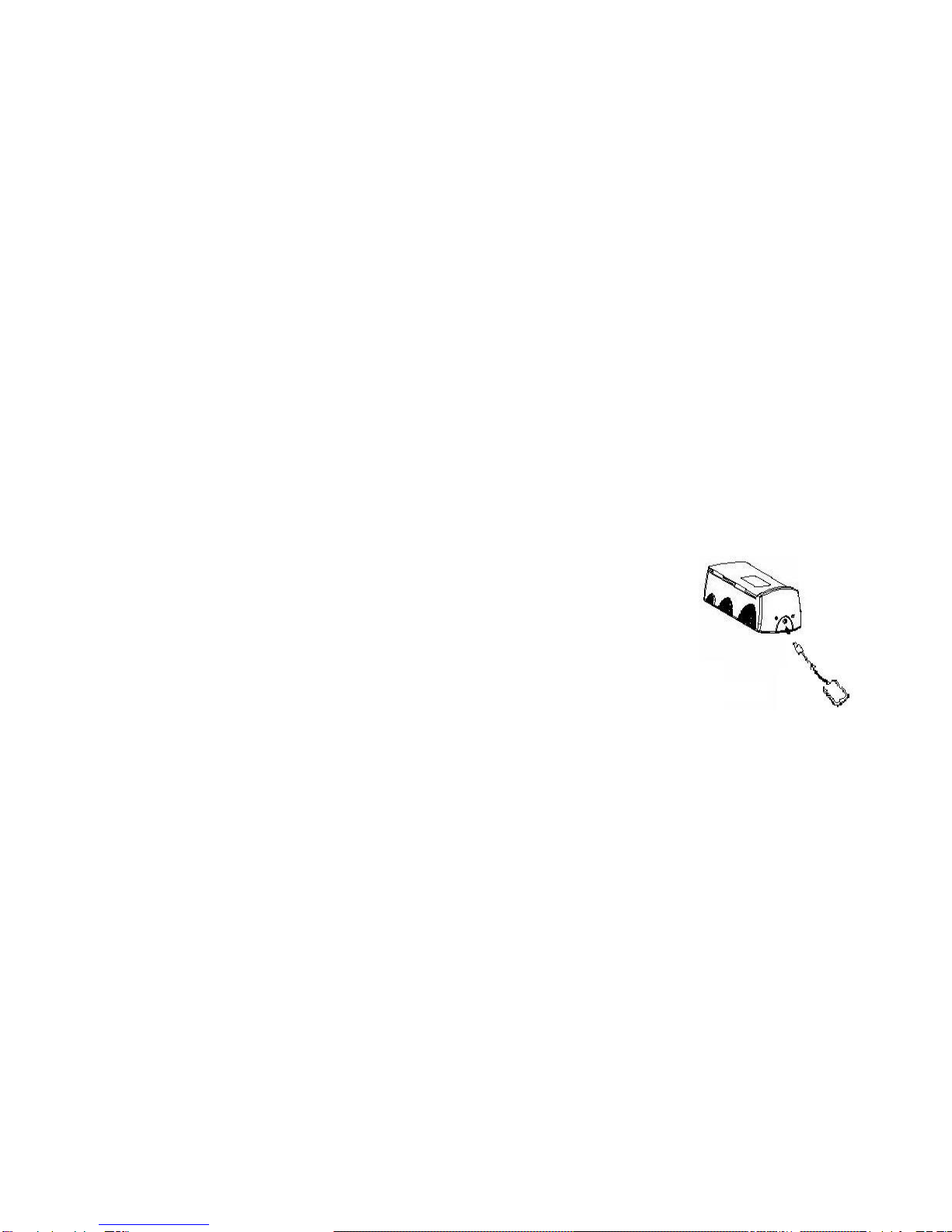
·Only 2 battery packs are allowed to be charged continuously in order to prevent
overheating of the adapter. Necessary rest time is required to let the adapter cool down
before further charging.
·When charging is finished, unplug the adapter from the power outlet.
·Never carry the adapter by its cord or pull it to disconnect from the power outlet. Keep the
cord away from heat, oil and sharp edges.
·Never attempt to charge non-rechargeable batteries.
·The adapter cord is not changeable. Do not continue to use if the cord is damaged.
·Do not expose the battery to water or rain, do not use in wet conditions.
·Do not open the battery or adapter.
·This charger is intended for indoor use only.
Important Charging Reminders:
Longest life and best performance can be obtained if the battery pack is charged when the
air temperature is between 60°F - 75°F. Do not charge the battery pack in a very low or
very high air temperature. This is important and will prevent serious damage to the battery
pack.
(a). The adapter and battery pack may become warm to touch while charging. This is a
normal condition, and does not indicate a problem.
(b). Use the adapter in normal room temperatures whenever possible. To prevent
overheating, do not cover the adapter or battery and do not charge battery packs in direct
sunlight or near heat sources.
(c). If the battery pack does not charge properly check the current at the receptacle by
plugging in a lamp or other appliance. Then move the adapter and battery pack to a
location where the surrounding air temperature is approximately 60°F - 75°F. If charging
problems persist, take or send the product, battery pack and charger to your local service
center.
(d). The battery pack should be recharged when it fails to produce sufficient power on jobs
which were easily done previously. DO NOT CONTINUE to use under those conditions.
Follow the charging procedure only. You may also charge a partially used pack whenever
you desire with no adverse affect on the battery pack.
(e). Under certain conditions, with the adapter plugged in to the power supply, the exposed
charging contacts inside the charger can be shorted by foreign material. Foreign materials
of a conductive nature such as, but no limited to, steel wool, aluminum foil, or any buildup
of metallic particles should be kept away from charger cavities. Always unplug the adapter
from the power supply when there is no battery pack in the cavity. Unplug the adapter
before attempting to clean.
(f). Do not immerse adapter & battery in water or any other liquid.
WARNING!!!: Do not allow any liquid to get inside the adaptor or battery, as electric shock