manuals.online logo
Brands
  1. Home
  2. •
  3. Brands
  4. •
  5. Turboair
  6. •
  7. Refrigerator
  8. •
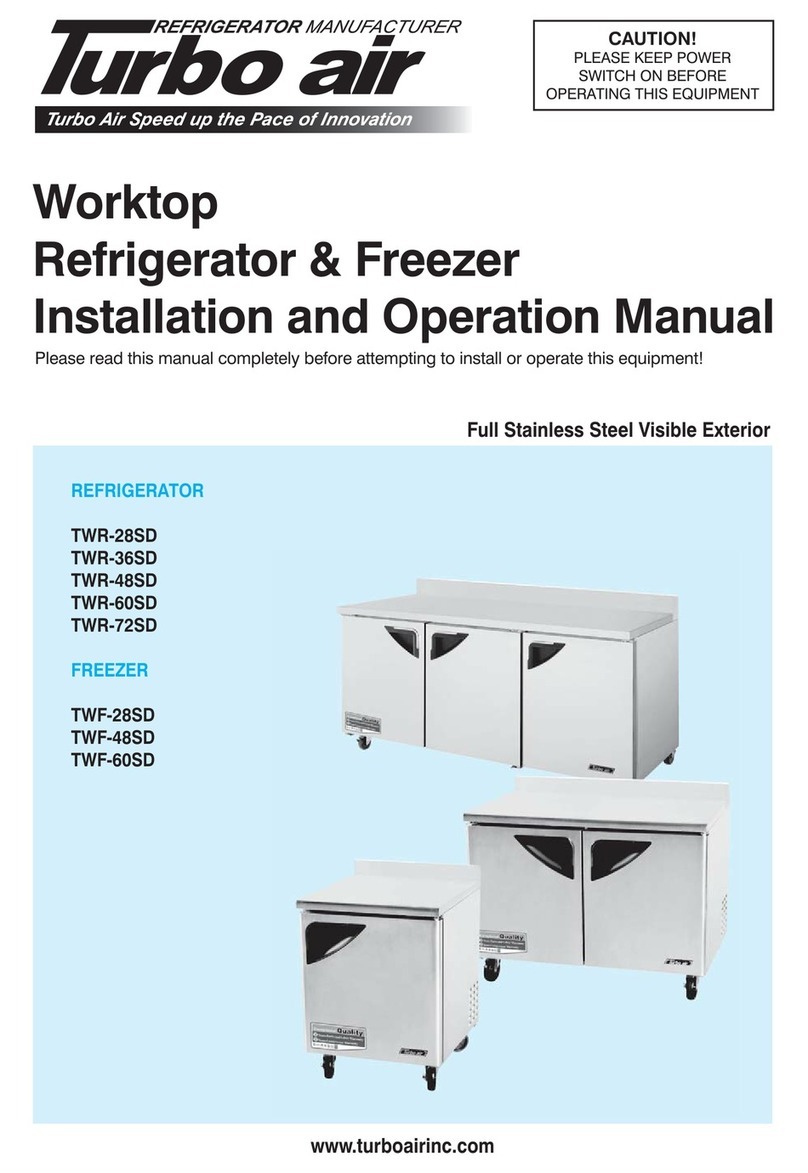
  9. Turboair TWR-28SD-D2 User manual

Turboair TWR-28SD-D2 User manual

This manual suits for next models

6

Other Turboair Refrigerator manuals

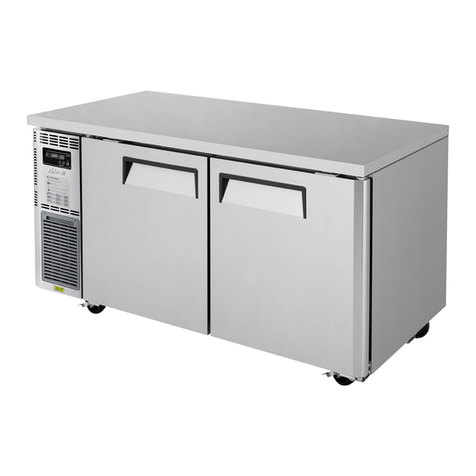
Turboair JRF-45 User manual

Turboair

Turboair JRF-45 User manual

Turboair TUR-28SD User manual

Turboair

Turboair TUR-28SD User manual

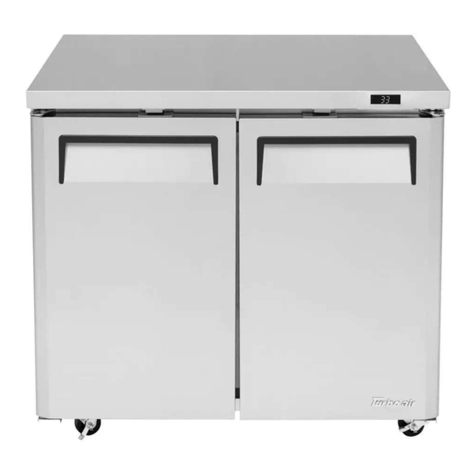
Turboair MUR-28 User manual

Turboair

Turboair MUR-28 User manual

Turboair PRO-26R User manual

Turboair

Turboair PRO-26R User manual

Turboair KUR9-1 User manual

Turboair

Turboair KUR9-1 User manual

Turboair MUF-36 User manual

Turboair

Turboair MUF-36 User manual

Turboair TST-36SD-15 User manual

Turboair

Turboair TST-36SD-15 User manual

Turboair PRO-89R-RI-N User manual

Turboair

Turboair PRO-89R-RI-N User manual

Turboair MUR-28-N User manual

Turboair

Turboair MUR-28-N User manual

Turboair TUR-60SD User manual

Turboair

Turboair TUR-60SD User manual

Turboair JRF-19 User manual

Turboair

Turboair JRF-19 User manual

Turboair TPR-44SD-D2 User manual

Turboair

Turboair TPR-44SD-D2 User manual

Turboair TSR-23SD User manual

Turboair

Turboair TSR-23SD User manual

Turboair J series User manual

Turboair

Turboair J series User manual

Turboair TCBE-36SDR User manual

Turboair

Turboair TCBE-36SDR User manual

Turboair Smart 7 User manual

Turboair

Turboair Smart 7 User manual

Turboair PRO-77R-GSH-N User manual

Turboair

Turboair PRO-77R-GSH-N User manual

Turboair JBT-36-N User manual

Turboair

Turboair JBT-36-N User manual

Turboair TGM-11WR User manual

Turboair

Turboair TGM-11WR User manual

Turboair TGM-69R User manual

Turboair

Turboair TGM-69R User manual

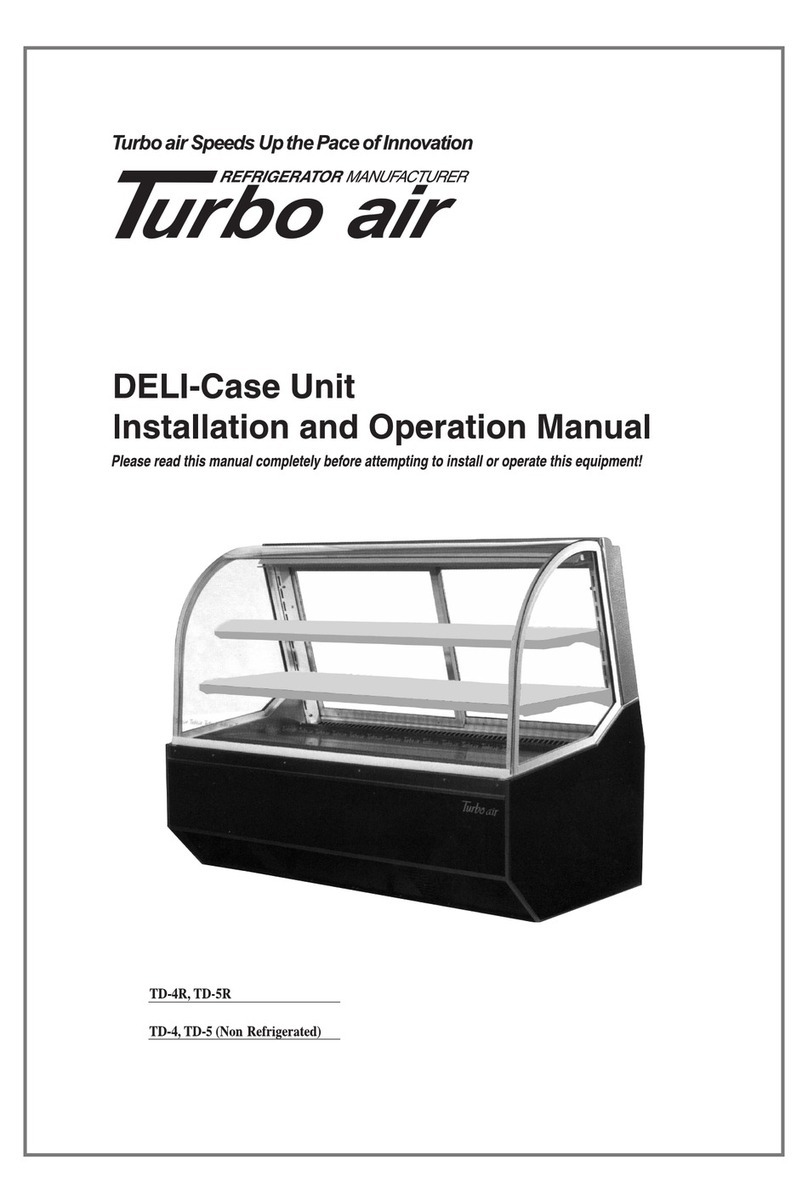
Turboair TD-4R User manual

Turboair

Turboair TD-4R User manual

Turboair JRF-65 User manual

Turboair

Turboair JRF-65 User manual

Turboair M3R19-1-N-L User manual

Turboair

Turboair M3R19-1-N-L User manual

Turboair Super Deluxe Series User manual

Turboair

Turboair Super Deluxe Series User manual

Popular Refrigerator manuals by other brands

Frigidaire FRS26TS7DW2 Use & care manual

Frigidaire

Frigidaire FRS26TS7DW2 Use & care manual

Fisher Scientific 10ECEEFSA manual

Fisher Scientific

Fisher Scientific 10ECEEFSA manual

Summit FF22BDRSS user manual

Summit

Summit FF22BDRSS user manual

Frigidaire FFRU17B2QWE use & care

Frigidaire

Frigidaire FFRU17B2QWE use & care

Hotpoint ENBGH 19xxx FW operating instructions

Hotpoint

Hotpoint ENBGH 19xxx FW operating instructions

Hitachi R-SG28KPH instruction manual

Hitachi

Hitachi R-SG28KPH instruction manual

Dometic RMH 7390 L operating instructions

Dometic

Dometic RMH 7390 L operating instructions

AEG S71700TSW0 user manual

AEG

AEG S71700TSW0 user manual

Electrolux ENB3669 Instruction book

Electrolux

Electrolux ENB3669 Instruction book

Electrolux ERN 2930 Instruction book

Electrolux

Electrolux ERN 2930 Instruction book

Beko GNE 60520 X user manual

Beko

Beko GNE 60520 X user manual

Jenn-Air JUR248LBES00 Use & care guide

Jenn-Air

Jenn-Air JUR248LBES00 Use & care guide

Dometic RGE 4000 Installation and operating manual

Dometic

Dometic RGE 4000 Installation and operating manual

Dometic L-0191B Brochure & specs

Dometic

Dometic L-0191B Brochure & specs

LG LRBP1031W - 10 Cu. Ft. Cabinet Depth Bottom Freezer... owner's guide

LG

LG LRBP1031W - 10 Cu. Ft. Cabinet Depth Bottom Freezer... owner's guide

Daewoo RN-33 Series user manual

Daewoo

Daewoo RN-33 Series user manual

Haier RF-8888-174 Service manual

Haier

Haier RF-8888-174 Service manual

Blaupunkt 5CK2 Series user manual

Blaupunkt

Blaupunkt 5CK2 Series user manual

manuals.online logo
manuals.online logoBrands
  • About & Mission
  • Contact us
  • Privacy Policy
  • Terms and Conditions

Copyright 2025 Manuals.Online. All Rights Reserved.

Turbo Air Speeds up the Pace of Innovation
Worktop
Refrigerators & Freezers
Installation and Operation Manual
Please read this manual completely before attempting to install or operate this equipment
REFRIGERATORS
TWR-28SD-D2
TWR-48SD-D2
TWR-48SD-D4
TWR-60SD-D2
TWR-60SD-D2
FREEZERS
TWF-28SD-D2
TWF-48SD-D2
TWF-48SD-D4
www.turboairinc.com
Full Stainless Steel Visible Exterior
2
CONTENTS
SPECIFICATIONS
SERIAL NUMBER
PAGE
The serial number is located on the rating label which is on the left interior wall.
Please retain the unitʼs serial number for service purpose.
SPECIFICATIONS 2
SERIAL NUMBER 2
INSTALLATION OF CASTER 3
INSTALLATION OF DRAIN PAN 3
HOW TO CLEAN THE PAN SUPPORTER 4
DRAWER PAN CAPACITY 4
REMOVAL DRAWER 5
INSTALLATION 6
CLEANING & CAUTION 7
BASIC OPERATION 8
TROUBLESHOOTING 9
WARRANTY 10-11
STAINLESS STEEL EQUIPMENT CARE AND CLEANING 11-13
REFRIGERATOR
MODEL COMP H.P. V/Hz REFRIGERANT AMPS WEIGHT
TWR-48SD-D2 1/3 115V/60Hz R-134A 6.5A 264lbs
TWR-48SD-D4 1/3 115V/60Hz R-134A 6.5A 271lbs
TWR-28SD-D2 1/4 115V/60Hz R-134A 6.6A 180lbs
TWR-60SD-D4 1/3 115V/60Hz R-134A 9.9A 312lbs
TWR-60SD-D2 1/3 115V/60Hz R-134A 8.9A 299lbs
FREEZER
MODEL COMP H.P. V/Hz REFRIGERANT AMPS WEIGHT
TWF-48SD-D2 1/2 115V/60Hz R-134A 8.3A 264lbs
TWF-48SD-D4 1/2 115V/60Hz R-134A 8.3A 271lbs
TWF-28SD-D2 1/3 115V/60Hz R-134A 5.3A 180lbs
3
INSTALLATION OF CASTERS
INSTALLATION OF DRAIN PAN
1) In damp season, when the drain water overflow the drain pan, remove the
drain pan and pour the water away. And then set the drain pan back up as
below drawing please (Model : TWR-28SD-D2, TWF-28SD-D2).
1) Screw the caster (in rear side) and the caster brakes (in front side) by using
caster wrench.
2) Use the caster shims to level the cabinet, if necessary, by inserting them to
stems of the casters.
ROTATION
CASTER (2EA)
CASTER (WITH BRAKE)(2EA)
4
REMOVAL DRAWER
DRAWER PAN CAPACITY
1. 28 SERIES
Each drawer accommodates 6 (1/6 size)
L (67/8”) x W (61/4”) x H (4” and 8”)
Food pan (sold seperately)
2. 48 SERIES
Each drawer accommodates 4 (1/6 size)
L (67/8”) x W (61/4”) x H (4” and 8”)
Food pan (sold seperately)
3. 60 SERIES
Each drawer accommodates 6 (1/6 size)
L (67/8”) x W (61/4”) x H (4” and 8”)
Food pan (sold seperately)
Fully extend the drawer out toward you as pictured. After full extension,
lift the drawer up and pull towards you. This will disengage the rollers
from the roller guide.
5
INSTALLATION
CLEANING
1. GOOD AIR CIRCULATION
- Be sure to avoid any object which may stop the air flow
- Be sure that there is ample air space so that air can flow through the rear of the unit
- Turbo Air recommends that the rear of the unit be no less than 5 inches from the wall
2. PLACE ON STRONG GROUND
- Be sure the location chosen has a strong enough floor to support the total weight of
the cabinet and any other contents
3. DO NOT PLACE NEAR HEAT
- Be sure to avoid hot corners and locations near stoves
- High ambient temperature will make much lower cooling efficiency
4. INDOOR USAGE ONLY
- Be sure to install this unit indoor
- So, it should prohibit getting wet from the rain
5. STABILIZING
- Make sure the unit is installed in a stable condition with the front wheels locked
while in use
6. LEVELING
- Be sure that the unit is level from front to back and side to side
7. UNIT SHOULD BE ON DEDICATED OUTLET
1. CLEANING THE INTERIOR AND EXTERIOR
- The interior and exterior of the unit can be cleaned using warm water with soap
- Do not use an abrasive cleaner because it will scratch the surface
2. CLEANING THE CONDENSER FINS
- Be sure to keep the condenser coil must be free of dust because of cooling
effect higher
3. CLEAN THE GASKET
- The door gasket should be cleaned frequently to maintain proper sealing
4. CHECK AFTER CLEANING
- Check the unit again for safety
- Check that the unit is operating properly
6
CAUTION
BASIC OPERATION
1. POWER CORD
- Be sure the power cord is connected to the proper voltage
- A protected circuit of the correct voltage and amperage must be run for connection of
the line cord
- Turn ʻoffʼ the power switch before disconnecting the power cord, whenever
performing maintenance functions or cleaning the refrigerated cabinet
- Compressor warranties are void if compressor burns out due to low voltage
2. RE-STARTING
- If disconnected, wait 5 minutes before re-starting
1. The controller(thermostat) is located at the right inside of the unit.
2. The factory setting for the control is ‘Normal’.
3. Set toward ‘Cool’ for higher temperature and ‘Cold’ for lower temperature.
4. The thermostat controls compressor’s on/off by sensing inside temperature.
If thermostat knob is pointing at OFF, compressor and condenser fan motor
would not run.
Keep unit unplugged, if not in use for a long period of time.
•
•
7
TROUBLESHOOTING
SYMPTOMS CAUSES SOLUTIONS
Refrigerator(Freezer)
is freezing(melting)
food
The unit does not
refrigerate at all
The unit does not
refrigerate well
There is a loud noise
There are dew-drops
on the unit exterior
There are dew-drops
on the unit interior
The door does not
close tightly
• The setting temperature is too
low(high) to maintain food
freshness.
• There is a power connection
failure problem.
• The unit is in sunlight or near a
heating device.
• The unit contains hot food or too
much food.
• The unit door is opened too
frequently or left open too long.
• The temp. dial is not on the
correct position.
• The condenser is clogged.
• The floor is too weak or the
leveling feet are set incorrectly.
• The backside of the unit is too
close to the wall.
• The tray is not in the correct
position.
• High-moisture air can produce
dewdrops during rainy seasons.
• The door is opened too
frequently or left open too long.
• Damp food is stored.
• The door is bent.
• The unit is not level.
• The door gasket has come out.
• Turn the temperature dial to a
warmer(colder) setting.
•
Check the power cord to make sure
the unit is pluged in it correctly
.
• Move out of sunlight or away
from heater.
• Check the condition of stored
food.
• Check the position of the temp
control dial.
• Check the installation and
adjust the tray position.
• Wipe with a dry cloth.
• Keep the door closed to
remove dewdrops.
• Level the unit again.
• Reposition the gasket.
The following points are not malfunctions:
• A water-flowing sound can be heard when the compressor stops.
This is the sound of REFRIGERANT flowing.
• The compressor does not run during the defrost cycle.
12
STAINLESS STEEL EQUIPMENT CARE AND CLEANING
CAUTION : Do not use any steel wool, abrasive or chlorine based products to
clean stainless steel surfaces.
Stainless Steel Opponents
There are three basic things which can break down your stainless steel’s passivity layer and allow
corrosion to rear its ugly head.
1) Scratches from wire brushes, scrapers, and steel pads are just a few examples of items that
can be abrasive to stainless steel’s surface.
2) Deposits left on your stainless steel can leave spots. You may have hard or soft water depend-
ing on what part of the country you live in. Hard water can leave spots. Hard water that is
heated can leave deposits if left to sit too long. These deposits can cause the passive layer to
break down and rust your stainless steel. All deposits left from food prep or service should be
removed as soon as possible.
3) Chlorides are present in table salt, food, and water. Household and industrial cleaners are the
worst type of chlorides to use.
8 step that can help prevent rust on stainless steel:
1. Using the correct cleaning tools
Use non-abrasive tools when cleaning your stainless steel products. The stainless steel’s
passive layer will not be harmed by soft cloths and plastic scouring pads. Step 2 tells you how
to find the polishing marks.
2. Cleaning along the polish lines
Polishing lines or “grain” are visible on some stainless steels. Always scrub parallel to visible
lines on some stainless steels. Use a plastic scouring pad or soft cloth when you cannot see
the grain.
3. Use alkaline, alkaline chlorinated or non-chloride containing cleaners
While many traditional cleaners are loaded with chlorides, the industry is providing an ever
increasing choice of non-chloride cleaners. If you are not sure of your cleaners chloride content
contact your cleaner supplier. If they tell you that your present cleaner contains chlorides, ask if
they have an alternative. Avoid cleaners containing quaternary salts as they can attack
stainless steel, causing pitting and rusting.
13
4. Water Treatment
To reduce deposits, soften the hard water when possible. Installation of certain filters can
remove corrosive and distasteful elements. Salts in a properly maintained water softener can
be to your advantage. Contact a treatment specialist if you are not sure of the proper water
treatment.
5. Maintaining the cleanliness of your food equipment
Use cleaners at recommended strength (alkaline, alkaline chlorinated or non-chloride). Avoid
build-up of hard stains by cleaning frequently. When boiling water with your stainless steel
equipment, the single most likely cause of damage is chlorides in the water. Heating nay
cleaners containing chlorides will have the same damaging effects.
6. Rinse
When using chlorinated cleaners you must rinse and wipe dry immediately. It is better to wipe
standing cleaning agents and water as soon as possible. Allow the stainless steel equipment to
air dry. Oxygen helps maintain the passivity film on stainless steel.
7. Hydrochloric acid (muriatic acid) should never be used on stainless steel.
8. Regularly restore/passivate stainless steel.
Recommended cleaners for certain situation/environments of stainless steel.
A) Soap, ammonia and detergent medallion applied with a cloth or sponge can be used for
routine cleaning.
B) Arcal 20, Lac-O-Nu Ecoshine applied provides barrier film for fingerprints and smears.
C) Cameo, Talc, Zud First Impression is applied by rubbing in the direction of the polished lines
for stubborn stains and discoloring.
D) Easy-off and De-Grease it oven aid are excellent for removals on all finishes for grease-fatty
acids, blood and burnt-on foods.
E) Any good commercial detergent can be applied with a sponge or cloth to remove grease and
oil.
F) Benefit, Super Sheen, Sheila Shine are good for restoration/passivation.
Turbo Air warrants to the original purchaser of every new Turbo Air refrigerated unit, the cabinet and all parts thereof, to be free
from defects in material or workmanship, under normal use and service, for a period of three (3) year from the date of original
installation or 39 months after shipment date from Turbo Air , whichever occurs first.
Any parts covered by this warranty that are examined and determined by Turbo Air to have been defective within three (3) year of
original installation or thirty nine (39) months after shipment date from manufacturer, whichever occurs first, shall be repaired or
replaced as stated below. Turbo Air shall be deemed to have fully complied with its obligation under the foregoing warranties by
electing either one of the following procedures, at the sole discretion of Turbo Air.
1. Furnishing a replacement part, freight collect, in even exchange for the returned part, freight collect.
2. Receiving the defective part, freight collect; repairing it; and returning it, freight collect.
In addition to the three (3) year warranty stated above, Turbo Air warrants its hermetically and semi-hermetically sealed
compressor to be free from defects in both material and workmanship under normal use and service for a period of two (2)
additional years from the date of original installation but not to exceed five (5) years and three (3) months after shipment from
manufacturer.
Compressors determined by Turbo Air have been defective within this extended time period will, at Turbo Airʼs option, be either
repaired or replaced with a compressor or compressor parts of similar design and capacity.
The two (2) year extended compressor warranty applies only to hermetically and semi-hermetically sealed parts of the
compressor and does not apply to any other parts or components, including, but not limited to, cabinet, paint finish, temperature
control, refrigerant, metering device, driers, motor starting equipment, fan assembly any other electrical component, etcetera.
The five year compressor warranty detailed above will be voided if the following procedure is not carefully adhered to:
1. This system contains R134A refrigerant and polyol ester lubricant. The Polyol ester lubricant has rapid moisture absorbing
qualities. If long exposure to the ambient conditions occur, the lubricant must be removed and replaced with new. Listed below
are the approved lubricants for the Tecumseh compressors.
1 ICI-Emkarate RL 184
2 Emery-2927-A
3 Mobile Artic 22A
Failure to comply with recommended lubricant specification will void the compressor warranty.
2. Dryer replacement is very important and must be changed when a system is opened for servicing. dryer must be used with XH-
9 desiccant.
3. Micron level vacuums must be achieved to insure low moisture levels in the system. 500 microns or lower must obtained.
MANUFACTURING COMPANY
THREE YEAR WARRANTY
ADDITIONAL TWO YEAR COMPRESSOR WARRANTY
134A(404A) COMPRESSOR WARRANTY