6
Product Description
Intelligent Distributed Amplifier System (IDAS) is a distributed network of active coverage nodes
controlled by an intelligent head-end called the HE4. The head-end simultaneously supports 2G, 3G, &
4G communication services from multiple carriers. The product is connected to donor antennas that
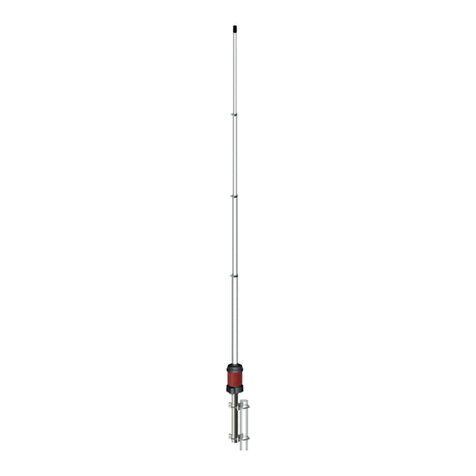
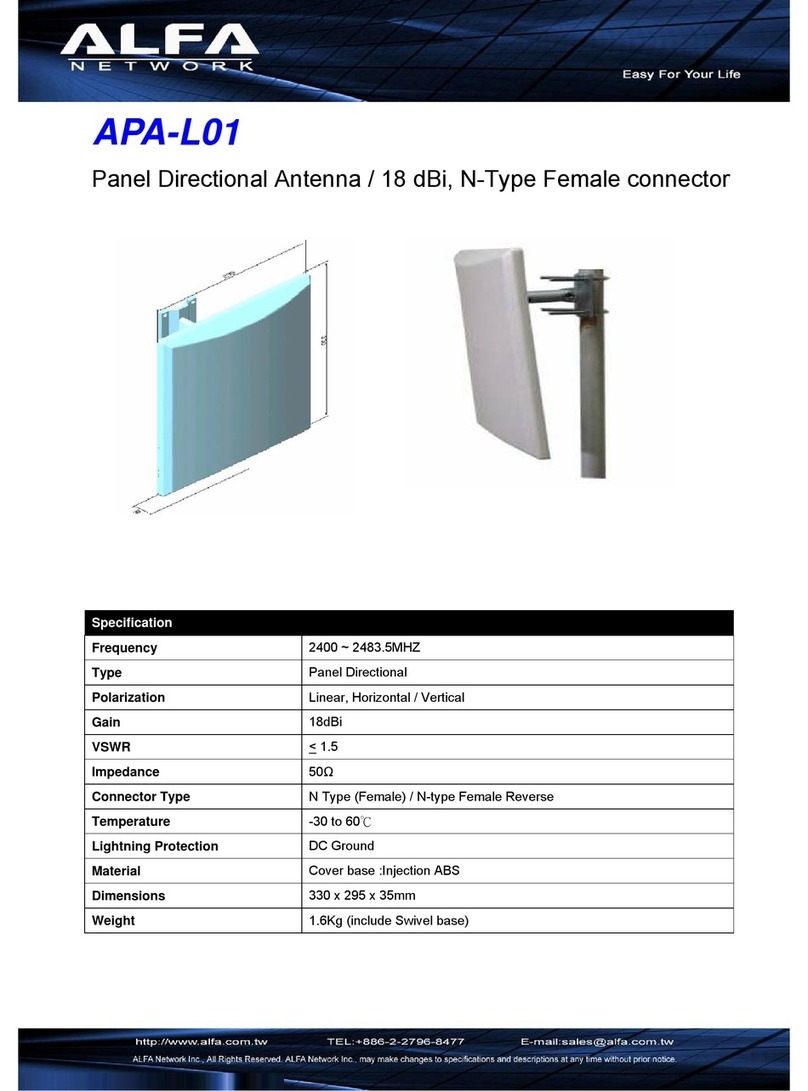
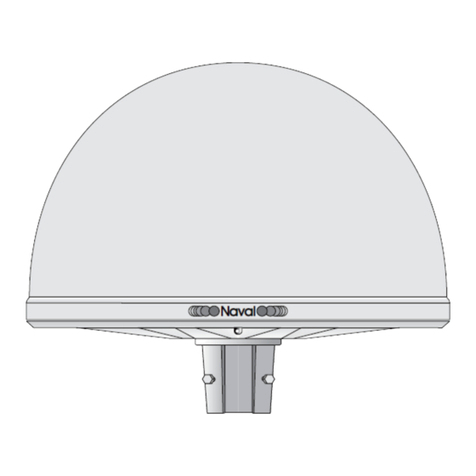
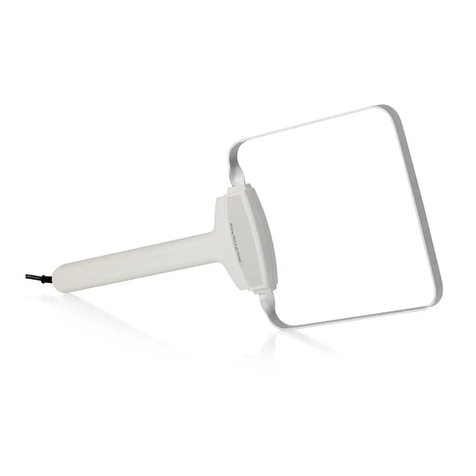
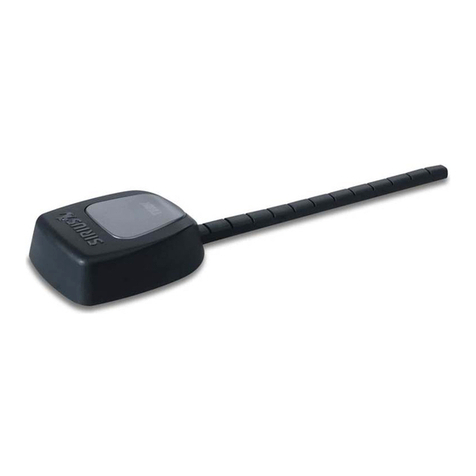
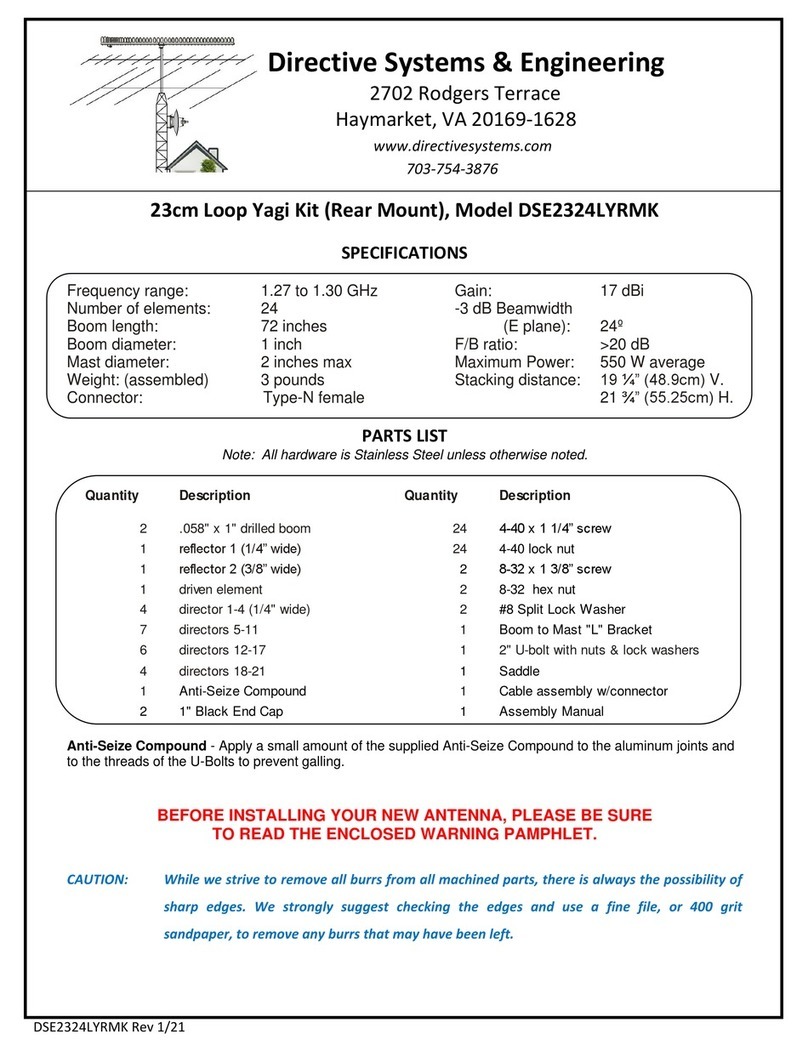
are normally roof mounted to capture the strongest mobile broadband signals available. The signals are
transmitted from the donor antennas into the head-end where the signals are filtered, balanced to
correct near and far tower signals, amplified, and transmitted to each of the coverage nodes within the
building. Each coverage node is a linear and ultra-low noise amplifier that supports voice, texting, and
demanding data centric applications providing a very scalable in-building network. The major features
include supporting all major networks simultaneously, high speed data, programmable signaling, and
alarm triggers for all degraded network conditions.
The HE4 is a fully programmable device that can adjust uplink and downlink signaling as well as
providing feedback on donor antenna positioning. During idle mode or in a state where no uplink signal
is present, the uplink gain on the HE4 is lower than the maximum gain to reduce electronic noise output.
When an uplink signal is present, the output power is adjusted accordingly as needed for power level
control required for a variety of communication protocols. The product works in conjunction with a
network of coverage nodes and associated donor antennas.
Automatic Shutdown
The detected power levels are monitored by a microcontroller in the HE4. The microcontroller limits the
maximum output power to keep the amplifiers linear without interfering with the network power
control. The HE4 will also detect low-level self-oscillation and corrects it in real-time. During installation
the HE4 alerts the user with LED outputs to adjust the position of the antennas if the unit is self-
oscillating to clear the issue. If the microcontroller cannot correct the self-oscillation it will shut the unit
down to protect the network and notify the user with LED outputs on the unit.
To resolve oscillation, increase the antenna separation between in-building antennas or provide
improved isolation from the outside donor antennas and the in-building antennas. This isolation should
be in the order of 70 dB and is usually obtained by mounting the outside antenna away from the edges
of the roof. The use of window mounts or other non-rooftop mountings should be avoided.
Remote Access
The HE4 has a microcontroller that interfaces to a cellular modem (FCC ID: RI7DE910-DUAL) that
supports remote data access. The modem is continuously checking for an incoming connection, and if
found it will complete the connection and open up a data path to the unit. This allows for a remote
program to monitor the HE4 activity, make any necessary adjustments, or shut down the HE4 if needed.
The internal contained cellular modem (FCC ID: RI7DE910-DUAL) is a dual band device supporting
800/1900MHZ frequency bands as well as CDMA 1xRTT and CDMA 1xEV-DO Rev. A Air Interfaces.