manuals.online logo
Brands
  1. Home
  2. •
  3. Brands
  4. •
  5. ALCO
  6. •
  7. Smoke Alarm
  8. •
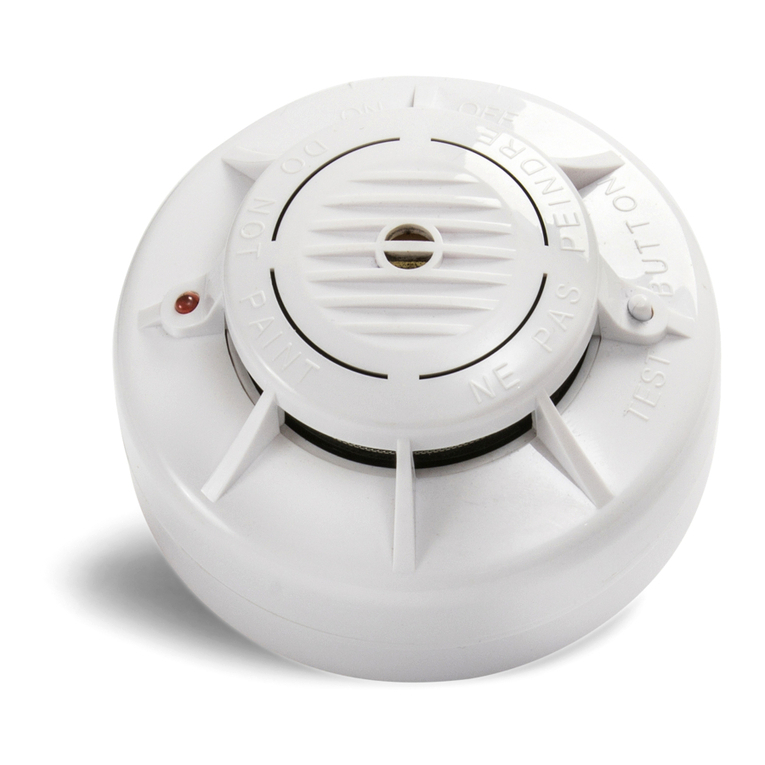
  9. ALCO CFS-SD300 Series User manual

ALCO CFS-SD300 Series User manual

Popular Smoke Alarm manuals by other brands

Dyna-Glo DGY784BDP installation instructions

Dyna-Glo

Dyna-Glo DGY784BDP installation instructions

NOXE LUMENS Installation and user guide

NOXE

NOXE LUMENS Installation and user guide

Develco SMAZB-141 installation manual

Develco

Develco SMAZB-141 installation manual

Kidde PI2010CA user guide

Kidde

Kidde PI2010CA user guide

Honeywell 5800COMBO Installation and setup guide

Honeywell

Honeywell 5800COMBO Installation and setup guide

Gentex 7109CS installation instructions

Gentex

Gentex 7109CS installation instructions

FireAngel Thermoptek ST-622 user manual

FireAngel

FireAngel Thermoptek ST-622 user manual

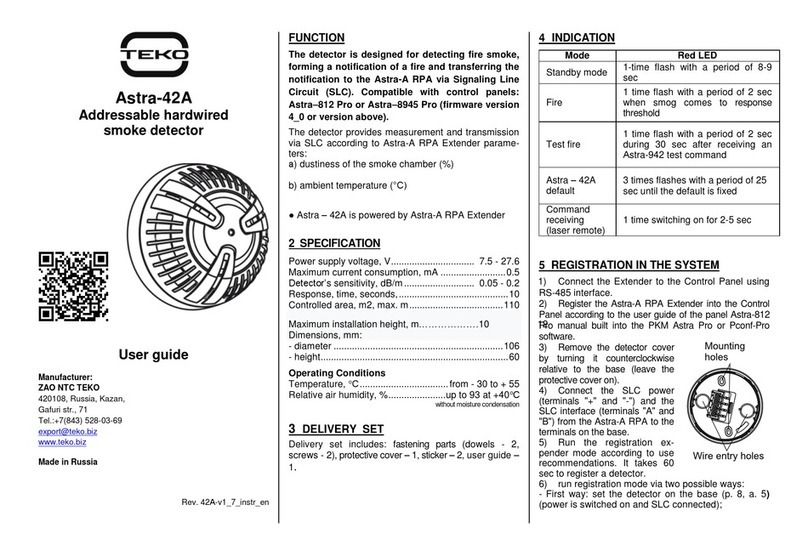
teko Astra-42A user guide

teko

teko Astra-42A user guide

ELRO FS8110 instruction manual

ELRO

ELRO FS8110 instruction manual

Heiman SMOKI NS-626PHS user manual

Heiman

Heiman SMOKI NS-626PHS user manual

Siemens PE-11C installation instructions

Siemens

Siemens PE-11C installation instructions

Resolution Products RE612 CryptiX quick start guide

Resolution Products

Resolution Products RE612 CryptiX quick start guide

First Alert PC900V user manual

First Alert

First Alert PC900V user manual

Eminent EM6590 E-Domotica user manual

Eminent

Eminent EM6590 E-Domotica user manual

Ei Electronics Ei Ei168RC user manual

Ei Electronics

Ei Electronics Ei Ei168RC user manual

Carrier Kidde Quell Q301 user manual

Carrier

Carrier Kidde Quell Q301 user manual

Family Gard FG225 user manual

Family Gard

Family Gard FG225 user manual

Regin SDD-S65 instruction manual

Regin

Regin SDD-S65 instruction manual

manuals.online logo
manuals.online logoBrands
  • About & Mission
  • Contact us
  • Privacy Policy
  • Terms and Conditions

Copyright 2025 Manuals.Online. All Rights Reserved.




NOTE:All wiring must conform to applicable local codes, ordinances, and regulations.
NOTE: Verify that all detector bases are installed, that the initiating-device circuits have
been tested, and that the wiring is correct.
- Wire the sensor base per the wiring diagram.
- Notify the proper authorities that the system is in operation.
- After all sensors have been installed, apply power to the control unit.
- Test the sensor(s) as described in the TESTING section of this manual.
- Install the sensor into the sensor base. Push the sensor into the base
while turning it clockwise to secure it in place.
NOTICE: This manual should be left with the owner/user of this equipment.
IMPORTANT: The detector must be tested and maintained regularly following NFPA 72
requirements. The detector should be cleaned at least once a year.
Weight:
Diameter:
Height:
5.5 oz. (155 g)
4.0˝(103 mm)
2.2˝(55 mm) installed in Base
Operating Voltage Range:
Standby Current:
Maximum Alarm Current (LED on)
Operating Humidity Range:
Operating Temperature Range:
Adjustable Sensitivity:
9 to 28VDC Volts Non-polarized
≤60µA @ 24 VDC
≤30mA @ 24 VDC
10% to 93% Relative Humidity,
14°F to 122°F (-10°C to50°C)
0.15~0.3dB/m

intelligent solutions





Remove power from initiating-device circuits before installing detectors




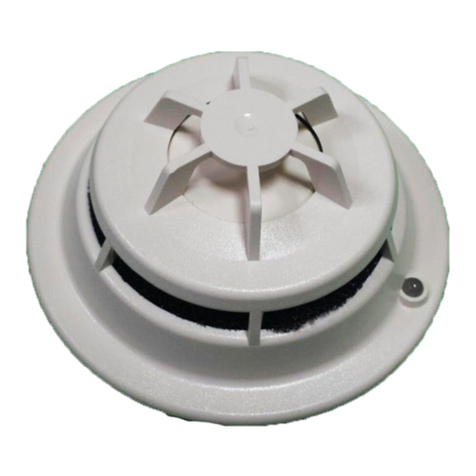
- The device is photo electronic detector uses a state of-the-art optical sensing chamber.
- The alarm can be reset only by a momentary power interruption.
- Two LEDs on each detector provide local 360° visible alarm indication.
- They flash every 5 seconds indicating that power is applied and the detector is working properly.
- The LEDs latch on in alarm. LEDs will be off when a trouble condition exists indicating that the
detector sensitivity is outside the listed limit.
- This detector is designed to provide open area protection and to be used with most conventional
fire alarm control panel
- Before testing, notify the proper authorities that the smoke detector system is undergoing
maintenance and will temporarily be out of service.
- Disable the zone or system undergoing maintenance to prevent unwanted alarms.
- Detectors must be tested after installation and as part of periodic maintenance.
NOTE:Before testing the detector, check to ensure the LEDs blink.
- If they do not, the detector has lost power (check the wiring), it is defective (return it for repair),
or the detector sensitivity is outside the listed limits.
The sensor can be tested in the following ways:
- Smoke Entry test: Aerosol Generator (Gemini 501)
- The GEMINI model 501 aerosol generator can be used for smoke entry testing. Set the generator
to represent.
- 4%/ft to 5%/ft obscuration as described in the GEMINI 501 manual. Using the bowl shaped
applicator apply aerosol until the panel alarms.
- A sensor that fails any of these tests should be cleaned as described under CLEANING, and
retested. If the sensor fails after cleaning, it must be replaced.
The detector include a tamper-resistant capability that prevents their removal from the bracket
without the use of a tool.
Before removing the detector, notify the proper authorities that the smoke detector system is
undergoing maintenance and will be temporarily out of service. Disable the zone or system
undergoing maintenance to prevent unwanted alarms.
- Remove the sensor to be cleaned from the system.
- Vacuum the screen carefully without removing it. If further cleaning is required.
- Remove the chamber cover/screen assembly by pulling it straight out.
- Use a vacuum cleaner or compressed air to remove dust and debris from the sensing chamber.
- Turn until it is firmly in place.
- Remove the sensor cover by pressing firmly on each of the four removal tabs that hold the cover
in place.

intelligent solutions