manuals.online logo
Brands
  1. Home
  2. •
  3. Brands
  4. •
  5. Amulet Hotkey
  6. •
  7. Control Unit
  8. •
  9. Amulet Hotkey CoreModule User manual

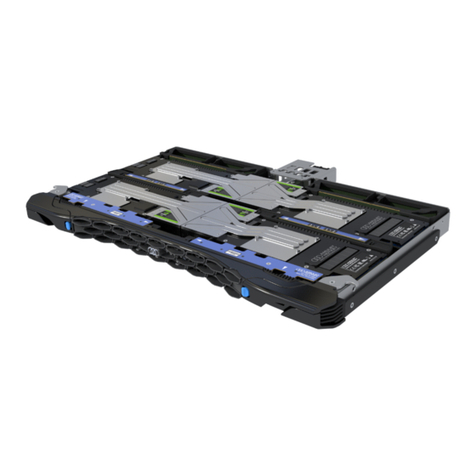
Amulet Hotkey CoreModule User manual

Other Amulet Hotkey Control Unit manuals

Amulet Hotkey DXF-EXP User manual

Amulet Hotkey

Amulet Hotkey DXF-EXP User manual

Amulet Hotkey MX7000 CoreModule User manual

Amulet Hotkey

Amulet Hotkey MX7000 CoreModule User manual

Popular Control Unit manuals by other brands

Seitz 14A80 user manual

Seitz

Seitz 14A80 user manual

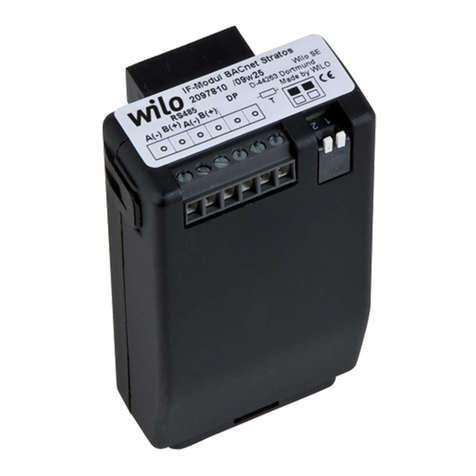
Wilo RS485 Installation and operating instructions

Wilo

Wilo RS485 Installation and operating instructions

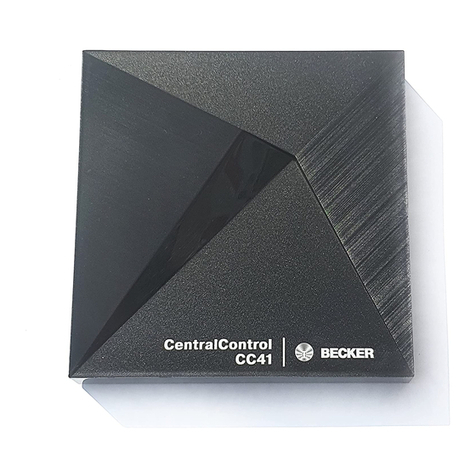
Becker CentralControl CC41 Commissioning Instruction

Becker

Becker CentralControl CC41 Commissioning Instruction

SICK CDB650 operating instructions

SICK

SICK CDB650 operating instructions

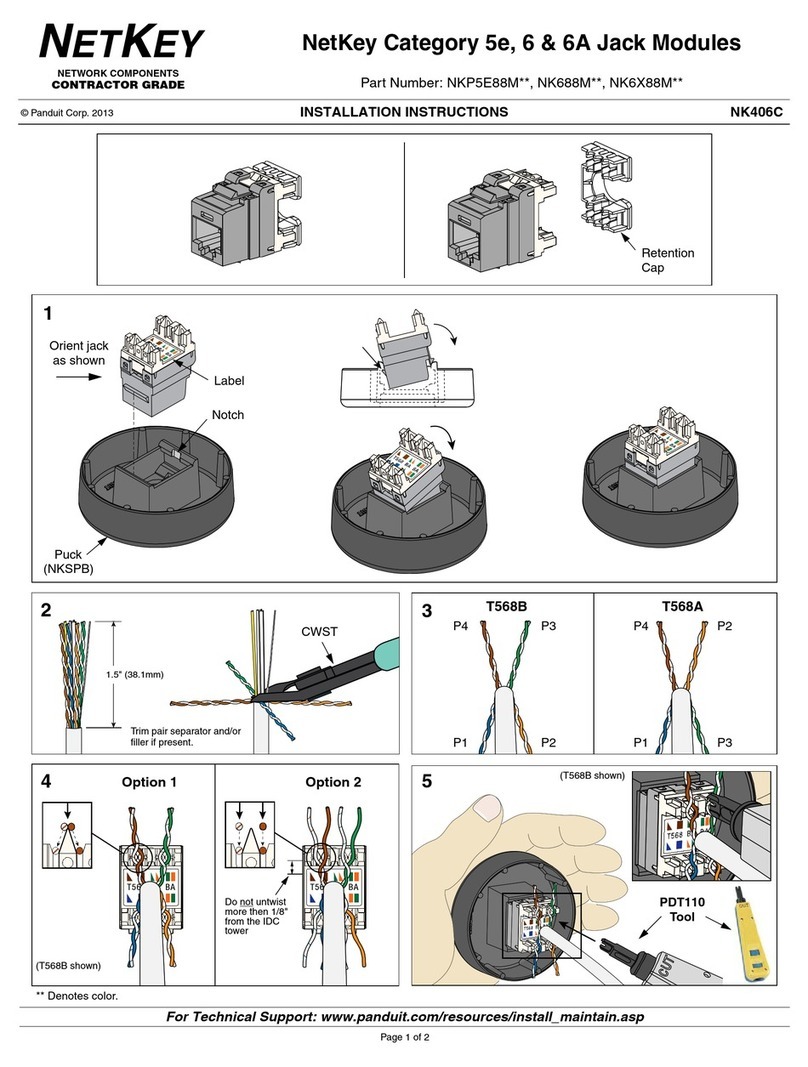
Panduit NetKey NKP5E88M Series installation instructions

Panduit

Panduit NetKey NKP5E88M Series installation instructions

MX Options Concentric Petite Fitting instructions

MX

MX Options Concentric Petite Fitting instructions

Clean Water Systems Fleck 2510 Installation & start?up guide

Clean Water Systems

Clean Water Systems Fleck 2510 Installation & start?up guide

Fairchild FSB44104A user guide

Fairchild

Fairchild FSB44104A user guide

LEGRAND Wattstopper LMIN-104 installation instructions

LEGRAND

LEGRAND Wattstopper LMIN-104 installation instructions

PMK ATT10BNCS instruction manual

PMK

PMK ATT10BNCS instruction manual

Tektronix TDS3FFT user manual

Tektronix

Tektronix TDS3FFT user manual

Woodward easYgen Technical manual

Woodward

Woodward easYgen Technical manual

Balluff BNI EIP-502-105-R015 user guide

Balluff

Balluff BNI EIP-502-105-R015 user guide

NXP Semiconductors TWR-LS1021A Getting started

NXP Semiconductors

NXP Semiconductors TWR-LS1021A Getting started

Advantech PCM-3117 Startup manual

Advantech

Advantech PCM-3117 Startup manual

Danfoss MCO 101 manual

Danfoss

Danfoss MCO 101 manual

Moons' Lin Engineering R701P user manual

Moons'

Moons' Lin Engineering R701P user manual

Aventics RV1 operating instructions

Aventics

Aventics RV1 operating instructions

manuals.online logo
manuals.online logoBrands
  • About & Mission
  • Contact us
  • Privacy Policy
  • Terms and Conditions

Copyright 2025 Manuals.Online. All Rights Reserved.

HOTKEY
AMULET
®
CoreModule
GPU acceleration for the MX7000
www.amulethotkey.com CoreModule Quick Start Guide 1.1 December 2019
QS-MX7K-0001
Quick Start Guide
The Amulet Hotkey CoreModule is a unique core expansion module that brings
graphics virtualization and GPU compute acceleration to Dell EMC’s PowerEdge
MX7000 Modular Chassis platform.
CoreModule kit includes:
■CoreModule expansion module with space for four CoreCartridges;
■At least one CoreCartridge (not fitted);
■Amulet Hotkey Mezzanine (‘Mezz’) card(s) with orthogonal connector.
Requirements
■At least one MX740c or MX840c compute sled installed in an MX7000
enclosure. The sled must have two Scalable Xeon CPUs installed
■Each sled that accesses a CoreCartridge requires a new mezz card
■Two compute sleds to utilize both GPUs in a CoreCartridge
■Two CoreModules to utilize two GPUs per compute sled
Caution
■Power down any sleds that connect to the CoreModule with Amulet
Hotkey Mezzanine cards before you install or remove a CoreModule
■Always use appropriate anti-static handling procedures
Before you start
1. Remove all packaging and keep.
2. Power down any sleds that connect to the CoreModule with an Amulet Hotkey
mezzanine card.
3. Select the correct location for the CoreCartridge(s) in the CoreModule.
Example: If there are two compute sleds in slots 1 and 2 in the chassis then install
the CoreCartridge into position A. See Figure 1.
Figure 1: Mapping of CoreCartridge to Compute Sleds
Prepare the sled(s)
1. Do the following for each sled that will access a CoreCartridge.
■Remove a compute sled from the MX7000 enclosure
■Install the Amulet Hotkey Mezzanine card in the sled
■Replace a compute sled in the MX7000 enclosure
Remove a compute sled from the MX7000 enclosure
1. Press the blue release button on the sled to release the sled handle. See Figure 2.
2. Hold the sled handle and slide the sled out of the enclosure. See Figure 2.
2
1
1 MX7000 chassis with CoreModule. 2 CoreModule. 3 CoreCartridge.
3. Place the sled on the flat surface with the cover upwards. See Figure 3.
4. Press the blue release tab on the cover and move the cover towards the rear.
5. Hold the cover on both sides, and lift the cover away from the sled.
A
C
B
D
Figure 2: Remove a compute sled.
Figure 3: Remove the cover of the compute sled
Install the Amulet Hotkey Mezzanine card in the sled
1. With a Philips #2 screwdriver, remove any Dell mezzanine card from the Fabric B.
2. Install the Amulet Hotkey mezzanine card into Fabric B.
3. Tighten the screws with a Torx T15 screwdriver. See Figure 4.
3
Figure 4: Install the Amulet Hotkey mezzanine card
Replace a compute sled in the MX7000 enclosure
1. Replace the cover.
2. Replace the compute sled in the MX7000 enclosure.
HOTKEY
AMULET
®
CoreModule
GPU acceleration for the MX7000
www.amulethotkey.com CoreModule Quick Start Guide 1.1 December 2019
QS-MX7K-0001
Quick Start Guide
© 2019 Amulet Hotkey Ltd. All rights reserved.
Information in this document is subject to change. No part of this document may be reproduced through any means including (but not limited to) electronic or
mechanical, without express written permission from Amulet Hotkey Ltd. Amulet Hotkey Ltd may have patents, patent applications, trademarks or copyrights or other
intellectual property rights covering subject matter in this document. PC-over-IP, PCoIP and the PCoIP logo are registered trademarks of Teradici Corp. Amulet Hotkey
and ‘solutions you can bank on’ are registered trademarks of Amulet Hotkey Ltd. Other product names and company names listed within this document may be
trademarks of their respective owners. Amulet Hotkey products are designed and built in the UK.
Figure 5: Screw positions
Install a CoreCartridge in position C or D
1. Remove the plastic insert from between Position A and C or B and D. See Figure 6.
Health and Safety (Refer to legislation sheet LS-AHKL-0001)
■This device complies with part 15 of the FCC Rules (Class A)
■Operating temperature range: 15° to 35° C (59° to 95° F)
■Operating humidity range: 10% to 80% (non-condensing)
For documentation, downloads and technical assistance, visit:
For further information on all our products, visit www.amulethotkey.com.
Figure 6: Remove the plastic insert(s)
1. Lower the CoreCartridge so it is almost level with the PCIe connector.
2. Tilt the CoreCartridge slightly to engage the connector in the slot. See Figure 7.
Figure 7: Engage the CoreCartridge in the PCIe slot
3. Push the CoreCartridge into the slot till it is fully home.
4. Install the plastic insert back into position.
Install a CoreCartridge in position A or B (away from the connector)
To install in positions A or B, you must first remove the fan assembly.
1. Lift the release catch. See Figure 8.
2. Remove the fan assembly using the thumb grip. See Figure 8.
Figure 8: Remove the fan assembly
4. Power up any sleds that were powered down for this installation.
5. Check the LED indications are correct.
LED indicators
Figure 10 : LED indications
Further setup
■If you are looking to setup for VDI, see KBA 113 - Set up VDI for the T4, DXG-
M6, DXG-P6 and DXF-G cards (on the resources website)
3. Lower the CoreCartridge so it is almost level with the PCIe connector.
4. Tilt the CoreCartridge slightly to engage the connector in the slot. See Figure 7.
5. Push the CoreCartridge into the slot until it is fully home.
6. Replace the fan assembly and push the blue release catch down.
Install the CoreModule
1. Once the CoreCartridge(s) is/are installed, replace the lid of the CoreModule.
2. Install the screws in the lid.
3. Push the CoreModule into slot B1 or slot B2 in the rear of the MX7000 chassis.
See Figure 9.
Figure 9: Install the CoreModule in the MX7000 chassis
Prepare the CoreModule
1. Remove the screws in Figure 5 and keep. Do not remove any Torx screws.
2. Remove the lid of the CoreModule and keep.
Description State Meaning
1. BSM LED GREEN FLASH At least one mezz card detected and powered up
BLUE FLASH At least one mezz card detected, not powered up
AMBER FLASH No cards detected
RED FLASH Fault
2. STATUS LED GREEN Normal operation
3. DellEMC ID LED BLUE Module identification