logo
Brands
  1. Home
  2. •
  3. Brands
  4. •
  5. Ariston
  6. •
  7. Oven
  8. •
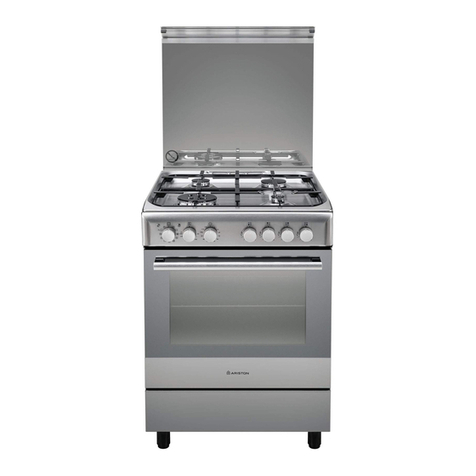
  9. Ariston CX67SP6 X NG User manual

Ariston CX67SP6 X NG User manual

Other manuals for CX67SP6 X NG

2

Other Ariston Oven manuals

Ariston FK 62C X User manual

Ariston

Ariston FK 62C X User manual

Ariston FZ61P.1 IX/Y User manual

Ariston

Ariston FZ61P.1 IX/Y User manual

Ariston FM 51 IX GB User manual

Ariston

Ariston FM 51 IX GB User manual

Ariston FK 62C X User manual

Ariston

Ariston FK 62C X User manual

Ariston OS 99D P IX User manual

Ariston

Ariston OS 99D P IX User manual

Ariston OS 89 C IX User manual

Ariston

Ariston OS 89 C IX User manual

Ariston FH 52 User manual

Ariston

Ariston FH 52 User manual

Ariston FB 51 GB User manual

Ariston

Ariston FB 51 GB User manual

Ariston 7OF 627 C RU/HA User manual

Ariston

Ariston 7OF 627 C RU/HA User manual

Ariston FZ1002.1 User manual

Ariston

Ariston FZ1002.1 User manual

Ariston Hotpoint FH 1039 P User manual

Ariston

Ariston Hotpoint FH 1039 P User manual

Ariston FH 51 CN S User manual

Ariston

Ariston FH 51 CN S User manual

Ariston FA2844PIXAAUS Installation and operation manual

Ariston

Ariston FA2844PIXAAUS Installation and operation manual

Ariston FB 86 P.1/E User manual

Ariston

Ariston FB 86 P.1/E User manual

Ariston FA3 844 H IX A AUS Installation and operation manual

Ariston

Ariston FA3 844 H IX A AUS Installation and operation manual

Ariston FK 1041 L X S User manual

Ariston

Ariston FK 1041 L X S User manual

Ariston OS 99D P IX User manual

Ariston

Ariston OS 99D P IX User manual

Ariston CX64SP4 IL User manual

Ariston

Ariston CX64SP4 IL User manual

Ariston OK 892EL P AUS S User manual

Ariston

Ariston OK 892EL P AUS S User manual

Ariston 7 Chefs Series User manual

Ariston

Ariston 7 Chefs Series User manual

Ariston FR 34 S GB User manual

Ariston

Ariston FR 34 S GB User manual

Ariston FZ 51 AUS User manual

Ariston

Ariston FZ 51 AUS User manual

Ariston FI7 891 SP IX HA User manual

Ariston

Ariston FI7 891 SP IX HA User manual

Ariston FB 86 P User manual

Ariston

Ariston FB 86 P User manual

Popular Oven manuals by other brands

Bosch HVA531NS0 instruction manual

Bosch

Bosch HVA531NS0 instruction manual

Electrolux EOF6P46X user manual

Electrolux

Electrolux EOF6P46X user manual

NEFF B44S32 5GB Series instruction manual

NEFF

NEFF B44S32 5GB Series instruction manual

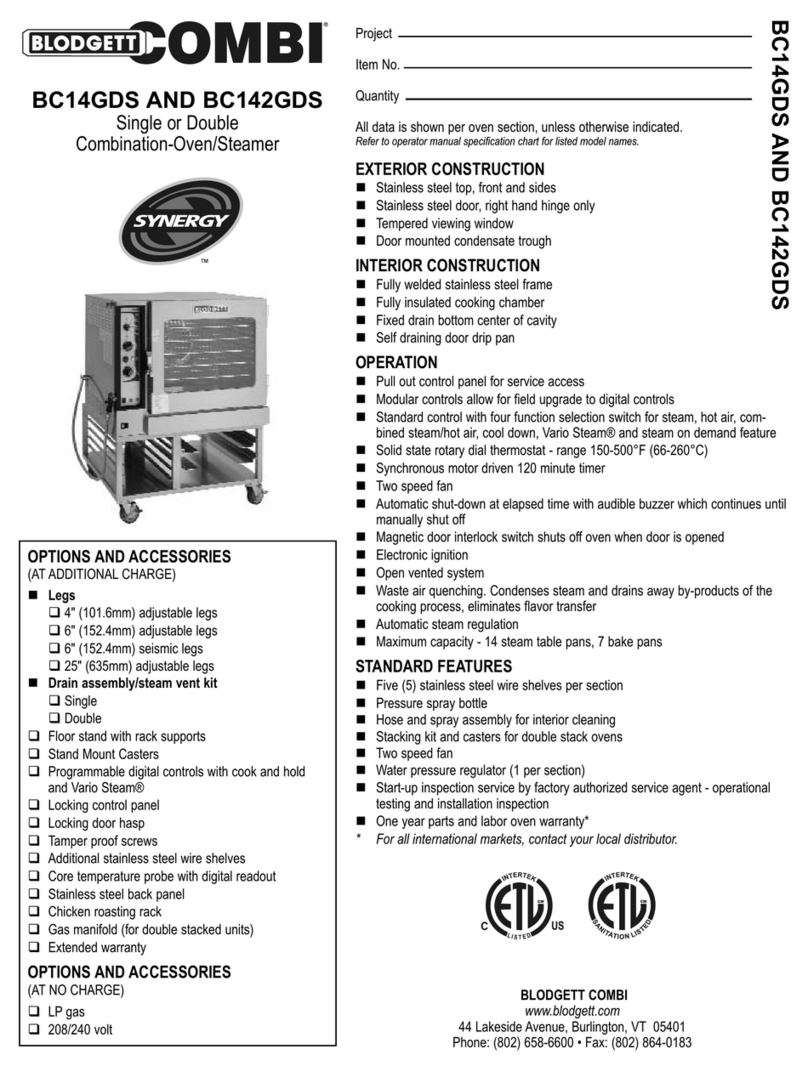
Combi BLODGETT BC142GDS Specifications

Combi

Combi BLODGETT BC142GDS Specifications

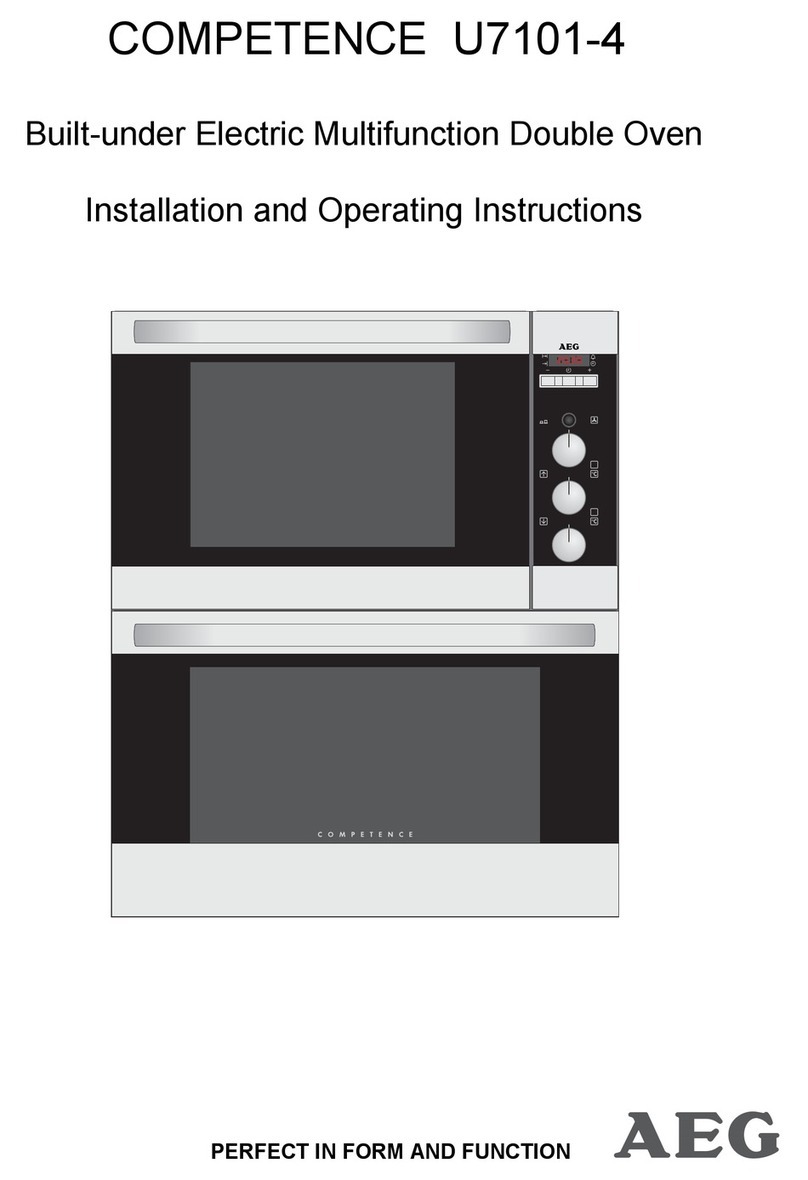
AEG COMPETENCE 311704300 Installation and operating instructions

AEG

AEG COMPETENCE 311704300 Installation and operating instructions

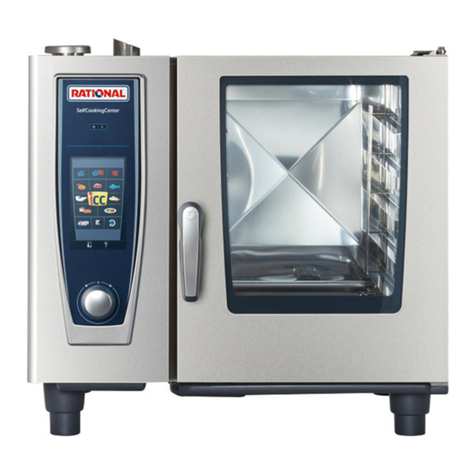
Rational SCC WE 61G installation manual

Rational

Rational SCC WE 61G installation manual

Smeg DOSPA38X User manuals

Smeg

Smeg DOSPA38X User manuals

Electrolux air-o-convect 20 GN 2/1 user manual

Electrolux

Electrolux air-o-convect 20 GN 2/1 user manual

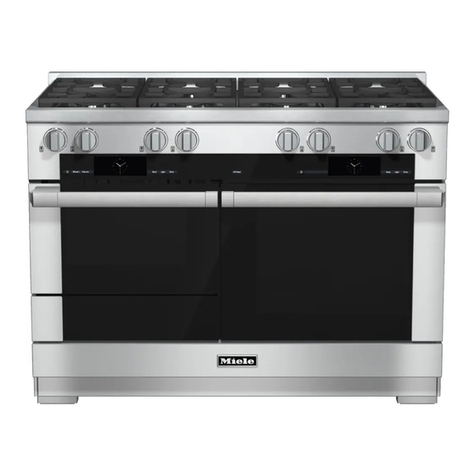
Miele HR 1954-2 operating instructions

Miele

Miele HR 1954-2 operating instructions

KHIND OT50 instruction manual

KHIND

KHIND OT50 instruction manual

Henny Penny Smoker Box installation manual

Henny Penny

Henny Penny Smoker Box installation manual

Lang ECOD-AP Installation and operation instructions

Lang

Lang ECOD-AP Installation and operation instructions

AEG BEK455310M user manual

AEG

AEG BEK455310M user manual

Frigidaire FNGE90JGR user manual

Frigidaire

Frigidaire FNGE90JGR user manual

Hotpoint FE9 S831 JSH IX user manual

Hotpoint

Hotpoint FE9 S831 JSH IX user manual

GE Advantium SCB2000 owner's manual

GE

GE Advantium SCB2000 owner's manual

AEG DE401301DM user manual

AEG

AEG DE401301DM user manual

DeLonghi XA660 Directions for use

DeLonghi

DeLonghi XA660 Directions for use

https://manuals.online logo
https://manuals.online logoBrands
  • About & Mission
  • Contact us
  • Privacy Policy
  • Terms and Conditions

Copyright 2026 Manuals.Online. All Rights Reserved.

GB
COOKER AND OVEN
CX67SP6 NG
CX67SP6 X NG
Contents
Installation, 2-6
Positioning and levelling
Mounting a Power Supply Cable
Electrical connection
Gas connection
Adapting to different types of gas
Table of burner and nozzle specifications
Table of characteristics
Descrition of the aliance, 7
Overall view
Control panel
Start-u and use, 8-12
sing the hob
sing the oven
Cooking modes
Practical cooking advice
Planning cooking with the electronic programmer
Oven cooking advice table
Precautions and ti s, 13
General safety
Disposal
Respecting and conserving the environment
Care and maintenance, 14
Switching the appliance off
Cleaning the appliance
Replacing the oven light bulb
Gas tap maintenance
Assistance
Operating Instructions
GB
English,1
2
GB
 Before operating your new appliance please read
this instruction booklet carefully. It contains
important information concerning the safe installation
and operation of the appliance.
 Please keep these operating instructions for future
reference. Make sure that the instructions are kept
with the appliance if it is sold, given away or moved.
 The appliance must be installed by a qualified
professional according to the instructions provided.
 Any necessary adjustment or maintenance must be
performed after the cooker has been disconnected
from the electricity supply.
Room ventilation
The appliance may only be installed in permanently-
ventilated rooms, in accordance with current national
legislation. The room in which the appliance is
installed must be ventilated adequately so as to
provide as much air as is needed by the normal gas
combustion process (the flow of air must not be
lower than 2 m3/h per kW of installed power).
The air inlets, protected by grilles, should have a
duct with an inner cross section of at least 100 cm2
and should be positioned so that they are not liable
to even partial obstruction (see figure A).
These inlets should be enlarged by 100% - with a
minimum of 200 cm2 - whenever the surface of the
hob is not equipped with a flame failure safety
device. When the flow of air is provided in an
indirect manner from adjacent rooms (see figure B),
provided that these are not communal parts of a
building, areas with increased fire hazards or
bedrooms, the inlets should be fitted with a
ventilation duct leading outside as described above.
Adjacent room Room requiring ventilation
AB
Disposing of combustion fumes
The disposal of combustion fumes should be
guaranteed using a hood connected to a safe and
efficient natural suction chimney, or using an electric
fan that begins to operate automatically every time
the appliance is switched on (see figure).
Installation
A
Ventilation opening Increase in the gap between
for comburent air the door and the flooring
 After prolonged use of the appliance, it is
advisable to open a window or increase the speed of
any fans used.
Fumes channelled Fumes channelled through
straight outside a chimney or a branched
flue system (reserved for
cooking appliances)
 The liquefied petroleum gases are heavier than air
and collect by the floor, therefore all rooms containing
LPG cylinders must have openings leading outside
so that any leaked gas can escape easily.
LPG cylinders, therefore, whether partially or
completely full, must not be installed or stored in
rooms or storage areas that are below ground level
(cellars, etc.). Only the cylinder being used should
be stored in the room; this should also be kept well
away from sources of heat (ovens, chimneys,
stoves) that may cause the temperature of the
cylinder to rise above 50°C.
Positioning and levelling
 It is possible to install the appliance alongside
cupboards whose height does not exceed that of the
hob surface.
 Make sure that the wall in contact with the back of
the appliance is made from a non-flammable, heat-
resistant material (T 90°C).
To install the appliance correctly:
 Place it in the kitchen, the dining room or the bed-
sit (not in the bathroom).
 If the top of the hob is higher than the cupboards,
the appliance must be installed at least 600 mm
away from them.

3
GB
 If the cooker is
installed underneath a
wall cabinet, there must
be a minimum distance
of 420 mm between
this cabinet and the top
of the hob.
This distance should
be increased to 700
mm if the wall cabinets
are flammable (see figure).
 Do not position blinds behind the cooker or less
than 200 mm away from its sides.
 Any hoods must be installed according to the
instructions listed in the relevant operating
manual.
 The cooker is fitted
with a safety chain that
must be attached to a
hook, secured to the
wall behind the
appliance.
Levelling
If it is necessary to level the
appliance, screw the
adjustable feet into the places
provided on each corner of the
base of the cooker (see
figure).
The legs* fit into the slots on
the underside of the base of
the cooker.
Mounting a Power Su ly Cable
Opening the terminal board:
sing a screwdriver, prise on the side tabs of the
terminal board cover;
Pull open the cover of the terminal board.
HOOD
420
Min.
min. 650 mm. with hood
min. 700 mm. without hood
mm.
600
Min. mm.
420
Min. mm.
To install the cable, proceed as follows:
Remove the wire clamp screw and the three
contact screws L-N-
 Fasten the wires beneath the heads of the screws
using the following color scheme : Blue (N)
Brown (L) Yellow-Green
 Fasten the supply cable in place with the clamp
and close the cover of the terminal board.
Electrical connection
Ovens with a three-pole power supply cable are
designed to operate with alternated current at the
supply frequency and voltage indicated on the data
plate (at the bottom of the oven dashboard). The
earthing conductor of the cable is the yellow-green
conductor.
Connecting the power suppl cable to the mains.
Fit a normalized plug to the cable, which
corresponds to the load indicated on the data plate;
if the cooker is connected directly to the mains, an
omnipolar circuit-breaker with a minimum opening of
3 mm between the contacts, suitable for the load
indicated and complying with current directives,
must be installed between the appliance and the
mains (the earthing wire must not be interrupted by
the circuit-breaker). The power supply cable must be
positioned so that it does not exceed room
temperature by 50°C at any point of its length.
Before making the connection check that:
 the limiter valve and the home system can
support appliance load (seedata plate);
 the power supply system has an efficient earthing
connection which complies with the provisions of
current regulations and the law;
 there is easy access to the socket or the
omnipolar circuit-breaker once the cooker has
been installed.
 Do not use reducers, adapters or shunts as these
could cause heating or burning.
NL
4
GB
How to connect an alternative plug
The wires in this mains
lead are coloured in
accordance with the
following code:
BLUE NEUTRAL (N)
BROWN LIVE (L)
GREEN AND YELLOW
EARTH (E)
 Once the appliance has been installed, the power
supply cable and the electrical socket must be
easily accessible.
 The cable must not be bent or compressed.
 The cable must be checked regularly and replaced
by authorised technicians only.
 The manufacturer declines any liability should
these safety measures not be observed.
Gas connection
Connection to the gas network or to the gas cylinder
may be carried out using a flexible rubber or steel
hose, in accordance with current national legislation
and after making sure that the appliance is suited to
the type of gas with which it will be supplied (see the
rating sticker on the cover: if this is not the case see
below). When using liquid gas from a cylinder, install a
pressure regulator which complies with current national
regulations. To make connection easier, the gas
supply may be turned sideways*: reverse the position
of the hose holder with that of the cap and replace the
gasket that is supplied with the appliance.
 Check that the pressure of the gas supply is
consistent with the values indicated in the Table of
burner and nozzle specifications (see below). This
will ensure the safe operation and durability of your
appliance while maintaining efficient energy
consumption.
Gas connection using a flexible rubber hose
Make the connection using a gas hose that complies
with requirements set forth by the current National
Regulations. The appliance is factory set for
connection to a natural gas supply. A fitting "R" with
a conical thread ISO7-1
(1/2 gas) and a seal "G"
is fitted at the end "L"
of the pipe to be
connected to the gas
mains. This fitting
should not be removed.
When the connection
pipe (flexible or rigid) is
dismounted, the fitting
"R" should be locked in
place using a spanner
before unscrewing the metal pipe bolt. This is to
prevent the fitting "R" from slipping and so as not to
cause any leaks from sleeve "L". If the appliance is
designed for left and right gas connection, the cap
should be inverted and the seal supplied with the
appliance should be replaced when changing the
connection.
Once the connection has been performed, make
sure that the hose:
 Does not come into contact with any parts that
reach temperatures of over 50°C.
 Is not subject to any pulling or twisting forces and
that it is not kinked or bent.
 Does not come into contact with blades, sharp
corners or moving parts and that it is not
compressed.
 Is easy to inspect along its whole length so that
its condition may be checked.
 Is shorter than 1500 mm.
 Fits firmly into place at both ends, where it will be
fixed using clamps that comply with current
regulations.
 If one or more of these conditions is not fulfilled or
if the cooker must be installed according to the
conditions listed for class 2 - subclass 1 appliances
(installed between two cupboards), the flexible steel
hose must be used instead (see below).
GREEN &
YELLOW
BROWN
BLUE
13 amp fuse
CROSS-BAR
CORD GRIP
L
G
R
5
GB
Connecting a flexible jointless stainless steel
pipe to a threaded attachment
Make sure that the hose and gaskets comply with
current national legislation.
To begin using the hose, remove the hose holder on
the appliance (the gas supply inlet on the appliance
is a cylindrical threaded 1/2 gas male attachment).
 Perform the connection in such a way that the hose
length does not exceed a maximum of 2 metres,
making sure that the hose is not compressed and
does not come into contact with moving parts.
Checking the tightness of the connection
When the installation process is complete, check
the hose fittings for leaks using a soapy solution.
Never use a flame.
Adating to different ty es of gas
It is possible to adapt the appliance to a type of gas
other than the default type (this is indicated on the
rating label on the cover).
Adapting the hob
Replacing the nozzles for the hob burners:
1. Remove the hob grids and slide the burners off
their seats.
2. nscrew the nozzles using a 7 mm socket
spanner (see figure), and
replace them with nozzles
suited to the new type of gas
(see Burner and nozzle
specifications table).
3. Replace all the components
by following the above
instructions in reverse.
Adjusting the hob burners minimum setting:
1. Turn the tap to the minimum position.
2. Remove the knob and adjust the regulatory
screw, which is positioned inside or next to the tap
pin, until the flame is small but steady.
 If the appliance is connected to a liquid gas
supply, the regulatory screw must be fastened as
tightly as possible:
3. While the burner is alight, quickly change the position
of the knob from minimum to maximum and vice versa
several times, checking that the flame is not
extinguished.
 The hob burners do not require primary air adjustment.
 After adjusting the appliance so it may be used with a
different type of gas, replace the old rating label with a
new one that corresponds to the new type of gas (these
labels are available from Authorised Technical Assistance
Centres).
 Should the gas pressure used be different (or vary
slightly) from the recommended pressure, a suitable
pressure regulator must be fitted to the inlet hose in
accordance with current national regulations relating
to regulators for channelled gas.
6
GB
TECHNICAL DATA
Oven dimensions
(HxWxD)
32x43.5x40 cm
Vo ume 56 l
Usefu
measurements
re ating to the oven
compartment
width 42 cm
depth 44 cm
height 8.5 cm
Burners
may be adapted for use with any
type of gas shown on the data plate
Vo tage and
frequency
see data plate
EC Directi es: 2006/95/EEC dated
12/12/06 (Low Voltage) and
subsequent amendments -
89/336/EEC dated 03/05/89
(Electromagnetic Compatibility)
and subsequent amendments -
90/369/EEC dated 29/06/90 (Gas)
and subsequent amendments -
93/68/EEC dated 22/07/93 and
subsequent amendments -
2002/96/EC.
Table of burner and nozzle secifications
Table 1 Propane Natural Gas
Burner Diameter
(mm)
Nominal Thermal
Power
Nozzle
1/100
Nominal Thermal
Power
Nozzle
1/100
(MJ/h)* (mm) (MJ/h)* (mm)
Auxiliary (A) 55 3.5 50 3.3 80
ltrarapid ( R) 130 15.0 105 15.0 175
Semi-Fischburner (SF) - 5.5 64 5.0 101
Supply pressures
Nominal (kPa)
Minimum (kPa)
Maximum (kPa)
2.75
2.00
3.50
1.00
0.75
1.20
* At 15°C and 101.3 kPa dry
g
as
Propane = 95.8 MJ/m³
Natural
g
as = 37.8 MJ/m³
Total Thermal Power (MJ/h)
Propane Natural Gas
CX67SP6 NG
CX67SP6 X NG 33.3 35.0
SF SF SF
UR A
CX67S 6 NG
CX67S 6 X NG
7
GB
Description
of the appliance
Overall view
Control panel
Hob grid
Control panel
GRILL rack
DRIPPING PAN rack
GUIDE RAILS
for the sliding racks
position 3
position 2
position 1
Gas burner Containment surface
for spills
Adjustable foot Adjustable foot
position 5
position 4
THERMOSTAT knob
Electronic
cooking
programmer
THERMOSTAT indicator light
Hob BURNER
control knobs
SELECTOR knob
OVEN
OPERATION
indicator light
TIMER button
COOKING END TIME button
COOKING TIME button
* Only available in certain models.
8
GB
Start-up and use
Using the hob
Lighting the burners
For each B RNER knob there is a complete ring
showing the strength of the flame for the relevant burner.
To light one of the burners on the hob:
1. Bring a flame or gas lighter close to the burner.
2. Press the B RNER knob and turn it in an
anticlockwise direction so that it is pointing to the
maximum flame setting E.
3. Adjust the intensity of the flame to the desired level
by turning the B RNER knob in an anticlockwise
direction. This may be the minimum setting C, the
maximum setting E or any position in between the two.
If the appliance is fitted with
an electronic lighting device*
(see figure), press the
B RNER knob and turn it in
an anticlockwise direction,
towards the maximum flame
setting, until the burner is lit.
The burner may be
extinguished when the knob is released. If this
occurs, repeat the operation, holding the knob down
for a longer period of time.
 If the flame is accidentally extinguished, switch off
the burner and wait for at least 1 minute before
attempting to relight it.
If the appliance is equipped with a flame failure
safety device*, press and hold the B RNER knob
for approximately 2-3 seconds to keep the flame
alight and to activate the device.
To switch the burner off, turn the knob until it
reaches the stop position .
Practical advice on using the burners
For the burners to work in the most efficient way
possible and to save on the amount of gas
consumed, it is recommended that only pans that
have a lid and a flat base are used. They should
also be suited to the size of the burner:
Burner ø Cookware diameter (cm)
Auxiliary (A) 10 - 14
Semi-Fischburner (SF) 16 - 20
Ultrarapid (UR) 24 - 26
To identify the type of burner, please refer to the
diagrams contained in the Burner and nozzle
specifications.
* Only available in certain models.
 Some models are equipped with 2 reduction grids.
These grids should be used with the rear right and
left Half Fish-Kettle burners (see figure C) and the
auxiliary burner (see figure D) when cookware with a
diameter of less than 12 cm is used.
CD
Practical Advice on Using the Rear "Half Fish-
Kettle" Burners
The three rear burners, or Half
Fish-Kettle burners, are eliptic
in form and can be turned up
to 90°. This makes the
cooktop more flexible in terms
of how it can be used.
To rotate by 90° the half fish-kettle burners,
proceed as follows:
 Make sure that the burners are cool;
 Lift the burner completely out of its housing;
 Replace it in its housing in the position desired;
 Make sure that the burners are positioned
correctly before use.
In particular, the three rear burners may be used
together or separately with pots of different shapes
and dimensions, as follows:
 single burner for medium
size cookware (diameter of 20-
22 cm);
 double burner as a fish-
kettle for oval containers and
rectangular or square
containers (minimum
dimensions 18x28 cm,
maximum 18x35 cm);
9
GB
 triple burner or with the
grill plate provided with the
appliance.
Practical tips for the use of the grill plate
The instructions that follow are valid for the use of
the grill plate that is supplied with the appliance.
The preheating should be carried out with the
command knobs for the three burners in the
maximum position E. To carry out cooking, use the
position indicated in the table below.
Food Weight Preheating
time in
minutes
Cooking
Kgknobs at
maximum
Time in
minutes
Knob
position
Pork chops
(3) 0,5-0,6 5 14-16 Minimum +
Beef chops
(2) 0,5-0,6 5 12-14 Minimum +
Sausages
(n°4) 0,4-0,55 16-18Minimum +
Meat
kabobs (3) 0,4-0,5 5 14-16 Minimum +
Hamburge-
rs (3) 0,4-0,5 5 10-12 Minimum +
Toast n°3 5 2-3 Maximum -
Bread 3 slices 5 2-3 Maximum -
Aubergines 3-4
slices 54-5Maximum -
Roast
tomatoes 4 slices 5 10-12 Minimum +
Salmon 3 slices 5 5-7 Minimum +
Chicken
breast (3) 0,456-8Maximum -
 cooking times are approximate and may vary in
accordance with personal tastes.
Using the oven
 The first time you use your appliance, heat the empty
oven with its door closed at its maximum temperature
for at least half an hour. Ensure that the room is well
ventilated before switching the oven off and opening
the oven door. The appliance may emit a slightly
unpleasant odour caused by protective substances
used during the manufacturing process burning away.
 Never put objects directly on the bottom of the oven;
this will avoid the enamel coating being damaged.
 Should the appliance be equipped with an
electronic programmer, to use the electric oven, just
press buttons and at the same time (the
symbol will appear on the display) before selecting
the desired cooking function.
1. Select the desired cooking mode by turning the
SELECTOR knob.
2. Select the recommended temperature for the
cooking mode or the desired temperature by turning
the THERMOSTAT knob.
A list detailing cooking modes and suggested
cooking temperatures can be found in the relevant
table (see Oven cooking advice table).
During cooking it is always possible to:
 Change the cooking mode by turning the
SELECTOR knob.
 Change the temperature by turning the
THERMOSTAT knob.
 Stop cooking by turning the SELECTOR knob to
the 0 position.
 Always place cookware on the rack(s) provided.
THER OSTAT indicator light
When this is illuminated, the oven is generating
heat. It switches off when the inside of the oven
reaches the selected temperature. At this point the
light illuminates and switches off alternately,
indicating that the thermostat is working and is
maintaining the temperature at a constant level.
OPERATION indicator light
When this is illuminated, the oven is generating
heat.
Oven light
This is switched on by turning the SELECTOR knob
to any position other than 0. It remains lit as long
as the oven is operating. By selecting 8 with the
knob, the light is switched on without any of the
heating elements being activated.
10
GB
Cooking modes
 A temperature value can be set for all cooking modes
between 60°C and Max, except for the following modes
 GRILL (recommended: set only to MAX power level)
 GRATIN (recommended: do not exceed 200°C).
XTRADITIONAL OVEN mode
Both the top and bottom heating elements will come
on. When using this traditional cooking mode, it is
best to use one cooking rack only. If more than one
rack is used, the heat will be distributed in an
uneven manner.
uBAKING mode
The rear heating element and the fan are switched
on, thus guaranteeing the distribution of heat in a
delicate and uniform manner throughout the entire
oven. This mode is ideal for baking and cooking
temperature sensitive foods (such as cakes that
need to rise) and for the preparation of pastries on 3
shelves simultaneously.
WFAST COOKING mode
The heating elements and the fan come on,
guaranteeing the distribution of heat consistently
and uniformly throughout the oven.
Preheating is not necessary for this cooking mode.
This mode is particularly suitable for cooking pre-
packed food quickly (frozen or pre-cooked). The
best results are achieved using one cooking rack
only.
YMULTI-COOKING mode
All the heating elements (top, bottom and circular) switch
on and the fan begins to operate. Since the heat remains
constant throughout the oven, the air cooks and browns
food in a uniform manner. A maximum of two racks may
be used at the same time.
ZPIZZA mode
The circular heating elements and the elements at the
bottom of the oven are switched on and the fan is
activated. This combination heats the oven rapidly by
producing a considerable amount of heat, particularly from
the element at the bottom. If you use more than one rack
at a time, switch the position of the dishes halfway
through the cooking process.
dGRILL mode
The central part of the top heating element is switched on.
The high and direct temperature of the grill is
recommended for food that requires a high surface
temperature (veal and beef steaks, fillet steak and
entrecôte). This cooking mode uses a limited amount of
energy and is ideal for grilling small dishes. Place the food
in the centre of the rack, as it will not be cooked properly if
it is placed in the corners.
eGRATIN mode
The top heating element and the rotisserie (where present)
are activated and the fan begins to operate. This
combination of features increases the effectiveness of the
unidirectional thermal radiation provided by the heating
elements through forced circulation of the air throughout
the oven. This helps prevent food from burning on the
surface and allows the heat to penetrate right into the food.
 The GRILL and GRATIN cooking modes must be
performed with the oven door shut.
Practical cooking advice
 Do not place racks in position 1 or 5 during fan-assisted
cooking. Excessive direct heat can burn temperature
sensitive foods.
M LTILEVEL
 se positions 2 and 4, placing the food that
requires more heat on the rack in position 2.
 Place the dripping pan on the bottom and the rack
on top.
GRILL
 When using the GRILL cooking mode, place the
rack in position 5 and the dripping pan in position
1 to collect cooking residues (fat and/or grease).
When using the GRATIN cooking mode, place the
rack in position 2 or 3 and the dripping pan in
position 1 to collect cooking residues.
 We recommend that the power level is set to
maximum. The top heating element is regulated
by a thermostat and may not always operate
constantly.
PIZZA MODE
 se a light aluminium pizza pan. Place it on the
rack provided.
For a crispy crust, do not use the dripping pan as
it prevents the crust from forming by extending
the total cooking time.