2
Description of the iron filtration system
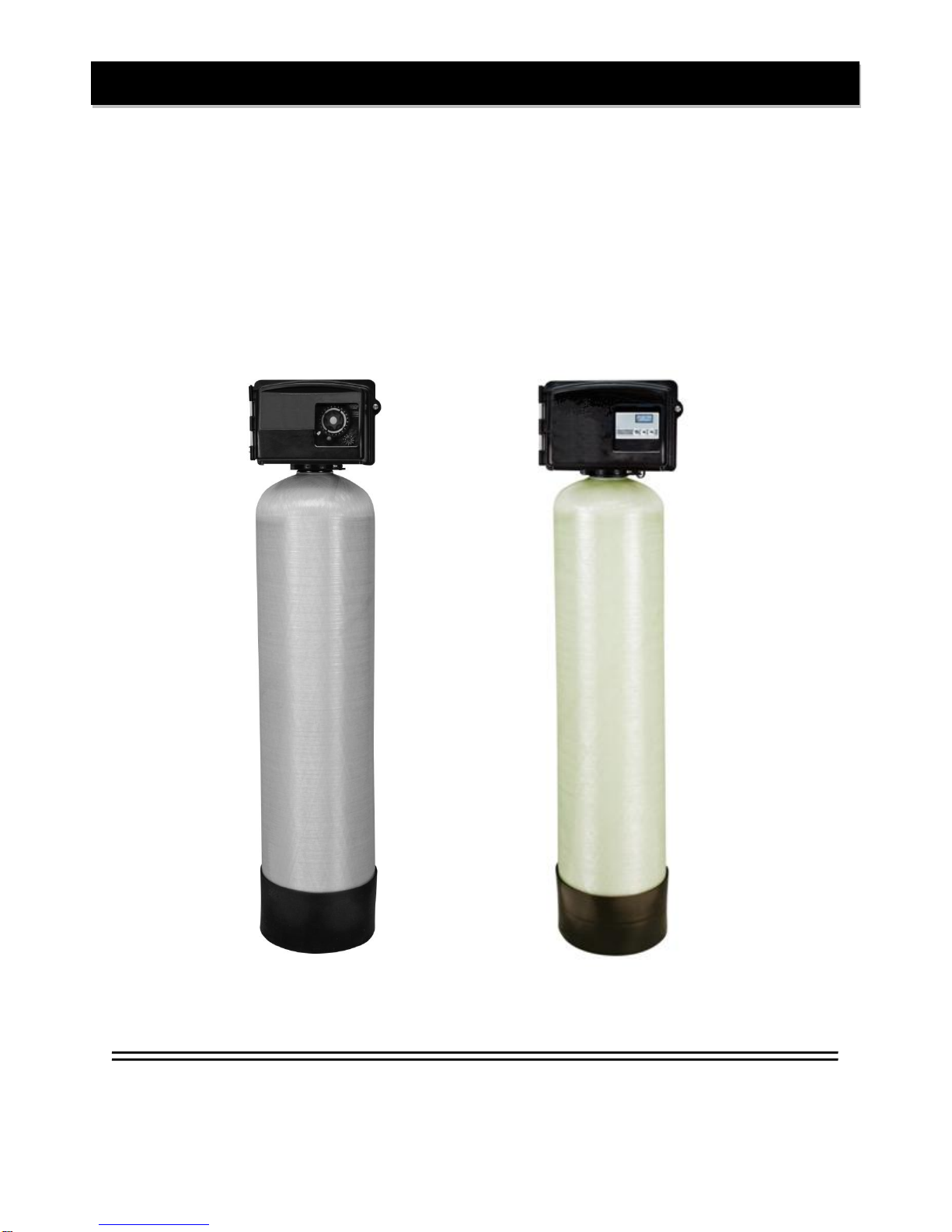
The KLX2 catalytic filtration system includes a single filtration tank with a pocket of air and a backwashing
control valve. Incoming water flows into the control valve and is directed into the filtration tank. Exposure to the
air in this tank will start oxidizing the iron which is then trapped by the media. The iron/sulfur-free water then
returns to the control valve where it is directed into the service lines.
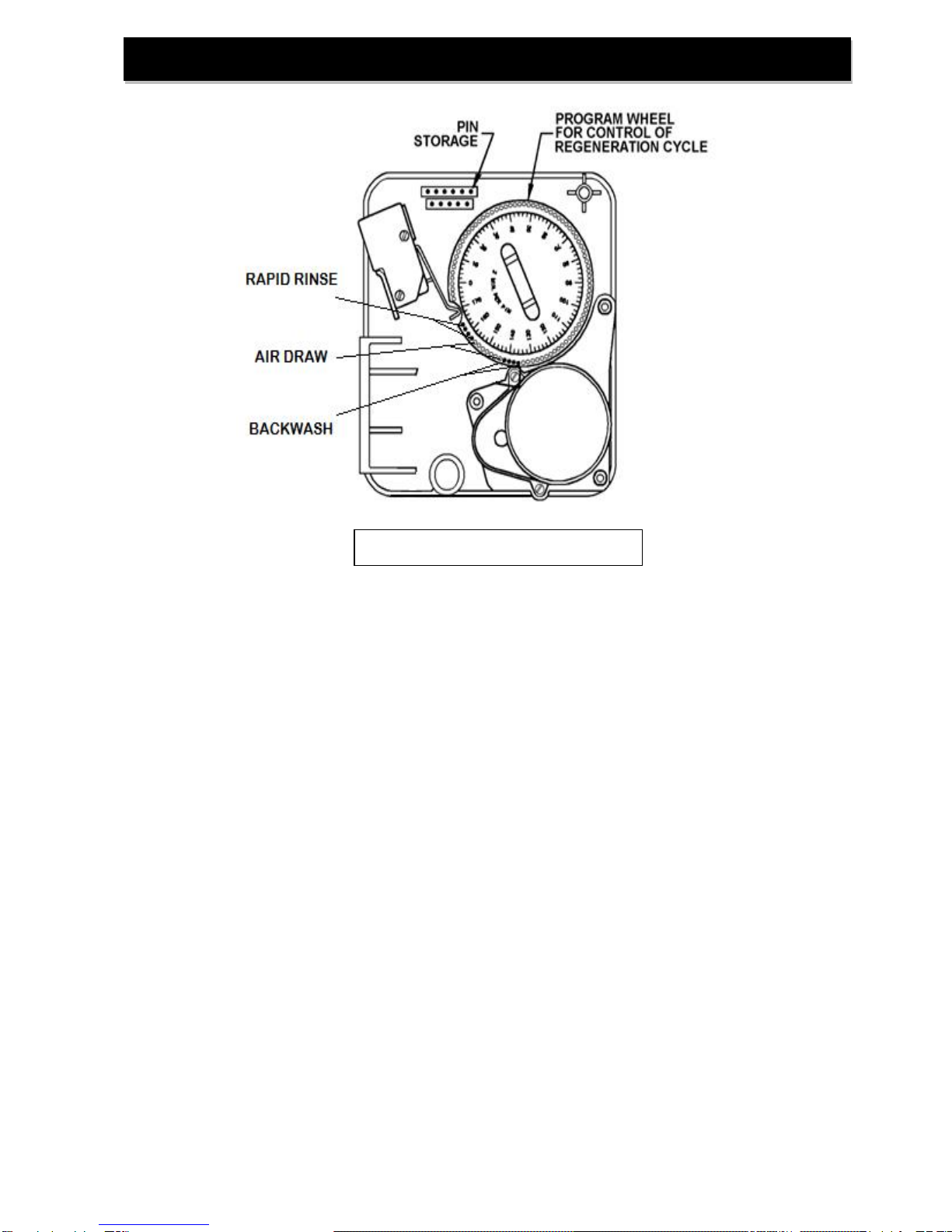
Periodically the control valve will go through a backwash cycle. This cycle will typically begin at 1:00 A.M.
flushing the accumulated iron to the drain. Part of this backwashing process includes an air draw cycle which
will replenish the pocket of air in the filter tank and prepare the unit for the next period of service.
Water Quality
While the KLX2 filter will perform under a variety of water qualities there are a few things that need to be
considered to ensure satisfactory performance. The water should be tested to determine the concentration, or
levels of the items listed below.
pH - A measurement of the acidity of the water. pH is reported on a scale from 0 to 14. Neutral water has a pH
of 7.0, lower values indicate acidic water. The KLX2 catalytic filter performs best when the pH is 7.0, or higher.
pH values below 7.0 require a special media blend in the filter in order to elevate the pH for proper iron
oxidation.
Iron - A naturallyoccurring metallic element. Iron concentrations in excess of 0.3 milligrams/liter (mg/l) combine
with oxygen causing orange or red (rust) stains on plumbing fixtures. Iron naturally exists in some water
sources in either clear water (ferrous) state, red water (ferric) state or bacterial form. The KLX2 catalytic filter
can reduce any of these forms of iron.
Manganese - A naturally occurring metallic element. Manganese concentrations as low as 0.05 milligrams/liter
(mg/l) can combine with oxygen to cause dark brown or black staining on fixtures. Additionally, manganese can
cause an odor in the water similar to a “rotten egg” smell. The KLX2 catalytic filter reduces manganese as well
as iron, however, manganese oxidation requires the pH of the water to be elevated to 8.2 or higher.
Tannin - A naturally occurring humic acid. Tannin is an acid caused by water passing through decaying
vegetation. Coffee and Tea are prime examples of tannin in water. As hot water passes over the coffee beans,
or tea leaves, the tannin is extracted causing color and flavor in the water. Tannin concentrations as low as 0.3
milligrams per liter can cause a yellow discoloration in the water and may interfere with the KLX2 filter’s long-
term abilityto function properly as the media becomes coated with the tannic acid.
Hydrogen Sulfide - A naturally occurring gas. Hydrogen sulfide, more commonly referred to as sulfur gas,
causes a distinct odor similar to “rotten eggs.” Due to its gaseous nature, hydrogen sulfide must be tested at the
well site within 1 minute of drawing the sample. If a water sample has been sitting for a while the sulfur gas will
dissipate and cause the hydrogen sulfide test to be lower than the actual concentration. If sulfur is present, the
filter should be set to backwash more frequently to prevent the gas from building up.
Pre-installation Instructions