Confidential document and information
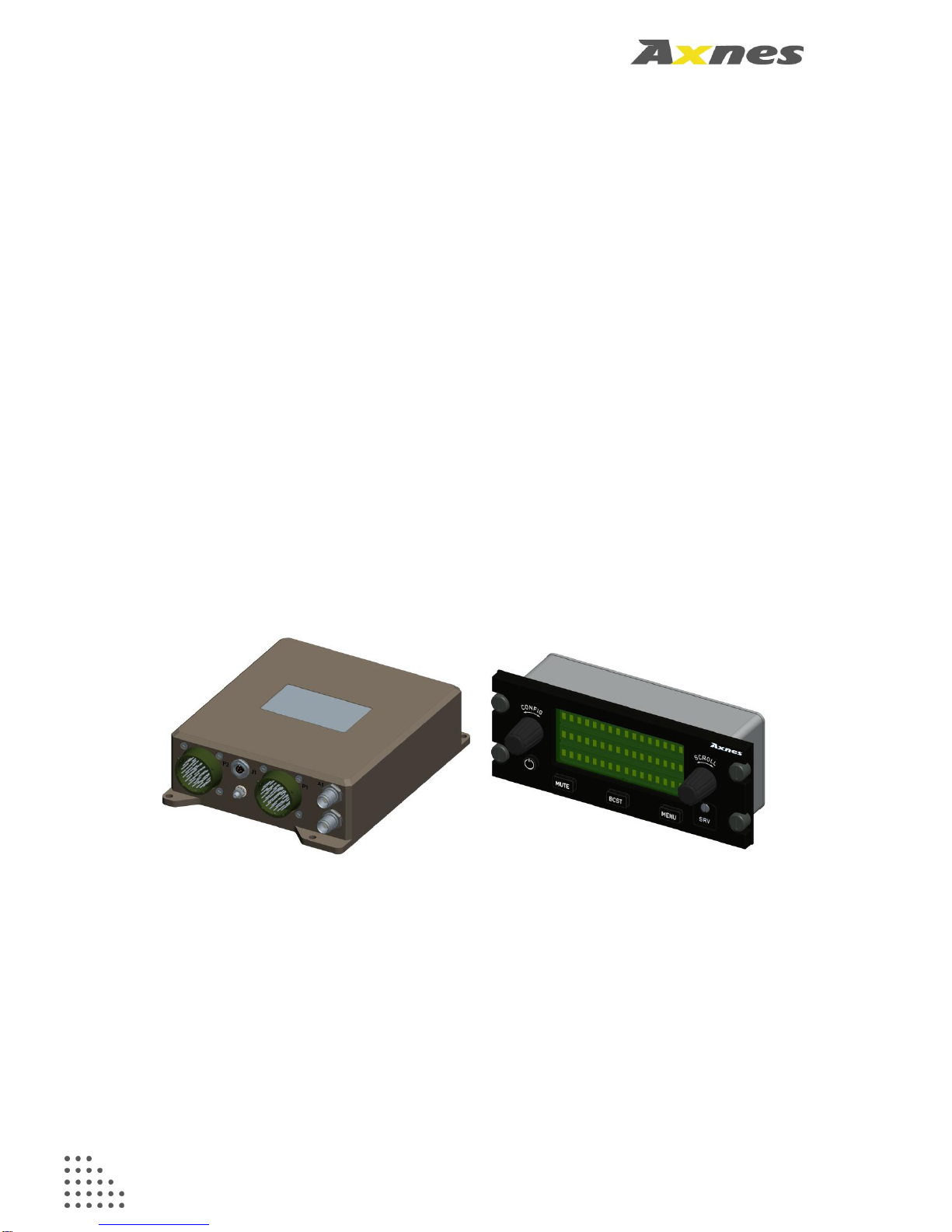
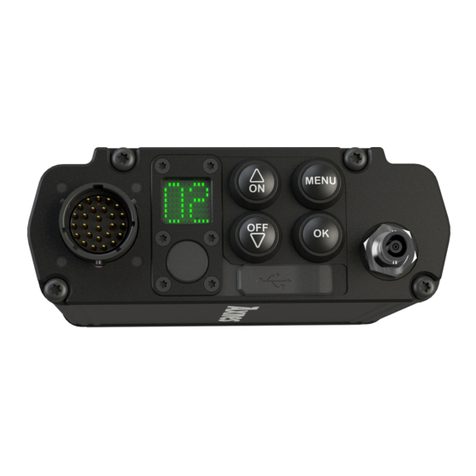
The PNG system consists of one base station and one or more handheld rechargeable
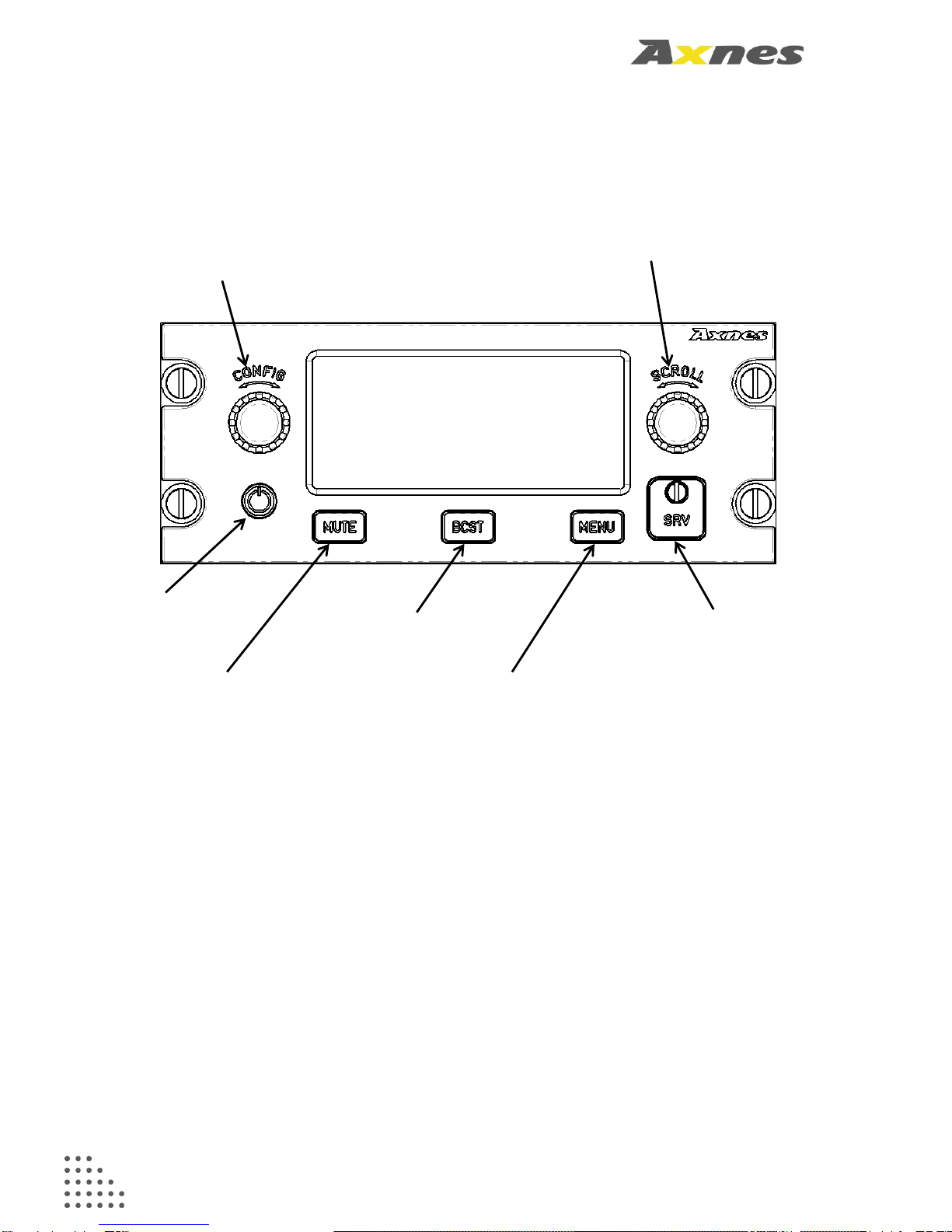
radios, chargers for the handhelds, as well as an optional control panel connected to the
base station. The PNG Base Station and Control Panel are installed in the aircraft and
supplied with power from the aircraft system.
The PNG handhelds implement functionality to suppress surrounding noise, and to secure
optimal voice activation performance. They implement functionality to connect to the PNG
Base Station in the helicopter (intercom mode), as well as functionality to communicate
directly with other PNG handhelds, or handheld to other radios (direct mode).
The handheld radios are designed to be mechanically robust and the MP50 handheld radio is
waterproof down to a depth of 3 meters to withstand extreme operating scenarios typically
experienced in a SAR and multirole-configured aircraft.
Through the handheld internal microphone, the system enables communication with the
survivor/ground rescue party without helmet removal.
Depending on the configuration and part number, the handhelds are equipped with a GPS
receiver. The position of the handheld device may be polled by the PNG Base Station, and
presented on the PNG Control Panel in the aircraft.
The PNG Base Station is typically connected to the aircraft ICS, and may support multiple
connection points for audio. It is capable of delivering a PTT signal to other systems, as well
as triggering transmission based on a received PTT signal or VOX activation.
1.3 Radio
The PNG system operates a wireless link between the PNG Base Station and the handheld
radios in the UHF band. Exact frequency configuration is done at production, based on
customer input to available frequencies and bandwidth in the region they are to be operated
in. The PNG system will normally be configured within a 10 MHz band in the frequency range
397 to 470 MHz. The PNG Base Station will support the full 397 to 470 MHz range
(depending on the antenna installation in the aircraft), while the handhelds support 10 MHz
bands through the 397 to 470 MHz band, depending on the installed antenna. Antennas are
available through the band.
The wireless link is a single frequency, duplex, interception free, digital radio link.
The handheld radios will operate at an output power of up to 400mW using a licence specific
frequency allocation.
The PNG system will not set any limit to the number of simultaneous receivers, but the
number of simultaneous transmitters is limited by the available bandwidth and allocated
timeslots. The PNG system allows three simultaneous transmitting handhelds.
The handheld radios support Maritime VHF mode, and channels can be configured in the
156-162MHz band.