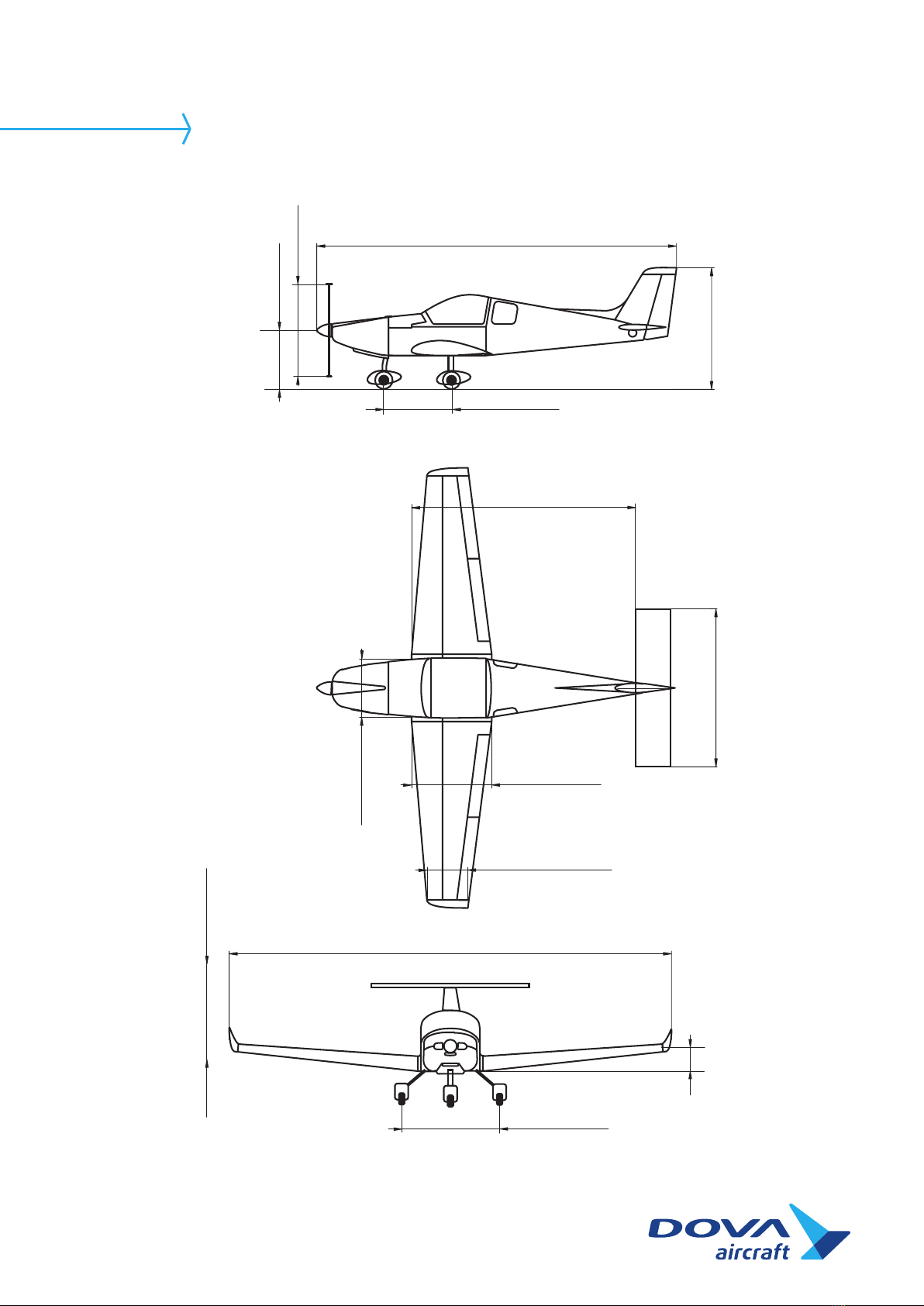
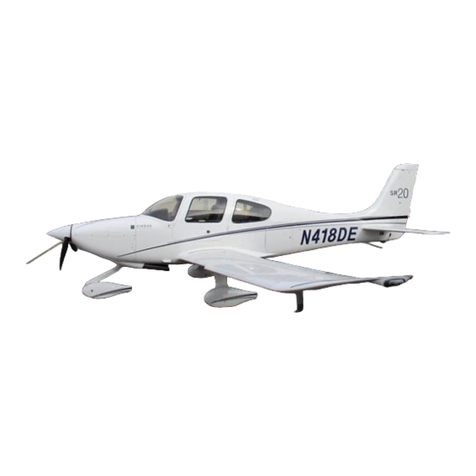
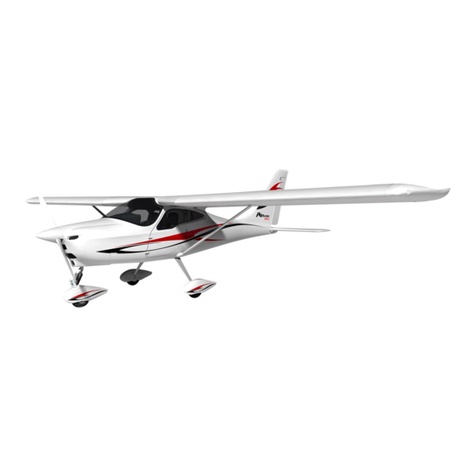
DV-1 SKYLARK aircraft is designed for tourist, recreational or pilot-school nonaerobatic flights. These
Flights are permitted in VFR conditions only.
DV-1 SKYLARK is single engine, full metal, low-wing, two-seater ultra light aircraft. Seats are placed side-by-
side.
Wing surface is trapezoid shaped with semi-monoque construction. As control surface the simple folding
flap and aileron is installed. Each wing is attached to fuselage with three hinges.
The fuselage is semi-monoque construction created by metal skin, longitudinal beams and perpendicular
walls.
Empennage is created as full-metal self-supporting T-tail construction.
Non-structural parts like engine cowlings, wing fairings and winglets are made from composite materials.
The aircraft is equipped with Kaspar’s propellers mostly. Two/three blades fixed or inflight adjustable
propeller is available.
Lift surfaces:
Trapezoid shaped wing is semi-monoque construction. That gives main beam in ¼ of the chord and
auxiliary beam in control surfaces connection. There are fuel tanks installed in the wings. Fuel tanks are
full-metal riveted construction sealed with petrol resistant glue. Wings ends are equipped by pair of
fiberglass winglets. Wing surface is divided into left and right half one, attached with three hinges per
each.
Fuselage:
Fuselage lower cross-section is rectangular with blended corners. The upper crosssection is elliptically
shaped. The vertical fin is designed as a part of fuselage construction. In the middle part of the fuselage,
there is a two pilot’s space covered with canopy from one single piece of organic glass. Engine
compartment is separated with
steel firewall from pilots. Firewall creates important construction point for the front undercarriage leg,
engine bed even for the ballistic rescue system.
Empennages:
Tail surfaces are designed as T-tail. Horizontal tail surfaces are rectangular shaped and they are created by
elevator connected with hinges to stabilizer. Stabilizer is attached through four bolts with fins
construction. On the left side of the elevator, there is an electrical controlled hinged trim surface. Trim
electrical control system is equipped with trim surface position indicator placed on instrument panel. The
rudder is trapezoid shaped and it is attached to vertical fin with two hinges.
Controls:
Aircraft controls are classical doubled system. Controls system for ailerons and elevator are created by
duralumin rods, angle levers and steel control levers. Rudder control is stainless ropes based one. Flaps
control is provided through flap control handle in the middle panel or through electrical servo engine
alternatively. Elevators trim surfaces is controlled through electrical servo engine.
Undercarriage:
Main undercarriage legs are made from composite springs. Wheels of main undercarriage are equipped
with hydraulic brakes. Front undercarriage leg is sprung by rubber shock absorber. Front wheel is
attached through duralumin fork to front leg and it is steering able. Tires size of front and main
undercarriage wheels are the same.
CHAPTER 1 Technical description
1.1. DESCRIPTION OF AIRCRAFT
4