SENSOR TYPE: Electrochemical
BATTERY SPECIFICATIONS:
Rating voltage: DC 9V
Package: Carbon Zinc 6F22 or Alkaline 6Lr61, 1604Afor ANSI,
6AM6 for JIS.
Size: 25.5 * 16.5 * 47.5 (unit: mm), it is approximation.
ALARM VOLUME: ≥85DB at 100cm @3.4±0.5KHz pulsing alarm (The alarm
sound pattern: BI 0.5s - pause 0.5s –BI 0.5s –pause 0.5s –BI 0.5s –
pause 1.5s, with a corresponding LED flash, repeat this alarm pattern)
RECOMMEND BATTERYTYPE: G6F22 (GOLD POWER)
Note: This carbon monoxide alarm is designed to detect carbon monoxide gas
from any source of combustion. It is not designed to detect any other gases.
General Maintenance:
To keep your alarm in a good working order, please follow these simple steps:
1: Verify the alarm and LED lights operation by pushing the test/hush button once a
week.
2: Remove the unit from mounting bracket and clean the alarm cover and vents
with a soft brush attachment once a month to remove dust and dirt.
3: Never use detergents or other solvents to clean the unit.
4: Avoid spraying air fresheners, hair spray, or other aerosols near the alarm.
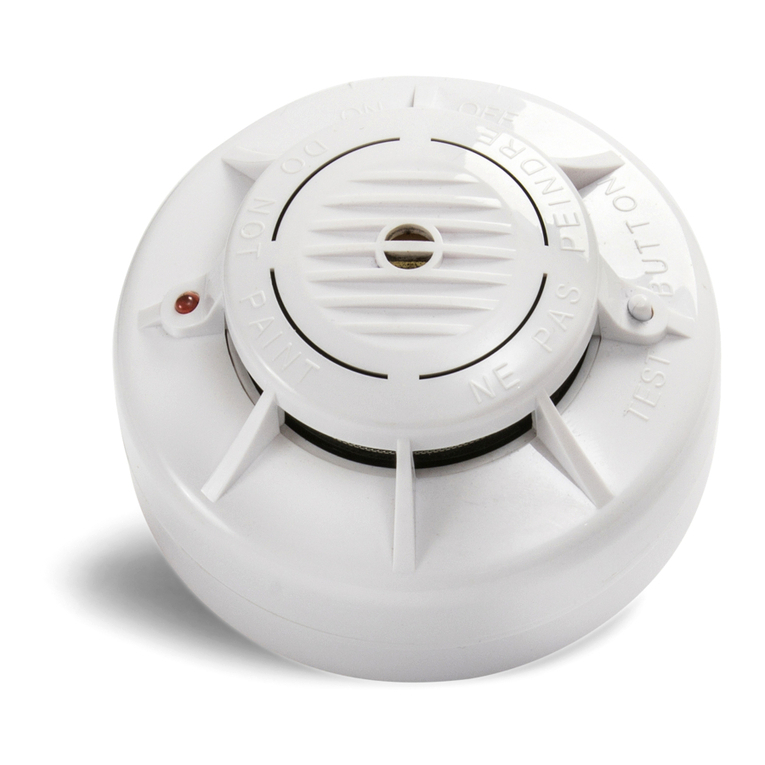
5: Do not paint the unit. Paint will seal the vents and interfere with the sensor's
ability to detect carbon monoxide. Never attempt to disassemble the unit or clean
inside. This action will void your warranty.
6: As soon as possible, place the alarm back in its proper location to assure
continuous protection from carbon monoxide poisoning.
7: When household cleaning supplies or similar contaminants are used, the area
should be ventilated.
Warning: The following substances can affect the sensor and cause false readings:
Methane, propane, isobutene, isopropanol, ethylene, benzene, toluene, ethyl
acetate, hydrogen sulfide, sulfur dioxides, alcohol based products, paints, thinner,
solvents, adhesives ,hair sprays, after shaves ,perfumes and some cleaning
agents.
Warning: Your CO alarm will not be operational and will not monitor for CO
levels without the battery.
Warning: This apparatus is designed to protect individuals from the acute effects
of carbon monoxide exposure. It will not fully safeguard individuals with specific
medical conditions. if in doubt consult a medical practitioner.
Carbon Monoxide overview:
Carbon monoxide cannot be seen, smelt or tasted but can be fatal. The build up of
carbon monoxide in the blood is called the carboxyhemoglobin level and interferes
with the body’s ability to supply itself with oxygen. Depending on the
concentration of carbon monoxide, it can kill in minutes.
The most common sources of carbon monoxide are malfunctioning gas appliance
used for heating and cooking ,vehicles running in an attached garage, blocked
chimneys or flues, portable fuel burning heaters, fireplaces, fuel powered tools and
operating a grill in an enclosed space.
Indications of carbon monoxide poisoning include symptoms similar to the flu, but
with no fever. Other symptoms include dizziness, fatigue, weakness, headache,
nausea, vomiting, sleepiness and confusion. Everyone is susceptible to the danger
of carbon monoxide, but experts agree that unborn babies, small children, pregnant
women, senior citizens and people with heart or respiratory problems are at the
highest risk for serious injury or death, each year a qualified technician should
inspect and clean your heating system, vents, chimney, and flues.
The following symptoms are related to CARBON MONOXIDE POISONING and
should be discussed withALL members of the household:
1. Slight Symptom:
Slight headache, nausea, vomiting, fatigue (often described as "Flu-like"
symptoms).
2. Medium Symptom:
Severe throbbing headache, drowsiness, fast heat rate.
3. Serious Symptom:
Unconsciousness, cardiorespiratory, failure, death .
The above levels of exposure relate to healthy adults. Levels differ for those at
high risk. Exposure to high levels of carbon monoxide can be fatal or cause