manuals.online logo
Brands
  1. Home
  2. •
  3. Brands
  4. •
  5. Hotpoint Ariston
  6. •
  7. Hob
  8. •
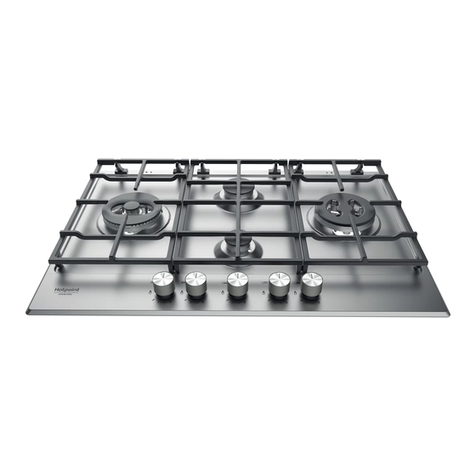
  9. Hotpoint Ariston CISKBH 6004 IX User manual

Hotpoint Ariston CISKBH 6004 IX User manual

This manual suits for next models

8

Other Hotpoint Ariston Hob manuals

Hotpoint Ariston PZ 750/HA User manual

Hotpoint Ariston

Hotpoint Ariston PZ 750/HA User manual

Hotpoint Ariston TD 640 S (SL) IX/HA User manual

Hotpoint Ariston

Hotpoint Ariston TD 640 S (SL) IX/HA User manual

Hotpoint Ariston PCN 752 T/EX/HA User manual

Hotpoint Ariston

Hotpoint Ariston PCN 752 T/EX/HA User manual

Hotpoint Ariston PCN 642 T/EX/HA User manual

Hotpoint Ariston

Hotpoint Ariston PCN 642 T/EX/HA User manual

Hotpoint Ariston PH 940MS HA User manual

Hotpoint Ariston

Hotpoint Ariston PH 940MS HA User manual

Hotpoint Ariston 9YPS 645 WH GH User manual

Hotpoint Ariston

Hotpoint Ariston 9YPS 645 WH GH User manual

Hotpoint Ariston CISTD 640S IX User manual

Hotpoint Ariston

Hotpoint Ariston CISTD 640S IX User manual

Hotpoint Ariston THC 751 W/IX/HA EE User manual

Hotpoint Ariston

Hotpoint Ariston THC 751 W/IX/HA EE User manual

Hotpoint Ariston KIB 644 C E IT User manual

Hotpoint Ariston

Hotpoint Ariston KIB 644 C E IT User manual

Hotpoint Ariston FTGHL 751 D/IX/HA LPG User manual

Hotpoint Ariston

Hotpoint Ariston FTGHL 751 D/IX/HA LPG User manual

Hotpoint Ariston DD 641/HA User manual

Hotpoint Ariston

Hotpoint Ariston DD 641/HA User manual

Hotpoint Ariston TQ 640 K X/HA User manual

Hotpoint Ariston

Hotpoint Ariston TQ 640 K X/HA User manual

Hotpoint Ariston TQG 751 W/HA User manual

Hotpoint Ariston

Hotpoint Ariston TQG 751 W/HA User manual

Hotpoint Ariston TQG 641/HAEE User manual

Hotpoint Ariston

Hotpoint Ariston TQG 641/HAEE User manual

Hotpoint Ariston PC 750 T GH /HA PC 750 T AN R /HA PC 750 T OW R... User manual

Hotpoint Ariston

Hotpoint Ariston PC 750 T GH /HA PC 750 T AN R /HA PC 750 T OW R... User manual

Hotpoint Ariston HQ 1460S IX User manual

Hotpoint Ariston

Hotpoint Ariston HQ 1460S IX User manual

Hotpoint Ariston PK 644 D GH X User manual

Hotpoint Ariston

Hotpoint Ariston PK 644 D GH X User manual

Hotpoint Ariston PCN 752 T/HA User manual

Hotpoint Ariston

Hotpoint Ariston PCN 752 T/HA User manual

Hotpoint Ariston 641 DD/HA User manual

Hotpoint Ariston

Hotpoint Ariston 641 DD/HA User manual

Hotpoint Ariston KIO 633 T Z User manual

Hotpoint Ariston

Hotpoint Ariston KIO 633 T Z User manual

Hotpoint Ariston PKL 641 D2/IX/HA User manual

Hotpoint Ariston

Hotpoint Ariston PKL 641 D2/IX/HA User manual

Hotpoint Ariston PK 644 D GH E X/HA User manual

Hotpoint Ariston

Hotpoint Ariston PK 644 D GH E X/HA User manual

Hotpoint Ariston PCN 642 IX/HA User manual

Hotpoint Ariston

Hotpoint Ariston PCN 642 IX/HA User manual

Hotpoint Ariston PO 740 ES User manual

Hotpoint Ariston

Hotpoint Ariston PO 740 ES User manual

Popular Hob manuals by other brands

PreCise BI-2000T user manual

PreCise

PreCise BI-2000T user manual

AEG HK884400XG user manual

AEG

AEG HK884400XG user manual

KKT KOLBE IFZ772EDF Instruction and installation manual

KKT KOLBE

KKT KOLBE IFZ772EDF Instruction and installation manual

premiere PG4VQ255FTN instruction manual

premiere

premiere PG4VQ255FTN instruction manual

AEG HK614000CB user manual

AEG

AEG HK614000CB user manual

Klarstein 10033282 manual

Klarstein

Klarstein 10033282 manual

Zanussi ZGF 782 CTN Instruction booklet

Zanussi

Zanussi ZGF 782 CTN Instruction booklet

Asko H6 Use and care guide

Asko

Asko H6 Use and care guide

Eurotech ED-C3 02 instruction manual

Eurotech

Eurotech ED-C3 02 instruction manual

IKEA Livsgnista manual

IKEA

IKEA Livsgnista manual

Dacor DTT36M974 user manual

Dacor

Dacor DTT36M974 user manual

AEG HKP75410XB user manual

AEG

AEG HKP75410XB user manual

Siemens EX875KYV1E INFORMATION FOR USE

Siemens

Siemens EX875KYV1E INFORMATION FOR USE

AEG CERAMIC HOB 6010 K Installation and operating instructions

AEG

AEG CERAMIC HOB 6010 K Installation and operating instructions

Zanussi ZGF 6420 Instruction booklet

Zanussi

Zanussi ZGF 6420 Instruction booklet

G3 Ferrari Energy user manual

G3 Ferrari

G3 Ferrari Energy user manual

Award H903BG user manual

Award

Award H903BG user manual

Bosch PIN64 T1 Series instruction manual

Bosch

Bosch PIN64 T1 Series instruction manual

manuals.online logo
manuals.online logoBrands
  • About & Mission
  • Contact us
  • Privacy Policy
  • Terms and Conditions

Copyright 2025 Manuals.Online. All Rights Reserved.

Operating Instructions
HOB
Contents
Installation, 2-3
Positioning
Electrical connection
Disposal
Description of the appliance, 4
Radiant zones
The control knobs
Extendable cooking zone control
Precautions and tips, 5
Practical advice on using the appliance
General safety
Care and maintenance,
Switching the appliance off
leaning the appliance
Disassembling the hob
GB
English,1
GB
CISKBH 004 IX/1/HA
CISKBH 024 DO IX/HA
CISKBH 024 DO IX/1/HA
RS
Ðóññêèé, 7
2
GB
Installation
 Before operating your new appliance please read this
instruction booklet carefully. It contains important
information concerning the safe operation, installation
and maintenance of the appliance.
 Please keep these operating instructions for future
reference. Pass them on to possible new owners of the
appliance.
Positioning
 Keep all packaging materials out of the reach of children.
It may present a choking or suffocation hazard (see
Precautions and tips).
 The appliance must be installed by a qualified
professional in accordance with the instructions provided.
Incorrect installation may damage property or cause harm
to people or animals.
Built-in appliance
Use the appropriate cabinet to ensure that the appliance
functions properly.
 The supporting surface must be heat-resistant up to
a temperature of approximately 100° .
 If the appliance is to be installed above an oven, the
oven must have a forced ventilation cooling system.
 Avoid installing the hob above a dishwasher: if this
cannot be avoided, place a waterproof separation
device between the two appliances.
 Depending on the hob you want to install, the
cabinet must have the following dimensions (see
figure):
Ventilation
To allow adequate ventilation and to avoid overheating
of the surrounding surfaces the hob should be positioned
as follows:
 At a minimum of
40 mm from the
back panel and
600 mm from any
other vertical
surfaces.
 So that a minimum
distance of 10 mm is
maintained between the
installation cavity and the
cabinet underneath.
Fixing
The appliance must be installed on a perfectly level
supporting surface.
Any deformities caused by improper fixing could change
the features and the operation of the hob.
560 +/- 1
490 +/- 1
48
590
520
560 +/- 1
490 +/- 1
48
574
504
10 mm
Distance to
keep between the
cut-out slot and
the cabinet
FRONT OF HOB
KITCHEN
WORKTOP
30
40
REAR SPRING ASSEMBLY
HOB FROM BELOW
40 mm min.
40mm
Opening of at least 5 mm
on the overall width
measurement of the surface.
Above an empty cabinet or a drawer
A space of at least 40 mm, or an opening of 5 mm on
the width measurement of the cabinet, should be created.
GB
3
Connecting the hob to the oven
This appliance can only work if it has been connected to
a specific oven, listed on the sheet included in the
documents pouch.
CISKBH 004/1/HA
CISKBH 024 DO/HA-CISKBH 024 DO/1/HA
This appliance conforms to the following
European Economic ommunity
directives:
- 73/23/EE dated 19/02/73 (Low Voltage) and
subsequent amendments;
- 89/336/EE dated 03/05/89 (Electromagnetic
ompatibility) and subsequent amendments;
- 93/68/EE dated 22/07/93 and subsequent
amendments.
Disposal
 When disposing of packaging material: observe
local legislation so that the packaging may be
reused.
 The European Directive 2002/96/E relating to Waste
Electrical and Electronic Equipment (WEEE) states
that household appliances should not be disposed of
using the normal solid urban waste cycle. Exhausted
appliances should be collected separately in order to
optimise the cost of re-using and recycling the
materials inside the machine, while preventing
potential damage to the atmosphere and to public
health. The crossed-out dustbin is marked on all
products to remind the owner of their obligations
regarding separated waste collection.
For further information relating to the correct disposal
of exhausted household appliances, owners may
contact the public service provided or their local
dealer.
BUILT-IN CERAMIC HOBS
OVEN
WHITE RED YELLOW BLUE GREEN
BUILT-IN CERAMIC HOBS
OVEN
WHITE RED YELLOWBLUE GREEN
4
GB
Description
of the appliance
Radiant zones
This type of burner consists of several coils that guarantee the even distribution of heat over the bottom of the
pan and ensure the success of all cooking on low heat: simmering, sauces or reheating.
HOBS CISKBH 6024 DO/HA
CISKBH 6024 DO/1/HA CISKBH 6004/1/HA
Cooking zones Power
(in W)
Diameter
(in mm)
Power
(in W)
Diameter
(in mm)
Back left R 1200 140 R 2100 210
Front left RD 1000/2200 210 R 1200 140
Back right RO 1000/1800 180 R 1200 140
Front right R 1400 160 R 1700 180
Overall power 6600 6400
R = simple radiant, RO = oval radiant, RD = dual radiant
The tables below feature information on how to use the zones to their full potential.
CISKBH 024 DO/HA - CISKBH 024 DO/1/HA
Power Type of dish
1 Melted butter or chocolate
2/3 Reheating liquids
4/5 Preparation of creams and sauces
6/7 ooking stews, blanquette, desserts
8/9 ooking pasta and rice
10/11 Sealing meat, fish, omelettes
12 Fried food
CISKBH 004/1/HA
Power Type of dish
0 off
1 cooking greens, fish
2 steaming potatoes, cooking soups, chickpeas,
beans
3 steaming potatoes, cooking soups, chickpeas,
beans
4 for roasting (moderate)
5 for roasting (high)
6 for browning, to bring large volumes to the boil
As long as the temperature of the cooking zones
remains above 60° , even after use, the residual
heat indicators stay on to prevent the risk of burns.
The control knobs
These are situated on the oven control panel and
allow for the continuous control of the power setting
of each cooking zone (from 1 to 12 or from 1 to 6).
Extendable cooking zone control
Extendable cooking zones (concentric or oval) are
indicated on the glass hob surface by a dual heating
zone.
To use the smaller zone only, set the control knob to
between 1 and 12 according to the desired heating
power.
To use the large zone, set the knob to and then
adjust it to the desired heating power.
GB
5
Precautions and tips
 This appliance has been designed and
manufactured in compliance with international safety
standards. The following warnings are provided for
safety reasons and must be read carefully.
Practical advice on using the appliance
To obtain the best results from your hob:
 Use flat-bottomed pans to ensure that they adhere
to the cooking zone perfectly.
 Always use pans with a diameter that is large
enough to cover the hotplate fully, in order to use
all the available heat.
 Make sure that the bottom of the cookware is
always dry and clean to guarantee correct
adherence and durability, not only for the cooking
zones but also for the cookware itself.
 Avoid using the same cookware that is used on
gas burners: the heat concentration on gas
burners may have warped the base of the pan,
causing it not to adhere to the surface correctly.
 Never leave a cooking zone on without cookware
placed on it because it heats up and rapidly
reaches the maximum level, which could damage
the heating elements.
General safety
 The appliance was designed for domestic use
inside the home and is not intended for
commercial or industrial use.
 The appliance must not be installed outdoors,
even in covered areas. It is extremely dangerous
to leave the appliance exposed to rain and
storms.
 Do not touch the appliance with bare feet or with
wet or damp hands and feet.
 The appliance must be used by adults only for the
preparation of food, in accordance with the
instructions provided in this booklet. Do not use
the hob as a worktop or chopping board.
 The glass ceramic hob is resistant to mechanical
shocks, but it may crack (or even break) if hit with
a sharp object such as a tool. If this happens,
disconnect the appliance from the electricity
mains immediately and contact a Service entre.
 If the surface of the hob is cracked, switch off the
appliance to prevent electric shocks from
occurring.
 Ensure that power supply cables of other
electrical appliances do not come into contact
with the hot parts of the hob.
 Remember that the cooking zones remain
relatively hot for at least thirty minutes after they
have been switched off. An indicator light
provides a warning when residual heat is present (see
Start-up and use).
 Keep any object which could melt away from the
hob, for example plastic and aluminium objects,
or products with a high sugar content. Be
especially careful when using plastic film and
aluminium foil or packaging:
if placed on surfaces that are still hot, they may
cause serious damage to the hob.
 Always make sure that pan handles are turned
towards the centre of the hob in order to avoid
accidental burns.
 When unplugging the appliance, always pull the
plug from the mains socket; do not pull on the
cable.
 Never perform any cleaning or maintenance work
without having disconnected the appliance from
the electricity mains.
 Do not place metal objects (knives, spoons, pan lids,
etc.) on the hob as they may become hot.
For the attention of wearers of pacemakers or
other active implants:
The hob complies with all current standards on
electromagnetic interference.
Your induction hob is therefore perfectly in
keeping with legal requirements (89/336/ EE
directives). It is designed not to create
interference on any other electrical apparatus
being used on condition that the apparatus in
question also complies with this legislation.
Your induction hob generates short-range
magnetic fields.
To avoid any interference between your induction
hob and a pacemaker, the latter must be
designed to comply with relevant regulations.
In this respect, we can only guarantee our own
product conformity. Please consult the pacemaker
manufacturer or your doctor concerning its
conformity or any possible incompatibility.

GB
Care and maintenance
Switching the appliance off
Disconnect your appliance from the electricity
supply before carrying out any work on it.
Cleaning the appliance
Do not use abrasive or corrosive detergents (for
example, products in spray cans for cleaning
barbecues and ovens), stain removers, anti-rust
products, powder detergents or sponges with
abrasive surfaces: these may scratch the surface
beyond repair.
Never use steam cleaners or pressure cleaners on
the appliance.
 It is usually sufficient simply to wash the hob
using a damp sponge and dry it with absorbent
kitchen roll.
 If the hob is particularly dirty, rub it with a special
glass ceramic cleaning product, then rinse well
and dry thoroughly.
 Food residue and dirt can be removed using a
special scraper. Do this as soon as possible, do
not wait for the hob to cool down in order to avoid
incrustations. For excellent results, use a special
stainless steel wool pad for vitroceramic glass
cleaning soaked in soapy water.
 If any plastic or sugary substances are
accidentally melted on the hob, remove them
immediately with the scraper, while the surface is
still hot.
 Once it is clean, the hob may be treated with a
special protective maintenance product: the
invisible film left by this product protects the
surface from drips during cooking. This
maintenance should be carried out while the
appliance is warm (not hot) or cold.
 Always remember to rinse the appliance well with
clean water and dry it thoroughly: residues can
become encrusted during subsequent cooking
processes.
Stainless steel frame *
Stainless steel can be marked by hard water which
has been left on the surface for a long time, or by
cleaning products containing phosphorus.
After cleaning, it is advisable to rinse the surface
well and dry it thoroughly. If water is spilt on the
surface, dry it quickly and thoroughly.
 Some hobs have an aluminium frame which is
similar to stainless steel. Do not use any cleaning or
degreasing products which are not suitable for use
with aluminium.
Disassembling the hob
If it is necessary to disassemble the hob:
1. Loosen the screws fixing the alignment springs on
each side.
2. Loosen the screws holding the fixing hooks in
each corner.
3. Take the hob out of its installation cavity.
Do not attempt to repair the appliance yourself. If
the appliance breaks down, contact a Service
entre.
* Only available on certain models.
Ðóêîâîäñòâî ïî
ýêñïëóàòàöèè
ÂÀÐÎ×ÍÀß ÏÀÍÅËÜ
Ñîäåðæàíèå
Óñòàíîâêà, 8-9
Ðàñïîëîæåíèå
Ñîåäèíåíèå âàðî÷íî ïàíåëè ñ äóõîâûì øêàôîì
Óòèëèçàöèÿ
Îïèñàíèå èçäåëèÿ, 10
Íàãðåâàòåëüíîå ñîïðîòèâëåíèå
Ðóêîÿòêè-ðåãóëÿòîðû
Ðåãóëÿöèÿ äâî íûõ íàãðåâàòåëüíûõ çîí
Ïðåäîñòîðîæíîñòè è
ðåêîìåíäàöèè,11
Ïðàêòè÷åñêèå ñîâåòû ïî ýêñïëóàòàöèè èçäåëèÿ
Îáùèå òðåáîâàíèÿ ê áåçîïàñíîñòè
Òåõíè åñêîå îáñëóæèâàíèå è
óõîä,12
Îòêëþ÷åíèå ýëåêòðîïèòàíèÿ
×èñòêà èçäåëèÿ
Ïîðÿäîê äåìîíòàæà âàðî÷íî ïàíåëè
English,1
GB
CISKBH 6004 IX/1/HA
CISKBH 6024 DO IX/HA
CISKBH 6024 DO IX/1/HA
RS
Ðóññêè 7
RS
8
RS
Ìîíòàæ
 Âàæíî ñîõðàíèòü äàííîå ðóêîâîäñòâî äëÿ åãî
ïîñëåäóþùèõ êîíñóëüòàöè .  ñëó÷àå ïðîäàæè,
ïåðåäà÷è èçäåëèÿ èëè ïðè ïåðååçäå íà íîâîå ìåñòî
æèòåëüñòâà íåîáõîäèìî ïðîâåðèòü, ÷òîáû ðóêîâîäñòâî
îñòàâàëîñü âìåñòå ñ èçäåëèåì, äëÿ òîãî ÷òîáû åãî
íîâû âëàäåëåö ìîã îçíàêîìèòüñÿ ñ ïðàâèëàìè
ýêñïëóàòàöèè è ñ ñîîòâåòñòâóþùèìè
ïðåäóïðåæäåíèÿìè.
 Âíèìàòåëüíî ïðî÷èòà òå èíñòðóêöèè: â íèõ
ñîäåðæàòñÿ âàæíûå ñâåäåíèÿ îá óñòàíîâêå,
ýêñïëóàòàöèè è áåçîïàñíîñòè èçäåëèÿ.
Ðàñïîëîæåíèå
 Íå ðàçðåøà òå äåòÿì èãðàòü ñ óïàêîâî÷íûìè
ìàòåðèàëàìè. Óïàêîâêà äîëæíà áûòü óíè÷òîæåíà â
ñîîòâåòñòâèè ñ ïðàâèëàìè ñáîðà ìóñîðà (ñì.
Ïðåäîñòîðîæíîñòè è ðåêîìåíäàöèè).
 Óñòàíîâêà èçäåëèÿ ïðîèçâîäèòñÿ â ñîîòâåòñòâèè ñ
äàííûìè èíñòðóêöèÿìè êâàëèôèöèðîâàííûìè
ñïåöèàëèñòàìè. Íåïðàâèëüíàÿ óñòàíîâêà èçäåëèÿ
ìîæåò ñòàòü ïðè÷èíî ïîâðåæäåíèÿ èìóùåñòâà è
ïðè÷èíèòü óùåðá ëþäÿì è äîìàøíèì æèâîòíûì.
Âñòðîåííûé ìîíòàæ
Äëÿ îáåñïå÷åíèÿ èñïðàâíîãî ôóíêöèîíèðîâàíèÿ
âñòðàèâàåìîãî èçäåëèÿ êóõîííû ýëåìåíò äîëæåí
èìåòü ñîîòâåòñòâóþùèå õàðàêòåðèñòèêè:
 ïîâåðõíîñòü êóõîííîãî òîïà äîëæíà áûòü èç
ìàòåðèàëà, óñòî ÷èâîãî ê òåìïåðàòóðå ïðèìåðíî
100°C;
 åñëè âàðî÷íàÿ ïàíåëü óñòàíàâëèâàåòñÿ íàä äóõîâûì
øêàôîì, îí äîëæåí áûòü îñíàùåí ñèñòåìî
îõëàæäåíèÿ ñ ïðèíóäèòåëüíî âåíòèëÿöèå .
 íå ðåêîìåíäóåòñÿ óñòàíàâëèâàòü âàðî÷íóþ ïàíåëü
íàä ïîñóäîìîå÷íûìè ìàøèíàìè: ïðè
íåîáõîäèìîñòè óñòàíîâèòå ìåæäó âàðî÷íî ïàíåëüþ
è ïîñóäîìîå÷íî ìàøèíî ãåðìåòè÷íóþ
ðàçäåëèòåëüíóþ âñòàâêó;
 â çàâèñèìîñòè îò ìîäåëè âàðî÷íî ïàíåëè, êîòîðóþ
âû óñòàíàâëèâàåòå (ñì. ðèñóíêè), ðàçìåðû íèøè â
êóõîííîì ýëåìåíòå äîëæíû áûòü ñëåäóþùèìè:
Âåíòèëÿöèÿ
Äëÿ íàäëåæàùå âåíòèëÿöèè è âî èçáåæàíèå
ïåðåãðåâà ïîâåðõíîñòå , ïðèëåãàþùèõ ê âàðî÷íî
ïàíåëè îíà äîëæíà áûòü óñòàíîâëåíà:
 íà ìèíèìàëüíîì
ðàññòîÿíèè 40 ìì îò
çàäíå ñòåíêè è 600 ìì îò
ëþáî âåðòèêàëüíî
ïîâåðõíîñòè;
 ìåæäó ïðîåìîì ïîä âàðî÷íóþ
ïàíåëü è ðàñïîëîæåííûì
ñíèçó êóõîííûì ýëåìåíòîì
äîëæíî áûòü ðàññòîÿíèå íå
ìåíåå 10 ìì.
Êðåïëåíèå
Èçäåëèå äîëæíî áûòü óñòàíîâëåíî íà èäåàëüíî
ðîâíî ïîâåðõíîñòè.
Âîçìîæíûå äåôîðìàöèè, âûçâàííûå íåïðàâèëüíûì
êðåïëåíèåì, ìîãóò ïðèâåñòè ê èçìåíåíèÿì
õàðàêòåðèñòèê è ýêñïëóàòàöèîííûõ êà÷åñòâ âàðî÷íî
ïàíåëè.
560 +/- 1
490 +/- 1
48
590
520
ÏÅÐÅÄÍßß ×ÀÑÒÜ
ÂÀÐÎ×ÍÎÉ ÏÀÍÅËÈ
ÐÀÁÎ×Àß
ÏÎÂÅÐÕÍÎÑÒÜ
30
40
ÌÎÍÒÀÆ ÏÐÓÆÈÍ Ñ ÍÈÆÍÅÉ ÑÒÎÐÎÍÛ
ÏÅÐÅÂÅÐÍÓÒÀß ÂÀÐÎ×ÍÀß ÏÀÍÅËÜ
560 +/- 1
490 +/- 1
48
574
504
10 mm
Îáÿçàòåëüíî
ðàññòîÿíèå ìåæäó
íèøåé äëÿ óñòàíîâêè
êóõîííîé òåõíèêè
è êóõîííûì
ýëåìåíòîì.
RS
9
Ñîåäèíåíèå âàðî íîé ïàíåëè ñ
äóõîâûì øêàôîì
Äëÿ ýêñïëóàòàöèè äàííîãî èçäåëèÿ íåîáõîäèìî
ñîåäèíèòü åãî ñî ñïåöèàëüíûìè äóõîâûìè øêàôàìè,
ïåðå÷åíü êîòîðûõ ïðèâîäèòñÿ â êîíâåðòå ñ
òåõíè÷åñêî äîêóìåíòàöèå .
CISKBH 6004 IX/1/HA
CISKBH 6024 DO/HA - CISKBH 6024 DO/1/HA
Äàííîå îáîðóäîâàíèå îòâå÷àåò
òðåáîâàíèÿì íèæåóêàçàííûõ Äèðåêòèâ
Åâðîïå ñêîãî Ñîîáùåñòâà:
- 73/23/ÑÅÅ îò 19.02.73 (Íèçêîå íàïðÿæåíèå) è
ïîñëåäóþùèì èçìåíåíèÿì;
- 89/336/ÑÅÅ îò 03.05.89 (Ýëåêòðîìàãíèòíàÿ
ñîâìåñòèìîñòü) è ïîñëåäóþùèì èçìåíåíèÿì;
- 93/68/ÑÅÅ îò 22.07.93 è ïîñëåäóþùèì èçìåíåíèÿì;
Óòèëèçàöèÿ
 Óíè÷òîæåíèå óïàêîâî÷íûõ ìàòåðèàëîâ:
ñîáëþäà òå ìåñòíûå íîðìàòèâû ïî óòèëèçàöèè
óïàêîâî÷íûõ ìàòåðèàëîâ.
 Ñîãëàñíî Åâðîïå ñêî Äèðåêòèâå 2002/96/ÑÅ
êàñàòåëüíî óòèëèçàöèè ýëåêòðîííûõ è
ýëåêòðè÷åñêèõ ýëåêòðîïðèáîðîâ ýëåêòðîïðèáîðû
íå äîëæíû âûáðàñûâàòüñÿ âìåñòå ñ îáû÷íûì
ãîðîäñêèì ìóñîðîì. Âûâåäåííûå èç ñòðîÿ
ïðèáîðû äîëæíû ñîáèðàòüñÿ îòäåëüíî äëÿ
îïòèìèçàöèè èõ óòèëèçàöèè è ðåêóïåðàöèè
ñîñòàâëÿþùèõ èõ ìàòåðèàëîâ, à òàêæå äëÿ
áåçîïàñíîñòè îêðóæàþùå ñðåäû è çäîðîâüÿ.
Ñèìâîë çà÷åðêíóòàÿ ìóñîðíàÿ êîðçèíêà,
èìåþùè ñÿ íà âñåõ ïðèáîðàõ, ñëóæèò
íàïîìèíàíèåì îá èõ îòäåëüíî óòèëèçàöèè.
Çà áîëåå ïîäðîáíî èíôîðìàöèå î ïðàâèëüíî
óòèëèçàöèè áûòîâûõ ýëåêòðîïðèáîðîâ
ïîëüçîâàòåëè ìîãóò îáðàòèòüñÿ â ñïåöèàëüíóþ
ãîñóäàðñòâåííóþ îðãàíèçàöèþ èëè â ìàãàçèí.
ÂÑÒÐÎÅÍÍÀß ÂÀÐÎ×ÍÀß ÏÀÍÅËÜ
ÂÑÒÐÎÅÍÍÀß ÊÓÕÎÍÍÀß ÏËÈÒÀ
ÁÅËÛÉ ÊÐÀÑÍÛÉ ÆÅËÒÛÉ ÑÈÍÈÉ ÇÅËÅÍÛÉ
ÂÑÒÐÎÅÍÍÀß ÂÀÐÎ×ÍÀß ÏÀÍÅËÜ
ÂÑÒÐÎÅÍÍÀß ÊÓÕÎÍÍÀß ÏËÈÒÀ
ÁÅËÛÉ ÊÐÀÑÍÛÉ ÆÅËÒÛÉÑÈÍÈÉ ÇÅËÅÍÛÉ
10
RS
Îïèñàíèå èçäåëèÿ
Íàãðåâàòåëüíîå ñîïðîòèâëåíèå
Òàêî íàãðåâàòåëüíû ýëåìåíò ñîñòîèò èç íåñêîëüêèõ ñïèðàëüíûõ ñîïðîòèâëåíè , îáåñïå÷èâàþùèõ îäíîðîäíîå
ðàñïðåäåëåíèå
 òàáëèöàõ íèæå ïðèâîäÿòñÿ ïîëåçíûå ðåêîìåíäàöèè ïî îïòèìàëüíîìó èñïîëüçîâàíèþ ðàçíûõ çîí âàðî÷íî
ïàíåëè.
ÂÀÐÎ×ÍÛÅ ÏÀÍÅËÈ CISKBH 6024 DO/HA
CISKBH 6024 DO/1/HA
Çîíû
ïðèãîòîâëåíèÿ
Ìîùíîñòü
(Âò)
Äèà åòð
()
Çàäíÿÿ ëåâàÿ R 1200 140
Ïåðåäíÿÿ ëåâàÿ RD 1000/2200 210
Çàäíÿÿ ïðàâàÿ RO 1000/1800 180
Ïåðåäíÿÿ ïðàâàÿ R 1400 160
Îáùàÿ îùíîñòü 6600
R = îäèíàðíàÿ ñ ñîïðîòèâ
ñîïðîòèâëåíèå , RD = äâ
î
CISKBH 6024 DO/HA - CISKBH 6024 DO/1/HA
Ìîùíîñòü Òèï ïðèãîòîâëåíèÿ
1 Ðàñòîïëåííîå ìàñëî èëè øîêîëàä
2/3 Ðàçîãðåâàíèå æèäêîñòåé
4/5 Ïðèãîòîâëåíèå êðåìîâ èñîóñîâ
6/7 Âàðåíîå ìÿñî, çàêóñêè
8/9 Îòâàðåíûé ðèñ èìàêàðîíû
10/11 Ïðèãîòîâëåíèÿ íà ñèëüíîì îãíå ìÿñà, ðûáû,
îìëåòîâ
12 Ïðèãîòîâëåíèå âî ôðèòþðå
KBH 6004/1/HA-KBH 6000/1/HA
Ìîùíîñòü Òèï ïðèãîòîâëåíèÿ
0 Âûêëþ åíî
1 ñâåæèå îâîùè, ðûáà
2 êàðòîôåëü (íà ïàðó), ñóïû, ãîðîõ, ôàñîëü
3 êàðòîôåëü (íà ïàðó), ñóïû, ãîðîõ, ôàñîëü
4 æàðêîå (ñðåäíåå)
5 æàðêîå (èíòåíñèâíîå)
6 îáæàðèâàíèå, êèïÿ åíèå áîëüøîãî
êîëè åñòâà âîäû
Äî òåõ ïîð, ïîêà òåìïåðàòóðà íàãðåâàòåëüíûõ çîí áóäåò
âûøå 60°C, äàæå ïîñëå èõ âûêëþ÷åíèÿ, èíäèêàòîðû
îñòàòî÷íîãî òåïëà áóäóò ãîðåòü âî èçáåæàíèå ñëó÷à íûõ
îæåãîâ.
Ðóêîÿòêè-ðåãóëÿòîðû
Ðóêîÿòêè ðàñïîëàãàþòñÿ íà ïàíåëè óïðàâëåíèÿ
äóõîâîãî øêàôà è ïîçâîëÿþò ðåãóëèðîâàòü ìîùíîñòü
êàæäî íàãðåâàòåëüíî çîíû (îò 1 äî 12 è îò 1 äî 6).
Ðåãóëÿöèÿ äâîéíûõ íàãðåâàòåëüíûõ
çîí
Äâî íûå íàãðåâàòåëüíûå çîíû (êîíöåíòðè÷íàÿ èëè
îâàëüíàÿ) îòëè÷àþòñÿ íàëè÷èåì äâî íî
íàãðåâàòåëüíî çîíû íà ñòåêëå.
Äëÿ èñïîëüçîâàíèÿ òîëüêî ìàëî çîíû ïîâåðíèòå
ðåãóëÿòîð íà çíà÷åíèå îò 1 äî 12 â çàâèñèìîñòè îò
íóæíî âàì ìîùíîñòè íàãåðâàíèÿ.
Äëÿ èñïîëüçîâàíèÿ áîëüøî çîíû ïîâåðíèòå
ðóêîÿòêó â ïîëîæåíèå , çàòåì çàäà òå íóæíóþ
ìîùíîñòü.