manuals.online logo
Brands
  1. Home
  2. •
  3. Brands
  4. •
  5. Integra
  6. •
  7. Receiver
  8. •
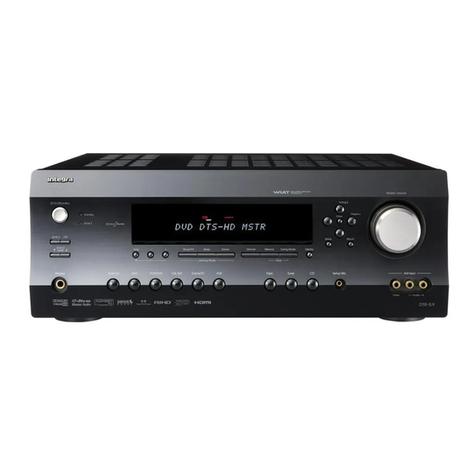
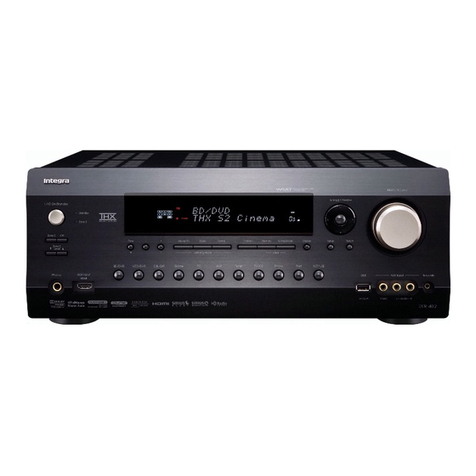
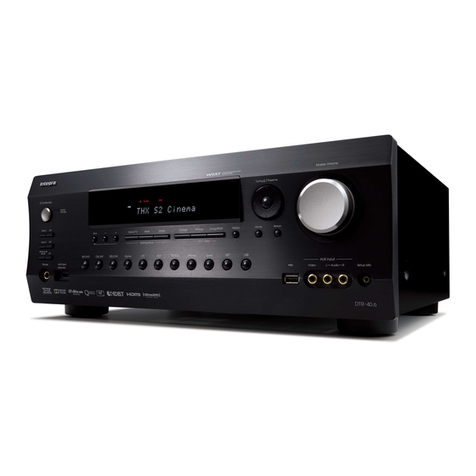
  9. Integra DTR-8.4 User manual

Integra DTR-8.4 User manual

Other manuals for DTR-8.4

2

Other Integra Receiver manuals

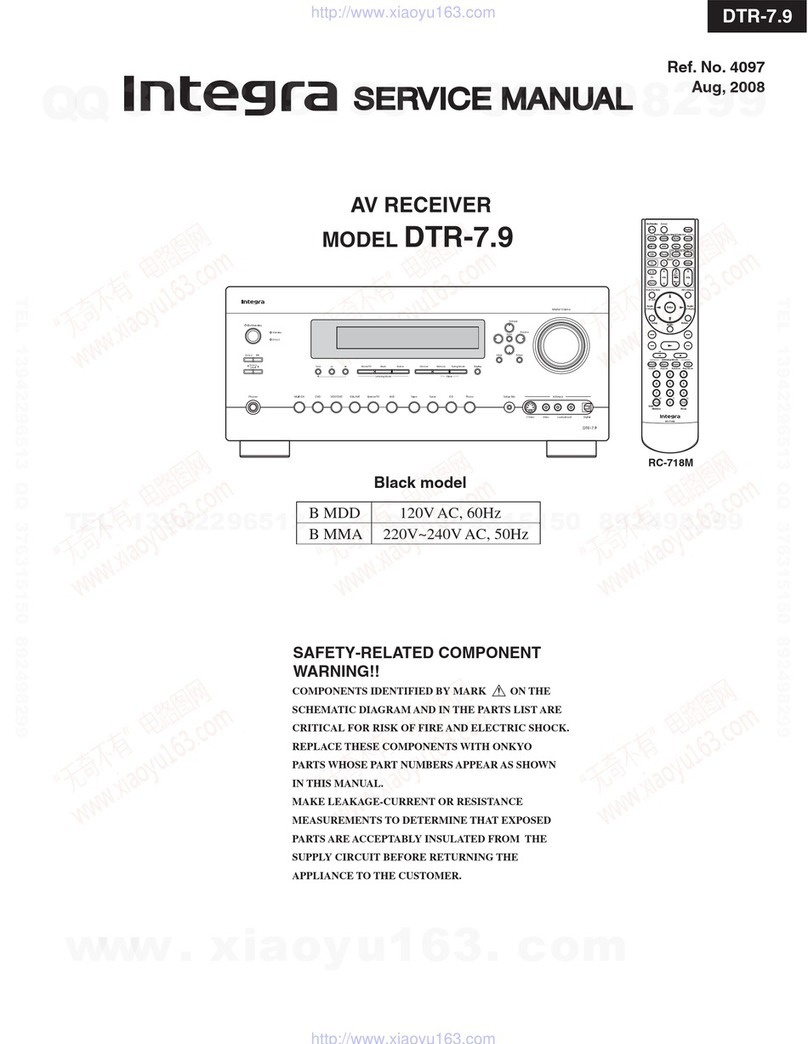
Integra DTR-6.9 User manual

Integra

Integra DTR-6.9 User manual

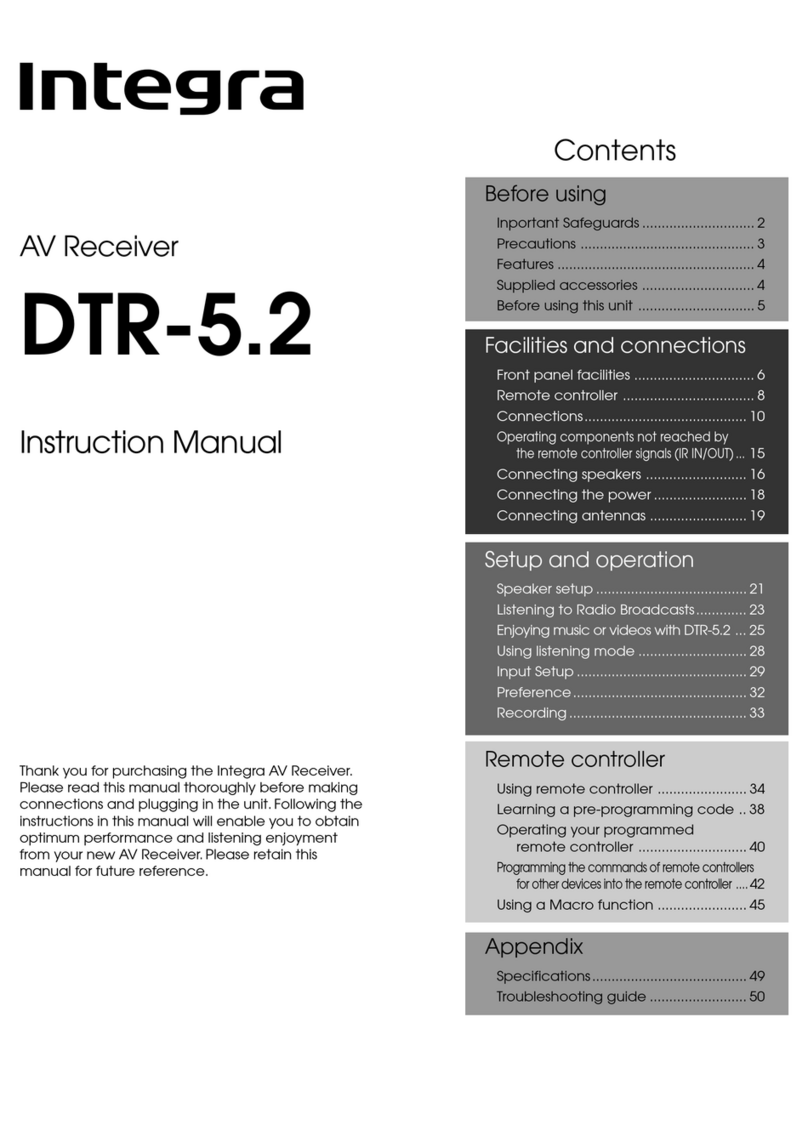
Integra DTR-5.9 User manual

Integra

Integra DTR-5.9 User manual

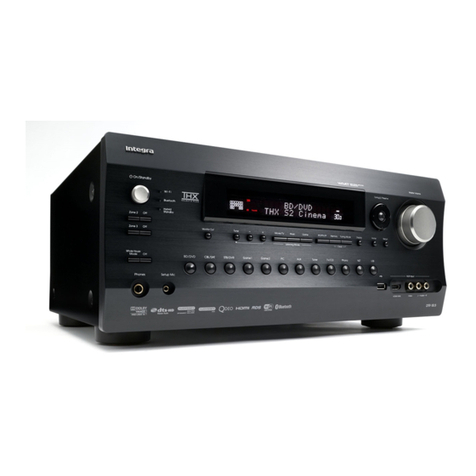
Integra DTR-7.9 User manual

Integra

Integra DTR-7.9 User manual

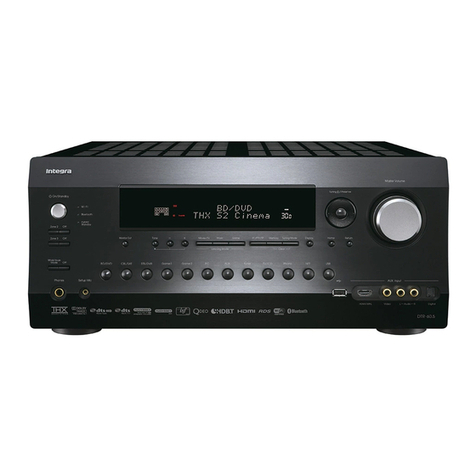
Integra DTR-40.6 Installation guide

Integra

Integra DTR-40.6 Installation guide

Integra DTM-6 User manual

Integra

Integra DTM-6 User manual

Integra DHC-80.6 Setup guide

Integra

Integra DHC-80.6 Setup guide

Integra RFR-6 User manual

Integra

Integra RFR-6 User manual

Integra DTR-4.5 User manual

Integra

Integra DTR-4.5 User manual

Integra DTR-7.9 User manual

Integra

Integra DTR-7.9 User manual

Integra NAC-2.3 User manual

Integra

Integra NAC-2.3 User manual

Integra DRX-R1.1 Installation guide

Integra

Integra DRX-R1.1 Installation guide

Integra DTR-5.1 User manual

Integra

Integra DTR-5.1 User manual

Integra DTR-30.7 User manual

Integra

Integra DTR-30.7 User manual

Integra DTR-6.9 User manual

Integra

Integra DTR-6.9 User manual

Integra DTR-6.6 User manual

Integra

Integra DTR-6.6 User manual

Integra DTR-8.8 User manual

Integra

Integra DTR-8.8 User manual

Integra DRX-7.1 Installation guide

Integra

Integra DRX-7.1 Installation guide

Integra DTR-5.8 User manual

Integra

Integra DTR-5.8 User manual

Integra DTR-7.8 User manual

Integra

Integra DTR-7.8 User manual

Integra DTR-7 User manual

Integra

Integra DTR-7 User manual

Integra Integra Research RDC-7.1 User manual

Integra

Integra Integra Research RDC-7.1 User manual

Integra DTR-30.2 User manual

Integra

Integra DTR-30.2 User manual

Integra DTR-40.2 Use and care manual

Integra

Integra DTR-40.2 Use and care manual

Integra DTR-7.7 User manual

Integra

Integra DTR-7.7 User manual

Popular Receiver manuals by other brands

Televes ZAS HD SAT user manual

Televes

Televes ZAS HD SAT user manual

Realistic DX-75 Operating and service instructions

Realistic

Realistic DX-75 Operating and service instructions

Saris 4620 Assembly instructions

Saris

Saris 4620 Assembly instructions

Mini DTR 206C PVR user manual

Mini

Mini DTR 206C PVR user manual

RF Elements TwistPort manual

RF Elements

RF Elements TwistPort manual

Denon DN-200WS user guide

Denon

Denon DN-200WS user guide

Yamaha RX-V467 owner's manual

Yamaha

Yamaha RX-V467 owner's manual

Russound SaphIR 858 instruction manual

Russound

Russound SaphIR 858 instruction manual

Quasonix RDMS Firmware update procedure

Quasonix

Quasonix RDMS Firmware update procedure

Pioneer XV-HTD1 Service manual

Pioneer

Pioneer XV-HTD1 Service manual

ATZ HDMI-V2-44HE150 manual

ATZ

ATZ HDMI-V2-44HE150 manual

Sony XNV-770BT MyTomTom Specifications

Sony

Sony XNV-770BT MyTomTom Specifications

Grundig STR 7122 TWIN Service manual

Grundig

Grundig STR 7122 TWIN Service manual

Creative Blaster Modem user guide

Creative

Creative Blaster Modem user guide

Panduit ATLONA AT-OME-RX11 installation guide

Panduit

Panduit ATLONA AT-OME-RX11 installation guide

VOLTCRAFT UTPS-40 operating instructions

VOLTCRAFT

VOLTCRAFT UTPS-40 operating instructions

JVC KW-ADV794 instructions

JVC

JVC KW-ADV794 instructions

Litelink VT-1001 operating instructions

Litelink

Litelink VT-1001 operating instructions

manuals.online logo
manuals.online logoBrands
  • About & Mission
  • Contact us
  • Privacy Policy
  • Terms and Conditions

Copyright 2025 Manuals.Online. All Rights Reserved.

DTR-8.4
SERVICE MANUAL
SERVICE MANUAL
Ref. No. 3788
Dec., 2003
AV RECEIVER
Black model
MODEL DTR-8.4
BMDD 120V, AC 60Hz
BMPA 230~240V, AC 50Hz
Display
Audio
Selector
Direct/
Pure Audio
Master Volume
Standby/On
Video 1 Video 3 Tape Tuner Phono Net AudioCD
DVD Video 2
VCR 1 VCR 2
Video 4 Video 5
Zone 2 ()
GRN
Rec ()
RED
Pure Audio psamplingU
Standby
Push To Open
DTR-8.4
SAFETY-RELATED COMPONENT
WARNING!!
COMPONENTS IDENTIFIED BY MARK ON THE
SCHEMATIC DIAGRAM AND IN THE PARTS LIST ARE
CRITICAL FOR RISK OF FIRE AND ELECTRIC SHOCK.
REPLACE THESE COMPONENTS WITH ONKYO
PARTS WHOSE PART NUMBERS APPEAR AS SHOWN
IN THIS MANUAL.
MAKE LEAKAGE-CURRENT OR RESISTANCE
MEASUREMENTS TO DETERMINE THAT EXPOSED
PARTS ARE ACCEPTABLY INSULATED FROM THE
SUPPLY CIRCUIT BEFORE RETURNING THE
APPLIANCE TO THE CUSTOMER.
1
DTR-8.4
SPECIFICATIONS
Amplifier Section
Video Section
Tuner Section
FM
AM
General
Video Inputs
Video Outputs
Audio Inputs
Audio Outputs
Other Sockets
Specifications and features are subject to change without
notice.
Power output:
All channels: 110 W (8 , 20 Hz~20 kHz, FTC)
(American Model)
150 W (6 , 1 kHz, DIN)
(Australian model)
Dynamic power: 2 x 280 W (3 , front)
2 x 220 W (4 , front)
2 x 140 W (8 , front)
THD (total harmonic
distortion): 0.08% (rated power)
Damping factor: 60 (8 )
Input sensitivity and
impedance: 200 mV/50k (LINE)
2.5 mV/50k (PHONO MM)
Output level and
impedance: 200 mV/470 (REC OUT)
Phono overload: 120 mV (MM, 1 kHz, 0.5%)
Frequency response: 5 Hz~100 kHz/+1 dB, ~-3 dB (CD, Direct)
Tone control: ±10 dB, 50 Hz (BASS)
±10 dB, 20,000 Hz (TREBLE)
S/N ratio (Direct mode): 110 dB (LINE, IHF-A, 0.5 V input)
80 dB (PHONO, IHF-A, 5 mV input)
Speaker impedance: 4~16
Input sensitivity, output
level and impedance: 1.0 Vp-p/75 (component and S-Video
Y)
0.7 Vp-p/75 (component PB/CB, PR/CR)
0.286 Vp-p/75 (S-Video C)
1.0 Vp-p/75 (composite)
Component video
frequency response: 5 Hz~50 MHz
Tuning frequency range: 87.5~108.0 MHz
Usable sensitivity: FM STEREO 17.2 dBf, 2.0 µV (75
IHF)
FM MONO 11.2 dBf, 1.0 µV (75 IHF)
S/N ratio: FM STEREO 70 dB (IHF-A)
FM MONO 76 dB (IHF-A)
THD: FM STEREO 0.3%
FM MONO 0.2%
FM stereo separation: 45 dB at 1 kHz, 30 dB at 100 Hz~10 kHz
Tuning frequency range: 530~1710 kHz (American model)
522~1611 kHz (Australian model)
Usable sensitivity: 30 µV
S/N ratio: 40 dB
THD: 0.7%
Power supply: American model: AC 120 V, 60 Hz
Australian model: AC 230~240V, 50 Hz
Power consumption: American model: 9.0A
Australian model: 670 W
Standby power
consumption: 2.5 W
Dimensions
(W x H x D): 17-1/8" x 6-7/8" x 18-1/8"
(435 x 175 x 460 mm)
Weight: 40.8 Ibs. (18.5 kg)
Component video inputs:2 (Input 1, Input 2)
S-Video inputs: 6 (DVD, Video 1~5)
Video inputs: 6 (DVD, Video 1~5)
Component video
outputs: 1 (Component Monitor Out)
S-Video outputs: 3 (Video 1 Out, Video 2 Out, Video
Monitor Out)
Video outputs: 4 (Video 1 Out, Video 2 Out, Video
Monitor Out, Zone 2 Video Out)
Digital inputs: 8 (Optical 1~4, OpticalVideo 5 (fixed, on
front panel), Coaxial 1~3)
Analog inputs: 9 (CD, Phono, Tape, DVD, Video 1~4,
Video 5)
Multichannel analog
inputs: 7.1 ch (Front L/R, Center, Surround L/R,
Surround Back L/R, Subwoofer)
Digital outputs: 2 optical
Analog outputs: 4 (Tape Out, Video 1 Out,Video 2 Out,
Zone 2 Out)
Pre outs: 8 (Front L/R, Center, Surround L/R,
Surround Back L/R or Zone 2 L/R,
Subwoofer)
Subwoofer pre out: 1
Speaker outputs: 7
Phones: 1
RS-232: 1
IR in/out: 1
12V trigger out: 3
Ethernet (Net-Tune) 1 (10Base-T, RJ45)
2
DTR-8.4
SERVICE PROCEDURES
1. Replacing the fuses
This symbol located near the fuses indicates
that the fuse used is fast operating type.For continued
protection against fire hazard, replace with same type fuse.
For fuse rating refer to the marking adjacent to the symbol.
Ce symbole indique que le fusible utlise est a
rapide.Pour une protection permanente, n'untiliser que
fusibles de meme type. Ce darnier est la qu le present
symbol est appse.
2.To initialize the unit
This device employs a microprocessor to perform various
functions and operations.If interference generated by an
external power supply, radio wave, or other electrical source
results in accident which causes the specified operations
and functions to operate abnormally.
To perform a result, please follow the procedure below.
1.Press the STANDBY ON button to turn on the unit.
2.Press and hold down the VIDEO 1 button, then press the
STANDBY/ON button.
3.After "CLEAR" is displayed, the preset memory and each
mode stored in the memory, such as surround, are
initialized and will return to the factory setting.
4.Unplug the power supply cord.
4. Memory Preservation
This unit does not require memory preservation batteries. A
built-in memory power back-up system preserves the contents
of the memory during power failures and even when the unit is
unplugged.The unit must be plugged in order to charge the
back-up system.
The memory preservation period after the unit has been
unplugged varies depending on climate and placement of the
unit. On the average, memory contents are protected over a
period of a few weeks after the last time the unit has been
unplugged.This period is shorter when the unit is exposed to a
highly humid climate.
Note: <D>: 120V model only
<A>: Australian model only
REF. NO. PART NO. DESCRIPTION
F901 252196 12A-UL/T-314,Fuse <D>
F902 252078 5A-SE-EAK,
252244 or 5A-SE-TL250V or
252278 5A-SE-TL250V, Fuse <A>
F903 252164 or 5A-UL/T-237 or
252258 5A-T/UL-ST2,Fuse <D>
252075, 2.5A-SE-EAK,
252241 or 2.5A-SE-TL250V or
252275 2.5A-SE-TL250V,Fuse <A>
F9501,F9502 252160 or 2.5A-UL/T-237 or
252254 2.5A-T/UL-ST2,Fuse <D>
252075, 2.5A-SE-EAK,
252241 or 2.5A-SE-TL250V or
252275 2.5A-SE-TL250V,Fuse <A>
F9503,F9504 252158 or 1.6A-UL/T-237 or
252252 1.6A-T/UL-ST2,Fuse <D>
252073, 1.6A-SE-EAK,
252239 or 1.6A-SE-TL250V or
252273 1.6A-SE-TL250V,Fuse <A>
3. Safety-check out
(U.S.A. model only)
After correcting the original service problem, perform the
following safety check before releasing the set to the customer.
Leakage Current Check
Measure leakage current to a known earth ground(water pipe,
conduit, etc.) by connecting a leakage current tester between
the earth ground and exposed metal parts of the appliance
(input/output terminals, screwheads,metal overlays, etc.).
Plug the power supply cord directly into a 120V AC 60 Hz outlet
and turn Standby switch on.Any current meausred must not
exceed 0.5mA.
3
DTR-8.4
PANELVIEWS
FRONT PANEL
Standby/On button
This button is used to set the DTR-8.4 to On or
Standby.
Standby indicator
This indicator lights up when the DTR-8.4 is in
Standby mode, and it flashes while a signal is being
received from the remote controller.
Audio Selector button
This button is used to select the audio input signal
format: analog, digital, or multichannel.
Input selector buttons & indicators
These buttons are used to select the following input
sources: DVD, VIDEO 1~5,TAPE,TUNER,
PHONO, CD, and NETAUDIO.The indicators
show the currently selected input source.
The indicators also show which input source is
selected for Zone 2, in which case they light up
green, or which input source is selected for record-
ing (REC OUT), in which case they light up red.
Display
See "Display" on page 3.
Display
Audio
Selector
Direct/
Pure Audio
Master Volume
Standby/On
Video 1 Video 3 Tape Tuner Phono Net AudioCD
DVD Video 2
VCR 1 VCR 2
Video 4 Video 5
Zone 2 ()
GRN
Rec ()
RED
Pure Audio psamplingU
Standby
Push To Open
DTR-8.4
Phones Zone 2 Level Stereo Surround THX DSPRec Out Zone 2 Off Dimmer Memory
Clear
FM Mode Setup Tuning Enter Preset Return
S Video Audio
Video L R
Digital
Video 5 Input
Front door Push here to open the flap
1 2 3 4 5 6 7 8
910 11
12 13 141516 18 20 21 23 25 26 27 28 29
24221917
1
2
3
4
5
4
DTR-8.4
PANELVIEWS
FRONT PANEL
6
7
8
9
10
11
12
13
14
15
16
18
20
21
23
25
26
27
28
29
24
22
19
17
Remote-control sensor
This sensor receives control signals from the remote
controller.
Display button
This button is used to display various information
about the currently selected input source.
MasterVolume control
This control is used to set the volume of the
DTR-8.4 from 0 to 100.
Direct/Pure Audio button
This button is used to select the Direct or Pure
Audio listening modes.
Pure Audio indicator
This indicator lights up when the Pure Audio listen-
ing mode is selected.
Upsampling indicator
This indicator lights up when the Upsampling func-
tion is on.
Phones jack
This 1/4-inch phone jack is for connecting a stan-
dard pair of stereo headphones for private listening.
Zone 2 Level [ ] [ ] buttons
These buttons are used to set the volume for Zone2.
Rec Out button
This button is used to select the input source that
you want to record via the REC OUTs (i.e.,TAPE
OUT,VIDEO 1 OUT,VIDEO 2 OUT).
Zone 2 button
This button is used to select the input source for
Zone 2.
Off button
This button is used to turn off the REC OUTs (i.e.,
TAPE OUT,VIDEO 1 OUT,VIDEO 2 OUT) or
Zone 2.
Stereo button
This button is used to select the Stereo listening
mode.
Surround button
This button is used to select the Dolby and DTS lis-
tening modes.
THX button
This button is used to select the THX listening
modes.
DSP [ ] [ ] buttons
These buttons are used to select the DSP (digital
signal processor) listening modes.
Dimmer button
This button is used to adjust the display brightness.
Memory button
This button is used when storing and deleting radio
presets.
FM Mode button
This button is used to select the FM radioAuto and
Mono modes.
Setup button
This button is used to access the onscreen setup
menus (OSD) that appear on the TV.
Tuning [ ] [ ] buttons
These buttons are used to tune into radio stations
and to select items on the onscreen setup menus
(OSD).
Enter button
This button is used when navigating the onscreen
setup menus (OSD), entering names, and confirm-
ing settings.
Preset [ ] [ ] buttons
These buttons are used to select radio presets and to
select items on the onscreen setup menus (OSD).
Return button
This button is used to return to the previously dis-
played onscreen setup menu (OSD).
Video 5 Inputs
These optical digital audio, S-Video, composite
video, and analog audio inputs can be used to con-
nect a camcorder, games console, and so on.
5
DTR-8.4
PANELVIEWS
DISPLAY
1Audio input format indicators
These indicators show the audio input format for the
currently selected input source.
2Listening mode & digital audio format
indicators
These indicators show the currently selected listen-
ing mode and digital audio format.
3Tuning indicators
AUTO indicator:
This indicator lights up when the tuner is tuned to
an FM station and Stereo mode is selected. It goes
off when Mono mode is selected.
TUNED indicator:
This indicator lights up when the tuner is tuned into
an AM or FM station.
FM STEREO indicator:
This indicator lights up when the tuner is tuned to a
stereo FM station. It goes off when Mono mode is
selected.
4Multipurpose display area
Normally, the name of the currently selected input
source is displayed here.When you select the AM
or FM input source, the radio frequency and preset
number are displayed. If you press the [Display]
button, the currently selected listening mode and
digital audio format are displayed.
5Volume level
The volume level is displayed here.
6SLEEP indicator
This indicator lights up when the Sleep function has
been set.
123
45 6
6
DTR-8.4
PANELVIEWS
REAR PANEL
DIGITAL IN COAX 1~3, OPT 1~4
These coaxial and optical digital audio inputs can be
used to connect CD, DVD, or LD (laser disc) play-
ers and other components with digital audio outputs.
DIGITAL OUT OPT 1 & 2
These optical digital audio outputs can be used to
connect a CD recorder or other digital recorder with
digital inputs.
PRE OUT- FRONT L/R, SUB, CENTER,
SURR L/R
If you use the DTR-8.4 as a preamp, these analog
audio outputs can be connected to the inputs on a
separate power amp. The SUB output is used to
connect a powered subwoofer.
PRE OUT-SURR BACK/ZONE 2
These analog audio outputs can be used to feed the
L/R surround back inputs on a separate power amp
when the DTR-8.4 is used as a preamp, or to feed a
power amp in Zone 2.
MULTI CH INPUT-FR ONT L/R, SUB,
CENTER, SURR L/R, SURR BACK L/R
Theseanalog audio inputscan beused toconnectAV
components with multiple analog audio outputs,
including DVD players with individual 5.1/7.1 sur-
round analog audio outputs.
AM ANTENNA
These push terminals are for connecting an AM
antenna.
FM ANTENNA
This connector is for connecting an FM antenna.
PHONO IN
These analog inputs can be used to connect a turnta-
ble with a moving-magnet cartridge.
CD IN
These analog inputs can be used to connect a CD
player with analog outputs.
FM
75
OUT
OUT
OUT
OUT
L
PHONO
PRE OUT
FRONT
SUB
SURR
RL
AUDIO
RL
CD
TAPE
RL
AUDIO VIDEO S VIDEO
MONITOR
OUT
RL
IN
IN
IN
IN
IN
IN
IN
ZONE 2
DVD
VIDEO 1
VIDEO 2
VIDEO 3
VIDEO 4
AUDIO AUDIO VIDEO S VIDEO
GND
SURR
BACK/
ZONE 2
RL
IN
AC
INLET
R
CENTER
ETHERNET
(Net -Tune)
RL
MULTI CH
INPUT
FRONT
SUB
SURR
SURR
BACK
CENTER
RL
AM
ANTENNA
COMPONENT
VIDEO
Y
PB
PR
OUTPUT
INPUT 1
Y
PB
PR
INPUT 2
Y
PB
PR
SURR
BACK/
ZONE 2
SPEAKERS
FRONT SPEAKERS L
RL R
SURR SPEAKERS
CENTER
SPEAKER
RL
AC OUTLETS
AV RECEIVER
MODEL NO. DTR-8.4
RATING:AC
120
V 60
Hz 9.0
A
AC
120
V 60
Hz
SWITCHED
TOTAL 120W 1A MAX.
I
R
IN
ZONE 2
REMOTE
CONTROL
A
B
RS232
OUT
12
V
TRIGGER OUT
DIGITAL
IN
DIGITAL
OUT
OPT
OPT
2
1
2
3
4
1
2
1
3
COAX
1
2
3 4
5
6 7
8 9 10
1112 13
1415
16
18 20 21 23
25
26 2422
19
17
1
2
3
4
5
6
7
9
8
7
DTR-8.4
PANELVIEWS
REAR PANEL
10
11
12
13
14
15
16
18
20
21
23
25
26
24
22
19
17
TAPE IN/OUT
These analog inputs and outputs can be used to con-
nect a cassette recorder, Mini Disc recorder, or other
recorder with analog inputs and outputs.
MONITOR OUT
This S-Video or composite video output can be con-
nected to the video input on your TV or projector .
ZONE 2 OUT
These composite video and analog audio outputs
can be used to feed a TV and an integrated amp in
Zone 2.
DVD IN
These S-Video, composite video, and analog audio
inputs can be used to connect a DVD player..
VIDEO 1 & 2 IN/OUT
These S-Video, composite video, and analog audio
inputs and outputs can be used to connect one or
two video recorders (e.g.,VCRs).
VIDEO 3 & 4 IN
These S-Video, composite video, and analog audio
inputs can be used to connect one or two video
sources (e.g., cable TV , satelliteTV, or a set-top
box).
COMPONENTVIDEO OUTPUT
This component video output can be used to con-
nect a TV or projector with a component video
input.
COMPONENTVIDEO INPUT 1 & 2
These component video inputs can be used to con-
nect one or two AV components with component
video outputs, such as a DVD player.
ETHERNET (Net-Tune)
This port is for connecting the DTR-8.4 to your
Ethernet network (i.e., router or switch) for use with
Net-Tune (i.e., Internet radio and MP3 and WAV
playback).
SPEAKERS
These terminal posts are for connecting your speak-
ers. The SURR BACK/ZONE 2 terminals can be
used with surround back speakers in the main room
or speakers in another room (Zone 2).
RS232
This port is for connecting the DTR-8.4 to home
automation and external controllers.
IR IN/OUT
If you want to use the remote controller to control
the DTR-8.4 from Zone 2, or if the DTR-8.4 is
installed in a cabinet and the line of sight between
the DTR-8.4 and the remote controller is obstructed,
a commercially available IR receiver can be con-
nected to the IR IN. A commercially available IR
emitter can be connected to the IR OUT to pass the
IR signals along to another AV component.
12VTRIGGER OUT ZONE 2/A/B
These outputs can be connected to the 12-volt trig-
ger inputs on other components. They output 12
volts (100 milliamperes max).The ZONE 2 TRIG-
GER OUT outputs 12 volts while the DTR-8.4 is in
Zone 2 mode. The A and B outputs can be assigned
to input sources, in which case, the assigned trigger
output outputs 12 volts while the input source is
selected.
REMOTE CONTROL
This (Remote Interactive) socket can be con-
nected to the socket on another Integra/Onkyo
AV component.The DTR-8.4's remote controller
can then be used to control that component. To use
, you must make an analog RCA/phono audio
connection between the DTR-8.4 and the other
AV
component, even if they are connected digitally.
AC INLET
The supplied power cord should be connected here.
AC OUTLETS
These switched AC outlets can be used to supply
power to other AV components. The connector type
depends on the country in which you purchased
your DTR-8.4.
Grounding screw
This screw is for connecting a turntable's ground
wire.
8
DTR-8.4
PANELVIEWS
REMOTE CONTROLLER
1
2
3
4
5
6
7
8
9
10
11
12
13
14
15
16
18
20
21
23
25
26
24
22
19
17
The DTR-8.4's remote controller is a multipurpose
device that can be used to control not just the DTR-8.4
but your other AV components as well. This section
explains how it's various operating modes can be used to
control the DTR-8.4 and various -compatible Inte-
gra/Onkyo components.
Amp mode is used to control the DTR-8.4.To select
Amp mode, press the scroll wheel. "AMP" appears
on the display.
Note:
While neither the [Input] button nor [Mode] button is
illuminated, rolling the scroll wheel changes the input
source and remote controller mode simultaneously.
Boxed numbers are for Net-Tune mode.
On button
This button is used to turn on the DTR-8.4.
Standby button
This button is used to set the DTR-8.4 to Standby.
Number/letter buttons
These buttons are used to enter numbers and letters.
Custom button
This button is used to access various settings that
you can use to customize the operation of the
remote controller.
Macro button
This button is used with the Macro function.
Mode button
This button is used with the scroll wheel to select
the remote controller modes.
Dimmer button
This button is used to adjust the display brightness.
Up/Down/Left/Right [ ]/[ ]/[ ]/[ ] &
Enter buttons
These buttons are used to select items on the
onscreen setup menus (OSD).The Enter button is
also used to enter names and to confirm settings.
CH/Disc button
This button is used to select radio presets.
Return/Exit button
This button is used to return to the previously dis-
played onscreen setup menu (OSD).
Display button
This button is used to display various information
about the currently selected input source.
THX button
This button is used to select the THX listening
modes.
Surround button
This button is used to select the Dolby and DTS lis-
tening modes.
Direct button
This button is used to select the Direct listening
mode.
Pure A button
This button is used to select the Pure Audio listen-
ing mode.
Amp Mode Scroll wheel
28
30
31
29
27
2
3
4
5
6
7
8
9
10
11
12
1
13
14
15
16
17
18
19
20
1
2
3
4
5
6
7
8
9
10
11
12
13
14
15
9
DTR-8.4
PANELVIEWS
REMOTE CONTROLLER
16
17
2
3
4
5
6
7
8
9
1
TestTone, CH SEL, Level- & Level+ buttons
These buttons are used to adjust the level of each
speaker individually.These functions can be set
only with the remote controller. The [Leve-] and
[Level+] buttons are also used to adjust the volume
in Zone 2.
Audio SEL button
This button is used to select the audio input signal
format: analog, digital, or multichannel.
Light button
This button is used to turn on or off the remote con-
troller's illuminated buttons.
DirectTuning button
This button is used with the number buttons to
select a radio station by entering its frequency.Press
this button first, and then use the number buttons to
enter the frequency..
Display
The top line of this LCD display shows the name of
the currently selected input source.The bottom line
shows the currently selected remote controller.
mode.
Zone 2 button
This button is used when you want to set the volume
and input source for Zone 2.
Input button
This button is used to select the input source. Press
this button first, and then roll the scroll wheel until
the name of the input source appears on the display.
Sleep button
This button is used to set the Sleep function. This
function can be set only with the remote controller.
VOL button
This button is used to set the volume of the
DTR-8.4.
Setup/guide button
This button is used to access the onscreen setup
menus (OSD) that appear on the TV.
Muting button
This button is used to mute the DTR-8.4.This func-
tion can be set only with the remote controller.
All CH ST button
This button is used to select the All Ch Stereo listen-
ing mode.
Stereo button
This button is used to select the Stereo listening
mode.
[ DSP] & [DSP ] buttons
These buttons are used to select the DSP (digital
signal processor) listening modes.
Re-EQ button
This button is used to turn on and off the Re-EQ
function.
L Night button
This button is used to set the Late Night function.
Net-Tune mode is used with the Net-Tune functions. To
select Net-Tune mode, press the [Mode] button, and
then roll the scroll wheel until "NET-T" appears on
the display .
Note:
While neither the [Input] button nor [Mode] button is
illuminated, the scroll wheel changes the input source
andremotecontroller mode simultaneously. (e.g., setthe
input source to "MSRV/IRD"and the mode to
"NET-T.")
Number/letter buttons
These buttons are used to enter numbers and letters
when searching for music in your network audio
server music library.
Mode button
This button is used with the scroll wheel to select
the remote controller modes. Press this button first,
and then roll the scroll wheel until "NET-T"
appears on the display.
Up/Down/Left/Right [ ]/[ ]/[ ]/[ ] &
Enter buttons
These buttons are used to navigate Internet radio
and network audio server menus. The Enter button
is used to confirm items and to start playback of
Net-Tune server tracks.
CH/Disc button
This button is used to select Internet radio presets.
Play [ ] button
This button is used to start playback of network
audio server tracks.
Previous/Next [ ]/[ ] buttons
The Previous [ ] button is used to select the pre-
vious track. During playback it selects the begin-
ning of the current track. The Next [ ] button is
used to select the next track.
Pause [ ] button
This button is used to pause playback.
Repeat button
This button is used for repeat playback.
Album button
This button is used to search your network audio
server music library by album.
Playlist button
This button is used to search your network audio
server library by playlist.
Net-Tune Mode
18
20
21
23
25
26
24
22
19
28
30
31
29
27
10

10