EnglishDeutsch
 logo
Brands
  1. Home
  2. •
  3. Brands
  4. •
  5. juicedLink
  6. •
  7. Camera Accessories
  8. •
  9. juicedLink DT454 - XLR User manual

juicedLink DT454 - XLR User manual

This manual suits for next models

1

Popular Camera Accessories manuals by other brands

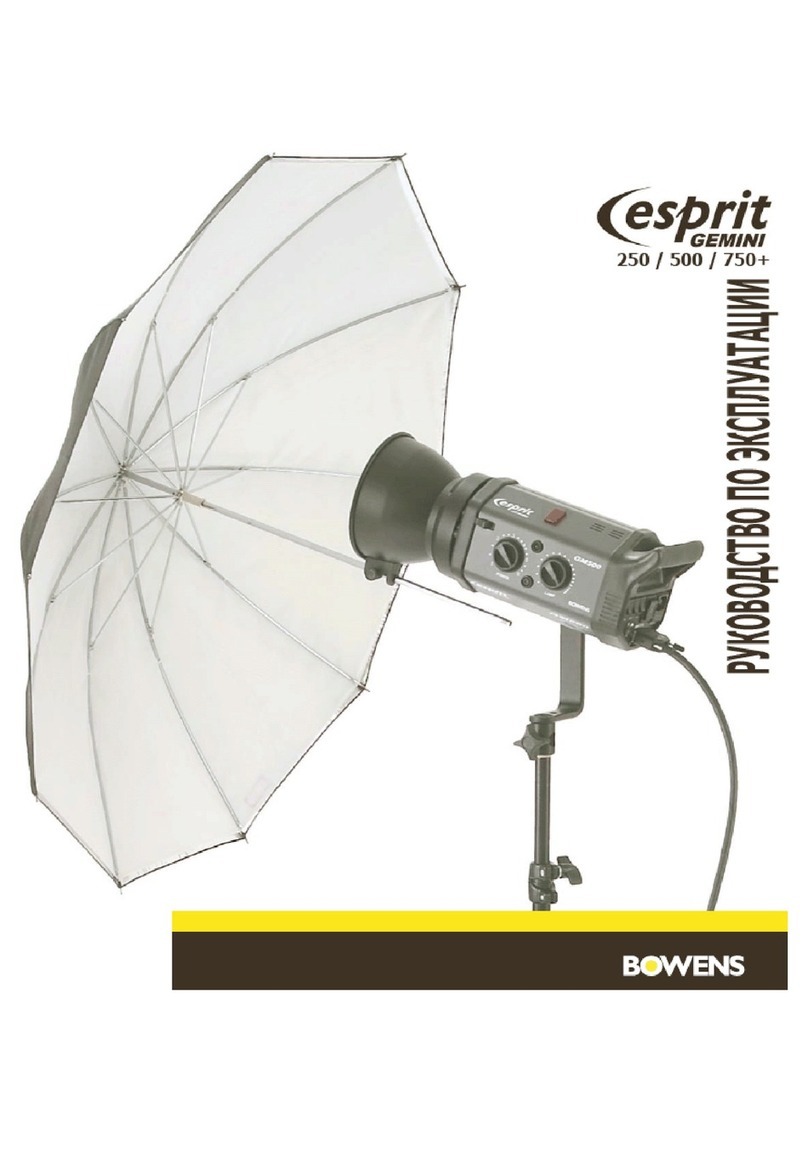
Bowens Camera Bag 125 null

Bowens

Bowens Camera Bag 125 null

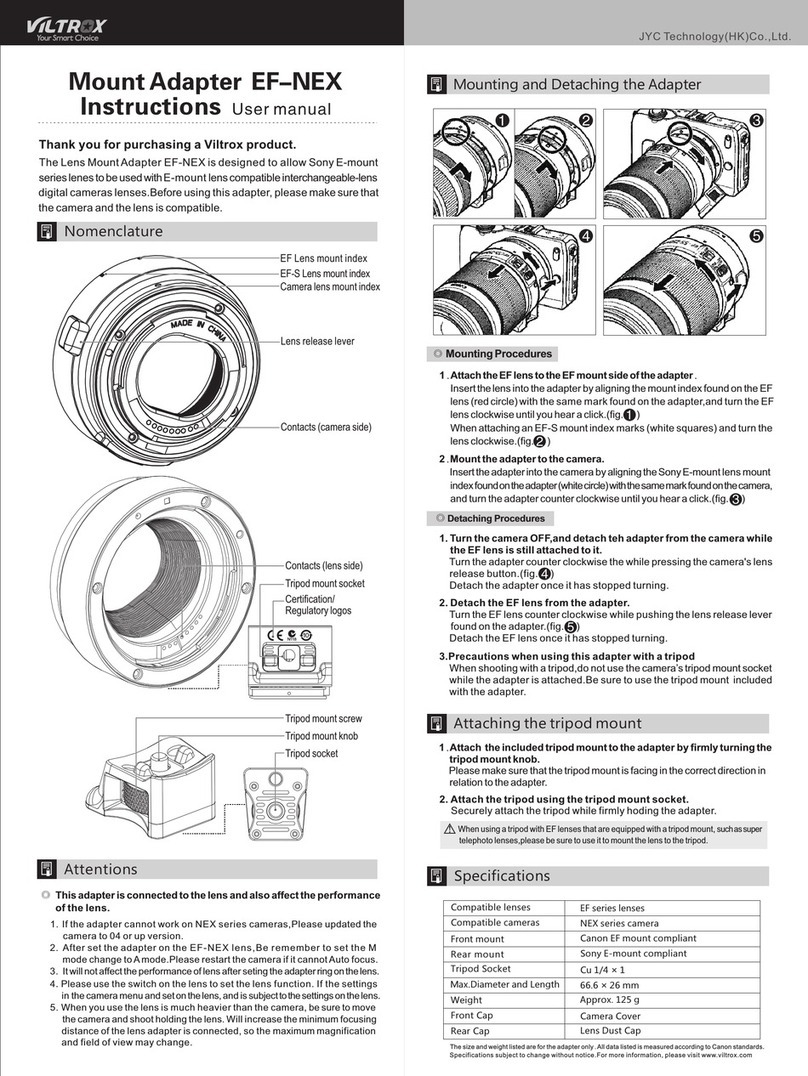
Viltrox EF-NEX Mount instructions

Viltrox

Viltrox EF-NEX Mount instructions

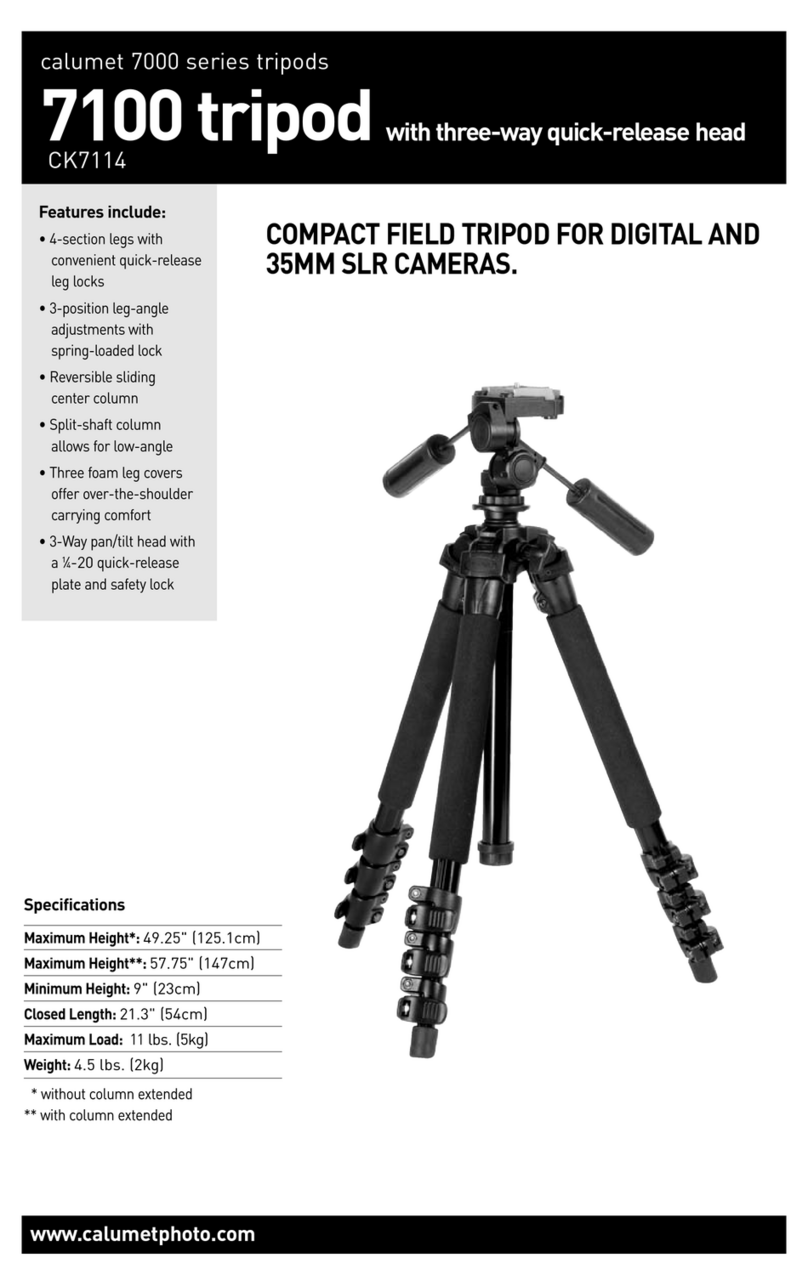
Calumet 7100 Series CK7114 operating instructions

Calumet

Calumet 7100 Series CK7114 operating instructions

Ropox 4Single Series User manual and installation instructions

Ropox

Ropox 4Single Series User manual and installation instructions

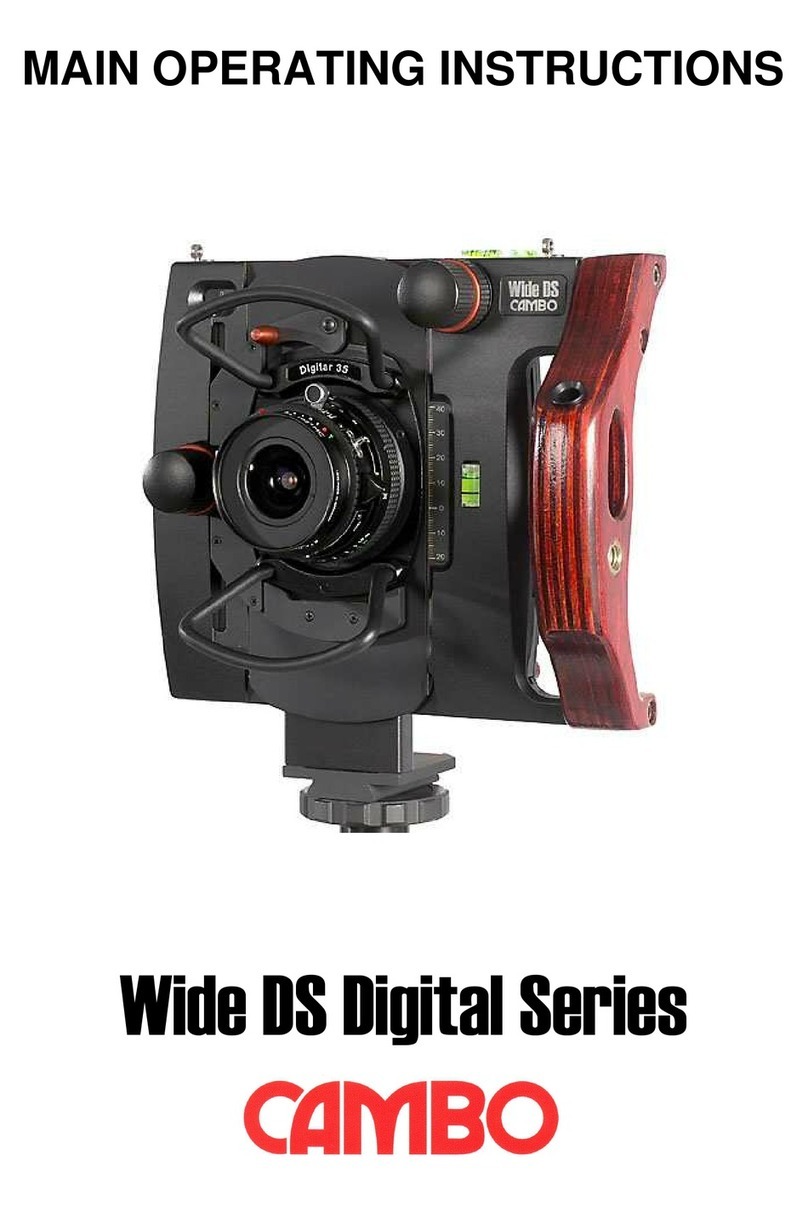
Cambo Wide DS Digital Series Main operating instructions

Cambo

Cambo Wide DS Digital Series Main operating instructions

Samsung SHG-120 Specification sheet

Samsung

Samsung SHG-120 Specification sheet

Ryobi BPL-1820 Owner's operating manual

Ryobi

Ryobi BPL-1820 Owner's operating manual

Aegis ABL-36020P user manual

Aegis

Aegis ABL-36020P user manual

Fantasea EyeGrabber F Series instruction manual

Fantasea

Fantasea EyeGrabber F Series instruction manual

Honeywell HDZ20HD user manual

Honeywell

Honeywell HDZ20HD user manual

EGO BA1400T Operator's manual

EGO

EGO BA1400T Operator's manual

Sima SRW-62 user guide

Sima

Sima SRW-62 user guide

Shape A7SSMKIT Assembly manual

Shape

Shape A7SSMKIT Assembly manual

Slide Kamera HST-2 user manual

Slide Kamera

Slide Kamera HST-2 user manual

Power works 2902613 Original instructions

Power works

Power works 2902613 Original instructions

SES SE-2047-2 user manual

SES

SES SE-2047-2 user manual

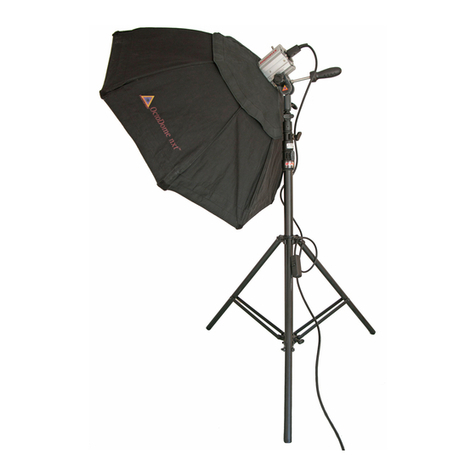
Starlite OctoDome nxt instructions

Starlite

Starlite OctoDome nxt instructions

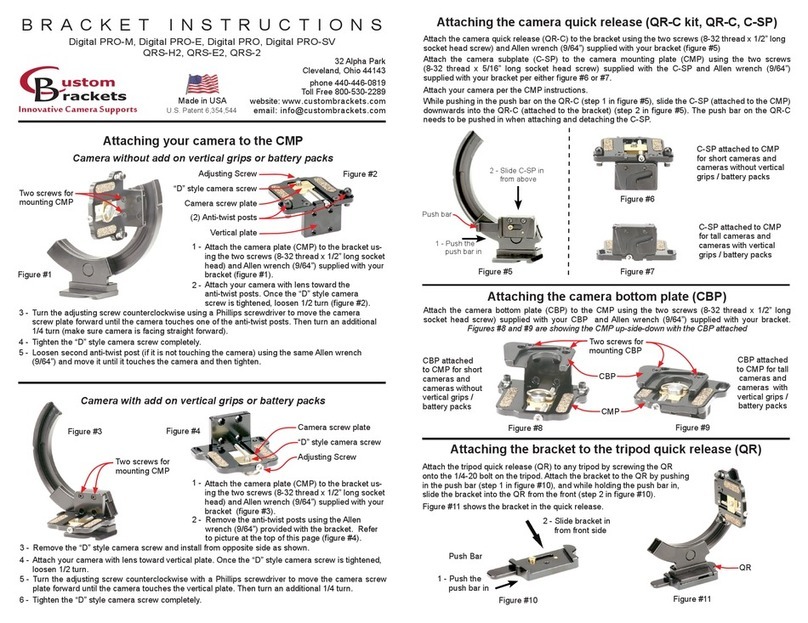
Custom Brackets Digital PRO-M Instructions for use

Custom Brackets

Custom Brackets Digital PRO-M Instructions for use

https://manuals.online logo
https://manuals.online logoBrands
  • About & Mission
  • Contact us
  • Privacy Policy
  • Terms and Conditions

Copyright 2026 Manuals.Online. All Rights Reserved.

juicedLink
TM
User’s Manual
DT454 – XLR Adapter / Preamplifier / AGC Disabler
© 2010 juicedLink, LLC. ENGLISH
All Rights Reserved. DT454 User Manual: Rev1.10
Page 2 www.juicedLink.com
C ntents
Click on heading to jump to page …
C ntents ..............................................................................................2
Read This First ....................................................................................4
Warnings - General ...........................................................................4
N tes Regarding Specific Cameras ...................................................5
Can n 5D Mark II ..............................................................................5
Firmware Release 2.0.4 and Later................................................5
MagicLantern 3rd Party Firmware .................................................6
Can n T2i, 7D, 1D Mark IV ...............................................................8
Panas nic Lumix GH1 ................................................................... 10
Nik n D300s, D3s .......................................................................... 12
General ............................................................................................. 14
Features / Specificati ns .............................................................. 14
Switch / Panel Descripti ns and Ph t s ...................................... 15
Ph t s.......................................................................................... 15
Fr nt Panel Switches ................................................................. 17
Side / Back Inputs ....................................................................... 18
B tt m Switches ........................................................................ 19
Included Items............................................................................... 21
Access ries ................................................................................... 21
Bl ck Diagram (Basic) .................................................................. 22
Basic Operati n................................................................................ 23
M unting t Camera ...................................................................... 23
M unting t Trip d ........................................................................ 24
Output C nnecti n t Camera ...................................................... 25
P wering ........................................................................................ 26
Alkaline Battery Life................................................................... 26
Rechargeable Batteries ............................................................. 26
Input C nnecti ns ......................................................................... 27
TIP-L / RING-R Unbalanced Input............................................... 27
XLR-L / XLR-R Balanced Input.................................................... 28
XLR-L / XLR-R with Unbalanced S urces (Wireless, Etc.)........ 28
Phant m P wer ............................................................................. 29
DT454 – XLR Adapter / Preamplifier / AGC Disabler Page 3
MIC/LINE Switches ........................................................................ 31
MONO / STEREO Switch ................................................................ 32
PAN TO L / NORM........................................................................... 33
GAIN Settings ................................................................................ 34
TRIM P tenti meters .................................................................... 35
Camc rder Settings ...................................................................... 36
L w-N ise Perf rmance ............................................................. 36
Dynamic Range Perf rmance..................................................... 36
AGC Disable ................................................................................... 37
T ne ............................................................................................. 38
Safety M de – N ise ................................................................... 39
Metering: Setting the Appr priate Gain/Trim Levels .................. 41
Headph ne M nit ring .................................................................. 43
Playback Headph ne M nit ring.................................................. 43
Advanced T pics.............................................................................. 45
P st Pr ducti n – Rem ving T ne................................................ 45
P st Pr ducti n – Rem ving Right Track .................................... 46
Appendix........................................................................................... 48
Subscribe t the juicedLink Bl g ................................................. 48
Care and Maintenance .................................................................. 48
Warranty, Service, and Returns.................................................... 48
C mpliance .................................................................................... 48
Page 4 Omissions / Suggestions? Contact Us
www.juicedLink.com
Read This First
Before operating the unit, please read this manual thoroughly.
Any future revisions will be posted on the website and available for download.
Get notified on new revisions of this User Manual, product updates, new product
releases, and tutorial videos. Subscribe to the blog:
www.juicedlink.com/blog/index.html
Notes regarding documentation in this manual are as follows:
- References to markings/labels on the unit are denoted in underline/bold.
For example: HPF.
- Warnings will be preceded with WARNING.
Warnings - General
WARNING: Failure to read and observe notes and warnings may result in
personal injury, and/or possible damage to this device and your other equipment.
WARNING - LOSS OF HEARING: This device, as well as any device with a
headphone amplifier, is capable of driving the signal at levels that can be
damaging to hearing. Always operate the headphone volume at the lowest
practical level. Do not wear the headphones over your ears in any of the following
circumstances:
- While plugging the headphones into the headphone driving device.
- While plugging the mixer into the headphone driving device.
- While turning on or off the mixer.
- While turning on or off the phantom power.
- While plugging a device into the input of the mixer.
WARNING - RISK OF ELECTRICAL SHOCK: This device, its enclosure, and the
connections to cable shields that plug into this device are conductive. Avoid
electrocution and observe caution with cable runs near areas where high-voltages
and/or currents may exist.
Get notified on User Manual and product updates: Page 5
- Subscribe at http://www.juicedlink.com/blog/index.html
N tes Regarding Specific Cameras
Can n 5D Mark II
Firmware Release 2.0.4 and Later
With firmware release 2.0.4, Canon has provided manual control for audio!!! It
also provides for a meter. But, the meter is only visible during setup (not during
recording).
This is a welcome addition. We hope to see firmware updates from all DSLR
manufacturers, for all cameras to add audio features.
For lowest noise performance while recording fine audio detail, you will want to
manually throttle back the camera gain, and replace that noisy gain with clean
gain from the juicedLink low-noise preamplifier. Follow the directions from Canon
for how to navigate the firmware menus.
The lowest noise performance will be achieved with the lowest gain setting on the
5D (1 click above the lowest (off) setting). This may be just a little outside the
factory calibration for the DT454 METER HI setting. You can run the DT454
meter a little hot. Or, you can try and get the DT454 calibration a little bit closer to
the 5D 1-click setting:
NOTE: We have posted a video on our website which may be helpful to illustrate
steps in general. However, please refer to this user Manual for the exact details.
1. CALIBRATE THE DT454 METER:
a. Set the 5D gain on the 1-click (above off) setting
b. Set the AGC Disable switch to the OFF position.
c. Set PAN TO L / NORM switch to the NORM position (Since AGC
Disable is not used)
d. Set the METER switch to the HI position
e. Connect a mic to your DT454, and adjust the GAIN and TRIM (volume
potentiometer) settings so that when you speak into your microphone,
the meter on the 5D peaks splash up to the -12dB full scale point.
f. Just above the “HI” lettering on the bottom of the DT454, locate small
hole in the aluminum enclosure. Behind this hole is a potentiometer
that calibrates the meter sensitivity for the HI setting.
g. Using a small screwdriver (1/16”) adjust the HI METER potentiometer
so the 3rd LED is illuminated as the 5D meter splashes up to the -12dB
full scale point while you speak into your microphone. The meter has
Page 6 Omissions / Suggestions? Contact Us
www.juicedLink.com
a limited calibration range, but you should be able to get the
correlation fairly close.
i. From the factory setting, you will typically be adjusting the
potentiometer counterclockwise.
ii. If you reach full counter-clockwise and the meter calibration is
not exactly there, then leave the adjustment in the full counter-
clockwise position. This is OK, as it will just give you an extra
couple of dB of headroom. You can bump up the 5D gain if a bit
if you wish to reach exact calibration.
2. WHILE RECORDING:
a. Set the 5D gain on the 1-click (above off) setting
b. Set the AGC Disable switch to the OFF position.
c. Set PAN TO L / NORM switch to the NORM position (Since AGC
Disable is not used)
d. Set the METER switch to the HI position, and adjust the GAIN and
TRIM (volume potentiometer) settings to keep the peaks below the red
LED of the Meter.
e. The other settings (phantom power, etc) operate like any typical mixer.
3. POST PRODUCTION
a. There’s no need to follow any of the post-production steps presented
in this Manual, since there was no need to use any of the AGC disable
features of the DT454. Up
Return to Contents
MagicLantern 3rd Party Firmware
MagicLantern is 3rd party firmware that was written by a genius for the 5D
platform. It is not from Canon, so you need to do your due diligence to understand
the risks of what you are getting yourself into. It has very useful tools and has a
lot of users (you can converse with the users on the typical video production
message boards), but as it is not from Canon, it is not a solution for everybody.
However, MagicLantern provides for even more control than the Canon firmware
does. It has meters that are always visible, so those will be the final arbiter for
level settings. It allows you to control the camera’s analog gain (the Canon
firmware throttles back the digital gain), so you can achieve even lower signal-to-
noise performance with a 5D running MagicLantern being fed by juicedLink low-
noise preamplifiers. Since the DT454 has even more available gain than the
juicedLink CX family of preamps, the 5D analog gain can be set to 0dB gain, for
even lower noise performance than was even achievable before.

Get notified on User Manual and product updates: Page 7
- Subscribe at http://www.juicedlink.com/blog/index.html
That said, most people will find that the performance with the Canon 2.0.4
firmware is more than sufficient for quality audio performance.
This will be your typical DT454 setup while using MagicLantern:
1. SETUP OF DT454 (this does not provide a guide of MagicLantern settings)
a. Set the AGC Disable switch to the OFF position.
b. Set PAN TO L / NORM switch to the NORM position (Since AGC
Disable is not used)
c. Since MagicLantern has its own built and meters, you will not be using
the METER on the DT454 (you’ll simply ignore them).
2. WHILE RECORDING
a. Adjust the GAIN and TRIM (volume potentiometer) settings on the
DT454 to keep the peaks below the red region of the MagicLantern
meter displayed on the 5D.
b. The other settings (phantom power, etc) operate like any typical mixer.
3. POST PRODUCTION
a. There’s no need to follow any of the post-production steps presented
in this Manual, since there was no need to use any of the AGC disable
features of the DT454.
Return to Contents
Page 8 Omissions / Suggestions? Contact Us
www.juicedLink.com
Can n T2i, 7D, 1D Mark IV
Different camera platforms, with varying gain lineups and firmware
implementations, vary in terms of their required input signal level to optimize
signal-to-noise while also having sufficient margin to headroom distortion.
The factory HI and LO meter settings try to balance the needs across platforms.
But, the may not be optimal for every camera.
This section will describe some simple steps to get the DT454 meter more
precisely calibrated to the gain needs of your camera while using the AGC Disable
feature of the DT454.
We will use the known output signal level of the AGC Disable’s noise signal for
calibration. So, we will take the output of the DT454 with the noise signal, and
feed that back to the DT454 input. Then, you will adjust a potentiometer to a pre-
determined position and signal level. Then, you will use a small screwdriver to
adjust one of the meter potentiometers, so the meter is calibrated to that signal
level.
Follow these steps:
NOTE: We have posted a video on our website which may be helpful to illustrate
steps in general. However, please refer to this user Manual for the exact details.
a. CALIBRATE THE DT454 METER:
a. Start with all of the front panel potentiometers (volume controls for
XLR-L, XLR-R, etc) turned all of the way down (counterclockwise).
b. Take the stereo minijack cable, and connect one end to the DT454
OUT minijack, and the other end to the DT454 TIP / RING INPUT
minijack.
c. Set MONO / STEREO to STEREO, and PAN TO L / NORM to NORM.
d. Set the AGC Disable switch to the NOISE setting.
e. Set the GAIN for the RING/TIP INPUT to the LO setting on the bottom
of the DT454.
f. On the front panel, turn the RING-R potentiometer (volume control) to
the eleven o’clock position.
g. Set the METER switch to the LO position on the bottom of the DT454.
Get notified on User Manual and product updates: Page 9
- Subscribe at http://www.juicedlink.com/blog/index.html
h. Just above the “LO” lettering on the bottom of the DT454, locate small
hole in the aluminum enclosure. Behind this hole is a potentiometer
that calibrates the meter sensitivity for the LO setting.
i. Using a small screwdriver (1/16”) adjust the LO METER potentiometer
so the 3rd LED is illuminated
b. WHILE RECORDING:
a. Set the AGC Disable switch to the NOISE setting.
b. Set PAN TO L / NORM switch to the PAN TO L position (Since AGC
Disable is being used)
c. Use the LO meter setting, and adjust the GAIN and TRIM (volume
potentiometer) settings to keep the peaks below the red LED of the
Meter.
d. The other settings (phantom power, etc) operate like any typical mixer.
c. POST PRODUCTION
a. Refer to the section “Post Production – Removing Right Track” to
remove the AGC Disable noise signal from the right recording track, to
leave you with the clean recorded left track.
The AGC Disable technique yields very good results, and is a vast improvement
beyond the camera’s standard noisy performance. However, you should know
that it will not be quite as good as a camera which already has manual gain
control.
On our website, you will find videos demonstrating the performance improvement
of the AGC Disable technique.
Special note regarding Canon Cameras and Noise AGC Disable:
1. The microphone input on the camera does not get activated until the camera
begins to RECORD for the first time.
2. Until you hit RECORD and activate the microphone input, you will hear noise
in the DT454 headphones. Once you hit RECORD, the noise in the
headphones goes away, and doesn’t return until the camera power gets
cycled.
3. After the camera power gets cycled, you will need to hit RECORD again to
eliminate the noise in the headphones.
Return to Contents
Page 10 Omissions / Suggestions? Contact Us
www.juicedLink.com
Panas nic Lumix GH1
Different camera platforms, with varying gain lineups and firmware
implementations, vary in terms of their required input signal level to optimize
signal-to-noise while also having sufficient margin to headroom distortion.
The factory HI and LO meter settings try to balance the needs across platforms.
But, the may not be optimal for every camera.
This section will describe some simple steps to get the DT454 meter more
precisely calibrated to the gain needs of your camera while using the AGC Disable
feature of the DT454.
We will use the known output signal level of the AGC Disable’s noise signal for
calibration. So, we will take the output of the DT454 with the noise signal, and
feed that back to the DT454 input. Then, you will adjust a potentiometer to a pre-
determined position and signal level. Then, you will use a small screwdriver to
adjust one of the meter potentiometers, so the meter is calibrated to that signal
level.
Follow these steps:
NOTE: We have posted a video on our website which may be helpful to illustrate
steps in general. However, please refer to this user Manual for the exact details.
1. CALIBRATE THE DT454 METER:
a. Take the stereo minijack cable, and connect one end to the DT454
OUT minijack, and the other end to the DT454 TIP / RING INPUT
minijack.
b. Set the AGC Disable switch to the NOISE setting.
c. Set MONO / STEREO to STEREO, and PAN TO L / NORM to NORM.
d. Set the GAIN for the RING/TIP INPUT to the LO setting on the bottom
of the DT454.
e. On the front panel, turn the RING-R potentiometer (volume control) to
the twelve o’clock position.
f. Set the METER switch to the LO position on the bottom of the DT454.