manuals.online logo
Brands
  1. Home
  2. •
  3. Brands
  4. •
  5. Luxman
  6. •
  7. CD Player
  8. •
  9. Luxman DZ-112 User manual

Luxman DZ-112 User manual

Other Luxman CD Player manuals

Luxman D-N150 User manual

Luxman

Luxman D-N150 User manual

Luxman D-07X User manual

Luxman

Luxman D-07X User manual

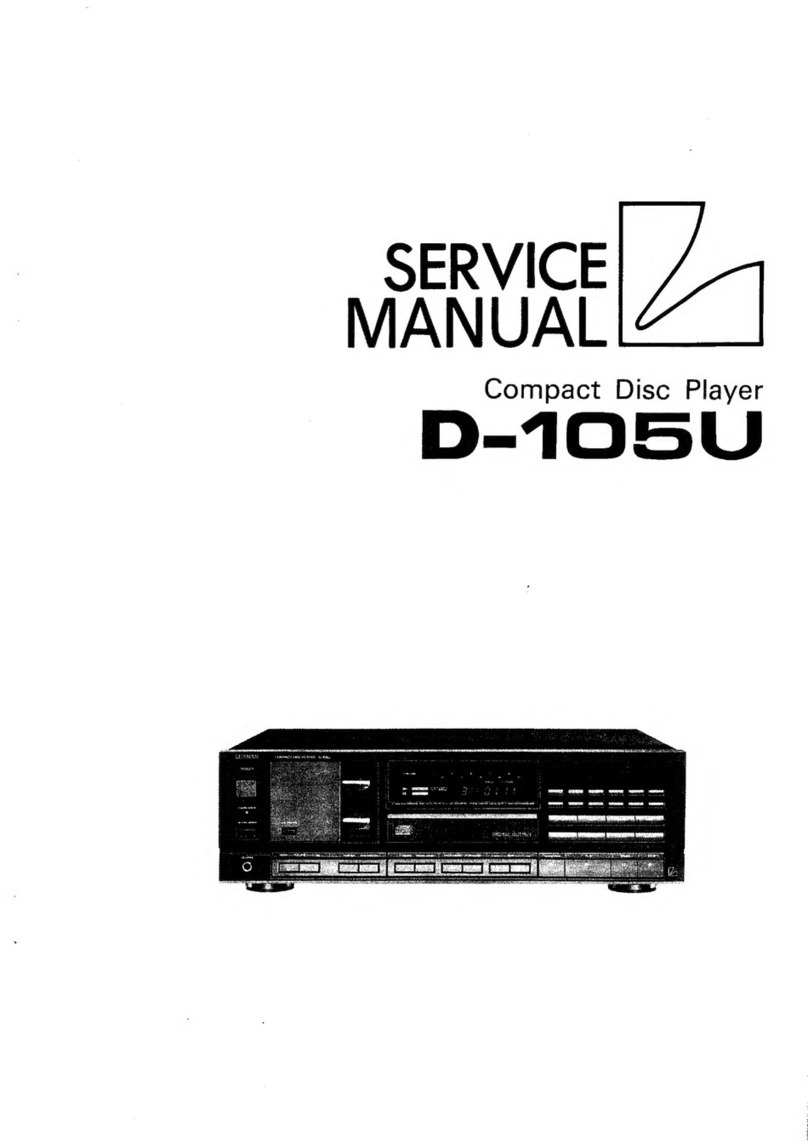
Luxman D-105U User manual

Luxman

Luxman D-105U User manual

Luxman D-08 User manual

Luxman

Luxman D-08 User manual

Luxman D-06u User manual

Luxman

Luxman D-06u User manual

Luxman D-107u User manual

Luxman

Luxman D-107u User manual

Luxman D-05 User manual

Luxman

Luxman D-05 User manual

Luxman D-38u User manual

Luxman

Luxman D-38u User manual

Luxman D-380 User manual

Luxman

Luxman D-380 User manual

Luxman D-N100 User manual

Luxman

Luxman D-N100 User manual

Luxman D-10X User manual

Luxman

Luxman D-10X User manual

Luxman D-03X User manual

Luxman

Luxman D-03X User manual

Luxman D-103 User manual

Luxman

Luxman D-103 User manual

Popular CD Player manuals by other brands

Arcam CD23 Handbook

Arcam

Arcam CD23 Handbook

Sanyo MCD-Z1F Service manual

Sanyo

Sanyo MCD-Z1F Service manual

JVC RC-ST3SL instructions

JVC

JVC RC-ST3SL instructions

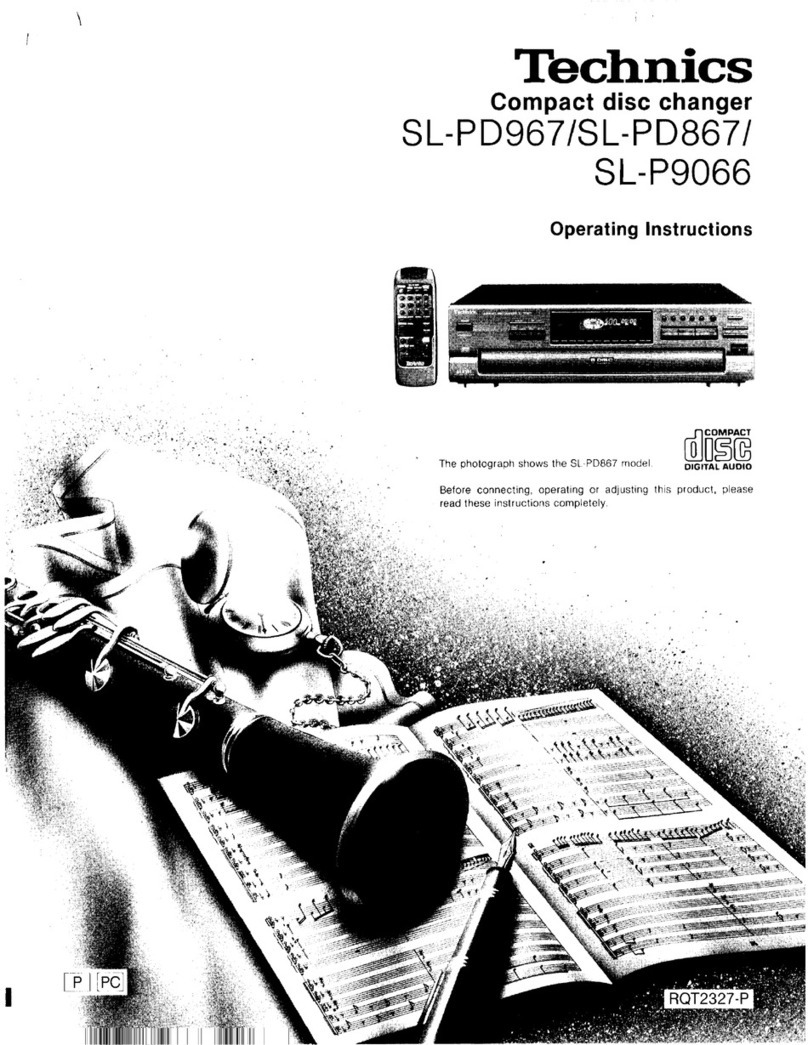
Technics SL-P9066 operating instructions

Technics

Technics SL-P9066 operating instructions

Marantz HD-CD1 quick start guide

Marantz

Marantz HD-CD1 quick start guide

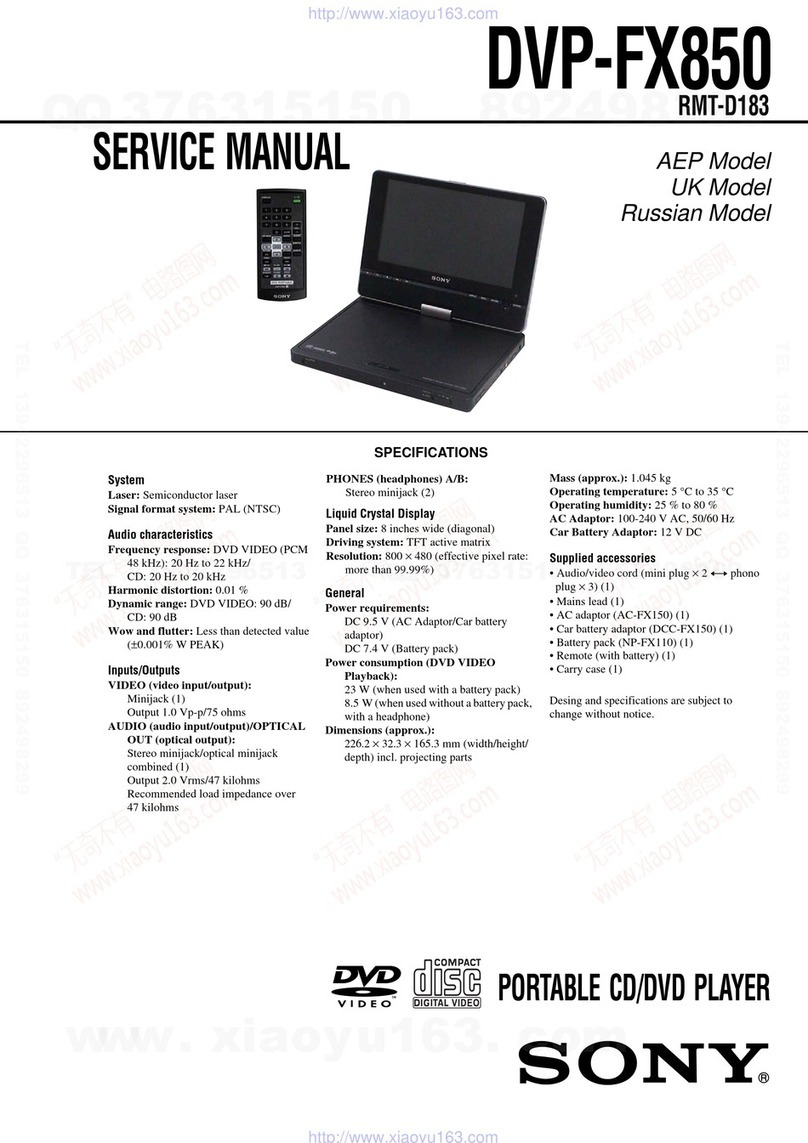
Sony DVP-FX850 Service manual

Sony

Sony DVP-FX850 Service manual

Philips AZ1140 Instrukcja obs?ugi

Philips

Philips AZ1140 Instrukcja obs?ugi

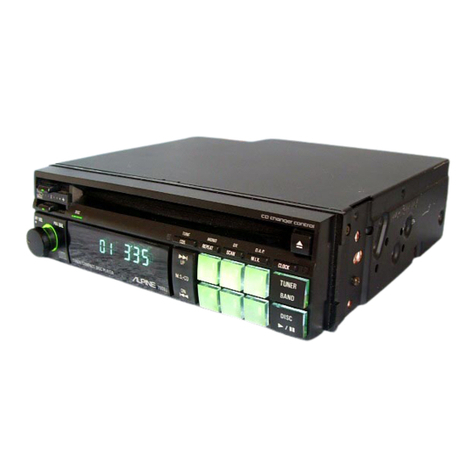
Alpine 7909 owner's manual

Alpine

Alpine 7909 owner's manual

JVC CH-X350 instructions

JVC

JVC CH-X350 instructions

RCA RP-7923 instruction manual

RCA

RCA RP-7923 instruction manual

Pioneer DEH-P3550MP XM Operation manual

Pioneer

Pioneer DEH-P3550MP XM Operation manual

Philips Shockproof AX2102 brochure

Philips

Philips Shockproof AX2102 brochure

Philips CD582 user manual

Philips

Philips CD582 user manual

Philips AZ 6821 operating manual

Philips

Philips AZ 6821 operating manual

Lasonic MSU-2020 user manual

Lasonic

Lasonic MSU-2020 user manual

Denon DCD-1420 Service manual

Denon

Denon DCD-1420 Service manual

Panasonic SJ-MR100 operating instructions

Panasonic

Panasonic SJ-MR100 operating instructions

Onkyo DX-7210 instruction manual

Onkyo

Onkyo DX-7210 instruction manual

manuals.online logo
manuals.online logoBrands
  • About & Mission
  • Contact us
  • Privacy Policy
  • Terms and Conditions

Copyright 2025 Manuals.Online. All Rights Reserved.

SERVICE
L7
MANUAL
~
Compact
Disc
Player
DZ-112
DZ-112
Contents
Specifications
vcr
ce
ee
ee
ene
Een
een
Cree
ee
enter
Tene
ETE
EE
neat
ene
es
2
Controls
&
Switches-Front
Panel
coccrct
ster
teeter
nent
teen
tenet
e
nen
renee
ena
ene
e
tnt
e
nnn
es
3
to
5
Jacks
&
Terminals—Rear
Panel
core
creer
terete
renee
en
tee
eee
eee
eee
eee
EEE
TET
EEE
EERE
EEE
EEE
Ene
en ES
6
Controls
&
Switches—Remote
Controller
cccccr
cscs
teeter
eet
eter
eee
een
eee
eet
teen
eee
tenet
etre
enter
ne
nee
e
es
7
Disassembly
Instructions
ccresrte
street
eter
teeter
ete
teen
eet
e
nett
n
enter
cent
e
tare
e
nen
ne
ene
e
Enea
ne
es
8
Adjustment
Procedures
cirrrtre
steer
terete
etter
eee
tence
tener
eee
nen
nen eet
teen
tense
tere
ce
rere tent
e
eas
9
to
10
Adjustment
Locations
vrrrtcte
steers
entre
trent
ene
en
ene
eee
e
nner
ne
nen
teen
eee
n
ene
tet
caer
rete
eee
ee
teen
aes
11
=)
Cote}
ak
Yo
1-1
4
Cc
ce
12
Parts
Layout
on
P.
C.
Boards
and
Wiring
Diagram
creer
tree
rece
t
terete
eter
eter
renee
een
e
nce
en ee
ees
13
to
16
Schematic
Diagram
(1/2)
ccrececrer
etter
et
ete
teen
teen
een
eee
cence
ener
n
eee
e
eee
e
tenn
Eee
e
eee
ee
17
to
19
Schematic
Diagram
(2/2)
ctrsrcsssrere
reste
treet
ete
e
tener
eee
ene
tee
ener
ern
e
nee
e
nee
nen
teense
eens
20
to
22
Electrical
Parts
List
cecccc
cere
teeter
tet
ete
e
eter
een
arenas
Pte
tener
eee
nee
eet
teen
eee
e
nee
e
ene
e
ees
23
to
27
Cabinet
Assembly
Parts
List
corres
rrr
r
ttre
ttt
tert
n
entered
nner
n
te
eee
ee
nn
een
ene
renner
nena
eee
n
es
28
Exploded
View
(Cabinet)
cress
esc
terre
rete
eee eet
cnet
eee
ern
t
ent
eee
e
eee
ence
eee
e
een
e
een
e
ence
29
to
30
Exploded
View
(CD
Mechanism)
cerrrctrccr
terest
eee
treet
teen
n
cree
een
tener
e
ene
n
enter
eter
tana
n
sentence
31
to
32
CD
Mechanism
Assembly
Parts
|
5
33
Packing
Assembly
Parts
List
crrreet
ttre
ttre
treet
rte
etree
tee
tenn
een
n
tenn
eee
nett
eee
e
eee
e
ee
terete
n
eset
nee
e
tines
34
Packing
Method
View
vrrrrrester
street
teen
eect
eter
e
terete
entree
eee
eee
etree
ener
eee
Eee
ee
etn
E
eee
teen
eaten
Ts
34
Semi-conductor
Lead
Identifications
coer
tet
rte
eet
e
eee
eee
e
enn
eee
eee
ete
e
tence
net
en
tenes
35
to
40
Specifications
Sisters.
4
Pored
a
Wydwae
bande
pds
Seed
aes
Rey
eats
ben
orate
ge
Peewee
eeu
eres
Optical
(Compact
Disc
System)
Quantizing
Bit
Number
ccrceres
eee
eeee
eect
eee
e
eee
eee
ener
e
renee
eee
ene
e
ne
Ene
E
ES
16
Bit
Linear
System
Channele
sitie
semis
tin
aaosle
th
ecsigg
patadeiahie
MWe
tany
cnaahiedae
ni
Wale
S
ns
aeehieagh
eaves
tami
ee
eagens
2
Channels,
Stereo
Tel
|
oO
OOOO
OOOO
OOO
SOOOSOOOSOOSOOSCOOOCOSOSIOS
Semi-conductor
Laser
Pick-up
Output
Voltage
<-cercercceee
cee
eee
encesee
cere
eenenee
sere
geesenes
eres
ens
eneenee
ener
stenoses
cnet
anes
nen
eneeeeees
OV-+1dB
Frequency
Response
srrrtstrtterr
esc
ec
ese
te
teers
nce
ee
ee
neeer
nee
nent
erent
eet
eeeeeree
eens
ee en
ee
esc eca
ns
5~20kHz
+
1dB
T.H.D.C1KHz)
cece
terete
ce
seee
nee
e
eset
ene
e
nee
e
este
enn
ne
tenes
eee
eenennenengee
ene
enenecenenetenensenaeseaceee
1.008%
SAN
Ratio
cccecece
ete
eee
e
eee
n
ene
e
eee
nena
eect
eee
ENTE
EE
SEEDED
ED
REST
DISA
ADE
EEE
EERE
EE
ETE
SE
Eee
ER
EE
EEE
EL
99dB
Dynamic
Range
vrrcerccr
teeter
teeter
eee
eee
ee
ene
eee
ene
nner
EEE
EEE
E
EEE
EDEL
EEE
EEE
ERE
EEE
EEE
E
EEE
ES
91dB
Channel
Separation
(1KHz)
crttc
rc
terete
rte
tet
e
tenet
eee
e
eee
n
eee
ene
e
een
nen
n
renee
seen
eter enna
sn
eesee
sens
90dB
Headphone
Output
Voltage
(1kHz,
—10dB//8
OhM)
crrecss
etter
eee
e
eee
e
teen
eee
entre
eee
teeta
150mV
+
1dB
Power
Supply
crrrrrrrtersrrerreseees
AC120/220/240V,
50Hz
(General
European
and
West
German
Models
Only)
AC120V,
60Hz
(North
American
and
Canadian
Models
Only)
AC240V,
50Hz
(England
Mode
Only)
Power
Consumption
cccrtcree
scree
reer
eter
eee
eee
e
eee
eee
e
eee
eee
eee
EET
EEE
REALE
EERE
TEESE
EEE
EEE
EEE
EEE
-
15W
SOMEBONdUCtOrS.
treee
teres
Rata
Re
coma
ee
laa
Lote
eee
erage
EEaa
Aes
ae
tena
daemaaye’
21
IC’s,
24
Transistors,
2
FETs,
19
Diodes,
3
Zener
Diodes
Dimension
(WX
HX
DD)
certtet
etter
ene
e
nen
e
nee
nent
n
nee
n
nen
eee
teen
e
tenn
eee
t
ete
tees
438
x
85
x
311
Cmm)
Te
|
a
ea
4.5kg
NOTE:
Due
to
continuing
product
improvement,
specifications
and
designs
are
subject
to
change
without
no
tice.

CONTROLS
&
SWITCHES
—
FRONT
PANEL
DZ-112
1.
POWER
BUTTON
Press
this
button
to
turn
power
on
and
off
to
the
unit.
The
contents
of
the
programmed
play,
random
play
and
edit
play
are
kept
in
memory
even
if
the
power
is
turned
off.
When
one
of
the
programmed
play,
ran-
dom
play
and
edit
play
functions
has
been
set,
the
programmed
operation
will
start
when
the
power
is
turned
on.
When
no
programmed
operation
has
been
set,
normal
playback
will
start
from
the
first
track
on
the
disc.
2.
DISC
TRAY
Place
a
disc
on
this
tray,
label
side
up.
A
light
touch
“on
the
tray,
when
open,
will
cause
it
to
retrack
back
into
the
unit
ready
for
play.
Pressing
PLAY,
STOP,
PAUSE,
A-SCAN
or
any
of
the
DIRECT
ACCESS
but-
tons
will
also
close
the
tray
and
cause
the
unit
to
go
into
immediate
play
operation.
NOTE:
To
use
8
cm
(3
inch)
single
CD's,
place
them
on
the
inner
circular
grooved
area
marked
“8
cm
disc”
on
the
tray.
3..
VACUUM
FLUORESCENT
DISPLAY
Track,
index,
time
and
programming
functions
are
all
simultaneously
shown
in
this
display.
Refer
to
“opera-
tion
guidelines”
for
details.
4.
REPEAT
Button
In
normal
play
or
random
play
mode,
press
this
button
to
repeat
all
tracks
on
a
disc.
In
programmed
play
or
edited
play
mode,
pressing
this
button
will
repeat
only
those
programmed
or
edited.
Pressing
the
“repeat”
button
a
second
time,
will
can-
cel
the
repeat
function.
5.
A-PAUSE
(AUTO
PAUSE)
Button
Pressing
this
button
will
cause
the
machine
to
activa
te
PAUSE
automatically
at
the
end
of
any
currently
pla
y-
ing
track.
To
resume
play,
press
the
PLAY
buttor1.
While
the
auto
pause
function
is
activated,
A-PAUSE
will
show
in
the
display.
6.
STOP
(reset)
Button
(Ml)
One
press
of
this
button
will
stop
playback
and
retuusn
the
pick-up
to
the
beginning
of
the
disc.
A
secomd
push
will
clear
(reset)
all
memory
contents.
NOTE:
The
total
number
of
tracks
and
the
total
pla
y-
ing
time
on
the
disc
will
always
show
onthe
display
in
the
STOP
mode.
DZ-112
7.
PAUSE
Button
(
a
)
Press
this
button
to
temporarily
cease
playback
or
to
cue
up
a
track
or
segment
for
recording,
etc.
To
resume
playback,
press
the
“pause”
button
again
or
press
the
play
button.
NOTE:
Fast
Forward/Backward
scan
and
skip
oper-
ations
(items
#9
and
8)
are
still
operable
in
the
“pause”
mode.
8.
FAST
FORWARD/BACKWARD
SCAN
Buttons
(<<,
>>)
When
pressed,
these
buttons
provide
fast
forward
or
backward
scan
within
a
track
(music)
selection.
To
more
than
double
these
scan
speeds,
press
the
“pause”
button
(item
#7)
first.
9.
FORWARD/BACKWARD
SKIP
Buttons
(<
,
>>)
These
buttons
allow
one
to
“skip”
forward
or
back-
ward
over
any
track
in
one
track
increments.
Pressing
backward
(<)
once
will
cause
return
to
the
beginning
of
the
current
track;
a
second
immediate
push
will
cause
a
skip
back
to
the
preceding
track.
When
the
pick-up
comes
to
the
first
selection,
the
next
push
will
cause
it
to
go
to
the
beginning
of
the
last
selection
on
the
disc.
Pressing
forward
(»»)
will
cause
the
player
to
skip
forward,
one
track
at
a
time
for
each
successive
push.
When
the
last
selection
is
reached,
the
next
push
will
return
the
pick-up
to
the
first
track.
10.
PLAY
Button
{
>
}
Press
PLAY
button
when
loading
a
disc
for
immediate
playback
beginning
at
track
1
and
for
starting
a
pro-
grammed
sequence.
11,
A-SCAN
(AUTO
SCAN)
Button
Press
this
button
to
successively
play
a
beginning
of
each
track
for
ten
seconds.
During
the
auto
scanning
mode,
the
A-SCAN
indicator
will
appear
on
the
dis-
play.
12.
RANDOM
Button
Press
this
button
to
automatically
play
tracks
at
ran-
dom.
During
the
random
play,
the
RANDOM
indicator
will
appear
on
the
display.
CONTROLS
&
SWITCHES
—
FRONT
PANEL
13.
PHONES
Jack
Use
the
“phones”
jack
to
connect
stereo
headphones
for
private
listening.
14.
VOLUME
UP/DOWN
Buttons
Controls
volume
level
of
connected
stereo
head-
phones
and
the
VARIABLE
ANALOG
OUTput
jacks
on
the
rear
panel.
When
activated,
the
output
level,
as
measured
in
db
below
maximum
output,
is
shown
in
the
display.
15.
FADE-OUT
Button
Use
this
button
to
gradually
decrease
the
output
level
of
the
VARIABLE
ANALOG
OUTput
jacks
on
the
rear
panel
and
the
phones
jack.
When
the
fade-out
com-
pletes,
the
unit
enters
the
pause
mode
and
the
output
level
automatically
returns
to
the
original
level.
16.
T-FADE
OUT
(Time
Fade
Out)
Button
Use
this
button
to
gradually
decrease
the
output
level
of
the
VARIABLE
ANALOG
OUTput
jacks
on
the
rear
panel
and
the
phones
jack
after
a
length
of
play
time
as
specified
by
the
Direct
Access
select
buttons.
When
the
fade-out
completes,
the
unit
will
enter
the
pause
mode
and
the
output
level
automatically
returns
to
the
original
level.
17.
DISPLAY
ADJUST
Button/Indicator
This
button
adjusts
brightness
of
the
display
in
four
steps
and
also
turns
the
display
off.
The
red
indicator
lights
up
and
stays
lit
in
the
3
dimmed
positions
andin
the
display
“off”
position.
18.
T-DISPLAY
Button
Each
push
of
this
button
selects
one
of
4
disc
tinning
displays
as
follows:
“Single
Elapsed”
—
Time
elapsed
since
beginning
of
current
track.
“Single
Remain”
—
Play
time
remaining
on
current
track.
“Total
Elapsed”
—
Time
elapsed
since
beginning
of
total
disc.
“Total
Remain”
—
Play
time
remaining
on
entire
disc.
DZ-112
CONTROLS
&
SWITCHES
—
FRONT
PANEL
NOTE:
When
in
program
play
mode,
the
remaining
times
displayed
will
be
that
of
the
selections
programmed,
not
the
entire
disc.
In
the
RANDOM
play
mode,
the
display
will
not
show
Total
Elapsed
or
Total
Remain
times.
(This
is
not
a
malfunction.)
19.
OPEN/CLOSE
Button
Press
to
open
or
close
the
disc
tray
(See
also
item
#2).
20.
REMOTE
SENSOR
When
using
the
hand
held
remote
control,
it
must
be
pointed
toward
this
sensor
to
activate
operational
functions.
21.
DIRECT
ACCESS
SELECT
Buttons
Use
for
immediate
play
of
any
track
from
1
to
99
or,
in
conjunction
with
the
“program”
button,
select
up
to
32
tracks
in
any
order
for
programmed
operation.
Also,
use
these
buttons
for
the
edit
play
and
time
sett-
ing
for
the
Time
Fade
Out
function.
22.
EDIT
Button
For
convenience
in
tape
recording,
this
button
will
cause
automatic
grouping
of
tracks
that
can
be
recorded
within
the
time
specified
for
any
given
tape
type
used
(C-60,
C-90,
etc.).
That
is,
when
recording
time
for
one
side
of
the
tape
is
set
with
the
Direct
Access
Select
buttons
while
the
EDIT
is
blinking
on
the
display
after
the
Edit
button
is
pressed,
the
tracks
that
can
be
recorded
for
both
sides
of
the
tape
within
the
specified
time
are
programmed
automatically.
23.
M-CHECK
Button
Use
this
button
to
check
the
order
of
the
selections
that
have
been
programmed.
With
each
successive
push
of
this
button,
the
track
numbers
that
have
been
programmed
will
be
shown
to
the
left
and
the
pro-
grammed
order
to
the
right,
in
the
track
display
area
(the
time
portion
of
the
display
will
turn
off).
NOTE:
M-Check
operates
only
in
the
“Stop”
mode.
24.
CLEAR
Button
This
function
allows
track
by
track
clearing,
in
sequ-
ence,
of
any
programmed
track,
beginning
with
the
last
track
programmed.
With
each
push
of
this
button,
the
next
track
to
be
cleared
will
appear
in
the
Track
No.
Display
and
the
red
frame
around
the
last
programmed
track
No.
will
disappear.
NOTE:
“Clear”
operates
only
in
the
“Stop”
mode.
25.
PROGRAM
Button
Use
this
button
in
conjunction
with
the
“Direct
Access
Select”
buttons
(item
#21)
to
program
up
to
32
track
selections
in
any
random
order.
To
clear
program
contents,
press
the
STOP
button
twice.
NOTE:
Pressing
the
program
button
will
toggle
between
the
selections
programmed
into
memory
and
normal
play
operation.
This
allows
one
to
temporarily
go
to
normal
play
operation,
if
desired,
without
losing
the
stored
program.
To
recover
the
program,
simply
press
program
again!
JACKS
&
TERMINALS
—
REAR
PANEL
26.
ANALOG
OUTPUT
Jacks
(Fixed)
For
connection
to
the
CD
inputs
of
any
amplifier
or
receiver.
The
output
level
is
2
voits
fixed,
referenced
to
0
dB
recording
level.
27.
ANALOG
OUTPUT
Jacks
(Variable)
For
connection
to
the
CD
inputs
of
any
amplifier
or
receiver.
The
output
level
can
be
adjusted
using
the
VOLUME
UP/DOWN
buttons.
28.
DIGITAL
OUTPUT
Jack
—
Coaxial
Use
this
output
for
connection
to
a
matching
amplifier
having
a
patch
cord
(coaxial)
phono
jack
type
digital
input
(such
as
the
Luxman
LV-113
or
LV-117).
29.
SERIAL
REMOTE
IN/OUT
Jacks
Use
these
jacks
for
simple
and
convenient
connection
to
other
Luxman
components
for
System
Remote
Control
operation.
Connect
these
Serial
Remote
In
and
Out
jacks
to
the
Serial
Remote
Out and
In
jacks,
respectively,
on
other
Luxman
components
{in
daisy
chain
fashion),
for
a
unified
remote
control
system.
NOTE:
Turn
the
power
off
before
connecting
these
jacks.
30.
AC
POWER
CORD
Insert
the
polarized
AC
plug
of
the
DZ-112
into
any
120
volt
AC/60
Hz
wall
outlet,
or,
preferably,
into
the
unswitched
outlet
of
the
amplifier
or
receiver
used
with
it.
CONTROLS
&
SWITCHES
—
REMOTE
CONTROLLER
LUXMAN
REMOTE
CONTROL
UNIT
RO-t05u
REMOTE
CONTROLLER
RD-105u
NOTE:
Operation
is
the
same
as
for
the
buttons
on
the
front
panel
of
the
02-112.
31.
TRANSMISSION
WINDOW
41.
M-CHECK
Button
32.
DIRECT
ACCESS
(TRACK)
Buttons
42.
EDIT
Button
33.
CLEAR
Button
43.
A-SCAN
Button
34.
PROGRAM
Button
44.
RANDOM
Button
35.
A-PAUSE
Button
45.
TIME
DISPLAY
Button
36.
REPEAT
Button
46.
DISPLAY
ADJUST
Button
37.
FORWARD/BACKWARD
SKIP
Buttons
47.
STOP
Button
38.
PAUSE
Button
48.
OPEN/CLOSE
(TRAY)
Button
39.
PLAY
Button
49.
T-FADE
OUT
Button
40.
VOLUME
UP/DOWN
Buttons
50.
FADE
OUT
Button
DZ-112
DZ-112
Disassembly
Instructions
Disc
Tray
1.
Removal
of
CD
Mechanism
(1)
After
removal
of
the
top
cover,
open
the
disc
tray.
(2)
Remove
the
panel
tray
in
the
arrow
direction
as
shown
in
Figure
1.
(3)
Remove
three
screws
marked
”
©”
as
shown
in
Figure
2.
(4)
Disconnect
all
wires
from
the
CD
Mechanism.
Panel
Tray
Figure
1
Main
P.
C.
Board
CD
Mechanism
P.
C.
Board
Support
(2¥
1)
Figure
2
2.
Removal
of
Front
Panel
and
Logic//Fader/
Phone
P.
C.
Board
=
Front
Panel
(1)
After
removal
of
Front
Panel,
remove
six
screws
Hooks
marked
"<”
as
shown
in
Figure
3.
(2)
Remove
six
hooks
as
shown
in
Figure
3.
(3)
Disconnect
a
connector
from
the
Logic
P.
C,
Board.
Hacks
Figure
3
3.
Removal
of
Main
P.
C.
Board
(1)
After
removal
of
the
top
cover,
remove
three
screws
marked
“A”
as
shown
in
Figure
5.
-
Oa
:
F
ot
A
(2)
Remove
four
P.
C.
Board
supports
(X1)
from
Main
7,
N
ee
F
Push
P.
C.
Board
\
P.
C.
Board
as
shown
in
Figure
2,
by
pushing
the
/
4
;
ann
ane
SupportGX
1)
\Q
point
“A”
as
shown
in
Figure
4.
/
’
(3)
Disconnect
all
connectors
from
Main
P.
C.
Board.
Bottom
/
a
Chassis
Cover
Rear
\N
Main
/
P.
C.
Board
a”
Figure
4
Figure
5
Adjustment
Procedures
(1)
Connection
Diagrams
DC
Voltmeter
Q—
Test
CD
Set
Figure
6
OQ
Test
CD
@Q)—
Test
CD
Set
Cc)
)
——>
Test
CD
Oscillator
AC
Voltmeter
with
2
pointers
Figure
9
DZ-112
|
DZ-112
Distortion
Meter
Analog
Fixed
Output
(L,
R)
Qo
Test
CD
Set
Noise
Meter
*
t
Play
5th
Track
of
—60dB
Range
Test
CD
IHF-A
Filter
On
SONY
YEDS-18
(JIS-A)
A-BEX
TCD-782
Figure
10
(2)
Switch
Settings
Power
Switch
ccccecce
scree
erect
eset
e
teen
ee
eenes
ON
Play
Switch
ccccsrecce
reer sree
t
eens
eee
ene
ee
enes
ON
Others
CEE
CO
eR
RO
ee
maar
Te
Ee
Te
ee
a
OFF
Step
Description
Oscillator
Input
|
Test
Point
Adjustment
Measure
the
voltage
at
T.P.1.
Then
adjust
Figure
6
VR1303
so
that
the
output
voltage
at
rer
|
=
T.P.2
becomes
1/2
of
the
voltage
at
T.P.1.
Tracking
Gain
:
1kHz
4
F
Adjustment
100mV
Focus
Gain
;
{kHz
2
Adjustment
10O0mV
me
Test
CD
SONY
YEDS-18
(Second
track)
Tracking
Error
Balance
Adjustment
VCO
Adjustment
Adjust
VR1202
to
obtain
at
T.P.3
the
maximum
output
waveform
similar
to
that
shown
in
Figure
11.
Focus
Bias
Adjustment
Short
circuit
T.P.4
and
fully
rotate
RC1301
in
a
counterclock
direction.
Then
adjust
VR1201
so
that
the
output
voltage
at
T.P.6
becomes
O+
1°
mv.
After
completing
the
adjustment,
rotate
VR1301
back
to
near
its
center
position.
Tracking
Error
Balance
Adjustment
Adjust
VR1301
so
that
one
pointer
of
the
AC
voltmeter
comes
above
the
other
one.
Adjust
VR1302
so
that
one
pointer
of
the
AC
voltmeter
comes
above
the
other
one.
Play
back
the
—60dB
1kHz
signal
(Sth
track)
of
the
test
CD
(SONY
YEDS-18,
A-BEX
TCD-782)
and
amplify
by
60dB
D/A
Converter
Analog
using
the
noise
meter
encoded
with
the
MSB
Adjustment
Fixed
IHF-A
(JIS-A)
curve.
ae
Output
Then
measure
the
distortion
rate
on
the
AC
output
of
the
noise
meter,
and
adjust
separately
VR1404
for
the
right
channel
and
VR1403
for
the
left
channel.
Pea
to
al
ANRC
FV\\\
AAA
TVA
VAAN
SONY
YEDS-18
(Second
track)
~Other
Adjustments
Ay
IV
p-p
A-BEX
TCD-782
(Second
track)
-Tracking
Error
Balance
Adjustment
\
WV
A-BEX
TCD-782
(Second
track)
Other
Adjustments
WWW
VY
VY
|
OAS
YY
See
eae
Figure
11