pin plugs can allow for a heavier gauge wire than most binding posts or terminals will
accept.
Rather than using fixed length speaker wires, it is best to get a roll and cut the wires to
the length you will need them. This ensures that there is a minimum amount of excess
wire. However, even if your amplifier is off-center, the lengths of wire used for each
speaker pair (front mains or surrounds) should be identical. This keeps the impedance
on each channel the same, which ensures that the volume levels, frequency ranges,
and tonalities are identical. Any excess wire should be snaked back and forth, but not
coiled, to avoid creating an inductor/antenna for stray radio signals.
Before making the actual connections, cut each length of wire to size. Note the
markings on the wire that differentiate between each conductor. Sometimes the marking
clearly identifies a positive and negative side. Some common clearly positive and
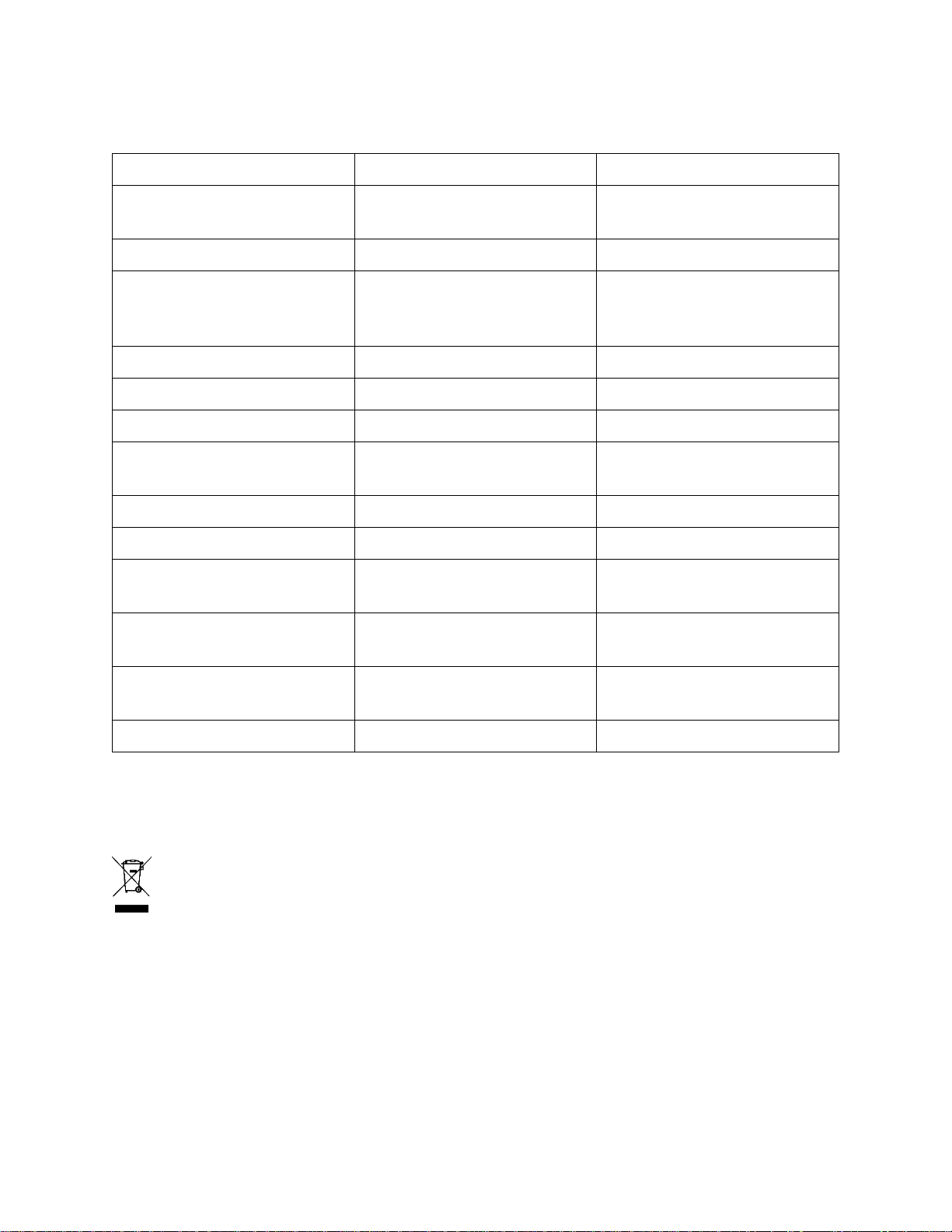
negative markings or identifiers are:
In many cases, the mark is a single stripe on the jacket of one of the connectors. In this
case the side with the stripe is generally considered the positive side, but it really does
not matter as long as you are consistent in always using the stripe as positive or always
using it as negative.
If you plan to use banana and/or pin plugs (highly recommended) install the plugs on
the wire, taking care to match the polarity of the plug (usually identified by a red or black
stripe around the plug body) with the polarity of the wire. Once you have constructed
each wire assembly, double check each end to ensure the polarity matches that of the
other end on the same conductor.
Connecting
If you will be using bare wire for any of the connections, strip about 3/8" insulation from
the wire end and twist it to prevent stray strands.
Although the order in which speakers are connected does not matter, it is easier to keep
track of things if you connect speakers one at a time. For each speaker, perform the
following:
1. Connect the black/negative side of the wire to the black/negative 5-way binding
post on the back of the speaker. Pull gently on the wire to ensure that the
connection is mechanically sound.
6