manuals.online logo
Brands
  1. Home
  2. •
  3. Brands
  4. •
  5. Motion Healthcare
  6. •
  7. Outdoor Cart
  8. •
  9. Motion Healthcare mLite ML.001 User manual

Motion Healthcare mLite ML.001 User manual

Popular Outdoor Cart manuals by other brands

Gearwrench 83167 user manual

Gearwrench

Gearwrench 83167 user manual

Costway TH10057 manual

Costway

Costway TH10057 manual

Vivo CART-PC02S instruction manual

Vivo

Vivo CART-PC02S instruction manual

Ergotron STYLEVIEW SV42-3162-1 quick reference

Ergotron

Ergotron STYLEVIEW SV42-3162-1 quick reference

VEVOR SC01 quick start guide

VEVOR

VEVOR SC01 quick start guide

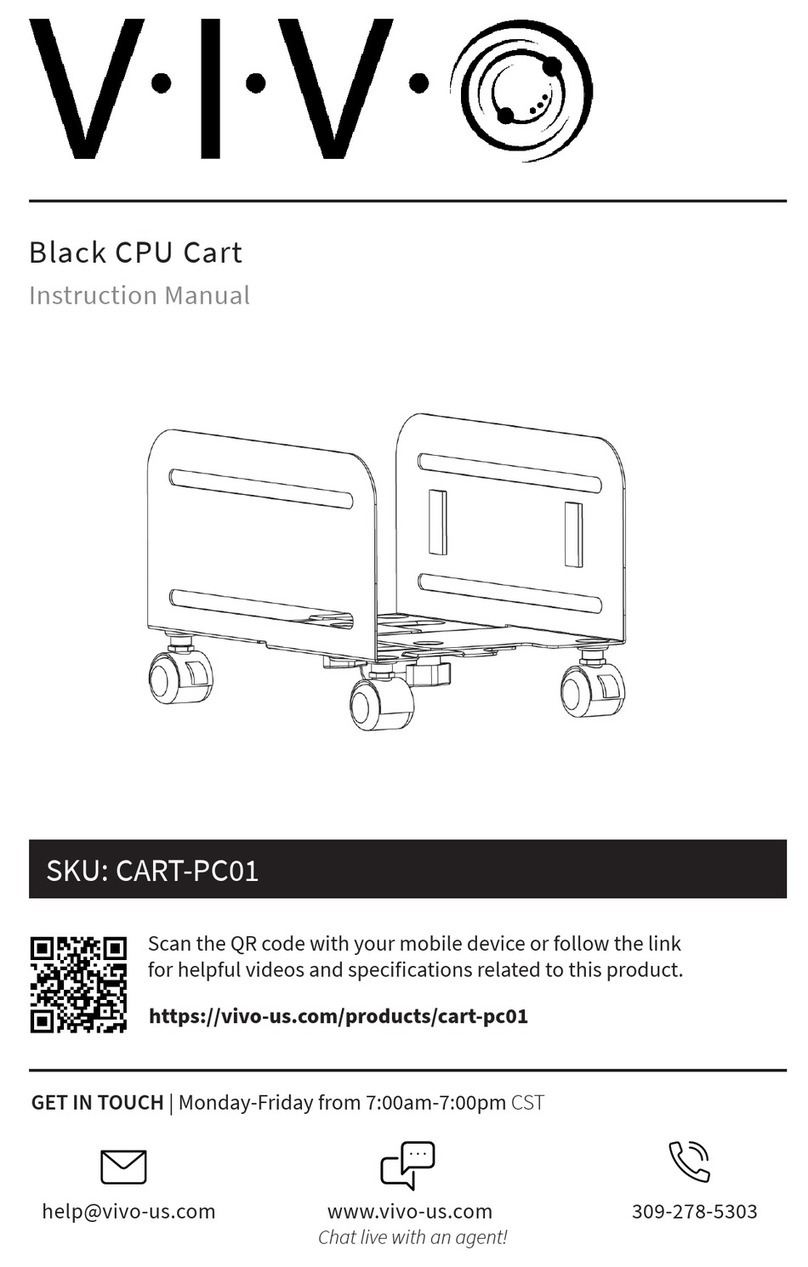
Vivo CART-PC01 instruction manual

Vivo

Vivo CART-PC01 instruction manual

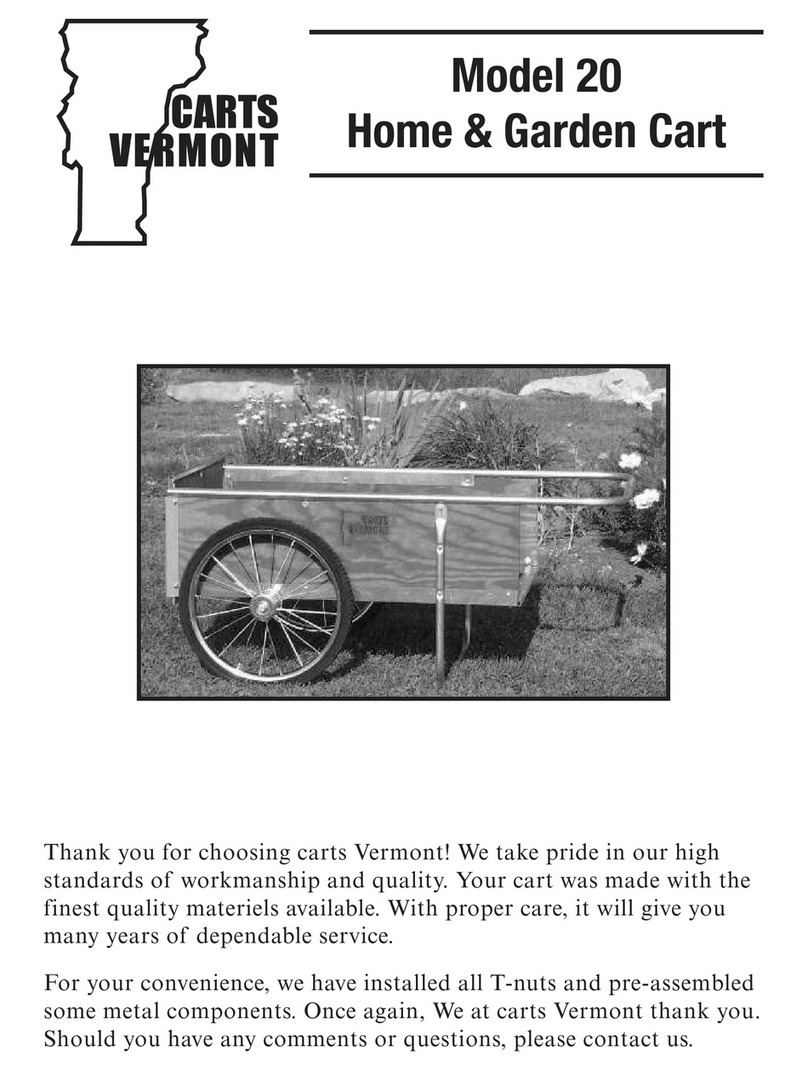
Carts Vermont 20 manual

Carts Vermont

Carts Vermont 20 manual

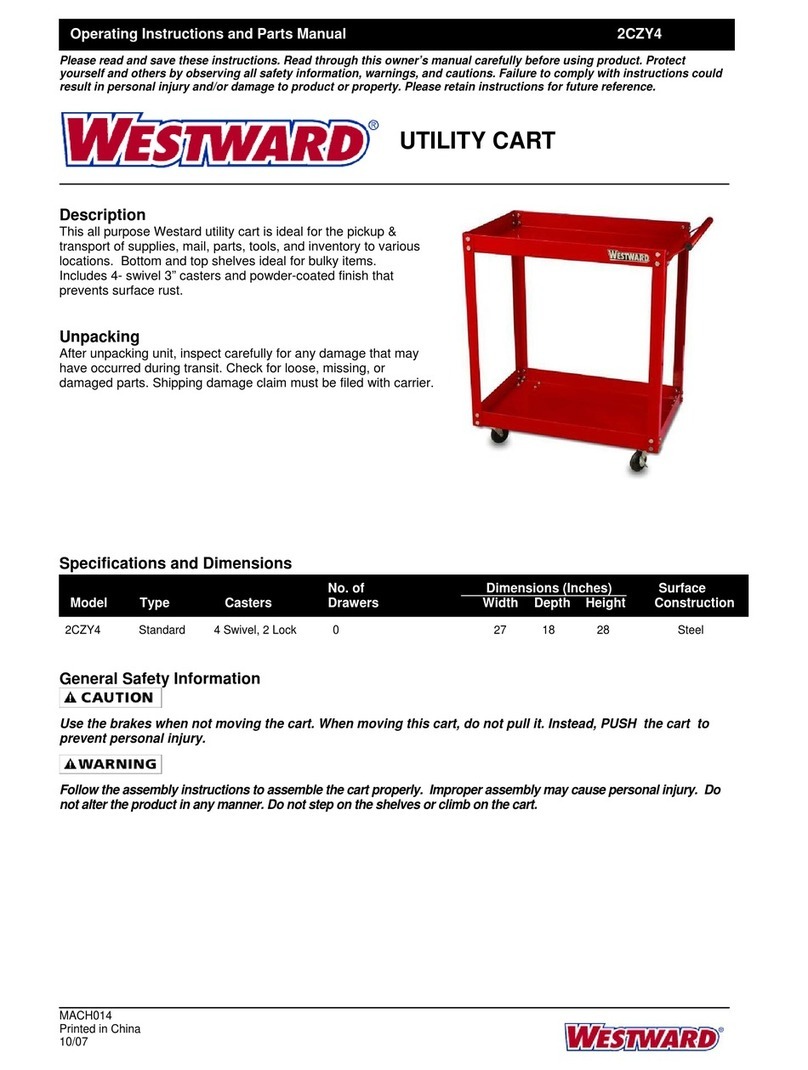
Westward 2CZY4 Operating instructions and parts manual

Westward

Westward 2CZY4 Operating instructions and parts manual

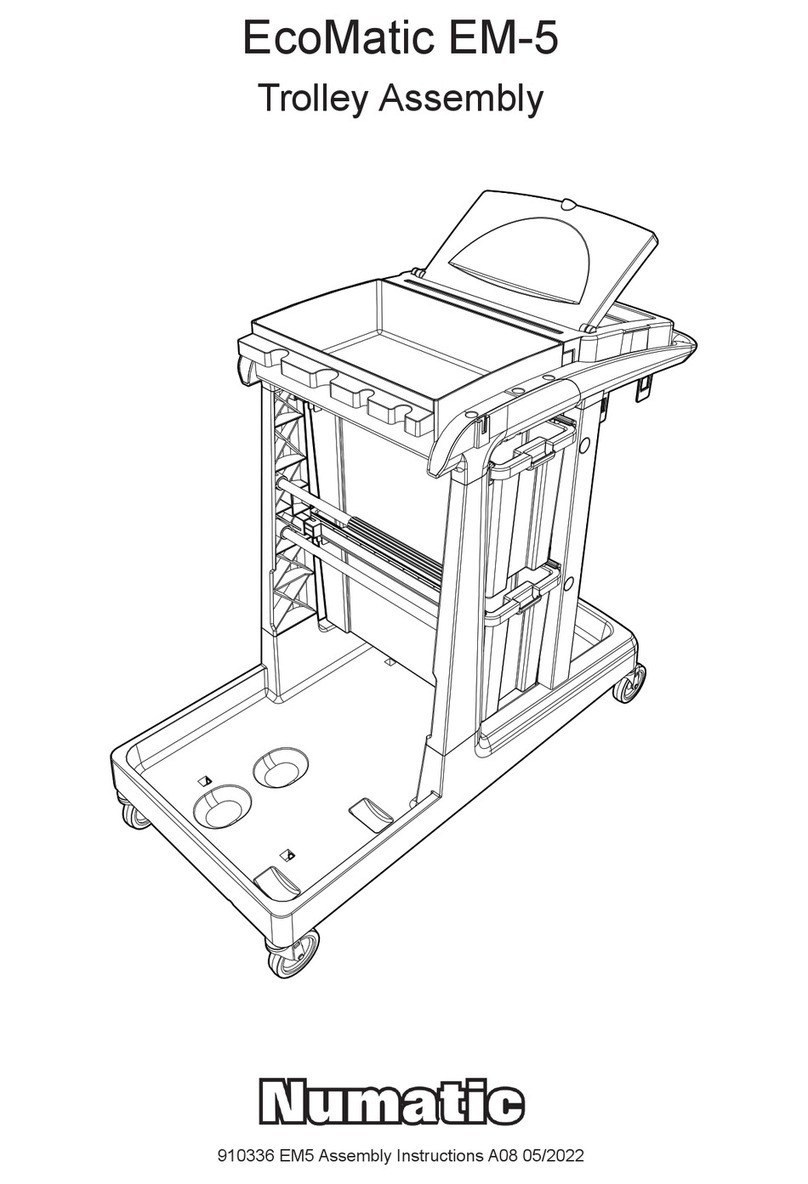
Numatic EcoMatic EM-5 Assembly

Numatic

Numatic EcoMatic EM-5 Assembly

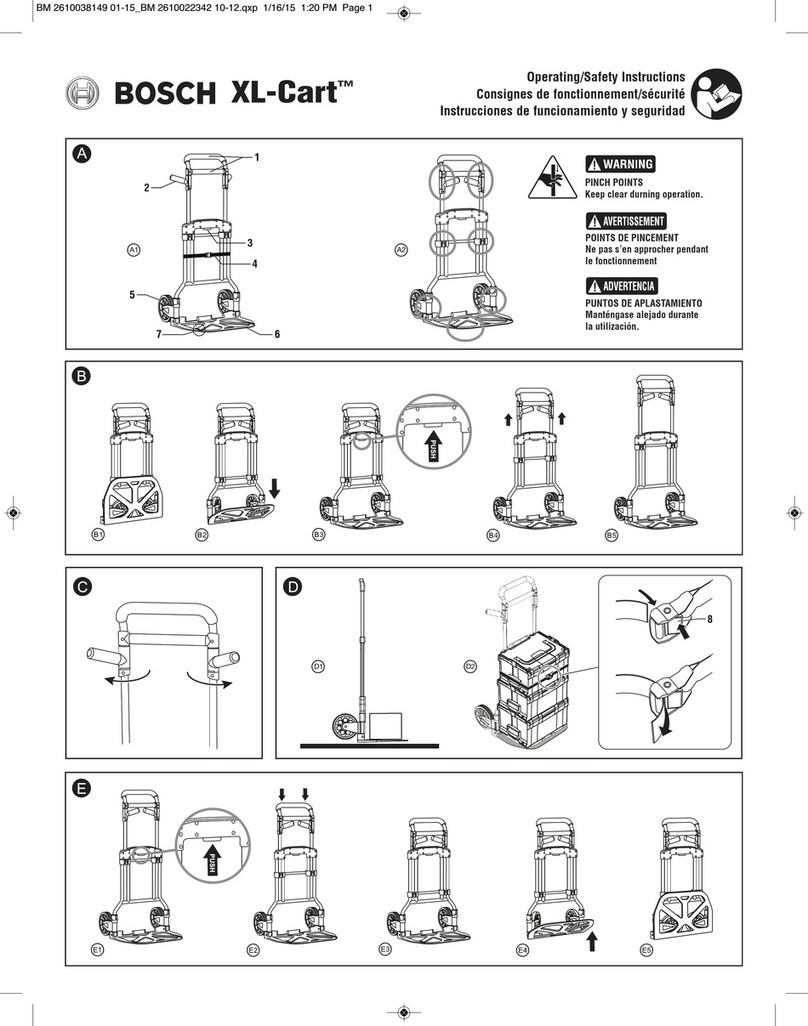
Bosch XL-Cart Operating/safety instructions

Bosch

Bosch XL-Cart Operating/safety instructions

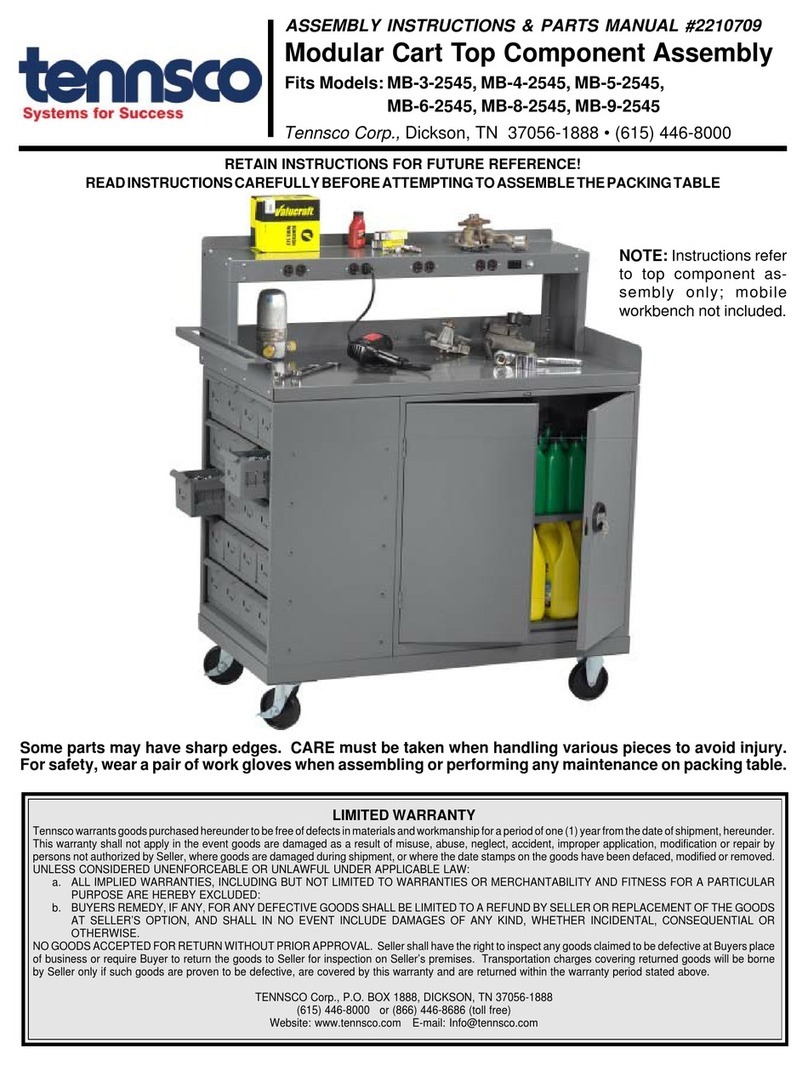
Tennsco Modular Cart Top Component Assembly Assembly Instructions/Parts Manual

Tennsco

Tennsco Modular Cart Top Component Assembly Assembly Instructions/Parts Manual

Clam POLAR TRAILER HD MAX manual

Clam

Clam POLAR TRAILER HD MAX manual

Costway TL0400 user manual

Costway

Costway TL0400 user manual

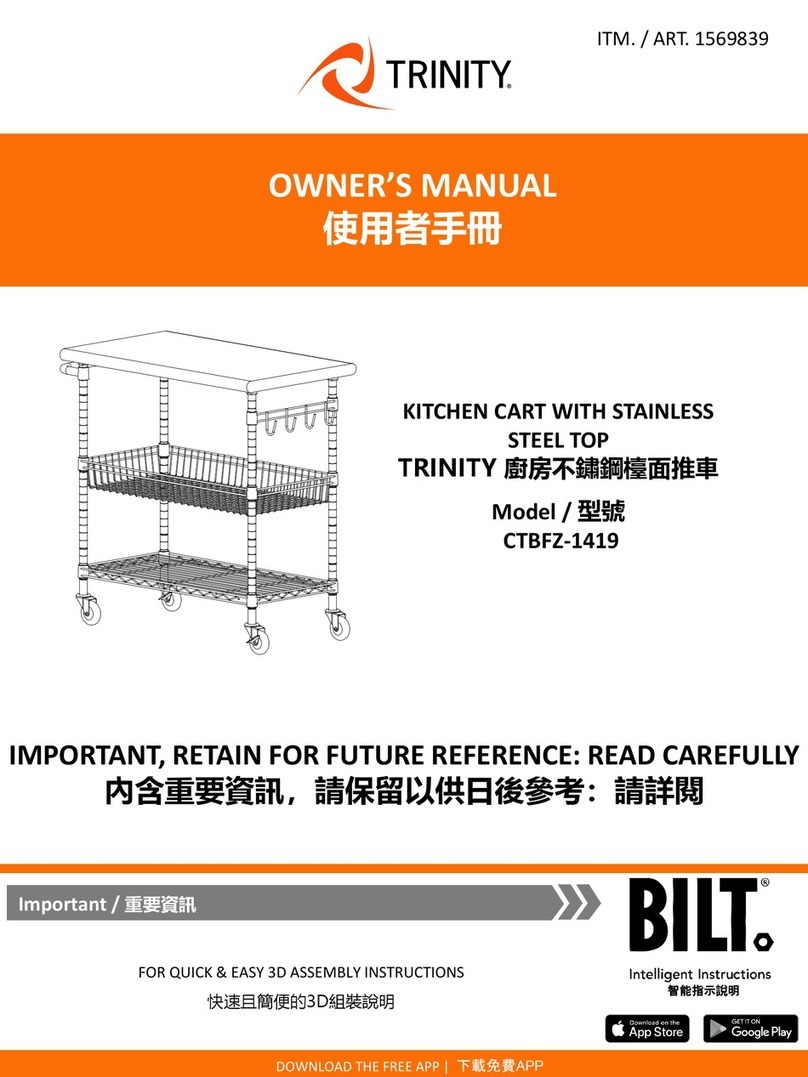
Trinity 1569839 owner's manual

Trinity

Trinity 1569839 owner's manual

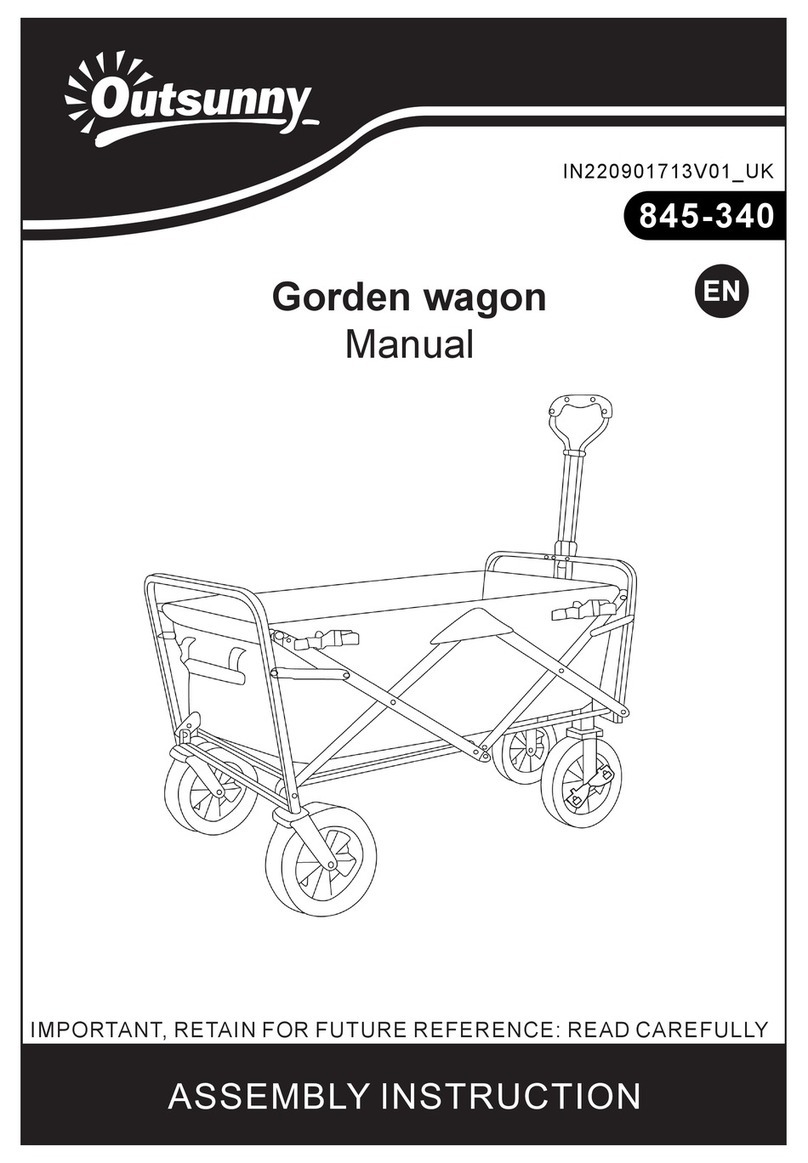
Outsunny 845-340 manual

Outsunny

Outsunny 845-340 manual

XPOtool 30261 user manual

XPOtool

XPOtool 30261 user manual

Westfalia 94 59 66 Original instructions

Westfalia

Westfalia 94 59 66 Original instructions

Gorilla Carts GCR-10P quick start guide

Gorilla Carts

Gorilla Carts GCR-10P quick start guide

manuals.online logo
manuals.online logoBrands
  • About & Mission
  • Contact us
  • Privacy Policy
  • Terms and Conditions

Copyright 2025 Manuals.Online. All Rights Reserved.

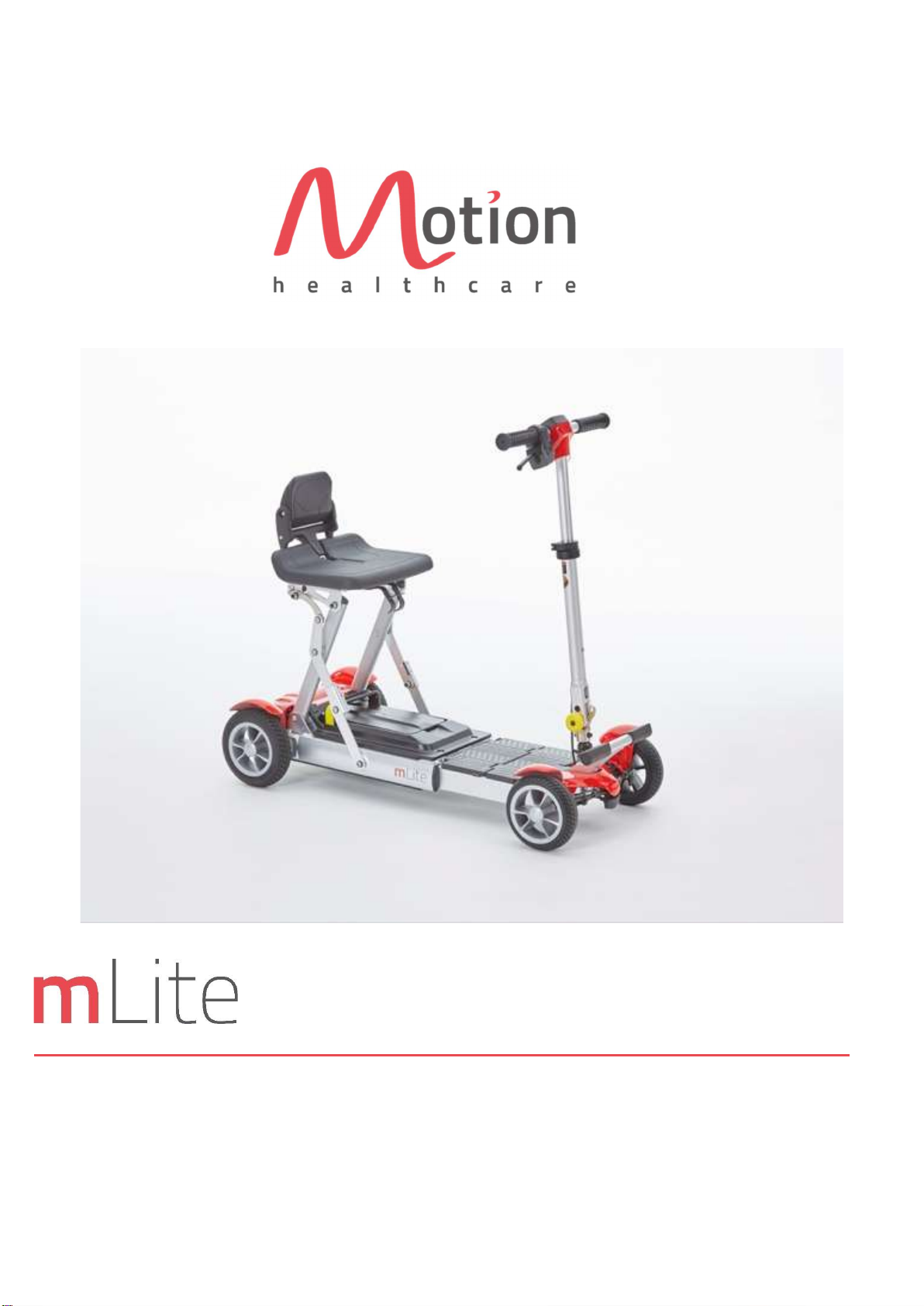
PRODUCT CODE:
ML
.001
User Manual
1. Introduction
Thank you and congratulations on purchasing your new Motion Healthcare mLite Mobility Scooter
Your new device is designed to provide transportation indoors and outdoors for a person whose
ability to walk is impaired, but who in terms of eyesight, dexterity and cognitive ability are able to
safely operate the device.
We pride ourselves on providing safe, comfortable and high quality products and our goal is to ensure
your complete satisfaction, we sincerely hope we achieve that and you enjoy your Motion Healthcare
device.
Please read and observe all warnings and instructions provided in this user manual before you
operate the various functions of your device and please retain this user manual for future reference.
If you have any questions, please contact the company you purchased from.
Motion Healthcare
2
. Getting to know your Scooter
Controls
Tiller
Adjustment
Clip
Battery Pack
Backrest Clip
Footrest /
Lifting Handle
Floor Pan
Folding
Section
Transport
Handle
Tiller
Adjustment
Knob
3. Important Safety Information
Before you operate your device, please read and understand all of the information provided for your
safety. As with operating any vehicle, only drive with full alertness to ensure safety. Please observe
the warnings below to avoid any damage or injury resulting from improper use of your device. You are
responsible for taking proper safety measures and we will not be held liable for personal injury and/
or product damage resulting from improper use of the device.

Please consult your doctor routinely to ensure there are no health or physical conditions that
may limit or impair your ability to safely operate your device.

Consult your doctor if you are taking prescription or over-the-counter medications to see if
any side effects may limit or impair your ability to safely operate your device.

Do not operate your device while you are under the influence of alcohol, as this may impair
your ability to operate it safely.

Do not use the device other than for its original purpose. Avoid any use, such as weight
training, sports, athletics, hauling, moving or towing anything, that may lead to safety
hazards and undue stress on the device.

Your device is designed for one person only. Do not carry passengers.
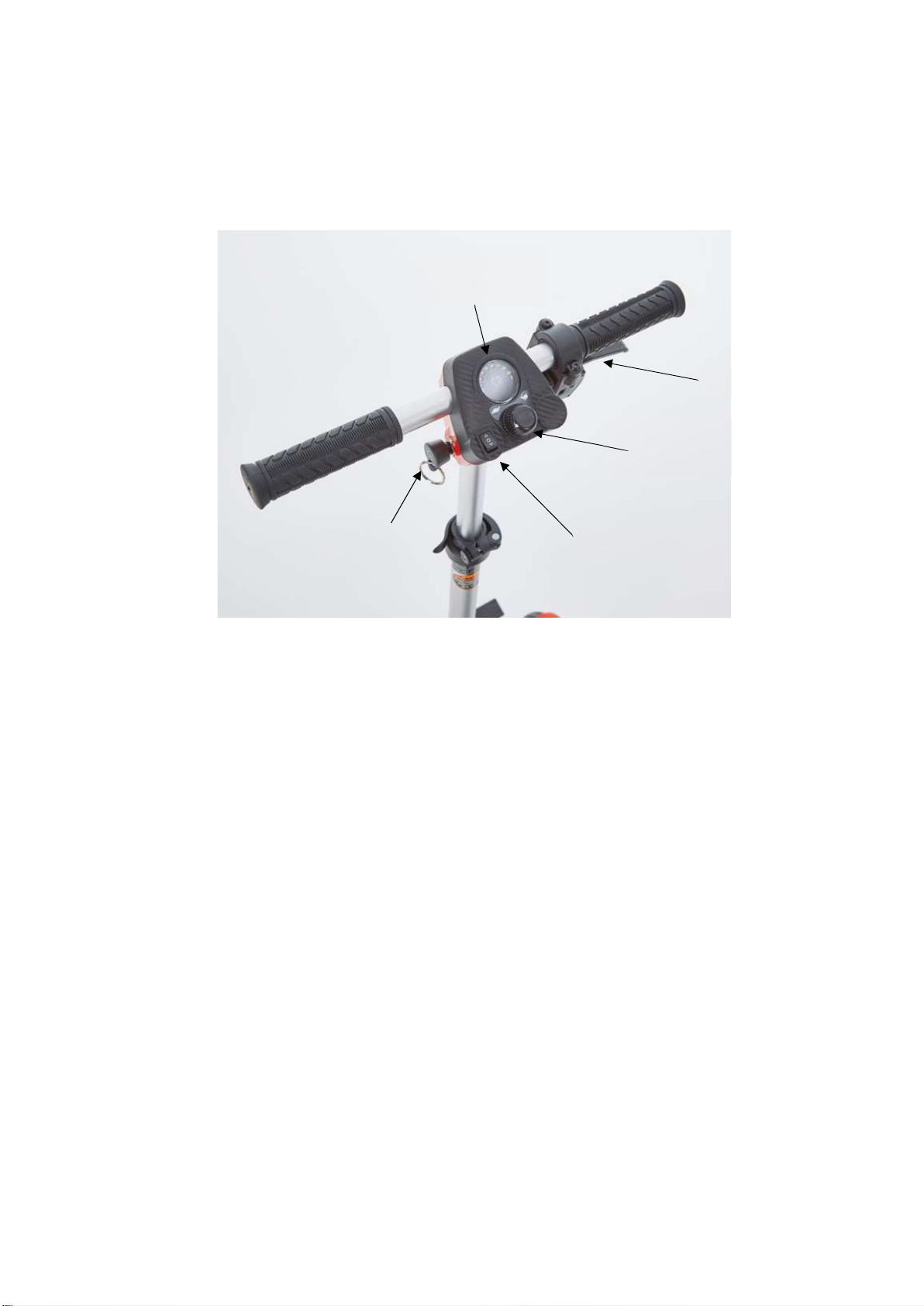
Throttle Lever
Speed Adjusting
Knob
Direction Switch
Battery Display
Indicator
Key / Ignition
 We strongly recommend that you do not smoke cigarettes while seated on your device. You
must adhere to the following safety guidelines if you decide to smoke cigarettes while seated
on your device: Do not leave lit cigarettes unattended. Keep ashtrays at a safe distance from
the device. Always make sure cigarettes are completely extinguished before disposal.
 Replace worn or damaged upholstery immediately to reduce the risk of flammability.
 Keep all electrical connections clean, dry and away from sources of dampness at all times to
prevent damage to the electrical system and/or personal injury.
 Check electrical components frequently for signs of corrosion and if found contact the
company you purchased from to replace these as soon as possible.
 Do not modify your device. For any accessories, please contact an approved company for
installation.
 The addition of accessories to your device may change certain specifications such as overall
weight, size, and /or the centre of gravity. Please take note of how some of the changes may
damage any objects around you.
 Exercise extreme caution when using oxygen in close proximity to electrical circuits and
combustible materials. Contact your oxygen provider for information on using oxygen safely.
 Do not change the settings of the controller. Please contact an approved company if you
notice any change in your ability to control your device.
 Do not place the device in “freewheel” mode while it is turned on. Always turn off the device
before engaging or disengaging “freewheel” mode.
 If you anticipate being seated in a stationary position for an extended period of time, turn off
the power to the device. This will prevent unexpected or unintended movement.
 Do not connect any device to the devices electrical system or use the batteries to power
anything other than your device.
 To prevent the device from rolling uncontrollably on its own, never place the scooter in
“freewheel” mode on any incline or decline.
 Possible strangulation hazard! Be aware that clothing, lanyards, necklaces, other jewellery,
purses, and other accessories worn or carried by you while you are seated on or operating
your device may get caught around the armrests or throttle control lever.
 Avoid using any accessories that may interfere with the operation of the controls to avoid
unintended or uncontrolled movement of the device.
 Keep yourself, clothing, and all other objects away from the wheels while driving. Do not
allow any objects to drag behind the device when driving. Loose-fitting clothing or other
objects can get caught in the wheels.
 When your device is used with any type of hoist/lift, always turn off the power of the device,
make sure the device is not in “freewheel” mode and do NOT sit on your device.
 Do not remove any fuses from the battery or device. If the fuse appears damaged, contact the
company you purchased from.

 To avoid overloading the device and potential tipping, never carry anything or fill the
bag/basket with contents weighing more than 15lbs (6.8kg).
 Do not use the armrests (if fitted) for any weight bearing purposes as this may cause the
device to tip.
4. Mounting & Dismounting Safely
To safely mount and dismount your device always make sure it is first turned off, if you fail to do so
you may accidently touch the throttle control and cause your device to move unexpectedly. Make
sure motor locks are engaged to keep the device from moving while you mount/dismount. Move your
device as close as you can to the seat you are transferring from and transfer as far back onto the seat
surface as you can, this will reduce the risk that you will miss the seat or fall.
The full correct transfer method varies based on your personal circumstances so work with your
health care professional to learn how to position your body and how to support yourself during a
transfer.
We also advise you have someone help you until you are sure you can safely transfer on your own.
5. Driving Safely
When driving your device always be aware of the following:
 Always obey all of the local pedestrian and traffic rules. It may be difficult for others to see
you when you are seated on your device. Wait until your path is clear of traffic, and then
proceed with extreme caution. Use of safety equipment such as reflectors/reflective clothing,
lights, and safety flags is advisory.
 Every device is different. Take the time to learn the feel of this device before driving.
 Get to know the areas where you plan to use device. Look for hazards and learn how to avoid
them.
 Never use your device to negotiate stairs or escalators.
 To prevent tipping reduce your speed when turning and do not make any sharp turns. Always
maintain a stable centre of gravity while turning and avoid shifting your weight in the
opposite direction of a turn.
 While driving up inclines or low kerbs, drive your device straight on with the wheels
perpendicular to the incline and/or low kerb; both front wheels should contact the incline/low
kerb at the same time. To reduce the possibility of a fall, do not drive at an angle; do not get
one wheel or side of the device on the incline/low kerb first. Always exercise extreme caution
when negotiating an incline or kerb.
 Do not travel up or down potentially hazardous surfaces and/or inclines, including but not
limited to areas covered with snow, ice, cut grass, or wet leaves.
 When climbing an incline, try to keep the device moving. If stopping is necessary, start up
again slowly and then accelerate with caution.
 When descending an incline, use the slowest speed possible. If the descent is faster than you
desire, release the throttle control to stop the device. Then press the throttle control gently to
control the speed of your descent.
 The maximum recommended incline angles (see specifications) are tested in a controlled
environment. Your device’s ability to climb up inclines is affected by your weight, speed and
the angle you approach the incline among other factors.
 Only drive backwards on a flat surface. When driving backwards, operate your device at a
lower and even speed. Stop often and check to make sure your path is clear of obstacles. To
prevent tipping, do not travel down an incline or ramp backwards.
 Avoid any change of position or movement that may change your centre of gravity while the
device is moving.
 Be aware a dropped kerb or small bump at the bottom of a slope can stop the front wheels
and cause the device to tip forward.
6. Safe Transportation
When transporting your device always be aware of the following:
 Do not use your device as a seat in any motor vehicle.
 Always secure the device and its batteries when it is being transported. Do not transport the
device or batteries with any flammable or combustible items.
 Never transport the device in the front seat of a vehicle as it may move and distract the
driver.
 Never sit on your device while it is in a moving vehicle.
 Do not tow your device with a car. Towing may exceed the maximum speed threshold,
resulting in damage to critical components of the device.
7. Air Travel
The Civil Aviation Authority’s guidance for wheelchairs and mobility aids powered by Lithium-Ion
batteries is below. Please see our notes in BOLD to help you with your device:
Before travel, passengers must advise the operator of the type of batteries fitted to the mobility aid
and how the device can be protected against inadvertent operation. – The batteries fitted to your
device are Lithium-Ion. To protect against inadvertent operation, you must turn off the scooter,
remove the key from the ignition and ensure the scooter is not in freewheel (see section 13 for
more instructions)
At the airport, the airline must verify that the:
 the battery must be removed and carried in the passenger cabin;
 the battery terminals must be protected from short circuit (by insulating the terminals, e.g. by
taping over exposed terminals); - There are no exposed terminals on you scooters battery
pack
 the battery must be protected from damage (e.g. by placing each battery in a protective
pouch);
 removal of the battery from the mobility aid must be performed by following the instructions
of the manufacturer or device owner. – The battery pack simply lifts up and off of the mLite
floorpan (see section 9 for more instructions)
 the battery must not exceed 300Wh.
 a maximum of one spare battery not exceeding 300Wh or two spares not exceeding 160 Wh
each may be carried.
The mLite 11.6ah battery is 278.4Wh (24v x 11.6ah = 278.4Wh)
8. Battery Charging & Care
New Batteries must be charged fully (approximately 24 hours) prior to first use to fully activate the
batteries, if this does not happen battery life can be reduced.
Battery life can be affected by temperature, user weight, the condition the battery is kept in as well
as the charging regime used.
As a general rule you should charge your batteries as often as possible to ensure the longest possible
life and minimise the required charging time. Plan to recharge them when you do not anticipate using
your device. When not using your device make sure that the batteries are charged fully at least every
4-6 weeks. If left uncharged it will permanently damage the batteries.
Always ensure your batteries are stored in a dry, well ventilated environment and not left in cold
conditions (3 and under) for extended periods of time as this will result in the battery being unable to
receive a charge and will result in permanent damage.
Warnings
 Corrosive chemicals are contained in batteries
 Explosive conditions exist
 Do not use batteries with different amp-hours (ah) capacities
 Keep tools and other metal objects away from battery terminals. Contact with tools can result
in electric shock
 Flammable material contained in batteries. Do not expose to heat sources such as open flame
or sparks. Do not transport batteries with flammable or combustible items
 To dispose of or recycle your batteries please contact the approved company you purchased
from
 Do not use a different charger type than the one supplied
 Do Not attempt to recharge the batteries and operate the device at the same time.
 Do Not attempt to recharge the batteries by attaching cables directly to the battery terminals
or clamps.
 Always check your battery level before starting a journey to avoid being stranded.
 Do not attempt to remove batteries from their cases. This should only be carried out by an
approved company.
How to Charge Your Batteries
 Turn the key to the ‘Off’ position
 Plug the battery charger into the plug socket in the wall
 Plug the charger into the battery charge socket
 The LED light on the battery charger will turn Red to indicate that the batteries are being
charged.
 The LED light on the battery charger will turn Green when the batteries are fully charged.
9. Folding & Unfolding
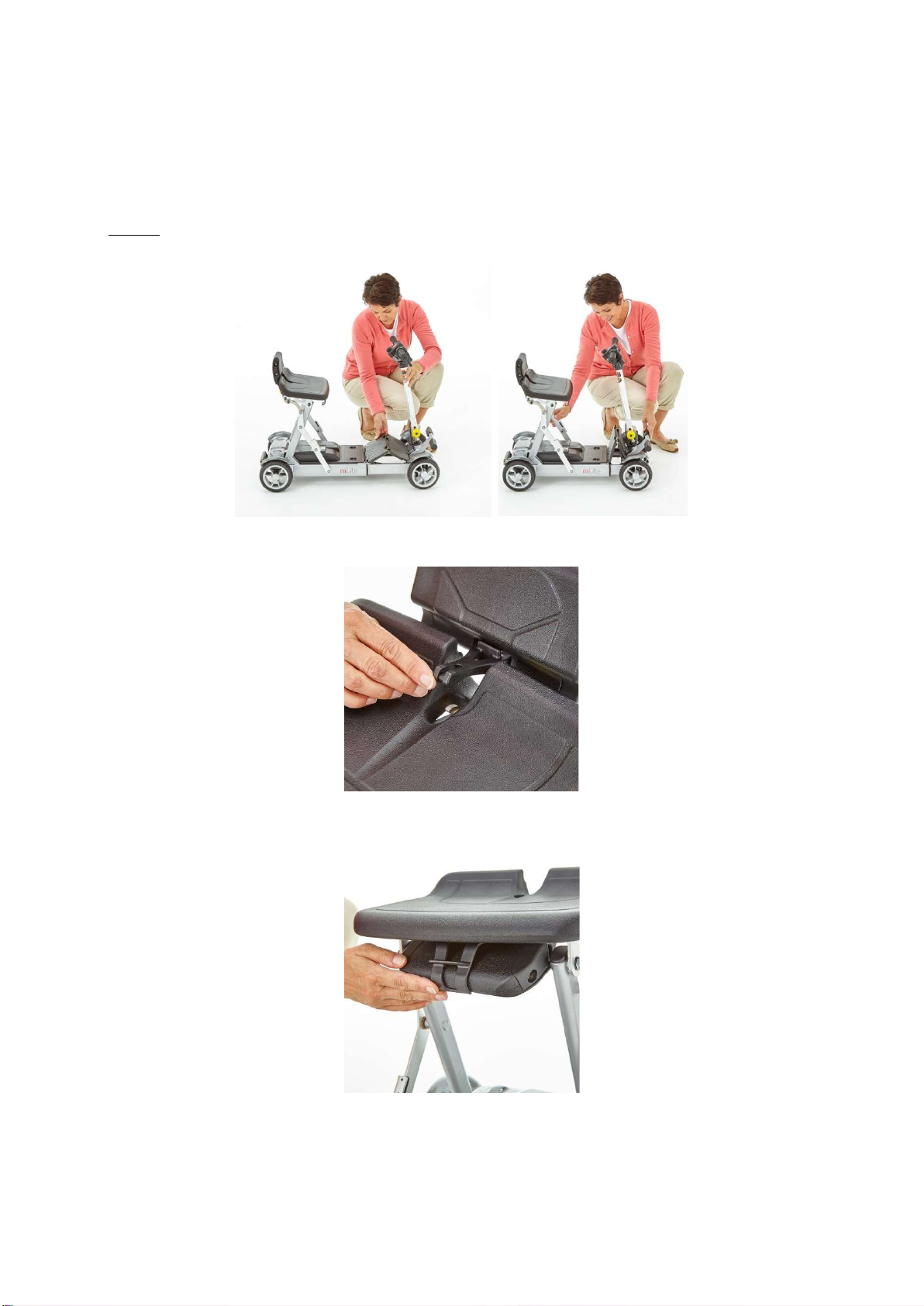
Folding
Lift up the floorpan in the centre at the point indicated in Yellow and slide the front wheels towards
the rear.
Disconnect the backrest by lifting the clip in the centre off the seat upwards. This is easiest from
behind the backrest pushing upwards.
Rotate the backrest backwards and clip it underneath the seat.
Pull the Yellow handle on the rear of the seat to unlock the seat.
Tip the front of the seat slightly forwards and push the whole seat downwards to lock in the closed
position on the floorpan.
Pull the Yellow Tiller Adjustment Knob and push the tiller down to lock into the seat in the closed
position.